

Newsletter Parashat Teruma – Rosh Chodesh Adar

בס״ד
Moor Lane - Logo.JPG

image.png
ק׳ ק׳ שׁערי תפילה
Have a look at our website 
******

image.png

 Chodesh Tov

to all our readers

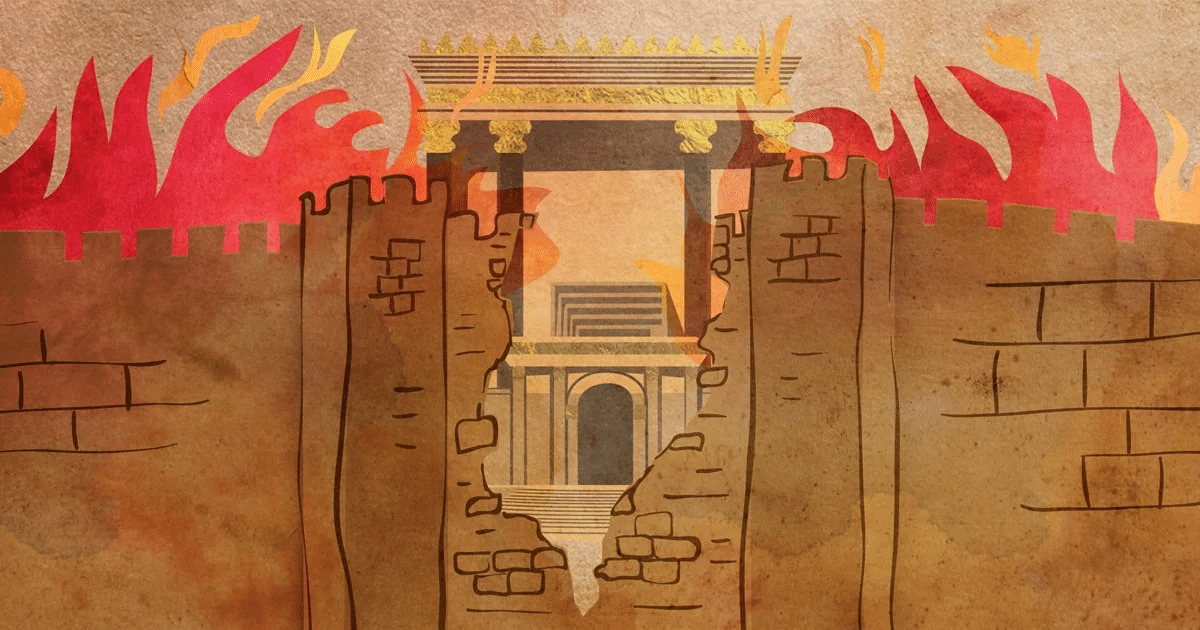
משנכנס אדר מרבין בשמחה

בגמרא במסכת תענית (דף כט.) אמר רבי יהודה בנו של רב שמואל בן שילת משמו של רב, כשם שמשנכנס אב ממעטין בשמחה כך משנכנס אדר מרבים בשמחה. אמר רב פפא, הלכך כל אחד מישראל שיש לו דין (דהיינו משפט) עם נכרי (גוי), ישתמט ממנו בחודש אב, משום רוע מזלם של ישראל בחודש אב, וישתדל שיצא הדין בחודש אדר משום שאז מזלם של ישראל הוא טוב מאד.

ומקור הדברים, הוא כמו שנאמר במגילת אסתר, “והחודש אשר נהפך להם מיגון לשמחה”, ללמדנו, שמזל החודש גורם הצלה וטובה לישראל, שבחודש זה מזלם הוא טוב.

אולם הגאון החתם סופר (סימן קס) העיר, שמרן השלחן ערוך בהלכות תשעה באב (סימן תקנא) הביא את דברי חז”ל שמשנכנס אב ממעטין בשמחה, אבל את מאמר חז”ל שמשנכנס אדר מרבין בשמחה, לא הביא בשלחן ערוך. גם רבינו הרמב”ם לא הזכיר בכלל את דברי חז”ל הללו.

וכתב החתם סופר ליישב, שיתכן שהרמב”ם ומרן השמיטו את הדין שיש לשמוח בחודש אדר, משום שרב פפא, שאמר שיש להשתדל ולכוין את הדין (המשפט) עם הגוי דוקא בחודש אדר, זהו משום שהוא סובר שיש מזל לישראל, כלומר, שגם עם ישראל כפופים למזלות, ולכן בחודש אדר מזלם הוא טוב מאד ועליהם לשמוח. אבל אנחנו פוסקים כדעת האומרים (בסוף מסכת שבת) שאין מזל לישראל, כי ישראל אינם כפופים למזלות, ולכן הרמב”ם ומרן כלל לא הזכירו את הדין הזה לגבי חודש אדר.

אולם רבים מהפוסקים כתבו שיש לקיים את דברי רב פפא ש”משנכנס אדר מרבין בשמחה”, ויש מקומות שאף מציינים זאת בכתובת בולטת. וגם אם אנו סבורים ש”אין מזל לישראל”, עדיין יש לשמוח בימים הללו, משום שחודש זה כולו נהפך לשמחה בימי אבותינו, וכולו ראוי לשמחה. ומה שמרן השלחן ערוך לא הזכיר את הדברים, הוא משום שכבר כתב בפירוש (בסימן תרפח) שיש אומרים שאפשר לקרוא מגילה כבר מראש חודש. ואם כן בודאי מובן שכל ימי חודש אדר הם ימי שמחה. וכן הסביר בספר התעוררות תשובה (סימן תעג). ובשנים קודמות הסברנו את הדברים עוד על פי דברי הריטב”א ועוד, על פי מה שכתב בזה מרן רבינו זצ”ל.

ובטעם השמחה בחודש אדר, האריך הגאון הראשון לציון רבינו יצחק יוסף שליט”א בספרו ילקוט יוסף (עמוד קצב), וכתב שיש בשמחת חודש אדר משום הודאה לה' יתברך על הנסים שנעשו לישראל בימים אלה. וכן יש בזה משום ציון וסימן שהימים הללו מסוגלים לטובה ולברכה.

ועוד הוסיף, שכשם שבימי חודש אב, ממעטין בשמחה עוד ועוד עד לשיא האבלות ביום תשעה באב, כמו כן בחודש אדר, מרבין בשמחה כדי להתכונן לקראת השמחה הגדולה שיש ביום הפורים עצמו.

ועוד הביא בשם ספר שפת אמת (על מסכת תענית), שבימי חודש אדר מתעוררת שמחה גדולה בעולם, משום שבימים הללו היו רגילים עם ישראל להביא את תרומותיהם במחצית השקל לבית המקדש, ובאותם הימים היו עם ישראל נותנים את התרומה בשמחה גדולה כמו שמבואר בכמה מקומות, וכן היה גם בימי המקדש השני, שהיו מתנדבים בשמחה, ועדיין עד היום הזה השמחה נמצאת בחודש אדר והיא מתעוררת על ידי כך שקוראים בבית הכנסת בפרשת שקלים.

When Adar Begins, We Increase Our Joy”

The Gemara in Masechet Ta’anit (29a) tells us, “Rabbi Yehuda son of Rav Shmuel ben Shilat taught in the name of Rav: Just as when the month of Av begins we diminish our happiness, so too, when Adar begins we increase our happiness. Rav Papa says, therefore, if a Jew has a court case with a non-Jew pending, he should avoid having it during the month of Av when the Jewish nation’s fortune is bad and try to have it held during the month of Adar when the Jewish nation’s fortune is good.”The source for this is based on a verse in Megillat Esther which states, “And the month which was switched for them from tragedy to joy,” which teaches us that the good fortune of this month brings about salvation and goodness for Israel since their fortune is optimal during this month. Nevertheless, Hagaon Chatam Sofer (Chapter 160) points out the distinction in the words of Maran Ha’Shulchan Aruch in that whereas in the laws of Tisha Be’av (Chapter 551), Maran quotes the words of the Sages that when Av begins, we decrease our joy, Maran does not quote the corresponding teaching that when the month of Adar begins, we increase our joy. Furthermore, the Rambam does not quote this teaching of our Sages at all. The Chatam Sofer explain that it is possible that the reason why the Rambam and Shulchan Aruch omitted this law of rejoicing during Adar is because Rav Papa who maintained that one should try to schedule a court case with a non-Jew to be held specifically during the month of Adar is because he is of the opinion that the Jewish nation is subject to the influence of the constellation and during Adar when their fortune is good, this is cause for celebration. On the other hand, we maintain that the Jewish nation is not subject to the influence of the stars (based on the Gemara, end of Shabbat) and thus, the Rambam and Maran did not mention this law regarding the month of Adar at all. However, many Poskim defend the ruling of Rav Papa that when Adar begins, our joy increases; some actually post animated signs during the month of Adar to that effect. Although we maintain that the Jewish nation is not subject to the influence of the constellations, there is still room to rejoice during these days because this entire month has been switched from mourning to rejoicing in the times of our forefathers. The reason why Maran omits this law is because he had already written (in Chapter 688) that some rule that one may read the Megillah from the beginning of the month of Adar. Thus, the entire month of Adar is certainly a time for rejoicing. The Sefer Hitorerut Teshuva (Chapter 473) resolves this issue likewise. In previous years, we have explained this matter further based on the words of the Ritba and as discussed in the works of Maran zt”lThe great Rishon Le’Zion, Hagaon Rabbeinu Yitzchak Yosef Shlit”a, explains (in his Yalkut Yosef- Purim, page 192) that the reason for rejoicing during the month of Adar is out of thanksgiving to Hashem for all the miracles he performed for us during this period. It is also an indication that these days are auspicious for goodness and blessings. He adds that just as during the month of Av, we progressively decrease our joy until the epitome of mourning on the Ninth of Av, during the month of Adar, we progressively increase our joy in preparation for the most joyous day of the month, the day of Purim. He quotes the Sefer Sefat Emet (on Ta’anit ibid.) who explains that it is possible that since during the month of Adar during the eras of the Mishkan (Tabernacle) and the first and second Bet Hamikdash the Half-Shekel coins were collected in the Bet Hamikdash and the Jewish nation donated them joyously, there was a spirit of great joy in the world. Until this very day, from the time Parashat Shekalim is read in the synagogue (on the Shabbat of or preceding Rosh Chodesh Adar), a great joy is awakened in the world.
*****

Important Taraffic Information for Purim

image.pngimage.png


****

🕯️שבת🕯️

לוח זמני תפלה לחורף  תשפ״ו

Winter Timetable 5786 – 2025/26

מוצאי שבת

ערבית

(מוצ״ש)

שקיעה

מנחה שבת

סוף זמן קריאת שמע

הדלקת נרות

מנחה וקבלת שבת

תאריך

שבת פרשת

Shabbat

Ends

Arbit

Sunset

Minha

Shema before

Candle Lighting

Minha & Kabbalat Shabbat

Date

Parasha

PM

PM

PM

PM

AM

PM

PM


6:21

6:17

5:30

4:55

9:48

5:14

5:14

20/21 Feb

תרומה

*****

🕯️WINTER TIMES FOR SHABBAT MORNING🕯️

שבת

קרבנות

8:45 am
הודו

9:00 am

*****

image.png
Avot Ubanim 
Winter Season 
1hr 15 min after 
Motzae Shabbat
THIS week @ 7:36 pm

*********

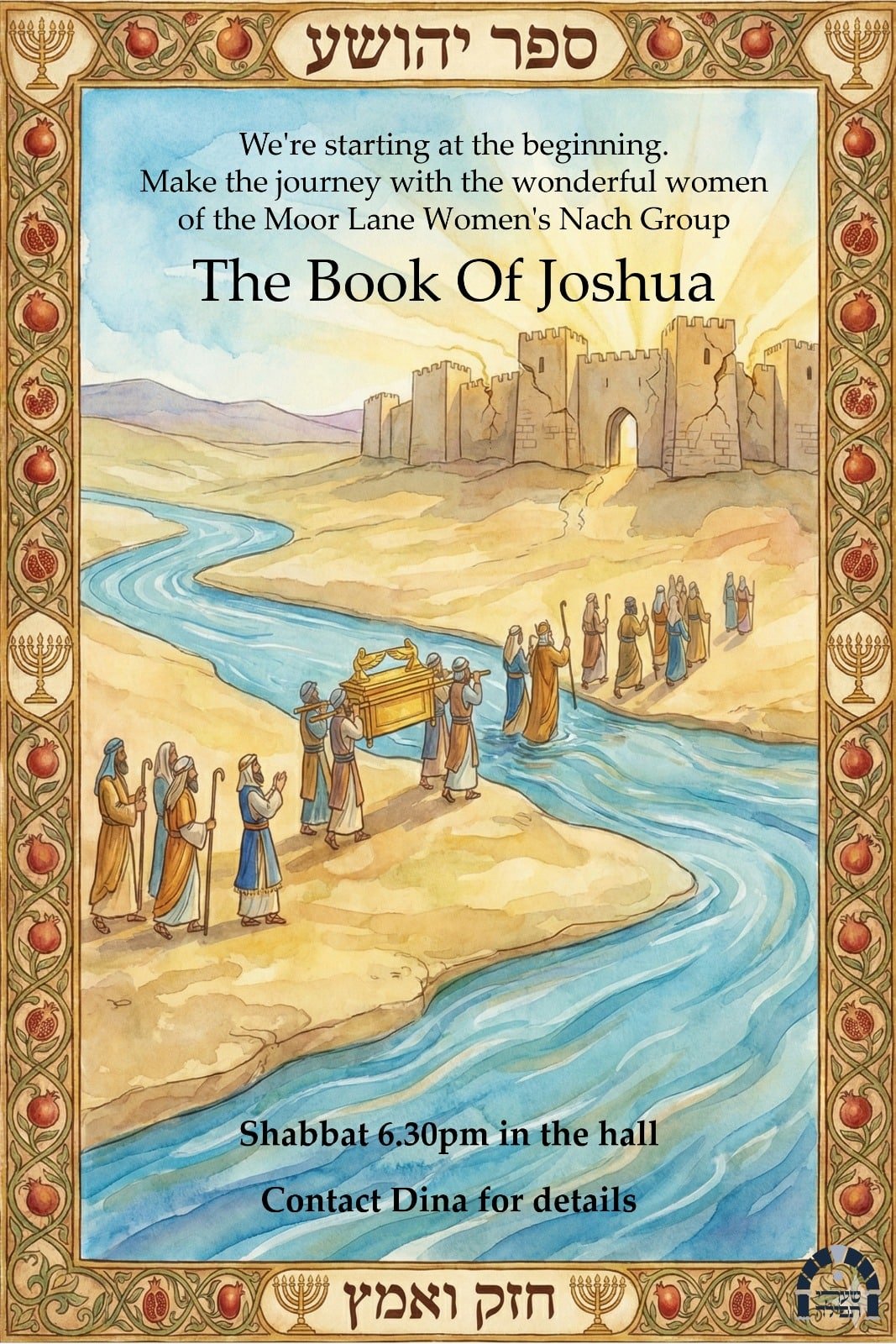
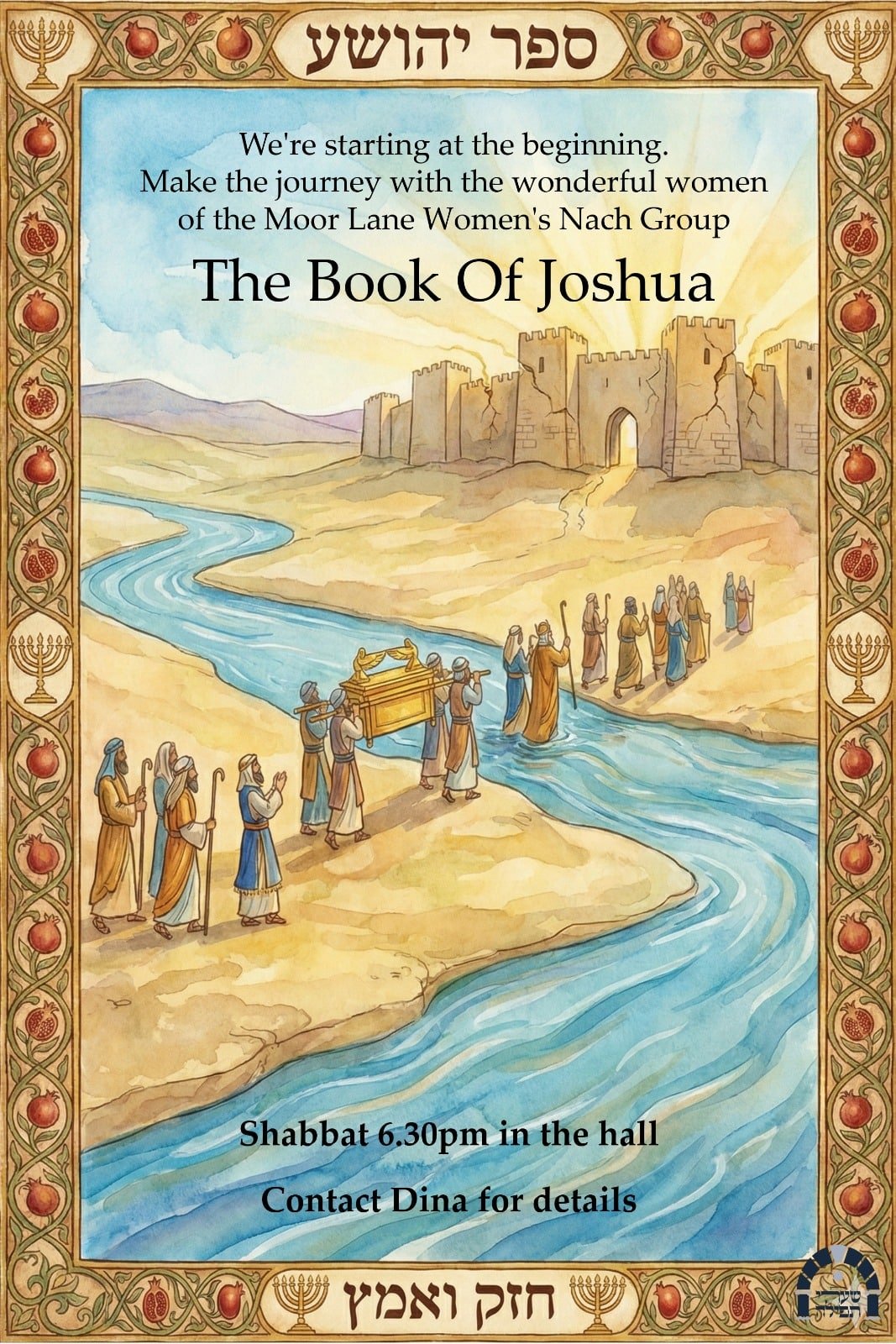
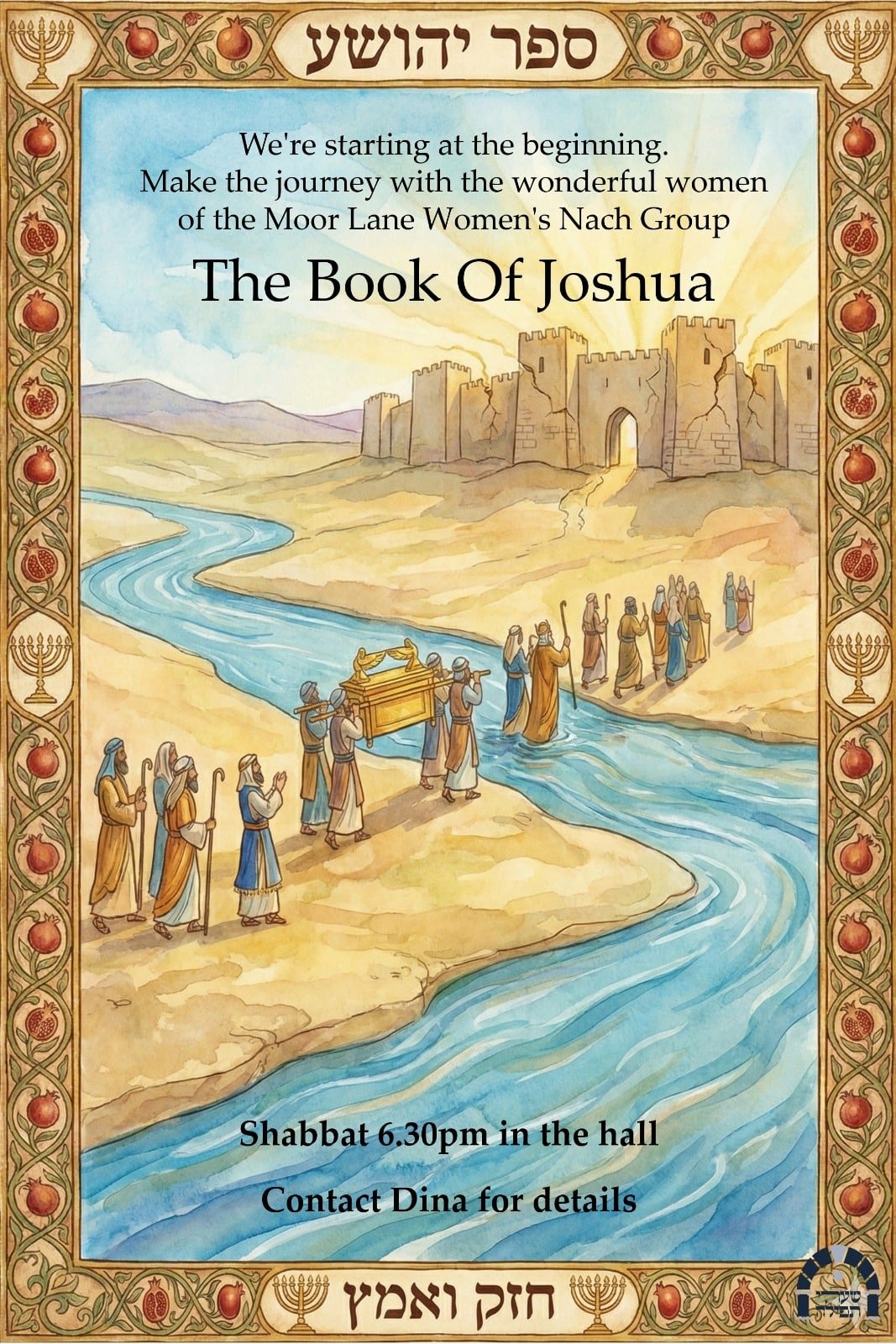
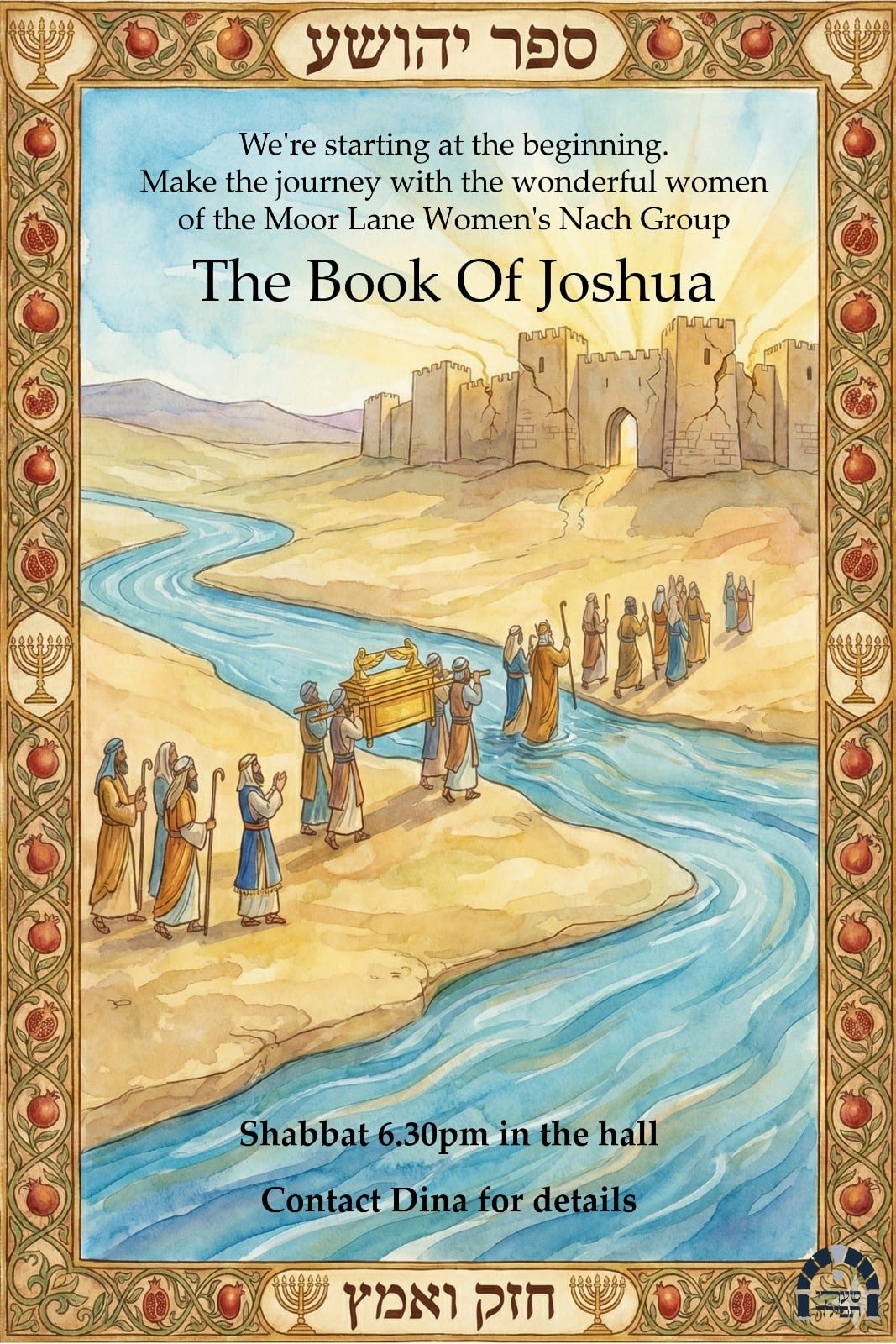
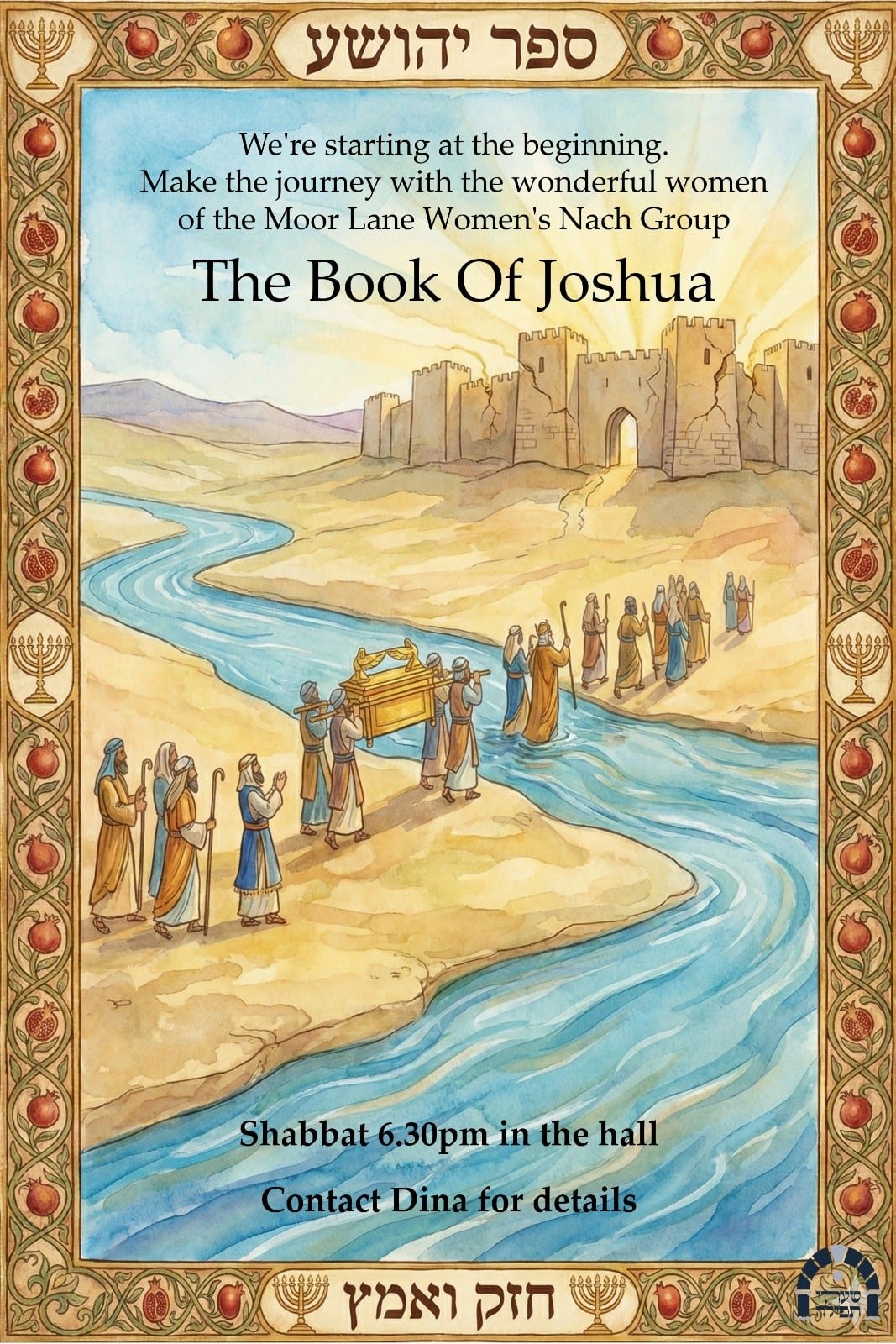
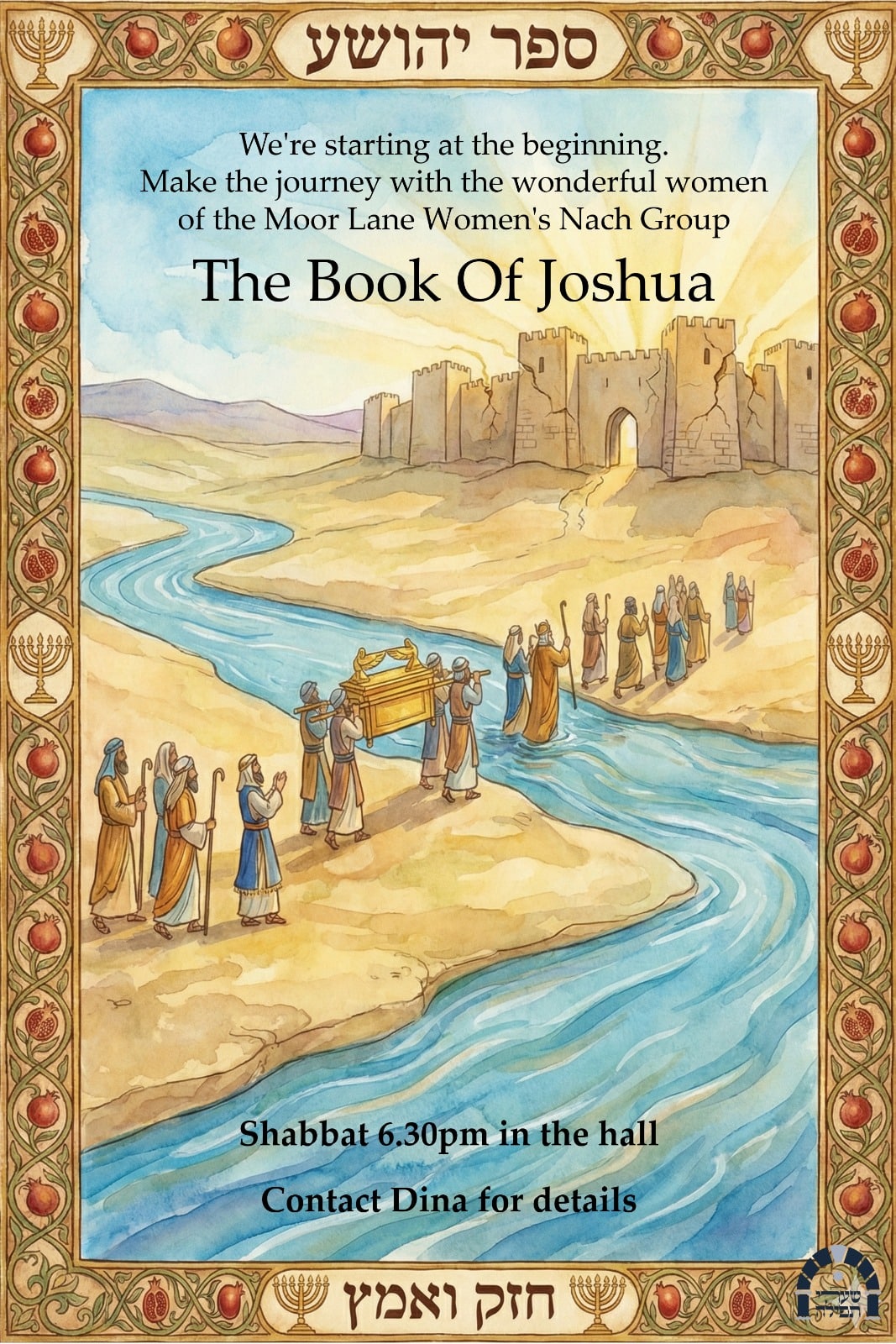
🪉Moor Lane Women’s Nach Group🪉

✴️👑✴️👑✴️👑✴️

PHOTO-2026-02-17-22-13-15.jpg

*******
📜
Parasha Overview

Hashem commands Moshe to build a Mishkan (Sanctuary) and supplies him with detailed instructions. The Jewish People are asked to contribute precious metals and stones, fabrics, skins, oil and spices. In the Mishkan's outer courtyard there is an Altar for the burnt offerings and a Laver for washing. The Tent of Meeting is divided by a curtain into two chambers. The outer chamber is accessible only to the Kohanim, the descendants of Aharon. This contains the Table of showbreads, the Menorah, and the Golden Altar for incense. Entrance to the innermost chamber, the Holy of Holies, was permitted only for the Kohen Gadol, and only once a year, on Yom Kippur. Here is the Ark that held the Ten Commandments inscribed on the two tablets of stone which Hashem gave to the Jewish nation on Mount Sinai. All of the utensils and vessels, as well as the instructions for the construction of the Mishkan, are described in great detail.

*******
image.png  

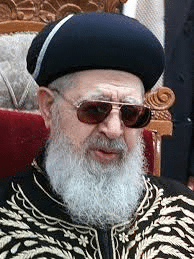
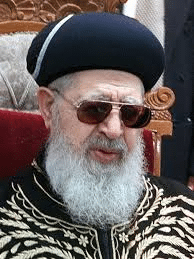
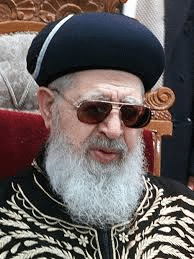
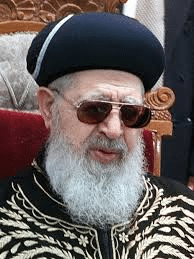
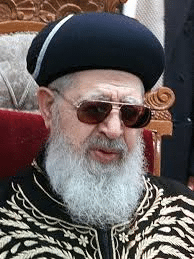
Halachot from Maran Rabbi Ovadia Yosef Ztz'l

אריזות כדורים בשבת

שאלה: האם מותר לפתוח בשבת אריזת גלולות?

תשובה: גלולות המצויות בזמנינו, רגילים בבתי החרושת לעוטפן בנייר פלסטיק מצדן האחד, ואילו מצדן השני הן סגורות באמצעות נייר אלומיניום שכתוב עליו שם התרופה. וכשרוצים להוציא את הגלולה, יש לקרוע את נייר האלומיניום העוטף אותה.

והנה אחת המלאכות האסורות בשבת (שנשנו במשנה במסכת שבת פרק שביעי), היא מלאכת “מוחק”. ומאחר ושם התרופה רשום על נייר האלומיניום, נמצא שמי שקורע את הנייר, גורם לכך שלא ניתן לקרוא את מה שהיה רשום עליו. ויש כאן חשש של איסור “מחיקה” בשבת. לכן עלינו לדון, האם מותר לקרוע בשבת את הנייר העוטף את הגלולה, או לא.

והנה באמת, איסור מחיקת כתב בשבת, הוא איסור מן התורה, אבל אין זה אלא כאשר המחיקה היא מחיקה על מנת לכתוב, כגון אדם המוחק כתב שבמחברת, שהמחיקה מאפשרת לכתוב שוב על הנייר, אבל כאשר אין המחיקה באה בכדי לכתוב, אין האיסור במחיקה זו אלא מדרבנן (מדברי רבותינו), שגזרו אף על מחיקה כזו שתהיה אסורה ביום השבת.

ומחיקת הכתב שמאחורי אריזת הגלולות, בודאי אינה נחשבת למחיקה על מנת לכתוב. ומעתה מבואר שאין הנדון בשאלתנו, אלא לגבי איסור מחיקה שהוא מדרבנן, אבל מצד איסור מחיקה ממש שהיא מן התורה, אין כאן חשש כלל.

ומעתה יש לנו לדון בזה מצד מה שכתב מרן רבינו זצ”ל בכמה מקומות בספריו, שכל איסור מלאכה (האסורה מדרבנן) שנעשית בשבת, כאשר אין האדם מתכוין לאותה המלאכה (ובלשון הפוסקים: “לא מתכוין”), וגם לא איכפת לו בתוצאה שיוצאת ממנה (“לא איכפת ליה”), אין איסור בעשיית אותה המלאכה.

ודוגמא לדבר, אדם שהולך על גבי שלג בשבת, אף על פי שהוא מרסק את השלג בהליכתו, מאחר ואין איסור בריסוק השלג (ברגליו) אלא מדרבנן, מותר ללכת עליו בשבת. שהרי ההליכה גורמת לאיסור דרבנן, “דלא ניחא ליה”, ו”דלא איכפת ליה”, והדבר מותר בשבת. (חזון עובדיה שבת חלק ד עמוד קעא).

וכן לענין קריעת אריזת הכדורים, מכיון שהאדם הקורע את אריזת הכדורים אינו מתכוין במלאכתו למחיקת האותיות, וגם לא איכפת לו ממחיקתם כלל וכלל, נראה שיש להקל בקריעת אריזת הכדורים בכדי שיוכל להשתמש בהן בשבת.

וכן פסק הגאון רבי שלמה זלמן אוירבך זצ”ל בספר שמירת שבת כהלכתה (עמ' תקיט), והוסיף, שאף לפי דברי האחרונים שהחמירו בנדון קרוב לנדון זה, מכל מקום במקום חולי, שהגלולות הן לרפואה, העיקר שיש להקל בזה.

ומכל מקום, המחמיר לקרוע את אריזת הכדורים מערב שבת ולהכין לו כמה כדורים שיצטרך לשבת, תבא עליו הברכה. ובפרט כאשר הכדורים אינם עשויים לצורך חולה, שאז יש מקום יותר להחמיר בזה.

ולסיכום: מותר מעיקר הדין לקרוע אריזת כדורים, אף על פי שעל ידי קריעת האריזה נמחק הכתב שעל גביה. והמחמיר לקרוע את האריזה מערב שבת, תבא עליו ברכה.


Opening Medication Packaging on Shabbat

Question: Is it permissible to open the packaging of medication tablets on Shabbat?

Answer: It is common nowadays that many pharmaceutical companies manufacture their medication tablets in a packaging of which one side is made of plastic and the other side is made of foil with the name of the company and medication imprinted on it. In order to remove the tablets, one must tear the foil in which the tablet is encased.

One of the thirty-nine forbidden works on Shabbat (listed in the Mishnah in the seventh chapter of Masechet Shabbat) is “erasing.” Since the name (and company) of the medication is printed on the foil, by tearing the foil, the words printed on it will no longer be legible which constitutes a concern of the forbidden work of “erasing” on Shabbat. We must therefore discuss whether or not it is permissible to tear the foil encasing around the tablets on Shabbat.

Although the act of erasing writing on Shabbat is certainly a Torah prohibition, this only applies when one erases in order to write, for instance, if one erases writing in a notebook which then allows him to once again write on the paper. However, if one is not erasing in order to write, this kind of erasing constitutes only a rabbinic prohibition.

If so, erasing the words on the back of a package of tablets is certainly not considered “erasing in order to write.” Thus, our discussion involves a form of erasing which is only a rabbinic prohibition and there is no concern for a Torah prohibition of erasing whatsoever.

We must now discuss what Maran Rabbeinu zt”l writes in several of his works that when any rabbinic prohibition is being performed on Shabbat, if one does not intend to perform this forbidden work and one does not care about that outcome that ensues as a result of it, there is not prohibition to perform such a work.

For example, if one walks on snow on Shabbat, although one is crushing the snow as he is walking, since crushing snow with one’s feet is only a rabbinic prohibition, one may walk on it on Shabbat, for this walking causes only a rabbinic prohibition the result of which (the crushed snow) one does not care about. This is therefore permissible (see Chazon Ovadia-Shabbat, Part 4, page 171).

The same would apply to tearing the packaging of the medication. Since the one tearing the packaging does not intend to perform the forbidden work of erasing letters and does not care about this outcome whatsoever, it seems that there is room for leniency to tear such packaging on Shabbat so that one may use the pills on Shabbat.

Indeed, the Sefer Shemirat Shabbat Ke’Hilchata (page 519) quotes Hagaon Harav Shlomo Zalman Auerbach zt”l as ruling leniently on this matter and adds that although some Acharonim rule stringently regarding a similar case, in our situation where the pills are meant to heal some sort of illness, there is certainly room to permit doing so.

Nevertheless, one who acts stringently and tears the packaging on Erev Shabbat and prepares the necessary amount of tablets for Shabbat before the onset of Shabbat shall certainly be blessed. This is especially true when the tablets are not meant for an ill individual in which case there is more room to act stringently.

Summary: According to the letter of the law, one may tear the packaging of medication tablets on Shabbat although by doing so, the letters on the back of the packaging are being torn. One who acts stringently and tears the packaging before the onset of Shabbat shall be blessed.

Newsletter Parashat Mishpatim – Shabbat Mevarechim – Shabbat Shekalim

בס״ד
Moor Lane - Logo.JPG

image.png
ק׳ ק׳ שׁערי תפילה
Have a look at our website 
********

image.png
שבת מברכים

THIS SHABBAT 

is  

שבת מברכים

Reminder
there will be NO derasha this week
instead we will have the 
kahal recitation of Sefer Tehilim
******
image.png

THIS SHABBAT

we take out 2 Sefarim

(1) Parashat Mishpatim (7 Aliyot)

(2) Parashat Shekalim (Maftir)

The haftara THIS week will be the 

Haftara of Shekalim

*********

🕯️שבת🕯️

לוח זמני תפלה לחורף  תשפ״ו

Winter Timetable 5786 – 2025/26

מוצאי שבת

ערבית

(מוצ״ש)

שקיעה

מנחה שבת

סוף זמן קריאת שמע

הדלקת נרות

מנחה וקבלת שבת

תאריך

שבת פרשת

Shabbat

Ends

Arbit

Sunset

Minha

Shema before

Candle Lighting

Minha & Kabbalat Shabbat

Date

Parasha

PM

PM

PM

PM

AM

PM

PM


6:08

6:04

5:16

4:40

9:56

5:00

5:00

13/14 Feb

משפטים (ש״מ) (שקלים)

*****

🕯️WINTER TIMES FOR SHABBAT MORNING🕯️

שבת

קרבנות

8:45 am
הודו

9:00 am

*****

image.png
Avot Ubanim 
Winter Season 
1hr 15 min after 
Motzae Shabbat
THIS week @ 7:25 pm

*********

🪉Moor Lane Women’s Nach Group🪉

PHOTO-2026-01-21-10-51-45.jpg

*******

📜
Parasha Overview

The Jewish People receive a series of laws concerning social justice. Topics include: Proper treatment of Jewish servants; a husband's obligations to his wife; penalties for hitting people and for cursing parents, judges, and leaders; financial responsibilities for damaging people or their property, either by oneself or by one's animate or inanimate property, or by pitfalls that one created; payments for theft; not returning an object that one accepted responsibility to guard; the right to self-defense of a person being robbed.

Other topics include: Prohibitions against seduction; witchcraft, bestiality and sacrifices to idols. The Torah warns us to treat the convert, widow and orphan with dignity, and to avoid lying. Usury is forbidden and the rights over collateral are limited. Payment of obligations to the Temple should not be delayed, and the Jewish People must be Holy, even concerning food. The Torah teaches the proper conduct for judges in court proceedings. The commandments of Shabbat and the Sabbatical year are outlined. Three times a year — for Pesach, Shavuot and Succot — we are to come to the Temple. The Torah concludes this listing of laws with a law of kashrut to not cook or mix meat and milk.

*******
image.png  

Halachot from Maran Rabbi Ovadia Yosef Ztz'l

לקיחת תרופות בשבת

דין נטילת תרופות בשבת

בדברי רבותינו במסכת שבת, מבואר שכל מיני רפואות, אסור לעשותן בשבת. ובכלל זה, לקיחת תרופה המרפא איזה חולי וכדומה. וטעם האיסור בזה, הוא מחמת גזירת חכמים, משום “שחיקת סממנים”. שראו רבותינו חכמי התלמוד, שהאדם מחמת הבהלה שיש לו במקום חולי שלו או של קרובו, עלול לבא לידי איסור תורה בהכנת התרופה לחולה, למשל על ידי שחיקת הסמננים לתרופה, (דהיינו טחינת העשבים לתרופות שהיו נוהגים בימים ההם), ועל כן אסרו להשתמש בשבת בכל סוג שהוא של תרופה. (אך לפי מה שיבואר, יש אופנים שמותר להתרפאות בשבת).

יש אומרים שבזמנינו שלא רגילים לייצר תרופות בבית, לא שייכת גזירה זו. ולדעת מרן רבינו עובדיה יוסף זצ”ל, יש לצרף דיעה זו להקל בכמה מקרים.

תרופה של הצלת נפשות

כתב מרן הבית יוסף (סימן שכח) בשם רבותינו הראשונים, כי ברור הדבר שלא אסרו רבותינו שום דבר, במקום פיקוח נפש ממש, כלומר, כאשר יש חשש שמחמת החולי יבא החולה לידי מיתה, שהרי אין לך דבר העומד בפני פיקוח נפש, ואפילו במקום ספק פיקוח נפש, חובה לחלל את השבת, ואפילו אם יש כמה ספקות לומר שאין מדובר בפיקוח נפש, לעולם מחללין את השבת עבור חולה כל שיש צד שיוכל לבא מתוך חוליו לידי סכנה. ואפילו במלאכות האסורות מן התורה, כגון נסיעה ברכב וכדומה, חייבים לעשותן עבור פיקוח נפש. ולא גזרו רבותינו על איסור נטילת תרופות בשבת, אלא לחולה שיש לו איזה מיחוש (כאב או חוסר נוחות), אבל הוא מתהלך כבריא, שאז אסור לו לקחת תרופה לחוליו.

למי מותר ליטול תרופות בשבת?

אדם הסובל מעט מחוסר נוחות בבטנו ביום השבת, אסור לו לקחת תרופה שמרפא את החולי ממנו הוא סובל. וכן אדם הסובל מצינון או משיעול בשבת, אסור לו לקחת תרופה לרפא את החולי ממנו הוא סובל. אבל אם גדול הסבל שלו עד כדי כך שהוא חולה בכל גופו או שהוא צריך כבר לשכב במיטה, אף על פי שלא נשקפת סכנה לחייו של החולה, מכל מקום מותר לו לקחת תרופה לרפא את חוליו, כי בחולה כזה לא גזרו רבותינו איסור משום שחיקת סממנים. וכל שכן במקום פיקוח נפש ממש, שאז מותר לעשות עבור החולה כל מה שיצטרכו עבורו לרפואתו.

דין ילד קטן

ילדים, עד גיל תשע שנים, לא שייכת בהם גזירת רבותינו בענין רפואות בשבת. ולכן מותר לתת להם תרופות, וכל כיוצא בזה בשבת. (חזון עובדיה שבת, חלק ג, עמוד שסא).

ולסיכום: אדם שאינו חולה ממש, רק הוא סובל מאיזה מיחוש, כגון שיעול או כאב בטן, והוא הולך כבריא, אסור לו ליטול בשבת תרופות המרפאות את החולי שלו. אבל אם חלה כל כך עד שכל גופו דואב בחוליו, או שהוא נאלץ לשכב במיטה, מותר לו ליטול תרופות לרפואתו. וילד עד גיל תשע, מותר לו ליטול תרופה בשבת.

ויש בזה עוד פרטי דינים מרובים, וכפי שיבואר בהלכה הבאה.


Taking Medicine on Shabbat

The Laws of Taking Medicine on Shabbat
Our Sages teach us in Masechet Shabbat that performing any sort of healing, including taking medication to heal any sort of illness, is forbidden on Shabbat. The reason for this prohibition is because the Sages of the Talmud understood that when one was in distress as a result of his own illness or a family member’s, one could possibly transgress Torah law by preparing the medicine, such as grinding herbs and other ingredients (which was common in those times) for the medicine. Our Sages therefore forbade making use of any type of medicine on Shabbat. (Nevertheless, there are situations where one may heal one’s self on Shabbat, as we shall soon discuss.)

Some say that this edict no longer applies nowadays when medicines are not usually home-made. Indeed, Maran Rabbeinu Ovadia Yosef zt”l utilizes this opinion in order to rule leniently in certain situations.

Life-Saving Medication
Maran Ha’Bet Yosef (Chapter 328) writes in the name of several Rishonim that it is clear that our Sages prohibited nothing in a life-threatening circumstance, i.e. when there is a concern that one’s illness may bring him to the verge of death. Shabbat must even be desecrated when there is even a doubtful life-threatening circumstance; even if there are several doubts pointing to the fact that the situation is non-life-threatening, Shabbat is nevertheless desecrated if there is even a slight chance that an individual’s illness can prove life-threatening. Even works forbidden by Torah law, such as driving a car and the like, must be performed in a life-threatening circumstance. Our Sages forbade taking medication on Shabbat only for an individual with pain or discomfort who continues to walk around like a healthy person.

Who May Take Medicine on Shabbat?

If one suffers from minor abdominal discomfort on Shabbat, one may not take medicine to alleviate this pain. Similarly, one who suffers from a cold or cough on Shabbat may not take medication to alleviate his symptoms. However, if one’s pain or discomfort is so great that one feels ill all over his body or if one must lay down in bed as a result of the pain, although the individual’s life is not in danger, one may take medicine to relieve his pain, for our Sages did not establish the edict regarding concern for grinding herbs in such a situation. This is certainly true regarding in a life-threatening situation in which case anything necessary to heal the ill individual may be done.

The Law Regarding Children
The edict of our Sages regarding healing on Shabbat does not apply to children under nine years of age. One may therefore give them medicine and the like on Shabbat (see Chazon Ovadia-Shabbat, Part 3, page 361).

Summary: If one is not actually ill and is merely suffering from some aches and pains, such as a stomach ache or a cough, and continues to walk around like a healthy person (as usual), one may not take medication to relieve his symptoms. However, if one becomes so ill that his entire body is in pain or if one must lie down in a bed, one may take medicine to relieve his pain and discomfort. A child under the age of nine may take medicine on Shabbat.

There are many other details pertaining to these laws, such as the law regarding taking antibiotics on Shabbat, as we shall discuss in the following Halacha.

Newletter Parashat Vaera – Shabbat Mevarechim

בס״ד
Moor Lane - Logo.JPG

image.png
ק׳ ק׳ שׁערי תפילה
Have a look at our website 
*********

image.png
שבת מברכים

THIS SHABBAT 

is  

שבת מברכים

Reminder
there will be NO derasha this week
instead we will have the 
kahal recitation of Sefer Tehilim

****

image.png

Below are the elected members of the 

Executive & the Mahamad

Wishing them much Hatzlacha for the upcoming year

 MEMBERS OF THE MAHAMAD 5786

a)      Parnas PresidenteMordechai Maman

b)      Parnas Vice PresidenteBenjamin Hassan

c)      Treasurer: Yehoshua Jacobs

d)      Gabbai: Eli Shoshana

e)      Hon. SecretaryYehoshua Lewis 

f)       Ladies Committee ChairMrs. Elaine Marshall

g)      Mahamad: 

           Paul Delmonte, Yehuda Marshall, David Bitan, Rafi Marshall, 

 
 Delegate Jewish Rep Council: Fabian Borocin (MM)

Delegate Manchester Shechita Board: Fabian Borocin (MM)

****

🕯️שבת🕯️

לוח זמני תפלה לחורף  תשפ״ו

Winter Timetable 5786 – 2025/26

מוצאי שבת

ערבית

(מוצ״ש)

שקיעה

מנחה שבת

סוף זמן קריאת שמע

הדלקת נרות

מנחה וקבלת שבת

תאריך

שבת פרשת

Shabbat

Ends

Arbit

Sunset

Minha

Shema before

Candle Lighting

Minha & Kabbalat Shabbat

Date

Parasha

PM

PM

PM

PM

AM

PM

PM


5:20

5:16

4:22

3:45

10:17

4:06

4:06

16/17 Jan

וארא (ש״מ)

*****

🕯️WINTER TIMES FOR SHABBAT MORNING🕯️

שבת

קרבנות

8:45 am
הודו

9:00 am

*****

image.png
Avot Ubanim 
Winter Season 
1hr 15 min after 
Motzae Shabbat
THIS week 
@ 6:35 pm

********

📜
Parasha Overview

Hashem tells Moshe to inform the Jewish People that He is going to take them out of Egypt. However, the Jewish People do not listen. Hashem commands Moshe to go to Pharaoh and ask him to free the Jewish People. Although Aharon shows Pharaoh a sign by turning a staff into a snake, Pharaoh's magicians copy the sign, emboldening Pharaoh to refuse the request. Hashem punishes the Egyptians, sending plagues of blood and frogs, but the magicians copy these miracles on a smaller scale, again encouraging Pharaoh to be obstinate. After the plague of lice, Pharaoh's magicians concede that only Hashem could be performing these miracles.

Only the Egyptians, and not the Jews in Goshen, suffer during the plagues. The onslaught continues with wild animals, pestilence, boils and fiery hail. However, despite Moshe's offers to end the plagues if Pharaoh will let the Jewish People leave, Pharaoh continues to harden his heart and refuses.

*******
image.png  

Halachot from Maran Rabbi Ovadia Yosef Ztz'l

שאלה: האם יכול כל אדם לשבח את הקדוש ברוך, בתפילה או בשירות ותשבחות?

תשובה: בברכת “אבות” שבתחילת תפילת העמידה, תיקנו אנשי כנסת הגדולה לומר, “האל הגדול הגיבור והנורא”, שהם שבחים להשם יתברך. ואמרו רבותינו (בברכות לג:) שאלמלא שמשה רבינו עצמו שיבח את הקדוש ברוך הוא בתארים אלה, לא היינו יכולים אנו לאמרם, שהרי כל השבחים שנאמרו על ה', הם כאין וכאפס לעומת גדולתו שאין לה חקר. אולם מאחר שמשה רבינו שיבח את ה' בשבחים אלה, ובודאי עשה כן בדיבורו של ה' יתברך, נמצא שמותרים אנו לשבח את ה' יתברך בשבחים אלה. ומבואר עוד בגמרא (מגילה יח.) שגנאי הוא להאריך בשבחי ה' יתברך, וכמו שנאמר “מי ימלל גבורות ה', ישמיע כל תהלתו”, כלומר, למי נאה למלל גבורות ה', למי שיכול להשמיע כל שבחיו. ואין זה ביד האדם להשמיע כל שבחי ה' יתברך. ועל כן אמרו, כל המספר שבחו של הקדוש ברוך הוא יותר מדי, נעקר מן העולם, שנאמר, “היסופר לו כי אדבר אם אמר איש כי יבלע”. עד כאן.

ואמרו עוד בגמרא, מעשה באחד שעלה להתפלל בפני רבי חנינא, אמר “האל הגדול הגבור והנורא האדיר העיזוז האמיץ החזק”, אמר לו רבי חנינא, סיימתיה לשבחי דמרך. כלומר, סיימת לומר את השבחים של ה' יתברך? רצונו לומר, בלאו הכי לא תוכל לומר את כל שבחי ה', ואם כן גנאי הוא שאתה מוסיף על השבחים שנזכרו בתפילה כתקנת חז”ל.

וכל נוסח הברכות שתיקנו לנו אנשי כנסת הגדולה, כולו נעשה בחכמה מיד ה' עליהם השכיל, בידיעת שרשי הדברים, ופעולת כל תיבה ותיבה (מילה ומילה) בעולמות העליונים. וכפי שמבואר בגמרא (שם), כיצד למדו רבותינו מן הפסוקים את כל סדר הברכות. מנין שמזכירים את האבות בתחילת התפילה (אלהי אברהם אלהי יצחק ואלהי יעקב), שנאמר “הבו לה' בני אלים”, ומנין שאומרים את גבורותיו (האל הגדול הגיבור והנורא), שנאמר “הבו לה' כבוד שמו”. ושמו של ה' יתברך, הן גבורותיו הנראות בעינינו בהנהגת העולם. וכן על זה הדרך כמבואר בגמרא שם.

ולפיכך, אסור בהחלט לשנות מן המטבע (מהלשון הקבועה) שתיקנו חכמים בלשונות הברכות. ולכן, כל הברכות כולן, אסור לשנות בהן ולו מילה אחת, אלא יש לאמרן כפי תקנת חז”ל.

ומן האמור מבואר, שפשוט מאד שאסור לאדם להוסיף על שבחי ה' יתברך בלשון התפילה. שמלבד מה שמוסיף בחנם על שבחי ה' יתברך, שהוא דבר מגונה כמו שביארנו, עוד גרע בזה, שהרי הוא משנה מן המטבע שטבעו חכמים בלשונות הברכות.

ובהלכה הבאה נדון אם מותר להוסיף בשבחי ה' בשירות ותשבחות שאינן בלשון התפילה.

Praising Hashem Copiously Through Prayer

Question: May anyone praise Hashem through prayer or song?

Answer: In the first blessing of the Amida, the blessing of the “Fathers,” the Sages of Great Assembly enacted that one use the words “The great, mighty, and awesome G-d” in praise of Hashem. Our Sages taught (Berachot 33b) that were it not for the fact that the Moshe Rabbeinu himself used these phrases to praise Hashem, we would not be able to say so ourselves, for any praise we can offer to Hashem pale in comparison to his immeasurable greatness. However, since Moshe Rabbeinu used these phrases and he certainly did so by the word of Hashem, we may also use these same phrases to praise Hashem. The Gemara (Megillah 18a) states that it is inappropriate to lengthily speak the praises of Hashem, as the verse states, “Who shall speak the might of Hashem, shall proclaim all of His praises?” This means that only one who can proclaim all of Hashem’s praises may speak of Hashem’s might. This is a feat no human being can ever accomplish. Therefore, our Sages taught that one who speaks too lengthily about the praises of Hashem will be eradicated from the world, as the verse states, “Is anything conveyed when I speak? Can a person say anything while confused?”

The Gemara (ibid) recounts how once, someone served as Chazzan before Rabbi Chanina and exclaimed, “The great, mighty, awesome, powerful, vast, awe-inspiring, strong, fearless, steadfast, and honored G-d” to which Rabbi Chanina replied, “Have you concluded all the praises of your master?” He meant to chastise this individual for adding onto the praises the Sages incorporated into the prayer.

The text of the Amida prayer was enacted by the Members of the Great Assembly using the holy spirit and understanding the impact every word would have on the Upper Realms. Indeed, our Sages derived the words in the prayer from various verses in the Torah: “From where do we derive that one mentions the Patriarchs at the beginning of the prayer? As the verse states, ‘Ascribe to Hashem, children of the divine.’ From where do we derive that one mentions the might of Hashem? As the verse states, ‘Ascribe to Hashem the glory of His name.’”

It is therefore forbidden to deviate from the standardized text of prayer prescribed by our Sages; rather, one should recite the blessings of the Amida exactly as enacted by our Sages and not add even one more word.

Thus, one may not add to the praises of Hashem within the context of the blessings of the Amida, for doing so not only adds to the praises of Hashem unnecessarily, but it also deviates from the text minted by our Sages.

In the next Halacha, we shall, G-d-willing, discuss whether or not it is permissible to praise Hashem copiously outside the standard text of prayer.

Newsletter Parashat Shemot – AGM 2026

בס״ד
Moor Lane - Logo.JPG

image.png
ק׳ ק׳ שׁערי תפילה
Have a look at our website 
*********************
FOR MEMBERS ONLY
image.png

🗓️ Save the date 📝

Annual General Meeting 2026

 Motzae Shabbat 10th January 2026 at 7:45 pm

AGENDA

1.      Minutes of the 2025 Annual General Meeting

2.      Matters arising from the Minutes

3.      Parnas Presidente’s Report

4.      Adoption of the Report

5.      Treasurer’s Report and Presentation of Accounts

6.      Discussion and Adoption of Report

7.      *Election of Hon Officers and Members of the Mahamad

a)      Parnas Presidente

b)      Parnas Vice Presidente

c)      Treasurer

d)      Gabbai

e)      Hon. Secretary

f)       Ladies Committee Chair

g)      Mahamad (6 members – sub-group duties to be defined)

8.       Election of delegates to:

a)       Manchester Shechita Board      b)      Manchester Jewish Rep Council

9.       A.O.B.

 CURRENT MEMBERS OF THE MAHAMAD 5785

a)      Parnas PresidenteMordechai Maman

b)      Parnas Vice PresidenteBenjamin Hassan

c)      Treasurer: Yehoshua Jacobs

d)      Gabbai: Eli Shoshana

e)      Hon. SecretaryYehoshua Lewis

f)       Ladies Committee ChairMrs. Elaine Marshall

g)      Mahamad: Mrs Loretta Hodari 

                            Raphi Marshall

                            Paul Delmonte


Thank you in advance for attending – your support for this meeting is important.

On behalf of the Mahamad

*Nominations should reach the Hon. Secretary before Thursday, 8th January 2026.

YOU ARE RESPECTFULLY REMINDED THAT UNDER THE PROVISION OF ASCAMA 28 YEHIDIM BEING ARREARS IN THE PAYMENT OF THEIR ACCOUNT FOR A LONGER PERIOD THAN SIX MONTHS SHALL FORFEIT THE RIGHT OF VOTING AT ALL MEETINGS

PLEASE NOTE: VOTING IS BY ATTENDANCE ONLY –  PROXY VOTES ARE NOT VALID FOR AGM’s


📝AGM Nominations form attached to this email

*****

image.png
Would you like to do some Keriat Hatorah – Torah reading?
Committed to doing a reading and finding it hard?
Need to cancel or make a change?
Want to be added to the Keriat HaTorah roster?
Please contact Yehoshua Jacobs
******
image.png
Please support our minyanim whenever possible
Updates will appear on the WhatsApp group image.png
If anyone needs any help getting to or from the minyanim 
please contact one of the members of the Mahamad
****
🕯️שבת🕯️

לוח זמני תפלה לחורף  תשפ״ו

Winter Timetable 5786 – 2025/26

מוצאי שבת

ערבית

(מוצ״ש)

שקיעה

מנחה שבת

סוף זמן קריאת שמע

הדלקת נרות

מנחה וקבלת שבת

תאריך

שבת פרשת

Shabbat

Ends

Arbit

Sunset

Minha

Shema before

Candle Lighting

Minha & Kabbalat Shabbat

Date

Parasha

PM

PM

PM

PM

AM

PM

PM


5:10

5:06

4:11

3:35

10:19

3:55

3:55

9/10 Jan

שמות  

*****

🕯️WINTER TIMES FOR SHABBAT MORNING🕯️

שבת

קרבנות

8:45 am
הודו

9:00 am

*****

image.png
Avot Ubanim 
Winter Season 
1hr 15 min after 
Motzae Shabbat
THIS week 
@ 6:25 pm

********

📜
Parasha Overview

With the death of Yosef, the Book of Bereishet (Genesis) comes to an end. The Book of Shemot (Exodus) chronicles the creation of the nation of Israel from the descendants of Yaakov. At the beginning of this week's Torah portion, Pharaoh, fearing the population explosion of Jews, enslaves them. However, when their birthrate increases, he orders the Jewish midwives to kill all newborn males.

Yocheved gives birth to Moshe and hides him in the reeds by the Nile. Pharaoh's daughter finds and adopts him, although she knows he is probably a Hebrew. Miriam, Moshe's sister, offers to find a nursemaid for Moshe and arranges for his mother Yocheved to be his nursemaid.

Years later, Moshe witnesses an Egyptian beating a Hebrew and Moshe kills the Egyptian. Realizing his life is in danger, Moshe flees to Midian where he rescues Tzipporah, whose father Yitro approves their subsequent marriage. On Chorev (Mount Sinai), Moshe witnesses the burning bush where G-d commands him to lead the Jewish People from Egypt to Eretz Yisrael, the Land promised to their ancestors.

Moshe protests that the Jewish People will doubt his being G-d's agent, so G-d enables Moshe to perform three miraculous transformations to validate himself in the people's eyes: transforming his staff into a snake, his healthy hand into a leprous one, and water into blood. When Moshe declares that he is not a good public speaker, G-d tells him that his brother Aharon will be his spokesman. Aharon greets Moshe on his return to Egypt and they petition Pharaoh to release the Jews. Pharaoh responds with even harsher decrees, declaring that the Jews must produce the same quota of bricks as before but without being given supplies. The people become dispirited, but G-d assures Moshe that He will force Pharaoh to let the Jews go.

*******
image.png  

Halachot from Maran Rabbi Ovadia Yosef Ztz'l

בגדי לבן

בגדי שבת

למדנו בשבוע שעבר, שיש מצוה ללבוש בגדים נאים ומיוחדים לכבוד שבת. וכן אמרו במסכת שבת (דף קיג.), על מה שנאמר לגבי יום השבת, “וכבדתו”, ופירשו רבותינו: “שלא יהא מלבושך של שבת כמלבושך ביום חול”. לכן יש לייחד בגדים נאים לכבוד שבת, שלא לובשים אותם בימות החול.

ובדורות הקודמים היו מקומות שאנשים, לא היו לובשים בגדי שבת, אלא ביום השבת, בבוקר, אבל בליל שבת היו מגיעים לבית הכנסת עם בגדי החול. ומרן החיד”א בספר ברית עולם (עמוד נז), כתב על הנוהגים כן, שהם מחללים עוז והדר קדושת השבת, והוסיף דברים בגנות ההנהגה הזו. ומרן זצ”ל בספר חזון עובדיה (ח”א עמוד כו) הביא עוד מרבותינו הפוסקים שהעירו על המנהג הגרוע הזה שחובה קדושה לבטלו.

בגדי לבן

לגבי צבע הבגדים בשבת, כתב בספר באר היטב (סימן רסב) בשם רבינו האר”י, שיש ללבוש בגדים לבנים דוקא בשבת. שכן נכון על פי הקבלה. אבל המחבר “באר היטב” כתב על זה, שבמקומות שלא נוהגים ללכת עם בגדי לבן, מי שרוצה להחמיר ולנהוג כדברי רבינו האר”י, אינו רשאי לעשות כן, משום שנראה הדבר כיוהרא, כלומר, דרך גאווה, כאילו הוא מתחסד בדברים שאף אחד לא מחמיר בהם.

ומרן זצ”ל השמיענו בזה את דברי הרב המאירי (בבא קמא דף פא:), שכתב להוכיח מדברי הגמרא, שכל דבר שההיתר שלו פשוט בהלכה, ורצה אחד להחמיר על עצמו, יזהר שלא לעשות כן בפני מי שגדול ממנו בתורה, שזה מראה גדולתו בפניו, וכמתחסד יותר ממה שאינו חובה עליו. והוסיף המאירי, שאין לנהוג כן, אלא למי שהוא נודע ומפורסם בחסידות ובשלימות.

וכן כתב בשו”ת פנים מאירות (ח”ב סימן קנב), לגבי בגדי לבן בשבת, שכיון שבזמנינו נוהגים כולם ללבוש בגדים בצבע שחור או בצבעים אחרים, ולא לבן, אם איזה אחד רוצה להחמיר וללבוש בגדי לבן, אינו רשאי לנהוג כן. והוסיף, שגם המקובלים לא כתבו שילבשו לבן, אלא דוקא במקומותיהם שהיו אנשים שלובשים לבן, אבל בזמנינו שכולם לא לובשים לבן, יש בזה יוהרא וזחיחות הלב.

ולכן גם מרן זצ”ל כתב, שרק מי שהוא שלם בשלימות בכל הדברים ומפורסם בחסידות, רשאי ללבוש בגדי לבן.

והמקובל הרה”ג רבי בניהו שמואלי שליט”א, היה בא לעתים קרובות למרן זצ”ל במוצאי שבת, בבגדי לבן, ומרן זצ”ל לא העיר על זה כלום, כי המקובל רבי בניהו, הוא מפורסם לטובה בחסידות, והוא ראש ישיבת מקובלים, ועושה מעשיו לשם שמים. ולכן במקרה כזה אין בזה יוהרא.

ובדור הקודם היו הרבה חכמים גדולים שהלכו בבגדי לבן, ובימים הנוראים היו גם יחידי סגולה שהלכו בבגד בהיר מאד שעשוי כולו מפשתן, שיש בבגד כזה תועלת מרובה על פי הקבלה, בפרט בימים הנוראים, וכן נהג הגאון רבי מרדכי עזראן זצ”ל, שהיה מחכמי פורת יוסף, ועוד יחידי סגולה.

והגאון רבי משה צדקה שליט”א, בשיעור שנשא בערב ראש השנה (שנת התשפ”ו), הביא את דברי רבינו יוסף חיים, בבן איש חי (פרשת נצבים אות ג), שבראש השנה לובשים בגדי לבן. והגאון רבי משה הסביר, שבימות החול יש נוהגים ללבוש דוקא בגד שחור, שהוא מכניע את הדינים, מפני שהוא בגד שמסמל עצבות ושברון לב. ולכן בראש השנה הולכים בבגדי לבן, להורות על השמחה והבטחון שלנו בה' יתברך. אבל בזמנינו שבגדים כהים אינם מסמלים עצבות, אלא רבים מאד הולכים כך, אין מניעה ללכת בבגדים שחורים, אפילו בשבת, ואמר, שגם על פי הקבלה אין חסרון בדבר, מאחר ובזמנינו אין בלבוש שחור חוסר כבוד. אמנם הביא שיש חולקים על זה, ובכללם הגאון המקובל רבי ששון מזרחי זצ”ל. אך למעשה כך היה מנהג מרן זצ”ל, ללבוש בגדי שבת שחורים, ורק החולצה היתה לבנה. וכן נוהג הגאון רבי משה צדקה שליט”א. וכן נוהג הגאון המקובל רבי מנשה שוע שליט”א ועוד.

בגד של תלמידי חכמים

בפרק המוכר פירות (דף צח.), אמרו חז”ל, שכל מי שמתגאה בטלית (בבגד) של תלמיד חכם, והוא אינו תלמיד חכם, אין מכניסין אותו במחיצתו של הקדוש ברוך הוא. ופירש רשב”ם, שכוונת רבותינו לבגד העליון שהיו תלמידי חכמים לובשים, שהיה ארוך מאד עד הרצפה, כי אז היו רגילים כולם ללבוש חלוק אחד תחתון, ועל גביו חלוק עליון, ואצל כל בני האדם, היו רואים סמוך ממש לכפות הרגליים את החלוק התחתון, כי החלוק העליון לא היה ארוך עד הרצפה. ואילו תלמידי חכמים נהגו, שלובשים בגד עליון ארוך מאד, ואז לא היו נראה בכלל החלוק שהיו לובשים מלמטה. וזו צניעות גדולה שראוייה רק לתלמידי חכמים. ואדם רגיל שינהג בה עושה מעשה פסול. ולכן היו בדור שלפנינו כמה אנשים צדיקים ובעלי תורה, שהראו את עצמם ממש כאנשים פשוטים, כדי שלא יבואו לחשוב שהם תלמידי חכמים.

White Clothing on Shabbat

Shabbat Clothes
We learned last week that there is a Mitzvah to wear nice, specially-designated clothes for Shabbat. Indeed, the Gemara (Shabbat 113a) expounds the phrase “And you shall honor it” the Navi uses in reference to Shabbat to mean that one’s clothing on Shabbat should not be like one’s weekday clothing. One should therefore designate special clothing for Shabbat that one does not wear on weekdays.

In prior generations, there were places where people would only wear Shabbat clothes on Shabbat morning; however, on Shabbat night, they would show up to the synagogue still wearing weekday clothes. Maran Ha’Chida decries this custom in his Sefer Berit Olam (p. 57) and writes that people who do so desecrate the splendor and honor of Shabbat. Maran zt”l (Chazon Ovadia- Shabbat, Vol. 1, p. 26) quotes the words of the Poskim on this matter and explains that this custom should be abolished.

White Clothing
The Ba’er Hetev (Ch. 262) quotes the saintly Ari z”l who said that one should wear specifically white clothing on Shabbat according to Kabbalah. The Ba’er Hetev adds that in places where wearing white clothing is not the norm, one may not follow the directive of the Ari, for doing so would be perceived as arrogance, i.e., observing a stringency no one else is.

Maran zt”l complimented this with the words of the Meiri (Baba Kama 81b) who writes that if something is clearly permitted by Halacha and one wishes to act more stringently, one must make sure not to do so in front of those who are greater than him in Torah knowledge, for this would constitute a show of arrogance. One may only do so if one is known for his piety and sincerity in the service of Hashem.

Thus, Maran zt”l rules that only one who is truly well-known for his piety and near-perfection in all other matters of Judaism may wear white garments on Shabbat.

Indeed, the great Mekubal, Hagaon Harav Benayahu Shmueli Shlit”a, would come visit Maran zt”l every so often on Motza’ei Shabbat while still bedecked in his white Shabbat clothing and Maran never pointed anything out to him about this behavior because Harav Shmueli is well-known for his piety, stands at the helm of a Yeshiva of Mekubalim, and his actions are for the sake of Heaven. Thus, in this scenario, such behavior does not constitute arrogance.

In the previous generation, there were several great sages that wore white clothing on Shabbat. There were others who wore a very lightly-colored linen robe specifically during the Days of Awe, as prescribed by Kaballah. This was the practice of Hagaon Harav Mordechai Azran zt”l, one of the sages of Porat Yosef, among others.

Hagaon Harav Moshe Tzadka Shlit”a, Rosh Yeshivat Porat Yosef, in a lecture delivered on Erev Rosh Hashanah 5786 quoted the words of the Ben Ish Hai (Parashat Nitzavim, Section 3) who writes that one should wear white garments on Rosh Hashanah. Harav Tzadka explained that there are those who are particular to wear specifically black garments during the week in order to quell Heavenly judgment since these garments are symbols of sadness and broken-heartedness. For such people, it behooves them to wear white garments on Rosh Hashanah as a symbol of joy and trust in Hashem. Nevertheless, nowadays when dark-colored garments do not symbolize sadness at all and many people commonly wear black garments throughout the week, there is no issue to wear black clothing on Shabbat either. He added that even according to Kabbalah, there is no problem with wearing black garments on Shabbat since nowadays, black garments are not seen as a lack of respect to Shabbat. Although, he explained, there are those who disagreed with this premise, such as Hagaon Harav Sasson Mizrahi zt”l, nevertheless, the custom of Maran zt”l was to wear black garments on Shabbat and only his shirt was white. This is also the custom of the great Mekubal, Hagaon Harav Menashe Shua Shlit”a.

The Garb of Torah Scholars
The Gemara (Baba Batra 98a) states that one who adorns himself in the garb of Torah scholars when one is not a Torah scholar will not be brought into the inner sanctum of Hashem. The Rashbam (ibid.) explains that this refers to the long, outer robe that is unique to Torah scholars. In those times, laymen would wear a long inner robe on the body and on top of it, a shorter outer robe that did not reach the floor, which would allow the inner robe that did to be seen. Torah scholars, on the other hand, would wear a long outer robe as well such that their inner robe was fully covered by the outer one and could not be seen. This was an overly modest behavior that was appropriate only for Torah scholars, but laymen were expected not to behave that way. It is for this reason that in the previous generation, there were several great Torah scholars who dressed like real simpletons because they did not want to be perceived as Torah scholars.

Newsletter Parashat Vaychi

בס״ד
Moor Lane - Logo.JPG

image.png
ק׳ ק׳ שׁערי תפילה
Have a look at our website 
*********************
image.png

🗓️ Save the date 📝

Annual General Meeting 2026

 Motzae Shabbat 10th January 2026 at 7:45 pm

Thank you in advance for attending – your support for this meeting is important.

On behalf of the Mahamad

*Nominations should reach the Hon. Secretary before Thursday, 8th January 2026.

YOU ARE RESPECTFULLY REMINDED THAT UNDER THE PROVISION OF ASCAMA 28 YEHIDIM BEING ARREARS IN THE PAYMENT OF THEIR ACCOUNT FOR A LONGER PERIOD THAN SIX MONTHS SHALL FORFEIT THE RIGHT OF VOTING AT ALL MEETINGS

PLEASE NOTE: VOTING IS BY ATTENDANCE ONLY –  PROXY VOTES ARE NOT VALID FOR AGM’s


📝AGM Nominations form attached to this email

*****

image.png
Would you like to do some Keriat Hatorah – Torah reading?
Committed to doing a reading and finding it hard?
Need to cancel or make a change?
Want to be added to the Keriat HaTorah roster?
Please contact Yehoshua Jacobs
******
image.png
Please support our minyanim whenever possible
Updates will appear on the WhatsApp group image.png
If anyone needs any help getting to or from the minyanim 
please contact one of the members of the Mahamad
****
🕯️שבת🕯️

לוח זמני תפלה לחורף  תשפ״ו

Winter Timetable 5786 – 2025/26

מוצאי שבת

ערבית

(מוצ״ש)

שקיעה

מנחה שבת

סוף זמן קריאת שמע

הדלקת נרות

מנחה וקבלת שבת

תאריך

שבת פרשת

Shabbat

Ends

Arbit

Sunset

Minha

Shema before

Candle Lighting

Minha & Kabbalat Shabbat

Date

Parasha

PM

PM

PM

PM

AM

PM

PM


5:01

4:57

4:01

3:25

10:19

3:46

3:46

2/3 Jan

ויחי

*****

🕯️WINTER TIMES FOR SHABBAT MORNING🕯️

שבת

קרבנות

8:45 am
הודו

9:00 am

*****

image.png
Avot Ubanim 
Winter Season 
1hr 15 min after 
Motzae Shabbat
THIS week 
@ 6:16 pm

********

📜
Parasha Overview

After 17 years in Egypt, Yaakov senses his days drawing to a close and summons Yosef. He has Yosef swear to bury him in the Machpela Cave, the burial place of Adam and Chava, Avraham and Sarah, Yitzchak and Rivka.

Yaakov falls ill and Yosef brings to him his two sons, Ephraim and Menashe. Yaakov elevates Ephraim and Menashe to the status of his own sons, thus giving Yosef a double portion that removes the status of firstborn from Reuven. As Yaakov is blind from old age, Yosef leads his sons close to their grandfather. Yaakov kisses and hugs them. He had not thought to see his son Yosef again, let alone Yosef's children. Yaakov begins to bless them, giving precedence to Ephraim, the younger, but Yosef interrupts him and indicates that Menashe is the elder. Yaakov explains that he intends to bless Ephraim with his strong hand because Yehoshua will descend from him, and Yehoshua will be both the conqueror of Eretz Yisrael and the teacher of Torah to the Jewish People.

Yaakov summons the rest of his sons in order to bless them as well. Yaakov's blessing reflects the unique character and ability of each tribe, directing each one in its unique mission in serving G-d. Yaakov passes from this world at age 147. A tremendous procession accompanies his funeral cortege up from Egypt to his resting place in the Cave of Machpela in Chevron.

After Yaakov's passing, the brothers are concerned that Yosef will now take revenge on them. Yosef reassures them, even promising to support them and their families. Yosef lives out the rest of his years in Egypt, seeing Efraim's great-grandchildren. Before his death, Yosef foretells to his brothers that G-d will redeem them from Egypt. He makes them swear to bring his bones out of Egypt with them at that time. Yosef passes away at the age of 110 and is embalmed. Thus ends Sefer Bereishet, the first of the five Books of the Torah. Chazak

Ohr Somayach Institutions www.ohr.edu

*******
image.png  

Halachot from Maran Rabbi Ovadia Yosef Ztz'l

תפילת התשלומין

שאלה: מי ששכח ולא התפלל תפילה אחת, וכבר עבר זמנה של אותה התפילה, מה דינו?

תשובה: אמרו רבותינו (מסכת ברכות דף כו.), טעה ולא התפלל שחרית, מתפלל במנחה שתים. כלומר, אדם שטעה ולא התפלל תפילה אחת, או שלא יכול היה להתפלל תפילה אחת מחמת אונס (כלומר, לא בכוונה או בפשיעה, אלא מחמת שכחה וכדומה), צריך להשלים תפילתו אחרי התפילה הבאה שמתפלל, שכך תקנו חכמים, שאדם זה חייב להשלים תפילתו. ולכן אם שכח להתפלל שחרית, מתפלל תפילת מנחה ומיד כשמסיים תפילת מנחה, לאחר שממתין כמה שניות (כדי שהתפילה השנייה תהיה בישוב הדעת), מתפלל שוב תפילת שמונה עשרה, כתשלומין על תפילת שחרית.

ותפילת התשלומין, היא דוקא תפילת שמונה עשרה, אבל שאר התפילה, כגון קריאת שמע וברכותיה ופסוקי דזמרה וכדומה, אין להם תשלומין כלל, וכל שעבר זמנם הפסיד המצוה.

לכן מי ששכח להתפלל שחרית, עליו לחזור ולהתפלל תפילת שמונה עשרה מיד כשיסיים את תפילת המנחה, שאז יעמוד ויתפלל שוב תפילת העמידה לשם תשלומין על שחרית שלא התפלל.

דין הנשים

כתב מרן רבינו עובדיה יוסף זצ”ל, שכשם שאיש ששכח תפילה אחת, צריך להשלים אותה בתפילה שבאה לאחר מכן, כמו כן אשה שרגילה תמיד להתפלל תפילה קבועה, כמו תפילת שחרית, ואירע לה פעם אחת ששכחה להתפלל שחרית, הרי שהיא יכולה להשלים זאת בכך שתתפלל פעמיים תפילת מנחה.

ולסיכום: מי ששכח להתפלל תפילה אחת, לדוגמא, תפילת שחרית, עליו להשלים את תפילתו לאחר מכן, שלאחר שיתפלל תפילת מנחה, ימתין כמה שניות, ואז יתפלל שוב תפילת העמידה כתשלומין לתפילת שחרית.


The Laws of a Compensatory Prayer

Question: If one forgets to pray a certain prayer and the time for reciting that prayer has already passed, what is the proper procedure?

Answer: Our Sages taught (Berachot 26b): “One who has erred and has not prayed Shacharit should pray Mincha twice.” This means that if one mistakenly has not prayed one prayer or if one has not prayed a certain prayer because of circumstances beyond one’s control, one must compensate this prayer after having recited the next prayer one prays, for our Sages have established that one must compensate one’s prayer. Thus, if one forgets to pray Shacharit, one should pray Mincha prayers and immediately after doing so, one must recite the Amida prayer again as compensation for the Shacharit prayer which one has missed.

The compensatory prayer applies only to the Amida prayer; however, the rest of the prayer, such as Keri’at Shema and its blessings, Pesukei De’Zimra, and the like, cannot be compensated for and once their time has passed, one has missed out on this Mitzvah.

Thus, one who forgets to pray Shacharit should repeat the Amida immediately after concluding the Mincha prayer and this will compensate for the Shacharit prayer one missed.

The Law Regarding Women
Maran zt”l writes that just as a man who missed a given prayer must compensate for it during the next prayer, so too, a woman who customarily prays a set prayer, such as Shacharit, and it happened that she had forgotten to pray, may likewise compensate for this prayer by reciting the Mincha prayer twice.

Summary: If one forgets to pray any given prayer, such as Shacharit, one must compensate for this prayer after praying Mincha, i.e. after concluding the Mincha Amida prayer, one should wait several seconds and then recite the Amida prayer again in compensation for Shacharit.


Newsletter Parashat Vayigash – Taanit Asara BeTevet

בס״ד
Moor Lane - Logo.JPG

image.png
ק׳ ק׳ שׁערי תפילה
Have a look at our website 
********
🕯️שבת🕯️

לוח זמני תפלה לחורף  תשפ״ו

Winter Timetable 5786 – 2025/26

מוצאי שבת

ערבית

(מוצ״ש)

שקיעה

מנחה שבת

סוף זמן קריאת שמע

הדלקת נרות

מנחה וקבלת שבת

תאריך

שבת פרשת

Shabbat

Ends

Arbit

Sunset

Minha

Shema before

Candle Lighting

Minha & Kabbalat Shabbat

Date

Parasha

PM

PM

PM

PM

AM

PM

PM


4:54

4:50

3:54

3:15

10:17

3:39

3:39

26/27 Dec

ויגש

*****

🕯️WINTER TIMES FOR SHABBAT MORNING🕯️

שבת

קרבנות

8:45 am
הודו

9:00 am

*****

image.png
Avot Ubanim 
Winter Season 
1hr 15 min after 
Motzae Shabbat
THIS week
6:10 pm 

*********

image.png

תענית עשרה בטבת

Fast 10th Tevet

Next
 TUESDAY 30th December
Fast Begins 6:28 am
Shacharit 6:50 am
Fast Ends 4:50 pm 
Wishing everyone an easy fast

***********

image.png

🗓️ Save the date 📝

Annual General Meeting 2026

 Motzae Shabbat 10th January 2026 at 7:45 pm

Thank you in advance for attending – your support for this meeting is important.

On behalf of the Mahamad

*Nominations should reach the Hon. Secretary before Thursday, 8th January 2026.

YOU ARE RESPECTFULLY REMINDED THAT UNDER THE PROVISION OF ASCAMA 28 YEHIDIM BEING ARREARS IN THE PAYMENT OF THEIR ACCOUNT FOR A LONGER PERIOD THAN SIX MONTHS SHALL FORFEIT THE RIGHT OF VOTING AT ALL MEETINGS

PLEASE NOTE: VOTING IS BY ATTENDANCE ONLY –  PROXY VOTES ARE NOT VALID FOR AGM’s

*********

📜
Parasha Overview

With the discovery of the goblet in Binyamin's sack, the brothers are confused. Yehuda alone steps forward and eloquently but firmly petitions Yosef for Binyamin's release, offering himself instead. As a result of this act of total selflessness, Yosef finally has irrefutable proof that his brothers are different people from the ones who cast him into the pit, and so he now reveals to them that he is none other than their brother. The brothers shrink from him in shame, but Yosef consoles them, telling them that everything has been part of Hashem’s plan. He sends them back to their father Yaakov with a message to come and reside in the land of Goshen. At first, Yaakov cannot accept the news, but when he recognizes hidden signs in the message which positively identify the sender as his son Yosef, his spirit is revived.

Yaakov, together with all his family and possessions, sets out for Goshen. Hashem communicates with Yaakov in a vision at night. He tells him not to fear going down to Egypt and its negative spiritual consequences, because it is there that Hashem will establish the Children of Israel as a great nation although they will be dwelling in a land steeped in immorality and corruption.

The Torah lists Yaakov's offspring and hints to the birth of Yocheved, who will be the mother of Moshe Rabbeinu. Seventy souls in total descend into Egypt, where Yosef is reunited with his father after 22 years of separation. He embraces his father and weeps, overflowing with joy. Yosef secures the settlement of his family in Goshen. Yosef takes his father Yaakov and five of the least threatening of his brothers to be presented to Pharaoh, and Yaakov blesses Pharaoh. Yosef instructs that, in return for grain, all the people of Egypt must give everything to Pharaoh, including themselves as his slaves. Yosef then redistributes the population, except for the Egyptian priests, who are directly supported by a stipend from Pharaoh. The Children of Israel become settled, and their numbers multiply greatly.

Ohr Somayach Institutions www.ohr.edu

*******
image.png  

Halachot from Maran Rabbi Ovadia Yosef Ztz'l

השמן והפתילות הנותרים


שאלה: האם מותר לזרוק את השמן הנותר מהדלקת נרות חנוכה?

תשובה: השמן או נרות השעווה, המיועדים להדלקת נרות חנוכה, אין להשתמש בהם בשימוש אחר, כגון לצורך אכילה, או להדלקת נרות שבת. והוא מפני שהשמן הוקצה למצוותו, כלומר, מיוחד הוא אותו השמן למצות הדלקת נרות חנוכה, ולכן אין להשתמש בו שימוש אחר, אלא עושה לו מדורה ושורפו. (כלומר שורף את השמן שלא לשום צורך).

והכוונה במה שאמרנו שאין להשתמש בשמן הנותר לשימוש של חול, אינה לשמן הנשאר בבקבוק, אלא אך ורק לשמן הנשאר בבזיכים של מנורת החנוכה, שאין להשתמש בו אחר כך לשימוש של חול, או להשליכו לאשפה. וכן נרות הנותרים בקופסת הנרות, לא הוקצו כולם למצות הדלקת נרות חנוכה, ורק שארית הנר שנותרה מן ההדלקה, אין להשתמש בה לשימוש אחר. 

יש אומרים שאין לאסור להשתמש בשמן הנותר, אלא כאשר כבו הנרות בתוך חצי שעה מזמן הדלקתן, שלמשך חצי שעה הוקצו למצותן. אבל אם דלקו הנרות כבר יותר מחצי שעה ואחר כך כבו, אין עוד קדושה בשמן הנותר, ומותר להשתמש בו לכל שימוש. וכן דעת מרן הבית יוסף.

אולם יש חולקים ואומרים שגם אם עברה חצי שעה, עדיין יש קדושה בשמן ובפתילות הנותרים. ולכן כדי שלא להכנס למחלוקת הפוסקים בזה, נכון לעשות “תנאי” לפני ימי החנוכה (או באמצע ימי החנוכה, שהתנאי שיועיל מכאן ולהבא, לימים הנותרים), ולומר בפיו, שאינו מקצה את השמן והפתילות למצותן. (כלומר, יאמר: אני מתנה בזה, שאיני מקצה את השמן והפתילות והנרות הנותרים מהדלקת נרות חנוכה למצותן). ואז לכל הדעות יוכל להשתמש בהם לכל דבר. (חזון עובדיה חנוכה עמוד קס. תורת המועדים חנוכה עמוד קכו. 

ולסיכום: נכון להתנות לפני חנוכה, או אפילו בתוך ימי החנוכה, שאין בכוונתו להקצות את השמן והפתילות לשם מצוה. ואז לא תחול קדושה על שאריות השמן והפתילות, ויוכל לעשות בהן מה שירצה.

The Laws of the Remaining Oil and Wicks used for Lighting Chanukah Candles


Question: May one dispose of the remaining oil used for lighting Chanukah candles?

Answer: One should not use oil (or wax candles) designated for lighting Chanukah candles for any other purpose, such as for eating or lighting Shabbat candles, since this oil has already been designated for the Mitzvah of lighting Chanukah candles; thus, one must not use it for any other purpose. Rather, one must burn the remaining oil on its own, with this burning serving no alternate purpose.

When we say that one may not use the leftover oil for a mundane purpose, this does not refer to the oil remaining in the bottle; rather, this refers to the oil that remains in the glass cups of the Chanukah Menorah. Only this oil should not be used for a mundane purpose or disposed of. Similarly, those candles remaining in the box have not become designated for the Mitzvah of lighting Chanukah candles; only those candles which were actually lit as Chanukah candles should not be used for any other purpose.

Some say that it is only prohibited to make use of the remaining oil when the candles were extinguished within a half-hour of being lit, for they were designated for their Mitzvah for a timespan of a half-hour. However, if the candles stayed lit for more than a half-hour and then went out, no sanctity rests on the remaining oil and one may use it for whatever he pleases. This is indeed the opinion of Maran Ha’Bet Yosef.

Nevertheless, some disagree and write that even if the candles stayed lit for more than half-an-hour, sanctity still rests on the remaining oil and wicks. Thus, one should make a “condition” before the onset of Chanukah and delineate clearly by mouth that he is not designating the oil and wicks for their Mitzvah. In this way, one may use the remaining oil and wicks for whatever he pleases according to all opinions (See Chazon Ovadia-Chanukah, page 160 and Torat Ha’Moadim- Chanukah, page 126).

Summary: It is proper to make a condition before Chanukah or even during the days of Chanukah that one does not intend to designate the oil and wicks for the sake of the Mitzvah. In this way, no sanctity will rest on the remaining oil and wicks and one will be able to use them for whatever one wishes.

Newsletter Parashat Miketz – Shabbat Rosh Chodesh – Shabbat Bar Mitzvah

בס״ד
Moor Lane - Logo.JPG

image.png
ק׳ ק׳ שׁערי תפילה
Have a look at our website 
********

חנוכה שמח

image.png

*****

🕯️🕯️🕯️🕯️שבת חנוכה וראש חודש🕯️🕯️🕯️🕯️

This Shabbat is 
🕎 Shabbat Chanukah & 🌙 Rosh Chodesh 
This Shabbat we
🕎 1) add Al HaNissim in the Amida
✡️ 2) say FULL Halel
3) Take out 3 sefarim
📜i) Parashat Miketz (6 Aliyot)
📜ii) Parashat Rosh Chodesh 
(7th Aliyah followed by kaddish)
📜iii) Parashat Chanukah
(Maftir)
4) Haftara of 
📖 i) Chanukah
📖 ii) 1st & last פסוק of ראש חודש
📖 iii) 1st & last 

פסוק of מחר חודש

****

✡️Bar Mitzvah Invitation✡️

PHOTO-2025-12-14-21-51-53.jpg

🎉🎉🎉🎉🎉🎉🎉🎉🎉🎉
Moorlanenews 
would like to wish
David נ״י 
a massive mazal tov on celebrating his 
Bar Mitzvah 
שיזכה לגדל בתורה ומצות ומעשים טובים
image.png
Mazal Tov 
to our dear members
 Eli & Sima
on celebrating the 
bar mitzvah of their son.
May Hashem bless them with good long and healthy life 
and may they always have much nachat 
from all their children

*****

Moorlanenews
would like to use this opportunity to thank 
Eli Shoshana
 for all his time and efforts as Gabbai of the Bet Hakeneset
& to
Sima Shoshana
for always being available to help out in shul events. 
May Hashem repay them with good health, berachot 
& nachat from all their children.

******

🎉מזל טוב🎉
image.png

מזל טוב

to 

Mr &Mrs Naftaly Zvi Stamler

on the safe arrival 

of their new baby boy

שיזכה לברית בזמנה לתורה לחופה ולמעשים


Special מזל טוב

to honoured grandparents

Rabbi & Mrs Stamler

on their new grandson

*****

image.png

🗓️ Save the date 📝

Annual General Meeting 2026

 Motzae Shabbat 10th January 2026 at 7:45 pm

Thank you in advance for attending – your support for this meeting is important.

On behalf of the Mahamad

*Nominations should reach the Hon. Secretary before Thursday, 8th January 2026.

YOU ARE RESPECTFULLY REMINDED THAT UNDER THE PROVISION OF ASCAMA 28 YEHIDIM BEING ARREARS IN THE PAYMENT OF THEIR ACCOUNT FOR A LONGER PERIOD THAN SIX MONTHS SHALL FORFEIT THE RIGHT OF VOTING AT ALL MEETINGS

PLEASE NOTE: VOTING IS BY ATTENDANCE ONLY –  PROXY VOTES ARE NOT VALID FOR AGM’s

*****

image.png
Would you like to do some Keriat Hatorah – Torah reading?
Committed to doing a reading and finding it hard?
Need to cancel or make a change?
Want to be added to the Keriat HaTorah roster?
Please contact Yehoshua Jacobs
******
image.png
Please support our minyanim whenever possible
Updates will appear on the WhatsApp group image.png
If anyone needs any help getting to or from the minyanim 
please contact one of the members of the Mahamad
****
🕯️שבת🕯️

לוח זמני תפלה לחורף  תשפ״ו

Winter Timetable 5786 – 2025/26

מוצאי שבת

ערבית

(מוצ״ש)

שקיעה

מנחה שבת

סוף זמן קריאת שמע

הדלקת נרות

מנחה וקבלת שבת

תאריך

שבת פרשת

Shabbat

Ends

Arbit

Sunset

Minha

Shema before

Candle Lighting

Minha & Kabbalat Shabbat

Date

Parasha

PM

PM

PM

PM

AM

PM

PM


4:50

4:46

3:49

3:15

10:14

3:35

3:35

19/20 Dec

מקץ (ר״ח) (מחר חודש) (חנוכה) 

*****

🕯️WINTER TIMES FOR SHABBAT MORNING🕯️

שבת

קרבנות

8:45 am
הודו

9:00 am

*****

image.png
Avot Ubanim 
Winter Season 
1hr 15 min after 
Motzae Shabbat
THIS week's time 
will be announced on the WhatsApp group

********

📜
Parasha Overview

It is two years later. Pharaoh has a dream. He is unsatisfied with all attempts to interpret it. Pharaoh's wine chamberlain remembers that Yosef accurately interpreted his dream while in prison. Yosef is released from prison and brought before Pharaoh. He interprets that soon will begin seven years of abundance, followed by seven years of severe famine. He tells Pharaoh to appoint a wise person to store grain in preparation for the famine. Pharaoh appoints him as viceroy to oversee the project. Pharaoh gives Yosef an Egyptian name, Tsafnat Panayach, and selects Osnat, Yosef's ex-master's daughter, as Yosef's wife. Egypt becomes the granary of the world. Yosef has two sons, Menashe and Ephraim.

Yaakov sends his sons to Egypt to buy food. The brothers come before Yosef and bow to him. Yosef recognizes them but they do not recognize him. Mindful of his dreams, Yosef plays the part of an Egyptian overlord and acts harshly, accusing them of being spies. Yosef sells them food, but keeps Shimon hostage until they bring their brother Binyamin to him as proof of their honesty. Yosef commands his servants to replace the purchase-money in their sacks. On the return journey they discover the money, and their hearts sink. They return to Yaakov and retell everything. Yaakov refuses to let Binyamin go to Egypt, but when the famine grows unbearable he accedes. Yehuda guarantees Binyamin's safety and the brothers go to Egypt. Yosef welcomes the brothers lavishly as honored guests. When he sees Binyamin, he rushes from the room and weeps. Yosef instructs his servants to replace the money in the sacks and to put his goblet inside Binyamin's sack. When the goblet is discovered, Yosef demands Binyamin to be his slave as punishment. Yehuda interposes and offers himself instead, but Yosef refuses.

Ohr Somayach Institutions www.ohr.edu

*******
image.png  

Halachot from Maran Rabbi Ovadia Yosef Ztz'l

אמירת ההלל בחנוכה ובראש חודש

חיוב אמירת הלל בברכה בימי החנוכה

בכל יום משמונת ימי החנוכה בתפלת שחרית גומרים את ההלל, ומברכים על ההלל לפניו ולאחריו כפי שמודפס בסידורים. ואף למנהג הספרדים, שאין אנו מברכים על ההלל בראש חודש, מכל מקום בימי החנוכה שאמירת ההלל היא מן הדין ממש, ולא בתורת מנהג בלבד, יש לברך עליו כדין שאר המצוות. ומובן שגם בימי ראש חודש טבת החלים בתוך ימי החנוכה, (שיחול השנה תשפ”ו ביום שבת ויום ראשון), יש לברך על קריאת ההלל כדין שאר ימי החנוכה. (שלחן ערוך סימן תרפג).

דין הנשים באמירת ההלל

הטעם לפטור את הנשים מאמירת ההלל

ולענין חיוב נשים באמירת ההלל. הנה לכאורה נראה שהנשים פטורות לגמרי מאמירת ההלל בימי החנוכה, שהרי נשים פטורות מכל מצות עשה שהזמן גרמא, (מצות עשה שהזמן גרמא, היא כל מצוה שהיא ב”קום ועשה”, ולא ב”שב ואל תעשה”, וכן שהזמן גורם לחיובה, כלומר שאינה שייכת אלא בזמן מסויים. כגון מצות לולב, שהיא בקום עשה, והיא תלויה בזמן, שרק בימי הסוכות חייבים בנטילת לולב). ואם כן נראה שגם ממצות אמירת ההלל בימי החנוכה הנשים פטורות.

הטעם לחייב את הנשים באמירת ההלל

אולם יש מקום לחייב את הנשים באמירת ההלל, כשם שהן מחוייבות באמירת ההלל בליל פסח. והטעם שנשים מחוייבות באמירת ההלל בליל פסח, הוא משום ש”אף הן היו באותו הנס”, כלומר, מכיון שההלל נתקן כדי להודות לאל על הנסים שעשה לאבותינו, ואף לנשים נעשו אותם הנסים, לכן אין שום טעם לפוטרן מאמירת ההלל. וכשם שהן מחוייבות בשתיית ארבע כוסות. ואף לגבי מצות הדלקת נרות חנוכה, אמרו בגמרא (במסכת שבת דף כג.) שנשים חייבות בהדלקת נרות חנוכה הואיל ואף הן היו באותו הנס של חנוכה. ולפי זה נראה שגם באמירת ההלל בימי החנוכה הן מחוייבות.

החילוק בין הלל בליל פסח להלל בחנוכה

אלא שמדברי הרמב”ם ועוד מרבותינו הראשונים מבואר שנשים פטורות מאמירת ההלל בימי החנוכה. וביאר מרן הרב עובדיה יוסף זצ”ל (בספר חזון עובדיה על חנוכה עמו ריד), שיש חילוק בין חיוב אמירת ההלל בליל פסח, לבין חיוב אמירת ההלל בימי החנוכה. משום שבאופן עקרוני, רצו רבותינו לפטור את הנשים ממצות אמירת ההלל, הואיל וכל תקנות חז”ל הן בדומה למצות שנצטוינו מן התורה. והואיל והתורה פטרה את הנשים מאמירת הלל, גם רבותינו רצו לפטרן ממצוה זו. אלא שבליל פסח, מחמת חיוב שתית ארבע כוסות, הוכרחו רבותינו לחייב את הנשים גם באמירת הלל, היות וכוס רביעי של ליל הסדר יש לשתותה יחד עם אמירת ההלל. (כי מצות ארבע כוסות נתקנה כנגד ארבע מצוות של ליל הסדר, כוס ראשון על מצות הקידוש, כוס שני על מצות ההגדה, כוס שלישי על מצות ברכת המזון, וכוס רביעי על מצות ההלל). והאריך עוד בהסבר הדברים.

ברכה על ההלל לנשים

ולכן אף שחייבו את הנשים בהדלקת נרות חנוכה, משום שאף הן היו באותו הנס, מכל מקום באמירת ההלל נשים פטורות. ולכן גם אשה שלבה נשא אותה בחכמה לומר את ההלל בימי החנוכה, אל לה לברך על אמירתו, היות והיא אינה מצווה באמירתו. וכדין אשה הנוטלת לולב, שאינה מברכת על מצוה זו, אף על פי שיש לה שכר טוב על מעשיה כדין מי שאינו מצווה ועושה.

ולסיכום: חובה לומר הלל בכל יום מימי החנוכה, ויש לגמור את ההלל בברכה. ונשים פטורות מאמירת ההלל, ולכן גם אשה שרוצה לומר הלל, לא תברך על קריאתו.

Reciting Hallel on Chanukah and Rosh Chodesh


The Obligation to Recite the Hallel with a Blessing during the Holiday of Chanukah
In the Shacharit prayer during all eight days of Chanukah, the complete Hallel is recited; a blessing is recited before and after the recitation of the Hallel, as is printed in all Siddurim. Although the Sephardic custom is not to recite a blessing on the recitation of the Hallel on Rosh Chodesh, nevertheless, during the holiday of Chanukah when the recitation of Hallel is an actual obligation and not merely a custom, one must recite a blessing upon doing so like one would before performing other Mitzvot. Clearly, this also applies to both days of Rosh Chodesh Tevet which fall out during Chanukah (this year, 5786, Rosh Chodesh Tevet will fall out on Shabbat and Sunday, G-d-willing), in that one must recite a blessing on the recitation of Hallel as one would during the rest of the days of Chanukah. (See Shulchan Aruch, Chapter 683)

The Laws of Women Regarding the Recitation of the Hallel
Regarding the obligation of women to recite Hallel, it would seem that women are completely exempt from reciting the Hallel on Chanukah, for women are exempt from all positive, time-bound Mitzvot (a “positive, time-bound Mitzvah” refers to any Mitzvah which is performed actively, not passively, and is bound by a certain time limit, i.e. that it can only be performed at a certain time; an example of this would be the Mitzvah of Lulav, for this is a Mitzvah that is performed actively and is contingent on a specific time, for the Lulav is taken only during the holiday of Sukkot). It would therefore seem that women should be exempt from reciting Hallel on the holiday of Chanukah as well.

The Reason to Obligate Women to Recite the Hallel
Nevertheless, there is a reason to obligate women to recite Hallel, just as they are obligated to recite Hallel on the night of the Pesach Seder. The reason why they are obligated to recite Hallel on the first night of Pesach is because “they were also included in this miracle,” meaning that since Hallel was instituted to give thanks to Hashem for the miracles He performed for our forefathers and these miracles were performed for women as well, there is therefore no reason to exempt them from reciting the Hallel just as they are obligated to drink the four cups of wine. Regarding the Mitzvah of lighting Chanukah candles as well, the Gemara (Shabbat 23a) states that women are obligated in the Mitzvah of lighting Chanukah candles, for they were also included in the miracle of Chanukah. Based on this, it would seem that women should also be obligated in the recitation of Hallel during the holiday of Chanukah.

The Distinction between the Hallel on the Night of the Pesach Seder and the Hallel During Chanukah
Nevertheless, it seems from the words of the Rambam and other great Rishonim that women are indeed exempt from reciting Hallel during Chanukah. Maran Rabbeinu Ovadia Yosef zt”l explains (in his Chazon Ovadia-Chanukah, page 214) that there is an innate difference between the Hallel recited on the night of Pesach and the Hallel recited during Chanukah, for in principle, our Sages wished to exempt women from the Mitzvah of reciting Hallel since all rabbinic edicts were enacted in a similar fashion to the commandments prescribed to us by Torah law. Thus, since the Torah exempts women from the recitation of the Hallel, our Sages wanted to do the same and exempt them from this Mitzvah. However, on the first night of Pesach, our Sages were compelled to obligate women to recite the Hallel due to the Mitzvah of drinking the four cups of wine since the fourth cup of wine of the Seder night must be drunk alongside the recitation of the Hallel. (The four cups of wine were established to be drunk alongside the four Mitzvot of the Seder night: The first cup with the Mitzvah of Kiddush, the second cup alongside the Mitzvah of reading the Hagaddah, the third cup alongside the Mitzvah of Birkat Hamazon, and the fourth cup alongside the Mitzvah of reciting the Hallel.) He continues discussing this matter at length.

Women Reciting the Blessing on the Hallel
Thus, although women are obligated to light Chanukah candles because they were included in the miracle of Chanukah, they are nevertheless exempt from reciting the Hallel. Therefore, even if a woman would like to act beyond the letter of the law and recite Hallel on Chanukah, she may not recite a blessing before (or after) reciting it since she is not commanded to recite it. The same applies to a woman who takes a Lulav in that she may not recite a blessing before doing so although she receives great reward for doing so as one who is not commanded to perform a given Mitzvah but has done so anyway.

Summary: It is obligatory to recite the entire Hallel, including reciting a blessing on it before and after, every day during the holiday of Chanukah. Women are exempt from reciting the Hallel. Thus, even if they wish to recite it, they may not recite a blessing on its recitation.

Newsletter Parashat Vayeshev – Shabbat Mevarechim

בס״ד
Moor Lane - Logo.JPG

image.png
ק׳ ק׳ שׁערי תפילה
Have a look at our website 
******

image.png
שבת מברכים

THIS SHABBAT 

is  

שבת מברכים

Reminder
there will be NO derasha this week
instead we will have the 
kahal recitation of Sefer Tehilim

*****

חנוכה

image.png

begins 

THIS SUNDAY NIGHT

*****

image.png

🗓️ Save the date 📝

Annual General Meeting 2026

FOR MEMBERS OF THE BET HAKENESET

TO ALL MEMBERS OF THE CONGREGATION

You are requested to attend the

ANNUAL GENERAL MEETING OF THE CONGREGATION  

 Motzae Shabbat 

10th January 2026 

at 7:45 pm

AGENDA

1.      Minutes of the 2025 Annual General Meeting

2.      Matters arising from the Minutes

3.      Parnas Presidente’s Report

4.      Adoption of the Report

5.      Treasurer’s Report and Presentation of Accounts

6.      Discussion and Adoption of Report

7.      *Election of Hon Officers and Members of the Mahamad

a)      Parnas Presidente

b)      Parnas Vice Presidente

c)      Treasurer

d)      Gabbai

e)      Hon. Secretary

f)       Ladies Committee Chair

g)      Mahamad (6 members – sub-group duties to be defined)

8.       Election of delegates to:

a)       Manchester Shechita Board      b)      Manchester Jewish Rep Council

9.       A.O.B.

 CURRENT MEMBERS OF THE MAHAMAD 5785

a)      Parnas PresidenteMordechai Maman

b)      Parnas Vice PresidenteBenjamin Hassan

c)      Treasurer: Yehoshua Jacobs

d)      Gabbai: Eli Shoshana

e)      Hon. SecretaryYehoshua Lewis

f)       Ladies Committee ChairMrs. Elaine Marshall

g)      Mahamad: Mrs Loretta Hodari 

                            Raphi Marshall

                            Paul Delmonte


Thank you in advance for attending – your support for this meeting is important.

On behalf of the Mahamad

*Nominations should reach the Parnas Presidente or Vice Presidente before Thursday, 8th January 2026.

YOU ARE RESPECTFULLY REMINDED THAT UNDER THE PROVISION OF ASCAMA 28 YEHIDIM BEING ARREARS IN THE PAYMENT OF THEIR ACCOUNT FOR A LONGER PERIOD THAN SIX MONTHS SHALL FORFEIT THE RIGHT OF VOTING AT ALL MEETINGS

PLEASE NOTE: VOTING IS BY ATTENDANCE ONLY –  PROXY VOTES ARE NOT VALID FOR AGM’s

*****

image.png
Would you like to do some Keriat Hatorah – Torah reading?
Committed to doing a reading and finding it hard?
Need to cancel or make a change?
Want to be added to the Keriat HaTorah roster?
Please contact Yehoshua Jacobs
******
image.png
Please support our minyanim whenever possible
Updates will appear on the WhatsApp group image.png
If anyone needs any help getting to or from the minyanim 
please contact one of the members of the Mahamad
****
🕯️שבת🕯️

לוח זמני תפלה לחורף  תשפ״ו

Winter Timetable 5786 – 2025/26

מוצאי שבת

ערבית

(מוצ״ש)

שקיעה

מנחה שבת

סוף זמן קריאת שמע

הדלקת נרות

מנחה וקבלת שבת

תאריך

שבת פרשת

Shabbat

Ends

Arbit

Sunset

Minha

Shema before

Candle Lighting

Minha & Kabbalat Shabbat

Date

Parasha

PM

PM

PM

PM

AM

PM

PM


4:48

4:44

3:48

3:15

10:10

3:34

3:34

12/13 Dec

וישב (ש״מ)

*********

🕯️WINTER TIMES FOR SHABBAT MORNING🕯️

שבת

קרבנות

8:45 am
הודו

9:00 am

*****

image.png
Avot Ubanim 
Winter Season 
1hr 15 min after 
Motzae Shabbat
THIS week 6:05 pm

********

📜
Parasha Overview

Yaakov settles in the land of Canaan. His favorite son, Yosef, brings him critical reports about his brothers. Yaakov makes Yosef a fine tunic of multi-colored woolen strips. Yosef exacerbates his brothers’ hatred by recounting prophetic dreams of sheaves of wheat bowing to his sheaf, and of the sun, moon and stars bowing to him, signifying that all his family will appoint him king. The brothers indict Yosef and resolve to execute him. When Yosef comes to Shechem, the brothers relent and decide, at Reuven’s instigation, to throw him into a pit instead. Reuven’s intent was to save Yosef. Yehuda persuades the brothers to take Yosef out of the pit and sell him to a caravan of passing Ishmaelites. Reuven returns to find the pit empty and rends his clothes. The brothers soak Yosef’s tunic in goat’s blood and show it to Yaakov, who assumes that Yosef has been devoured by a wild beast. Yaakov is inconsolable. Meanwhile, in Egypt, Yosef has been sold to Potiphar, Pharaoh’s Chamberlain of the Butchers.

In the Torah portion’s sub-plot, Yehuda’s son Er dies as punishment for preventing his wife Tamar from becoming pregnant. Onan, Yehuda’s second son, then weds Tamar by levirate marriage. He too is punished in similar circumstances. When Yehuda’s wife dies, Tamar resolves to have children through Yehuda, as this union will found the Davidic line culminating in the Mashiach.

Meanwhile, Yosef rises to power in the house of his Egyptian master. His extreme beauty attracts the unwanted advances of his master’s wife. Enraged by his rejection, she accuses Yosef of attempting to seduce her, and he is imprisoned. In prison, Yosef successfully predicts the outcome of the dream of Pharaoh’s wine steward, who is reinstated, and the dream of Pharaoh’s baker, who is hanged. In spite of his promise, the wine steward forgets to help Yosef, and Yosef languishes in prison.

Ohr Somayach Institutions www.ohr.edu

*******
image.png  

Halachot from Maran Rabbi Ovadia Yosef Ztz'l

הזמן הנכון להדלקת הנרות

שעת הסכנה

לפני שנסביר מהו זמן ההדלקה הנכון ביותר, עלינו להסביר ענין כללי בקשר לנרות החנוכה:

בתקופה שהתרחש נס חנוכה, וכן בדורות שלאחר מכן, היה מצב היהודים בארץ ישראל סביר, ולכן היו כולם מדליקים נרות חנוכה בפתחי בתיהם, מבחוץ, בצד שפונה לרשות הרבים. כדי לפרסם כמה שיותר את נס החנוכה לעיני העוברים ושבים.

אולם בדורות שלאחר מכן, חזרו הגויים לפגוע בעם ישראל בכל מקומות מושבותיהם, ולפעמים היתה סכנה של ממש בהדלקת נרות חנוכה באופן שיראו אותם מבחוץ. ועוד היו תקופות שהממשלה אסרה לגמרי על הדלקת נרות בימי החג של הגויים, שהיה חל בימי החנוכה. (רש”י בפ' במה מדליקין). ועוד, היו זמנים שהמצב לא היה גרוע כל כך, ובכל זאת, הגויים היו שוברים את הנרות ומפילים אותם ארצה. (כך מבואר במגילת תענית), כך שלמעשה לא היה ניתן להדליק נרות בפתחי הבתים. מאחר וכך היה המצב, חזרו חכמי ישראל ותיקנו, שידליקו ישראל את נרות החנוכה בבתיהם, ולא בפתחי הבתים, וכך יוכלו לקיים את המצוה, ולפרסם את הנס, על כל פנים, לעיניהם של בני הבית. וכמאמר רבותינו: “ובשעת הסכנה, מניחו על שולחנו, ודיו”.

זמן ההדלקה

כשתיקנו רבותינו את התקנה המקורית, של הדלקת נרות חנוכה, רצו שתהיה ההדלקה בזמן שיהיה פרסום הנס הרב ביותר. ולכן תיקנו, שידליקו את הנרות מיד עם צאת הכוכבים, שאז נעשה חשוך, ואור הנרות בולט. וכן תיקנו, שישימו די שמן בנרות החנוכה, כדי שהם ידלקו במשך חצי שעה. כי בזמנם, במשך חצי שעה מזמן צאת הכוכבים, עוד היו אנשים רבים מתהלכים ברחובות, ולעיניהם יהיה פירסום הנס כשיראו את נרות החנוכה. אבל לאחר מכן, “לאחר שכלתה רגל מן השוק”, כבר אין מי שיראה את הנרות, ולכן בכל מקרה, אין לְאַחֵר את ההדלקה יותר מחצי שעה מזמן צאת הכוכבים.

דעת הרמב”ם ושאר הפוסקים

ובדורות שלאחר מכן, כבר לא היה שייך כל כך הטעם להדליק דוקא בזמן צאת הכוכבים, שהרי לבני הבית אין זה משנה אם תהיה ההדלקה בשעה חמש או בשעה שמונה. אבל כאמור, עיקר התקנה מראש היתה, להדליק דוקא עם צאת הכוכבים במשך חצי שעה.

ולכן פסק רבינו הרמב”ם, שמי שאיחר ולא הדליק נרות חנוכה במשך חצי שעה מזמן צאת הכוכבים, הוא אינו יכול להדליק נרות חנוכה באותו לילה כלל. שכך היתה מצוות חכמים. (והדברים קשורים לדרכו של הרמב”ם בפירוש דברי הגמרא, אך לא נוכל להאריך כאן בהסבר הדברים יותר).

לעומת דברי הרמב”ם, הביאו התוספות (שבת כא:), את דברי רבינו יצחק, שסבר שבזמנינו אין כלל וכלל ענין להדליק בצאת הכוכבים, וניתן אפילו לכתחילה להדליק אפילו בשעה מאוחרת. ולעומת זאת, הביאו התוספות את דעתו של רבינו יוסף פורת, שסבר שגם בזמנינו יש להדליק דוקא בצאת הכוכבים. אולם אם התאחר מסיבה של שהיא ולא הדליק בצאת הכוכבים, ואפילו אם איחר עד סוף הלילה, עדיין יש להדליק נרות חנוכה, שהרי סוף כל סוף יש פירסום לנס חנוכה גם בשעה מאוחרת, ורק לכתחילה יש לנהוג כפי תקנת חכמים.

דעת הרשב”א מרן השלחן ערוך

ורבינו הרשב”א כתב בחידושיו, שגם בזמנינו, יש להקפיד להדליק נרות חנוכה בדיוק בזמן, עם צאת הכוכבים, ועל כל פנים לא לאחר יותר מחצי שעה מזמן צאת הכוכבים. אבל בדיעבד, מי שאיחר ועדיין לא הדליק, מדליק כל הלילה. כי כל מצוה שזמנה בלילה, זמנה כל הלילה, ורק שעיקר תקנת חכמים היתה, שידליק בזמן צאת הכוכבים. ולדעת הרשב”א, אין חילוק בדבר, בין זמנינו לזמן תקנת חכמים, שתמיד יש להקפיד לא להקדים ולא לאחר את ההדלקה, ולהשתדל להדליק דוקא בצאת הכוכבים. אבל בדיעבד, יש להדליק אפילו כל הלילה.

וכדברי הרשב”א פסק מרן השלחן ערוך (סימן תערב).

הדין למעשה

לכן הלכה למעשה, יש להשתדל מאד להדליק נרות חנוכה עם צאת הכוכבים (כרבע שעה לאחר השקיעה), ולכל הפחות בתוך חצי שעה מזמן צאת הכוכבים. ומכל מקום מי שמסיבה כל שהיא התאחר, רשאי להדליק אפילו כל הלילה.

ומרן זצ”ל, בצעירותו, היה אומר שיעור לפני כמאה בעלי בתים בכל יום, והשיעור היה נמשך כשלוש שעות. וידע מרן זצ”ל, שאם הוא ילך לביתו להדליק נרות, לאחר מכן כבר לא יתאספו קהל גדול כל כך לשמוע דברי תורה, לכן היה אומר את השיעור כסידרו, ולאחר מכן היו כולם הולכים לבתיהם ומדליקים נרות חנוכה בשמחה. אבל במקום שאין הכרח כזה בדבר, יש להקפיד על ההדלקה דוקא עם צאת הכוכבים כאמור.


The Proper Time to Light Chanukah Candles


Times of Danger
Before we explain the preferred time to light Chanukah candles, let us first discuss a general rule regarding Chanukah candles.

During the era during which the Chanukah miracle occurred and several generations thereafter, the situation in Israel was relatively safe for the Jewish people and therefore, people would light Chanukah candles on the outside of their front doors, facing the street, in order to maximally publicize the miracle of Chanukah to all passersby.

Several generations later, the Jewish nation began being attacked by their enemies in the various countries they resided in, such that lighting Chanukah candles outside would pose a real risk of danger to them. Furthermore, there were periods when the government banned lighting Chanukah candles altogether during their pagan holidays which coincided with Chanukah. There were other periods throughout history when, although non-Jews would not necessarily attack the Jews, they would nevertheless vandalize their Menorahs, such that it was almost impossible to light outside (see Megillat Ta’anit). The Sages then dictated that the Jewish people light Chanukah candles inside their homes, as opposed to outside their front doors, so that the Mitzvah may be performed and the miracle publicized at least to one’s immediate family. Indeed, our Sages taught, “And from the times of danger and on, one may light the candles on one’s table and this is sufficient.”

The Time to Light
When our Sages originally instituted lighting Chanukah candles, they wanted them to be lit during the time it would engender the maximum publicization of the miracle and thus, they ruled that the candles should be lit at nightfall, which is when it gets dark outside and the candles are clearly visible, and to fill the candles with enough oil that they last for at least a half-hour. This was because in those times, for the half-hour following nightfall, many pedestrians still roamed the streets, and the miracle would be publicized by being seen by passersby. However, after this time when most people were no longer walking in the streets, there would be no one to see the candles and therefore, one needed to make sure to light before this initial half-hour following nightfall had elapsed.

The Opinion of the Rambam and Other Poskim
In the following generations, it was less important to light specifically at nightfall, for in terms of the household, it does not make a difference whether one lights at 5:00 pm or 8:00 pm. However, as mentioned above, the original enactment was to light at nightfall or within the half-hour that followed.

It is for this reason that the Rambam rules that one was delayed and had not lit the Chanukah candles within the initial half-hour following nightfall may not do so anymore that night. (This ruling has much to do with how the Rambam deciphers the Gemara, but we cannot delve into that further at the moment.)

On the other hand, Tosafot (Shabbat 21b) quote Rabbeinu Yitzchak who rules that there is no longer a need to light at nightfall; one may even preferably light at a later hour. Nevertheless, Tosafot quote Rabbeinu Yosef Porat who disagrees and maintains that even nowadays, Chanukah candles should preferably be lit at nightfall, however, if one missed this time, one may light even at the end of the night, for there is ultimately publicization of the miracle even at a late hour.

The Opinion of the Rashba and Maran Ha’Shulchan Aruch
The Rashba (in his commentary on Shabbat ibid.) rules that even nowadays, one should strive to light Chanukah candles precisely at nightfall or at least within the half-hour that follows. However, if, for whatever reason, if this time has passed and one has not yet lit, one may do so all night long since the Mitzvah remains active until dawn, although the original enactment was to light at nightfall. According to the Rashba, there is no halachic distinction between our generation and the original enactment for in both cases, one must strive to light at nightfall or the half-hour that follows, however, if one has not done so, one may light all night long.

Maran Ha’Shulchan Aruch (Ch. 672) rules in accordance with the Rashba.

The Bottom Line
Therefore, one should strongly attempt to light Chanukah candles at nightfall (approximately fifteen minutes past sunset) or at least within the initial half-hour after nightfall. If, for whatever reason, one missed lighting at this time, one may light with a blessing all night long.

In his youth, Maran zt”l would deliver a nightly Torah class to over one hundred laymen for approximately three hours. He understood that if he went home to light the Chanukah candles at the proper time, there would not be as big of an audience as usual for the class. He would therefore give his class at the regular time and when he concluded, everyone went home to light Chanukah candles joyfully. However, if there is no such need, one should try one’s utmost to light specifically at nightfall, as we have discussed.

Newsletter Parashat Vayishlach

בס״ד
Moor Lane - Logo.JPG

image.png
ק׳ ק׳ שׁערי תפילה
Have a look at our website 
********
Special Spirits
PHOTO-2025-11-26-10-02-56.jpg
On behalf of 
Special Spirits
we would like to THANK everyone 
who so kindly donated either 
on our team page or on other team pages
to this amazing campaign 
May Hashem repay you with loads of Berachot
**********
image.png
Would you like to do some Keriat Hatorah – Torah reading?
Committed to doing a reading and finding it hard?
Need to cancel or make a change?
Want to be added to the Keriat HaTorah roster?
Please contact Yehoshua Jacobs
******
image.png
Please support our minyanim whenever possible
Updates will appear on the WhatsApp group image.png
If anyone needs any help getting to or from the minyanim 
please contact one of the members of the Mahamad
****
🕯️שבת🕯️

לוח זמני תפלה לחורף  תשפ״ו

Winter Timetable 5786 – 2025/26

מוצאי שבת

ערבית

(מוצ״ש)

שקיעה

מנחה שבת

סוף זמן קריאת שמע

הדלקת נרות

מנחה וקבלת שבת

תאריך

שבת פרשת

Shabbat

Ends

Arbit

Sunset

Minha

Shema before

Candle Lighting

Minha & Kabbalat Shabbat

Date

Parasha

PM

PM

PM

PM

AM

PM

PM


4:49

4:45

3:49

3:15

10:04

3:36

3:36

5/6 Dec

וישלח


*********

🕯️WINTER TIMES FOR SHABBAT MORNING🕯️

שבת

קרבנות

8:45 am
הודו

9:00 am

*****

image.png
Avot Ubanim 
Winter Season 
1hr 15 min after 
Motzae Shabbat
THIS week 6:05 pm

********

📜
Parasha Overview

Returning home, Yaakov sends angelic messengers to appease his brother Esav. The messengers return, telling Yaakov that Esav is approaching with an army of 400. Yaakov takes the strategic precautions of dividing the camps, praying for assistance, and sending tribute to mollify Esav.

That night, Yaakov is left alone and wrestles with the angel of Esav. Yaakov emerges victorious but is left with an injured sinew in his thigh (which is the reason that it is forbidden to eat the sciatic nerve of a kosher animal). The angel tells him that his name in the future will be Yisrael, signifying that he has prevailed against man (Lavan) and the supernatural (the angel). Yaakov and Esav meet and are reconciled, but Yaakov, still fearful of his brother, rejects Esav’s offer that they should dwell together.

Shechem, a Caananite prince, abducts and violates Dina, Yaakov’s daughter. In return for Dina’s hand in marriage, the prince and his father suggest that Yaakov and his family intermarry and enjoy the fruits of Caananite prosperity. Yaakov’s sons trick Shechem and his father by feigning agreement. However, they stipulate that all the males of the city must undergo brit milah. Shimon and Levi, two of Dina’s brothers, enter the town and execute all the males who were weakened by the circumcision. This action is justified by the city’s tacit complicity in the abduction of their sister.

G-d commands Yaakov to go to Beit-El and build an altar. His mother Rivka’s nurse, Devorah, dies and is buried below Beit-El. G-d appears again to Yaakov, blesses him and changes his name to Yisrael. While traveling, Rachel goes into labor and gives birth to Binyamin, the twelfth of the tribes of Israel. She dies in childbirth and is buried on the Beit Lechem Road. Yaakov builds a monument to her. Yitzchak passes away at the age of 180 and is buried by his sons. The Torah portion concludes by listing Esav’s descendants.

Yaakov decides to leave Lavan, but Lavan, aware of the wealth Yaakov has made for him, is reluctant to let him go, and concludes a contract of employment with him. Lavan tries to swindle Yaakov, but Yaakov becomes extremely wealthy. Six years later, Yaakov, aware that Lavan has become dangerously resentful of his wealth, flees with his family. Lavan pursues them but is warned by G-d not to harm them. Yaakov and Lavan agree to a covenant and Lavan returns home. Yaakov continues on his way to face his brother Esav.

Ohr Somayach Institutions www.ohr.edu

*******
image.png  

Halachot from Maran Rabbi Ovadia Yosef Ztz'l

מלאכה לפני הבדלה – אשה שעושה הבדלה

בהלכה הקודמת, ביארנו, שבמוצאי שבת אומרים בתפילת ערבית “אתה חוננתנו”. ואם אדם טעה ולא אמר אתה חוננתנו, אינו צריך לחזור ולהתפלל. אבל אם טעה שוב, וגם אכל לפני שעשה הבדלה, אז הדין הוא, שעליו לחזור ולהתפלל ערבית, ויאמר אתה חוננתנו, ויעשה הבדלה על הכוס.

טעה ועשה מלאכה

כעת נדון באדם, ששכח לומר אתה חוננתנו בתפילה, ואחר כך טעה שוב, וגם עשה מלאכה לפני ההבדלה, ולמשל, נסע במכונית לפני ההבדלה, בלי שאמר “ברוך המבדיל בין קודש לחול”. והשאלה היא, האם עליו לחזור ולהתפלל שוב תפילת ערבית, כדין מי שטעה ואכל לפני הבדלה, וגם שכח לומר “אתה חוננתנו”, או שאולי כאן הדין שונה?

ואמנם דין זה אינו מפורש בשלחן ערוך. אולם רבינו הרשב”א (במסכת ברכות לג.), כתב בפירוש, שדין זה, שעל האדם לחזור ולהתפלל אם שכח אתה חוננתנו, הוא כאשר “לא הזכיר אתה חוננתנו ואכל, או עשה מלאכה קודם שהבדיל על הכוס”. 

מצאנו אם כן, שהרשב”א משווה לגמרי את דינו של מי שטעה ואכל בלי הבדלה, ודינו של מי שעשה מלאכה בלי הבדלה. וכך אמנם פסק הגאון רבי עקיבא איגר, לאור דברי הרשב”א.

ולכן הדין הוא, שאדם ששכח לומר “אתה חוננתנו” בערבית של מוצאי שבת, וגם שכח ועשה מלאכה לפני הבדלה, עליו לחזור שוב ולהתפלל, ונכון שיאמר שהוא מתפלל על תנאי, “שאם עלי לחזור ולהתפלל, תהיה תפילה זו לשם חובה, ואם אני פטור מלהתפלל, תהיה זו תפילת נדבה”. וכן פסק בספר ילקוט יוסף סימן רסח.

אשה שעושה הבדלה

נשים, חייבות בהבדלה בדיוק כמו האנשים. ואשה שצריכה לעשות הבדלה בעצמה, עליה לעשות הבדלה, בלי שום חשש.

ולאחר ההבדלה, יש נוהגים שבני הבית שותים מן היין שנותר מן ההבדלה. אמנם, יש אומרים שטוב לנשים שלא לשתות מן היין של ההבדלה. ויש קצת מקור למנהג זה, שכן כתב השל”ה ועוד פוסקים, ומכל מקום אין זה מנהג ממש, ואדרבה, בספר מאורי אור כתב שהוא מנהג שאין לו כל כך טעם. ואיך שיהיה, לכל הדעות, אשה שעושה הבדלה בעצמה, צריכה לשתות מהיין כפי שהאיש חייב לשתות, ואין לה לחוש לשום חשש בזה. וכן פסק מרן זצ”ל בחזון עובדיה ח”ב (עמוד תח).


Work Before Havdala- A Woman Reciting Havdala

In the previous Halacha, we have discussed that one must recite “Ata Chonantanu”  during the Amida prayer of Arvit of Motza’ei Shabbat. If one omitted “Ata Chonantanu,” one need not repeat the Amida prayer. However, if one omitted “Ata Chonantanu”  and then eats before reciting Havdala on a cup of wine, one must then repeat the Amida while reciting “Ata Chonantanu”  and only then recite Havdala on a cup of wine.

Erring and then Performing Work
The next issue we must discuss is another kind of mistake. What is the Halacha regarding someone who omitted “Ata Chonantanu”  from the Arvit prayer and then did work, such as driving a car, before having recited the words “Baruch Hamavdil Ben Kodesh Le’Chol”? Must one repeat the Amida similar to the law of one who forgot “Ata Chonantanu”  and then ate before Havdala or is this case different?

Although this Halacha is not delineated in Shulchan Aruch, the Rashba (in his commentary on Berachot 33a) writes that the law regarding one who omits “Ata Chonantanu”  and then eats or works before reciting Havdala is the same and one must repeat the Amida prayer in both cases.

Hagaon Rabbi Akiva Eiger rules in accordance with this Rashba. This is indeed the Halacha, however, in order to avoid all doubt, if one forgets “Ata Chonantanu”  and then performs work before reciting Havdala, before repeating the Amida prayer, one should stipulated voluntary prayer, as follows: “If I am obligated to repeat the Amida, this should be considered an obligatory prayer and if not, this is a voluntary prayer.” Yalkut Yosef (Ch. 268) rules likewise.

A Woman Reciting Havdala
Women are just as obligated to recite Havdala as men are. If a woman needs to recite Havdala herself, she should do so without any concern.

After Havdala, some have the custom that the other members of the family drink from the Havdala wine. Some, however, have the custom that women do not drink from this wine and while there is some basis for this (see Shelah and others), it is not considered a firmly-based custom. On the contrary, the Sefer Me’orei Ohr writes that this is a nearly baseless custom. In any event, if a woman is reciting Havdala on her own, she must drink the wine as a man would and she should not be concerned in the least about this. Maran zt”l rules likewise (Chazon Ovadia- Shabbat, Vol. 2, p. 408)

Newsletter Parashat Vayetze

בס״ד
Moor Lane - Logo.JPG

image.png
ק׳ ק׳ שׁערי תפילה
Have a look at our website 
******
Kiddush Invitation
PHOTO-2025-11-19-20-58-13.jpg
Moorlanenews
would like to use this 
opportunity to wish
Shua & Racheli Jacobs 
a massive Mazal Tov on the kiddush
of their daughter 
Sara Ahuva
May she grow healthy & strong 
and with a love for Torah Mitzvot & Maasim Tovim
and be a source of nachat to 
Hashem, 
her parents, grandparents and all her family
*****
Special Spirits
PHOTO-2025-11-26-10-02-56.jpg
Our Bet Hakeneset has joined up with 
60+ Local Bate Kenesiot
to help this most amazing organization
who help children with special needs 
in our local community & support their families  

Please donate and help with their campaign

The link to their campaign 
will be sent by WhatsApp
(in the meantime have a look on https://www.charityextra.com/spsp)
 May Hashem repay your kindness
Tizke Lemitzvot 
******
CST Security Awareness Courses - Manchester 2025.jpg

After the tragic events of 2nd October, CST felt it is important to provide a security awareness session

to all communal shul rota security volunteers, shul executive members and Rabbonim. 

Attending regular security briefings and training is critical to providing the best security possible to our community 

and ensuring our shul security rotas teams are fully briefed on up-to-date methods and procedures.


This training session will take place at Stenecourt Synagogue, on

TOMORROW 

Thursday 27th November 2025

doors open at 07.30 pm

 All attendees must register

this can be done directly via an email to

 manchester@cst.org.uk 


*******

image.png
Would you like to do some Keriat Hatorah – Torah reading?
Committed to doing a reading and finding it hard?
Need to cancel or make a change?
Want to be added to the Keriat HaTorah roster?
Please contact Yehoshua Jacobs
******
image.png
Please support our minyanim whenever possible
Updates will appear on the WhatsApp group image.png
If anyone needs any help getting to or from the minyanim 
please contact one of the members of the Mahamad
****
🕯️שבת🕯️

לוח זמני תפלה לחורף  תשפ״ו

Winter Timetable 5786 – 2025/26

מוצאי שבת

ערבית

(מוצ״ש)

שקיעה

מנחה שבת

סוף זמן קריאת שמע

הדלקת נרות

מנחה וקבלת שבת

תאריך

שבת פרשת

Shabbat

Ends

Arbit

Sunset

Minha

Shema before

Candle Lighting

Minha & Kabbalat Shabbat

Date

Parasha

PM

PM

PM

PM

AM

PM

PM


4:52

4:48

3:54

3:20

9:58

3:41

3:41

28/29 Nov

ויצא

*********

🕯️WINTER TIMES FOR SHABBAT MORNING🕯️

שבת

קרבנות

8:45 am
הודו

9:00 am

*****

image.png
Avot Ubanim 
Winter Season 
1hr 15 min after 
Motzae Shabbat
THIS week 6:10 pm

*****
🪉Moor Lane Women’s Nach Group
🪉

PHOTO-2025-10-20-23-17-51.jpg

**********

📜
Parasha Overview

Fleeing from Esav, Yaakov leaves Be’er Sheva and sets out for Charan, the home of his mother's family. After a 14-year stint in the Torah Academy of Shem and Ever, he resumes his journey and comes to Mount Moriah, the place where his father Yitzchak was brought as an offering, and the future site of the Beit Hamikdash. He sleeps there and dreams of angels going up and down a ladder between Heaven and Earth. G-d promises him the Land of Israel, that he will found a great nation and that he will enjoy Divine protection. Yaakov wakes and vows to build an altar there and tithe all that he will receive.

Then he travels to Charan and meets his cousin Rachel at the well. He arranges with her father, Lavan, to work seven years for her hand in marriage, but Lavan fools Yaakov, substituting Rachel’s older sister, Leah. Yaakov commits himself to work another seven years in order to also marry Rachel. Leah bears four sons: Reuven, Shimon, Levi and

Yehuda, the first Tribes of Israel. Rachel is barren, and in an attempt to give Yaakov children, she gives her handmaiden Bilhah to Yaakov as a wife. Bilhah bears Dan and Naftali. Leah also gives Yaakov her handmaiden Zilpah, who bears Gad and Asher. Leah then bears Yissaschar, Zevulun, and a daughter, Dina. Hashem finally blesses Rachel with a son, Yosef.

Yaakov decides to leave Lavan, but Lavan, aware of the wealth Yaakov has made for him, is reluctant to let him go, and concludes a contract of employment with him. Lavan tries to swindle Yaakov, but Yaakov becomes extremely wealthy. Six years later, Yaakov, aware that Lavan has become dangerously resentful of his wealth, flees with his family. Lavan pursues them but is warned by G-d not to harm them. Yaakov and Lavan agree to a covenant and Lavan returns home. Yaakov continues on his way to face his brother Esav.

Ohr Somayach Institutions www.ohr.edu

*******
image.png  

Halachot from Maran Rabbi Ovadia Yosef Ztz'l

מי ששכח לומר “אתה חוננתנו”

כתב רבינו הרמב”ם (בפכ”ט מהלכות תפלה), מצות עשה מן התורה לקדש את יום השבת בדברים (בדיבורים), שנאמר: “זכור את יום השבת לקדשו”. כלומר, תזכור אותו בדברי שבח בכניסתו וביציאתו. בכניסתו, בקידוש היום, וביציאתו בהבדלה.

וההבדלה שאנו עושים במוצאי שבת, עושים אותה גם בתפלת ערבית, וגם בהבדלה שעושים עם כוס יין. בתפלת ערבית, וכשברכים “אתה חונן לאדם דעת”, מוסיפים “אתה חוננתנו” כפי שמודפס בכל הסידורים.

ובמסכת ברכות (דף לג.) מבואר, שמי שטעה ושכח ולא אמר “אתה חוננתנו” בתפלת ערבית, לא הצריכו אותו רבותינו לחזור ולהתפלל, משום שלאחר מכן יעשה הבדלה על הכוס (עם כוס יין). ואמר רב ששת, שמי שטעה בזו ובזו, כלומר, גם שכח לומר אתה חוננתנו, וגם טעה ואכל לפני ההבדלה, עליו לחזור ולהתפלל שוב תפלת ערבית (והכוונה היא לתפלת העמידה של ערבית). ואז יתקן ויאמר “אתה חוננתנו”.

וכן פסק מרן בשלחן ערוך (סימן רצד), שמי ששכח להזכיר “אתה חוננתנו” בתפלה, אינו חוזר להתפלל. אבל אם טעה ואכל לפני ההבדלה, עליו לחזור ולהתפלל.

אולם מרן השלחן ערוך ב”בית יוסף”, כאשר הביא את הדין הזה בשורשו, עם דברי הראשונים שפסקו להלכה שמי שטעה ואכל לאחר ששכח לומר את חוננתנו, עליו לחזור ולהתפלל, תמה על כך שרבינו הרמב”ם לא הזכיר כלל את הדין הזה. ומכל מקום בשלחן ערוך פסק כן למעשה, אחר שכתבו כן כמה מרבותינו הראשונים בפירוש.

ומרן רבינו עובדיה יוסף זצ”ל דן בענין זה (חזון עובדיה שבת, ח”ב עמוד שעט), והביא שבכמה מספרי הראשונים שנדפסו לאחר זמן מרן הבית יוסף, פסקו בפירוש שאפילו אם טעה ואכל, אינו חוזר להתפלל. והסבירו שמה שאמר רב ששת בגמרא “טעה בזו ובזו חוזר”, הכוונה היא, שאדם טעה ולא אמר אתה חוננתנו, ולאחר מכן ראה שגם כוס יין אין לו, הרי הוא חייב לחזור ולהתפלל כדי לומר לכל הפחות את ההבדלה בתפלה. וכתב מרן זצ”ל, שיתכן שזו גם דעת הרמב”ם שהשמיט את הדין הזה, משום שלדעתו אינו צריך לחזור ולהתפלל אפילו אם טעה ואכל.

ולמעשה פסק מרן זצ”ל, שיש להורות כדברי מרן השלחן ערוך, שמי שטעה ולא אמר אתה חוננתנו, ולאחר מכן טעה ואכל לפני ההבדלה, עליו לחזור ולהתפלל. אולם נכון לעשות “תנאי” ולומר בפירוש לפני שחוזר להתפלל, ש”אם איני חייב לחזור ולהתפלל, תהיה תפלה זו תפלת נדבה”.


One Who Forgets to Recite “Ata Chonantanu”

The Rambam (Chapter 29 of Hilchot Shabbat) writes: “There is a positive Torah commandment to sanctify the Shabbat with words, as the verse states, ‘Remember the day of Shabbat to make it holy,’ meaning remember it through words of praise and sanctification when it begins and when it ends. When it begins through Kiddush and when it ends through Havdala.”

The Havdala that we perform on Motza’ei Shabbat is comprised of two parts: The Havdala we recite within the Amida prayer of Arvit (which is the addition of the “Ata Chonantanu” text within the “Ata Chonen” blessing, as printed in all Siddurim) and the Havdala recited on a cup of wine.

The Gemara (Berachot 33a) states that one who erred and did not recite “Ata Chonantanu” within the Arvit prayer is not required to repeat one’s prayer since one will be reciting Havdala on a cup of wine afterwards. Nevertheless, Rav Sheshat says that if one forgets to recite “Ata Chonantanu” in Arvit and also eats before reciting Havdala on a cup of wine, one must then repeat the Amida prayer while making sure to recite “Ata Chonantanu” this time. Maran Ha’Shulchan Aruch (Chapter 294) rules likewise.

Nevertheless, in his commentary Bet Yosef, when discussing the source of the law that one who eats before reciting Havdala on a cup of wine from the Gemara and Poskim, Maran wonders why the Rambam did not mention this law at all. Nonetheless, in his Shulchan Aruch, Maran rules that halachically, one must repeat the Arvit Amida if one ate before reciting Havdala on a cup of wine since several Rishonim rule likewise explicitly.

Maran Rabbeinu Ovadia Yosef zt”l discusses this matter in his Chazon Ovadia-Shabbat (Volume 2, page 379) and quotes several works of Rishonim printed after the time of Maran Ha’Bet Yosef who rule explicitly that even if one mistakenly eats before reciting Havdala on a cup of wine, one would not repeat the Arvit Amida prayer. These Rishonim explain the above statement of Rav Sheshat to mean that if one mistakenly forgets to recite “Ata Chonantanu” in the Arvit prayer and later realizes that he has no wine to recite Havdala on either, one must then repeat the Amida prayer so that one may at least recite Havdala in the prayer. Maran zt”l writes that this may indeed be the opinion of the Rambam and why he omitted this law because he may maintain that one need not repeat the Amida prayer even if one mistakenly eats before reciting Havdala on a cup of wine.

Halachically speaking, Maran zt”l writes that the correct ruling on this matter follows the opinion of Maran Ha’Shulchan Aruch who rules that one who mistakenly eats before reciting Havdala on a cup of wine must repeat the Arvit Amida. Nevertheless, it is preferable to stipulate before repeating the Amida that “if I am not obligated to repeat this Amida prayer, this prayer is hereby a voluntary, donated prayer.”