
🌺🌺⛰️🌺🌺

‘Aseret HaDiberot – The Ten Commandments
The minhag of
🍸
Explanation of the היתיר – leniency,
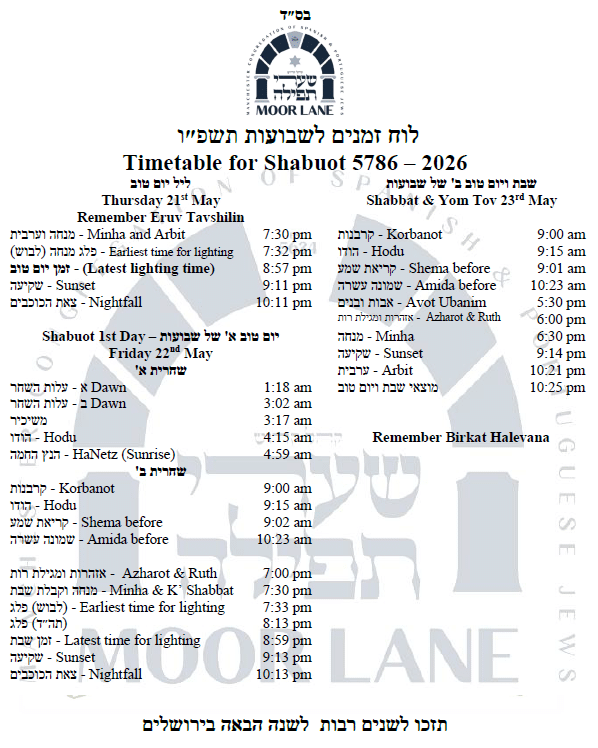
to make קידוש early on ליל שבועות
יש אומרים שבליל חג השבועות אין לקדש על הכוס עד שיהיה ודאי לילה, [שהוא כרבע שעה לאחר שקיעת החמה]. שאם יקדש מבעוד יום הרי הוא כמחסר קצת מיום מ''ט לספירה, וכתוב: ''שבע שבתות ''תמימות'' תהיינה''.
ויש חולקים ואומרים שאין לחוש לכך, ושכן פשט המנהג לקדש אף מבעוד יום, ולכן לכתחילה נכון להמתין מלקדש עד לאחר שעברו עשרים דקות מהשקיעה, ובפרט במקומות אלו שאפשר לחשוש לדברי האחרונים ולהמתין עד הלילה, שנכון לעשות כן.
ומכל מקום בשעת הצורך הרוצה לסמוך על המקילים, ולקדש על הכוס מבעוד יום ולהוסיף מחול על הקודש יש לו על מה שיסמוך. שכן הוא מעיקר הדין, וגם המנהג כן.
ובפרט בארצות אירופה וכדומה, שהשקיעה מתאחרת מאד בימי הקיץ, ובני הבית מצטערים לשבת ולהמתין עד הלילה, וגם זה גורם הפרעה לסדר לימוד הלילה בספר קריאי מועד, כפי שנוהגים על פי הזוהר והאר''י ז''ל, שיש להקל להם לקדש ולסעוד מבעוד יום. ואם אפשר טוב שימתינו עד תחילת השקיעה, באופן שהשמש מתכסית מעינינו, ואז יקדשו ויסעדו. וטוב שיאכלו כזית לחם בצאת הכוכבים, ועליהם תבוא ברכת טוב. [יחוה דעת חלק ו' סימן ל. חזון עובדיה חלק א' סימן א. יביע אומר חלק ה' סימן ו' סק''ה. הליכות עולם חלק ב' עמוד ג'].
*******
Here are seven reasons why we read the Megillah of Ruth on Shavuot:
- The events occurred during the harvest season. Shavuos is the harvest festival.
- Ruth was a convert to Judaism. Conversion is an individual Kabbalas HaTorah.
- Ruth the Moabite was permitted to marry Boaz, based on a drasha (a teaching of the Oral Law) of the verse, “A Moabite may not marry into the Congregation of Hashem” (Devarim 23:4). This hints at the unity between the Written Torah and the Oral Torah.
- David Hamelech was born on Shavuos. The Megillah of Ruth concludes with David's lineage.
- To teach the greatness of gemillus chassadim – acts of loving-kindness.
- To teach that the Torah is acquired only through affliction and poverty.
- The name “Ruth” has the numerical value of 606. At Har Sinai the Jewish People accepted 606 mitzvos, in addition to the 7 Noachide Laws which were incumbent upon them already.
- Who wrote the Book of Ruth?
- During which historical period did the events of the Megillah of Ruth occur?
- Who was Naomi's husband?
- After she returned from Moav, by what name did Naomi ask to be called?
- How was Boaz related to Naomi?
- Into what did Boaz tell Ruth to dip her bread?
- Why is Elimelech's brother referred to as Ploni Almoni and not by his real name?
- With what object did Boaz redeem Elimelech's property?
- The people and the elders blessed Ruth that she should be like whom?
- What was Ruth's relationship to King David?
- The Prophet Samuel (Bava Batra 14b).
- During the era of the Shoftim, the Judges. Boaz was the shofet at the time (1:1).
- Elimelech. (1:2).
- Mara (1:20).
- He was her husband's brother's son. (2:1, Rashi).
- Vinegar (2:14).
- Since he didn't want to redeem his brother's property and thereby discharge his family duty (Rashi 4:1).
- With a shoe (according to the Targum, a glove) (4:8).
- Like Rachel and Leah (4:11).
- She was his great-grandmother: Ruth, Oved, Yishai, David (4:22).
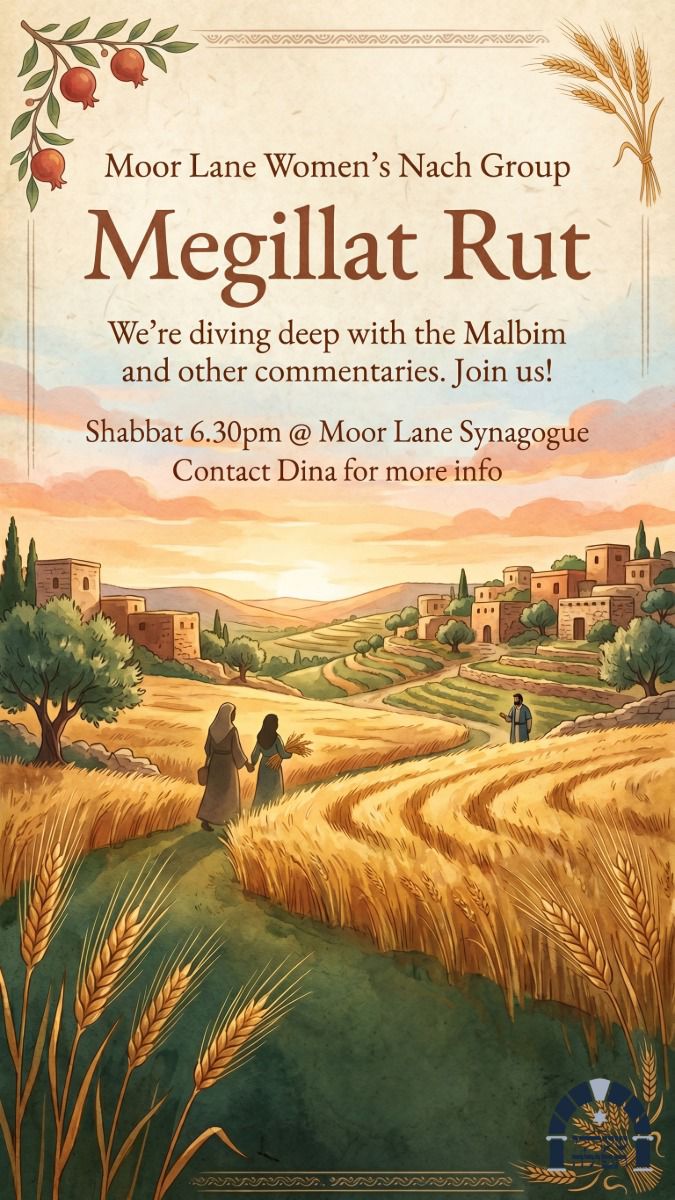
Moor Lane Women’s Nach Group
🪻🌷🌹🌺🌼🪷🌹🌷🪻

*******

מקלחת ביו”ט
שאלה: האם מותר להתקלח במים חמים ביום טוב, (פסח, שבועות וסוכות)?
תשובה: ביארנו כבר, שאף על פי שדין יום טוב שוה לדין השבת באיסור עשיית מלאכה, מכל מקום יש כמה מלאכות שמותר לעשותן ביום טוב. ובתנאי שתהיינה המלאכות שוות לכל נפש. ולכן מותר ביום טוב לבשל לצורך יום טוב עצמו, בתנאי שלא יבעיר אש חדשה ביום טוב, אלא יעביר אש מאש אחרת הדלוקה כבר.
לפיכך, מותר לעשות ביום טוב מדורה בכדי להתחמם כנגדה בימי הקור, שהרי היא הנאה השווה לכל נפש, שכל בני האדם זקוקים לחימום. (ובתנאי שלא יבעיר אש חדשה, אלא יעביר אש מאש הדלוקה כבר).
ומטעם זה מותר גם כן לחמם מים ביום טוב (באמצעות בוילר חשמלי שהופעל מערב יום טוב, לפני שקיעת החמה), בכדי לרחוץ בהם את פניו ידיו ורגליו, שהיא הנאה “השוה” לכל נפש. אבל אסור לחמם מים בכדי לרחוץ את כל גופו, שאין זו הנאה השווה לכל נפש, לרחוץ את כל גופו בכל יום ויום.
ומכל מקום, הואיל ואין איסור עצמי לרחוץ את כל גופו ביום טוב במים חמים, רק האיסור הוא מצד צורת חימום המים ביום טוב, לכן, מים שהוחמו מערב יום טוב (כלומר לפני שקיעת החמה בערב יום טוב), מותר לרחוץ בהם כל גופו ביום טוב, שלא גזרו בזה רבותינו איסור אלא בשבת, כמו שביארנו כבר בהלכות שבת. וכמו כן מים שהוחמו על ידי דוד שמש ביום טוב עצמו, מותר לרחוץ בהם כל גופו ביום טוב. (וכל זה דוקא באמבטיה פרטית בביתו של כל אדם, אבל בבית המרחץ ציבורי, כגון בפנימיה שיש שם כמה מקלחות, אין להקל לרחוץ במים חמים ביום טוב אפילו רק פניו ידיו ורגליו, הואיל וגזרו בזה רבותינו איסור בזה, מפני שהבלנים האחראים על בתי המרחץ היו מזלזלים ומחממים מים באיסור(.
ולסיכום: מותר לרחוץ כל גופו ביום טוב במים חמים שהוחמו על ידי בוילר מערב יום טוב, או במים שהוחמו על ידי דוד שמש אפילו ביום טוב עצמו. ודין זה הוא דוקא באמבטיה פרטית שבביתו של כל אדם. אבל מים שהוחמו ביום טוב עצמו על ידי בוילר חשמלי שהודלק מערב יום טוב וממשיך את פעולתו ביום טוב עצמו, אסור להשתמש בהם ביום טוב לרחיצת כל גופו, אבל מותר לרחוץ במים הללו, את פניו ידיו ורגליו.
ולשאלת רבים, בדבר מים שהוחמו מערב יום טוב על ידי בוילר חשמלי. והבוילר ממשיך לפעול ביום טוב עצמו, ועל ידי כך נשמרת חמימות המים, האם מותר להשתמש במים אלה ביום טוב?
שאלנו על כך את מרן רבינו עובדיה יוסף זצ”ל, והשיב, שאם המים התחממו היטב מערב יום טוב, ופעולת הבוילר ביום טוב אינה אלא בכדי לשמור את חמימות המים, אבל לא בכדי לחממם מחדש, מותר לרחוץ בהם כל גופו ביום טוב.
ומכל מקום נראה שצריך להזהר, שלא יכנסו מים חדשים לדוד המים הרותחים, שעל ידי כך הוא מבשל את המים החדשים שנכנסים לדוד המים החשמלי. ועל כן עיקר ההיתר בדבר, הוא דוקא באופן שסוגר את ברז המים המזרים מים לדוד, בכדי שלא יכנסו שוב מים צוננים לדוד החשמלי. אבל אם אינו סוגר את ברז המים, לכאורה אין להקל בדבר. ועוד חזון למועד.
Showering on Yom Tov
Question: Is it permissible to take a hot shower on Yom Tov (i.e. Pesach, Shavuot, and Sukkot)?
Answer: We have previously established that although Yom Tov is equal to Shabbat regarding the prohibition of work, nevertheless, there are some forms of work which may be performed on Yom Tov, provided that they are works are enjoyable by all. Thus, one may cook something on Yom Tov to be eaten on Yom Tov itself, as long as he does not create a new fire on Yom Tov, rather, he should use a flame from a pre-existing fire.
Additionally, one may light a bonfire on Yom Tov in order to use it for warmth during the cold season, since this is considered an “enjoyment equal to all” (meaning everyone enjoys such a thing), as all indeed require warmth (once again, provided that one does not create a new fire, rather, only transfers a flame from a pre-existing fire.)
For the same reason, one may heat water on Yom Tov (using an electric/gas boiler that was already turned on from before sunset on Erev Yom Tov) in order to wash his face, hands, and feet, for this too is considered an “enjoyment equal to all.” However, one may not heat water on Yom Tov in order to wash his entire body, for washing one’s entire body daily is not considered an “enjoyment equal to all.”
Nevertheless, since the only prohibition involved here is regarding the way the water is heated on Yom Tov whereas the actual act of washing one’s entire body with hot water is not forbidden, one may indeed wash his whole body on Yom Tov with water that was heated before Yom Tov (i.e. before sunset on Erev Yom Tov), as our Sages did not ban this on Yom Tov as they did on Shabbat. Similarly, water that was heated through a solar heating tank (a.k.a. “Dud Shemesh,” common in Israel) on Yom Tov itself may be used to wash one’s entire body on Yom Tov. (All this applies only in one’s private shower at home, however, regarding a public shower room, such as in a dormitory where there are several shower stalls, one may not use the hot water from these showers even to wash his face, hands, and feet, for our Sages forbade washing with hot water in public places since the public bathhouse attendants would act derisively and heat up the water in forbidden ways.)
Summary: One may wash his entire body on Yom Tov either with water that was heated through an electric/gas boiler before the onset of Yom Tov or with water heated in a solar heating tank even on Yom Tov. This only applies, however, to one’s private shower at home. Nevertheless, water that was heated on Yom Tov itself through an electric/gas boiler that was turned on before the onset of Yom Tov yet continues to operate on Yom Tov may not be used to wash one’s entire body; however, one may use this water to wash his face, hands, and feet.
By popular request: Regarding water that was heated in an electric/gas boiler before the start of Yom Tov and the boiler continues to work on Yom Tov, causing the water to retain its heat, is it permissible to use this water on Yom Tov?
We had posed this question to Maran Rabbeinu Ovadia Yosef zt”l and his response was that if the water was heated well before the onset of Yom Tov and the boiler’s operation on Yom Tov serves only to retain the water’s heat but not to reheat it, one may use this water to wash his entire body on Yom Tov.
Nevertheless, one must take care that no new water enter the hot-water tank, for if so, by showering one is causing the new water entering the tank to be cooked. Thus, the only way it will be permissible to shower on Yom Tov (using water from an electric/gas boiler) is only if the cold-water valve, through which new water enters the hot-water tank, is shut. However, if one does not shut the cold-water valve, it seems there is no room for leniency in this matter.