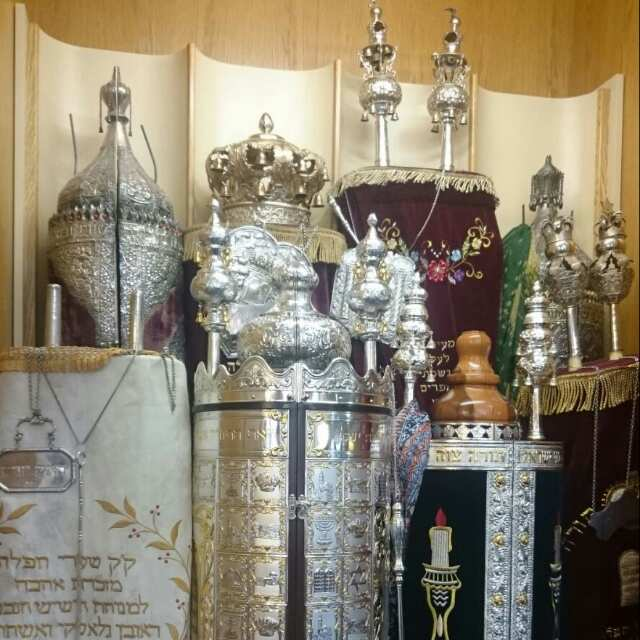
Newsletter Parshat Vayeshev – Shabbat Mevarechim

בס״ד
Moor Lane - Logo.JPG
ק׳ ק׳ שׁערי תפילה
image.png
Have a look at our website www.moorlane.info 
********
This  שבת  is שבת מברכים
Reminder there will be NO derasha
instead we will have the 
kahal recitation of Sefer Tehilim
********
PHOTO-2022-12-14-21-07-06.jpg
****

תפלה לחורף תשפ״ג

Winter Timetable 5783 – 2022/23

מוצאי שבת

ערבית
)
מוצש(

שקיעה

מנחה שבת

סוף זמן קריאת שמע

הדלקת נרות

מנחה וקבלת שבת

תאריך

שבת פרשת

Shabbat

Ends

Arbit

Sunset

Minha

Shema before

Candle Lighting

Minha & Kabbalat Shabbat

Date

Parasha

PM

PM

PM

PM

AM

PM

PM


4:49

4:45

3:48

3:15

10:12

3:34

3:34

16/17 Dec

וישב (ש''מ)

image.png
Mincha followed by Seuda Shelishit
****
image.png 
Winter Term
1hr 15 min after Motzae Shabbat
THIS WEEK 6:05 pm 
****
Moor lane pic.PNG
Please support our minyanim whenever possible
Updates will appear on the WhatsApp group image.png
If anyone needs any help getting to or from the minyanim 
please contact one of the members of the Mahamad
***********
image.png
Please pray for the 
refua shelema of 
Sulcha bat Mazal
*********
Q & A on Parashat Vayeshev
  1. These are the offspring of Yaakov: Yosef….” Give three reasons why Yosef is considered Yaakov’s main offspring.
    37:2 – (a) Yosef was the son of Rachel, Yaakov’s primary wife. (b) Yosef looked like Yaakov. (c) All that befell Yaakov befell Yosef.
  2. What was praiseworthy about the fact that Yosef’s brothers did not speak to him in a friendly manner?
    37:4 – They did not act hypocritically.
  3. How do we see from Yosef’s dream about the sun, moon and stars that all dreams contain some untrue element?
    37:10 – The moon represented Rachel. Since she had already died, it was impossible for that element of the dream to come true.
  4. Who brought Yosef down to Egypt?
    37:28 – A caravan of Midianites.
  5. Where was Reuven when Yosef was sold?
    37:29 – He was attending to Yaakov.
  6. In addition to the brothers, who else knew that Yosef was alive?
    37:33 – Yitzchak.
  7. Why didn't G-d reveal prophetically to Yaakov that Yosef was alive?
    37:33 – Because the brothers had issued a ban against revealing the truth to Yaakov, and G-d, so to speak, abided by their ban.
  8. For how long did Yaakov mourn the loss of Yosef?
    37:34 – Twenty-two years.
  9. Verse 37:35 states “his father wept.” To whom does this refer?
    37:35 – Yitzchak, who wept because of Yaakov’s suffering.
  10. Who was Tamar’s father?
    38:24 – Shem.
  11. In what merit did Tamar deserve to have kings as her descendants?
    38:26 – In the merit of her modesty.
  12. Why is the word “hand” mentioned four times in connection to the birth of Zerach?
    38:30 – To allude to his descendent, Achan, who sinned with his hand by taking four things from the spoils of Jericho.
  13. Why does the Torah relate the incident with Potiphar’s wife immediately after the incident of Yehuda and Tamar?
    39:1 – To teach us that just as Tamar acted with pure motives, so did Potiphar’s wife.
  14. How did Potiphar “see” that G-d was with Yosef?
    39:3 – Yosef mentioned G-d’s name frequently in his speech.
  15. Who in this week’s Parsha pretended to be sick?
    39:11 – Potiphar’s wife.
  16. Why were the butler and the baker imprisoned?
    40:1 – The butler was imprisoned because a fly was found in the king’s goblet, and the baker was imprisoned because a pebble was found in the king’s bread.
  17. For how long were the butler and the baker in prison?
    40:4 – Twelve months.
  18. How did the baker know that Yosef had correctly interpreted the butler’s dream?
    40:5 – The baker dreamed the interpretation of the butler's dream.
  19. What prompted the butler and baker to tell Yosef their dreams?
    40:6 – Yosef asked them why they looked troubled.
  20. How was Yosef punished for asking the butler for help?
    40:23 – He remained in prison an additional two years.
****
image.png

Halachot from Maran Rabbi Ovadia Yosef Ztz'l

הדלקת נרות חנוכה

מצוות ההדלקה

בכל שמונת ימי החנוכה, שיחלו מיום ראשון (ליל יום שני) שבשבוע הבא, מצוה להדליק נר חנוכה. והספרדים נוהגים שמדליקים מנורת חנוכה אחת בכל בית. ואילו האשכנזים נוהגים שכל אחד ואחד מבני הבית מדליק חנוכה לעצמו.

כמות השמן

כשמדליקים נרות חנוכה, צריך לדאוג שיהיה בנר מספיק שמן כדי שידלוק לכל הפחות חצי שעה מזמן הדלקתו. וכן אם מדליק בנרות של שעווה (פרפין), צריך להיזהר שיהיו הנרות גדולים כדי הצורך שידלקו לפחות חצי שעה מזמן הדלקתם אחר צאת הכוכבים. (ומצויים נרות צבעוניים המותאמים במיוחד למנורות חנוכה קטנות, ואינם דולקים חצי שעה, ויש להיזהר שלא להדליק בהם). ובערב שבת שמדליקים נרות מוקדם צריך לשים יותר שמן. כפי שיבואר בעז”ה באחת ההלכות הבאות.

סדר ההדלקה

כשמדליק נרות חנוכה בלילה הראשון, ידליק את הנר הקיצוני שבצד ימין, ובלילה השני ידליק את הנר הנוסף תחילה, ואחר כך ידליק את הנר שהודלק אתמול, ויוצא איפה שסדר הדלקת נרות חנוכה הוא משמאל לימין, כדי שיתחיל ההדלקה בנר החדש, שנוסף בגלל תוספת הנס שבתוספת הימים.

“הדלקה עושה מצוה”

אמרו בגמרא במסכת שבת (דף כג.): “הדלקה עושה מצוה”, ו”אם כבתה אינו זקוק לה”. ופירוש הדברים “הדלקה עושה מצוה”, שעיקר המצוה בהדלקת נרות חנוכה, הוא מעשה ההדלקה בלבד של נרות חנוכה שיכולים לדלוק בשיעור הזמן הנכון. ואם כבו הנרות מחמת סיבה כלשהי שלא הייתה בזמן ההדלקה, כגון שלפתע נפתחו הדלת או החלון, ובאה רוח וכבו הנרות, “אינו זקוק להם”, כלומר, אינו צריך לחזור ולהדליקם שנית, שהרי ההדלקה היתה כדת וכהלכה. ומכל מקום מצוה מן המובחר לחזור ולהדליק נר שכבה (בלא ברכה), אם כבה תוך חצי שעה מהדלקתו.

אבל אם בשעה שהדליק את הנרות, לא היו ראויים הנרות לדלוק כשיעור זמנם, כגון שהדליקם במקום שהרוח נושבת, או שלא שם די שמן בנר, וכיוצא בזה, צריך לחזור ולהדליק את הנרות מן הדין, ומכל מקום אינו מברך על הדלקה זו.

להשתמש לאור הנרות

אסור להשתמש לאור נרות חנוכה, ולכן אסור למנות מעות או לקרוא בספר לאורם של נרות אלו, ולאחר חצי שעה מזמן הדלקתם, מותר להשתמש באור הנרות לכל מה שירצה. ובזמנינו שמצוי אור החשמל, בלאו הכי אין אנו רגילים ליהנות לאור הנר.

Lighting the Chanukah Candles

The Mitzvah of Lighting Chanukah Candles
There is a Mitzvah to light Chanukah candles throughout all eight nights of Chanukah (beginning from next Sunday night). The Sephardic custom is to light one set of Chanukah candles per house. The Ashkenazi custom, however, is that every member of the household lights his own Chanukah candles.

The Amount of Oil
When lighting Chanukah candles, one should be certain to put in enough oil so that they will remain lit for at least half an hour from the initial lighting time. Similarly, if one is using wax candles, care should be taken that they should be long enough to burn for at least half an hour after the appropriate candle-lighting time which is when stars appear in the sky. There are some multi-colored candles on the market made especially for small Menorahs which do not last for half an hour; one should abstain from using such candles. On Friday afternoon when Chanukah candles are lit earlier than usual, more oil should be added, as will be explained, G-d-willing, in a following Halacha.

The Proper Order for Lighting
On the first night of Chanukah one should light the candle to the extreme right of the Menorah. On all subsequent nights, the new candle should be lit first followed by the candle(s) lit on the previous night(s). Thus, the proper direction for lighting Chanukah candles is from left to right such that the new candle that is added every night due to the additional miracle is lit first.

The Mitzvah is Performed by Lighting
Our Sages taught us in the Gemara in Tractate Shabbat (23a) that the mitzvah of the Chanukah candles is performed through the lighting of the candles and if the candles are extinguished, one is not obligated to rekindle them. This means that the main Mitzvah is through lighting Chanukah candles which will innately have the ability to burn for half an hour. Therefore, if the candles were extinguished due to a cause non-existent at the time the candles were lit, for instance, if the door or window were opened suddenly and a gust of wind blew out the flames, one is exempt from rekindling the flames. Even so, it is an extra special Mitzvah to relight any candle (without a blessing) that has been extinguished if it is still within a half hour of being lit.

However, if the candle was extinguished before the halachic timespan of half an hour due to an intrinsic reason, for instance, because it was lit in a windy place or it was not filled with enough oil, one is obligated to relight the candle, albeit without a blessing.

Benefitting from the Candles
One may not derive personal benefit from the Chanukah candles. Thus, one may not use the light of the candles to aid in counting money or reading a book. After the candles have been lit for half an hour, however, one may use the light for whatever one pleases. Nowadays when electricity is common, we do not usually derive any benefit from the Chanukah candles in any event.

Newsletter Parshat Vayishlach

בס״ד
Moor Lane - Logo.JPG
ק׳ ק׳ שׁערי תפילה
image.png
Have a look at our website www.moorlane.info 
****
image.png

 The ANNUAL GENERAL MEETING  

scheduled for this Motzae Shabbat, 

has been been postponed until further notice,

details of the rearranged date and time will be 

announced in due course

Thank you for your understanding

*****

image.png
On behalf of 
Special Spirits
we would like to THANK everyone 
who so kindly donated either 
on our team page or on other team pages
to this amazing campaign 
May Hashem repay you with loads of Berachot
****

תפלה לחורף תשפ״ג

Winter Timetable 5783 – 2022/23

מוצאי שבת

ערבית
)
מוצש(

שקיעה

מנחה שבת

סוף זמן קריאת שמע

הדלקת נרות

מנחה וקבלת שבת

תאריך

שבת פרשת

Shabbat

Ends

Arbit

Sunset

Minha

Shema before

Candle Lighting

Minha & Kabbalat Shabbat

Date

Parasha

PM

PM

PM

PM

AM

PM

PM


4:48

4:44

3:48

3:15

10:07

3:34

3:34

9/10 Dec

וישלח

image.png
Mincha followed by Seuda Shelishit
****
image.png 
Winter Term
1hr 15 min after Motzae Shabbat
THIS WEEK
6:05 pm 
****
Moor lane pic.PNG
Please support our minyanim whenever possible
Updates will appear on the WhatsApp group image.png
If anyone needs any help getting to or from the minyanim 
please contact one of the members of the Mahamad
***********
image.png
Please pray for the 
refua shelema of 
Sulcha bat Mazal
*********
Q & A on Parashat Vayishlach
  1. What sort of messengers did Yaakov send to Esav?
    32:4 – Angels.
  2. Why was Yaakov both “afraid” and “distressed”?
    32:8 – He was afraid he would be killed. He was distressed that he would have to kill.
  3. In what three ways did Yaakov prepare for his encounter with Esav?
    32:9 – He sent gifts, he prayed, and he prepared for war.
  4. Where did Dina hide and why?
    32:23 – Yaakov hid her in a chest so that Esav wouldn't see her and want to marry her.
  5. After helping his family across the river, Yaakov remained alone on the other side. Why?
    32:25 – He went back to get some small containers he had forgotten.
  6. What was the angel forced to do before Yaakov agreed to release him?
    32:27 – Admit that the blessings given by Yitzchak rightfully belong to Yaakov.
  7. What was it that healed Yaakov's leg?
    32:32 – The shining of the sun.
  8. Why did Esav embrace Yaakov?
    33:4 – His pity was aroused when he saw Yaakov bowing to him so many times.
  9. Why did Yosef stand between Esav and Rachel?
    33:7 – To stop Esav from gazing at her.
  10. Give an exact translation of the word nisa in verse 33:12.
    33:12 – It means “travel”. It does not mean “we will travel.” This is because the letter nun is part of the word and does not mean ‘we’ as it sometimes does.
  11. What happened to the 400 men who accompanied Esav?
    33:16 – They slipped away one by one.
  12. Why does the Torah refer to Dina as the daughter of Leah and not as the daughter of Yaakov?
    34:1 – Because she was outgoing like her mother, Leah.
  13. Whom should Shimon and Levi have consulted concerning their plan to kill the people of Shechem?
    34:25 – Their father, Yaakov.
  14. Who was born along with Binyamin?
    35:17 – His two triplet sisters.
  15. What does the name Binyamin mean? Why did Yaakov call him that?
    35:18 – Ben-Yemin means “Son of the South.” He was the only son born in the Land of Israel, which is south of Aram Naharaim.
  16. The Torah states, “The sons of Yaakov were twelve.” Why?
    35:22 – To stress that all of them, including Reuven, were righteous.
  17. How old was Yaakov when Yosef was sold?
    35:29 – One hundred and eight.
  18. Esav changed his wife's name to Yehudit. Why?
    36:2 – To fool Yitzchak into thinking that she had abandoned idolatry.
  19. Which three categories of people have their sins pardoned?
    36:3 – One who converts to Judaism, one who is elevated to a position of leadership, and one who marries.
  20. What is the connection between the Egyptian oppression of the Jewish people and Esav's decision to leave the land of Canaan?
    36:6 – Esav knew that the privilege of living in the Land of Israel was accompanied by the prophecy that the Jews would be “foreigners in a land not their own.” Therefore Esav said, “I'm leaving. I don't want the Land if it means I have to pay the bill of subjugation in Egypt.”
****
image.png

Halachot from Maran Rabbi Ovadia Yosef Ztz'l

מיון הסכו”ם בשבת

לשאלת רבים: בסיום הסעודה בשבת, כאשר מדיחים את הכלים, וכולם מונחים יחד בערימה, האם מותר לברור את המזלגות, ולהניחם לבדם בתא מיוחד, וכן את הסכינים והכפות, או שיש בזה איסור משום בורר?

תשובה: בהלכות הקודמות דיברנו בענין מלאכת “בורר” האסורה בשבת. והזכרנו, שאין היתר לברור בשבת, אלא בשלשה תנאים: שיברור בידו ולא על ידי כלי (כגון מסננת), ושיברור את האוכל מן הפסולת, ולא להיפך. ושיברור על מנת לאכול לאלתר (כלומר, מיד, ולא לאחר זמן).

ועתה לנדון השאלה: הנה בודאי שבברירת הסכו”ם זה מזה, לא שייך להקל מצד מה שיברור דוקא את “האוכל” מן “הפסולת”, כלומר, דוקא את חלקי הסכו”ם שהוא חפץ בהם מתוך אותם שאינו חפץ בהם, משום שאין זה בורר על מנת לאכול “לאלתר”, שהרי הוא מניח את הכלים עד לסעודה הבאה.

ברירה בדבר שאינו גידולי קרקע

והנה הזכרנו כבר בעבר, שלדעת הרבה פוסקים לא שייך דין ברירה בשבת, אלא ב”גידולי קרקע”, כגון פירות או ירקות או תבואה, אבל כלי הסכו”ם שאינם גידולי קרקע, לא שייך בהם דין בורר. ואף שלהלכה אנו פוסקים שאין לברור בשבת, אפילו דבר שאינו גידולי קרקע, מכל מקום יש מקום לסברא זו לצרפה כצד להקל בנדון ברירת כלים בשבת.

ברירה בדבר ששני המינים שוים בעיניו

עוד סברא גדולה להקל בנדון זה, כתב מרן רבינו זצ”ל בשו”ת יביע אומר, הואיל ובשעת המיון של חלקי הסכו”ם, אין כאן “אוכל” ו”פסולת”, שהרי כל חלקי הסכו”ם שוים בעיני האדם, ולכן נראה שלא שייך איסור ברירה בכלים אלה.

הדין למעשה

ולמעשה כתב מרן הרב זצ”ל, שהנוהגים לברור סכינים כפות ומזלגות המעורבים יחד, לאחר סיום הסעודה בשבת, ומפרידים אותם ונותנים כל אחד מהם בתא המיוחד לו, נראה שאין בזה איסור בורר. וטוב יותר שאחר שטיפת כלים אלה, ינגב כל כלי הבא לידו בפני עצמו, ויניחנו בתא המיוחד לו, שבאופן כזה בודאי שלא שייך איסור “בורר”

Sorting Silverware on Shabbat

By Popular Demand: After the silverware is washed and laying in a pile following the Shabbat meal, may one select the forks, knives, and spoons and place them in their designated compartments or does this constitute a prohibition of selecting?

Answer: In the previous Halachot, we have discussed the forbidden work of selecting on Shabbat. We have mentioned that one may only select on Shabbat when three conditions are met: One must select by hand and not with the use of a utensil (such as a strainer), one must select the food from the waste and not the opposite, and one must do so in order to eat the food immediately (and not to leave it for a later time).

Regarding our question, one may certainly not be lenient and sort the silverware just because one is selecting the “food” from the “waste”, i.e. selecting the specific silverware that one wants from the items that he does not want, for this cannot be considered selecting in order to eat “immediately”, as one intends to leave the utensils for use during the next meal.

Selecting Items that do not Grow from the Ground
We have mentioned in the past that according many Poskim, the prohibition of selecting only applies to things which grow from the ground, such as fruits, vegetables, and grain; however, cutlery utensils which do not grow from the ground are not included in this prohibition. Although we rule that halachically, one should not select even items that do not grow from the ground, nevertheless, this opinion may be included as a reason for leniency regarding sorting silverware on Shabbat.

Selecting Regarding Two Items that are Equal in One’s Eyes
Another important reasoning to be lenient which Maran Rabbeinu Ovadia Yosef zt”l quotes in his Responsa Yabia Omer is that since when one sorts silverware there is no “food” and “waste” present, for all the utensils are equal in one’s eyes, it seems that the prohibition of selecting does not apply to such utensils.

The Bottom Line
Maran zt”l concludes by writing that it seems that those who customarily sort forks, knives, and spoons that were mixed together and place them in their designated compartments following the Shabbat meal do not transgress the prohibition of selecting on Shabbat. It is preferable though that after washing these utensils, one should dry each utensil that comes to his hands separately and afterwards place it in its designated compartment, for in this way, the prohibition of selecting certainly does not apply.

Newsletter Parashat Vayetze

בס״ד
Moor Lane - Logo.JPG
ק׳ ק׳ שׁערי תפילה
image.png
Have a look at our website www.moorlane.info 
****
image.png
FOR MEMBERS OF THE BET HAKENESET 

TO ALL MEMBERS OF THE CONGREGATION

You are requested to attend the

ANNUAL GENERAL MEETING OF THE CONGREGATION

ON Motzae Shabbat, December 10th 2022 at 7:15 pm prompt

AGENDA

1.      Minutes of the 2021 Annual General Meeting

2.      Matters arising from the Minutes

3.      Parnas Presidente’s Report

4.      Adoption of the Report

5.      Treasurer’s Report and Presentation of Accounts

6.      Discussion and Adoption of Report

7.      *Election of Hon Officers and Members of the Mahamad

a)      Parnas Presidente

b)      Parnas Vice Presidente

c)      Treasurer

d)      Gabbai

e)      Hon. Secretary

f)       Ladies Committee Chair

g)      Mahamad (6 members – sub-group duties to be defined)

8.       Election of delegates to:

a)       Manchester Shechita Board

b)      Manchester Jewish Rep Council

9.       A.O.B.

CURRENT MEMBERS OF THE MAHAMAD

a)      Parnas Presidente Mordechai Maman

b)      Parnas Vice Presidente : Benjamin Hassan

c)      Treasurer: Yamin Ibgui

d)      Gabbai: Eli Shoshana

e)      Hon. Secretary: Dr David Marshall

f)       Ladies Committee ChairMrs. Elaine Marshall

g)      Mahamad: Mrs Loretta Hodari and Jacob Edelstein

Thank you in advance for attending – your support for this meeting is important.

On behalf of the Mahamad

*Nominations should reach the Hon. Secretary before SHABBAT enters on FRIDAY, December 9th 2021.

YOU ARE RESPECTFULLY REMINDED THAT UNDER THE PROVISION OF ASCAMA 28 YEHIDIM BEING ARREARS IN THE PAYMENT OF THEIR ACCOUNT FOR A LONGER PERIOD THAN SIX MONTHS SHALL FOFEIT THE RIGHT OF VOTING AT ALL MEETINGS

PLEASE NOTE: VOTING IS BY ATTENDANCE ONLY –  PROXY VOTES ARE NOT VALID FOR AGM’s

****
Special Spirits
PHOTO-2022-11-27-23-57-50.jpg  PHOTO-2022-11-30-09-27-46.jpg
PHOTO-2022-11-27-23-57-43.jpg PHOTO-2022-11-27-23-57-41.jpg
Our Bet Hakeneset, image.png , has joined up with 
60 Local Bate Kenesiot
to help this most amazing organisation
who help families 
Special Spirits Children 
in Manchester 
Please connect4 this campaign 
by using this link below

(please copy and paste this link to make a donation)

or alternatively
*****

תפלה לחורף תשפ״ג

Winter Timetable 5783 – 2022/23

מוצאי שבת

ערבית
)
מוצש(

שקיעה

מנחה שבת

סוף זמן קריאת שמע

הדלקת נרות

מנחה וקבלת שבת

תאריך

שבת פרשת

Shabbat

Ends

Arbit

Sunset

Minha

Shema before

Candle Lighting

Minha & Kabbalat Shabbat

Date

Parasha

PM

PM

PM

PM

AM

PM

PM


4:50

4:46

3:51

3:15

10:01

3:38

3:38

2/3 Dec

ויצא

image.png
Mincha followed by Seuda Shelishit
****
image.png 
Winter Term
1hr 15 min after Motzae Shabbat
THIS WEEK
6:05 pm 
****
Moor lane pic.PNG
Please support our minyanim whenever possible
Updates will appear on the WhatsApp group image.png
If anyone needs any help getting to or from the minyanim 
please contact one of the members of the Mahamad
***********
image.png
Please pray for the 
refua shelema of 
Sulcha bat Mazal
*********
Q & A on Parashat Vayetze
  1. When Yaakov traveled to Charan, the Torah stresses that he departed from Beer Sheva. Why?
    28:10 – The departure of a righteous person leaves a noticeable void in that place.
  2. On the night of his dream, Yaakov did something he hadn't done in 14 years. What?
    28:11 – Sleep at night lying down.
  3. G-d compressed the entire Land of Israel underneath the sleeping Yaakov. What did this symbolize?
    28:13 – That the Land would be easy for his descendants to conquer.
  4. Yaakov said “I will return with shalom.” What did he mean by “shalom”?
    28:21 – Completely without sin.
  5. Why did Yaakov rebuke the shepherds?
    29:7 – He thought they were loafing, stopping work early in the day.
  6. Why did Rachel, and not her brothers, tend her father's sheep?
    30:27 – Her brothers weren't born yet.
  7. Why did Yaakov cry when he met Rachel?
    29:11 – He saw prophetically that they would not be buried together; or because he was penniless.
  8. Why did Lavan run to greet Yaakov?
    29:13 – He thought Yaakov was carrying money.
  9. Why were Leah's eyes tender?
    29:17 – She cried continually because she thought she was destined to marry Esav.
  10. How old was Yaakov when he married?
    29:21 – Eighty-four.
  11. What did Rachel find enviable about Leah?
    30:1 – Her good deeds, thinking they were the reason Leah merited children.
  12. Who was Yaakov's fifth son?
    30:5 – Dan.
  13. Who was Leah's handmaiden? Was she older or younger than Rache'ls handmaiden?
    30:10 – Zilpah. She was younger.
  14. How do you say dudaim in Arabic?
    30:14 – Jasmine (Yasmin).
  15. “G-d remembered Rachel” (30:22). What did He remember?
    30:22 – That Rachel gave Leah the “signs of recognition” that Yaakov had taught her, so that Leah wouldn't be embarrassed.
  16. What does “Yosef” mean? Why was he named that?
    30:24 “Yosef” means “He will add.” Rachel asked G-d for another son in addition to Yosef.
  17. G-d forbade Lavan to speak to Yaakov “either of good or of bad.” Why didn't G-d want Lavan to speak of good?
    31:24 – Because the “good” that comes from wicked people is bad for the righteous.
  18. Where are there two Aramaic words in this weeks Parsha?
    31:41 – Yagar Sahaduta, meaning “wall of testimony.”
  19. Who was Bilhah's father? Who was Zilpah's father?
    31:50 – Lavan.
  20. Who escorted Yaakov into Eretz Yisrael?
    32:1 – The angels of Eretz Yisrael.
****
image.png

Halachot from Maran Rabbi Ovadia Yosef Ztz'l

הוצאת המים מקופסאות שימורים בשבת

שאלה: קופסאות שימורים של זיתים או מלפפונים או דג טונה, האם מותר לשפוך מהם את המים, בכדי שישאר בתוכם רק המאכל, או שיש בזה איסור משום בורר?

תשובה: בהלכות הקודמות דיברנו בענין מלאכת “בורר” האסורה בשבת. והזכרנו, שאין היתר לברור בשבת, אלא בשלשה תנאים: שיברור בידו, ושלא יעשה כן על ידי כלי (כגון מסננת), ושיברור את האוכל מן הפסולת, ולא להיפך. ושיברור על מנת לאכול לאלתר (כלומר, מיד, ולא לאחר זמן). ועתה לנדון השאלה:

הסברא לאסור

הנה בנדון שלנו, לכאורה יש לאסור לשפוך את המים מן הקופסא על ידי הטיית הקופסה בעדינות, משום שבכל נמצא כבורר “פסולת מתוך אוכל”, שהרי המים הם הפסולת, שאין לו רצון להשתמש בהם, והזיתים, או הדג, או המלפפונים, הם האוכל.

שפיכת המים נחשבת ברירת אוכל מתוך פסולת

אולם באמת שכתבו גדולי הפוסקים, שברירה באופן כזה, אינה נחשבת לברירת “פסולת מתוך אוכל”, אלא להיפך, משום שמה שנשאר בידו של הבורר, הוא האוכל, נמצא שהוא מוציא את האוכל מן הפסולת שנשפכת למטה.

וכן מבואר במשנה ברורה (בהקדמה לסימן שיט), שמה שאסרה התורה לברור בשבת באמצעות נפה (מסננת), הכוונה היא, שאסור לברור באופן שהאוכל נופל דרך הנקבים של המסננת, והפסולת נשארת בתוך המסננת, אבל להיפך, כגון באופן שהאוכל גס ועב, והפסולת דקה ונופלת דרך הנקבים של המסננת, באופן כזה נחשב כבורר אוכל מתוך פסולת, (ואף על פי כן אסור לעשות כן בשבת, משום שהוא בורר על ידי כלי). וכן כתבו עוד מגדולי הפוסקים, ומרן הרב עובדיה יוסף זצ”ל.

האם יש להקל בשפיכת המים אפילו שלא על מנת לאכול “מיד”

ומעתה בנדון שלנו גם כן, נראה שהמטה את קופסת השימורים בכדי שישפך ממנה רק המשקה שבתוכה, נחשב  כבורר אוכל מתוך פסולת. אולם גם כאשר בורר אוכל מתוך פסולת, כבר למדנו שאין להקל בזה אלא כשעושה כן על מנת לאכול “לאלתר”, כלומר מיד, אבל אם אין בכוונתו לאכול מתכולת הקופסא אלא לאחר יותר מחצי שעה, אין להקל בדבר.

אלא שבנדון שלנו, יש סברא נוספת להקל לגמרי, משום שהזיתים או המלפפונים, הם ניכרים מאד שהם עומדים באופן נפרד מן המשקה שאיתם, ולכן לדעת הרבה פוסקים אין בדבר איסור ברירה כלל בשבת, ואפילו אם בכוונתו לאכול מהזיתים רק לאחר יותר מחצי שעה, גם כן יש להקל בזה מעיקר הדין, לשפוך רק את המים מן הקופסא.

וכן פסק למעשה מרן הרב זצ”ל, שבקופסאות של זיתים ומלפפונים, יש להקל לשפוך מהם את המים בשבת, שאין בזה איסור בורר.

ונראה שבקופסאות של דג טונה, יש להקל לשפוך מהם את המים הנפרדים מן הדג, כלומר, חלק מן המים או השמן שעל הדג, אבל השמן או המים המעורבים ממש בגוף הדג, אין להקל לשפוך אותם בשבת, הואיל ואינם עומדים באופן ניכר מחוץ לדג.

ולסיכום: קופסאות של מלפפונים או זיתים, מותר לשפוך מהם את המים בשבת, ולהשאיר בתוכם רק את המאכל עצמו. ובקופסאות דג טונה, יש להקל בזה באופן ששופך את רוב השמן או המים, אבל המים והשמן שבלועים בין חלקי הדג, יש להחמיר שלא לשפכם בשבת. (אלא אם בכוונתו לאכול מן הדג באופן מיידי)

Draining the Water out of Canned Foods on Shabbat

Question: May one drain the water or brine out of cans of pickled cucumbers, olives, or tuna so that only the food item stays in the can or does this constitute the forbidden work of selecting on Shabbat?

Answer: In the previous Halachot, we have discussed the forbidden work of selecting on Shabbat. We have mentioned that it is only permissible to select on Shabbat when three conditions are met: One must do so by hand and not with the use of a utensil (such as a strainer), one must select the food from the waste and not the opposite, and one must do so in order to eat the food immediately (and not leave it for a later time). Now, let us deal with the question at hand.

The Reasoning to Prohibit This
In our situation, it would seem that it should be forbidden to drain the water from the canned food by tilting the can gently, for this seems like “selecting waste from food,” as the water (or brine), which one does not want, is considered the waste, and the cucumbers, olives, or tuna is considered food.

Draining the Water is Considered Selecting Food from Waste
Nevertheless, the great Poskim write that selecting in this manner is not considered selecting “waste from food”; on the contrary, since the food is what remains in the hand of the individual perform the selecting, he is actually selecting the food from the waste which is being spilled out.

Similarly, the Mishnah Berura writes (in his introduction to Chapter 319) that when the Torah prohibits selecting using a sieve or a strainer, this means that the prohibition exists only when the food falls through the holes of the strainer and the waste remains within it. However, if the opposite occurs, i.e. if the food is large and bulky and the waste is thin and it is what falls through the holes of the strainer, this is indeed considered selecting food from waste (it is nevertheless prohibited to do so on Shabbat for this constitutes selecting with the use of a utensil). Several great Poskim, among them Maran Rabbeinu Ovadia Yosef zt”l, write likewise.

May One Act Leniently and Drain the Water Even if this is Being Done for Non-Immediate Use
Based on this, the same would apply to our situation in that tilting the canned food so that only the water spills out would be considered selecting food from waste. Nevertheless, even when one selects food from waste, we have already established that doing so is only permissible when this is done in order to eat the food immediately; however, if one has in mind to partake of the can’s contents in a half-hour or more, one may not act leniently regarding this matter.

In any case, there is another reasoning that would allow complete leniency in our situation which is that the olives or cucumbers are quite discernible in that the stand separately from the brine they are in. Therefore, according to many Poskim, the prohibition of selecting on Shabbat does not apply here at all; even if one only plans to partake of them after a half-hour’s time, the letter of the law indeed permits one to act leniently and pour out only the water.

Maran zt”l rules likewise that one may act leniently and drain the water out of pickled olive and cucumber cans on Shabbat and this does not constitute the forbidden work of selecting.

AGM 5783 – Motzae Shabbat, December 10th 2022 at 7:15 pm

image.png
FOR MEMBERS OF THE BET HAKENESET

TO ALL MEMBERS OF THE CONGREGATION

You are requested to attend the

ANNUAL GENERAL MEETING OF THE CONGREGATION

ON Motzae Shabbat, December 10th 2022 at 7:15 pm prompt

AGENDA

1.      Minutes of the 2021 Annual General Meeting

2.      Matters arising from the Minutes

3.      Parnas Presidente’s Report

4.      Adoption of the Report

5.      Treasurer’s Report and Presentation of Accounts

6.      Discussion and Adoption of Report

7.      *Election of Hon Officers and Members of the Mahamad

a)      Parnas Presidente

b)      Parnas Vice Presidente

c)      Treasurer

d)      Gabbai

e)      Hon. Secretary

f)       Ladies Committee Chair

g)      Mahamad (6 members – sub-group duties to be defined)

8.       Election of delegates to:

a)       Manchester Shechita Board

b)      Manchester Jewish Rep Council

9.       A.O.B.

CURRENT MEMBERS OF THE MAHAMAD

a)      Parnas Presidente : Mordechai Maman

b)      Parnas Vice Presidente : Benjamin Hassan

c)      Treasurer: Yamin Ibgui

d)      Gabbai: Eli Shoshana

e)      Hon. Secretary: Dr David Marshall

f)       Ladies Committee Chair: Mrs. Elaine Marshall

g)      Mahamad: Mrs Loretta Hodari and Jacob Edelstein

Thank you in advance for attending – your support for this meeting is important.

On behalf of the Mahamad

*Nominations should reach the Hon. Secretary before SHABBAT enters on FRIDAY, December 9th 2021.

YOU ARE RESPECTFULLY REMINDED THAT UNDER THE PROVISION OF ASCAMA 28 YEHIDIM BEING ARREARS IN THE PAYMENT OF THEIR ACCOUNT FOR A LONGER PERIOD THAN SIX MONTHS SHALL FOFEIT THE RIGHT OF VOTING AT ALL MEETINGS

PLEASE NOTE: VOTING IS BY ATTENDANCE ONLY –  PROXY VOTES ARE NOT VALID FOR AGM’s

Newsletter Parshat Toledot

בס״ד
Moor Lane - Logo.JPG
ק׳ ק׳ שׁערי תפילה
image.png
Have a look at our website www.moorlane.info 
****
image.png
ראש חודש כסלו
Tonight / Thursday & Friday
****
image.png
image.png
Bar Mitzvah 
Invitation
PHOTO-2022-11-22-19-55-19.jpg
Moorlanenews
would like to take this opportunity 
to wish a heartfelt Besiman Tov to 
Yehuda & Naomi Marshall
on celebrating the 
Bar Mitzvah of their son
David
We would also like to thank 
our amazing 
ShaliachTzibbur / Chazan
Yehuda
for always leading the tefillot in our Bet Hakeneset
with great Kavana & feeling
שיזכה לגדל בתורה ומצות ומעשים טובים

Mazal Tov to Families Marshall, Hirsch & ALL the Family
*****

תפלה לחורף תשפ״ג

Winter Timetable 5783 – 2022/23

מוצאי שבת

ערבית
)
מוצש(

שקיעה

מנחה שבת

סוף זמן קריאת שמע

הדלקת נרות

מנחה וקבלת שבת

תאריך

שבת פרשת

Shabbat

Ends

Arbit

Sunset

Minha

Shema before

Candle Lighting

Minha & Kabbalat Shabbat

Date

Parasha

PM

PM

PM

PM

AM

PM

PM


4:54

4:50

3:57

3:20

9:55

3:44

3:44

25/26 Nov

תולדות

image.png
Mincha followed by Seuda Shelishit
****
image.png 
Winter Term
1hr 15 min after Motzae Shabbat
THIS WEEK
6:10 pm 
****
Moor lane pic.PNG
Please support our minyanim whenever possible
Updates will appear on the WhatsApp group image.png
If anyone needs any help getting to or from the minyanim 
please contact one of the members of the Mahamad
***********
image.png
Please pray for the 
refua shelema of 
Sulcha bat Mazal
*********
Q & A on Parashat Toledot
  1. Why was it important that Yitzchak look like Avraham?
    25:19 – So everyone would agree that Avraham was indeed his father.
  2. Why does the Torah stress that Rivka was Betuel's daughter and Lavan's sister?
    25:20 – To praise her, that even though her family was evil she was righteous.
  3. What are the two differences between Tamar's pregnancy and Rivka's pregnancy?
    25:24 – Rivka gave birth at full term to two children, one righteous and one wicked. Tamar gave birth after seven months to two righteous children.
  4. Why was Esav named Esav?
    25:25 – He was born fully developed. The name Esav is based on the Hebrew word for “made”.
  5. Who gave Yaakov his name?
    25:26 – G-d.
  6. How did Esav deceive his father?
    25:27 – Esav deceived Yitzchak by asking questions that suggested that he was very strict in mitzvah observance.
  7. Why was Esav faint when he returned from the field?
    25:29 – From having murdered.
  8. Why are lentils a food for mourners?
    25:30 – They are round like a wheel and mourning is like a revolving wheel that eventually touches everyone.
  9. What was the birthright that Yaakov bought from Esav?
    25:31 – The right to bring sacrifices.
  10. Why was Yitzchak not permitted to go to Egypt?
    26:2 – Through the akeida he had attained the status of a korban and was forbidden to leave Eretz Canaan.
  11. Why did the Philistines plug up the wells?
    26:15 – They felt that either marauders would attack to capture the wells, or, if attacking for other reasons, they would use the wells as a water supply.
  12. Why did Yitzchak lose his sight? (three reasons)
    27:1 – a) From the smoke of the incense offered by Esavs wives to their idols; b) From the angels tears which fell into Yitzchaks eyes at the time of the akeida; c) In order for Yaakov to receive the blessings.
  13. At what age should one anticipate his own death?
    27:2 – When he reaches five years from the age his parents were when they passed away, until five years after.
  14. Why did Rivka ask Yaakov to bring two kid goats?
    27:9 – One for Yitzchak and the other to offer as a korban Pesach.
  15. Why did Esav leave his special garments with Rivka?
    27:15 – He suspected that his wives might steal them.
  16. What fragrance did Yitzchak detect on Yaakovs garments?
    27:27 – The scent of Gan Eden.
  17. What was the “fat of the land” promised to Esav?
    27:36 – Italy.
  18. When will Esav be freed from subjugation to Yaakov?
    27:40 – When the Jewish People transgress the Torah.
  19. What inspired Esav to marry the daughter of Yishmael?
    28:7 – Seeing that his father despised his current wives, he resolved to take a wife from his father's family.
  20. Knowing that Machalat was Yishmael's daughter, it's self-evident that she was the sister of Nevayot. Why, then, does the Torah state that Esav married “Yishmael's daughter, the sister of Nevayot”?
    28:9 – To indicate that Yishmael died between her betrothal and her wedding, and that it was Nevayot who gave his sister in marriage to Esav. Knowing the date of Yishmael's death, we can determine the date of Esav's marriage and thus Yaakov's age, 63, at the time of his flight from Esav.
****
image.png

Halachot from Maran Rabbi Ovadia Yosef Ztz'l

קילוף פרי או ביצה בשבת – מקלף בשבת

בהלכות הקודמות דיברנו בענין מלאכת “בורר” האסורה בשבת. והזכרנו, שאין היתר לברור בשבת, אלא בשלשה תנאים: שיברור בידו ולא על ידי כלי (כגון מסננת), ושיברור את האוכל מן הפסולת ולא להיפך. ושיברור על מנת לאכול לאלתר (כלומר, מיד, ולא לאחר זמן).

ובהלכה הקודמת הזכרנו, מה שכתבו כמה מרבותינו הראשונים, שמותר להפריד ביום טוב, את החֵלֶב מן הבשר הדבוק אליו. (חלב הוא חתיכת שומן הדבוקה לבשר, ואסור לאכלו מן התורה, ולכן מפרידים אותו מן הבשר). והסברנו, שטעם ההיתר, משום שדומה הדבר לקילוף פרי מקליפתו, שאין זה בכלל מלאכת בורר בשבת.

וכן פסק הרמ”א בשלחן ערוך (סוף שימן שכא), שמותר לקלף בשבת שום או בצל, אף על פי שעל ידי הקילוף הוא מפריד את הפסולת מן האוכל, מכל מקום אין איסור בדבר, הואיל ואין זו “דרך ברירה”, אלא “דרך אכילה”. אולם אין להקל אפילו לקלף שום או בצל, אלא כשעושה כן על מנת לאכול “לאלתר”, כלומר, מיד אחרי שמקלף את השום, אוכל ממנו, וכגון אשה המקלפת שום, וחותכת ומערבת אותו בסלט, ומיד יושבים לסעודה לאוכלו, שמותר לעשות כן. אבל לקלף שום על מנת להשתמש בו לאחר יותר מחצי שעה, אין להקל.

ומכלל הדבר אנו למדים לענין קילוף ביצים בשבת, שאף שאין איסור בדבר, שהרי זה כקולף פרי מקליפתו, מכל מקום אסור לעשות כן אלא אם מתכוונים לאכול את הביצים מיד, אבל אם מקלפם על מנת שיאכלו מהם לאחר חצי שעה או יותר, אין לעשות כן בשבת.

אולם כל זה נכון דוקא לגבי שום או בצל או ביצה, שהקליפה אינה מחוברת ממש לפרי, אלא עוטפת אותו. אבל תפוחים, שקליפתם דבוקה אליהם בחוזקה, כתב מרן רבינו עובדיה יוסף זצ”ל, שלא שייך לקרוא לקילוף כזה “בורר”, ולכן מותר לקלף תפוחים אפילו על מנת לאכלם לאחר שעה, הואיל ולא שייכים בזה כללי מלאכת בורר. (ובפרט שקליפת התפוח ראויה גם היא לאכילה, ואינה נחשבת פסולת ממש, ולכן אין בדבר איסור מן התורה אף לשיטת המחמירים, לכן יש להקל בזה).

ולסיכום: פרי, כגון שום ובצל, או ביצה, שהקליפה עוטפת אותו מסביב, מותר לקלפו בשבת, בתנאי, שתהיה הכוונה לאכלו באופן מיידי, אבל אסור לקלפו על מנת שיאכלו ממנו לאחר חצי שעה. (אלא אם עומדים סמוך לסעודה, שאז יש לקלפו בסמוך לסעודה, אפילו אם יאכלוהו לאחר יותר מחצי שעה).

ופרי שהקליפה דבוקה אליו בחוזקה, והיא ראויה למאכל, כמו תפוח, מותר לקולפו בשבת, אפילו על מנת לאכלו לאחר זמן מרובה, שהואיל והקליפה דבוקה בחוזקה, הרי זה כחותך פרי לשניים, ולא שייך לקרותו “בורר”. והורה מרן רבינו עובדיה יוסף זצ”ל, שמותר לקלף תפוח אפילו באמצעות “מקלף”, וכן כל פרי או ירק שהקליפה שלו ראוייה למאכל, כגון מלפפון וכדומה, מותר לקולפו בשבת באמצעות מקלף.

Peeling a Fruit or an Egg on Shabbat

In the previous Halachot, we have discussed some issues related to the forbidden work of selecting on Shabbat. We have also mentioned that it is only permissible to select on Shabbat when three conditions are met: One must select by hand and not with the use of a utensil (such as a strainer), one must select the food from the waste and not the opposite, and one must do so in order to eat the food immediately (and not to leave it for a later time).

In the previous Halacha we have mentioned the opinion of several Rishonim that one may remove the forbidden fat (whose consumption is subject to a Torah prohibition and must thus be removed) from the meat which it is attached to on Yom Tov. We have explained that the reason for this is because this is similar to peeling the peel off of a fruit which is not included in the forbidden work of selecting on Shabbat.

Similarly, the Rama in his notation on the Shulchan Aruch (Chapter 321) rules that one may peel an onion or garlic on Shabbat, for although by doing so one is separating waste from food, nevertheless, this is not prohibited since this is not being done in a “selecting manner,” rather this is being done in an “eating manner.” However, even regarding peeling onion or garlic, this may only be done when it will be eaten immediately. For instance, if a woman peels garlic and cuts it and mixes it into a salad, and everyone immediately sits down to eat it during the meal, this is indeed permissible. However, to peel garlic in order to use it after a half-hour’s time is forbidden.

Based on this we can infer that although peeling eggs on Shabbat is not prohibited as this is similar to peeling a fruit; nevertheless, it will be prohibited unless one has in mind to eat it immediately. However, if one intends to eat it after a half-hour’s time or later, one may not peel them on Shabbat.

Nevertheless, this applies only to onions, garlic, or eggs whose peel is not actually attached to the edible item and it only serves to “wrap” it; however, regarding apples whose peel is actually stuck to them tightly, Maran zt”l writes that such peeling cannot be considered selecting and it is thus permissible to peel apples even if one only intends to eat them in an hour or so, since the rules of the forbidden work of selecting do not apply here. (This is especially true since the peel of the apple is edible in and of itself and cannot be considered actual “waste”; thus, even according to the more stringent opinions, there is no Torah prohibition applicable here and one may be lenient regarding this matter.)

Summary: A food, such as an onion, garlic, or egg, which is surrounded all around by a peel, may be peeled on Shabbat as long as this is being done in order to eat the food immediately. However, it is forbidden to do so if one intends to partake of this food only in a half-hour’s time (unless this is being done close to the beginning of a meal, in which case it should be peeled close to the start of the meal, even if the food will only be eaten after a half-hour).

A fruit whose peel is stuck to it tightly and is edible on its own, such as an apple, may be peeled on Shabbat even if one intends to eat it a long time later, for since the peel is stuck to the fruit tightly, it is considered like one is slicing the fruit in two and cannot be considered “selecting.” Maran Harav zt”l rules that one may even peel an apple using a special peeler which is designated for this purpose.

Newsletter Parashat Chaye Sara – Shabbat Mevarechim

בס״ד
Moor Lane - Logo.JPG
ק׳ ק׳ שׁערי תפילה
image.png
Have a look at our website www.moorlane.info 
*****
This  שבת  is שבת מברכים
Reminder there will be NO derasha
instead we will have the 
kahal recitation of Sefer Tehilim
*****

תפלה לחורף תשפ״ג

Winter Timetable 5783 – 2022/23

מוצאי שבת

ערבית
)
מוצש(

שקיעה

מנחה שבת

סוף זמן קריאת שמע

הדלקת נרות

מנחה וקבלת שבת

תאריך

שבת פרשת

Shabbat

Ends

Arbit

Sunset

Minha

Shema before

Candle Lighting

Minha & Kabbalat Shabbat

Date

Parasha

PM

PM

PM

PM

AM

PM

PM


5:01

4:57

4:05

3:30

9:48

3:52

3:52

18/19 Nov

חיי שרה (ש''מ)

image.png
Mincha followed by Seuda Shelishit
****
image.png 
Winter Term
1hr 15 min after Motzae Shabbat
THIS WEEK
6:15 pm 
****
Moor lane pic.PNG
Please support our minyanim whenever possible
Updates will appear on the WhatsApp group image.png
If anyone needs any help getting to or from the minyanim 
please contact one of the members of the Mahamad
***********
image.png
Please pray for the 
refua shelema of 
Sulcha bat Mazal
*********
Q & A on Parashat Chaye Sara
  1. Name the four couples buried in Kiryat Arba.
    23:2 – Adam and Chava, Avraham and Sara, Yitzchak and Rivka, Yaakov and Leah.
  2. What did Sarah hear that caused her death?
    23:2 – That Yitzchak was almost slaughtered.
  3. What title of honor did the Bnei Chet bestow upon Avraham?
    23:6 – Prince of G-d.
  4. Where was Avraham born?
    24:7 – Ur Kasdim.
  5. How were Avraham's camels distinguished?
    24:10 – They were muzzled, so they wouldn't graze in the fields of others.
  6. What is meant by “all the good of his master in his hand”?
    24:10 – Eliezer carried a document in which Avraham gave all he owned to Yitzchak so that people would want their daughter to marry him.
  7. What special character trait did Eliezer seek when choosing a wife for Yitzchak?
    24:14 – He sought someone who excelled in performing acts of kindness.
  8. Why did Avraham's servant, Eliezer, run toward Rivka?
    24:17 – He saw that the waters of the well rose when she approached.
  9. Why did Lavan run to greet Eliezer?
    24:29 – Lavan coveted his money.
  10. When Lavan told Eliezer that the house was cleared out, what did he remove?
    24:31 – Idols.
  11. Who did Eliezer want Yitzchak to marry?
    24:39 – His own daughter.
  12. Aside from Eliezer, to which other people did Rivka offer to give water?
    24:44 – To the men who accompanied Eliezer.
  13. Lavan answered Eliezer before his father, Betuel, had a chance. What does this indicate about Lavan's character?
    24:50 – That he was wicked.
  14. What did Rivka mean when she said “I will go?”
    24:58 – I will go even if you don't want me to go.
  15. What blessing did Rivka's family give her before she departed?
    24:60 – That the blessings given to Avraham would continue through her children.
  16. Who was Ketura?
    25:1 – Hagar.
  17. What gift did Avraham give to Yitzchak?
    25:5 – The power of blessing.
  18. How old was Avraham when he died?
    25:7 – 175 years old.
  19. For how many years did Yaakov attend the Yeshiva of Ever?
    25:17 – 14 years.
  20. How many times is Eliezer's name mentioned in this week's Parsha?
    None.
****
image.png

Halachot from Maran Rabbi Ovadia Yosef Ztz'l

יסודות הלכות ברירה בשבת

ט”ל מלאכות

נאמר בתורה (ספר שמות פרק כ) זכור את יום השבת לקדשו, ששת ימים תעבוד ועשית כל מלאכתך, ויום השביעי שבת לה' אלקיך, לא תעשה כל מלאכה וכו', כי ששת ימים עשה ה' את השמיים ואת הארץ וינח ביום השביעי, על כן ברך ה' את יום השבת ויקדשהו. והזהירה התורה על שמירת השבת שתים עשרה פעמים, כי היא יסוד אמונתנו בבריאת העולם. ואמרו רבותינו, כל המשמר את השבת כאילו מקיים את כל התורה, וכל המחלל את השבת כאילו כפר בתורה כולה. וזאת מפני הטעם שהזכרנו, ששמירת השבת היא שורש אמונתנו.

וכבר הזכרנו כמה פעמים, כי ה”מלאכה” שנאסרה על פי צווי ה' יתברך ביום השבת, היא כל מלאכה שהיו עושים במשכן בזמן שהיו ישראל במדבר. ובמשנה במסכת שבת (דף עג.) נישנו כל המלאכות האסורות בשבת, והם ארבעים חסר אחת, כלומר שלשים ותשע מלאכות, הנקראות גם “ט”ל מלאכות”.

מלאכת “בורר”

אחת המלאכות הנפוצות ביום השבת, היא מלאכת “בורר”, וחובה קדושה על כל אחד מישראל להיות בקי בעיקרי הלכות בורר בכל הנוגע למעשה, משום שבנקל יוכל להכשל חס ושלום במלאכה האסורה בשבת, הואיל ואנו נתקלים במלאכה זו פעמים רבות.

עיקר מלאכת ברירה בשבת, היא בנפה או כברה, וכגון אדם הלוקח קמח שמעורבים בתוכו דברים אחרים, והוא מנפה את הקמח בנפה (מסננת), והקמח יורד דרך נקבי הנפה, והפסולת נשארת בתוכה, הרי זו מלאכת בורר האסורה בשבת, והעושה כן בשבת חייב משום חילול שבת. וכל ברירה האסורה בשבת, היא בין שני מינים, שיש בהם דבר הנקרא “אוכל” ודבר הנקרא “פסולת”.

מה נחשב ל”פסולת” לגבי מלאכת בורר

ומה שנאסרה מלאכת ברירת אוכל מתוך פסולת, או פסולת מתוך אוכל בשבת, אין האמור דוקא באוכל ופסולת ממש, אלא כל מאכל  שהאדם חפץ בו באותה שעה, הרי הוא נחשב אוכל כלפי דבר אחר שהוא אינו חפץ בו.

וכגון, אם יש לאדם צלחת, ובה שני מיני קטניות או זרעונים, כגון גרעינים שחורים וגרעינים לבנים, ושניהם ראויים וטובים לאכילה, אולם עתה הוא אינו חפץ אלא בגרעינים הלבנים, ולכן הוא בורר ומוציא את כל הגרעינים השחורים מן הצלחת, ומשליכם לכלי אחר, הרי זה בורר. הואיל והגרעינים השחורים הם כפסולת עבורו, שהוא אינו חפץ בהם כעת, והלבנים נחשבים אוכל, הואיל והוא חפץ רק בהם.

ולסיכום: אסור לברור בשבת. ולכן מי שיש לפניו צלחת ובה שני מיני אוכלים מעורבים יחד, כגון גרעינים שחורים ולבנים, או תותים ודובדבנים וכדומה, והוא אינו חפץ אלא באחד מהם, אסור לו להוציא את המין שהוא אינו חפץ בו, ולהשאיר בצלחת את המין שהוא חפץ בו. אבל מובן שיש אופנים בהם מותר לברור בשבת, וכפי שנבאר בהלכות הבאות.


Some Fundamental Laws of Selecting on Shabbat

The Thirty-Nine Forbidden Works
The Torah states (Shemot, 20): “Remember the day of Shabbat to sanctify it. For six days shall you work and perform all your work and the Seventh day shall be Shabbat for Hashem, your G-d, you shall not perform any work etc. For six days did Hashem create Heaven and Earth, and he rested on the Seventh day. Therefore, Hashem blessed the Shabbat and sanctified it.” The Torah warns us about Shabbat observance twelve times, for this serves as the basis for our belief in the creation of the world. Our Sages said: “Whoever keeps the Shabbat, it is as if he has fulfilled the entire Torah. Whoever desecrates the Shabbat, it is as if he has denied in the entire Torah.” The reason for this is, as we have already established, that this serves as the basis of our belief.

The “work” prohibited by the command of Hashem on the day of Shabbat is any work that was performed in the Mishkan (Tabernacle) during the time the Jewish people were encamped in the desert. The Mishnah (Shabbat 73a) delineates all the forbidden types of work and these amount to thirty-nine forbidden types of work.

The Forbidden Work of “Selecting”
One of the well-known types of forbidden works on Shabbat is “selecting.” It is imperative that every member of the Jewish nation be proficient regarding all of the practical laws of the forbidden work of selecting, for one can easily perform a work that is forbidden on Shabbat, as we encounter this forbidden work quite frequently.

The main form of forbidden selecting on Shabbat is when this is done through a sieve or a strainer, for instance, if one takes flour which has other things mixed into it and sifts the flour in a sieve until the flour pours out of the holes of the sieve and the waste stays in it; this is the forbidden work of selecting on Shabbat and one who does so is liable for Shabbat desecration. Any selecting that is forbidden on Shabbat entails two items: One type entitled “food” and one type entitled “waste.”

What Constitutes “Waste” Regarding Forbidden Selecting
When we say that selecting food from waste or waste from food is forbidden on Shabbat, this does not necessarily entail actual “food” and “waste”; rather, any food which one desires at the present time is considered “food” as opposed to other food that one does not desire which is considered “waste”.

For instance, if one has a plate before him containing two different types of legumes or seeds, such as sunflower seeds and watermelon seeds, and both are good and edible, however, at the present time, one only wishes to eat the watermelon seeds and one selects all of the sunflower seeds and places them in another plate, this constitutes the prohibition of selecting, since the sunflower seeds are considered “waste” for this individual as he does not want them at the present time and the watermelon seeds are considered “food” since he desires only them at the present time.

Summary: Selecting is forbidden on Shabbat. Thus, if one has a plate with two types of food, such as sunflower seeds and watermelon seeds or strawberries and cherries, before him and one only wishes to partake of only one of them, one may not remove the food that one does not want from the plate and leave only the food that one does want. Clearly though, there are permissible ways to select on Shabbat, as we shall, G-d-willing, explain in the following Halachot.


Newsletter – Parashat Vayera

בס״ד
Moor Lane - Logo.JPG
ק׳ ק׳ שׁערי תפילה
image.png
Have a look at our website www.moorlane.info 
*****
image.png
to
Paul & Jacqueline
on celebrating the safe arrival 
and the Berit Mila of their son
Adam Tal
שיזכה לגדל לתורה לחופה ולמעשים טובים
image.png
Special Mazal Tov 
to our dear 
Simon & Shula Kanzen
on the birth of their new grandson
*****

תפלה לחורף תשפ״ג

Winter Timetable 5783 – 2022/23

מוצאי שבת

ערבית
)
מוצש(

שקיעה

מנחה שבת

סוף זמן קריאת שמע

הדלקת נרות

מנחה וקבלת שבת

תאריך

שבת פרשת

Shabbat

Ends

Arbit

Sunset

Minha

Shema before

Candle Lighting

Minha & Kabbalat Shabbat

Date

Parasha

PM

PM

PM

PM

AM

PM

PM


5:10

5:06

4:15

3:40

9:40

4:03

4:03

11/12 Nov

וירא

image.png
Mincha followed by Seuda Shelishit
****
image.png 
Winter Term
1hr 15 min after Motzae Shabbat
THIS WEEK
6:25 pm 
****
Moor lane pic.PNG
Please support our minyanim whenever possible
Updates will appear on the WhatsApp group image.png
If anyone needs any help getting to or from the minyanim 
please contact one of the members of the Mahamad
***********
image.png
Please pray for the 
refua shelema of 
Sulcha bat Mazal
*********
Q & A on Parashat Vayera
  1. Why did G-d appear to Avraham after the brit mila?
    18:1 – Avraham was sick, so G-d came to “visit” him.
  2. Why was Avraham sitting at the entrance to his tent?
    18:1 – He was looking for guests.
  3. What were the missions of the three angels?
    18:2 – To announce Yitzchak's birth, to heal Avraham and to destroy Sodom.
  4. Why did Avraham enjoin the guests to wash the dust off their feet?
    18:4 – He thought they were among those who worship the dust, and he didn't want any object of idolatry in his home.
  5. Why did Avraham ask specifically Yishmael, and not someone else, to prepare food for the guests?
    18:7 – To train him in the performance of mitzvot.
  6. Why did the angels ask Avraham where Sarah was?
    18:9 – To call attention to Sarah's modesty, so as to endear her to her husband.
  7. When G-d related Sarah's thoughts to Avraham, He did not relate them precisely. Why
    18:13 – For the sake of peace.
  8. What “cry” from Sodom came before G-d?
    18:21 – The cry of a girl who was executed for giving food to the poor.
  9. How many angels went to Sodom?
    19:1 – Two; one to destroy the city and one to save Lot.
  10. Why was Lot sitting at the gate of Sodom?
    19:1 – He was a judge.
  11. Lot served the angels matza. Why?
    19:3 – It was Passover.
  12. Why did Lot delay when he left Sodom?
    19:16 – He wanted to save his property.
  13. Why were Lot and his family not permitted to look back at Sodom?
    19:17 – As they, too, deserved to be punished, it wasn't fitting for them to witness the destruction of Sodom.
  14. Lots wife looked back and became a pillar of salt. Why was she punished in this particular way?
    19:26 – She was stingy, not wanting to give the guests salt.
  15. In what merit did G-d save Lot?
    19:29 – Lot had protected Avraham by concealing from the Egyptians the fact that Sarah was his wife.
  16. Why did Avraham relocate after the destruction of Sodom?
    20:1 – Because travel in the region ceased and Avraham could no longer find guests.
  17. Why did Avimelech give gifts to Avraham?
    20:14 – So that Avraham would pray for him.
  18. Why was Avraham told to listen to Sarah?
    21:12 – Because she was greater in prophecy.
  19. Why did G-d listen to the prayer of Yishmael and not to that of Hagar?
    21:17 – Because the prayer of a sick person is more readily accepted than the prayer of others on his behalf.
  20. Who accompanied Avraham and Yitzchak to the akeidah (binding)?
    22:3 – Yishmael and Eliezer.
****
image.png

Halachot from Maran Rabbi Ovadia Yosef Ztz'l

טלטול צפורים בשבת

שאלה: צפורים החיים בתוך כלוב, האם מותר לטלטלן בשבת, בכדי להעביר את הכלוב ממקום למקום במקום צורך?

תשובה: הנה בגמרא במסכת שבת (דף קכח:) מבואר שאסור לטלטל בשבת בהמה חיה או עוף. ודינם כדין שאר דברים המוקצים בשבת, שאסור לטלטלם.

וטעם הדבר שבעלי חיים הם מוקצים בשבת ואסור לטלטלם, כתב הר”ן, שהוא מפני שבעלי החיים אינם ראויים לשום מלאכה בשבת, ואין מה לעשות בהם (“לא חזו למידי”, אינם ראויים לכלום), ולפיכך, הרי דינם כדין אבנים ועצים המוקצים בשבת מחמת עצמם, שמכיון שאין בהם שימוש בשבת, הרי אסור לטלטלם בשבת. וכן מבואר בבית יוסף (סימן שח).

וכן הדין לענין הלכה לגבי צפורים שבכלוב, שמכיון שאין שום שימוש בגוף הצפורים בשבת, אסור לטלטלן אפילו כשהן בכלוב. ואין חילוק בדבר בין טלטול בהמה, לטלטול צפורים, וכפי שפסק מרן השלחן ערוך (סעיף לט) “אסור לטלטל בהמה חיה ועוף בשבת”.

אולם באמת שלדעת המהר”ח אור זרוע (אחד מרבותינו הראשונים) יש להקל בטלטול צפורים בשבת, מכיון שבני אדם נהנים מקולם בשבת, ובהנאה זו אין איסור, וגם אין חשש איסור במה שיטלטל אותם, שכן לא עושים בהם מלאכה כלל, ורק נהנים מהמראה שלהן ומציוצן. ולכן לשיטת המהר”ח אור זרוע, מותר לטלטל בשבת צפורים בכלוב. אלא שלהלכה אנו נוקטים כדעת רבינו הרא”ש, שפסק שאסור לטלטל שום בעל חיים בשבת. וכפסק מרן השלחן ערוך הנ”ל.

וכתב מרן הרב עובדיה יוסף זצ”ל, בשו”ת יביע אומר חלק חמישי, שאף שלהלכה אנו נוקטים להחמיר כדעת הרא”ש, שאסור לטלטל צפורים בשבת, מכל מקום במקום ששייך בזה איסור צער בעלי חיים, וכגון שהכלוב נמצא במקום שהשמש קופחת עליו, ויש סכנה לצפורים וצער גדול, יש לסמוך על דעת המהר”ח אור זרוע ולהתיר לקחת משם את כלוב הצפורים להעבירו למקום שיש בו צל.

ולסיכום: אסור לטלטל בשבת בעלי חיים. ולכן אסור גם לטלטל כלוב צפורים בשבת. אבל במקום צער בעלי חיים, שהשמש קופחת על ראש הצפורים, ויכולות לעתים גם למות מחמת כן, מותר להעביר את הכלוב למקום אחר שיש שם צל.


Moving Birds on Shabbat

Question: Is one permitted to move birds that live in a cage in order to move the cage from one place to another?

Answer: The Gemara in Masechet Shabbat (128b) states that animals or birds may not be moved on Shabbat and their law is equal to other objects which are Muktzeh and may not be moved on Shabbat.

The Ran writes that the reason why animals are Muktzeh on Shabbat and forbidden to be moved is because animals have no practical usage on Shabbat as nothing can be done with them; thus, their law is equal to wood and stones which are Muktzeh on Shabbat in and of themselves which may not be moved on Shabbat since there is no use for them. The Bet Yosef (Chapter 308) writes likewise.

The same Halacha applies to birds in a cage in that since the birds have no innate usage on Shabbat, it is forbidden to move them even when they are still in the cage. There is no distinction between moving animals or birds as Maran rules in his Shulchan Aruch (Chapter 308, Section 39), “One may not move domesticated animals, non-domesticated animals, or birds on Shabbat.”

Nevertheless, according to Maharach Ohr Zarua (one of the great Rishonim) one may be lenient to move birds on Shabbat, for people enjoy their voices on Shabbat; this enjoyment does not entail any prohibition and there is likewise no prohibition to move them, for no forbidden work is being performed with them and one merely enjoys their appearance and chirping. Thus, according to this opinion, one may indeed move the birds in the cage on Shabbat. However, halachically speaking, we follow the ruling of the Rosh and Maran HaShulchan Aruch who rule that it is forbidden to move any animal or bird on Shabbat.

Maran Harav Ovadia Yosef Zt”l writes (in his responsa Yabia Omer, Volume 5) that although we customarily rule stringently and prohibit moving birds on Shabbat in accordance with the ruling of the Rosh, nevertheless, in a situation where the prohibition of “making animals suffer” would apply, for instance, if the cage is in a place where the sun is beating down on it and the birds are in danger and suffering immensely, one may rely on the opinion of Maharach Ohr Zarua and move the birdcage to a shaded area.

Summary: One may not move animals or birds on Shabbat. For this reason, it is likewise forbidden to move a birdcage on Shabbat. However, when the birds are suffering, for instance, if the sun is beating down on the heads of the birds and this can sometimes cause them death or serious injury, one may move the birdcage to a more shaded area.

Newsletter Parashat Lech Lecha

בס״ד
Moor Lane - Logo.JPG
ק׳ ק׳ שׁערי תפילה
image.png
Have a look at our website www.moorlane.info 
**********

תפלה לחורף תשפ״ג

Winter Timetable 5783 – 2022/23

מוצאי שבת

ערבית
)
מוצש(

שקיעה

מנחה שבת

סוף זמן קריאת שמע

הדלקת נרות

מנחה וקבלת שבת

תאריך

שבת פרשת

Shabbat

Ends

Arbit

Sunset

Minha

Shema before

Candle Lighting

Minha & Kabbalat Shabbat

Date

Parasha

PM

PM

PM

PM

AM

PM

PM


5:21

5:17

4:27

3:50

9:33

4:15

4:15

4/5 Nov

לך לך

Mincha followed by Seuda Shelishit
****
image.png 
Winter Term
1hr 15 min after Motzae Shabbat
THIS WEEK
6:35 pm 
****
Moor lane pic.PNG
Please support our minyanim whenever possible
Updates will appear on the WhatsApp group image.png
If anyone needs any help getting to or from the minyanim 
please contact one of the members of the Mahamad
***********
image.png
Please pray for the 
refua shelema of 
Sulcha bat Mazal
*********
Q & A on Parashat Lech Lecha
  1. What benefits did G-d promise Avraham if he would leave his home?
    12:1 – He would become a great nation, his excellence would become known to the world, and he would be blessed with wealth.
  2. “And all the families of the earth will be blessed through you.” What does this mean?
    12:3 – A person will say to his child, “You should be like Avraham.”
  3. Who were the souls that Avraham and Sarah “made”?
    12:5 – People they converted to the worship of G-d.
  4. What were the Canaanites doing in the Land of Canaan when Avraham arrived?
    12:6 – They were in the process of conquering the land from the descendants of Shem.
  5. Why did Avraham build an altar at Ai?
    He foresaw the Jewish People's defeat there in the days of Yehoshua due to Achan's sin. He built an altar to pray for them.
  6. What two results did Avraham hope to achieve by saying that Sarah was his sister?
    12:13 – That the Egyptians would not kill him, and would give him presents.
  7. Why did Avraham's shepherds rebuke Lot's shepherds?
    13:7 Lot's shepherds grazed their flocks in privately owned fields.
  8. Who was Amrafel and why was he called that?
    Amrafel was Nimrod. He said (amar ) to Avraham to fall (fel ) into the fiery furnace.
  9. Verse 14:7 states that the four kings “smote all the country of the Amalekites”. How is this possible, since Amalek had not yet been born?
    14:7 – The Torah uses the name that the place would bear in the future.
  10. Why did the “palit” tell Avraham of Lot's capture?
    14:13- He wanted Avraham to die trying to save Lot so that he himself could marry Sarah.
  11. Who accompanied Avraham in battle against the four kings?
    14:14 – His servant, Eliezer.
  12. Why couldn't Avraham chase the four kinds past Dan?
    4:14 – He saw prophetically that his descendants would make a golden calf there, and as a result his strength failed.
  13. Why did Avraham give ma'aser specifically to Malki-Tzedek?
    14:20 – Because Malki-Tzedek was a kohen.
  14. Why didn't Avraham accept any money from Sodom's king?
    14:23 – G-d had promised Avraham wealth, and Avraham didn't want Sodom's King to say, “I made Avraham wealthy.”
  15. When did the decree of 400 years of exile begin?
    With the birth of Yitzchak.
  16. What did G-d indicate with His promise that Avraham would “come to his ancestors in peace”?
    15:15 – That his father, Terach, would repent and become righteous.
  17. How did G-d fulfill His promise that Avraham would be buried in “a good old age”?
    15:15 – Avraham lived to see his son Yishmael repent and become righteous, and he died before his grandson Esav became wicked.
  18. Why did the Jewish People need to wait until the fourth generation until they returned to Eretz Canaan?
    15:16 – They needed to wait until the Amorites had sinned sufficiently to deserve expulsion.
  19. Who was Hagar's father?
    16:1 – Pharaoh.
  20. Why did Avraham fall on his face when G-d appeared to him?
    17:3 – Because he was as yet uncircumcised.
****
image.png

Halachot from Maran Rabbi Ovadia Yosef Ztz'l

קדיש – השיק שהגיע מן השמים

שאלה: האם אפשר לומר קדיש על אדם אחר, שאינו קרוב משפחה?

תשובה: אמירת הקדיש, יש בה מעלה עצומה לעלוי נשמת הנפטרים, בפרט כאשר אומר אותה בנו של הנפטר. אולם למעשה כתבו הפוסקים, שגם אם אדם אחר אומר קדיש, והוא מתכוין לעלוי נשמת הנפטר, יש בזה תועלת גדולה לעלוי נשמתו. ויתירה מזו כתב הגאון רבי חיים פלאג'י (בשו”ת חיים ביד סימן קיד), ששמע מפי זקנו הגאון בעל חקרי לב, שמה שנהגו שהרב אומר קדיש לפני עלינו לשבח, הוא מפני שבאמירת הקדיש יש תועלת לנשמת המתים להצילם מגהינם ולהעלותם לגן עדן, והרי יש כמה וכמה מתים שלא זכו לבנים שיאמרו קדיש עליהם, לכן תיקנו שהרב מורה הצדק יאמר קדיש לעלוי נשמתם. והביאו מרן רבינו זצ”ל בספרו חזון עובדיה (הלכות אבלות חלק ראשון).

ומעשה אמיתי שהיה בענין זה בעיר פרשבורג שבהונגריה, היה מספרו הגאון רבי יוסף חיים זוננפלד זצ”ל, והוא היה מפורסם אצל עולי הונגריה בירושלים בדור שלפנינו:

בעיר פרשבורג, חיו זוג, נכבדים ובעלי ממון רב. מלבד כל הצדקות שהיו מפזרים לצדקה, דאגו להעביר תשלום מיוחד לישיבת פרשבורג, כדי שכמה מן הבחורים יאמרו קדיש לעלוי נשמתם של מתי ישראל שאין מי שיאמר קדיש עבורם.

לימים, נפטר אותו אדם נכבד, ורעייתו נותרה לבדה. היא לא הצליחה לנהל את העסקים לבדה, עד שכל עסקיה ירדו לטמיון. היתה האשה עניה גלמודה ומסכנה, כשהיא מתגוררת בקושי עם בנותיה שכבר בגרו, ולא היה לה אפילו מעט ממון כדי שתוכל להשיאן בצורה כלשהי.

אך נושא אחד כאב לה מאד מאד. ענין הקדיש. היא ידעה תמיד, שלאותם אנשים ישנה תקוה טובה, שמישהו בעולם יזכור את נשמותיהם ויאמר קדיש לעלוי נשמתם, אך כעת, משחדלה לשלם לבני הישיבה, פסק גם ענין אמירת הקדיש. לכן אזרה אומץ, עלתה למשרד הישיבה, וביקשה מראשי הישיבה, להמשיך בהסדר שהיה עד היום, כשהיא מתחייבת, שבעזרת ה' כשירחיב ה' את גבולה, היא תשלם את כל ההתחיבויות כלפי בני הישיבה שאומרים קדיש. מנהלי הישיבה הסכימו לבקשתה.

כשיצאה מהישיבה, דמעות עמדו בלחייה, לפתע, ראתה אדם זקן. פנה אליה אותו אדם, ושאל, מה לך שאת עצובה? החל להכנס עמה בדברים, ובמרירותה, סיפרה לו את קורותיה, ובדמעות סיפרה על מצבן העגום של בנותיה, שאינן יכולות להנשא לאנשים.

שאל אותה הזקן, לכמה כסף את זקוקה כדי להשיא את בנותייך? נקבה האשה בסכום גבוה, לו היא זקוקה לשם נשואי בנותיה. השיב לה הזקן, אני אתן לך, אך כשאני רושם שיק גדול כל כך, צריך לשם כך עדים נאמנים, שיעידו על כך שנתתי לך את השיק. עלה בעצמו לישיבה, קרא לשני בחורים, ובפניהם חתם על השיק. התפלאה האשה, הודתה לזקן, והלכה לביתה.

למחרת, פנתה האשה לבנק, על מנת לפדות את השיק. מכיון שהיה מדובר בסכום עצום, קראו הפקידים למנהל הסניף, שיראה שהכל נעשה כשורה. בראותו את השיק, מיד נפל כשהוא מתעלף על הארץ. שפכו מים על פניו, עד שהתעורר, שאל את האשה, מי נתן לך את השיק? השיבה לו, אדם זקן שפגש אותי אמש ברחוב.

נכנס המנהל לחדרו, וחזר עם תמונה. שאל את האשה, האם זהו האדם שנתן לך את השיק? השיבה האשה בחיוב. בהחלט, זהו האדם שנתן לי את השיק! זעק המנהל ואמר לכל עובדי הבנק, זה האיש, הוא אבי, שנפטר מזמן מן העולם, והוא בא אלי בחלומי הלילה, ואמר לי, שאין לו מנוחה בעולם העליון, כיון שאני, בנו, נשאתי גויה לאשה, וכמובן שגם איני אומר קדיש, ולא היה לו שקט, עד שבאה אשה אחת, ודאגה שיאמרו קדיש לעלוי נשמתו. לכן, המשיך אבי ואמר, קום מהר, ותפרע את החובה של אותה אשה. ומיד נתן מנהל הסניף על חשבונו את כל הסכום שהיה נקוב בשיק, ושלום על ישראל.

למדנו עד היכן הדברים מגיעים, וכמה שכר טוב יש בשמים, למי שכן זוכה להניח אחריו בנים ובנות, שממשיכים את השושלת המפוארה של כנסת ישראל.

Kaddish- The Check from Heaven

Question: Can one recite Kaddish for some a random person who is not a relative?

Answer: Reciting Kaddish serves as a tremendous merit for the ascension of the souls of the deceased, especially when recited by the son of the deceased. Nevertheless, the Poskim write that even if someone unrelated recites Kaddish on behalf of a specific deceased person, this also serves as a great merit to lift his soul in Gan Eden. Indeed, Rabbeinu Chaim Palagi writes (in his Responsa Chaim Be’Yad, Chapter 114) quoting his maternal grandfather, the great Chikrei Lev, that the reason for the custom that the rabbi recites Kaddish before “Alenu Le’Shabeach” is because Kaddish serves as a merit for the souls of the departed, protects them from Gehinnom, and raises them Gan Eden. Since there are many deceased individuals that do not have sons to recite Kaddish on their behalf, it was enacted that the rabbi and halachic authority of the community recite Kaddish on their behalf. Maran Rabbeinu Ovadia Yosef zt”l quotes this position as Halacha in his Chazon Ovadia- Avelut (Vol. 1).

A true story regarding this topic once occurred in Pressburg, Hungary, recounted by Hagaon Harav Yosef Chaim Sonnenfeld zt”l and well-known by the Hungarian immigrants in Jerusalem of one generation ago.

The was an affluent and respected couple that lived in Pressburg. In addition to the large sums of money they donated to Tzedakah, they would make a special donation to the Yeshiva of Pressburg to recite Kaddish for Jewish souls who did not have anyone to recite Kaddish on their behalf.

A while later, the husband passed away and his widow remained alone and was not able to properly run the family business. She eventually lost all her money and assets, and she became severely impoverished, living in cramped quarters with her adult daughters that did not yet marry. She could not even afford to marry off her daughters in the simplest way possible.

There was one thing that hurt this widow tremendously and that was the Kaddish. She knew that those forgotten Jewish souls always had great merit because someone was reciting Kaddish on their behalf. However, now that she could no longer make donations to the Yeshiva so that arrangement had stopped. She therefore gathered the courage and made her way to the Yeshiva office. She requested that the arrangement continue and that when she would G-d-willing get back on her feet financially, she would repay her obligations to the Yeshiva boys who were reciting the Kaddish. The administrators of the Yeshiva agreed to her request.

She left the Yeshiva with tears in her eyes and suddenly, she saw an old man. The elderly man asked her, “Why are you sad?” They began conversing and she divulged her bitter tale and how her older daughters were unable to get married.

The man asked her how much money she needed to marry off her daughters in a respectable manner. The widow replied with a large amount. The elderly man said, “I shall write you a check, but I require trustworthy witnesses that I am giving you this amount.” The man entered the Yeshiva and came out with two young men, in the presence of whom he signed the check. Amazed at this turn of events, the woman returned home.

The next morning, the widow went to the bank to deposit the check. Since the amount of the check was so astronomical, the tellers called over the bank manager to make sure everything was being executed properly. As soon as the manager saw the check, he turned pale and fainted on the spot. The poured some cold water on his face to revive him and when he came to, he asked the woman, “Who gave you this check?” The woman replied, “An elderly man I met in the street yesterday.”

The manager entered his office and returned with a photograph. He asked the widow, “Is the man in this picture the one who gave you the check yesterday?” She excitedly replied in the affirmative. The bank manager raised his voice and exclaimed, “This is my father who passed away many years ago. Last night, he came to me in a dream and said that he had no rest in the in Upper Realms because I, his son, had married a non-Jewish woman and certainly had not recited Kaddish on his behalf. He was extremely disturbed in his grave until a woman came and arranged for Kaddish to be recited on his behalf. My father therefore instructed me to get up quickly and pay his debt to this woman.” The bank manager immediately paid in full the entire amount of the check from his own money.

We see how great it is and how much one merits in Heaven by leaving children in this world who continue the sacred legacy of the Jewish nation.

Newsletter Parashat Noach

בס״ד
Moor Lane - Logo.JPG
ק׳ ק׳ שׁערי תפילה
image.png
Have a look at our website www.moorlane.info 
***********
מוצאי שבת פרשת נח
THIS 
MOTZAE SHABBAT 7:50 pm
Avot Ubanim 2022 October.png
***********

תפלה לחורף
תשפ״ג

Winter Timetable 5783 – 2022/23


מוצאי שבת

ערבית
)
מוצש(

שקיעה

מנחה שבת

סוף זמן קריאת שמע

הדלקת נרות

מנחה וקבלת שבת

תאריך

שבת פרשת

Shabbat

Ends

Arbit

Sunset

Minha

Shema before

Candle Lighting

Minha & Kabbalat Shabbat

Date

Parasha

PM

PM

PM

PM

AM

PM

PM


6:33

6:29

5:41

5:05

10:27

5:29

5:29

28/29 Oct

נח

****
image.png 
Winter Term 
****
Moor lane pic.PNG
Please support our minyanim whenever possible
Updates will appear on the WhatsApp group image.png
If anyone needs any help getting to or from the minyanim 
please contact one of the members of the Mahamad
***********
image.png
Please pray for the 
refua shelema of 
Sulcha bat Mazal
*****
Upcoming Events 
in Manchester
(1)
Rav Tabory in Mcr.jpeg 
(2)
fbe04956-8b75-446e-8177-34ec6ddf6d63.png
****
Q & A on Parashat Noach
  1. Which particular sin sealed the fate of the flood generation?
    6:13 – Robbery.
  2. Why did Hashem tell Noach to build an ark, as opposed to saving him via some other method?
    6:14 – So that people would see Noach building the ark and ask him what he was doing. When Noach would answer, “Hashem is bringing a flood,” it might encourage some people to repent.
  3. The ark had three levels. What function did each level serve?
    6:16 – The top level housed the people, the middle level housed the animals, and the bottom level, the refuse.
  4. What indication do we have that Noach was familiar with the Torah?
    7:2 – Hashem told him to take into the ark seven of each kosher-type animal, and two of each non-kosher type. “Kosher” and “non-kosher” are Torah concepts.
  5. Why did Hashem postpone bringing the flood for seven days?
    7:4 – To allow seven days to mourn the death of Metushelach.
  6. Why did the first water of the flood come down as light rain?
    7:12 – To give the generation a chance to repent.
  7. What did people say that threatened Noach, and what did Hashem do to protect him?
    7:13,15 – People said, “If we see him going into the ark, we'll smash it!” Hashem surrounded it with bears and lions to kill any attackers.
  8. What grouping of creatures escaped the punishment of the flood?
    7:22 – The fish.
  9. How deeply was the ark submerged in the water?
    8:4 – Eleven amot.
  10. What did the olive branch symbolize?
    8:11 – Nothing. It was a leaf, not a branch. (The olive leaf symbolized that its better to eat food “bitter like an olive” but which comes directly from Hashem, rather than sweet food provided by humans.)
  11. How long did the punishment of the flood last?
    8:14 – A full solar year.
  12. A solar year is how many days longer than a lunar year?
    8:14 – Eleven days.
  13. When did humans receive permission to eat meat?
    9:3 – After the flood.
  14. What prohibition was given along with the permission to eat meat?
    9:4 – The prohibition of eating a limb cut from a living animal.
  15. Why does the command to “be fruitful and multiply” directly follow the prohibition of murder?
    9:7 – To equate one who purposely abstains from having children to one who commits murder.
  16. Name two generations in which the rainbow never appeared.
    9:12 – The generation of King Chizkiyahu and the generation of Shimon bar Yochai.
  17. Why did Noach curse Canaan specifically? Give two reasons.
    9:22,24 – Because Canaan is the one who revealed Noach’s disgrace to Cham. And because Cham stopped Noach from fathering a fourth son. Thus, Noach cursed Cham's fourth son, Canaan.
  18. Why does the Torah call Nimrod a mighty hunter?
    10:9 – He used words to ensnare the minds of people, persuading them to rebel against Hashem.
  19. The sin of the generation of the dispersion was greater than the sin of the generation of the flood. Why was the punishment of the former less severe?
    11:9 – They lived together peacefully.
  20. Why was Sarah also called Yiscah?
    11:29 – The word “Yiscah” is related to the Hebrew word “to see.” Sarah was called Yiscah because she could “see” the future via prophecy. Also, because of her beauty, everyone would gaze at her.
****
image.png

Halachot from Maran Rabbi Ovadia Yosef Ztz'l

ברכת אשר יצר באמצע פסוקי דזמרה

שאלה: מי שהוצרך לנקביו (היה צריך לצאת לבית הכסא לעשות צרכיו) באמצע פסוקי דזמרה (שהם הפרקים שאנו אומרים בכל יום בתפילת שחרית, מברכת “ברוך שאמר” ועד ברכת “ישתבח שמך”), מתי יברך ברכת אשר יצר?

תשובה: מי שמרגיש שהוא צריך לצאת להתפנות באמצע פסוקי דזמרה, לא ימשיך בתפילתו, אלא צריך שיפסיק מאמירת המזמורים, וילך לעשות את צרכיו. ואחר שיסיים, יטול ידיו כדין (כלומר, ברחיצת הידיים, כמו שביארנו בדין ברכת אשר יצר).

ומעתה עלינו לדון, מתי יברך ברכת אשר יצר. כי אם ימתין עד שיסיים את פסוקי דזמרה, אפשר שישכח לברך אחר כך ברכת אשר יצר. וגם בלאו הכי לא ראוי לדחות את ברכת אשר יצר שלא לצורך. אולם מאידך גיסא, אסור להפסיק באמצע פסוקי דזמרה לדבר דברים אחרים, ולכאורה ברכת אשר יצר אינה שייכת לפסוקי דזמרה, ועל כן יש מקום לומר שנכון יותר לדחות את ברכת אשר יצר עד לאחר התפילה, או על כל פנים לאחר ברכת ישתבח שמך, לפני ברכת יוצר אור. וכן כתב בספר חיי אדם, שלכאורה נראה שעדיף לדחות את ברכת אשר יצר עד לאחר ברכת ישתבח.

אולם הגאון רבי ישועה שבאבו בתשובה שהובאה בשו”ת גנת ורדים כתב, שמכיון שבלאו הכי התפילה מופסקת בכך שיצא לבית הכסא, לכן יוכל לברך גם ברכת ישתבח. וכתב שיוכל להפסיק לברכת אשר יצר אפילו בין פסוקי דזמרה לברכת ישתבח, אף על פי שברכת ישתבח היא נתקנה שיאמרו אותה לאחר פסוקי דזמרה. והגאון גנת ורדים עצמו גם כן הסכים לדבריו בזה.

ולהלכה, כתב הגאון רבי דוד יוסף שליט”א, שמכיון שיש מקום לומר שברכת אשר יצר גם היא שייכת לפסוקי דזמרה, שכן גם היא ענינה הוא שבח והודאה להשם יתברך, ובצירוף סברת המהר”י שבאבו שבלאו הכי הופסקה התפילה, לכן יש להורות שיברך ברכת אשר יצר מיד לאחר שירחץ ידיו, ואפילו באמצע פסוקי דזמרה. אבל אם סיים כבר פסוקי דזמרה, ורק לא בירך עדיין ברכת “ישתבח שמך”, נכון יותר לדחות את ברכת אשר יצר עד לאחר ברכת ישתבח. וכן אם הוא עדיין באמצע אמירת מזמור, יסיים לומר את אותו המזמור, ולאחר מכן יברך אשר יצר. 

ולסיכום: מי שהוצרך לברך אשר יצר באמצע פסוקי דזמרה, יסיים את אמירת אותו המזמור שהוא עומד בו, ויברך אשר יצר. ואם סיים את אמירת כל המזמורים, ורק לא בירך עדיין ברכת ישתבח שמך, יסיים את ברכת ישתבח, ולאחריה יברך גם אשר יצר.


Reciting the “Asher Yatzar” Blessing in the Middle of Pesukei De’Zimra

Question: If one uses the restroom while in the middle of reciting Pesukei De’Zimra (the segment of the Shacharit prayer between “Baruch She’amar” and “Yishtabach”), when should one recite the “Asher Yatzar” blessing?

Answer: If one feels that he must use the restroom while reciting Pesukei De’Zimra should not continue praying; rather, one should stop praying and use the facilities. After one has concluded, one should wash his hands (as we have already discussed in the laws of the “Asher Yatzar” blessing) before resuming one’s prayer.

We must now discuss when one should recite the “Asher Yatzar” blessing. If one waits until one has concluded the Pesukei De’Zimra, one may forget to recite the blessing at that point. Additionally, it is not proper to postpone reciting the “Asher Yatzar” blessing needlessly. On the other hand, however, one may not interrupt in the middle of Pesukei De’Zimra by reciting unrelated things; it seems that the “Asher Yatzar” is not related to the Pesukei De’Zimra and it therefore seems that one should postpone reciting this blessing until after the prayer or, at the very least, until one has concluded the “Yishtabach” blessing, before beginning the “Yotzer Ohr” blessing. Indeed, the Chayei Adam rules that it seems that the “Asher Yatzar” blessing should be postponed until after “Yishtabach”.

Nevertheless, Hagaon Harav Yeshua Shababo quoted in Responsa Ginat Veradim writes that since one has, in any case, interrupted his prayer by going to use the restroom, one may still recite the “Yishtabach” blessing. He writes that one may also recite the “Asher Yatzar” blessing in the middle of the Pesukei De’Zimra before “Yishtabach” although the “Yishtabach” blessing was instituted to be recited immediately following the Pesukei De’Zimra. The author of Ginat Veradim agrees to this ruling as well.

Halachically speaking, Hagaon Harav David Yosef Shlit”a writes in his Halacha Berura that since there is room to claim that the “Asher Yatzar” blessing is somewhat related to the Pesukei De’Zimra, for it is also a form of praise and thanksgiving to Hashem in addition to the fact that according to the reason set forth by Rabbeinu Yeshua Shababo that one’s prayer has, in any case, been interrupted, the correct ruling on this matter is that one should recite the “Asher Yatzar” blessing immediately after washing his hands, even if one is in the middle of Pesukei De’Zimra. However, if one has already concluded the Pesukei De’Zimra and all that remains is to recite the “Yishtabach” blessing, it is preferable to postpone reciting the “Asher Yatzar” blessing until after “Yishtabach”. Similarly, if one is in the middle of a given psalm or prayer within Pesukei De’Zimra, one should conclude that paragraph and only then recite the “Asher Yatzar” blessing.

Summary: If one uses the restroom in the middle of Pesukei De’Zimra, one should conclude the paragraph one was in the middle of reciting and then recite the “Asher Yatzar” blessing. If one has already concluded the entire Pesukei De’Zimra and has just not recited “Yishtabach” yet, one should first recite the “Yishtabach” blessing and only then recite the “Asher Yatzar” blessing.


Newsletter Shabbat Bereshit

בס״ד
Moor Lane - Logo.JPG
ק׳ ק׳ שׁערי תפילה
image.png
Have a look at our website www.moorlane.info 
****
תזכו לשנים רבות נעימות וטובות
A very big THANK YOU 
to all the members of the Kahal 
for creating such an uplifting atmosphere 
throughout the 
Yamim Noraim & Succot 
&
especially to all the 
Children, 
Bar Mitzvah Boys 
Yeshiva Bachurim 
for creating such an electrifying 
Simchat Torah experience
חזק וברוך
*****
image.png
Wishing Hatzlacha
to all our children 
who will be returning to school 
in the upcoming days
&
image.png
Hatzlacha & Safe Journeys
to all the Yeshiva Bachurim & Seminary Girls 
who will be beginning the new 
Winter Zeman 
*****
image.png
Wishing a big Mazel Tov to 
Dr & Mrs Kalman
Mr & Mrs David Booth
on celebrating being this years' 
חתנים
****
image.png
*****

Pledge Reminder

All donations made after receiving an Aliya

 throughout the Yamim Noraim & Succot

can be fulfilled in any of the following ways: 

 · By post addressed to

'The Treasurer, Manchester Congregation of Spanish and Portuguese Jews, 

18 Moor Lane, Salford, Manchester M7 3WX'.

· By hand to the treasurer or any member of the Mahamad.

· Anonymously in the BLUE donations box in the Synagogue.

· Direct Debit to the shul's account for account details please speak directly to the treasurer

· Chequ

Cheques should be made payable to 

'Manchester Congregation of Spanish & Portuguese Jews'. 


Thank you & Tizke Lemitzvot

****
Moor lane pic.PNG
Please support our minyanim whenever possible
Updates will appear on the WhatsApp group image.png
If anyone needs any help getting to or from the minyanim 
please contact one of the members of the Mahamad
****
Winter Time Table 
attached to this email
image.png
*******
image.png
Please pray for the 
refua shelema of 
Sulcha bat Mazal
*****
image.png 
Winter Term 
Coming Soon
watch this space
****
image.png
It is with great regret & sadness

that we inform the Kahal of the פטירה of

Dr Marshall's sister

מן השמים תנחמו

אריכות ימים


Moorlanenews 

would like to use this opportunity

to send their heartfelt condolences

to Dr Marshall and all his family

****
image.png

Halachot from Maran Rabbi Ovadia Yosef Ztz'l

דין הזכרת
משיב הרוח

מתחילין לומר “משיב הרוח
משיב הרוח ומוריד
הגשם”, הוא שבח להשם יתברך, שאנו אומרים אותו בימות החורף, בתפלת העמידה,
בברכת “מחיה המתים”. וכפי שמופיע בכל הסידורים
.

מתחילין לומר משיב הרוח
ומוריד הגשם” החל מתפילת מוסף של חג שמחת תורה, והזכרה זו, אינה שאלה ובקשה
על הגשם, אלא היא שבח להשם יתברך, ולכן הזכרה זו נקראת “גבורות גשמים”,
שמדברת מענין גבורותיו של השם יתברך בעולמו
.

אבל שאלת “טל ומטר” שבברכת השנים,
(כלומר, בברכת ברך עלינו, או ברכנו, שאומרים “ותן טל ומטר לברכה”), היא
בקשה מהשם יתברך על הגשם. וישנם כמה הבדלים בהלכה, בין הזכרת גבורות גשמים שבברכת
“אתה גבור”, לבין שאלת טל ומטר שבברכת השנים
, והשינוי הראשון
הוא, שמזכירין גבורות גשמים, כבר מתפילת מוסף של שמחת תורה
, ואילו שאלת
גשמים, אינה אלא מליל שבעה במרחשון כפי שיתבאר בהלכות הבאות
.

מדוע מזכירים משיב הרוח בברכת מחיה המתים?
אמרו בגמרא (ברכות לג.), שמזכירין
גבורות גשמים (“משיב הרוח”) בברכת “אתה גבור”, שהיא ברכת
“מחיה המתים”, משום שהיא ברכה על תחיית המתים, ומתוך שירידת גשמים שקולה
כנגד תחיית המתים, לפיכך קבעוה בתחיית המתים. ושאלת גשמים (“ותן טל ומטר
לברכה”), קבעו בברכת השנים, משום שברכת השנים היא ברכה על פרנסה, וירידת
גשמים גם היא ענין פרנסה לעולם
.

מי ששכח להזכיר “משיב הרוח ומוריד הגשם
מי ששכח להזכיר משיב הרוח ומוריד
הגשם, ונזכר לאחר שסיים את ברכת “מחיה המתים”, יש לבאר,

 האם עליו לחזור
לתחילת תפלת העמידה ולהתפלל שנית, או שהוא רשאי להמשיך בתפלתו. והנה הדין בזה הוא
תלוי,

 שאם אמר “מוריד הטל” במקום משיב הרוח
ומוריד הגשם (כפי מנהג הספרדים בימות הקיץ), אינו חוזר לראש התפלה. כיון שאמר
“מוריד הטל
“.

אבל אם לא הזכיר כלל, לא “מוריד הטל”,
ולא “משיב הרוח”, (כפי מנהג חלק מעדות האשכנזים בימות הקיץ), ונזכר
בטעותו מיד לאחר שסיים את ברכת “מחיה המתים”, עליו לומר מיד “משיב
הרוח ומוריד הגשם”, ואחר כך ימשיך בברכת “אתה קדוש”. ואם התחילה
כבר בברכת “אתה קדוש”, ונזכר שלא אמר “משיב הרוח”, הרי אין לו
תקנה
, ועליו לחזור שוב לראש התפלה.

The Laws of Mentioning “Mashiv Ha’Ruach”

We Begin Reciting “Mashiv Ha’Ruach

Mashiv Ha’Ruach U’Morid Ha’Geshem” is a praise we recite to
Hashem during the winter months within the “
Mechayeh Ha’Metim” blessing
of the Amidah as is printed in all Siddurim.

We begin reciting “Mashiv Ha’Ruach U’Morid Ha’Geshem
in the Mussaf prayer of Simchat Torah (outside of Israel from Shemini Atzeret).
This recitation does not constitute a request or plea for rain; rather, it is
merely meant as praise to Hashem and is therefore dubbed, “Powers of Rain.” The
actual request for dew and rain can be found in the ninth blessing of the
Amidah prayer referred to as the “Blessing of the Years” (Barech Aleinu). There
are several halachic differences between mentioning the “Powers of Rain” in the
second blessing of the Amidah prayer entitled, “Ata Gibor,” and the
actual request for dew and rain in the ninth blessing. Firstly, whereas we
begin mentioning the “Powers of Rain” from Mussaf of Shemini Atzeret, we do not
actually request dew and rain until the night of the Seventh of Marcheshvan
(outside of Israel from the night of the Fifth of December), as we shall
discuss in following Halachot.

Why is “Mashiv Ha’Ruach” Mentioned in the “Mechayeh
Ha’Metim
” Blessing?

The Gemara (Berachot 33a) states that we mention the “Powers of Rain” in the
“Ata Gibor” blessing for this blessing deals with the Resurrection of the Dead
and since rainfall is tantamount to The Resurrection, our Sages thus
established this sentence to be mentioned in the blessing dealing with The Resurrection.
Our Sages established the actual request for rain in the “Blessing of the
Years,” for this is a blessing regarding one’s livelihood and rainfall is a
matter of sustenance for the entire world.

One Who Forgets to Mention “Mashiv Ha’Ruach

If one forgets to recite “Mashiv Ha’Ruach” and becomes aware of his
mistake only after concluding the “
Mechayeh Ha’Metim” blessing, we must
analyze whether one must return to the beginning of the Amidah prayer and begin
it again or may one continue his prayer as usual. 
This law indeed depends on
one important factor: 
If one inserted “Morid Ha’Tal” instead of “Mashiv
Ha’Ruach
” (as is the Sephardic custom during the summer months), one would
not return to the beginning of the Amidah prayer since one has said “
Morid
Ha’Tal
.” 

However, if one mentioned neither “Mashiv Ha’Ruach
nor “Morid Ha’Tal” (which is indeed customary among several Ashkenazi
communities during the summer months), if one has not yet begun the “Ata
Kadosh
” blessing, one should recite “Mashiv Ha’Ruach U’Morid Ha’Geshem
between the “Mechayeh Ha’Metim” and “Ata Kadosh” blessings and
then just continue his prayer as usual. If, however, one has already begun the
Ata Kadosh” blessing and only then realizes his mistake, one must begin
his Amida prayer anew.