
שבת מברכים
is
שבת מברכים
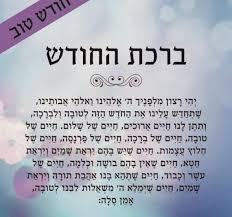
Rosh Chodesh Kislev
will be next
Monday Night (9/11) – Tuesday (10/11)
& Wednesday (11/11)
לוח זמני תפילה לחורף תשפ״ז
Winter Timetable 5787 – 2026/27
מוצאי שבת | ערבית | שקיעה | מנחה שבת | סוף זמן קריאת שמע | הדלקת נרות מנחה וקבלת שבת | תאריך | שבת פרשת |
Shabbat Ends | Arbit | Sunset | Minha | Shema before | Candle Lighting, Minha & Kabbalat Shabbat | Date | Parasha |
PM | PM | PM | PM | AM | PM |
|
|
5:18 | 5:14 | 4:24 | 3:50 | 9:35 | 4:11 | 6/7 Nov | חיי שרה (ש''מ) |
🕯️WINTER TIMES FOR SHABBAT MORNING🕯️
שבת
קרבנות
8:45 am
הודו
9:00 am
******
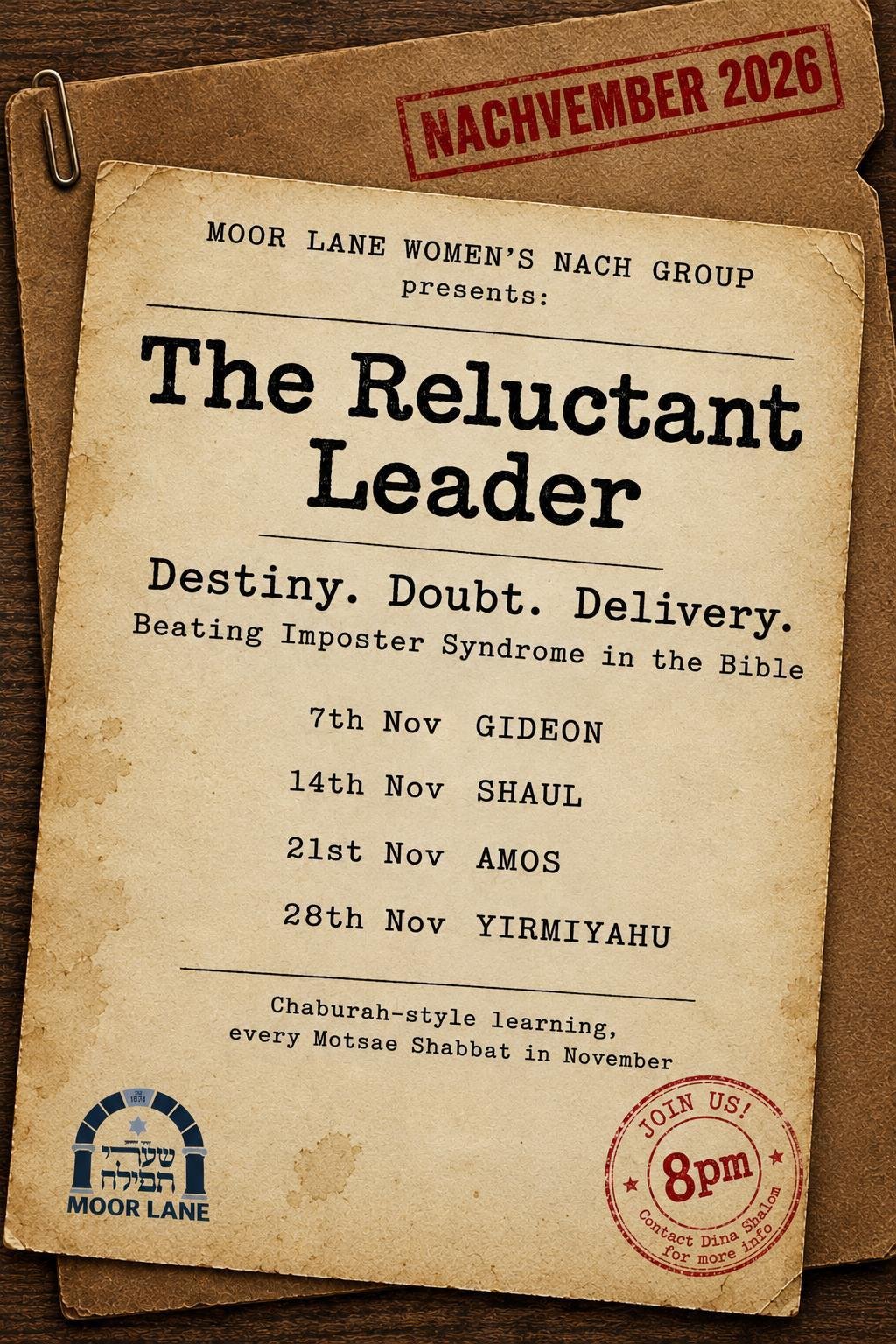
THIS week @ 6:30 pm
Moor Lane Women’s Nach Group
“ Sarah, the mother of the Jewish People, passes on at age 127. After mourning and eulogizing her, Avraham seeks to bury her in the Cave of Machpela. As this is the burial place of Adam and Chava, Avraham pays its owner, Ephron the Hittite, an exorbitant sum.
Avraham sends his faithful servant Eliezer to find a suitable wife for his son, Yitzchak, making him swear to choose a wife only from among Avraham's family. Eliezer travels to Aram Naharaim and prays for a sign. Providentially, Rivka appears. Eliezer asks for water. Not only does she give him water, but she draws water for all 10 of his thirsty camels (some 140 gallons)! This extreme kindness marks her as the right wife for Yitzchak and a suitable mother of the Jewish People. Negotiations with Rivka's father and her brother, Lavan, result in her leaving with Eliezer. Yitzchak brings Rivka into his mother Sarah's tent, marries her and loves her. He is then consoled for the loss of his mother.
Avraham remarries Hagar, who is renamed Ketura to indicate her improved ways. Six children are born to them. After giving them gifts, Avraham sends them to the East. Avraham passes away at the age of 175 and is buried next to Sarah in the Cave of Machpela.
Ohr Somayach Institutions www.ohr.edu
נטילת ידיים על פחות משיעור כביצה
בהלכה הקודמת, הבאנו את דברי מרן השלחן ערוך שפסק, שמי שאוכל פחות מכזית פת, כלומר, פחות מעשרים ושבע גרם פת, אינו צריך ליטול את ידיו. (ושיעור עשרים ושבע גרם פת, יש לשערו באופן כזה, שאם יקח את הפת ויכניס אותה בדוחק בתוך בקבוק של תינוק, יהיה השיעור 27 סמ”ק. והוא בערך שיעור של שני שלישים מהחלק הרך שבפרוסת לחם. ויש להזהר שלא לאכול משקל פת שהוא גבולי, אלא יקח פחות משיעור זה, כדי שלא יכנס לספק).
כתב מרן הבית יוסף (סימן קנח) בשם הרוקח, שהאוכל פחות מ”כביצה” פת, יש להסתפק אם הוא חייב בנטילת ידיים. ולכן עליו ליטול את ידיו בלא ברכה.
כלומר, מאחר ויש ספק בידינו אם האוכל כביצה פת, (ולהלן נסביר כמה הוא שיעור “כביצה”), חייב ליטול את ידיו או אינו חייב ליטול את ידיו, לכן יש להורות שיטול ידיו, אבל לא יברך. כדי שלא יכנס לחשש “ברכה לבטלה”.
ומרן הבית יוסף הסביר את הספק בזה. שהרי עיקר הטעם שהצריכו רבותינו ליטול ידיים לפני הסעודה, הוא כדי שהידיים לא יטמאו את האוכל. והוא ענין שהיה נוהג בזמן שבית המקדש היה קיים. וכלל גדול בידינו, שכל מאכל שאין בו שיעור כביצה, אינו מקבל טומאה. כלומר, מרוב שהוא קטן, אין בו שיעור שיוכל להטמא.
ולכן יש מקום לומר שלא חייבו חכמים ליטול ידיים על פת בפחות משיעור כביצה. אולם מצד שני יתכן שרבותינו לא חילקו בזה בין שיעור שהוא יותר מכביצה לשיעור שהוא פחות מכביצה.
לכן למעשה, גם מרן השלחן ערוך פסק, שמי שאוכל פת פחות משיעור כביצה, יטול את ידיו, אך לא יברך על הנטילה.
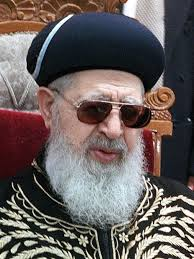
ומרן רבינו הקדוש רבי עובדיה יוסף זצ”ל דן בספרו הליכות עולם (ח”א עמוד שטז) כמה הוא שיעור כביצה לענין זה. ולהלכה העלה, שכל שאוכל כחמשים גרם פת, יטול ידיו בלא ברכה. (משום ששיעור כביצה הנוגע לעניננו הוא שיעור ביצה בלא קליפתה. שמשקלה פחות ממשקל ביצה בקליפתה).
ולסיכום: האוכל פחות מחמשים גרם פת, יטול ידיו בלא ברכה. ורק כשאוכל יותר מחמשים גרם פת, יטול ידיו בברכה.
Washing One’s Hands for Less than a Kebeitza of Bread
In the previous Halacha we have cited Maran Ha’Shulchan Aruch who rules that if one eats less than a Kezayit (twenty-seven grams) of bread, one need not wash his hands. (These twenty-seven grams of bread are calculated as if one would take bread and squash it tightly into a baby bottle such that it would reach the 27 cc mark. This amounts to approximately two-thirds of the soft part of an average slice of rye bread. One should take care not to eat exactly this amount; rather, one should eat less than this so as not to enter into a doubtful situation.)
Maran Ha’Bet Yosef quotes the Roke’ach who writes that it is uncertain whether or not one who eats less than a Kebeitza of bread is obligated to wash his hands. Thus, this individual should wash his hands without reciting a blessing.
This means that since it is uncertain whether or not one who eats less than a Kebeitza (we shall soon discuss the amount of a “Kebeitza”) of bread must wash his hands, one should therefore wash his hands without reciting a blessing so as not to recite a possible blessing in vain.
Maran Ha’Bet Yosef explains the source for this doubt, as follows: The main reason why our Sages instituted washing one’s hands before a bread meal is in order for one’s hands not to cause impurity to the food. This was something that people were careful about during the times when the Bet Hamikdash stood. The rule is that any food that does not amount to a Kebeitza does cannot become impure due to its minute size.
There is therefore room to reason that our Sages did not obligate one to wash his hands for bread which is less than a Kebeitza. On the other hand, it is possible that our Sages did not differentiate between bread which amounts to more than a Kebeitza or less than one.
Thus, halachically speaking, Maran Ha’Shulchan Aruch rules that one who eats less than a Kebeitza of bread must wash his hands but must not recite the “Al Netilat Yadayim” blessing.
Maran Rabbeinu Ovadia Yosef zt”l discusses the amount of a Kebeitza in this context in his Halichot Olam, Volume 1, page 316. Halachically speaking, he rules that one who eats up to fifty grams of bread should wash his hands without a blessing (for in this context, a Kebeitza is measured as an egg without its shell which weighs less than an egg with its shell, i.e. fifty-four grams).
Summary: One who eats less than fifty grams of bread (but more than twenty-seven grams) must wash his hands without reciting a blessing. Only when one eats more than fifty grams of bread must one wash his hands and recite the “Al Netilat Yadayim” blessing.