

Newsletter Parashat Devarim Shabbat Chazon

בס״ד
Moor Lane - Logo.JPG

image.png
ק׳ ק׳ שׁערי תפילה
Have a look at our website 
******
ראש חודש
image.png
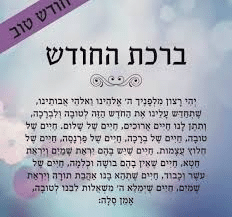
Chodesh Tov
******
image.png
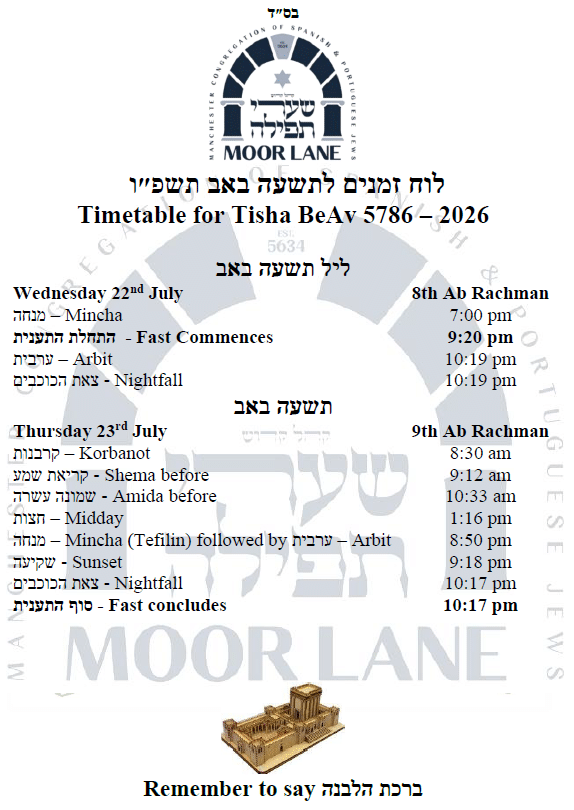
Timetable attached to this email
*****
image.png
Mazal Tov
to 
Erica Zecharya
on celebrating their engagement
שיזכו לבנות בית נאמן בישראל
Moorlanenews
would like to use this opportunity
to wish a heartfelt 
Mazel Tov 
to our dear members and friends 
Antony & Loretta Hodari
on celebrating their daughter's engagement
May they have much nachat from all
their children and grandchildren.

****
image.png
Mazal Tov to 
Josh & Jessica Moses  (nee Ailion)
on celebrating their wedding
שיזכו לבנות בית נאמן בישראל

Moorlanenews
would like to use this opportunity
to wish a heartfelt 
Mazel Tov 
to our dear members and friends 
Stuart & Sheree Ailion
on celebrating their daughter's wedding
May they have much nachat from the newlywed couple,
their children and grandchildren.
Mazel tov to  
 
Jake Moses 
and 
Susan Moses 
& all the Moses Family
*****
image.png
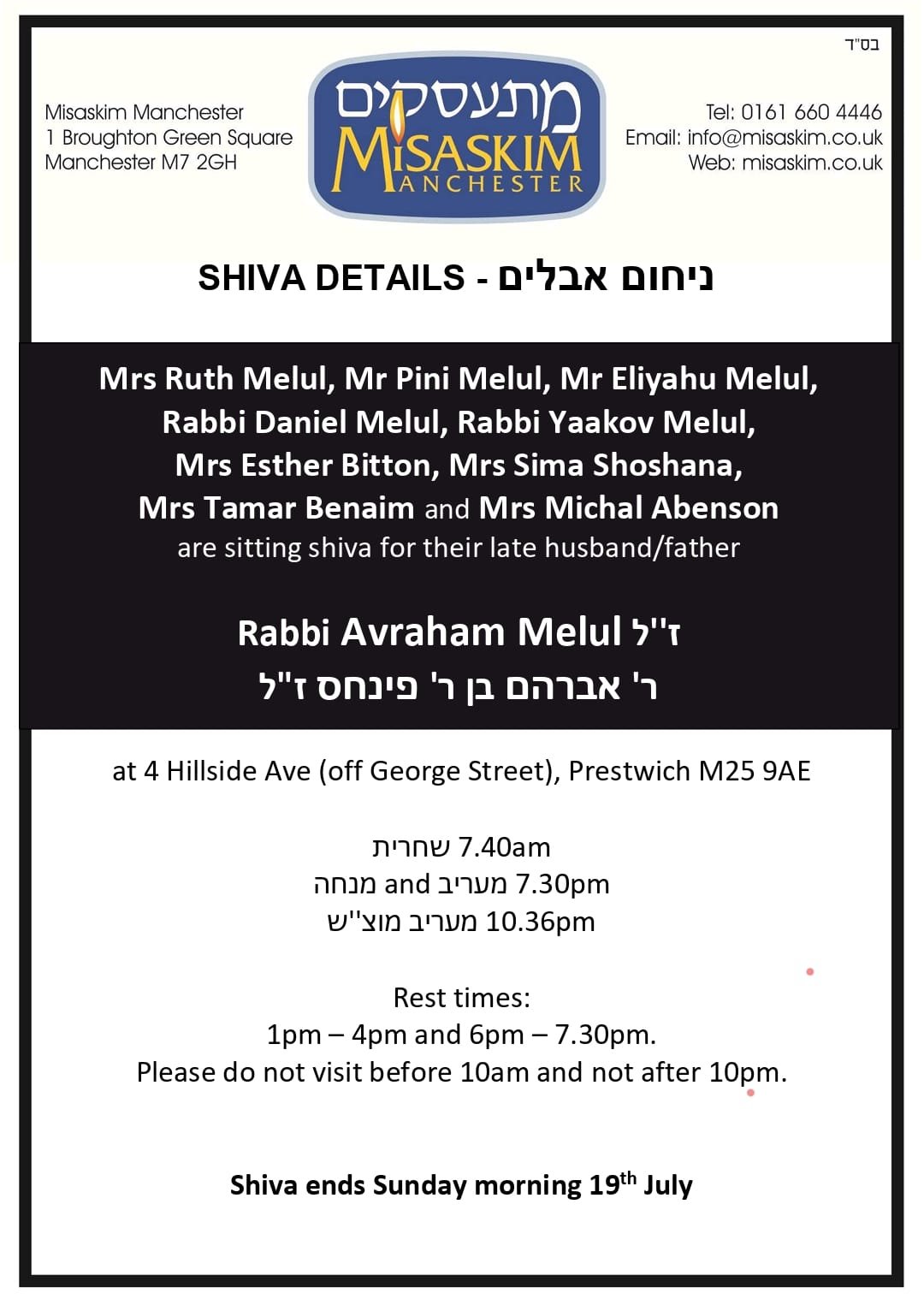
It is with great regret & sadness

that we inform the Kahal

of the Petira of 


Rabbi Abraham Melul ע״ה

Husband / father of our members & friends

Mrs Ruth Melul 

ש״י   

 Mrs Esther Bitton 

ש״י  

Mrs Sima Shoshana ש״י

& Mr Pinny Melul ש״י

מן השמים תנחמו

אריכות ימים

 PHOTO-2026-07-15-08-24-43.jpg

Moorlanenews 

would like to use this opportunity

to send their heartfelt condolences

to

Mrs Ruth Melul 

Mrs Esther Bitton, 

Mrs Sima Shoshana 

& Mr Pini Melul 

and all the Melul family

wish them 

מן השמים תנחמו

  אריכות ימים

******
Dear Members & Readers,
We are currently in the process 
of reviewing & updating the 
Nachalot list before the upcoming 
Jewish New Year 5787
If you would like to correct/add/remove any names
to the Nachalot List
please reply to this email and fill the names
 in the format below

Date and Month

Title

Hebrew Name

Relative

Relationship


 *****
Reminder
Announcements
on 
Moorlanenews Newsletter
Please send Moorlanenews 
any announcement you would like to make through our email 
before Wednesday morning
if possible, unless there is a Yom Tob
Exceptions will be made for late entries, 
and we are even willing to delay sending the newsletter
 but arrangements must be made 
directly to N Bitton before Wednesday.


Be advised that we will only announce your simcha when the Baale HaSimcha
 give us permission to do so; please do not assume that we will do it automatically.
Thank you for your understanding.
*****
🕯️שבת🕯️

לוח זמני  תפילה לקיץ תשפ״ו

Summer Timetable 5786 – 2026

מוצאי שבת

ערבית

)מוצ”ש(

סוף זמן קריאת שמע

זמן שבת

מנחה וקבלת שבת

תאריך

שבת פרשת

Shabbat

Ends

Arbit

Shema to be read before

Candles to be
lit by

Minha & Kabbalat Shabbat

Date

Parasha

PM

PM

AM

PM

PM


10:36

10:32

9:08

9:12

7:30

17/18
July

דברים (שבת חזון)

For those not in the Bet Hakeneset, but wishing to bring in Shabbat with the Kahal, candles should be lit about 30 minutes after the time listed for Minha and Kabbalat Shabbat. Unless the time listed in the ‘latest candle lighting’ column is earlier, when candles should be lit by that time, in all cases.

*****

🕯️SUMMER TIMES FOR SHABBAT 🕯️

שבת

מנחה וקבלת שבת

7:30 pm

קרבנות

9:00 am
הודו

9:15 am

מנחה של שבת

6:30 pm

********

image.png
Avot Ubanim Summer Season 
Every Shabbat Afternoon
@ 5:30 pm

******

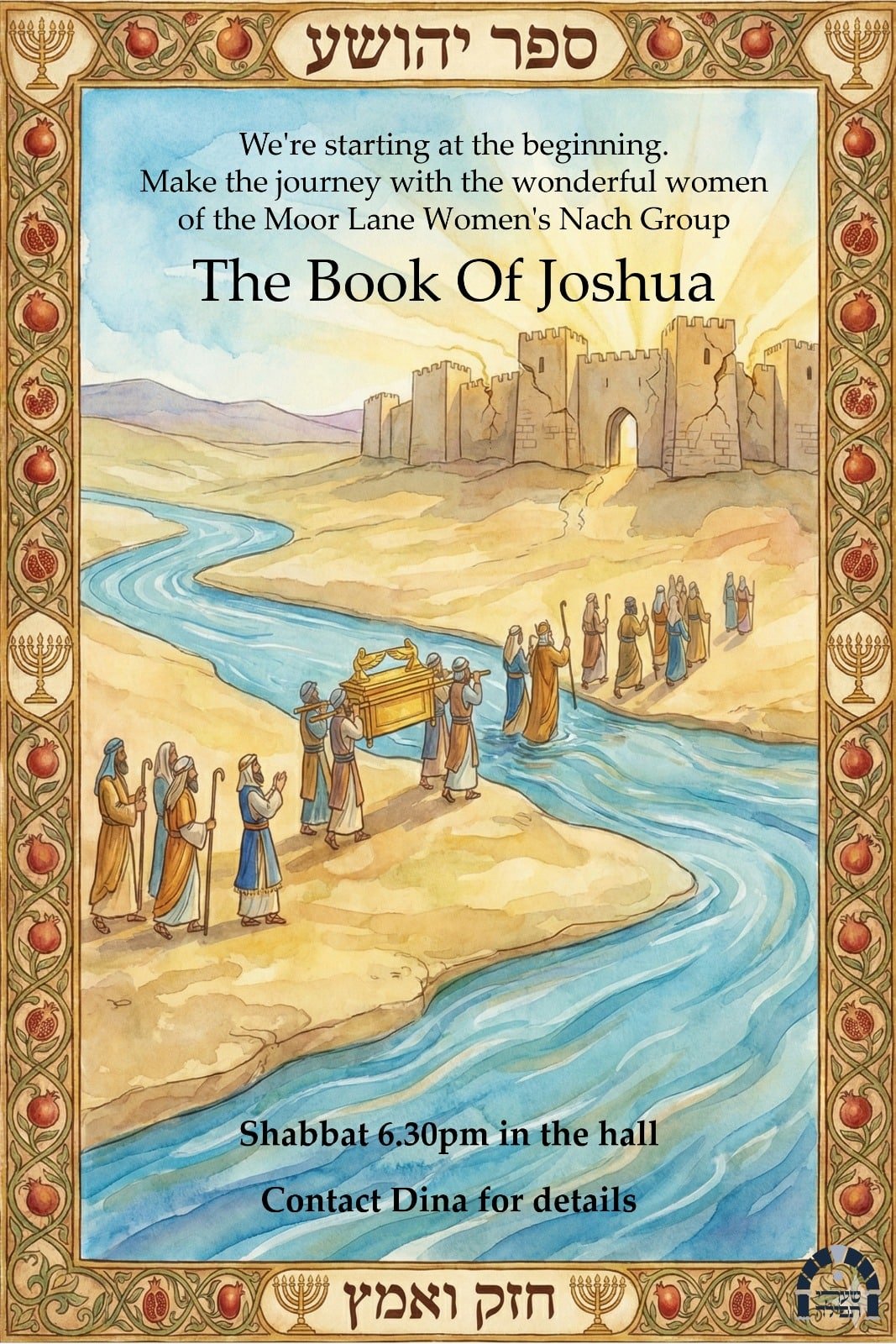
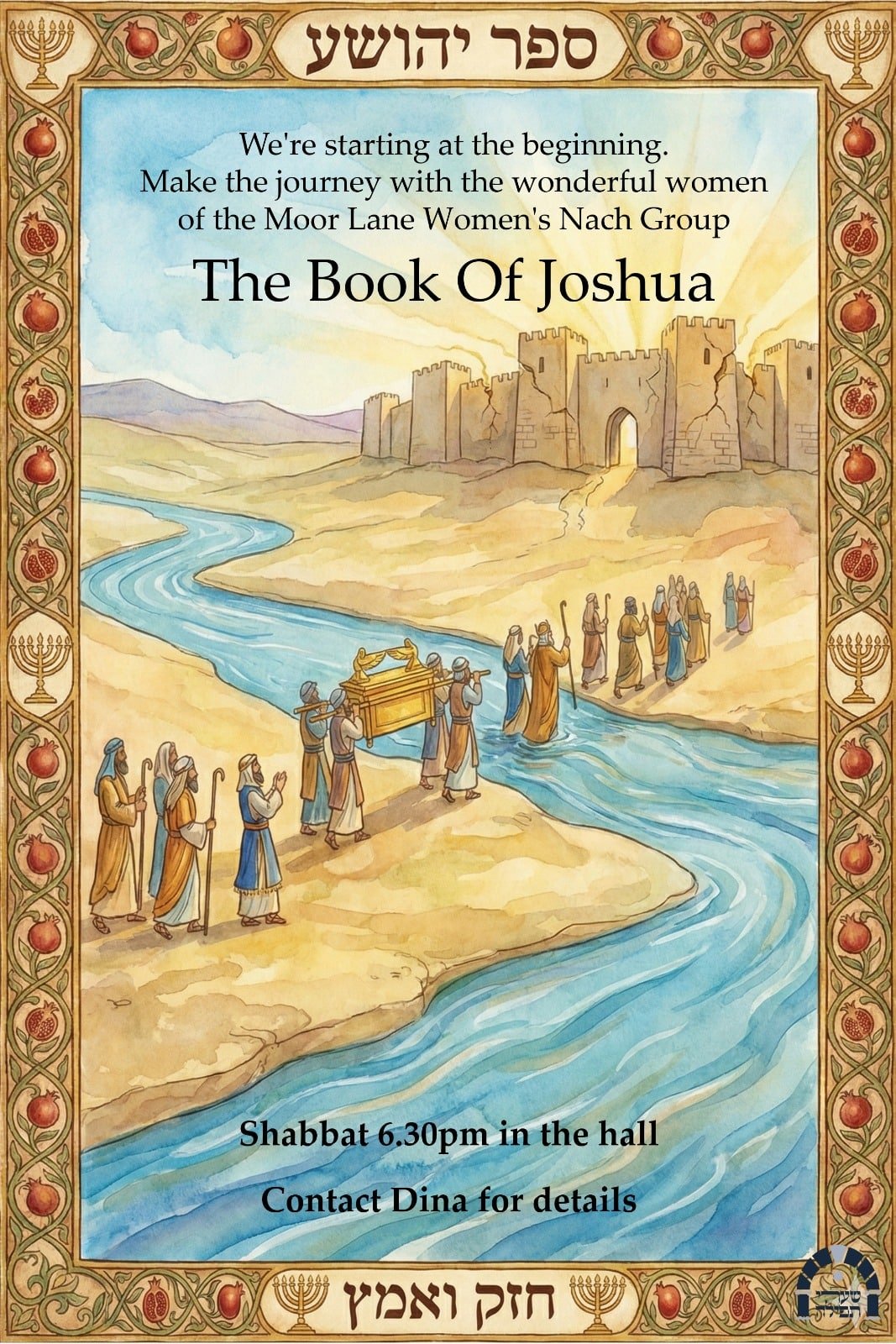
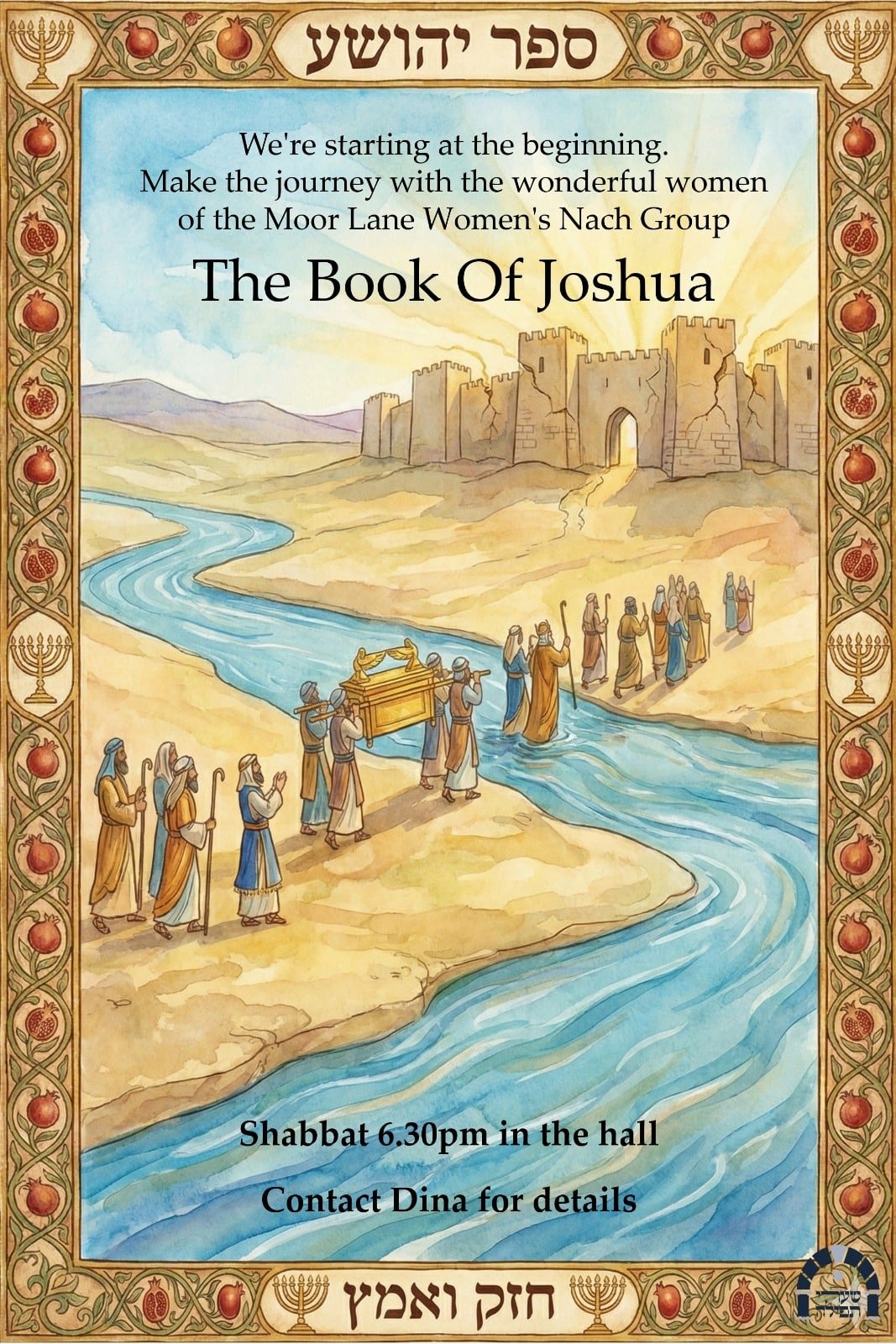
🪉Moor Lane Women’s Nach Group🪉

PHOTO-2026-06-02-13-49-10.jpg

*******

📜
Parasha Overview

This Parsha begins the last of the Five Books of The Torah, Sefer Devarim. This Book is also called Mishneh Torah, “Repetition of the Torah” (hence the Greek/English title Deuteronomy). Sefer Devarim relates what Moshe told Bnei Yisrael during the last five weeks of his life, as they prepared to cross the Jordan into Eretz Yisrael. Moshe reviews the mitzvot, stressing the change of lifestyle they are about to undergo: from the supernatural existence of the desert under Moshes guidance to the apparently natural life they will experience under Yehoshuas leadership in the Land.

The central theme this week is the sin of the spies, the meraglim. The Parsha opens with Moshe alluding to the sins of the previous generation who died in the desert. He describes what would have happened if they hadnt sinned by sending spies into Eretz Yisrael. Hashem would have given them without a fight all the land from the Mediterranean to the Euphrates, including the lands of Ammon, Moav and Edom. He details the subtle sins that culminate in the sin of the spies, and reviews at length this incident and its results. The entire generation would die in the desert; Moshe would not enter Eretz Yisrael. He reminds them that their immediate reaction to Hashems decree was to want to “go up and fight” to redress the sin. He recounts how they wouldnt listen when he told them not to go, that they no longer merited vanquishing their enemies miraculously. They ignored him and suffered a massive defeat. They were not allowed to fight with the kingdoms of Esav, Moav or Ammon these lands were not to be part of the map of Eretz Yisrael in the meantime. When the conquest of Canaan will begin with Sichon and Og, it will be via natural warfare.

*******
image.png  

Halachot from Maran Rabbi Ovadia Yosef Ztz'l


משנכנס אב
ממעטין בשמחה

היום ראש חודש אב. שהשם
יתברך יהפוך אותו לימי ששון ושמחה
.

לכן נתחיל בדיני חודש אב.

מזלם של ישראל בחודש אב
אף על פי שבכל ימי בין המצרים
נוהגים קצת מנהגי אבלות, וכמו שהזכרנו בהלכות הקודמות, מכל מקום משנכנס חודש אב,
ועד לאחר עשירי באב, יש מנהגי אבלות נוספים שיש לנהוג בהם, מפני שבחודש אב אירע
החורבן, ואמרו חז”ל, שימים אלו הם ימי פורענות לישראל, ומזלם אינו מאיר להם
בימים אלו. וכך שנינו במסכת תענית (דף כו:) “משנכנס אב ממעטין בשמחה
“. ולכן ישראל שיש לו דין ודברים ותביעה משפטית עם גוי,
יתחמק מלהתדיין עמו בימים אלו, ויתדיין עמו לאחר עשירי באב
.

משא ומתן של שמחה
מיום ראש חודש אב, ממעטין במשא
ומתן של שמחה
, כגון קניית רהיטים חדשים לבית חתן וכלה, או
קניית תכשיטי זהב וכסף, וכיוצא בזה. ובשאר משא ומתן שאינו של שמחה, כגון קניית
רהיטים לביתו, או מכונית חדשה וכדומה, אף על פי שהיה ראוי להחמיר בזה, מכל מקום
נהגו להקל. וכתב מרן רבינו עובדיה יוסף זצוק”ל, שמכל מקום טוב להמנע מלהביא
רהיטים חדשים לביתו, או מכונית חדשה לביתו, בימים אלו, משום ששמחה היא לו
.

אכילת בשר ושתיית יין
נהגו ישראל, שבימים אלו, מיום ראש
חודש אב ועד ליום עשירי באב, הקרויים “תשעת הימים”, אינם שותים יין ולא
אוכלים בשר
, אלא ביום השבת. (ובענין זה נדון בהלכה
הבאה).  וביום ראש חודש אב עצמו
,
מותר לאכול בשר ולשתות יין, שכבר
כתב מרן רבינו הגדול רבי עובדיה יוסף זצ”ל, שלא נהגו איסור באכילת בשר אלא
מאחר ראש חודש אב, כלומר, מיום ראשון הבא עלינו לטובה. אולם למנהג האשכנזים יש
להחמיר בזה אפילו ביום ראש חודש עצמו. (חזון עובדיה עמוד קסט
).

שבוע שחל בו תשעה באב
ובשבוע שחל בו תשעה באב, נוהגים
עוד מנהגי אבלות, ובכללם האיסור לרחוץ כל גופו במים חמים (אבל במים צוננים מותר
לרחוץ כל גופו), וכן אסור לכבס בגדים או ללבוש בגדים מכובסים. ובשנה זו
(תשע”ה
) יחול יום תשעה באב בשבת, ולכן הדין בשנה זו
שונה, שהרי אין לנו בכלל שבוע שחל בו תשעה באב. (חזון עובדיה עמוד רכג
).

החומרות שנהגו בהם האשכנזים
מנהג האשכנזים להחמיר מאד באיסור
הרחיצה
, ולמנהגם יש לאסור  את הרחיצה מיום ראש חודש
אב, בין במים חמים בין במים צוננים, (זאת אומרת שהם נוהגים שתי חומרות נוספות,
לאסור רחיצה כבר מיום ראש חודש אב ולאסור רחיצה אף במים קרים). אולם אף למנהג
האשכנזים, אם מדובר באדם הגר במקום שהאקלים שם חם, כגון בארץ ישראל, או באדם המזיע
הרבה מחמת איזו סיבה, מותר לו לרחוץ כל גופו במים שאינם חמים אף בשבוע שחל בו תשעה
באב. כי לא קיבלו עליהם האשכנזים חומרות אלו, אלא בארצותיהם, שהם ארצות קרות,
וגדול כבוד הבריות, ולכן יש להקל בזה כאמור. וכן פסק גם הגאון רבי משה פיינשטיין
זצ”ל
.

כמו כן נוהגים האשכנזים להחמיר בענין כיבוס
ולבישת בגדים מכובסים, שהספרדים נוהגים בזה רק בשבוע שחל בו תשעה באב, ואילו
האשכנזים נוהגים איסור בדבר החל מיום ראש חודש אב
.

קניות עבר חתן וכלה
כתב מרן רבינו עובדיה יוסף
זצ”ל, שאם קבעו את זמן הנשואים מיד לאחר תשעה באב, והבחור עדיין לא קיים פריה
ורביה (דהיינו שעדיין אין לו בן ובת), מותר לקנות עבור החתן והכלה כל צרכיהם אפילו
בימים אלו, ואפילו אם יש זמן לקנות את צרכי החתן והכלה אחרי תשעה באב, כגון
שנשואיהם נקבעו ליום ט”ו באב, אם יש חשש שיתייקרו לאחר מכן, מותר לקנותם
בימים אלו כל שיש חשש הפסד בדבר
.

ולסיכום הדברים: ישנם ארבעה דרגות
חומרה של אבלות בימים אלו. הדרגה הקלה מיום שבעה עשר בתמוז ועד ראש חודש אב. הדרגה
השנייה מיום ראש חודש אב ועד עשירי באב
.
הדרגה השלישית, חמורה ממנה, בשבוע
שחל בו תשעה באב, והדרגה החמורה מכולם
,
יום תשעה באב עצמו, שהוא יום אבל
ותענית כאשר יתבאר

When Av Begins, We Reduce Our Joy

Todayis Rosh Chodesh Av. May Hashem
soon change it to a month of joy and celebration. 

Let us begin to discuss the laws of the
month of Av. 

The Jewish Nation’s Fortune during the Month of Av
Although we customarily implement some mourning customs during the entire
“Three Weeks” as we have mentioned in previous Halachot, when the month
of Av begins until following the tenth of Av, additional customs of mourning
are implemented, for the destruction of the Bet Hamikdash occurred during the
month of Av. Our Sages say that these days are troublesome for the Jewish
nation and their fortune does not shine during this time. Indeed, the Gemara in
Masechet Ta’anit (26b) tells us, “When Av begins, we reduce our joy.” Thus, if
a Jew has a pending court-case with a non-Jew, he should try to avoid having it
during this time and should try to postpone it for after the Tenth of Av.

Joyous Transactions
From the day of Rosh Chodesh Av, we abstain from performing joyous
transactions, such as purchasing furniture for a new bride and groom,
purchasing gold and silver jewelry, and the like. Regarding other transactions
that are not linked to any particular joy, such as purchasing furniture for
one’s home, purchasing a new car, and the like, although it seems appropriate
to act stringently and abstain from doing so, nevertheless, the custom is
indeed to be lenient. It is preferable that one not bring new furniture or a
new car to one’s home during these days, for this causes one to be happy.

Eating Meat and Drinking Wine
The prevalent custom among the Jewish nation is that during the “Nine Days,”
which is the period between Rosh Chodesh Av until the Tenth of Av, we abstain
from eating meat and drinking wine besides for on Shabbat (we shall, G-d
willing, discuss this detail in depth in a following Halacha). On Rosh
Chodesh Av, one is still permitted to eat meat and drink wine, for Maran
Rabbeinu Ovadia Yosef zt”l writes that it is only customarily prohibited
from the day following Rosh Chodesh Av, the Second of Av. Nevertheless, the
Ashkenazi custom is to act stringently and refrain from eating meat and
drinking wine beginning from the day of Rosh Chodesh itself. (Chazon
Ovadia-Arba Ta’aniyot, page 169)

The Week during which Tisha Be’av Falls Out
Additional mourning customs are observed during the week during which Tisha
Be’av falls out, including the prohibitions to wash one’s body with hot water,
launder clothing, and wear freshly-laundered clothes. Nevertheless, this year
when Tisha Be’av coincides with Shabbat, the laws of the week during which
Tisha Be’av falls out do not apply at all according to the Sephardic custom
(Chazon Ovadia-ibid, page 223).

The Stringencies Observed by Ashkenazim During This
Period

Nevertheless, the Ashkenazi custom is to prohibit washing one’s body from Rosh
Chodesh Av with either hot or cold water (which means that they customarily
observe two stringencies: the first being the prohibition of washing as early
as Rosh Chodesh Av and the second being that they even prohibit washing one’s
body with cold water as well). Nevertheless, even according to the Ashkenazi
custom, if one lives in a place where the climate is hot, such as in Israel, or
if one sweats profusely for whatever reason, one may wash his body with water
that is not hot even during the week during which Tisha Be’av falls out. The
reason for this is because the Ashkenazim only accepted these stringencies upon
themselves in their countries, which had cooler climates; this is especially
true since personal hygiene is very important. Thus, one may be lenient
regarding this matter when necessary, as we have explained above. Hagaon Harav
Moshe Feinstein zt”l rules accordingly.

The same applies to the laws of laundering and wearing
freshly-laundered clothing in that the Sephardic custom is to abstain from
these things only during the week during which Tisha Be’av falls out.
Ashkenazim, however, customarily abstain from these things beginning from Rosh
Chodesh Av.

Purchasing Items for a Bride and Groom 
Maran Rabbeinu Ovadia Yosef zt”l writes that if a wedding date was set
for immediately following Tisha Be’av and the groom has not yet fulfilled the
Mitzvah of “being fruitful and multiplying” (meaning that he did not yet father
children), all of the necessities of the bride and groom may be purchased
during these days. Even if one has the opportunity to purchase these items
after Tisha Be’av, for instance if the wedding is on the Fifteenth of Av, if
one is concerned that the price of the items may rise in the meantime, these
items may indeed be purchased during these days, as long as there is due
concern for monetary loss.

Summary: There
are four levels of varying severity regarding the mourning customs observed
during these days. The lowest level is from the Seventeenth of Tammuz until
Rosh Chodesh Av. The second level is from Rosh Chodesh Av until the Tenth of
Av. The third level, which is more stringent than the former, is during the
week during which Tisha Be’av falls out. The fourth level, most stringent of
all, is the day of Tisha Be’av itself, which is a day of mourning and fasting,
as we shall discuss

Newsletter Parashat Matot Mase – Shabbat Mevarechim

בס״ד
Moor Lane - Logo.JPG

image.png
ק׳ ק׳ שׁערי תפילה
Have a look at our website 
*****

image.png
שבת מברכים

THIS SHABBAT 

is  

שבת מברכים

Reminder
there will be NO derasha this week
instead we will have the 
kahal recitation of Sefer Tehilim
*****
The custom for announcing
 ראש חודש אב רחמן 
is tp start from 
מחדש חדשים יקבץ קדושים
and omitting the “Yehi Ratzons”
this can be found in all siddurim
*****
ראש חודש
image.png
Rosh Chodesh Av Rachman
Tuesday Night 14th / Wednesday 15th July
*****
Dear Members & Readers,
We are currently in the process 
of reviewing & updating the 
Nachalot list before the upcoming 
Jewish New Year 5787
If you would like to correct/add/remove any names
to the Nachalot List
please reply to this email and fill the names
 in the format below

Date
and Month

Title

Hebrew
Name

Relative

Relationship


******
🕯️שבת🕯️

לוח זמני  תפילה לקיץ תשפ״ו

Summer Timetable 5786 – 2026

מוצאי שבת

ערבית

)מוצ”ש(

סוף זמן קריאת שמע

זמן שבת

מנחה וקבלת שבת

תאריך

שבת פרשת

Shabbat

Ends

Arbit

Shema to be read before

Candles to be
lit by

Minha & Kabbalat Shabbat

Date

Parasha

PM

PM

AM

PM

PM


10:47

10:43

9:04

9:20

7:30

10/11
July

מטות־מסעי (ש''מ)

For those not in the Bet Hakeneset, but wishing to bring in Shabbat with the Kahal, candles should be lit about 30 minutes after the time listed for Minha and Kabbalat Shabbat. Unless the time listed in the ‘latest candle lighting’ column is earlier, when candles should be lit by that time, in all cases.

*****

🕯️SUMMER TIMES FOR SHABBAT 🕯️

שבת

מנחה וקבלת שבת

7:30 pm

קרבנות

9:00 am
הודו

9:15 am

מנחה של שבת

6:30 pm

********

image.png
Avot Ubanim Summer Season 
Every Shabbat Afternoon
@ 5:30 pm

******

🪉Moor Lane Women’s Nach Group🪉

PHOTO-2026-06-02-13-49-10.jpg

*******

📜
Parasha Overview

Matot

Moshe teaches the rules and restrictions governing oaths and vows, especially the role of a husband or father in either upholding or annulling a vow. The Bnei Yisrael wage war against Midian. They kill the five Midianite kings, all the males and Bilaam. Moshe is upset that women were taken captive. They were catalysts for the immoral behavior of the Jewish People. He rebukes the officers. The spoils of war are counted and apportioned. The commanding officers report to Moshe that there was not even one casualty among the Bnei Yisrael. They bring an offering that is taken by Moshe and Elazar and placed in the Ohel Mo'ed (Tent of Meeting). The Tribes of Gad and Reuven, who own large quantities of livestock, petition Moshe to allow them to remain on the eastern side of the Jordan River and not enter the western Land of Israel. They explain that the land east of the Jordan is quite suitable grazing land for their livestock. Moshe's initial response is that this request will discourage the rest of the Bnei Yisrael, and that it is akin to the sin of the spies. They assure Moshe that they will first help conquer the Land of Israel, and only then will they go back to their homes on the eastern side of the Jordan River. Moshe grants their request on condition that they uphold their part of the deal.

Masei

The Torah names all 42 encampments of the Bnei Yisrael on their 40-year journey from the Exodus to the crossing of the Jordan River into Eretz Yisrael. Hashem commands the Bnei Yisrael to drive out the Canaanites from the Land of Israel and to demolish every vestige of their idolatry. The Bnei Yisrael are warned that if they fail to completely rid the Land of the Canaanites, those who remain will be “pins in their eyes and thorns in their sides.” The boundaries of the Land of Israel are defined, and the tribes are commanded to set aside 48 cities for the Levites, who do not receive a regular portion in the division of the Land. Cities of refuge are to be established so that someone who unintentionally kills another person may flee there. The daughters of Tzlofchad marry members of their own tribe so that their inheritance will stay in their own tribe. Thus ends the Book of Bamidbar/Numbers, the fourth of the Books of the Torah.

*******
image.png  

Halachot from Maran Rabbi Ovadia Yosef Ztz'l

תספורת בימי בין המצרים – שנת תשפ”ו


מנהג איסור תספורת

מרוב תוקף האבלות בימי בין המצרים, נהגו האשכנזים שלא להסתפר ולהתגלח, מיום שבעה עשר בתמוז ועד יום עשירי באב.

אולם הספרדים ובני עדות המזרח לא נהגו להחמיר בזה, אלא מנהגינו כעיקר תקנת רבותינו התנאים, שגזרו אחר חורבן בית המקדש, שבשבוע שחל בו תשעה באב, אסור מלספר ולכבס, וכן פסקו הרמב”ם ומרן השלחן ערוך. אולם אלה מהספרדים שלומדים או גרים בסביבת אשכנזים, ורוצים להחמיר בזה, רשאים להחמיר. (כמו שכתב בספר חזון עובדיה ארבע תעניות).

ושבוע שחל בו תשעה באב, פירושו, השבוע שבתוכו חלה תענית תשעה באב, מיום ראשון ואילך. ולדוגמא השנה, שיחול יום תשעה באב ביום חמישי (עוד כמעט שלושה שבועות), הרי שמיום ראשון שלפניו, נוהגים כל מנהגי האבלות השייכים לשבוע שחל בו תשעה באב.

תספורת לנשים

לענין תספורת לנשים בשבוע שחל בו למנהג הספרדים, או בכל ימי בין המצרים למנהג האשכזים, נחלקו הפוסקים כיצד יש לנהוג. ובאמת שהדבר תלוי במחלוקת אחרת, וכפי שנבאר:

נחלקו הפוסקים, לענין אשה שאבלה על אחד משבעת קרוביה (אב ואם, אח ואחות, בן ובת, ובעל), האם אסור לה להסתפר, כשם שלאנשים אסור להסתפר, או שאיסור זה אינו נוהג באשה.

ולהלכה, מרן השלחן ערוך, אשר הספרדים וכל בני עדות המזרח הולכים לאורו, פסק שאין איסור תספורת נוהג באשה. ועל כן תיכף אחר שבעת ימי האבל, מותר לאשה להסתפר. אבל הרמ”א, שלפי הוראותיו הולכים האשכנזים היוצאים ביד רמ”א, פסק שאיסור תספורת נוהג גם בנשים.

ולפי זה נראה, שלדעת מרן השלחן ערוך, ולמנהג הספרדים, אין איסור תספורת נוהג בנשים גם בשבוע שחל בו תשעה באב. אבל למנהג האשכנזים היוצאים ביד רמ”א, אף הנשים בכלל איסור זה. וכן פסק הגאון רבי משה פיינשטיין זצ”ל, ועוד מגדולי הפוסקים.

ומכל מקום יש מרבני האשכנזים שכתבו, שאף על פי שבאבלות ממש, מנהגם הוא שגם הנשים אינן מסתפרות, מכל מקום בבין המצרים רשאיות הנשים להקל בזה, כי אין תוקף מנהג האבלות חמור כל כך מצד הדין, רק בתורת מנהג, כמו שביארנו. אבל בשבוע שחל בו תשעה באב, שאז איסור התספורת הוא מתקנת  חכמי המשנה ממש, ולא רק מחמת המנהג, אין לחלק בין אנשים לנשים.

ולמעשה: מנהג האשכנזים לאסור תספורת בכל ימי בין המצרים. והספרדים מחמירים בזה רק בשבוע שחל בו תשעה באב, ולגבי נשים, אף מן האשכנזים המיקלות בזה, יש להן על מה לסמוך


The Laws of Taking Haircuts During the “Three Weeks”- The Year 5786


The Customary Prohibition of Haircuts
As a result of the mourning observed during the “Three Weeks,” the Ashkenazi custom is to abstain from shaving and taking haircuts beginning from the Seventeenth of Tammuz until the Tenth of Av.

Nevertheless, the Sephardic custom is not as stringent and follows the letter of the law established by a Tannaic enactment (following the destruction of the Bet Hamikdash) which is to prohibit taking haircuts and laundering clothing during the week during which Tisha Be’av falls out. The Rambam and Maran Ha’Shulchan Aruch rule likewise. Those Sephardic Jews who study with or live in close proximity to Ashkenazim may act stringently and abstain from shaving and taking haircuts from the Seventeenth of Tammuz.

The week during which Tisha Be’av falls out refers to the very week the fast of Tisha Be’av is observed, beginning from Sunday of that week. For instance, if Tisha Be’av occurs on Thursday, as it does this year,  all of the mourning customs associated with the week during which Tisha Be’av falls out begin from the previous Sunday.

Haircuts for Women
Regarding a woman taking a haircut during the week during which Tisha Be’av falls out or during the “Three Weeks” according to the Ashkenazi custom, this depends on a related disagreement among the Poskim, as follows:

The Poskim disagree regarding whether a woman who is in mourning for one of seven relatives (father, mother, brother, sister, son, daughter, or husband) is forbidden to take a haircut just as it is forbidden for a male mourner or perhaps, this prohibition does not apply to women.

Halachically speaking, Maran Ha’Shulchan Aruch, whose rulings are followed by Sephardic and Middle Eastern Jews, writes that the prohibition to take a haircut does not apply to women. Thus, immediately following the initial seven days of mourning (Shiva), a woman may take a haircut. Nevertheless, the Rama, whose rulings are followed by Ashkenazi Jews, writes that the prohibition to take a haircut applies to women as well.

It therefore seems that according to Maran Ha’Shulchan Aruch and the Sephardic custom, the prohibition to take haircuts observed in mourning the destruction of the Bet Hamikdash does not apply to women either. However, according to the Rama and the Ashkenazi custom, women are also included in this prohibition. Hagaon Harav Moshe Feinstein zt”l and other great Poskim rule likewise.

On the other hand, there are Ashkenazi Poskim who write that although women are prohibited to take haircuts while in actual mourning for a relative, nevertheless, woman may, in fact, act leniently and take haircuts during the “Three Weeks,” for this (not taking haircuts throughout the entire “Three Weeks”) is not as much a halachic prohibition according to the letter of the law as it is a custom which has been accepted. However, during the week during which Tisha Be’av falls out, when it is an actual prohibition to take a haircut based on the edict of the Sages of the Mishnah and not merely customary, there is no distinction between men and women.

Halachically speaking, according to the Ashkenazi custom, men abstain from taking haircuts from the Seventeenth of Tammuz while the Sephardic custom is to permit this until the week during which Tisha Be’av falls out. Regarding women, those who wish to act leniently, even among Ashkenazi women, have on whom to rely.

Newsletter Parashat Pinchas – Shiva Asar BeTammuz

בס״ד
Moor Lane - Logo.JPG

image.png
ק׳ ק׳ שׁערי תפילה
Have a look at our website 
*****

שבעה עשר בתמוז

image.png

תענית – Fast

🗓️ Thursday 2nd  July

Fast begins 1:13 am

🌄 Shacharit 6:45 am

📖 Mincha 9:00 pm

🌇 Shekia 9:39 pm

🌃  End of the fast at 10:46 pm 

🍲🍟🍩

********
🕯️שבת🕯️

לוח זמני  תפילה לקיץ תשפ״ו

Summer Timetable 5786 – 2026

מוצאי שבת

ערבית

)מוצ”ש(

סוף זמן קריאת שמע

זמן שבת

מנחה וקבלת שבת

תאריך

שבת פרשת

Shabbat

Ends

Arbit

Shema to be read before

Candles to be
lit by

Minha & Kabbalat Shabbat

Date

Parasha

PM

PM

AM

PM

PM


10:55

10:51

9:00

9:25

7:30

3/4
July

פינחס

For those not in the Bet Hakeneset, but wishing to bring in Shabbat with the Kahal, candles should be lit about 30 minutes after the time listed for Minha and Kabbalat Shabbat. Unless the time listed in the ‘latest candle lighting’ column is earlier, when candles should be lit by that time, in all cases.

*****

🕯️SUMMER TIMES FOR SHABBAT 🕯️

שבת

מנחה וקבלת שבת

7:30 pm

קרבנות

9:00 am
הודו

9:15 am

מנחה של שבת

6:30 pm

********

image.png
Avot Ubanim Summer Season 
Every Shabbat Afternoon
@ 5:30 pm

******

🪉Moor Lane Women’s Nach Group🪉

PHOTO-2026-06-02-13-49-10.jpg

*******

📜
Parasha Overview

Hashem tells Moshe to inform Pinchas that he will receive Hashem’s “covenant of peace” in reward for his bold action — executing Zimri and the Midianite princess Kozbi. Hashem commands Moshe to maintain a state of enmity with the Midianites, who lured the Jewish People into sin. Moshe and Elazar are told to count the Jewish People. The Torah lists the names of the families in each tribe. The total number of males eligible to serve in the army is 601,730. Hashem instructs Moshe how to allot the Land of Israel to the Bnei Yisrael. The number of the Levites' families is recorded. Tzlofchad's daughters file a claim with Moshe.

In the absence of a brother, they request their late father's portion in the Land. Moshe asks Hashem for the ruling, and Hashem tells Moshe that their claim is just. The Torah teaches the laws and priorities which determine the order of inheritance. Hashem tells Moshe that he will ascend a mountain and view the Land that the Jewish People will soon enter, although Moshe himself will not enter it. Moshe asks Hashem to designate the subsequent leader, and Hashem selects Yehoshua bin Nun. Moshe ordains Yehoshua as his successor in the presence of the entire nation. This Torah portion concludes with special teachings of the service in the Beit Hamikdash.

*******
image.png  

Halachot from Maran Rabbi Ovadia Yosef Ztz'l

שבעה עשר בתמוז

מחר, יום חמישי, הוא יום שבעה עשר בתמוז. (יחדשהו הקדוש
ברוך הוא עלינו לששון ולשמחה). ומימי חורבן בית מקדשינו, החלו ישראל להתענות ביום
זה. ולאחריו יחלו ימי “בין המצרים”. כמו שנבאר בעתו ובזמנו
.

תענית
שבעה עשר בתמוז

נאמר
בספר זכריה (פרק ח פסוק יט) “כה אמר ה' צבאות, צום הרביעי וצום החמישי וצום
השביעי וצום העשירי יהיה לבית יהודה לששון ולשמחה ולמועדים טובים
, והאמת והשלום אהבו”.
ופירשו חז”ל (במסכת ראש השנה דף יח:), צום הרביעי זה צום שבעה עשר בתמוז, כי
חודש תמוז הוא החודש הרביעי מחודש ניסן. (וידוע שחודש ניסן הוא הראשון לחודשי השנה
לפי מנין תורתינו הקדושה). וצום החמישי זה צום תשעה באב, כי חודש אב הוא החודש
החמישי מחודש ניסן. וצום השביעי זה צום גדליה, שהוא בשלושה בתשרי, שהוא החודש
השביעי מחודש ניסן. וצום העשירי זה עשרה בטבת, שהוא החודש העשירי מחודש ניסן
.

דין
התענית

כתב
רבינו הרמב”ם, שכל ישראל מתענים בימים אלו, מפני הצרות שאירעו בהם, כדי לעורר
הלבבות ולפתוח דרכי התשובה, ויהיה זה זכרון למעשינו הרעים, ומעשה אבותינו שהיה
כמעשינו עתה, עד שגרם להם ולנו אותן הצרות, שבזכרון דברים אלו נשוב להיטיב, שנאמר
והתודו את עונם ואת עון אבותם
.

מה
אירע ביום שבעה עשר בתמוז
?
ביום
שבעה עשר בתמוז אירעו חמישה דברים קשים, ואלו הן: נשתברו לוחות הברית
, הופסקה הקרבת קרבן התמיד
בכל יום בבית המקדש, הבקיעו האויבים את חומת ירושלים בתקופת חורבן בית המקדש השני,
שרף אפוסטמוס הרשע את התורה, והועמד צלם בהיכל בית המקדש
.

זמן
התענית

הכל
חייבים להתענות ביום שבעה עשר בתמוז, וחיוב התענית הוא מעלות השחר ועד לצאת
הכוכבים. ואף על פי שזמן התענית הוא מעלות השחר, מכל מקום מי שקם משנתו באמצע
הלילה קודם עלות השחר, אסור לו לאכול, אלא אם כן התנה קודם שהלך לישון שבכוונתו
לקום ולאכול
.

מי הוא
המחוייב בתענית זו
?
קטנים, דהיינו בן פחות משלוש
עשרה שנים, ובת פחותה משתים עשרה שנים, פטורים לגמרי מתעניות אלו. ואינם צריכים
להתענות אפילו כמה שעות. ואפילו אם יש בהם דעת להתאבל על חורבן ירושלים, כל שלא
הגיעו לגיל מצוות, פטורים לגמרי מתעניות אלו, ואפילו אם רוצים להחמיר על עצמם ולהתענות,
יש למחות בידם. ויש מחמירים שלא לתת לקטנים בתענית ציבור אלא לחם ומים. וכן מנהג
כמה מעדות האשכנזים שילדים קטנים שכבר מבינים ענין החורבן, אינם אוכלים אלא לחם
ומים. אבל הספרדים ובני עדות המזרח לא נהגו כן, וכן העיד מרן הרב חיד”א,
שמנהג הספרדים שנותנים לילדים כל צרכם ביום תענית ציבור
.

ומעוברות
ומניקות פטורות מלהתענות בשבעה עשר בתמוז, בצום גדליה ובעשרה בטבת. (ולענין תשעה
באב יבואר אי”ה בזמנו). ואפילו אם רוצות להחמיר על עצמן ולהתענות יש למחות
בידן
.

ולענין
זה נקראת מעוברת כל שהוכר עוברה, דהיינו שעברו שלושה חודשים מתחילת הריונה. ואם
סובלת ממחושים והקאות פטורה מכל התעניות הללו גם קודם עבור שלושה חודשים מתחילת
הריונה, ובפרט אם עברו כבר ארבעים יום מתחילת הריונה
.

ולגבי
מינקת, כלומר, אשה מניקה, שאמרו שפטורה מתעניות אלו. נחלקו הפוסקים, אם רק אשה
שהיא מניקה בפועל פטורה מן התענית, אבל אשה שאינה מניקה בפועל, אף על פי שהיא בתוך
עשרים וארבעה חודשים מזמן לידתה, חייבת להתענות, או שלעולם אין להתחשב בכך שהיא
אינה מניקה בפועל, שכל עשרים וארבעה חודשים מזמן הלידה האשה חלשה מאד, וכמו שאמרו
רבותינו “שאבריה מתפרקין”, ולכן יש לפטרה מן התענית. ומרן הרב
שליט”א, היה מורה ובא במשך שנים להקל בדבר, ושכל אשה תוך עשרים וארבעה חודשים
ללידתה, פטורה מלהתענות בתעניות אלה. וכן כתב בספרו חזון עובדיה העוסק בהלכות
הללו, שכל אשה מינקת פטורה מן התענית, ואפילו אם אינה מניקה בפועל, כל שהיא תוך
עשרים וארבעה חדוש מלידתה, יש לפטרה מן התענית. אולם הוסיף, לאחר שעיין בדבר,
שנכון להקל בזה דוקא באופן שהיא מרגישה בעצמה חולשה יתרה, שאז דינה כדין מינקת,
אבל אם היא אינה חשה תחושה של חולשה יתירה, כגון סחרחורת וכדומה, נכון להחמיר
שתתענה אף היא. וכן פסקו עוד מרבני זמנינו, ובהם הגאון רבי שלום משאש זצ”ל
ועוד. ויש אומרים שכל אשה שהיא תוך עשרים וארבעה חודשים ללידתה, הרי היא פטורה מן
התענית, משום שבדרך כלל היא עסוקה בשאר עניני הבית, ונחלשת מאד מחמת התענית

The Seventeenth of Tammuz

Tomorrow, Thursday, is the
Seventeenth of Tammuz (may Hashem renew it as a joyous and festive day). From
the times of the destruction of the Bet Hamikdash, the Jewish nation began to
fast on this day. This day likewise the “Three Weeks” between the Seventeenth
of Tammuz and the Ninth of Av.

The Fast of the Seventeenth of Tammuz
The prophet Zecharia (8, 19) states: “So says Hashem, G-d of Hosts: The fourth,
fifth, seventh, and tenth fast days shall be for the house of Yehuda for
gladness, joy, and good times; [only] love of truth and peace.” Our Sages (in
Masechet Rosh Hashanah 18b) explain that the “fourth fast day” refers to the
Seventeenth of Tammuz, for Tammuz is the fourth month when counting from Nissan
(Nissan is the first of the months of the year according to our holy Torah).
The “fifth fast day” refers to the fast of the Ninth of Av, for Av is the fifth
month when counting from Nissan. The “seventh fast day” refers to the Fast of
Gedalya which falls out on the third of Tishrei, which is the seventh month
from Nissan. The “tenth fast day” refers to the fast of the Tenth of Tevet,
which is the tenth month from Nissan.

The Essence of the Fast
The Rambam writes that the entire Jewish nation must fast on these days because
of the tragedies that befell them on these days. This will serve to awaken
their hearts and open the pathways to repentance. This will also serve as a
reminder of our evil deeds and the deeds of our ancestors that resembled our
current deeds which eventually caused these tragedies to befall them and us.
Upon remembering these things, we shall mend our ways, as the verse states,
“And they shall confess their sins and the sins of their fathers.”

What Occurred on the Seventeenth of Tammuz?
The following five terrible events occurred on the Seventeenth of Tammuz: The
two tablets bearing the Ten Commandments were broken, the daily Tamid offering
brought in the Bet Hamikdash ceased, our enemies breached the walls of
Jerusalem in the Second Temple era, the wicked Apostemos burnt the Torah, and
an idol was erected in the sanctuary of the Bet Hamikdash.

The Time of the Fast
Everyone is obligated to fast on the Seventeenth of Tammuz, and the fast begins
at dawn and ends at nightfall with the emergence of the stars. Although the
fast begins at dawn, if one wakes up in the middle of the night before dawn,
one may not eat unless one specifically makes a condition before going to sleep
that one has in mind to wake up and eat before the fast begins.

Who Is Obligated to Fast?
Minors, meaning boys under the age of thirteen and girls under the age of
twelve, are completely exempt from these fasts. They need not even fast for
several hours. Even if they have the understanding to mourn over the loss of
the Bet Hamikdash, as long as they have reached Bar/Bat Mitzvah age, they are
completely exempt from these fasts. Even if they wish to act stringently and
fast, one should object to them doing so. Some are stringent to only feed
minors bread and water on public fast days. This is indeed customary among some
Ashkenazi communities who hold that if the child is able to understand the
gravity of the destruction of the Bet Hamikdash, he should only be fed bread
and water. However, Sephardic and Middle Eastern Jews customarily do not rule
this way, as Maran Ha’Chida testifies that the custom among the Sephardim was
to feed their children whatever they needed on public fast days.

Pregnant and nursing women are exempt from fasting on the Seventeenth of
Tammuz, the Fast of Gedalya, and the Tenth of Tevet. (Their law regarding Tisha
Be’av will, G-d willing, be discussed at a later time.) Even if they wish to be
stringent and fast, one should object to them doing so.

Regarding this matter, a pregnant woman is defined as when her pregnancy is
noticeable, meaning when the first trimester of pregnancy has elapsed. However,
if she suffers from aches, pains, vomiting, and the like, she is exempt from
all of these fasts even before three months of pregnancy have elapsed; this is
especially true if forty days from the start of her pregnancy have already
elapsed.