



שבת מברכים
is
שבת מברכים

THIS SHABBAT
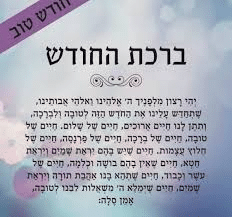
we will be reading the Haftara of
Machar Chodesh
********
לוח זמני תפילה לקיץ תשפ״ו
Summer Timetable 5786 – 2026
מוצאי שבת | ערבית )מוצ”ש( | סוף זמן קריאת שמע | זמן שבת | מנחה וקבלת שבת | תאריך | שבת פרשת |
Shabbat Ends | Arbit | Shema to be read before | Candles to be | Minha & Kabbalat Shabbat | Date | Parasha |
PM | PM | AM | PM | PM |
|
|
10:10 | 10:06 | 9:06 | 8:48 | 7:30 | 15/16 | במדבר (ש''מ)(מחר חודש) |
For those not in the Bet Hakeneset, but wishing to bring in Shabbat with the Kahal, candles should be lit about 30 minutes after the time listed for Minha and Kabbalat Shabbat. Unless the time listed in the ‘latest candle lighting’ column is earlier, when candles should be lit by that time, in all cases.
*****
🕯️SUMMER TIMES FOR SHABBAT 🕯️
שבת
מנחה וקבלת שבת
7:30 pm
קרבנות
9:00 am
הודו
9:15 am
מנחה של שבת
6:30 pm
********

******
Moor Lane Women’s Nach Group
🪻🌷🌹🌺🌼🪷🌹🌷🪻


*******
The Book of Bamidbar — “In the desert” — begins with Hashem commanding Moshe to take a census of all men over age twenty — old enough for service. The count reveals just over 600,000. The levi'im are counted separately later on because their service will be unique. They will be responsible for transporting the Mishkan and its furnishings, and assembling them when the nation encamps. The 12 Tribes of Israel, each with its banner, are arranged around the Mishkan in four sections: east, south, west and north. Since Levi is singled out, the tribe of Yosef is split into two tribes, Efraim and Menashe, so there will be four groups of three. When the nation travels, they march in a formation similar to the way they camp.
A formal transfer is made between the first-born and the levi'im, whereby the levi'im take over the role the first-born would have had serving in the Mishkan if not for the sin of the golden calf. The transfer is made using all the 22,000 surveyed levi'im from one month old and up. Only levi'im between 30 and 50 will work in the Mishkan. The remaining first-born sons are redeemed with silver, similar to the way we redeem our first-born today. The sons of Levi are divided into the three main families of Gershon, Kehat and Merari (besides the kohanim — the special division from Kehat's family). The family of Kehat carried the Menorah, the Table, the Altar and the Holy Ark. Because of their utmost sanctity, the Ark and the Altar are covered only by Aharon and his sons, before the levi'im prepare them for travel.

רישיון נהיגה – לשון הרע
שאלה: אדם שמבקש לקבל רשיון נהיגה, וידוע לי שהוא אינו מסוגל מבחינה בריאותית לנהוג, האם עלי להודיע למשרד הרישוי על בעיה זו?
תשובה: כתב הרמב”ם (בפרק א מהלכות רוצח), וזו לשונו: כל היכול להציל את חברו ואינו מצילו, עובר על “לא תעמוד על דם רעך”, לפיכך הרואה את חברו טובע בים, או שלסטים באים עליו, ויכול להצילו, או ששמע שאנשים חושבים עליו רעה וטומנים לו פח, ולא גילה את אוזן חבירו להודיעו, הרי זה עובר על מה שנאמר בתורה “לא תעמוד על דם רעך”.
והנה אמנם מבואר בדברי הרמב”ם (פ”ז מה' עדות), שהמספר בגנות חברו, אף על פי שאומר אמת, הוא בכלל עוון “לשון הרע”, שעליו נאמר “יכרת ה' כל שפתי חלקות לשון מדברת גדולות”. מכל מקום, בודאי שכל איסור לשון הרע, שייך דוקא באופן שמתכוין רק להשמיץ את חברו ולבזותו, אבל אם מתכוין לתועלת, ולהרחקת הנזק, הדבר מותר. וכמו שמדוקדק בדברי הרמב”ם שהבאנו, שכתב שאם שמע אדם שאנשים חושבים לעשות רעה לחברו, ולא גילה את אוזן חבירו להודיעו, הרי זה עובר על מה שנאמר בתורה “לא תעמוד על דם רעך”. וכן פסקו הטור ומרן השלחן ערוך (סימן תכו).
וכן הגאון רבי ישראל איסר, מגדולי רבני וילנא, בספרו פתחי תשובה (סימן קנו) כתב כך:
“הנה המגן אברהם וכן בספרי המוסר האריכו בחומר איסור לשון הרע, וראיתי לנכון להעיר לאידך גיסא (לצד השני), שיש עון גדול יותר מזה, וגם הוא מצוי ביותר, וזהו מי שמונע עצמו מלגלות אוזן חבירו במקום שיש צורך להציל עשוק מיד עושקו, מפני שחושש לאיסור לשון הרע, כגון הרואה מי שאורב לחבירו להרגו או להזיקו בערמה, ומונע את עצמו מלהודיע לחבירו, מפני שחושב שהוא בכלל איסור לשון הרע, ובאמת שהנוהג כן גדול עונו מנשוא, ועובר על “לא תעמוד על דם רעך”.
וכן בעניני שידוכין שהבחור איש רע ובליעל ונוכל, ומבקש להתחתן, הרי זה בכלל מצות השבת אבידה. והדברים מסורים ללב, אם כוונת המספר לחבירו רעה, הרי זה בכלל איסור לשון הרע, אבל אם כוונתו לטובה להזהיר את חבירו ולהצילו מפח יקוש, מצוה רבה היא ותבוא עליו ברכה”.
וכן פסק כיוצא בזה הגאון בעל חפץ חיים (בהלכות איסורי רכילות כלל ט), שהרואה את חבירו שרוצה להשתתף באיזה מסחר עם חבירו, ויודע בודאי שעל ידי כך יגרם לו הפסד, חייב להודיע, וכן בעניני שידוכים וכו', ובלבד שלא יגזים בסיפורו יותר ממה שידוע לו, ושיכוין רק לתועלת הענין ולסילוק הנזק מחבירו בלבד, ולא יתכוין להשמיץ את חבירו מתוך קנאה ושנאה שבלבו עליו.
ומרן רבינו עובדיה יוסף זצ”ל בספרו שו”ת יחוה דעת (ח”ד סימן ס) הוסיף, שכאשר יש צורך בדבר, על שלטונות הצבא להמציא כל המסמכים הרפואיים שברשותם שהם חסויים, לבית הדין, בדבר מצב בריאותו של הבעל, כדי לדון ולפסוק בתביעת הגירושין של האשה נגד בעלה.
ולפיכך בנידון שלנו, פסק מרן רבינו זצ”ל, שהיודע שהאיש המבקש את רשיון הנהיגה, הוא חולה במחלה כל שהיא, או שמחמת זקנה אינו יכול לנהוג, ודבר זה אינו ניתן להבחנה בבדיקה שגרתית, עליו להודיע מיד למשרד הרישוי את אשר ידוע לו, כדי למנוע אסונות בנפש וברכוש. ושומר ישראל ישמור שארית ישראל.
A Driver’s License-“Lashon Hara”
Question: If an individual wishes to obtain a driver’s license and I am aware of a medical problem that will impair him from driving, may I relay this information to the Department of Motor Vehicles?
Answer: The Rambam (Chapter 1 of Hilchot Rotze’ach) writes: “Anyone who has the ability to save one’s friend and does not transgresses the prohibition of ‘Do not stand idly by the blood of your friend.’ Thus, if one sees one’s friend drowning in the sea or being attacked by bandits and can save him or if one hears people planning evil and setting a trap for one’s friend and does not notify the individual, one has transgressed the negative commandment of “Do not stand idly by the blood of your friend.’”
Although the Rambam rules (Chapter 7 of Hilchot Edut) that one who speaks ill of one’s friend has transgressed the prohibition of speaking “Lashon Hara,” even if the information is true about whom the verse states, “May Hashem sever all flattering lips, the tongue that speaks proud things,” nevertheless, this prohibition of “Lashon Hara” certainly applies only in situations where one wishes to insult and mock one’s friend; however, if one’s intention is to merely bring about benefit by preventing harm, this is indeed permissible. This can likewise be inferred from the first Rambam we have quoted where he writes that if one hears people planning evil for one’s friend and one does not notify the individual, one transgresses the prohibition of “Do not stand idly by the blood of your friend.” The Tur and Maran Ha’Shulchan Aruch (Chapter 426) rules likewise.
Similarly, Hagaon Harav Yisrael Isser, one of the greatest scholars of Vilna, writes in his Sefer Pitchei Teshuva (Chapter 156), as follows:
“The Magen Avraham and great Mussar works speak lengthily about the prohibition of ‘Lashon Hara.’ I feel the need to point out the other side of the coin, i.e. the even greater sin of abstaining from revealing important information which will save the oppressed from his oppressor because one is concerned with the sin of ‘Lashon Hara,’ for instance, if one sees someone who wishes to kill or injure his friend secretly and does not reveal this to the friend because one believes this is ‘Lashon Hara.’ Clearly, the sin of one who behaves this way is too great to bear and this individual transgresses the prohibition of ‘Do not stand idly on your friend’s blood.’ Similarly, regarding Shidduchim (marriage matches), if one knows that the perspective groom is an evil and swindling man and he wishes to get married, this is included in the Mitzvah of returning a lost object to its owner. These issues are revealed only to one’s own heart, for if one intends to speak ill of his friend, this is ‘Lashon Hara’; however, if one intends to warn one’s friend in order to save him from a trap, this is a great Mitzvah and one will be rewarded for this.”
Similarly, the Chafetz Chaim (Chapter 9 of Hilchot Issurei Rechilut) rules that if one sees an individual who wishes to enter into a business venture with another person and knows that this will certainly cause the individual financial harm, one must notify him of this; the same applies to Shidduchim. This is on the condition that one does not exaggerate the matter to bigger proportions than one is aware of. One must likewise intend to benefit the individual and to help him avoid harm as opposed to humiliating the other party because of jealousy and hatred one has for him.
Maran Rabbeinu Ovadia Yosef zt”l adds in his Responsa Yechave Da’at (Volume 4, Chapter 60) that in situations where it is necessary, officers in the IDF should disclose confidential medical records pertaining to a husband’s health to the Bet Din in order to be able to judge a woman’s divorce claim against her husband.
Thus, regarding our scenario, Maran zt”l rules that if one knows that the applicant for a driver’s license has an illness that impairs his ability to drive or cannot drive safely because of his advanced age or any other reason which cannot be detected through a standard examination, one must immediately inform the Department of Motor Vehicles about this in order to prevent bodily and property damage as well as death, G-d-forbid.
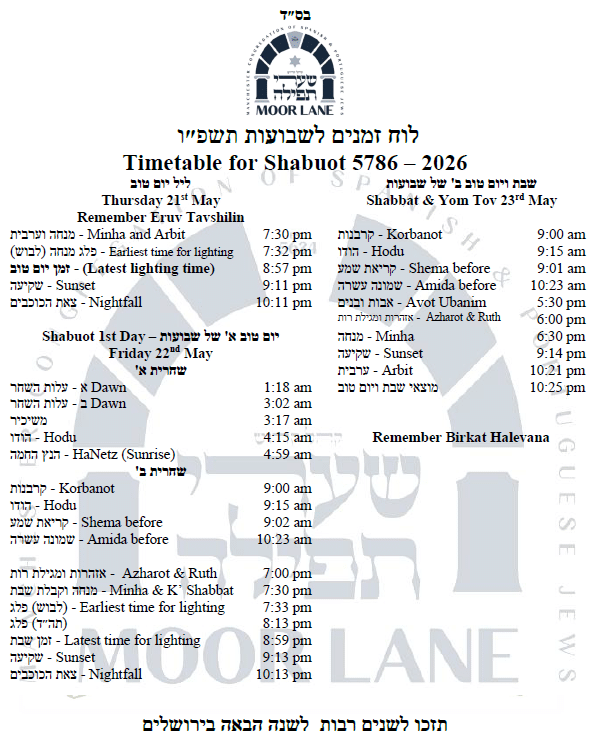
 6-Shavuot-Timetable-5786-2026.pdf