

Newsletter Parashat Emor

בס״ד
Moor Lane - Logo.JPG

image.png
ק׳ ק׳ שׁערי תפילה
Have a look at our website 
********************

Pesach Sheini 

TONIGHT

The 14th of Iyar, known as “Pesach Sheni,” commemorates the day when those who were unable to bring the annual Korban Pesach (special Pesach sacrifice – Pascal lamb) at its proper time (Erev Pesach), were given a second chance to offer this unique Korban. Although technically not considered a true holiday, and despite the fact that it is (astonishingly!) not listed in the traditional halachic sources as one of the days that Tachanun is not recited, nevertheless, the custom for many is not to recite Tachanun on Pesach Sheni, in order to ‘tap into’ the merit that this particular day had during the times of the Beis HaMikdash. Although the Pri Megadim maintains that Tachanun should be recited on Pesach Sheni – as the original day it is commemorating was only meant for individuals in unique circumstances, and its absence of mention in the traditional halachic sources as one of the days that Tachanun is not recited speaks volumes, nevertheless, most authorities rule that one should not say Tachanun on this day.

There is an interesting common custom associated with Pesach Sheini – eating Matzah; but that is not quite noticeable in shul. Another interesting fact about Pesach Sheini is that it is commonly considered the Yahrtzeit of Rabi Meir Baal HaNes, and many visit his kever in Teveria on that day.

*****
🕯️שבת🕯️

לוח זמני  תפילה לקיץ תשפ״ו

Summer Timetable 5786 – 2026

מוצאי שבת

ערבית

)מוצ”ש(

סוף זמן קריאת שמע

זמן שבת

מנחה וקבלת שבת

תאריך

שבת פרשת

Shabbat

Ends

Arbit

Shema to be read before

Candles to be
lit by

Minha & Kabbalat Shabbat

Date

Parasha

PM

PM

AM

PM

PM


9:40

9:36

9:19

8:23

7:30

1/2
May

אמור


For those not in the Bet Hakeneset, but wishing to bring in Shabbat with the Kahal, candles should be lit about 30 minutes after the time listed for Minha and Kabbalat Shabbat. Unless the time listed in the ‘latest candle lighting’ column is earlier, when candles should be lit by that time, in all cases.

*****

🕯️SUMMER TIMES FOR SHABBAT 🕯️

שבת

מנחה וקבלת שבת

7:30 pm

קרבנות

9:00 am
הודו

9:15 am

מנחה של שבת

6:30 pm

********

image.png
Avot Ubanim Summer Season 
Every Shabbat Afternoon
@ 5:30 pm

******

🪉Moor Lane Women’s Nach Group🪉

🪻🌷🌹🌺🌼🪷🌹🌷🪻

PHOTO-2026-04-22-09-42-40.jpg

*******

📜
Parasha Overview

The kohanim are commanded to avoid contact with corpses in order to maintain a high standard of ritual purity. They may attend the funeral of only their seven closest relatives: father, mother, wife, son, daughter, brother, and unmarried sister. The Kohen Gadol may not attend the funeral even of his closest relatives. Certain marital restrictions are placed on the kohanim.

The nation is required to honor the kohanim. Physical irregularities that invalidate a kohen from serving in the Temple are listed. Terumah, a portion of the crop that is given to the kohanim, may be eaten only by kohanim and their household. An animal may be sacrificed in the Temple after it is eight days old and is free from any physical defects.

The nation is commanded to sanctify the Name of Hashem by insuring that their behavior is always exemplary and by being prepared to surrender their lives rather than murder, engage in licentious relations or worship idols.

The special characteristics of the holidays are described, and the nation is reminded not to do certain types of creative work during these holidays. New grain may not be eaten until the omer of barley is offered in the Temple. This Torah portion explains the laws of preparing the oil for the Menorah and baking the lechem hapanim in the Temple. A man blasphemes Hashem, and is executed as prescribed in the Torah.
*******
image.png  

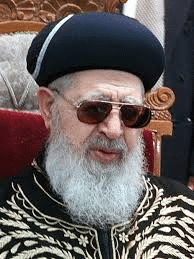
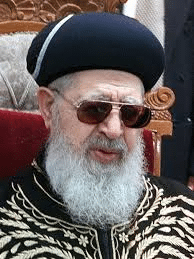
Halachot from Maran Rabbi Ovadia Yosef Ztz'l

מלאכת בונה

שאלה: האם מותר לטאטא בשבת את החצר בכניסת הבית, שיש בה חול ואבנים קטנות?

תשובה: אחת משלושים ותשע מלאכות שאסור לעשותן בשבת, היא מלאכת “בונה”. כמו ששנינו במשנה במסכת שבת (דף קב:), “הבונה כל שהוא – חייב”. כלומר, הבונה בשבת, אפילו תוספת קטנה במבנה, הרי זה חייב משום חילול שבת. כדין מי שהבעיר אש בשבת, או מי שבישל בשבת.

והגדרת המלאכה “בונה”, אינה דוקא בבנייה ממש, בהנחת לבנים עם מלט וכדומה, אלא כל תיקון שהוא בגוף הבית, עלול להכנס בכלל מלאכת בונה. ובגמרא במסכת שבת (דף עג:) אמרו, שכל המשוה פני הקרקע בשבת, חייב. וכן פסק הרמב”ם (בפרק עשירי מהלכות שבת), שכל המשוה את פני הקרקע בשבת, כגון שמילא גומה, או שהשפיל תל חול, חייב משום בונה. כלומר, מי שמטאטא את הבית בשבת, וקרקע הבית אינה מרוצפת, הרי זה חייב משום בונה.

ומכאן, שאסור בהחלט לטאטא בשבת קרקע שאינה מרוצפת, שהרי בשעה שמטאטא את הקרקע, בהכרח הוא “משווה גומות”, שמשווה את פני הקרקע שתהיה חלקה וישרה, והוא איסור משום “בונה” בשבת, שהוא תיקון לקרקע ולבנין.

ואם הוא מטאטא בחצר הבית בחוץ, יתכן שיש בדבר איסור משום חורש בשבת. ולכן בכל אופן, אסור לטאטא בשבת כל קרקע שאינה מרוצפת, ורק בקרקע מרוצפת יש להקל. (ועיין בחזון עובדיה שבת, ח”ב עמוד רעז, חלק ג עמוד מב, וחלק ד עמוד מד).

ולסיכום: אין לטאטא בשבת רצפה שאינה מרוצפת.


The Forbidden Work of Building on Shabbat

Question: May one sweep the dirt and small rocks in the front yard of one’s home on Shabbat?

Answer: One of the thirty-nine forbidden works on Shabbat is building, as the Mishnah (Shabbat 102b) states, “One who builds on Shabbat, even if it is a small addition to an existing edifice, is liable for Shabbat desecration.” This prohibition is similar to one who has ignited a flame or cooked a food on Shabbat.

The definition of “building” in the context of Shabbat is not specifically building alone, such as by laying bricks, cement, and the like; rather, any repair of one’s home is included in the prohibition of building. The Gemara (Shabbat 73b) states that one who evens out earth is liable for Shabbat desecration. Similarly, the Rambam (Chapter 10 of Hilchot Shabbat) rules that one who evens out earth on Shabbat, such as by filling in a ditch, knocking over a mound of dirt, and the like, has transgressed the Torah prohibition of building on Shabbat. Thus, one who sweeps the floor of one’s home which has no flooring (such as wood, tile, or carpet) has transgressed the prohibition of building on Shabbat.

It is therefore absolutely forbidden to sweep unpaved earth on Shabbat, for while sweeping, one is certainly evening out the earth and causing it to be smooth and straight and thus transgresses the prohibition of building on Shabbat by repairing or enhancing the earth or a building.

If one sweeps an outdoor yard, it is also possible that one is transgressing the Torah prohibition of ploughing on Shabbat. It is therefore completely forbidden to sweep any unfloored or unpaved earth on Shabbat; only when the floor has flooring is there room for leniency (see Chazon Ovadia-Shabbat, Volume 2, page 277, Volume 3, page 42, and Volume 4, page 44).

Summary: One may not sweep unpaved ground on Shabbat.

Newsletter Parashat Achare – Kedoshim

בס״ד
Moor Lane - Logo.JPG

image.png
ק׳ ק׳ שׁערי תפילה
Have a look at our website 
******

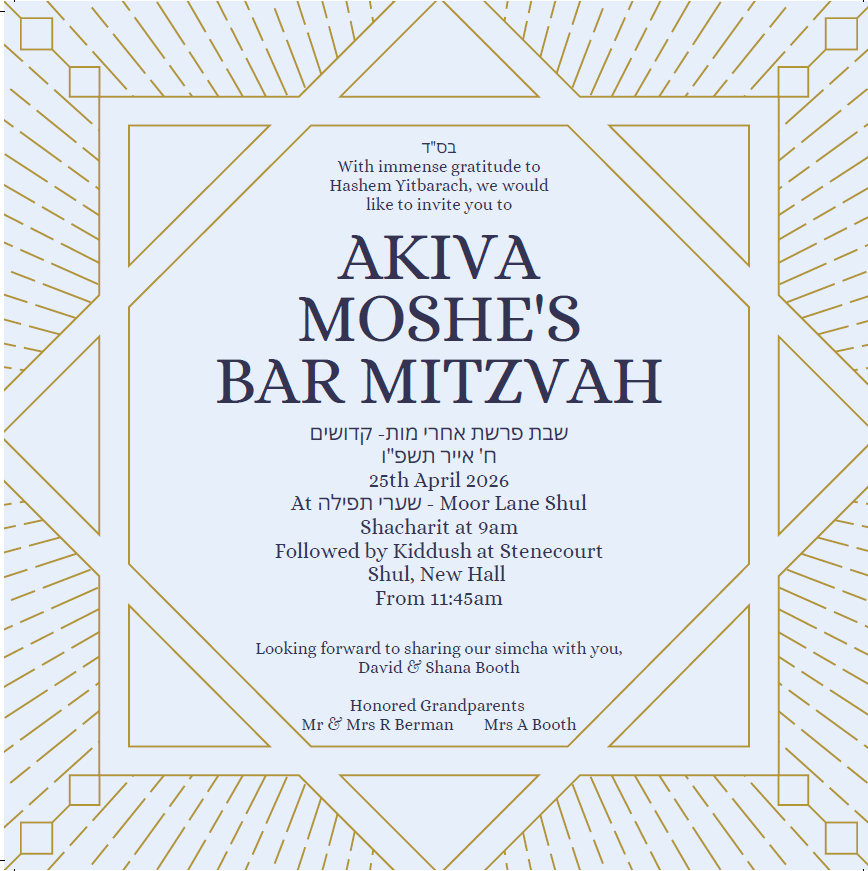
✡️Bar Mitzvah Invitation✡️

image.png

🎉🎉🎉🎉🎉🎉🎉🎉🎉🎉

Moorlanenews 
would like to wish
Akiva נ״י 
a massive mazal tov on celebrating his 
Bar Mitzvah 
שיזכה לגדל בתורה ומצות ומעשים טובים
image.png
Mazal Tov 
to our dear members
 David & Shana Booth
on celebrating the 
bar mitzvah of their son.
May Hashem bless them with 
 long and healthy life 
and may they always have much nachat 
from Akiva & all their children.

********

image.png

The following nominees were elected unopposed 

and have now formally assumed office:

  • Yehuda Marshall – President
  • Paul Delmonte – Vice President
  • Loretta Hodari – Member of the Mahamad
  • Mord Maman – Honorary Member of the Mahamad

We extend our sincere and heartfelt appreciation to Mordechai Maman, former President, and Benjamin Hassan, former Vice President, for their many years of dedicated service, care and commitment to Moor Lane and its community.

 MEMBERS OF THE MAHAMAD 5786

a)      Parnas Presidente: Yehuda Marshall

b)      Parnas Vice Presidente: Paul Delmonte

c)      Treasurer: Yehoshua Jacobs

d)      Gabbai: Eli Shoshana

e)      Hon. Secretary: Yehoshua Lewis 

f)       Ladies Committee Chair: Mrs. Elaine Marshall

g)      Mahamad: David Bitan, Loretta Hodari, Rafi Marshall, Mordechai Maman (Honorary) 

 
 Delegate Jewish Rep Council: Fabian Borocin (MM)

Delegate Manchester Shechita Board: Fabian Borocin (MM)

******

Moorlanenews
would like to use this opportunity to thank 
Mordechai Maman
&
Benjamin Hassan
 for all the years of selfless dedication to the 
day-to-day running of the Bet Hakeneset, 
sometimes going beyond the call of duty. 
May Hashem repay them with good health, berachot 
& hatzlacha for the future.

*****

🕯️שבת🕯️

לוח זמני  תפילה לקיץ תשפ״ו

Summer Timetable 5786 – 2026

מוצאי שבת

ערבית

)מוצ”ש(

סוף זמן קריאת שמע

זמן שבת

מנחה וקבלת שבת

תאריך

שבת פרשת

Shabbat

Ends

Arbit

Shema to be read before

Candles to be
lit by

Minha & Kabbalat Shabbat

Date

Parasha

PM

PM

AM

PM

PM


9:24

9:20

9:27

8:11

7:30

24/25
Apr

אחרי־קדושים


For those not in the Bet Hakeneset, but wishing to bring in Shabbat with the Kahal, candles should be lit about 30 minutes after the time listed for Minha and Kabbalat Shabbat. Unless the time listed in the ‘latest candle lighting’ column is earlier, when candles should be lit by that time, in all cases.

*****

🕯️SUMMER TIMES FOR SHABBAT 🕯️

שבת

מנחה וקבלת שבת

7:30 pm

קרבנות

9:00 am
הודו

9:15 am

מנחה של שבת

6:30 pm

***********

image.png
Avot Ubanim Summer Season 
Every Shabbat Afternoon
@ 5:30 pm

*********

🪉Moor Lane Women’s Nach Group🪉

🪻🌷🌹🌺🌼🪷🌹🌷🪻

PHOTO-2026-04-22-09-42-40.jpg

*******

📜
Parasha Overview

Acharei Mot

G-d instructs the kohanim to exercise extreme care when they enter the Mishkan. On Yom Kippur, the Kohen Gadol is to approach the holiest part of the Mishkan after special preparations and wearing special clothing. He brings offerings unique to Yom Kippur, including two identical goats that are designated by lottery. One is “for G-d” and is offered in the Temple, while the other is “for Azazel” in the desert. The Torah states the individual's obligations on Yom Kippur: On the 10th day of the seventh month, one must “afflict” oneself. We are to abstain from eating and drinking, anointing, wearing leather footwear, washing and marital relations.

Consumption of blood is prohibited. The blood of slaughtered birds and undomesticated beasts must be covered. The people are warned against engaging in the wicked practices that were common in Egypt. Incest is defined and prohibited. Marital relations are forbidden during a woman's monthly cycle. Homosexuality, bestiality and child sacrifice are prohibited.

Kedoshim

The nation is enjoined to be holy. Many prohibitions and positive commandments are taught:

Prohibitions: Idolatry; eating offerings after their time-limit; theft and robbery; denial of theft; false oaths; retention of someone's property; delaying payment to an employee; hating or cursing a fellow Jew (especially one's parents); gossip; placing physical and spiritual stumbling blocks; perversion of justice; inaction when others are in danger; embarrassing; revenge; bearing a grudge; cross-breeding; wearing a garment of wool and linen; harvesting a tree during its first three years; gluttony and intoxication; witchcraft; shaving the beard and sideburns; tattooing.

Positive: Awe for parents and respect for the elderly; leaving part of the harvest for the poor; loving others (especially a convert); eating in Jerusalem the fruits from a tree's fourth year; awe for the Temple; respect for Torah scholars, the blind and the deaf.

*******
image.png  

Halachot from Maran Rabbi Ovadia Yosef Ztz'l

עניית אמן על ברכת הגוי

עניית אמן

כתב מרן השלחן ערוך (סימן רטו סעיף ב):
השומע אחד מישראל מברך אחת מכל הברכות, אף על פי שלא שמע את כל הברכה, מתחילתה ועד סופה, חייב לענות אחריו “אמן”. אבל אם היה המברך אפיקורס, או כותי (שהיו הכותים עובדים עבודה זרה), אין עונין אחריו “אמן”.

והרמ”א הוסיף על דברי מרן, שמכל מקום, אם שומע מגוי ברכה שלימה, מתחילתה ועד סופה, ושמע שהוא באמת מברך את ה' אלוקינו מלך העולם, יש לענות אחר הברכה, אמן.

טעם הדבר

וטעם הדבר שאין לענות אמן אחר ברכת הגוי, הוא מפני שחוששים שמא הגוי בירך לשם עבודת אלילים, כמו שנוהגים בזמנינו הנוצרים האדוקים, שהם מברכים לאלהות שלהם, ומזכירים שם עבודה זרה לפני סעודתם. וזהו טעם הדברים שכתב רבינו הרא”ש (ברכות פ”ח ס”ה) ועוד מרבותינו הראשונים.

ולפי טעם זה, אם שמענו בפירוש את כל הברכה מפיו של הגוי, יש לענות אחריו אמן, שהרי בודאי לא הזכיר כאן שם עבודת כוכבים.

אולם רבינו הרמב”ם (פ”א מהל' ברכות הי”ג) כתב, שאין עונים אמן אחר ברכת הגוי כלל, ואפילו אם שמע מפיו את כל הברכה. וכן דעת עוד מרבותינו הראשונים. וכך משמעות דברי מרן השלחן ערוך. (עי' הליכות עולם ח”ג עמוד קכב), כי תמיד יש לחוש שהוא מתכוון בלבו לעבודה זרה שלו. אבל הרמ”א, כאמור, כתב כדברי הרא”ש, שאם שמענו את כל הברכה מפי הגוי, יש לענות אחריו אמן.

הדין למעשה

ולכן למעשה, למנהג הספרדים ההולכים אחר הוראות מרן השלחן ערוך, אין לענות אמן על ברכתו של הגוי. אבל למנהג האשכנזים, אם שמע את כל הברכה מפי הגוי, יענה אחריו אמן.

דין המוסלמים

ומכל מקום כתב הגאון הראש”ל רבי יצחק יוסף שליט”א (ילקו”י, סימן רטו, עמוד שעו), בשם הגאון מהר”י קאשטרו, שאף כי הדברים נכונים לגבי כל הגויים, שאין לענות אחריהם אמן, אבל לגבי הישמעאלים המחזיקים בדת האיסלאם, מאחר וידוע לנו שהם מאמינים באל אחד, ואינם מערבים בו אמונה של עבודה זרה, אף על פי שדתם מלאה שיבושים והבלי הבלים, בכל זאת, לענין זה יש לסמוך על כך שברכתו של המוסלמי כשהיא נאמרת בלשון הברכות שלנו, היא ברכה נכונה, ויש לענות אחריו אמן.

ולסיכום: למנהג הספרדים, אין לענות אמן אחר ברכתו של הגוי. ואם הוא מוסלמי, ושמענו את כל הברכה מפיו, יש לענות אמן. ולמנהג האשכנזים, כל ששמע את כל נוסח הברכה מפי הגוי, עונה אחריו אמן.


Answering Amen to the Blessing of a Non-Jew

Answering Amen
Maran Ha’Shulchan Aruch (Ch. 215, Sec. 2) rules: “If one hears a fellow Jew recite any blessing, one must answer Amen, even if one has not heard him recite the entire blessing from beginning to end. However, if the one reciting a blessing is a heretic or non-Jew, one should not answer Amen. The Rama adds, however, that if one heard the non-Jew recite the entire blessing, including the words “Hashem, Elokeinu Melech Ha’Olam,” one should, in fact, answer Amen.

The Reason
The reason why one cannot answer Amen to the blessing of a non-Jew is because we are concerned that he recited the blessing to foreign deities and idolatry, such as devout Christians who recite grace to their god before eating. This explanation is quoted by the Rosh (Berachot 8:5) and other Rishonim.

Based on this, if one hears a non-Jew recite the entire blessing, one should answer Amen, for we can be certain he did not mention the name of another deity.

On the other hand, the Rambam (Ch. 1 of Hilchot Berachot, Halacha 13) rules that one may never answer Amen to the blessing of a non-Jew, even if one heard the entire blessing, for we are concerned that he is thinking about his deity in his heart. This is echoed by many other Rishonim and seems to be the opinion of the Shulchan Aruch as well (see Halichot Olam, Vol. 3, p. 122). However, as we explained above, the Rama rules in accordance with the Rosh that as long as one hears the entire blessing recited by a non-Jew, one should answer Amen.

The Bottom Line
Halachically speaking, according to the Sephardic custom, one should never answer Amen to a blessing recited by a non-Jew, however, Ashkenazim may, if they hear an entire blessing being recited by a non-Jew.

The Law Regarding Muslims
Nevertheless, the Yalkut Yosef (Berachot, Ch. 215, p. 376) rules in the name of Rabbeinu Yaakov Castro that the law is different regarding Muslims. Since we know that they believe in one God and they do not appendage any other deities to Him, although they may believe in many other foreign theologies foreign to Judaism, we may accept the blessings they recite in our language as a satisfactory blessing, and one may answer Amen to their blessings.

Summary: According to the Sephardic custom, one may not answer Amen to blessings recited by non-Jews, with the exception of blessings recited by Muslims when one hears the entire blessing. According to the Ashkenazi custom, however, one may answer Amen to a blessing recited by any non-Jew as long as one hears the entire blessing being recited.

Parashat Tazria Metzora – Rosh Chodesh

בס״ד
Moor Lane - Logo.JPG

image.png
ק׳ ק׳ שׁערי תפילה
Have a look at our website 
******
ראש חודש
image.png
Rosh Chodesh Iyar
is 2 days
Thursday night 16th Apr / Friday 17th Apr
&
Shbbat 18th Apr
******
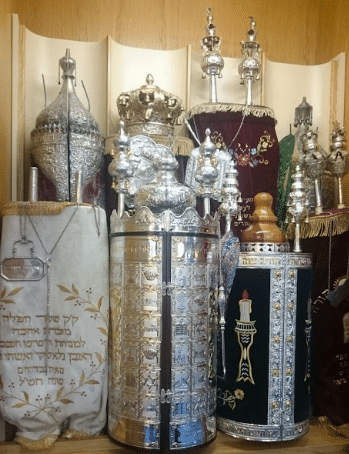
image.png

THIS SHABBAT

is Shabbat Rosh Chodesh

we say half Halel in Shacharit

&

take out 2 Sefarim

(1) Parashat Tazria – Metzora

(2) Rosh Chodesh – from וביום השבת

The הפטרה THIS week will be the 

הפטרה of  ראש חודש

********

💷 Pledge Reminder 💷

If you received an Aliya ✡️ 

during the winter months ❄️🌧️  

or over Pesach 🍷🥬 🫓

and pledged any money 💰 

or would like to make a donation 💷

Your donation can be fulfilled in any of the following ways:  

 ·  ✉️ By post addressed to

'The Treasurer, Manchester Congregation of Spanish and Portuguese Jews, 

18 Moor Lane, Salford, Manchester M7 3WX'.

· 🤝 By hand to the treasurer or any member of the Mahamad.

·🫶 Anonymously – in the donations box in the Synagogue.

·🪙 Direct Debit to the shul's account  – for account details please speak to the treasurer

 · 🏦Using this link charityextra.com/charity/moorlane

·💳Cheque made payable to 'Manchester Congregation of Spanish & Portuguese Jews'. 

Thank you all for your very generous donations

 & Tizke Lemitzvot

****
🗓️
מנחה וקבלת שבת
Please Note:
Adhering of the requests
from those who pray in our 
Bet Hakeneset every
 Shabbat Friday Night 
the times for Mincha & Kabbalat Shabbat 
have now been changed to the 
regular time of 
7:30 pm
📌 please see amended timetable 
attached to this email
🕯️שבת🕯️

לוח זמני 

תפילה לקיץ תשפ״ו

Summer Timetable 5786 – 2026


מוצאי שבת

ערבית

)מוצ”ש(

סוף זמן קריאת שמע

זמן שבת

מנחה וקבלת שבת

תאריך

שבת פרשת

Shabbat

Ends

Arbit

Shema to be read before

Candles to be
lit by

Minha & Kabbalat Shabbat

Date

Parasha

PM

PM

AM

PM

PM


9:09

9:05

9:35

7:58

7:30

17/18
Apr

תזריע־מצורע

)
רח(

For those not in the Bet Hakeneset, but
wishing to bring in Shabbat with the Kahal, candles should be lit about 30
minutes after the time listed for Minha and Kabbalat Shabbat. Unless the time
listed in the ‘latest candle lighting’ column is earlier, when candles should
be lit by that time, in all cases.

*****

🕯️SUMMER TIMES FOR SHABBAT MORNING🕯️

שבת

קרבנות

9:00 am
הודו

9:15 am

********

📜
Parasha Overview

Tazria

The Torah commands a woman to bring a korban after the birth of a child. A son is to be circumcised on the eighth day of his life. The Torah introduces the phenomenon of tzara'at (often mistranslated as leprosy) — a miraculous affliction that attacks people, clothing and buildings to awaken a person to spiritual failures. A kohen must be consulted to determine whether a particular mark is tzara'at or not. The kohen isolates the sufferer for a week. If the malady remains unchanged, confinement continues for a second week, after which the kohen decides the person's status. The Torah describes the different forms of tzara'at. One whose tzara'at is confirmed wears torn clothing, does not cut his hair, and must alert others that he is ritually impure. He may not have normal contact with people. The phenomenon of tzara'at on clothing is described in detail.

Metzora

The Torah describes the procedure for a metzora (a person afflicted with tzara'at) upon the conclusion of his isolation period. This process extends for a week and involves korbanot and immersions in the mikveh. Then, a kohen must pronounce the metzora pure. A metzora of limited financial means may substitute lesser offerings for the more expensive animals. Before a kohen diagnoses that a house has tzara'at, household possessions are removed to prevent them from also being declared ritually impure. The tzara'at is removed by smashing and rebuilding that section of the house. If the tzara’at signs reappear, the entire building must be razed. The Torah details which bodily secretions render a person spiritually impure, and thereby prevent his contact with holy items. And the Torah defines how one regains a state of ritual purity.

*******
image.png  

Halachot from Maran Rabbi Ovadia Yosef Ztz'l

יום השואה – נקמת ה' כבר בדורינו

היום הוא יום השואה, שנקבע להיום הזה על ידי ראשי המדינה, למורת רוחם של רוב גדולי הדור הקודם, שלא מצאו לנכון לקבוע יום כזה דוקא בחודש ניסן. ובכל זאת נאמר איזה דברים הנוגעים לזכרון השואה.

הזכרנו פעם, שנוכחנו כאשר נכנס ניצול השואה הרה”ג רבי ישראל מאיר לאו שליט”א לפני מרן רבינו עובדיה יוסף זצ”ל והשיחה נסובה סביב זוועות השואה. שאל הרב לאו את מרן זצ”ל, הכיצד זה הגיעו הנאצים הגרמנים לשפל המדרגה כל כך? השיב לו מרן זצ”ל בין שאר הדברים, שאדם שאין לו תורה, עלול הוא להגיע למדרגות השפלות ביותר. תמה הרב לאו על תשובתו של מרן, וכי יתכן, רק מפני שאין לאדם תורה, הוא עלול להגיע לאכזריות שכזו? השיב לו מרן זצ”ל, אמנם כן, מי שמתנתק מהאמונה בה' ובתורתו, עלול הוא להגיע לכל המדרגות הרעות שבעולם.

גרמניה שלפני השואה, היתה המתוקנת שבאומות העולם, מופלאת בחכמתה ובנימוסיה. גם בזמן השואה, יכלו לשבת להם קצינים נאצים בשעת בוקר, להתעלל באופן נורא ואיום ביהודים, לגזול תינוקות מהוריהן ולהשליכם למוות באכזריות, ליהנות ולהשתעשע לקול בכיים הקורע של תינוקות רכים. והנה כבר באותו יום, יכולים היו אותם קצינים ארורים, לשוב אל בתיהם, לנשק לבניהם ובנותיהם, ללטף את כלבם ולהאזין בצורה המתורבתת ביותר למוסיקה משובחת. גם בזמנינו, הרי חלק ניכר מבני אותן אומות מתוקנות שחיים היום, הם נכדיהם של אותם רוצחים שפלים ומסייעיהם הארורים. האם נוכל לסמוך על תרבותם ונימוסיהם? האם אין הדברים מפליאים?

אין זאת אלא, שהמוסר האנושי שבהסכמת האומות, יהיה נאה כמה שיהיה, הרי יש מקום לדעות מרושעות למצוא בו משכן קבוע. ממוסר מדומה שכזה, יכולים בני האדם להגיע לדעות הרעות ביותר. הנה יושבים להם ראשי אומות העולם במוסדות האו”ם, ובבית המשפט בעיר האג, הם הקוראים לעצמם אנשי המוסר והתרבות, והם אלו שמטיפים באנטישמיות ובפרמיטיביות של ממש נגד היהודים ומדינתם.

לפני כשבע שנים נסתלק מאיתנו האדמו”ר מקאליב רבי מנחם מנדל טאוב זצ”ל. הוא היה אוד מוצל מאש, שריד יחיד ומיוחד ממחנה אושוויץ. והנה אותו אדם גדול, בעומדו במחנה כמה שעות לפני שבעלות הברית שיחררו את אסירי המחנה, ראה איך שהנאצים לוקחים כמה יהודים ומשליכים אותם בזה אחר זה לאש. עמד האדמו”ר והתחנן לפני ה' יתברך, ריבונו של עולם! מה יצא לך מכך שאף אני אמות כעת? גם אני אצטרף לכל בני משפחתי שנמצאים כבר בישיבה של מעלה! הרי אכנס לאש, ואזעק אליך “שמע ישראל ה' אלוקינו ה' אחד”! מבקש אני ממך ריבונו של עולם, ומבטיחך נאמנה, אם תתן לי חיים, אלך כל ימי ואקרא “שמע ישראל” בין אנשים חיים! שמע ה' את תפילתו, ולאחר שנים של יסורים שאי אפשר לתארם במילים, נגאל האדמו”ר משבי הגרמנים וזכה לעלות לארץ ישראל. ומי כמוהו, שראה בחוש בעיני קדשו את החורבן הגדול, ומצא לנכון לתקן את הקילקול הגדול שהתרחש בשואה, וזאת על ידי הפצת דבר ה', פירסום מעשיהם המופלאים של יראי ה' בתוך מחנות התופת, שקידה בתורה והפצת תורה, זהו התיקון האמיתי בשרשן של הדברים, תיקון עולם במלכות שדי.

כיוצא בזה, היה הגאון האדמו”ר מקלויזנבורג זצ”ל, איש קדוש מורם מעם, ששרד את כל מאורעות השואה, שם נהרגו אשתו ועשרת ילדיו, ובכל זאת לא סר במאומה מאמונתו הצרופה ובטחונו בה' יתברך, ושם נעשו לו נסים ונפלאות אשר לא יאומנו, כי גם בתוך החשכה הנוראה שאפפה את עמינו באותם הימים, בתוך אותו הסתר פנים, בימים בהם נתקיימו קללות התורה שבפרשת כי תבוא, כאשר חרון אף ה' שטף את העולם, אדם אחד אשר זכה להתמיד בבטחונו ואמונתו, זכה לאחר מכן כאן בארץ ישראל להפריח את השממה, לייסד מחדש את חסידות צאנז בנתניה ובירושלים, ולהקים מחדש את ביתו לתורה ולהנהגה.

עלינו לדעת כי הדברים לא נסתיימו, נצטוינו בתורה הקדושה: “זכור את אשר עשה לך עמלק”. וכנגד ציווי זה, אף אנו מבקשים מה' יתברך: “זכור ה' לבני אדום את יום ירושלים”. וכבר התפלל דוד המלך עליו השלום ואמר על שונאי ישראל, “אַשְׁרֵי שֶׁיְשַׁלֶּם לָךְ אֶת גְּמוּלֵךְ שֶׁגָּמַלְתְּ לָנוּ, אַשְׁרֵי שֶׁיֹּאחֵז וְנִפֵּץ אֶת עֹלָלַיִךְ אֶל הַסָּלַע”, והנה אין הכוונה בזה שחס ושלום יבואו ישראל להתעלל באומות העולם שהצרו להם, אלא שכך עושה הקדוש ברוך הוא כבר בדורותינו, ששולח אומה אכזרית (שהם מבני מדי) על אותן האומות שהתעללו בישראל, והם יעשו בהם נקמה באותה אכזריות שהם נהגו עם ישראל, ואחר כך ינקום ה' גם בהם על הפלגת האכזריות שנהגו בה, (כך כתב רש”י בפירושו), כמו שנאמר בספר ישעיה, הִנְנִי מֵעִיר עֲלֵיהֶם אֶת מָדָי וכו', וּקְשָׁתוֹת נְעָרִים תְּרַטַּשְׁנָה, וּפְרִי בֶטֶן לֹא יְרַחֵמוּ, עַל בָּנִים לֹא תָחוּס עֵינָם”.

דומה שאין צורך להוסיף ביאור על הדברים, כל אחד יודע ושומע מן הנעשה בעולם בזמנינו. ירחם ה' על שארית הפלטה, שנזכה לראות בנחמת ציון בביאת משיח צדקינו, אזי יקומו כל אותם ההרוגים האומללים, ושמחת עולם על ראשם, ששון ושמחה ישיגו, ונסו יגון ואנחה.

(מאמרו של הרב יעקב ששון שליט”א).


Holocaust Remembrance Day- Hashem’s Vengeance in Our Generation

Today is Holocaust Remembrance Day, established by the heads of the State of Israel to the chagrin of the greatest Torah luminaries of the previous generation, who felt that it was inappropriate to establish such a day during the month of Nissan. Nevertheless, let us discuss some ideas in memory of the Holocaust.

Once, Hagaon Harav Yisrael Meir Lau Shlit”a (former Chief Ashkenazi Rabbi of Israel and current Chief Rabbi of Tel Aviv-Yafo) came before Maran Rabbeinu Ovadia Yosef zt”l and their discussion revolved around the horrors of the Holocaust. Rav Lau asked Maran zt”l, ”How is it the Nazis reached such an abysmal low?” Maran zt”l replied (among other things that), “A person without Torah can reach the lowest levels.” Rav Lau was quite taken aback. He asked, “Just because someone does not have Torah, can he reach such atrocious levels of cruelty?” Maran zt”l replied, “Indeed, one who disconnects from belief in Hashem and His Torah can reach the vilest levels in the world.”

Pre-war Germany was one of the most refined nations in the world, renowned for its intelligence and culture. Even during the Holocaust, cursed Nazi officers could torture Jews in the most horrific ways and steal children from their parents arms and throw them to their gruesome deaths and sadistically enjoy their tormented cries during the morning hours and later that same afternoon, return home, kiss their children, pet their dogs, and listen to classical music in the most sophisticated manner. Even today, many members of such cultured nations are the grandchildren of these wicked murderers and their enablers. Shall we rely on their culture and sophistication? Isn’t this unbelievable?

When international morals and ethics are as hypocritical as there are, as sophisticated and cultured as they may appear, such evil ideologies will always find ways to manifest themselves. World leaders convene at the United Nations and some judges at the International Court of Justice in the Hague calling themselves the representatives of morals and justice and many of these same people are appallingly hold the most primitive, antisemitic views against the Jewish people and their homeland.

Approximately seven years ago, the Jewish people marked the passing of the Kaliver Rebbe, Rav Menachem Mendel Taub zt”l, a survivor of the notorious Auschwitz Death Camp. This great man saw how the Nazis were throwing many Jews into the fire, one after another, a mere few hours before the Allied Forces entered the camp to liberate it. The Rebbe stood and beseeched Hashem, “Master of the Universe! What will You gain if I die now? I will join the rest of my family in the Heavenly Yeshiva by being thrown into the fire and exclaiming ‘Shema Yisrael Hashem Elokeinu, Hashem Echad!’ I beg You and promise, Hashem, that if You allow me to live, I will exclaim ‘Shema Yisrael’ among the living!” Hashem accepted his prayers and after years of unspeakable torture and suffering, the Rebbe was saved and merited emigrating to the Land of Israel. The holy Kaliver Rebbe spent the rest of his life spreading the Word of Hashem by disseminating Torah and recounting many tales of G-d-fearing Jews in the camps. This was his way of counteracting the horrors of the Holocaust.

Similarly, another saintly Holocaust survivor, was the Klausenberger Rebbe, Hagaon Harav Yekusiel Yehuda Halberstam zt”l. The Rebbe’s wife and ten children were murdered by the Nazis and nevertheless, his steadfast trust in Hashem did not budge one iota. Indeed, Hashem performed many great miracles for the Rebbe, for even as the Jewish nation was engulfed in the darkness of Hashem’s hidden countenance and all the curses described in Parashat Ki-Tavo came to fruition, this man merited clinging tight to his faith and belief in Hashem. The Klausenberger Rebbe later merited relocating to Israel, rebuilding his own family and the Jewish nation from the rubble and reestablishing the Sanz Chassidic court and Torah empire in Netanya, Jerusalem, and other locations around the world.

We must remember that the matter of the Holocaust is not over. The Torah commands us, “Remember what Amalek has done to you.” Similarly, we ask Hashem, “Remember, Hashem, for the children of Edom the day of Jerusalem.” Indeed, King David had already prayed for the downfall of the enemies of the Jewish nation, “Fortunate is he who repays you in kind what you have inflicted on us. A blessing on him who seizes your babies and dashes them against the rocks!” This does not mean that the Jewish nation will torment those who tortured them; rather, we see that even in our generation, Hashem sends a cruel nation to seek vengeance in the cruelest ways from those nations who inflicted suffering upon the Jews. Hashem will then seek vengeance from that nation for the cruelty in which they behaved (based on commentary of Rashi), as the verse in Yeshaya states, “Behold, I stir up the Medes against them; their bows shall shatter the young, they shall show no pity to infants, they shall not spare the children.”

There is no reason to elaborate any further as everyone is well aware of the current events in the world. May Hashem have mercy upon us and may we experience the comfort of Zion through the arrival of our righteous Mashiach, at which time all of the murdered Jews will arise amid much joy and song, Amen!

(Written by Hagaon Harav Yaakov Sasson Shlit”a)