גשמים בסוכה
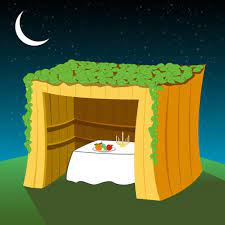
ישנם מקומות, כמו במדינת ניו יורק וסביבותיה, שרגילים לרדת שם גשמים בימי חג הסוכות. וגם בארץ ישראל אירע כמה פעמים שירדו גשמים בחג הסוכות.
ובארץ ישראל, הגשמים בחג הסוכות אינם סימן ברכה, כמו שאמרו רבותינו, למה זה דומה? לעבד שמוזג כוס לרבו, ושפך לו רבו את הכוס על פניו. כלומר, שאינו חפץ במעשיו של העבד. אף כאן, כשיורדים גשמים בחג, כולם יוצאים מן הסוכה ונראה שאין הקדוש ברוך הוא חפץ שישבו בסוכה.
ומכל מקום עלינו לדון, כיצד יש לנהוג כאשר יורדים גשמים בסוכה?
אדם שהיה אוכל בסוכה, ולפתע התחילו לרדת גשמים רבים (באופן, שאילו היה תבשיל עדין מונח על השולחן בסוכה, היה התבשיל מתקלקל מחמת הגשמים. רש”י סוכה כט.), עליו לצאת מן הסוכה ולהכנס לביתו. ושם ימשיך את סעודתו. ואף על פי שאין בפועל תבשיל שמתקלקל על השולחן, ולמשל, אדם האוכל עוגות בסוכה, ואין שם דבר שיתקלקל מחמת הגשמים שאינם חזקים כל כך, גם כן אינו צריך להשאר בסוכה במצב כזה, ועליו להכנס לביתו. (שלחן ערוך סימן תרלט סעיף ה).
ואם תוך כדי הסעודה, בשעה שיושב בביתו, פסקו הגשמים, אין חובה לחזור ולאכול את המשך הסעודה בסוכה, ורק בתורת חומרא, אם ירצה לחזור ולהשלים את הסעודה בסוכה, תבוא עליו ברכה. (יביע אומר ח”ט סימן סג). וכל זה בשאר ימי החג, אבל בליל יום טוב הראשון של החג, יש חובה לחזור ברגע שיפסקו הגשמים, ולאכול בסוכה כזית פת.
וכן הדין לגבי אדם שראה שיורדים גשמים, ולכן התחיל לאכול בביתו, ופסקו הגשמים. שאין עליו חובה לעבור לסוכה ולהשלים שם את הסעודה, אלא גומר את כל הסעודה בביתו. ודין זה אינו שייך דוקא לגבי ירידת גשמים, אלא גם אם היה יושב בסוכה, ולפתע החלה לנשוב רוח עזה שמחמתה החלו נושרים קסמים מהסכך לתוך הסוכה, וקשה לו לסבול את הדבר, הרי הוא רשאי להכנס ולאכול בביתו. (סוכה דף כט.).
מקום שיורדים שם גשמים, אבל בסוכה יש סכך עבה, עד כדי כך שלא יורדים בתוכה גשמים, צריך לאכול בסוכה, ורשאים גם כן לברך “לישב בסוכה” בשעה שאוכלים שם. (חזון עובדיה סוכות עמוד קפה, בשם בכורי יעקב).
הפטור מן הסוכה מחמת ירידת הגשמים, ובכל זאת מחמיר על עצמו ואוכל בסוכה, אינו אלא הדיוט, ואינו מקבל שכר על כך, (הרמ”א סימן תרלט). ואם בירך על האכילה “לישב בסוכה”, ברכתו היא ברכה לבטלה.
היוצא מן הסוכה מפני הגשמים, לא יבעט ויצא, כלומר, לא ינוס בכעס ויצא, אלא יצא בהכנעה, כמו עבד שבא למזוג כוס לרבו, ורבו שפך את המים על פניו, שעל העבד להתנהג בהכנעה ולא בכעס וכדומה.
Rain in the Sukkah
There are certain places, such as New York, where it commonly rains during the holiday of Sukkot. Even in Israel it has happened in the past that rain has fallen during Sukkot.
In the Land of Israel, rain during the Sukkot holiday is an ominous sign, as our Sages taught that this is comparable to a servant who pours a beverage for his master and the master throws the cup in the servant’s face. So too, when it rains on Sukkot and everyone leaves the Sukkah, it is a sign that Hashem does not want us to be sitting in the Sukkah.
Nevertheless, we must discuss how one should behave when it rains in the Sukkah. If one was sitting and eating in the Sukkah and it suddenly begins to rain strongly (to the extent that if a plate of food was before him, the food would get ruined, see Rashi’s commentary on Sukkah 29a), one should exit the Sukkah and return home and continue one’s meal there. Although there might not be an actual plate of food on the table getting ruined, for instance, if one is eating cake and they do not get ruined from such rain, nevertheless, one still need not remain in the Sukkah in this case and one should return home (See Shulchan Aruch Chapter 639, Section 5).
If during one’s meal at home, the rain stops, there is no obligation to continue one’s meal in the Sukkah and doing so is merely a stringency (see Yabia Omer Volume 9, Chapter 63). The above applies on any other day of the Sukkot holiday. However, on the first night of Sukkot, one is obligated to return to the Sukkah and eat a Kezayit of bread there as soon as the rain stops.
Similarly, if one begins to eat at home because he sees that it is raining and then he realizes that the rain has stopped, he need not go out to the Sukkah in order to finish his meal; rather, one may conclude one’s meal at home. This law does not only apply to rain, rather, if one was sitting in the Sukkah and strong winds start gusting suddenly and pieces of the Sechach start falling into the Sukkah and it makes it difficult to remain in the Sukkah, one may finish one’s meal at home (see Sukkah 29a).
If it is raining outside but the Sechach on one’s Sukkah is so thick that the rain does not penetrate the Sukkah, one must eat in the Sukkah and even recite the blessing of “Leeshev Ba’Sukkah.” (Chazon Ovadia- Sukkot, page 185 quoting the Bikurei Yaakov)
If one is exempt from the Mitzvah of Sukkah because of rain and the like and nevertheless acts stringently and eats in the Sukkah anyway is considered a fool and does not receive reward for this (see Rama in Chapter 639). If one recites the “Leeshev Ba’Sukkah” blessing in such a case, this blessing will have been in vain.
If one must leave the Sukkah as a result of rain and the like, one should not kick it on one’s way out; rather, one should leave in a subjugated manner similar to a servant that had a beverage thrown in his face by his master in that he must act in a subjugated manner and not with anger and the like.
בין כיפור לסוכות – דפנות הסוכה
הימים הללו, שבין יום הכפורים לסוכות, הם ימים מקודשים, ואנו עוסקים בהם
במצות הסוכה, ללכת מחיל אל חיל. ואמרו רבותינו, כי ארבע הימים שבין יום הכפורים
לחג הסוכות, נזכרים ונעשים כימים המקודשים, והם כימי חול המועד, ובהם עוסקים כל
ישראל במצוות, סוכה ולולב, ומעשים הללו מעוררים בלב ישראל לאהוב את ה' יתברך,
ולשמוח במצותיו, לשמוח שמחה רוחנית אמיתית, לעבוד את ה' בטוב לבב. ובכל הימים הללו
אין אומרים “נפילת אפיים” בתפלה, כי הם כמו יום טוב.
אמרו רבותינו, שהסוכה צריכה להיעשות משלוש דפנות וסכך. הדפנות שהם הכתלים
(המחיצות, הקירות) של הסוכה, מותר לעשותם מכל דבר שירצה, ובתנאי שתהיינה הדפנות
חזקות ויציבות דיין בכדי שתעמודנה היטב בפני הרוח המצויה, לפי שכל שאין הדפנות
יציבות בפני הרוח, הרי אינן כשירות למצות סוכה.
ולפיכך פסק מרן רבינו עובדיה יוסף זצוק”ל, שאין לעשות דפנות לסוכה
מסדינים ויריעות וכדומה, לפי שהם הולכים ובאים עם הרוח, ואפילו בנדנוד קל, ולכן
אינם נחשבים כדפנות שעומדות ברוח מצויה. ואפילו אם מותח את הסדינים היטב, וקשרם
בחזקה לעמודי הסוכה כדי שלא ינועו עם הרוח, אין להתיר, מפני שלפעמים מתרופפים
הקשרים על ידי הרוח ומתנודדים הסדינים ונמצאת הסוכה פסולה, והיושב בתוכה אינו יושב
בסוכה, ואם בירך “לישב בסוכה” הרי ברכתו ברכה לבטלה.
ואף שיש מהאחרונים שכתבו, שכל שהסדינים אינם מתנודדים הרבה עם הרוח (כשלושה
טפחים מצד לצד) עדיין הדפנות כשירות, מכל מקום מדברי הראשונים נראה שאפילו בנדנוד
מועט כבר נפסלת הסוכה. וכן היא הסכמת רוב פוסקי זמנינו, ומהם הגאון רבי שלמה זלמן
אוירבך זצ”ל והגאון רבי יוסף חיים זוננפלד זצ”ל. גם הגאון רבי משה
פיינשטיין זצ”ל כתב, שאין להקל לבנות סוכות כאלו עם יריעות בד או פלסטיק,
והוסיף שמה שאנו רואים בארצות הברית (מקום מושבו של הגר”מ פיינשטיין) שמוכרים
סוכות שדפנותיהן עשויות מיריעות, פשוט שלא היה זה על פי הוראת חכם, כי אין להשתמש
בסוכות אלו.
דבר המקבל טומאה
מה שכתבנו, שדפנות הסוכה מותר לעשותם מכל דבר שירצה, הכוונה היא, אפילו
לעשות דפנות מכלים, כגון ארון, ארגז וכיוצא בזה. ואף על פי שארגז הוא
“כלי”, ומכיון שהוא כלי, הרי הוא ראוי לקבל טומאה, (כלומר, אם נגע בכלי
אדם טמא, גם הכלי יכול לקבל טומאה). וכל דבר שראוי לקבל טומאה אסור לסכך בו את
הסוכה. מכל מקום, את דפנות הסוכה מותר לעשות גם מדבר המקבל טומאה.
כלומר, את הסכך של הסוכה, יש לעשות רק מדבר שאינו מקבל טומאה. אבל את דפנות
הסוכה, מותר לעשות גם מכלי, או דבר אחר, שמקבלים טומאה.
מעמיד – אזיקונים
ומכל מקום אותו חלק בדפנות הסוכה שהסכך מונח עליו, (כלומר, החלק העליון של
הדופן), הרי הוא נקרא, “מעמיד הסכך”. שהסכך עומד עליו. ואת “מעמיד
הסכך” יש לעשות לכתחילה מדבר שאינו מקבל טומאה. (מפני שחששו רבותינו שמא יבוא
לסכך בדבר שמעמיד את הסכך). ולכן אם עשה דופן לסוכה מדבר המקבל טומאה, כגון ארגז
עץ או צינורות של ברזל (שגם הם מקבלים טומאה), טוב לתת נסר של עץ על גבי הדופן או
הצינורות, מארבע צידי הסוכה, באופן שהסכך ינתן על גבי נסר העץ, ולא על גבי דבר
המקבל טומאה.
ומטעם זה, נכון להזהר לכתחילה, שכל דבר שמעמיד או מחזיק את הסכך, לא יהיה
מדבר שמקבל טומאה. ולכן נכון להזהר שלא לקשור את הסכך לסוכה באמצעות
“אזיקונים”, כדי שהסכך לא יעוף מהסוכה ברוח מצויה. אולם אם שם את
האזיקונים רק כדי שאם תגיע רוח סערה שאינה מצויה הסכך לא יעוף, יש להקל.
The Walls of the Sukkah
The days between Yom Kippur and the Sukkot holiday
are indeed holy ones during which we are involved with the building of the
Sukkah in order to go from strength to strength. Our Sages teach us that the
four days between Yom Kippur and Sukkot are treated as sanctified days and are
similar to the days of Chol Ha’Moed. During these days the entire Jewish nation
is involved in the Mitzvot of Sukkah and Lulav and these actions arouse the
Jewish nation’s love for their Father in Heaven and to rejoice in His commandments
thus bringing about service of Hashem with a gladdened heart. During these
days, Tachanun (supplication) prayers are omitted from all
prayer services, for these days are tantamount to Yom Tov.
A Sukkah must consist of three walls and Sechach (roof
of the Sukkah made from objects which grow from the ground). The walls of the
Sukkah may be made from any material one wishes as long as they are strong and
sturdy enough to withstand an ordinary wind (breeze); if the walls are not
sturdy enough to withstand such a wind, they are not valid for the Mitzvah of
Sukkah.
Therefore, Maran Rabbeinu Ovadia Yosef zt”l rules
that one should not use sheets, fabrics, and the like for the walls of the
Sukkah, for they flap back and forth in the wind; even a small movement renders
them unfit to withstand an ordinary wind. Even if one stretches these sheets
until they are taut and then ties them very well to the poles of the Sukkah so
that they do not move in the wind, this is still unacceptable, for sometimes,
the knots come loose as a result of the wind and the sheets begin to sway and
this renders the Sukkah invalid, in which case anyone who sits in it is in
essence not sitting in a Sukkah and any “Leeshev Ba’Sukkah” blessings
recited upon it are blessings in vain. Although there are those who maintain
that as long as the sheets do not sway very much in the wind (approximately
three Tefachim or twenty-four centimeters from side to side)
these walls are still valid, nevertheless, it appears from the words of the
Rishonim that even a slight movement invalidates the Sukkah. This is indeed the
consensus among most modern-day Poskim including Hagaon Harav Yosef Chaim
Zonnenfeld zt”l and Hagaon Harav Shlomo Zalman Auerbach zt”l.
Similarly, Hagaon Harav Moshe Feinstein zt”l writes that one
may not be lenient and build his Sukkah out of sheets of fabric or tarp and he
adds that the fact that such Sukkot are sold in the United States (place of
Harav Feinstein’s residence) must not have been done in accordance with the
ruling of a Halachic authority, for such Sukkot may not be used.
Material Which is Capable of Becoming
Impure
We have written that one may make the walls out of any material one wishes,
including vessels, such as closets, chests, and the like. Although these items
are vessels and thus are capable of becoming impure (meaning that if an impure
person touches the vessel it will consequently become impure as well) and such
things may not be used for the Sechach of the Sukkah, the
walls of the Sukkah may nevertheless be made of things which are capable of
becoming impure.
This means that the Sechach of the
Sukkah must be made only from material incapable of becoming impure but the
walls of the Sukkah may be made from vessels of any other item which is capable
of becoming impure.
Supports- Plastic Zip Ties
Nonetheless, the part of the wall of the Sukkah where the Sechach rests
is considered “the Sechach’s support” and should preferably be made
of materials which are not capable of becoming impure due to an edict of our
Sages who were concerned that perhaps one will come to use such materials
as Sechach. Thus, if the walls of the Sukkah are made of materials
that are capable of becoming impure, such as closets, metal poles, and the
like, it is preferable to place a wooded beam on top of the walls or poles
around all four sides of the Sukkah in such a way that the Sechach will
rest on the wooden beams as opposed to the material which is capable of
becoming impure.
For the above reason, it is preferable that
anything that supports or holds the Sechach in place not be
made of materials capable of becoming impure. Thus, one should preferably not
tie down the Sechach with plastic zip ties so that it does not
fly away. However, if the Sechach is sturdy enough as is and
one is merely tying it down in order to prevent it from flying away in
extremely strong winds, there is room for leniency in this regard.
דין הסכך בסוכה והקישוטים הנתלים בסכך
מצוה ליַפּוֹת את הסוכה
מצוה גדולה ליַפּוֹת את הסוכה ולנאותה כמה שאפשר, להכניס לתוכה כלים נאים,
ולהאירה באור יקרות. וכתבו המקובלים, שעל ידי כיבוד הסוכה באור יקרות, יזכה האדם
שנפשו תשב במנוחה בגן עדן, וכפי ערך מה שיקיים את המצוה בכוונה טובה באופן הנאות,
כך יעשה לו שָם סוכה לנשמתו. ׁכמו שמבואר בזהר הקדוש פרשת פנחסׂ. ובהציע הכלים
הנאים שיש לו' והמצעות הנאות בסוכה, יקשור לו האל יתברך כמה חופות בגן עדן העליון.
ובכל זאת, יש לדעת, שלעתים מתוך הכוונה הטובה לקשט את הסוכה, הסוכה נפסלת. לכן יש
להיות בקי בדינים המובאים כאן, לנהוג על פי ההלכה.
התנאים שיהיה הסכך כשר
נאמר בתורה (דברים טז.) “חג הסוכות תעשה לך באספך מגרנך ומיקבך”.
ולמדו מכאן רבותינו (במסכת סוכה דף יב.), שיש לסכך את הסוכה, בדברים הנאספים מן
הגורן ומן היקב, כלומר פסולת הגורן והיקב, שהם קש ותבן וזמורות ואשכולות ריקים מן
הענבים, וכיוצא בהן.
וכן נאמר בספר נחמיה (פרק ח), שאמרו ראשי העם אל בני ישראל, “צאו ההר,
והביאו עלי זית ועלי עץ שמן ועלי הדס ועלי תמרים ועלי עץ עבות, לעשות סוכות
ככתוב”. ומכאן למדו רבותינו שצריך שיהיו לסכך שמסככים בו שלשה תנאים.
א. צריך שיהיה גידולו מן הארץ. ב.
צריך שיהיה תלוש ולא מחובר לקרקע. ג. צריך שיהיה דבר שאינו
ראוי לקבל טומאה. כמו פסולת הגורן והיקב, שבאה מן הארץ, והיא תלושה ואינה מחוברת
לקרקע, וכן אינה ראויה לקבל טומאה, שכל דבר שאינו “אוכל” או
“כלי”, אינו ראוי לקבל טומאה. ולמשל, אם גופו של מת, נגע בענף של דקל,
אין הענף מקבל טומאה, אבל אם נגע גופו בכלי עץ, הרי הכלי מקבל טומאה. ולכן אין
לסכך בכלי. (ואפילו אם נשבר הכלי, אין לסכך בשבריו).
ולפיכך אסור לסכך את הסוכה בכל מיני מתכות, שהרי אין גידולם מן הארץ. וכן
אין מסככים בענפי אילן המחובר לקרקע, שאין לסכך אלא בדבר התלוש מן הקרקע. וכן אין
מסככים בכל מיני אוכלים, כגון פירות, מפני שהם ראויים לקבל טומאה, וכן אין מסככים
בכלים, אף על פי שהם עשויים עץ, מפני שהם ראויים לקבל טומאה, ואפילו אם סיכך בסכך
כשר, אלא ששם עליו סכך פסול, הסוכה פסולה. ולכן אם בנה סוכה כשירה, אבל היא נמצאת
תחת מרפסת של שכן וכדומה, ודאי שסוכה זו היא פסולה.
דין קשוטי נייר
הנייר אין מסככים בו, ואפילו הוא עשוי מעץ, מפני שנשתנתה צורתו לגמרי,
ואינו נחשב לדבר שגידולו מן הארץ. ולכן, הקישוטים שנוהגים לתלות תחת סכך הסוכה,
בכדי ליפות את הסוכה, הרי הם עלולים לפסול את הסוכה מפני שהם אינם סכך כשר.
לכן כתב מרן רבינו עובדיה יוסף זצ”ל, שצריך להקפיד לתלות את קישוטי
הסוכה שתחת הסכך, באופן שיהיו צמודים לסכך, ותלויים בתוך ארבעה טפחים לסכך, (שהם
כשלושים ושניים סנטימטר), שאם הם יורדים למטה, ליותר ממרחק של שלושים ושנים
סנטימטר מהסכך, יש חשש פן יפסלו את הסוכה כאמור, אבל כשהם בתוך ארבעה טפחים, בטלים
הם לגבי הסכך, ואין כל חשש שיפסלו את הסוכה, אפילו אם הם גדולים מאד.
ולסיכום: יש לסכך את הסוכה, בדבר שגידולו מן הארץ,
ושהוא תלוש, ושאינו מקבל טומאה. ואם רוצים לקשט את הסוכה בקישוטי נייר, רשאים
לעשות כן, אך יש לתלות את הקישוטים באופן שיהיו צמודים לסכך, ולא יהיו גדולים
ויורדים מן הסכך יותר משלושים ושניים סנטימטר, שאז, הם עלולים לפסול את הסוכה
Laws of the Sechach (Roof) of the
Sukkah and Decorations Hung from the Sechach
The Mitzvah to Beautify the Sukkah
It is a great Mitzvah to beautify the Sukkah and decorate it as much as
possible by adorning it with beautiful vessels and illuminating it with fine
lights. The Mekubalim write that by honoring the Sukkah with fine lighting,
one’s soul will merit resting peacefully in Gan Eden; one’s performance of this
Mitzvah with pure intention and in a beautiful manner will directly impact the
kind of Sukkah that will be made for one’s soul in Gan Eden, as the holy Zohar
(Parashat Pinchas) states. When one places his fine vessels and linens in the
Sukkah in order to adorn it, Hashem shall prepare the individual several
canopies in the celestial Gan Eden. Nevertheless, we must point out that
sometimes as a result of one’s good intention to decorate the Sukkah, one may inadvertently
invalidate the Sukkah. One must therefore be fluent in the laws discussed in
this segment in order to know how to observe this Mitzvah according to Halacha.
Conditions for Valid Sechach
The Torah states (Devarim 16): “You shall make for yourself a holiday of Sukkot
when you gather [the produce] from your granaries and wineries.” Our Sages
learned from here (Sukkah 12a) that one should make the Sechach out
of things gathered from granaries and wineries, i.e. the waste from granaries
and wineries, such as straw, hay, twigs, or empty clusters of grapes and the
like.
Similarly, the book of Nechemia (Chapter 8) states
that the leaders of the nation told the Jewish people: “Go out to the mountain
and bring olive branches, branches of an oily tree, myrtle branches, palm
branches, and branches of a thick tree in order to make Sukkot as it is
written.” Our Sages learned from here that in order to be valid, the Sechach must
meet three requirements:
It must grow from the ground, it must be detached
from the ground, and it must be something that is incapable of becoming impure
(as we have already discussed), similar to the waste of granaries
and wineries which grows from the ground, is detached from the ground, and is
not capable of becoming impure, for anything which is neither a vessel or a
food is incapable of becoming impure. If, for instance, a corpse would come in
contact with a palm branch, the palm branch would not become impure. However,
if it would come in contact with a wooden vessel, it would become impure, and
it is thus invalid for use as Sechach (even if the vessel has
broken, one may still not use the broken pieces as Sechach).
Thus, one may not use any type of metal as Sechach,
as metal does not grow from the ground. Similarly, one may not use tree
branches that are attached to the ground, for only things that are detached
from the ground may be used as Sechach. Additionally, one may not
use foods or vessels (even if they are made from wood) as Sechach,
for these things are capable of becoming impure. Even if one covers his Sukkah
with valid Sechach and only places invalid Sechach on
top of that, the Sukkah is invalid. Therefore, if one builds a valid Sukkah but
it is under a neighbor’s balcony, the Sukkah is most certainly invalid.
Paper Decorations
Paper may not be used as Sechach although it is a derivative
of wood, since its appearance has changed completely and it is no longer
considered something that grew from the ground. Thus, decorations hung from
the Sechach in order to beautify the Sukkah can very well
invalidate the Sukkah, for they are invalid for use as Sechach.
Therefore, Maran Rabbeinu Ovadia Yosef zt”l writes
that one should take care to hang such decoration within four Tefachim (approximately
thirty-two centimeters) of the Sechach, for in this way, they are
considered part of the Sechach and they in no way invalidate
the Sukkah, even if they are quite large. However, if the decorations droop
below four Tefachim of the Sechach, there is
concern for the invalidation of the Sukkah, as we have explained.
Summary: For the Sechach (roof)
of the Sukkah, one must use a material which grows from the ground, is no
longer attached to the ground, and which is incapable of becoming impure. If
one wishes to adorn one’s Sukkah with paper decorations (or any other material
for that matter), one may do so but one must make sure that they are hung in
close proximity to the Sechach and do not droop down more than
thirty-two centimeters (12.6 inches) from the Sechach, for this invalidates
the Sukkah.
אכילה בסוכה – קורונה
סעודת קבע
בכל ימי חג הסוכות בין ביום בין בלילה אסור לאכול “סעודת קבע”
מחוץ לסוכה, ושיעור “סעודת קבע” (כלומר כמות האכילה בכדי שנחשיב את
הסעודה לסעודת קבע), הוא יותר מכביצה פת (לחם), כלומר, כשישים גרם פת, (ליתר
דיוק, חמישים וארבע גרם), וכשאוכל כשיעור הזה מברך ברכת “לישב בסוכה”,
אבל פחות משיעור זה מותר לאכול מחוץ לסוכה, ולפיכך גם אם אוכלו בתוך הסוכה, אין
מברך על אכילה זו לישב בסוכה.
האוכל עוגות
האוכל עוגות כשיעור יותר מכביצה, כלומר, כשישים גרם עוגה, חייב לאכול בסוכה,
אבל אינו מברך על ברכת “לישב בסוכה” משום שיש מחלוקת הפוסקים אם יש
לעוגה דין פת ממש, ומשום ספק אין לברך על אכילה זו, שהרי כלל גדול בידינו
“ספק ברכות להקל”, וכפי שביארנו בכמה מקומות.
אבל אם אוכל מהעוגות כמות גדולה כשיעור קביעת סעודה, שהוא שיעור שלוש
ביצים, (שהם קרוב למאה וששים ושתיים גרם), צריך גם לברך ברכת “לישב
בסוכה” כדין האוכל פת ממש. (אולם גם כשאוכל שיעור כזה, אינו מברך אלא
“מזונות”, ורק אם יאכל שיעור של מאתים ושש עשרה גרם, יוכל לברך על העוגה
המוציא וברכת המזון). ולמנהג האשכנזים יש חילוקי מנהגים בעניינים אלו ואין כאן
מקום לפרטם.
דין הנשים
נשים פטורות מן הסוכה, כשם שהן פטורות מרוב “מצוות עשה שהזמן
גרמן”. כלומר, המצוות שהן בקום עשה (ולא בשב ואל תעשה) והן תלויות בזמן. והרי
מצות סוכה היא בקום עשה, והיא תלויה בזמן, (שהוא ימי הסוכות), ולכן נשים פטורות
ממנה. ואם הן אוכלות בסוכה, בודאי יש להן שכר גדול על כך, ומסוגלת המצוה להגן
עליהם מכל רע. ומכל מקום הנשים לא תברכנה על ישיבתן בסוכה “לישב בסוכה“.
ולמנהג רבים מן האשכנזים, נשים מברכות גם על מצוות שהן פטורות מהן, כגון
מצות נטילת לולב ואמירת ההלל וקריאת שמע וכיוצא בזה, ועל כן למנהגן הן מברכות גם
על ישיבה בסוכה. וכפי שהזכרנו כמה פעמים.
אדם שאין לו סוכה בגלל הקורונה
מקומות שאין אפשרות לכל אדם לבנות סוכה, ורגילים תמיד לבנות סוכה בבית
הכנסת, והשנה לרגל המגיפה, לא יוכלו ללכת לסוכה שבבית הכנסת, הרי שלאדם זה אין בכלל
סוכה. ולכן הדין הוא, שהוא פטור מן הסוכה. ואף על פי שכאשר אירע מאורע כזה למרן
זצ”ל (בהיותו במצרים בשנת התש”ט, כאשר כתבנו באביר הרועים ח”ג, שה'
יזכנו להדפיסו בקרוב), מרן זצ”ל נמנע מאכילת מיני דגן במשך ימי הסוכות,
והרבנית עליה השלום הכינה עבורו תבשילי אורז ותפוחי אדמה, מכל מקום מן הדין, אדם
כזה פטור לגמרי מן הסוכה. ורשאי לאכול בביתו.
לסיכום: אסור לאכול מחוץ לסוכה סעודה עם לחם,
כאשר אוכל מן הלחם יותר משיעור כביצה (שהוא כחמשים וארבע גרם פת). וכאשר אוכל
בסוכה שיעור זה, צריך לברך לפני שאוכל ברכת “לישב בסוכה”. וכן מי שאוכל
עוגה בשיעור זה חייב לאכלה בסוכה, אולם אין לברך על אכילת עוגה בסוכה, אלא אם אוכל
עוגה בשיעור של כמאה וחמישים וארבע גרם (ומעט יותר), שאז עליו לברך על מצות הישיבה
בסוכה. הנשים אינן חייבות לישב בסוכה, ואם הן מתחסדות לישב בסוכה, שכרן רב מאד.
אולם אל להן לברך על ישיבה זו, משום שאינן מצוות בה מן הדין.
מי שאינו יכול בשום אופן לאכול בסוכה, הרי הוא פטור מן הסוכה.
The Obligation to Eat in the Sukkah-
the Coronavirus
A Meal of an Established Character
Throughout the entire Sukkot holiday, both during the night and day, it is
prohibited to eat a meal of an established character outside of the Sukkah. The
amount of food one is required to eat in order for one’s meal to constitute a
“meal of an established character” is more than a Kebeitza of
bread, i.e. approximately sixty grams of bread (fifty-four grams to be exact).
When one eats this amount of bread, one must recite the “Leeshev Ba’Sukkah”
blessing. Less than this amount, however, may be eaten outside the Sukkah and
thus, even if one eats this amount inside the Sukkah, one would not recite the
“Leeshev Ba’Sukkah” blessing.
Eating Cakes and Baked Goods
If one eats more than a Kebeitza (approximately sixty grams)
of cake, one must do so inside the Sukkah. Nevertheless, one does not recite
the “Leeshev Ba’Sukkah” blessing, for there is a dispute among the
Poskim whether cake can be considered “bread”. Thus, since we are in doubt, the
blessing is not recited in accordance with the great rule, “When in doubt, do
not bless,” which we have discussed several times in the past. However, if one
eats an amount of cake which others usually consider a meal of an established
character (which is three Kebeitzim or approximately 162
grams), one must indeed recite the “Leeshev Ba’Sukkah” blessing as
though he were eating actual bread. (Regarding reciting the Hamotzi blessing,
the “Al Netilat Yadayim” blessing, and Birkat Hamazon upon eating cake,
this amount would not suffice and in order to recite all of the aforementioned
blessings, one would need to eat at least 216 grams of cake.) Among Ashkenazi
communities there are several different customs and we shall not discuss them
at length at this point.
The Law Regarding Women
Women are exempt from the Mitzvah of Sukkah just as they are exempt from most
positive, time-bound, actively (not passively) performed Torah commandments.
Since the Mitzvah of Sukkah is actively performed and time-bound (as it applies
only to the period of the Sukkot holiday), women are exempt from performing it.
If they do indeed choose to eat in the Sukkah, they are certainly rewarded for
this; they should nevertheless not recite the “Leeshev Ba’Sukkah”
blessing upon doing so. Nonetheless, according to the custom of many Ashkenazi
communities, women may recite a blessing on Mitzvot they are exempt from, such
as, taking the Lulav and the other species, reciting the Hallel, and reciting
Keri’at Shema. According to this custom, women may recite the “Leeshev
Ba’Sukkah” blessing upon sitting in the Sukkah as well, as we have
explained elsewhere.
One Who Does Not Have Access to a
Sukkah Due to the Coronavirus
Places where individuals cannot build their own Sukkot and they customarily
build and use the Sukkah in the synagogue, if such people cannot use this
public Sukkah this year due to the Coronavirus pandemic, these individuals will
not have access to a Sukkah at all and they will be completely exempt from the
Mitzvah of Sukkah. Maran zt”l faced a similar situation when
he served as Av Bet Din in Cairo in the year 5709/1949. Maran zt”l acted
stringently and abstained from eating any products of the five grains for the
duration of the Sukkot holiday; Rabbanit Margalit prepared him dishes with rice
and potatoes instead. Nevertheless, as we have mentioned, one in such a
situation is completely exempt from the Mitzvah of Sukkah.
Summary: One may not eat a
bread meal outside of the Sukkah if one is eating more than a Kebeitza (fifty-four
grams) of bread. When one eats this amount of bread inside the Sukkah, one must
recite the “Leeshev Ba’Sukkah” blessing before eating. Similarly, if one
eats the same amount of cake, one must eat it inside the Sukkah. Nevertheless,
the “Leeshev Ba’Sukkah” blessing should not be recited on cake eaten in
the Sukkah unless one eats at least 162 grams of cake in which case one would
indeed recite the “Leeshev Ba’Sukkah” blessing. Women are exempt from
sitting in the Sukkah. If they decide to go beyond the letter of the law and do
so, they shall indeed be rewarded handsomely. They should nevertheless not
recite a blessing when doing so since they are, in fact, not commanded to
perform this Mitzvah.
One who has not way to eat in a Sukkah whatsoever
is exempt from the Mitzvah of Sukkah.
ענני הכבוד
במסכה סוכה (דף יא סוף עמוד ב) מבואר, כי מצות הסוכה היא זכר לענני הכבוד
שהיו מקיפים את אבותינו במדבר לאחר צאתם ממצרים.
ובגמרא במסכת תענית (ט.) אמרו, שלושה פרנסים טובים עמדו לישראל, משה, אהרן
ומרים, ושלוש מתנות טובות ניתנו מהקדוש ברוך הוא על ידם, באר, ענני כבוד ומן. באר,
בזכות מרים, ענני כבוד, בזכות אהרן, ומן בזכות משה.
והקשה מרן רבינו עובדיה יוסף זצוק”ל, שאם כן, מדוע בחג הסוכות אנו
מציינים רק את הנס של ענני הכבוד, ומדוע אין אנו מציינים גם את שאר הנסים, של המן
ושל בארה של מרים?
וכתב ליישב זאת, בשם הגאון רבי חיים כפוסי “בעל הנס” שהיה אב בית
הדין במצרים, כי באמת, יש חילוק גדול, בין הנס של ירידת המן ובארה של מרים לבין
הנס של ענני הכבוד. כי מים ולחם (מן), היה הקדוש ברוך הוא צריך לתת לבני ישראל מן
הדין, שהרי אי אפשר לצוות על בני ישראל לצאת למדבר ולמות שם ברעב ובצמא. אבל ענני
הכבוד, היו שמירה מיוחדת ומופלגת, שלא היו ישראל זקוקים לה בהכרח, רק היא באה
מאהבת ה' יתברך לישראל, לפרוש סוכת שלומו עליהם, ועשה כן לפנים משורת הדין, לפיכך
על נס זה, יש להודות ביתר שאת, ולציינו במצות הסוכה.
ועוד כתב מרן רבינו זצ”ל ליישב, כי לפני הנס של ירידת המן, התלוננו
בני ישראל, שהרי נאמר: “וַיִּלּוֹנוּ כָּל עֲדַת בְּנֵי יִשְׂרָאֵל עַל
מֹשֶׁה וְעַל אַהֲרֹן בַּמִּדְבָּר, וַיֹּאמְרוּ מִי יִתֵּן מוּתֵנוּ בְיַד ה'
בְּאֶרֶץ מִצְרַיִם, בְּשִׁבְתֵּנוּ עַל סִיר הַבָּשָׂר בְּאָכְלֵנוּ לֶחֶם
לָשֹׂבַע, כִּי הוֹצֵאתֶם אֹתָנוּ אֶל הַמִּדְבָּר הַזֶּה לְהָמִית אֶת כָּל
הַקָּהָל הַזֶּה בָּרָעָב”. ורק לאחר מכן נענה ה' יתברך לישראל, כמו שנאמר:
“וַיֹּאמֶר ה' אֶל מֹשֶׁה, הִנְנִי מַמְטִיר לָכֶם לֶחֶם מִן הַשָּׁמָיִם
וְיָצָא הָעָם וְלָקְטוּ דְּבַר יוֹם בְּיוֹמוֹ”. וכן לפני נתינת המים מבארה
של מרים נאמר: “וַיָּרֶב הָעָם עִם מֹשֶׁה וַיֹּאמְרוּ, תְּנוּ לָנוּ מַיִם
וְנִשְׁתֶּה. וַיָּלֶן הָעָם עַל מֹשֶׁה וַיֹּאמֶר לָמָּה זֶּה הֶעֱלִיתָנוּ
מִמִּצְרַיִם לְהָמִית אֹתִי וְאֶת בָּנַי וְאֶת מִקְנַי בַּצָּמָא”. ורק
לאחר מכן נאמר: “וַיֹּאמֶר ה' אֶל מֹשֶׁה עֲבֹר לִפְנֵי הָעָם וכו',
וְהִכִּיתָ בַצּוּר וְיָצְאוּ מִמֶּנּוּ מַיִם וְשָׁתָה הָעָם“.
אולם ענני הכבוד, ניתנו לבני ישראל ללא בקשה וללא תלונה, ולכן לא נצטוינו
לעשות זכר, אלא לענני הכבוד, שניתנו לבני ישראל מתנה מאת ה' ברוב טובו וחסדו
עלינו. (מאור ישראל דרשות עמוד עג).
ובזכות מצות הסוכה הסוככת עלינו, נזכה שישמרנו ה' מכל צרה ונזק, ונזכה ללכת
מחיל אל חיל משמחת ימי חג הסוכות לשאר ימות השנה, סוככים בצל כנפי השגחת ה'
יתברך וחמלתו עלינו. אמן.
The Clouds of Glory
The Gemara (Sukkah 11b) explains that
the Mitzvah of Sukkah is in commemoration of the clouds of glory that
surrounded our ancestors when they left Egypt.
The Gemara (Ta’anit 9a) states: “Three
great leaders arose for the Jewish nation: Moshe, Aharon, and Miriam. Hashem
gave the Jewish nation three gifts through them which were: The well, the
clouds of glory, and the Manna. The well was in the merit of Miriam, the clouds
of glory in the merit of Aharon, and the Manna in the merit of Moshe.”
Maran Rabbeinu Ovadia Yosef zt”l asks:
Why is it that during the Sukkot holiday we only commemorate the miracle of the
clouds of glory and not the other miracles of the well and the Manna?
Maran zt”l answers in
the name of Hagaon Harav Chaim Chafussi zt”l, head of the rabbinical
court in Egypt, who writes that there is a clear distinction between the
miracles of the well and the Manna and the miracle of the clouds of glory, for
Hashem was required to give the Jewish nation water and bread (the Manna), for
Hashem could not command the Jewish nation to leave Egypt to go to the desert
only to die there of hunger and thirst. On the other hand, the clouds of glory
were a special protection from Hashem which the Jewish nation did not
necessarily require and was merely a sign of Hashem’s boundless love for the
Jewish nation and was done beyond the letter of the law. Thus, we must
especially thank and praise Hashem for this miracle and commemorate it through
the Mitzvah of Sukkah.
Maran zt”l adds that
before the miracle of the falling of the Manna, the Jewish nation complained,
as the verse states, “The entire congregation of the children of Israel
complained against Moshe and Aharon in the desert. And they said, ‘Would that
we have died by the hand of Hashem in the land of Egypt when we sat by the pots
of meat and when eat bread to the full, for you have brought us out to this
desert to kill this whole assembly with hunger.’” Only then did Hashem reply to
the Jewish nation and say, “Hashem said to Moshe, ‘Behold, I will cause bread
to rain down upon you from Heaven and the nation shall go out and gather a
day’s portion every day.’” Similarly, before being supplied with water from
Miriam’s well, the verse states: “The nation fought with Moshe and said: ‘Give
us water that we may drink.’ And the people complained against Moshe and said:
‘Why have you brought us up out of Egypt to kill us and our children and our
cattle with thirst?’” Only afterwards does the verse state: “Hashem said to
Moshe, ‘Pass before the nation etc. and you shall hit the rock and water shall
come out of it that the nation may drink.’”
On the other hand, the clouds of glory
were given to the Jewish nation without requests or complaints and we have
therefore been commanded to commemorate only the clouds of glory which were
given by Hashem as a gift to the Jewish nation in his great kindness and
goodness. (Ma’or Yisrael-Derashot, page 73)
May the merit of the Mitzvah of Sukkah
which envelops us protect us from any harm and may we merit going from strength
to strength from the joy of the holiday of Sukkot throughout the rest of the
year basking in the shade of Hashem’s divine protection and mercy upon us,
Amen.
ארבעת המינים – מי שמתפלל ביחידות
נטילת לולב
בימי חג הסוכות, אחר החזרה של תפילת שחרית, נוטלים אל הלולב כשהוא אגוד
(קשור) עם ההדסים והערבות, ומברכים “אשר קדשנו במצוותיו וצוונו על נטילת
לולב”, וביום הראשון של חג הסוכות כשמקיימים לראשונה מצוות נטילת לולב,
מברכים גם ברכת שהחיינו, ואחר כך נוטל בידו גם את האתרוג צמוד ללולב. ויש לנענע
הלולב ומיניו לארבע רוחות העולם ומעלה ומטה, מוליך ומביא מעלה ומוריד, כפי שנוהגים.
נטילת לולב בשבת
וביום השבת אסור לטלטל את הלולב ומיניו משום שהם מוקצה, שאין נוטלים לולב
ביום השבת, וגם אין אומרים כלל את סדר ההקפות בשבת. ולכן השנה (התשפ”א), לא
נטלנו לולב ביום טוב הראשון של חג הסוכות. וביום הראשון של חול המועד אנו מקיימים
את המצוה לראשונה.
ההקפות סביב התיבה
אחרי אמירת ההלל, מוציאים ספר תורה מן ההיכל, ומניחים אותו על התיבה, וכל
הקהל מקיפים את התיבה עם הלולב ומיניו. וכמו שאמרו במדרש (ילקו”ש תהילים
ס”ס תשג): ארחץ בניקיון כפי ואסובבה את מזבחך ה', כמו ששנינו, בכל יום היו
מקיפים את המזבח, וכיצד הוא סדר ההקפה? כל ישראל נוטלים את לולביהם בידיהם הימנית,
ואתרוגיהם בידיהם השמאלית ומקיפים. ובזמן הזה, חזן בית הכנסת עומד כמלאך האלהים
וספר תורה בזרועו והעם מקיפין אותו דוגמת הקפת המזבח. וכן מבואר בטור ובשלחן ערוך,
שההקפות שאנו עושים הם זכר למקדש, שבכל יום היו מקיפים את המזבח פעם אחת, ובשביעי
שבע פעמים.
מי שמתפלל בביתו
מצות ארבעת המינים היא מצוה שמוטלת על כל אחד מישראל. ולכן גם מי שמתפלל
ביחידות, מפני שהוא בבידוד, או שאין לו אפשרות אחרת, עליו להשיג ארבעת המינים
ולקיים את מצוותם. וכתב רבינו יוסף חיים זצ”ל, לגבי אדם חולה, שאינו יכול לבא
לבית הכנסת להקיף עם הציבור, שיניח כסא או שלחן באמצע החדר, ויניח עליו ספר
תנ”ך קדוש או חמישה חומשי תורה, ויקיף, כדי שלא יתבטל מן ההקפות.
חינוך הקטנים במצות לולב
אמרו בגמרא (דף מב.) ילד קטן היודע לנענע לולב, חייב אביו לחנכו במצות
לולב. וכתב מרן רבינו עובדיה יוסף זצוק”ל, שאם יד האב משגת, חייב גם לקנות לו
לולב בפני עצמו, ולא יסתפק במה שנותן לבנו לנענע בלולב שלו, שהרי אם יעשה כן, בשעת
ההקפות יישאר בנו בלא לולב, שהרי האב צריך ליטול את הלולב בזמן ההקפות, ולכן יקנה
לבנו ארבעת המינים בכדי לחנכו למצוה יקרה זו גם בזמן ההקפות.
אתרוג מורכב
ידוע הדבר שרוב האתרוגים המצויים בזמנינו הנם אתרוגים מורכבים. ויש לכל עדה
מסורות על אי אילו אתרוגים שהינם בחזקת בלתי מורכבים. ובשנים עברו, נהגו הספרדים
בני ירושלים לקנות לעצמם אתרוגים מן הכפר הערבי “אום אל פאחם”, שהיו
האתרוגים שלהם מוחזקים בכלתי מורכבים. (וכן נהג מרן שליט”א בצעירותו. ואחר כך
בהיותו במצרים, נעשה לו נס, שאף על פי שהיו גבולות ישראל ומצרים סגורים ומסוגרים,
אין יוצא ואין בא, מכל מקום הגיעו לידיו אתרוגים כשרים מארץ ישראל. וכפי שסיפרנו
בהרחבה בספרינו “אביר הרועים”). ולאחר מכן, לפני קרוב לשבעים שנה, הובאו
ארצה אתרוגים מזן “תימני”, ואתרוגים אלו הינם מיוחסים ביותר שאינם
מורכבים, ונכון לקנות מהם דוקא. וכן נוהגים כל רבני הספרדים, לקנות דוקא אתרוג מזן
“תימני”. ובזמנינו מצויים אתרוגים כאלה שהם נאים ומהודרים, וגם מחירם
אינו גבוה כל כך כבשנים עברו.
יש מעולי מרוקו הנוהגים לרכוש אתרוג מרוקו, שהוא ללא גרעינים, וגידולו נאה
מאד. וגם מאתרוגים אלה יש לרכוש רק כאשר ידוע מפי עדים נאמנים ותחת השגחה ראוייה
שאינם מורכבים, כי יש אומרים שנמצאו גם בהם אתרוגים שיש בהם חשש הרכבה. וכן יש
להזהר בכשרות האתרוג, שמפני מחירו המופרז לעתים יש בו חששות כשרות על אף שהוא נקרא
מהודר.
Some Laws Regarding the Four Species
Taking the Lulav
During the holiday of Sukkot, following the Chazzan’s repetition of the
Shacharit prayer, the Lulav (palm branch), along with the Hadassim (myrtle
branches) and Aravot (willow branches) which are bound to it, is taken. Before
doing so, one should recite the following blessing, “Baruch Ata Hashem
Elokeinu Melech Ha’Olam Asher Kideshanu Bemitzvotav Vetzivanu Al Netilat Lulav”
(on the first day of Sukkot, the “Shehecheyanu” blessing is recited at this
point as well), after which one picks up the Etrog (citron) as well and adjoins
it to the Lulav. One should wave the Lulav towards the four directions of the
world as well as up and down by waving it outwards, inwards, up, and down, as
is customary.
Taking the Lulav on Shabbat
One may not move the Lulav and its species on Shabbat as they are Muktzeh, for
the Lulav is not taken on Shabbat. Additionally, the Hosha’anot prayers recited
while circling the Tevah are omitted entirely on Shabbat.
Circling the Tevah
After Hallel is recited, a Sefer Torah is removed from the Ark and placed on
the Tevah (podium in the center of the synagogue) after which the entire
congregation proceeds to circle the Tevah with the Four Species. This is based
on the Midrash (Yalkut Shimoni, Tehillim, Section 703) which states: “‘I shall
wash my palms with cleanliness and encircle Your Alter, Hashem,’ Every day [of
the Sukkot holiday] they would circle the Altar. What was the order of
encircling the Altar? All of Israel would take their Lulavs in their right hand
and their Etrogs in their left hand and encircle it. In our times, the Chazzan
of the synagogue stands like an angel of Hashem with a Sefer Torah in his arms
and the congregation encircles him similar to the encircling of the Alter.”
Similarly, the Tur and Shulchan Aruch write that the encircling we do is
reminiscent of the encircling of the Altar in the Holy Temple once every day of
Sukkot and seven times on the seventh day.
One Praying at Home
Rabbeinu Yosef Haim zt”l writes that one who is ill and cannot
participate in the circling of the Tevah with the congregation in the synagogue
should place a table or chair in the middle of the room and place a Sefer
Tanach or Chumash on it and proceed to encircle it so as not to miss out on
these encirclements.
Education Youngsters Regarding the
Mitzvah of Lulav
The Gemara (Sukkah 42a) states that if a young child knows how to wave the
Lulav, his father must educate him regarding the Mitzvah of Lulav. Maran
Rabbeinu Ovadia Yosef zt”l writes that if the father can
afford it, he should purchase his son his own personal Lulav and not suffice by
merely giving the child his own to wave, for if he does so, the son will stay
without a Lulav while encircling the Tevah as the father must use his own Lulav
during the encirclements. Thus, the father should buy his son his own set of
the Four Species so that he may educate him about this precious Mitzvah during
the time of the encirclements as well.
A Grafted Etrog
It is well-known that most of the Etrogim present nowadays are grafted ones.
Every community has a tradition about which kind of Etrogim are assumed to be
non-grafted. In previous years, the Sephardic communities of Jerusalem would
purchase their Etrogim from the Arab village of Um-el-Fahem, for the Etrogim
there were strongly assumed to be non-grafted.(Indeed, this was the practice of
Maran zt”l in his youth. When serving as head of Egypt’s rabbinical
court, a miracle occurred and he received kosher and beautiful Etrogim from
Israel although the borders between Israel and Egypt were closed off as is
recorded in the biography on Maran zt”l, “Abir Ha’Ro’im”.)
Somewhat later, approximately seventy years ago, Etrog saplings were brought
from Yemen to Israel and were planted there by the new Yemenite-Jewish
immigrants. These Etrogim have an especially strong pedigree and are
known to be completely non-grafted and it is proper to purchase only this kind
of Etrog. Indeed, all Sephardic luminaries specifically purchase a Yemenite
Etrog to fulfill the Mitzvah. In our times, such Etrogim that are indeed
beautiful are readily available at a cost that is not as prohibitive as
previous years.
Some Moroccan immigrants customarily purchase
Moroccan Etrogim, which contain no seeds and whose appearance is truly
beautiful. These Etrogim should also be purchased only when trustworthy
witnesses and a reliable Kashrut organization vouch for the non-grafted status
of these Etrogim, for some claim that certain possibly grafted Etrogim have
surfaced among them. One should also be careful as to the validity of the Etrog,
for sometimes, the extremely low price of an Etrog can be an indication of a
Kashrut issue, even if is labeled as “Beautiful”.



 Moed-mishna-5784.pdf