Newsletter Parashat Teruma

בס״ד
Moor Lane - Logo.JPG
ק׳ ק׳ שׁערי תפילה
Have a look at our website www.moorlane.info 
****
image.png

*****************

image.png

Our community celebrates its 

150th year anniversary

THIS YEAR!!!

We would like to celebrate this milestone as it deserves 

in honour of all past & present members 

who have continued the legacy of this Bet Hakeneset

throughout the generations.

If you are able & willing to join the

anniversary celebration planning committee

please reply to this email

or speak directly to one of the 

members of the Executive Committee

תזכה למצות 

Let's Make Our Moor Lane Bet Hakeneset Great!!!

#LMOMLBHG

******

image.png

Moor Lane Library

We are currently updating the library and putting the books onto the terminal/kiosk 

we've realised that some books are missing and would appreciate all parents and children checking at home

to see if they forgot to return the books borrowed  


Below is a list of the books that are missing. Many thanks. 

Super Agent Gizmo 1 

Super Agent Gizmo 2 

The Comic! 

On Stormy Seas Yael and secret language 

Rav Mordchai Eliyahu Timeless Tales Pesach Comics Shikuvitzky Book 1 

Ben Ish Chai Life and Times 

Nachum Ish Gam Zu 

R’ Shimon bar Yochai 

Escape from Europe 

Sephardic Children’s Hagada 

Just Imagine Miracles of Krias Yam Suf Eternal light 1, 5 & 7

please contact R Marshall 

Thank you

*****

לוח זמני תפלה לחורף תשפ״ד

Winter Timetable 5784 – 2023/24

מוצאי שבת

ערבית
)
מוצש(

שקיעה

מנחה שבת

סוף זמן קריאת שמע

הדלקת נרות

מנחה וקבלת שבת

תאריך

שבת פרשת

Shabbat

Ends

Arbit

Sunset

Minha

Shema before

Candle Lighting

Minha & Kabbalat Shabbat

Date

Parasha

PM

PM

PM

PM

AM

PM

PM


6:13

6:09

5:21

4:45

9:54

5:05

5:05

16/17 Feb

תרומה

שבת

קרבנות

8:45 am
הודו

9:00 am 

*****

image.png

THIS WEEK 7:30 pm

*****

PHOTO-2024-02-14-12-02-06.jpg
*****
Parasha Overview

Hashem commands Moshe to build a Mishkan (Sanctuary) and supplies him with detailed instructions. The Jewish People are asked to contribute precious metals and stones, fabrics, skins, oil and spices. In the Mishkan's outer courtyard there is an Altar for the burnt offerings and a Laver for washing. The Tent of Meeting is divided by a curtain into two chambers. The outer chamber is accessible only to the Kohanim, the descendants of Aharon. This contains the Table of showbreads, the Menorah, and the Golden Altar for incense. Entrance to the innermost chamber, the Holy of Holies, was permitted only for the Kohen Gadol, and only once a year, on Yom Kippur. Here is the Ark that held the Ten Commandments inscribed on the two tablets of stone which Hashem gave to the Jewish nation on Mount Sinai. All of the utensils and vessels, as well as the instructions for the construction of the Mishkan, are described in great detail.

Ohr Somayach Institutions www.ohr.edu

*******
image.png

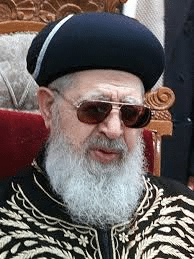
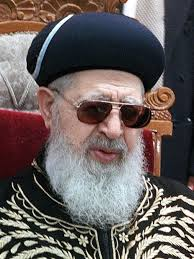
Halachot from Maran Rabbi Ovadia Yosef Ztz'l

ברכת המים בתוך הסעודה או באכילת “קוסקוס”

שאלה: האם יש לברך על שתית משקה בתוך הסעודה?

תשובה: נחלקו רבותינו הראשונים, באדם ששותה מים או שאר משקאות (חוץ מיין) בתוך הסעודה (כלומר, סעודה עם פת לחם), האם עליו לברך על אותם משקאות ברכת “שהכל נהיה בדברו” לפני שישתה או לא. שלדעת בעל הלכות גדולות, ועוד מגדולי רבותינו הראשונים, יש לברך על שתית משקאות בתוך הסעודה, כשם שיש לברך על שתיה מחוץ לסעודה. אך לעומת זאת, דעת רוב רבותינו הפוסקים שאין לברך על שתית משקה בתוך הסעודה, משום שאין דרך לאכול בלא לשתות, והשתיה באה מחמת האכילה, ולכן המשקאות נפטרים בברכת “המוציא” ואינם צריכים ברכה לעצמם, כשם שכלל גדול בידינו, שבהלכות ברכות “העיקר פוטר את הטפל”, וכן פסקו רש”י ורבינו תם ועוד.

ולהלכה פסק מרן השלחן ערוך (סימן קעד), שהעיקר כדעת הסוברים שאין לברך על משקים הבאים בתוך הסעודה, כמו שפסקו רש”י ורבינו תם. אולם בכל זאת הביא מרן השלחן ערוך גם דעת בעל הלכות גדולות, שיש לברך על המשקאות אף בתוך הסעודה, וסיים בזו הלשון: “וְהָרוֹצֶה לְהִסְתַּלֵּק מִן הַסָּפֵק, יֵשֵׁב קֹדֶם הַנְּטִילָה בְּמָקוֹם סְעוּדָתוֹ, וִיבָרֵךְ עַל דַּעַת לִשְׁתּוֹת בְּתוֹךְ סְעוּדָתוֹ”. עד כאן.

כלומר, יברך על משקה כלשהו ברכת שהכל לפני תחילת הסעודה, ובזה יפתור את כל המשקאות שבסעודה מברכה. אולם כל זה אינו אלא חומרא, אבל מעיקר הדין הלכה כדברי האומרים שאין לברך על משקאות בתוך הסעודה.

הרוצה להחמיר ולברך על השתיה קודם הסעודה, יזהר שלא לברך על המים, אלא אם הוא צמא, שאם אינו צמא כלל, אינו רשאי לברך על המים ברכת שהכל. ובכל זאת יוכל לברך “שהכל” על סוכר ומיני מתיקה, ויכוון בברכתו לפתור גם את המים שישתה בתוך הסעודה. וכן פסק מרן רבינו עובדיה יוסף זצ”ל.

האוכל “קוסקוס”, יש אומרים שאינו מברך על מה שישתה בשעה שאוכל, מפני שהמאכל הזה הוא יבש מאד, ולכן מצריך שתיה מרובה. אולם מרן רבינו עובדיה יוסף זצ”ל היה מורה שיש לברך על המים בשעה שאוכל קוסקוס, כי רק בתוך סעודה עם פת ממש, אין לברך שהכל על שתיה, אבל בדברים אחרים, אפילו אם הם יבשים ומצמיאים, יש לברך ברכת שהכל נהיה בדברו.

לסיכום: אין לברך על מים או על שאר משקים (חוץ מיין) בתוך סעודה שאוכל בה פת, וממידת חסידות טוב שיברך על המים קודם שיטול ידיו וישתה מעט מים (פחות מרביעית) במקום שסועד בו.


The Blessing on Water During a Meal

Question: Must one recite a blessing upon drinking a beverage within a bread meal?

Answer: The Rishonim disagree regarding whether or not one who drinks any beverage (besides for wine) within a bread meal must recite the “Shehakol Nihya Bidvaro” blessing on it or not. The Ba’al Halachot Gedolot and other great Rishonim maintain that one must indeed recite a blessing on beverages one drinks during a meal just as when one would drink them outside of a bread meal. On the other hand, the majority of Poskim rule that one should not recite a blessing on beverages drunk during a meal, for it is common to drink while eating; thus, since drinking is a result of eating, the beverages are exempted with the “Hamotzi” blessing similar to the law that the blessing on a primary food exempts the secondary food. Rashi and Rabbeinu Tam rule likewise.

Halachically speaking, Maran Ha’Shulchan Aruch (Chapter 174) rules in favor of the opinion that one should not recite a blessing on beverages drunk during a bread meal. Nevertheless, Maran Ha’Shulchan Aruch likewise quotes the opinion of the Ba’al Halachot Gedolot who rules that one should recite a blessing on such beverages and concludes the Halacha, as follows: “One who wishes to remove himself from all doubt should sit in the place one intends to eat his meal before washing one’s hands (for the bread) and recite a blessing with the intention of drinking during the meal.” This means that one should recite the “Shehakol” blessing on a small amount of beverage and by doing so, one will exempt all other beverages one will drink throughout one’s meal. Nonetheless, this is only an added stringency, for according to the letter of the law, the Halacha follows the opinion that one should not recite a blessing on beverages drunk during a bread meal.

One who wishes to act stringently and recite a blessing on a beverage before a meal must take care not recite a blessing on water unless one is thirsty, for if one is not thirsty at all, one may not recite the “Shehakol” blessing on water. Nevertheless, one may recite the “Shehakol” blessing on other flavored drinks, candies, or sweets with the intention to exempt water one will drink during one’s meal. Maran Rabbeinu Ovadia Yosef zt”l rules likewise.

If one eats “Couscous,” some say that one should not recite the “Shehakol” blessing on the water one drinks along with it since this is a very dry food and requires one to drink copiously with it. Nevertheless, Maran zt”l has ruled that one should recite a blessing on water drunk along with “Couscous,” for only during a bread meal will one not recite a blessing on beverages one drinks; however, regarding other foods, even if they are very dry and thirst-inducing, one should recite the “Shehakol” blessing on beverages drunk along with them.

Summary: One should not recite a blessing on water or other beverages (besides for wine) one drinks during a bread meal. As an added stringency, it is preferable for one to recite a blessing on some water or another beverage (less than a Revi’it) before washing one’s hands in the place one intends to eat one’s meal.

Newsletter – Parashat Mishpatim – Rosh Chodesh Adar Rishon

בס״ד
Moor Lane - Logo.JPG
ק׳ ק׳ שׁערי תפילה
Have a look at our website www.moorlane.info 
****
image.png

*******

image.png

Rosh Chodesh Adar Rishon

is TWO days 

Thursday Night 08 / 02 / 24 / Friday 09 / 02 / 24

&

Shabbat 10 / 02 / 24

*****

image.png

This Shabbat is Shabbat Rosh Chodesh

(1) Say half Halel
(2) 2 Sefarim
i) Mishpatim
ii) Rosh Chodesh
(3) Haftara of Rosh Chodesh

*****

image.png

Our community celebrates its 

150th year anniversary

THIS YEAR!!!

We would like to celebrate this milestone as it deserves 

in honour of all past & present members 

who have continued the legacy of this Bet Hakeneset

throughout the generations.

If you are able & willing to join the

anniversary celebration planning committee

please reply to this email

or speak directly to one of the 

members of the Executive Committee

תזכה למצות 

Let's Make Our Moor Lane Bet Hakeneset Great!!!

#LMOMLBHG

******

image.png

Moor Lane Library

We are currently updating the library and putting the books onto the terminal/kiosk 

we've realised that some books are missing and would appreciate all parents and children checking at home

to see if they forgot to return the books borrowed  


Below is a list of the books that are missing. Many thanks. 

Super Agent Gizmo 1 

Super Agent Gizmo 2 

The Comic! 

On Stormy Seas Yael and secret language 

Rav Mordchai Eliyahu Timeless Tales Pesach Comics Shikuvitzky Book 1 

Ben Ish Chai Life and Times 

Nachum Ish Gam Zu 

R’ Shimon bar Yochai 

Escape from Europe 

Sephardic Children’s Hagada 

Just Imagine Miracles of Krias Yam Suf Eternal light 1, 5 & 7

please contact R Marshall 

Thank you

*****

לוח זמני תפלה לחורף תשפ״ד

Winter Timetable 5784 – 2023/24

מוצאי שבת

ערבית
)
מוצש(

שקיעה

מנחה שבת

סוף זמן קריאת שמע

הדלקת נרות

מנחה וקבלת שבת

תאריך

שבת פרשת

Shabbat

Ends

Arbit

Sunset

Minha

Shema before

Candle Lighting

Minha & Kabbalat Shabbat

Date

Parasha

PM

PM

PM

PM

AM

PM

PM


6:00

5:56

5:07

4:30

10:01

4:51

4:51

9/10 Feb

משפטים (ר״ח)  

שבת

קרבנות

8:45 am
הודו

9:00 am 

*****

image.png

THIS WEEK 7:15 pm

*****

PHOTO-2024-01-22-09-53-26.jpg
*****
Parasha Overview

The Jewish People receive a series of laws concerning social justice. Topics include: Proper treatment of Jewish servants; a husband's obligations to his wife; penalties for hitting people and for cursing parents, judges, and leaders; financial responsibilities for damaging people or their property, either by oneself or by one's animate or inanimate property, or by pitfalls that one created; payments for theft; not returning an object that one accepted responsibility to guard; the right to self-defense of a person being robbed.

Other topics include: Prohibitions against seduction; witchcraft, bestiality and sacrifices to idols. The Torah warns us to treat the convert, widow and orphan with dignity, and to avoid lying. Usury is forbidden and the rights over collateral are limited. Payment of obligations to the Temple should not be delayed, and the Jewish People must be Holy, even concerning food. The Torah teaches the proper conduct for judges in court proceedings. The commandments of Shabbat and the Sabbatical year are outlined. Three times a year — for Pesach, Shavuot and Succot — we are to come to the Temple. The Torah concludes this listing of laws with a law of kashrut to not cook or mix meat and milk.

Ohr Somayach Institutions www.ohr.edu

*******
image.png

Halachot from Maran Rabbi Ovadia Yosef Ztz'l

חימום פת בשבת

שאלה: במאפיה הסמוכה לביתינו, מוכרים לחם מיוחד לשבת (“פרנה”), ושמנו לב שלפעמים במרכז הלחם, יש חלק שאינו אפוי. האם יש בעיה בחימום הלחם הזה בשבת?

תשובה: ראשית, נכון הדבר, שדבר שנאפה לפני שבת, מותר לחזור ולחמם אותו בשבת על גבי הפלאטה, מפני ש”אין אפיה אחרי אפיה”, ומאחר והפת כבר אפויה לגמרי, הרי שבהמשך החימום שלה, אף על פי שהיא חוזר להתחמם, אין איסור בשבת.

בן דרוסאי

ונחלקו רבותינו הראשונים, לגבי מאכל שהתבשל “כמאכל בן דרוסאי”, כלומר, מאכל שהתבשל באופן קל, ולא נגמר בישולו, האם יש איסור מן התורה בהמשך בישולו או חימומו בשבת, או שאין בזה איסור מן התורה. (“בן דרוסאי”, היה לסטים, עבריין, והוא היה רגיל לבשל את המאכלים שלו בישול קצר, והיה אוכל אותם כשהם אינם מבושלים היטב. רש”י שבת כ.).

ולמעשה, פסק מרן השלחן ערוך (בסימן שיח סעיף ד), שמאכל שלא נגמר בישולו לפני שבת, יש איסור לחזור ולבשל אותו, או לחמם אותו, בשבת. והסביר הגאון המשנה ברורה, שהכוונה בזה, שכל זמן שהתבשיל לא התבשל “כל צרכו”, לגמרי, יש איסור לחמם אותו בשבת.

הדין בלחם

ובדין זה, אין חילוק בין תבשיל לבין מאפה, כי גם דבר אפוי, אם הוא לא נאפה כראוי לפני שבת, יש איסור לחזור ולחמם אותו בשבת, מפני שעל ידי כך ממשיכים את פעולת האפיה האסורה בהחלט בשבת.

ומכאן התשובה לשאלה שלפנינו. מי שקונה מאפה כזה, שלא נאפה כל צרכו, הרי שאסור בהחלט לחזור ולחמם אותו בשבת על גבי הפלאטה.

דברים הקשים ללימוד

ויש להוסיף על כך, מה שאמרו רבותינו בסוף מסכת הוריות (דף יג:), שאחד מן הדברים הגורמים לאדם שלא יצליח בלימודו ולא יבין היטב מה שלומד, הוא אכילת “פת שלא נתבשל כל צרכו”, כלומר, פת לחם כזו, שלא אפו אותה כראוי, היא גורמת נזק לאדם, שלא יצליח בלימודו.

ולסיכום: פת שלא נאפתה כראוי לפני שבת, אסור לחזור ולחמם אותה בשבת.


Warming Up Bread on Shabbat

Today's Halacha is dedicated for the merit and protection of
All Our Dear Soldiers
May Hashem give them strength and courage to vanquish our enemies and may they return home safe and sound amid health and joy.
* * * * * * * * * *

Question: The bakery next to our house sells special bread for Shabbat (“Frena”) and we noticed that sometimes, there is an area in the middle of the bread that is not baked well. Is there any issue heating such bread up on Shabbat?

Answer: Firstly, it is correct that something baked before Shabbat may be warmed on an electric hotplate on Shabbat since “there is no baking after baking.” Since the bread is already fully baked, reheating it on Shabbat is fully permissible.

Ben Derosai
The Rishonim disagree regarding whether continuing to cook a food on Shabbat that was cooked to the level of “Ben Derosai,” i.e., only partially cooked, is a Torah prohibition or not. (Ben Derosai was an infamous bandit who would commonly cook his food only partially and eat it as such. See Rashi Shabbat 20a.)

Halachically speaking, Maran Ha’Shulchan Aruch (Chapter 318, Section 4) rules that it is forbidden to cook or reheat a food on Shabbat that has only been partially cooked before Shabbat. The Mishnah Berura explains that as long as the food has not yet been fully cooked, it is forbidden to heat it up on Shabbat.

The Law Regarding Bread
There is no distinction between a cooked food and bread regarding this law, for even a baked good that has not been fully baked before Shabbat may not be reheated on Shabbat, for doing so continues the act of cooking/baking on Shabbat, which is certainly forbidden.

Thus, regarding the above question, if one purchases bread which has not been baked well, it is absolutely forbidden to reheat it on the electric hotplate on Shabbat.

Things Which Cause Difficulty in Torah Study
On a side note, the Gemara (Horayot 13b) states that one of the things which causes one not to succeed in one’s Torah study and not understand well what one is learning is eating bread which was not baked well. Thus, doing so is spiritually harmful as well.

Summary: Bread which was not baked well before Shabbat may not be reheated on Shabbat.

Newsletter Parashat Yitro – Aseret Hadiberot – Shabbat Mevarechim

בס״ד
Moor Lane - Logo.JPG
ק׳ ק׳ שׁערי תפילה
Have a look at our website www.moorlane.info 
****
image.png

**********

image.png

Our community celebrates its 

150th year anniversary

THIS YEAR!!!

We would like to celebrate this milestone as it deserves 

in honour of all past & present members 

who have continued the legacy of this Bet Hakeneset

throughout the generations.

If you are able & willing to join the

anniversary celebration planning committee

please reply to this email

or speak directly to one of the 

members of the Executive Committee

תזכה למצות 

Let's Make Our Moor Lane Bet Hakeneset Great!!!

#LMOMLBHG

*****

image.png
שבת מברכים

THIS SHABBAT 

is  שבת מברכים

Reminder
there will be NO derasha this week
instead we will have the 
kahal recitation of Sefer Tehilim

*****

image.png

Rosh Chodesh Adar Rishon

is TWO days 

Thursday Night 08 / 02 / 24 / Friday 09 / 02 / 24

&

Shabbat 10 / 02 / 24

*****

image.png

Minhagim

Aseret HaDiberot – The Ten Commandments

It is the minhag of all Jews from North Africa, as well as our brothers, the Ashkenazim, to stand up during the reading of the Aseret HaDiberot (the Ten Commandments) on Shabu’ot, Shabat Yitro, and Shabat VaEthanan, to commemorate the time when Yisrael stood at Har Sinai as if we are once again welcoming the face of the Shekhina (Divine Presence) and accepting the Tora.[1]

However, Rambam[2] writes not to stand for the aseret hadiberot because the heretics will claim, “we only attribute importance to these ten misvot as they are the only ones that are true; the rest of the Tora is not true,” has veshalom. The reason we continue to follow this minhag, is because the heretics at the time of Rambam were much different then the heretics of today as heretics of today do not make such claims.[3] Ribi Shalom Messas[4] is also of this opinion and explains further that whether we were to remain seated or we stood during the aseret hadiberot it would not change the perception of the heretics; either way they would find ways to deny the Tora. Also, it is clear that since we continue to read the remainder of the parasha – and not solely the ‘aseret hadiberot – there is no reason to worry about such claims.[5] Ribi Yehuda ‘Ayash of Algeria is also of this opinion and writes that the claims of the heretics could only persuade an ignoramus of nowadays using such logic.[6] Furthermore, Maran HaHida[7] explains that since we make berakhot before and after each ‘aliya latora – and not just the ‘aliya of the aseret hadiberot – we have no worry that heretics will make a claim that the rest of the Tora is untrue.

Maran HaHida[8] cautions us, however, to stand from the beginning of the ‘aliya in order to show that we stand for other pesuqim as well. He also adds that it is very important that if the majority of the congregation is standing, one is NOT allowed to sit, as this illustrates a belittlement of the Aseret HaDiberot, G-d forbid. Nonetheless, the majority of Moroccan posqim write that the common minhag is to stand only upon reaching the ‘Aseret HaDiberot for we are not concerned about the claims of the heretics at all.[9]

It was the tradition to gather women together and read them these Ten Commandments, in Arabic “ ‘Asr Klmat,” along with its explanation according to Hazal.[10]

Certain parts of the parasha are read in a special tune, among them the Aseret HaDiberot and the Shirat HaYam in order to ascribe special importance to these sections of the Tora as they speak about the high spiritual level of Bené Yisrael and not, has veshalom, to say that they are more important than the rest of the Tora.[11]


 The minhag of 

Spanish & Portuguese 
Synagogues & Communities 
is to STAND during 
the reading of the Aseret Hadiberot
Mekorot


[1] As the Tora says “they were standing at a distance.” This minhag is cited by Dibré Shalom VeEmet (Heleq 2, p.72). Sefer Mamlekhet Kohanim records that this was also the minhag in Djerba and mainland Tunisia, Noheg BeHokhma p.143, QS”A Toledano (Siman 442:9), Yehavé Da’at Hazan (Heleq 3, O”H, Siman 13), Maté Yehuda ‘Ayash (Siman 1:6), Dabar Shemuel by Ribi Shemuel Abuhab (Siman 276), Kapé Aharon (Siman 39), and Sedé Hemed (Kelalé HaPosqim, Siman 5:14). In Shemesh Umaghen (Heleq 1, O”H, Siman 57, p.130) Ribi Shalom Messas solidifies our custom to stand based on the fact that today we do not have the same type of heretics that they had in the times of Hazal and because of whom this minhag was spoken out fiercely against. Maran HaHida (LeDavid Emet Siman 7:5) further says that one should stand in order to stir feelings of fear and trepidation as were felt at Har Sinai.

 [2]In his handwritten responsa that was compiled along with approximately 367 other responses in 1934. (Siman 46).

 [3] Ribi Moshé Feinstein’s response, Igerot Moshé (Heleq 4, O”H Siman 22).

 [4] Shemesh Umaghen (Heleq 1, O”H Siman 57 p.130-1) and (Heleq 3, O”H Siman 55:3).

 [5] Maghen Abot (Siman 1, p.53-4): Diné Hashqamat HaBoqer.

 [6] Maté Yehuda (Siman 1:6).

 [7] LeDavid Emet (Siman 7:5).

 [8] Toub ‘Ayin (Siman 11).

 [9] Ribi Yehuda ‘Ayash of Algeria (Maté Yehuda Siman 1:6), Ribi Yishaq Hazan (Yehavé Da’atHeleq 3, Siman 13), Ribi Yosef Messas in Osar HaMikhtabim (Heleq 3, §1859), and HaMalakh Refael Berdugo as quoted by the QS”A of Ribi Refael Barukh Toledano (p.174), all say that the common minhag is to stand only once we reach the Aseret HaDiberot. This is also the minhag of Tunisia (Mamlekhet Kohanim) and Libya (Netibot HaMa’arab, Shabu’ot §12).

 [10] This is to make the Tora more pleasant to them, and with this they should be more helpful to their husbands in facilitating their Tora learning. See Nahagu Ha’Am (Shabu’ot §5, p.57) as the source and for the lyrics in Arabic.

 [11] See Noheg BeHokhma (p.145 §13).

****

לוח זמני תפלה לחורף תשפ״ד

Winter Timetable 5784 – 2023/24

מוצאי שבת

ערבית
)
מוצש(

שקיעה

מנחה שבת

סוף זמן קריאת שמע

הדלקת נרות

מנחה וקבלת שבת

תאריך

שבת פרשת

Shabbat

Ends

Arbit

Sunset

Minha

Shema before

Candle Lighting

Minha & Kabbalat Shabbat

Date

Parasha

PM

PM

PM

PM

AM

PM

PM


5:47

5:44

4:53

4:15

10:07

4:37

4:37

2/3 Feb

יתרו
(עשרת הדברות) (ש''מ)

שבת

קרבנות

8:45 am
הודו

9:00 am 

*****

image.png

THIS WEEK 7:05 pm

*****

PHOTO-2024-01-22-09-53-26.jpg
*****
Parasha Overview

Hearing of the miracles that Hashem performed for Bnei Yisrael, Moshe's father-in-law Yitro arrives with Moshe's wife and sons, reuniting the family in the wilderness. Yitro is so impressed by Moshe's detailing of the Exodus from Egypt that he converts to Judaism. Seeing that the only judicial authority for the entire Jewish nation is Moshe Rabbeinu, Yitro suggests that subsidiary judges be appointed to adjudicate smaller matters, leaving Moshe free to attend to larger issues. Moshe accepts his advice.

The Jewish People arrive at Mount Sinai, where Hashem offers them the Torah. Once they accept, Hashem charges Moshe to instruct the people not to approach the mountain, and to prepare for three days. On the third day, amidst thunder and lightning, Hashem's voice emanates from the smoke-enshrouded mountain, and He speaks to the Jewish People, giving them the Ten Commandments:

  1. Believe in Hashem.
  2. Do not worship other “gods”.
  3. Do not use Hashem's name in vain.
  4. Observe Shabbat.
  5. Honor your parents.
  6. Do not murder.
  7. Do not commit adultery.
  8. Do not kidnap.
  9. Do not testify falsely.
  10. Do not covet.

After receiving the first two commandments, the Jewish People, overwhelmed by this experience of the Divine, request that Moshe relay Hashem's word to them. Hashem instructs Moshe to caution the Jewish People not to draw close to the mountain or touch any part of it.

Ohr Somayach Institutions www.ohr.edu

*******
image.png

Halachot from Maran Rabbi Ovadia Yosef Ztz'l

דם בביצה

דין דם בביצים

דם הנמצא בביצים, אסור באכילה, משום שאותו דם הוא תחילת ריקום האפרוח, ואותו האפרוח, יש לו דין של עוף, שדמו אסור באכילה מן התורה. ולכן גם דם הנמצא בביצים אסור באכילה מן התורה, וזו דעת רבינו הרא”ש והתוספות.

אולם לדעת רבינו הרמב”ם, דם הנמצא בביצים אינו אסור באכילה אלא מדרבנן, משום שאף על פי שדם זה אמנם הוא תחילת ריקום האפרוח, מכל מקום מכיון שלא נגמרה יצירתו של האפרוח, אין לו דין “עוף” כלל, ואין דמו אסור מן התורה אלא מדרבנן, גזירה משום דם עוף.

האם כל הביצה אסורה?

יש מקרים, שכל הביצה נאסרת אם נמצא בה דם, ויש מקרים שאין הביצה כולה נאסרת, רק צריך להסיר את הדם ממנה, והיא מותרת. וכדלהלן:

לדעת מרן השלחן ערוך, אם נמצא (אפילו מעט) דם בחלמון הביצה, כל הביצה אסורה, אבל אם נמצא דם בחלבון הביצה (שהוא החלק הלבן) זורקים את הדם ושאר הביצה כולה מותרת, וזהו מנהג הספרדים שקבלו עליהם את הוראות מרן.

אולם הרמ”א כתב, שבכל מקום שיש דם בביצה, אוסרים את כל הביצה באכילה. וכן נוהגים האשכנזים.

האם יש חובה לבדוק את הביצה?

אף על פי שדם הנמצא בביצים אסור באכילה, מכל מקום אין חיוב מן הדין לבדוק כל ביצה קודם אכילתה, משום שסומכים על כך שברוב הביצים אין דם, ומעיקר הדין אפשר לסמוך על הרוב, ורק אם מטגנים ביצים במחבת, או שוברים ביצים לצורך אפייה וכדומה, נוהגים לבדוק את הביצים (בכוס זכוכית או כלי אחר) אם יש בהם דם, מפני שבנקל אנו יכולים לבדוק את הביצים ולהנצל מאיסור דם.

אבל כאשר באים לבשל ביצים קשות במים, או שרוצים לשים ביצים בחמין וכדומה, אף על פי שאחרי הבישול אי אפשר לדעת אם היה בהן דם, וכן אדם הבא לגמוע ביצה כמו שהיא רכה בלא לבדקה כלל, רשאי לעשות כן, מפני שהולכים אחר הרוב, ורוב ביצים אין בהן דם.

ובאמת שבספר כנסת הגדולה כתב, שיש בני אדם המחמירים שלא לאכול ביצים אלא אם נבדקו תחילה, ואף כשרוצים לבשל ביצה, הם נוהגים לפתוח את קליפת הביצה ולהוריק מתוכה את תוכנה לתוך כלי, ואחר כך מחזירין את הביצה לתוך קליפתה וסותמין את הנקב ומבשלים או צולין אותה. ומכל מקום להלכה נראה דאין מקום לחומרא זו, שהרי כתב המהרח”ו (רבינו חיים ויטאל) שראה לרבו האר”י הקדוש, שהיה גומע ביצה כשהיא צלויה, בלי שישגיח לבדוק אם יש בתוכה דם, והביא ראיות מן התלמוד בכמה מקומות, שאין לחוש לסברת המחמירים בזה. והביא את הדברים מרן החיד”א בספרו ברכי יוסף, וסיים: “ובהגלות נגלות אמרי קדוש רבינו האר”י ז”ל, אין לחוש לחומרת בני אדם הנזכרים”.

ולסיכום: אין חיוב לבדוק ביצה, ורק אם כבר פותחים אותה, יש לבודקה, ואם יש בה דם בחלמון, יש לזרוק את הביצה, ואם בחלבון, יש להוציא את הדם, והביצה כולה מותרת. והאשכנזים אוסרים את כל הביצה גם במקרה כזה.

אמנם בהלכה הבאה נבאר איך הדין בענין זה בזמנינו.


The Laws of Blood Found in Eggs

Blood in Eggs
Blood found in eggs is forbidden for consumption, for this blood indicates the beginning of the embryotic development of the chick and this chick has the halachic status of “fowl” whose blood is forbidden for consumption by Torah law; thus, the opinion of the Rosh and Tosafot is that blood found in eggs is likewise forbidden to be eaten by Torah law.

Nevertheless, according to the Rambam, blood found in eggs is only forbidden to be eaten by virtue of a rabbinic prohibition, for although this blood indicates the beginning of the chick’s embryotic development, since the chick’s development is not yet complete, it does not retain the status of “fowl” and its blood is not forbidden by Torah law; rather, there is merely a rabbinic decree banning it due to its similarity to blood of an actual bird.

Is the Entire Egg Forbidden?
There are instances where the entire egg becomes forbidden for consumption as a result of this blood and there are other instances where the entire egg does not become forbidden and one must only remove the blood and the rest of the egg is permissible, as follows:

If one finds blood (even a drop) in the yolk of the egg, the entire egg is forbidden. However, if the blood is found in the egg-white, one may remove the blood and the rest of the egg is permissible for consumption. This applies according to Maran Ha’Shulchan Aruch.

However, according to the Rama, if blood is found in any part of the egg, the entire egg is forbidden for consumption. The Sephardic custom is to rule leniently on this matter in accordance with the ruling of Maran.

The Obligation to Check Eggs
Although blood found in eggs is forbidden for consumption, there is no obligation to check every egg before eating it since we rely on the fact that most eggs do not contain blood and according to the letter of the law, one may rely on the majority. Only if one is frying eggs in a pan or breaking open eggs for baking and the like, it is customary to check the eggs for blood (in a glass or any other clear vessel), for in this case, it is quite easy to check the eggs for blood since they are being opened anyway.

However, when one wishes to hard boil eggs in water or place eggs in a Chulent and the like, although after cooking them it will be impossible to tell if there was blood in them or not, it is indeed permissible to do so without checking them, for most eggs do not contain blood and we follow the majority. The same applies to one who wishes to swallow a whole egg, uncooked, that one need not check it first.

Nevertheless, the Kenesset Ha’Gedolah writes that there are some who are stringent not to eat eggs unless they have been checked for blood first; even if they wish to hard-boil the egg, they make a small hole in the shell, pour out the contents of the egg into a cup, and after ascertaining that the egg is clean of blood, pour the contents back into the shell, close up the hole, and then proceed to hard-boil it. However, halachically speaking, there is truly no room for this stringency, for Rabbeinu Chaim Vital writes that he has seen his mentor, the saintly Ari z”l, eating a hard-boiled egg without first checking if there was blood inside. He proceeds to bring sources from various places in the Talmud that there is no need to be concerned about the more stringent opinion on this matter. Maran Ha’Chida quotes all of this in his Birkei Yosef and concludes, “Now that the holy teachings of our rabbi, the Ari z”l, have been revealed, there is no need to be concerned with the aforementioned stringency some individuals follow.”   

Summary: There is not obligation to check eggs for blood; only if one cracks them open should they be checked. If there is blood in the yolk, the entire egg should be discarded. If the blood is in the egg white, only the blood spot needs to be removed and the rest of the egg is permitted. Ashkenazim customarily prohibit the entire egg in this case as well.

In the next Halacha, we shall discuss the ramifications of this law nowadays.

Newsletter Parshat Beshalach – Shabbat Shira

בס״ד
Moor Lane - Logo.JPG
ק׳ ק׳ שׁערי תפילה
Have a look at our website www.moorlane.info 
****
image.png

**********

Besiman Tov 

to the newly re-elected 

Executive & Mahamad 2024

a)      Parnas PresidenteMordechai Maman

b)      Parnas Vice PresidenteBenjamin Hassan

c)      Treasurer: Yamin Ibgui

d)      Gabbai: Eli Shoshana

e)      Hon. SecretaryS Lalluche

f)       Ladies Committee ChairMrs. Elaine Marshall

g)      Mahamad: Mrs Loretta HodariJacob Edelstein, Rafi Marshall


*****

Attachments

(1)

image.png

(2)

image.png

*****

image.png

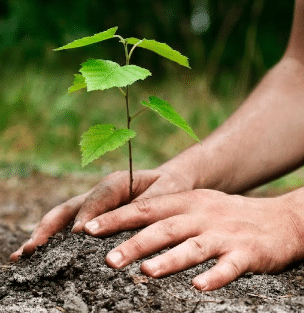
Tu B'Shevat is generally regarded as the “New Year for the trees,” (Rosh Hashanah 2a). We are told that by the fifteenth day of Shevat most of the rains for the given year have already fallen (Rosh Hashana 14a). As a result, Chazal tell us that until this date all the fruits that grew are a product of the rains from the previous year, and the fruits produced from this day onward are from the rains of the new year. In fact, it is for this reason that many have the custom to pray for a beautiful and kosher etrog for the upcoming Succot holiday on this day (see Lashon Chachamim 1:38 of the Ben Ish Chai for a text of the prayer). Tu B'Shevat also bears halachic significance for the purposes of counting the years for orlah, terumot u'maaserot (tithes), and according to some opinions for determining the holiness of fruits that grow during the Shemitah year. It is for this reason that many communities have the custom to eat several different types of fruits as a means of celebrating the day (see Mishna Berura 131:31, Kaf Hachaim 131:97).

The halacha also states that we refrain from reciting tachanun on this day (Orach Chaim 131:6). This custom appears to be a bit puzzling since we generally refrain from saying tachanun because of some sort of happiness. On Tu B'Shevat, however, what is the nature of the day's happiness, since most of the rains have fallen due to purely natural means? In order to gain clarity of the significance of the day, as well as the spiritual energy present, we must delve into what is spiritually taking place.

The Maharal of Prague explains that since everything in the physical world is a manifestation of a spiritual root, when one studies the natural world and its seasons he can understand the spiritual energy of that time of year (Gevurot Hashem, 46). The fifteenth of Shevat marks the day on which the rain's potential growth begins to materialize through the trees producing fruit. The Ohr Gedalyahu explains that rain in this context does not only refer to physical water from above that leads to production and growth on land, but also alludes to spiritual Divine assistance that can aid in producing spiritual fruits, i.e. mitzvot (which are often referred to by Chazal as “fruits”; see for example Sotah 46a). The amount and nature of this Divine assistance is decided every Rosh Hashana, as it is on this day that G-d determines a person's riches, health, spouse, etc.

According to this symbolism the tree is also not only referring to physical trees but also to man; as the verse in the Torah says, “for man is like the tree of the field” (Devarim 20:19). The Shem M'Shmuel points out that just like a tree is the medium through which the ground can produce fruit, so too man is the medium through which physicality can be uplifted to produce fruit, mitzvot. The only difference between man and a tree lies in where the roots are implanted. Unlike the tree, man's roots are above, they are his intellect. All of his actions — his branches — all stem from his intellect, his roots. A physical tree, however, is rooted in the physical earth, and the rest sprout forth from that physical core. Indeed, as the Maharal explains, man is an upside-down tree (Chiddushei Aggadot, Sanhedrin 91b).

Based on the above we can understand the significance of the day of Tu B'Shevat. Just like the trees begin to bear fruit on this day from the rains of the new year, so too this is the time when we begin to see the results of the spiritual rains that we have received since Rosh Hashana. Because we have completed one-third of the new year, Tu B'Shevat is the opportune time to both harvest and assess the spiritual fruit of our labor. It is the happiness that accompanies this spiritual harvest that results in refraining from the tachanun prayer.

****

לוח זמני תפלה לחורף תשפ״ד

Winter Timetable 5784 – 2023/24

מוצאי שבת

ערבית
)
מוצש(

שקיעה

מנחה שבת

סוף זמן קריאת שמע

הדלקת נרות

מנחה וקבלת שבת

תאריך

שבת פרשת

Shabbat

Ends

Arbit

Sunset

Minha

Shema before

Candle Lighting

Minha & Kabbalat Shabbat

Date

Parasha

PM

PM

PM

PM

AM

PM

PM


5:35

5:31

4:39

4:00

10:12

4:24

4:24

26/27 Jan

בשלח
(שירה)

שבת

קרבנות

8:45 am
הודו

9:00 am 

*****

image.png

THIS WEEK 6:50 pm

*****

PHOTO-2024-01-22-09-53-26.jpg
*****
Parasha Overview

Pharaoh finally sends the Bnei Yisrael out of Egypt. With pillars of cloud and fire, G-d leads them toward Eretz Yisrael on a circuitous route, avoiding the Pelishtim (Philistines). Pharaoh regrets the loss of so many slaves, and chases after the Jews with his army. The Jews are very afraid as the Egyptians draw close, but G-d protects them. Moshe raises his staff, and G-d splits the sea, enabling the Jews to cross safely. Pharaoh, his heart hardened by G-d, commands his army to pursue, whereupon the waters crash down upon the Egyptian army. Moshe and Miriam lead the men and women, respectively, in a song of thanks.

After three days' travel, only to find bitter waters at Marah, the people complain. Moshe miraculously produces potable water. In Marah they receive certain mitzvahs. The people complain that they ate better food in Egypt. Hashem sends quail for meat and provides manna, miraculous bread that falls from the sky every day except Shabbat. On Friday, a double portion descends to supply the Shabbat needs. No one is able to obtain more than his daily portion, but manna collected on Friday suffices for two days so the Jews can rest on Shabbat. Some manna is set aside as a memorial for future generations.

When the Jews again complain about a lack of water, Moshe miraculously produces water from a rock. Then Amalek attacks. Joshua leads the Jews in battle, and Moshe prays for their welfare.

Ohr Somayach Institutions www.ohr.edu

*******
image.png

Halachot from Maran Rabbi Ovadia Yosef Ztz'l

דיני קדימה בברכות – לברך במתינות – הנהגת מרן זצ”ל

בליל ט”ו בשבט, שיחול ביום רביעי הקרוב, ליל יום חמישי, נוהגים לאכול כמה מיני פירות וירקות. ויש ללמוד בימים הללו את סדר הברכות. כלומר, איזו ברכה קודמת לחברתה. והדינים הללו אינם מסובכים, אך נצטרך להסביר את עיקריהם היטב, כדי שכל אחד ואחת יהיו בקיאים בהלכות הללו. 

ועל כל אדם, בפרט זה שכבר יש לו ילדים קטנים, לשים לבו לכך, כי מי שלומד את ההלכות השייכות לברכות, ומנהיג בביתו לברך בצורה נכונה ובמתינות, יזכה עבור זה להשכין את השכינה בביתו, שיהיו כל בניו למודי ה' וכל רואיהם יכירום שהם גדלים בבית של תורה ויראת שמים. לא כן אותם המברכים תמיד בשקט ובמהירות, שהברכה אינה יוצאת כלל מפיהם, וילדיהם הולכים בדרכיהם, והוא קלקול גדול בהנהגה שכמעט רוב בני אדם נכשלים בה, וקשה מאד לשנות את ההרגל בזה. לכן מצוה רבה על כל איש ואשה, להתחזק בזה, ולהתחיל לברך במתינות כראוי, ובקול, ועל ידי זה יזכו לכל הברכות שבתורה.

ואומרים בשם החסיד רבי ישראל אביחצרא זצ”ל (הבאבא סאלי), שמי שנזהר תמיד לברך ברכת המזון מתוך בירכון במתינות, לא תחסר לו הפרנסה.

ומרן רבינו עובדיה יוסף זצ”ל, היה רגיל הרבה, כשהיה יושב עם ילדיו או עם נכדיו, היה לוקח בידו פירות וסכין, והיה חותך מעט מכל פרי, נותן לכל ילד ואומר לו, תברך!, והילד שעומד לפני מרן זצ”ל, היה מברך בצורה יפה, ואז היה מרן זצ”ל נותן לו עוד אותו פרי, ואחר כך מפירות אחרים, ומברך את הילדים באהבה.

הטעם שיש סדר לברכות

כאשר בא אדם לברך על כמה מאכלים הנמצאים לפניו, אין הוא רשאי לברך על מה שירצה לפי איזה סדר שיחפוץ. אלא יש סדר לברכות. וטעם הדבר שיש סדר לברכות הוא מאחת משתי סיבות:

הסיבה הראשונה שיש להקדים ברכה מסויימת על פני חברתה, הוא מפני חשיבותה של הברכה. וענין זה יתבאר בעזרת ה' בהלכה הבאה. והסיבה השנייה שבגינה יש להקדים ברכה מסויימת על פני חברתה, היא מפני חשיבות המאכל שבאים לברך עליו. וענין זה יתבאר להלן.

פירות שבעת המינים

ראשית נבאר, כאשר באים לפני האדם פירות שברכתן בורא פרי העץ, על איזה פרי יש לברך בתחילה?

פירות שנשתבחה בהם ארץ ישראל הם שבעה מינים, כמו שכתוב בתורה (דברים ח, ח) “אֶרֶץ חִטָּה וּשְׂעֹרָה וְגֶפֶן וּתְאֵנָה וְרִמּוֹן אֶרֶץ זֵית שֶׁמֶן וּדְבָשׁ”. (ופירוש “דבש”: תמרים. וכמו שמבואר בתלמוד ירושלמי פ”א דביכורים ה”ג). ופירות שבעת המינים קודמים לברכה לכל שאר מיני פירות העץ.

ולמשל, אדם שנמצאים לפניו תפוחים ותמרים (שהתמרים הם משבעת המינים), עליו לברך תחילה על התמרים, שהם משבעת המינים, ואוכל מהם, ואחר כך אוכל מן התפוחים.

וכתב מרן רבינו הגדול רבי עובדיה יוסף זצ”ל, שאף אם התפוח חביב עליו יותר מן התמר, לעולם מין שהוא משבעת המינים קודם לברך עליו תחילה.

לכן למשל בדוגמא שהזכרנו, שהאדם בא לאכול תפוח ותמר. והוא אוהב יותר את התפוח. בכל זאת עליו להקדים ולברך על התמר, ואינו רשאי לברך על התפוח תחילה, למרות שהוא אהוב עליו יותר.

הקדמת הברכה בין פירות שבעת המינים עצמם

כל פרי משבעת המינים שהוזכר בפסוק ראשון, הרי הוא קודם לחבירו, כי הוא חשוב יותר. ולכן מי שעומדים לפניו תאנים וענבים, עליו להקדים את הענבים לתאנים, שהרי הענבים נכתבו בפסוק לפני התאנים.

ומלבד זאת, עוד יש קדימה נוספת לכל פרי הסמוך יותר למילה “ארץ” בפסוק. וביאור הדברים: נאמר בתורה: ארץ חיטה ושעורה וגפן ותאנה ורימון, ארץ זית שמן ודבש. נמצא שהמילה “ארץ” מוזכרת פעמיים בפסוק. ואם כן הפרי “זית”, נכתב ראשון אחרי המילה “ארץ” בפסוק (ארץ “זית שמן”). והפרי “גפן”, נזכר שלישי אחרי המילה “ארץ” (ארץ חיטה ושעורה “וגפן”). ועל כן אם נמצאים לפני האדם זיתים וענבים, עליו להקדים את הברכה על הזיתים, הסמוכים יותר למילה “ארץ”, לעומת הענבים, הרחוקים יותר וחשיבותן מועטת.

וכשם שהזיתים קודמים לענבים, כמו כן התמרים קודמים לענבים, כי התמרים נכתבו שניים אחרי מילת “ארץ” שבפסוק (ארץ זית שמן ו”דבש”), והגפן נכתב שלישי למילת “ארץ” הראשונה שבפסוק (ארץ חיטה ושעורה ו”גפן”), ולכן התמרים קודמים גם לתאנה ולרימון, משום שחשיבות הפרי נמדדת, על פי קרבתו למילת “ארץ” שבפסוק.

ולסיכוםנמצא משפט הקדימה בברכות שבעת המינים כך הוא: ברכת “המוציא לחם מן הארץ” קודמת לכל דבר, (ומפני כך מכסים את החלות לפני הקידוש ביין בשבת ויום טוב, להראות כאילו אין כאן פת לפנינו בכדי להקדימו, וכפי שביארנו כבר בהלכות קידוש, כי כל דיני הקדימה הם דווקא כשנמצאים שני המינים לפניו וברצונו לאכול משניהם, אבל אין צורך להמתין עד שיבא לפניו המין שמוקדם לברכה). ולאחר מכן ברכת “בורא מיני מזונות”, ולחם או עוגה שעשויים מקמח חיטה, קודמים ללחם או לעוגה שעשויים מקמח שעורים, שהרי חיטה נכתבה בפסוק לפני שעורה. ואחריהם זית, ואחריו תמרים, ואחר כך ענבים, ואחר כך תאנים, ואחר כך רימונים, ואחריהם שאר מיני פירות העץ. וברכה אחת שמברך “בורא פרי העץ” פוטרת כל מיני פירות העץ שבדעתו לאכול כעת.


The Laws of Precedence Regarding Blessings

On the night of Tu Bishvat, which will fall out this coming Wednesday night, it is customary to eat a variety of fruits. We shall therefore learn the proper order of the Blessings of Enjoyment during the coming days.

We should point out that these laws are fairly simple but we will need to discuss the basis of these laws so that everyone can be proficient in them

Every individual, especially someone with young children, should pay attention to this, for anyone who studies the laws of blessings and makes sure that everyone in one’s household recites blessings correctly and slowly will merit Hashem’s presence dwelling in the home and that everyone will be able to tell that one’s children grow up in a home of Torah and fear of Heaven. However, those who always recite blessings in an undertone and hastily in a way that the words barely emerge from their mouth cause immeasurable damage, for their children follow in their footsteps and it is much more difficult to change this bad habit when they get older. It is therefore a great Mitzvah for both men and women to recite blessings slowly, aloud, and with great concentration and by doing so, one shall merit all of the blessings of the Torah.

Indeed, it is said in the name of Hagaon Rabbeinu Yisrael Abuchatzera zt”l (the saintly Baba Sali) that one who recites Birkat Hamazon slowly from a Siddur or Bencher shall never lack a source of livelihood.

When Maran Rabbeinu Ovadia Yosef zt”l would sit around the table with his grandchildren, he would cut up a fruit and give each child a piece and tell him, “Recite a blessing!” and when the child would do so, he would give him more of the same fruit and other fruits and then he would bless each child warmly.

The Reason for the Specific Order of Blessings
When one wishes to recite blessings on various foods in front of him, one may not just recite any blessing based on the order one decides; rather, there is a specific order of blessings. There can be two reasons to explain why one blessing must be recited before another:

One reason can be because of the innate importance of the given blessing.  This will be explained further in the next Halacha, G-d willing. The other possibility when one blessing has priority over another is because of the innate significance of the fruit or other food one is about to recite a blessing on. The following is an explanation of this possibility.

Priority of a Blessing on One of the Seven Species of Fruits the Land of Israel Was Praised With
We must first discuss the law in a situation where one is served a variety of fruits, which one should one recite the blessing on?

The Land of Israel was praised with seven species of fruits as the verse (Devarim 8, 8) states, “A land of wheat and barley, grapevines, figs, and pomegranates; a land of olive oil and honey.” (“Honey” here refers to dates as is explained in the Talmud Yerushalmi Chapter 1 of Masechet Bikurim, Halacha 3). The blessing on any one of the Seven Species precedes any other fruits.

For instance, if one has apples and dates in front of him, one must first recite a blessing on the dates (which are one of the Seven Species), eat a piece, and only then proceed to eat the apple.

Maran Rabbeinu Ovadia Yosef zt”l writes that even if one enjoys apples more than dates, the blessing must nevertheless be recited on the fruit that is one of the Seven Species first.

Thus, regarding the above example, if one wishes to eat an apple and a date, although may like apples more, one must nevertheless recite the blessing on the date first and one may not recite the blessing on the apple, although one likes it more.

Priority of a Blessing among the Seven Species Themselves
As we have explained, the fruits of the Seven Species are those mentioned in the verse. Any fruit mentioned earlier in the verse has priority, for it is more important. Thus, if one has figs and grapes in front of him, one should recite a blessing on the grapes first, for they are mentioned in the verse before figs.

Besides for this, there is another kind of priority given to any fruit closer to the word “land” in the verse. This means that the Torah states: “A land of wheat and barley, grapevines, figs, and pomegranates; a land of olive oil and honey”. The word “land” is mentioned twice in this verse. If so, the fruit of the “olive” is mentioned first after the word “land” (“a land of olive oil”) while the fruit of the “grapevine” is mention third after the word “land” (“A land of wheat and barley, grapevines”). Thus, if one has olives and grapes in front of him, one must recite the blessing on the olives first, for they are closer to the word “land” in the verse, as opposed to grapes which are further away from the word “land” and so, they are of lesser importance.

Just as olives precede grapes, similarly dates precede grapes as well, for dates are written second after the word “land” (“a land of olive oil and dates”) while grapes are only mentioned third after the first “land” in the verse (“A land of wheat and barley, grapevines”). For the same reason, dates take precedence over figs and pomegranates for the importance of a fruit is measured by its proximity to the word “land” in the verse.

Summary: This is the order of precedence regarding blessing on foods of the Seven Species: The “Hamotzi Lechem Min Ha’aretz” precedes all other blessings. (It is for this reason that we cover the bread during Kiddush on Shabbat and Yom Tov, for we wish for it to appear that there is no bread before us so that we may recite the blessing on the wine first since all of the laws of precedence regarding blessings applies only when both foods are in front of the individual and one wishes to partake of both of them; however, one need not wait until the food which takes precedence is brought before him.) Following this is the “Boreh Minei Mezonot” blessing. Bread or cakes made from wheat flour takes precedence over those made from barley flour since wheat is mentioned earlier in the verse. Following this in the order of precedence is the “Boreh Peri Ha’etz” on olives, then dates, then grapes, then figs, then pomegranates, followed by all other types of fruit. One “Boreh Peri Ha’etz” blessing is sufficient to exempt all of the fruits one plans on eating currently.

Newsletter Parashat Bo

בס״ד
Moor Lane - Logo.JPG
ק׳ ק׳ שׁערי תפילה
Have a look at our website www.moorlane.info 
****
image.png

**********

image.png

Annual General Meeting 2024

FOR MEMBERS OF THE BET HAKENESET

TO ALL MEMBERS OF THE CONGREGATION

You are requested to attend the

ANNUAL GENERAL MEETING OF THE CONGREGATION

 THIS Motzae Shabbat

20th January 2024 at 8 pm

AGENDA

1.      Minutes of the 2023 Annual General Meeting

2.      Matters arising from the Minutes

3.      Parnas Presidente’s Report

4.      Adoption of the Report

5.      Treasurer’s Report and Presentation of Accounts

6.      Discussion and Adoption of Report

7.      *Election of Hon Officers and Members of the Mahamad

a)      Parnas Presidente

b)      Parnas Vice Presidente

c)      Treasurer

d)      Gabbai

e)      Hon. Secretary

f)       Ladies Committee Chair

g)      Mahamad (6 members – sub-group duties to be defined)

8.       Election of delegates to:

a)       Manchester Shechita Board      b)      Manchester Jewish Rep Council

9.       A.O.B.

CURRENT MEMBERS OF THE EXECUTIVE & MAHAMAD

a)      Parnas PresidenteMordechai Maman

b)      Parnas Vice PresidenteBenjamin Hassan

c)      Treasurer: Yamin Ibgui

d)      Gabbai: Eli Shoshana

e)      Hon. SecretaryS Lalluche

f)       Ladies Committee ChairMrs. Elaine Marshall

g)      Mahamad: Mrs Loretta HodariJacob Edelstein, Rafi Marshall


Thank you in advance for attending – your support for this meeting is important.

On behalf of the Mahamad

*Nominations should reach the Hon. Secretary before SHABBAT enters on FRIDAY, January 19 th 2024.

YOU ARE RESPECTFULLY REMINDED THAT UNDER THE PROVISION OF ASCAMA 28 YEHIDIM BEING ARREARS IN THE PAYMENT OF THEIR ACCOUNT FOR A LONGER PERIOD THAN SIX MONTHS SHALL FORFEIT THE RIGHT OF VOTING AT ALL MEETINGS

PLEASE NOTE: VOTING IS BY ATTENDANCE ONLY –  PROXY VOTES ARE NOT VALID FOR AGM’s

*****

PHOTO-2024-01-15-19-53-31.jpg

*****

לוח זמני תפלה לחורף תשפ״ד

Winter Timetable 5784 – 2023/24

מוצאי שבת

ערבית
)
מוצש(

שקיעה

מנחה שבת

סוף זמן קריאת שמע

הדלקת נרות

מנחה וקבלת שבת

תאריך

שבת פרשת

Shabbat

Ends

Arbit

Sunset

Minha

Shema before

Candle Lighting

Minha & Kabbalat Shabbat

Date

Parasha

PM

PM

PM

PM

AM

PM

PM


5:24

5:20

4:26

3:50

10:16

4:11

4:11

19/20 Jan

בא

שבת

קרבנות

8:45 am
הודו

9:00 am 

*****

image.png

THIS WEEK 6:40 pm

**********

Parasha Overview

G-d tells Moshe that He is hardening Pharaoh's heart so that through miraculous plagues the world will know for all time that He is the one true G-d. Pharaoh is warned about the plague of locusts and is told how severe it will be. Pharaoh agrees to release only the men, but Moshe insists that everyone must go. During the plague, Pharaoh calls for Moshe and Aharon to remove the locusts, and he admits he has sinned.

G-d ends the plague but hardens Pharaoh's heart, and again Pharaoh fails to free the Jews. The country, except for the Jewish People, is then engulfed in a palpable darkness. Pharaoh calls for Moshe and tells him to take all the Jews out of Egypt, but to leave their flocks behind. Moshe tells him that not only will they take their own flocks, but Pharaoh must add his own too.

Moshe tells Pharaoh that G-d’s going to bring one more plague, the death of the firstborn, and then the Jews will leave Egypt. G-d again hardens Pharaoh's heart, and Pharaoh warns Moshe that if he sees him again, Moshe will be put to death. G-d tells Moshe that the month of Nissan will be the chief month.

The Jewish People are commanded to take a sheep on the 10th of the month and guard it until the 14th. The sheep is then to be slaughtered as a Pesach offering, its blood put on their doorposts, and its roasted meat eaten. The blood on the doorpost will be a sign that their homes will be passed-over when G-d strikes the firstborn of Egypt. The Jewish People are told to memorialize this day as the Exodus from Egypt by never eating chametz on Pesach.

Moshe relays G-d's commands, and the Jewish People fulfill them flawlessly. G-d sends the final plague, killing the firstborn, and Pharaoh sends the Jews out of Egypt. G-d tells Moshe and Aharon the laws concerning the Pesach sacrifice, pidyon haben (redemption of the firstborn son) and tefillin.

·Pesachim 68a

Ohr Somayach Institutions www.ohr.edu

*******
image.png

Halachot from Maran Rabbi Ovadia Yosef Ztz'l

כיצד מברכים?

שאלה: האם כשמברך צריך להשמיע לאוזניו את הברכה, או שדי בברכה בשקט מוחלט שאפילו המברך עצמו אינו שומע? וכן האם מותר מן הדין לברך ולאכול בראש מגולה, בלי כיפה?

תשובה: בגמרא במסכת ברכות (דף טו.) מבואר שבכל הברכות שהאדם מברך, צריך להשמיע לאוזניו מה שמוציא מפיו. כלומר אין לברך בלחש על המאכל, אלא יש להגביה את הקול מעט בכדי שלכל הפחות המברך עצמו ישמע את הברכה שמוציא בשפתיו. ומכל מקום בדיעבד, אם לא השמיע לאוזניו את קריאתו או ברכתו, כל שביטא בשפתיו את המילים יצא ידי חובה ואינו חוזר לברך.

ומרן מופת הדור רבינו עובדיה יוסף זצוק”ל כתב, שהוא הדין לגבי הברכות שבתפילת שמונה עשרה, שאף שנאמר בפסוק אודות חנה שהתפללה בלחש, “רק שפתיה נעות”, מכל מקום אין הכוונה שיתפלל בלחש לגמרי, אלא יבטא המילים בשפתיו ממש, עד שיוכלו אזניו לשמוע מה שפיו מדבר. ואף שיש מחלוקת בזה בין רבותינו המקובלים, שיש מהם שאומרים שבתפלת העמידה יהיה ביטוי המילים בשפתיים בלבד, בלא הוצאת הגה מהפה. מכל מקום להלכה נכון יותר שיגביה מעט את קולו (אבל לא שישמעוהו אחרים). וכן מבואר בדברי רבינו אליעזר אזכרי בעל ספר חרדים, שהיה בעצמו מקובל וחי בסמוך לזמן מרן ורבינו האר”י, שכתב שאפילו בתפלת שמונה עשרה, לא נכון שאדם יבטא את המילים בשקט מוחלט רק במלמול שפתיו, אלא עליו לבטא את המילים בדיבור ממש. וכן פסק הגאון רבי שלום משאש זצ”ל.

על כל אדם מוטלת חובה קדושה, להרגיל את עצמו ואת בניו אחריו, להזהר שלא לברך את הברכות בחטף, וכדאי שינהגו כעצתו של ראש הישיבה הגאון רבי יהודה צדקה זצ”ל, לחלק את הברכה לשלשה חלקים: ברוך אתה ה', ואז ימתין מעט, אלקינו מלך העולם, ושוב ימתין, שהכל נהיה בדברו. שאז, חזקה עליו שיברך בכובד ראש ללא קלות דעת וזלזול בברכות אשר חשיבותן רבה מאד.

ולענין השאלה השנייה, האם מותר מן הדין לברך ולאכול בראש מגולה, ללא כיפה. הנה כבר דיברנו בענין זה בעבר, שנחלקו הפוסקים לגבי חיוב הליכה עם כיפה, האם הוא חיוב גמור מן הדין. אולם לעניין ברכה בגילוי ראש ללא כיפה, הדבר חמור יותר, כי בשעת הברכה יש חיוב מעיקר הדין ממש לכסות את הראש בכיפה, משום שאסור להוציא מהפה אזכרה (דהיינו שם ה') בראש מגולה. וכמו שכתבנו לגבי מי שמברך בחוף הים.

וכן פסק מרן השלחן ערוך, שאסור להוציא שם שמים מהפה בלי כיסוי ראש כמו כיפה. ולפיכך אף במקום שגם הדתיים אינם נזהרים ללכת עם כיפה, כגון על חוף הים וכדומה, מכל מקום בשעה שבאים לברך חייבים מן הדין לכסות ראשם כדת בכיפה.

How Should One Bless?

Today's Halacha is dedicated for the merit and protection of
All Our Dear Soldiers
May Hashem give them strength and courage to vanquish our enemies and may they return home safe and sound amid health and joy. May Hashem protect all the captives and have mercy upon them so that no harm befalls them and may they be released quickly, Amen!
* * * * * * * * * *

Question: When one recites a blessing, must the words of the blessing be somewhat audible or may one recite the words in complete silence? Furthermore, is it permissible to recite a blessing bare-headed, without wearing a Kippah?

Answer: The Gemara (Berachot 15a) states that all blessings one makes should be audible, i.e. one should not recite a blessing completely silently; rather, one should raise one’s voice at least to the extent that one can hear the words coming out of one’s mouth. Nevertheless, post facto, even if the blessing was recited in a complete undertone and one could not hear the words one uttered at all, as long as one enunciated the words, one has fulfilled one’s obligation and need not repeat the blessing.

Maran Rabbeinu Ovadia Yosef zt”l writes that the same applies to the blessings of the Amida prayer. Although the verse states that Hannah (mother of Shmuel Ha’Navi) prayed silently and “only her lips moved,” nevertheless, this does not mean that one should pray completely silently. Rather, one should enunciate the words to the extent that they are audible to one’s own ears. Although this topic is subject to a disagreement among the great Mekubalim with some maintaining that the Amida should be recited completely silently without emanating any sound from one’s mouth, nevertheless, halachically, one should pray somewhat audibly so that one can hear one’s self (however, it should not be audible to others). Indeed, Rabbeinu Elazar Ezkari, a great Mekubal who lived in the times of Maran Ha’Bet Yosef and the saintly Ari zt”l, writes that even during the Amida prayer, it is improper for one to recite the blessings completely inaudibly; rather, the words should be somewhat audible. Hagaon Harav Shalom Messas zt”l rules likewise.

It is imperative that one teach one’s family not to recite blessings in a rushed manner. It is worthwhile to adopt the advice of Hagaon Harav Yehuda Tzadka zt”l, Rosh Yeshivat Porat Yosef, which was to split every blessing into three parts: “Baruch Ata Hashem,” pause for a moment and then recite “Elokeinu Melech Ha’Olam,” pause for another moment and recite “Shehakol Nihya Bidvaro.” In this way, one will certainly recite blessings with the necessary concentration and without, G-d-forbid, disparaging blessings which are so tremendously important.

Regarding the second question about reciting a blessing bare-headed, the Poskim disagree whether or not walking around with a Kippah is a halachic obligation. Nevertheless, reciting a blessing bare-headed is more serious and while reciting a blessing, one’s head must be covered, for one may not utter the name of Hashem bare-headed. We have discussed this with regards to reciting blessings at the beach.

Maran Ha’Shulchan Aruch rules likewise that one may not utter the name of Hashem until one covers one’s head with a Kippah and the like. Thus, even in a place where religious Jews walk around bare-headed, such as at the beach and the like, one must cover one’s head with a Kippah when reciting a blessing.

Newsletter Parshat Vaera

בס״ד
Moor Lane - Logo.JPG
ק׳ ק׳ שׁערי תפילה
Have a look at our website www.moorlane.info 
****
image.png

*****

image.png

*****

image.png

Annual General Meeting 2024

FOR MEMBERS OF THE BET HAKENESET

TO ALL MEMBERS OF THE CONGREGATION

You are requested to attend the

ANNUAL GENERAL MEETING OF THE CONGREGATION

 Motzae Shabbat BO

20th January 2024 

at 8 pm

AGENDA

1.      Minutes of the 2023 Annual General Meeting

2.      Matters arising from the Minutes

3.      Parnas Presidente’s Report

4.      Adoption of the Report

5.      Treasurer’s Report and Presentation of Accounts

6.      Discussion and Adoption of Report

7.      *Election of Hon Officers and Members of the Mahamad

a)      Parnas Presidente

b)      Parnas Vice Presidente

c)      Treasurer

d)      Gabbai

e)      Hon. Secretary

f)       Ladies Committee Chair

g)      Mahamad (6 members – sub-group duties to be defined)

8.       Election of delegates to:

a)       Manchester Shechita Board      b)      Manchester Jewish Rep Council

9.       A.O.B.

CURRENT MEMBERS OF THE EXECUTIVE & MAHAMAD

a)      Parnas PresidenteMordechai Maman

b)      Parnas Vice PresidenteBenjamin Hassan

c)      Treasurer: Yamin Ibgui

d)      Gabbai: Eli Shoshana

e)      Hon. SecretaryS Lalluche

f)       Ladies Committee ChairMrs. Elaine Marshall

g)      Mahamad: Mrs Loretta HodariJacob Edelstein, Alex Lopez Dias


Thank you in advance for attending – your support for this meeting is important.

On behalf of the Mahamad

*Nominations should reach the Hon. Secretary before SHABBAT enters on FRIDAY, January 19 th 2024.

YOU ARE RESPECTFULLY REMINDED THAT UNDER THE PROVISION OF ASCAMA 28 YEHIDIM BEING ARREARS IN THE PAYMENT OF THEIR ACCOUNT FOR A LONGER PERIOD THAN SIX MONTHS SHALL FORFEIT THE RIGHT OF VOTING AT ALL MEETINGS

PLEASE NOTE: VOTING IS BY ATTENDANCE ONLY –  PROXY VOTES ARE NOT VALID FOR AGM’s

*****

image.png

*****

לוח זמני תפלה לחורף תשפ״ד

Winter Timetable 5784 – 2023/24

מוצאי שבת

ערבית
)
מוצש(

שקיעה

מנחה שבת

סוף זמן קריאת שמע

הדלקת נרות

מנחה וקבלת שבת

תאריך

שבת פרשת

Shabbat

Ends

Arbit

Sunset

Minha

Shema before

Candle Lighting

Minha & Kabbalat Shabbat

Date

Parasha

PM

PM

PM

PM

AM

PM

PM


5:13

5:09

4:15

3:40

10:18

3:59

3:59

12/13 Jan

וארא

שבת

קרבנות

8:45 am
הודו

9:00 am 

*****

image.png

THIS WEEK 6:30 pm

*****

Motzae Shabbat
PHOTO-2024-01-02-16-02-22.jpg
*****
Parasha Overview

Hashem tells Moshe to inform the Jewish People that He is going to take them out of Egypt. However, the Jewish People do not listen. Hashem commands Moshe to go to Pharaoh and ask him to free the Jewish People. Although Aharon shows Pharaoh a sign by turning a staff into a snake, Pharaoh's magicians copy the sign, emboldening Pharaoh to refuse the request. Hashem punishes the Egyptians, sending plagues of blood and frogs, but the magicians copy these miracles on a smaller scale, again encouraging Pharaoh to be obstinate. After the plague of lice, Pharaoh's magicians concede that only Hashem could be performing these miracles.

Only the Egyptians, and not the Jews in Goshen, suffer during the plagues. The onslaught continues with wild animals, pestilence, boils and fiery hail. However, despite Moshe's offers to end the plagues if Pharaoh will let the Jewish People leave, Pharaoh continues to harden his heart and refuses.

Ohr Somayach Institutions www.ohr.edu

*******
image.png

Halachot from Maran Rabbi Ovadia Yosef Ztz'l

אכל עוגות בשבת בבוקר

למדנו לפני כמה ימים, שמי ששכח להזכיר “רצה והחליצנו” בסעודת ליל שבת, או בסעודת השבת בבוקר, עליו לחזור ולברך שוב ברכת המזון.

והסברנו, שבסעודה שיש חיוב לאכול אותה  עם פת בשבת, אם שכח “רצה והחליצנו”, עליו לחזור ולברך שוב. אבל בסעודה שאין חיוב לאכול בה פת, אם שכח לומר “רצה והחליצנו”, אינו צריך לחזור ולברך שוב ברכת המזון. ולכן, אם לדוגמא אכל אדם סעודה בשבת בבוקר, ובירך ברכת המזון כהלכה. ואחר כך אכל סעודה נוספת, ואז שכח לומר רצה והחליצנו, אינו צריך לחזור ולברך שנית, שהרי הסעודה הנוספת, לכל הדעות אינה חובה בשבת.

ויתירה מזו, אפילו מי ששכח לומר רצה והחליצנו בסעודה שלישית של שבת, הדין הוא שאינו חוזר לברך ברכת המזון, מפני שלדעת הרבה פוסקים, אין חיוב לאכול סעודה שלישית עם פת לחם בשבת, וממילא אין צורך לחזור על ברכת המזון.

הדין בסעודת שבת בבוקר

נחלקו רבותינו הראשונים, לגבי סעודה שניה, היא הסעודה שאוכלים בשבת בבוקר, האם חובה לאכול בסעודה הזו פת ממש, או שמספיק לאכול בסעודה הזו עוגות ועוגיות וכדומה. אולם רוב הפוסקים סוברים, שחובה לאכול סעודה שניה עם פת ממש, וכן אנו פוסקים, ולכן מי ששכח להזכיר רצה והחליצנו בסעודה שניה של שבת, עליו לחזור ולברך ברכת המזון.

מי שאכל עוגות בבוקר

לאור האמור, כתב הגאון רבי יצחק הררי (מגדולי חכמי חלאב), בשו”ת זכור ליצחק (סימן פ), שמי שאכל בשבת בבוקר אחרי התפילה, עוגות ועוגיות וכדומה, ובירך על המחיה, ואחרי שעה או שעתיים אכל סעודה עם פת, ושכח להזכיר רצה והחליצנו, עליו לחזור ולברך ברכת המזון שנית, מפני ש”אין שום פוסק” שיאמר שיוצאים ידי חובת סעודה שניה בשבת בעוגות ועוגיות, ואם כן, נמצא שהסעודה שאוכל כעת עם פת, היא סעודה שניה, וממילא אם לא הזכיר רצה והחליצנו, עליו לחזור ולברך שנית.

דברי מרן זצ”ל

אולם מרן רבינו עובדיה יוסף זצ”ל (חזו”ע ח”ב עמוד שמו) העיר על כך, שבאמת מצאנו כמה ראשונים שסוברים שאפילו בסעודה שניה של שבת, מספיק שיאכל עוגות או עוגיות, והביא שכן דעת רבינו ישעיה הראשון (בפסקיו לסוכה דף כז.), ושגם הרשב”א הביא שיטה כזו.

לפיכך, פסק, שמי שאכל בשבת בבוקר, עוגות ועוגיות וכדומה, (כמובן, לכל הפחות בשיעור כזית, שהוא שיעור עשרים ושבעה גרם), הרי הסעודה שאוכל לאחר מכן עם פת, יש מקום לומר שהיא נחשבת לו כ”סעודה שלישית”, ובסעודה שלישית, הרי הדין הוא שאם שכח לומר רצה והחליצנו, אינו חוזר לברך שנית. (ומרן זצ”ל הביא עוד סיועים וחיזוקים לסברא זו).

ולסיכום: מי שאכל בשחרית של שבת עוגות או עוגיות, והסעודה של שבת העיקרית, שהיא עם פת ותבשיל, אכל אותה לאחר כמה שעות, ובסעודה הזו שכח להזכיר רצה והחליצנו בברכת המזון, אינו צריך לחזור, ודינו כמו כל סעודה שלישית של שבת.

Eating Cake on Shabbat Morning

Today's Halacha is dedicated for the merit and protection of
All Our Dear Soldiers
May Hashem give them strength and courage to vanquish our enemies and may they return home safe and sound amid health and joy. May Hashem protect all the captives and have mercy upon them so that no harm befalls them and may they be released quickly, Amen!
* * * * * * * * * *

A few days ago, we had discussed that if one omitted “Retzeh Ve’Hachalitzenu” from Birkat Hamazon of the Shabbat night or day meals, one must repeat Birkat Hamazon.

The reason for this is because if one omitted “Retzeh Ve’Hachalitzenu” from Birkat Hamazon of a meal during which one was obligated to eat bread, one must repeat Birkat Hamazon. However, if there was no obligation to eat bread during that meal and one forgot “Retzeh Ve’Hachalitzenu,” one need not repeat Birkat Hamazon. For instance, if one ate the Shabbat morning meal and recited Birkat Hamazon as prescribed by Halacha, and then one ate another bread meal and forgot “Retzeh Ve’Hachalitzenu” in the Birkat Hamazon that followed, one need not repeat Birkat Hamazon since this additional meal was halachically unnecessary according to all opinions.

Moreover, even one who forgets to recite “Retzeh Ve’Hachalitzenu” during Birkat Hamazon of Seuda Shelishit (the third Shabbat meal) need not repeat Birkat Hamazon since, according to many Poskim, bread is not compulsory during this meal.

The Law Regarding the Shabbat Morning Meal
There is a disagreement among the Poskim whether the Shabbat morning meal must be held with bread or if eating cakes and other pastries is sufficient to fulfill one’s obligation. Most Poskim maintain that the second Shabbat meal must be held with bread, and this is how we rule. Thus, if one omitted “Retzeh Ve’Hachalitzenu” from Birkat Hamazon of the second Shabbat meal, one must repeat Birkat Hamazon.

If One Ate Pastries in the Morning
Based on the above, Hagaon Harav Yitzchak Harari (one of the greatest sages of Aleppo, Syria) writes in his Responsa Zechor Le’Yitzchak (Chapter 80) that one who ate pastries after the Shabbat morning services, recited “Al Ha’Michya,” and a few hours later forgot “Retzeh Ve’Hachalitzenu” during one’s second Shabbat bread meal, one would be required to repeat Birkat Hamazon, for “there is no Posek” who maintains that one may fulfill one’s obligation of eating the second Shabbat meal with cakes and pastries. Thus, the second meal is only the one being held with bread and if one omitted “Retzeh Ve’Hachalitzenu” from this meal, one must repeat Birkat Hamazon.

The Opinion of Maran zt”l
On the other hand, Maran Rabbeinu Ovadia Yosef zt”l (in his Chazon Ovadia- Shabbat, Volume 2, page 346) questions this ruling, for we do find several Rishonim who rule that eating cakes and pastries is sufficient to fulfill one’s obligation to eat the Shabbat day meal, among them Rabbeinu Yeshaya di Trani the First (in his Piskei Rid, Sukkah 27a). This opinion is quoted by the Rashba as well.

Thus, Maran zt”l rules that if one eats cakes or pastries on Shabbat morning (obviously a Kezayit worth, i.e. approximately 27 grams), there is room to claim that the bread meal one eats later is actually considered Seuda Shelishit and, as we have explained above, if one omits “Retzeh Ve’Hachalitzenu” from Birkat Hamazon of Seuda Shelishit, one need not repeat it. (Maran zt”l proceeds to strengthen his ruling based on several other sources.)

Summary: If one at cakes or pastries at a Kiddush on Shabbat morning and then forgets “Retzeh Ve’Hachalitzenu” from the Shabbat day bread meal held a few hours later, one need not repeat Birkat Hamazon, as this meal retains the law of Seuda Shelishit.

AGM 2024

בס״ד
Moor Lane - Logo.JPG
ק׳ ק׳ שׁערי תפילה
Have a look at our website www.moorlane.info 
*****
image.png

*****

image.png

Annual General Meeting 2024

FOR MEMBERS OF THE BET HAKENESET

TO ALL MEMBERS OF THE CONGREGATION

You are requested to attend the

ANNUAL GENERAL MEETING OF THE CONGREGATION

 Motzae Shabbat 

20th January 2024 

at 8 pm

AGENDA

1.      Minutes of the 2023 Annual General Meeting

2.      Matters arising from the Minutes

3.      Parnas Presidente’s Report

4.      Adoption of the Report

5.      Treasurer’s Report and Presentation of Accounts

6.      Discussion and Adoption of Report

7.      *Election of Hon Officers and Members of the Mahamad

a)      Parnas Presidente

b)      Parnas Vice Presidente

c)      Treasurer

d)      Gabbai

e)      Hon. Secretary

f)       Ladies Committee Chair

g)      Mahamad (6 members – sub-group duties to be defined)

8.       Election of delegates to:

a)       Manchester Shechita Board      b)      Manchester Jewish Rep Council

9.       A.O.B.

CURRENT MEMBERS OF THE MAHAMAD

a)      Parnas PresidenteMordechai Maman

b)      Parnas Vice PresidenteBenjamin Hassan

c)      Treasurer: Yamin Ibgui

d)      Gabbai: Eli Shoshana

e)      Hon. Secretary: S Lalluche

f)       Ladies Committee ChairMrs. Elaine Marshall

g)      Mahamad: Mrs Loretta HodariJacob Edelstein, Alex Lopez Dias


Thank you in advance for attending – your support for this meeting is important.

On behalf of the Mahamad

*Nominations should reach the Hon. Secretary before SHABBAT enters on FRIDAY, January 19 th 2024.

YOU ARE RESPECTFULLY REMINDED THAT UNDER THE PROVISION OF ASCAMA 28 YEHIDIM BEING ARREARS IN THE PAYMENT OF THEIR ACCOUNT FOR A LONGER PERIOD THAN SIX MONTHS SHALL FORFEIT THE RIGHT OF VOTING AT ALL MEETINGS

PLEASE NOTE: VOTING IS BY ATTENDANCE ONLY –  PROXY VOTES ARE NOT VALID FOR AGM’s

Newsletter Parashat Shemot – Shabbat Mevarechim

בס״ד
Moor Lane - Logo.JPG
ק׳ ק׳ שׁערי תפילה
Have a look at our website www.moorlane.info 
****
image.png

*****

THIS SHABBAT 

is  שבת מברכים

Reminder
there will be NO derasha this week
instead we will have the 
kahal recitation of Sefer Tehilim

*****

Rosh Chodesh Shevat

is 

Tuesday Night 09/01/24 

Wednesday 10/01/24

*****

Moorlanenews

would like to

image.png

to our Bet Hakeneset 

Family Ari & Talia Levin 

&

Family Adam Dayan


May we share many Semachot together

*****

THIS SUNDAY

Breakfast shiur Jan 24.png

****

image.png

attached to this email

****

לוח זמני תפלה לחורף תשפ״ד

Winter Timetable 5784 – 2023/24

מוצאי שבת

ערבית
)
מוצש(

שקיעה

מנחה שבת

סוף זמן קריאת שמע

הדלקת נרות

מנחה וקבלת שבת

תאריך

שבת פרשת

Shabbat

Ends

Arbit

Sunset

Minha

Shema before

Candle Lighting

Minha & Kabbalat Shabbat

Date

Parasha

PM

PM

PM

PM

AM

PM

PM


5:04

5:00

4:04

3:30

10:19

3:49

3:49

5/6 Jan

שמות
(ש''מ)

שבת

קרבנות

8:45 am
הודו

9:00 am 

*****

image.png

THIS WEEK 6:20 pm

*****

Motzae Shabbat
PHOTO-2024-01-02-16-02-22.jpg
*****
Parasha Overview

With the death of Yosef, the Book of Bereishet (Genesis) comes to an end. The Book of Shemot (Exodus) chronicles the creation of the nation of Israel from the descendants of Yaakov. At the beginning of this week's Torah portion, Pharaoh, fearing the population explosion of Jews, enslaves them. However, when their birthrate increases, he orders the Jewish midwives to kill all newborn males.

Yocheved gives birth to Moshe and hides him in the reeds by the Nile. Pharaoh's daughter finds and adopts him, although she knows he is probably a Hebrew. Miriam, Moshe's sister, offers to find a nursemaid for Moshe and arranges for his mother Yocheved to be his nursemaid.

Years later, Moshe witnesses an Egyptian beating a Hebrew and Moshe kills the Egyptian. Realizing his life is in danger, Moshe flees to Midian where he rescues Tzipporah, whose father Yitro approves their subsequent marriage. On Chorev (Mount Sinai), Moshe witnesses the burning bush where G-d commands him to lead the Jewish People from Egypt to Eretz Yisrael, the Land promised to their ancestors.

Moshe protests that the Jewish People will doubt his being G-d's agent, so G-d enables Moshe to perform three miraculous transformations to validate himself in the people's eyes: transforming his staff into a snake, his healthy hand into a leprous one, and water into blood. When Moshe declares that he is not a good public speaker, G-d tells him that his brother Aharon will be his spokesman. Aharon greets Moshe on his return to Egypt and they petition Pharaoh to release the Jews. Pharaoh responds with even harsher decrees, declaring that the Jews must produce the same quota of bricks as before but without being given supplies. The people become dispirited, but G-d assures Moshe that He will force Pharaoh to let the Jews go.

Ohr Somayach Institutions www.ohr.edu

*******
image.png

Halachot from Maran Rabbi Ovadia Yosef Ztz'l

הדלקת נרות שבת כשיש אורחים

שאלה: אנו זוג נשוי, ומתארחים בבית הורי האשה, האם על האשה להדליק נרות שבת בנוסף לנרות שמדליקה אמה?

תשובה: כתב מרן בספרו “בית יוסף” (בסימן רסג): “מצאתי בתשובה אשכנזית (היא תשובת מהרי”ל), שני בעלי בתים האוכלים במקום אחד, כל אחד מברך על מנורה (נרות) שלו, ואף על פי שבספר אור זרוע מפקפק בדבר, מכל מקום יש נוהגים כך, מפני שכל מה שמתווספת אורה בבית, מתווסף שלום בית יותר, ויש בזה שמחה יתירה להנאת אורה בכל זוית”.

כלומר, נהגו באשכנז, ששני אנשים שנמצאים בבית אחד, ואוכלים על שלחן אחד, רשאים כל אחד להדליק נר שבת בפני עצמו, מפני שטעם התקנה שתיקנו חכמים להדליק נרות שבת, הוא כדי שלא ישבו בחשכה, וכדי שיהיה שלום בבית, שלא יתקלו בשום דבר, ולהוסיף שמחה יתירה לכבוד שבת, ולכן, אף על פי שאדם אחד כבר הדליק נרות, עדיין יש תועלת בהוספת אורה בבית על ידי ההדלקה השנייה, ולכן גם השני רשאי להדליק “בברכה”.

אולם ב”שלחן ערוך” פסק מרן בזו הלשון: “שני בעלי בתים האוכלים במקום אחד, יש אומרים שכל אחד מברך על מנורה שלו, ויש מגמגם (מפקפק) בדבר, ונכון להזהר בספק ברכות ולא יברך אלא אחד”.

כלומר, לפי דעת מרן השלחן ערוך, אין לנהוג כמנהג אשכנז, שכמה אנשים מדליקים במקום אחד, אלא אחד יברך, ובזה יוצא השני ידי חובת הדלקת הנרות.

ומכאן נלמד, שלדעת מרן השלחן ערוך, אשה נשואה שמתארחת בבית אמה, אינה רשאית להדליק נרות שבת בנוסף לנרות שאמה מדליקה, אלא אם תרצה, תדליק נרות בלא ברכה, שהרי “ספק ברכות להקל”. אבל למנהג האשכזים, רשאית האשה להדליק ולברך על ההדלקה, שהרי הם פוסקים כדעת המהרי”ל בזה, שאפשר לברך על “תוספת אורה”. וכן פסק הרמ”א בהגהתו לשלחן ערוך.

ואמנם הגאון רבי שלום משאש זצוק”ל בספרו שמש ומגן (ח”ב סי' לח) כתב, שמנהגם לברך על תוספת אורה, כמו שפסקו המהרי”ל והרמ”א, מפני שגם מרן השלחן ערוך לא פסק בצורה מוחלטת להיפך מדבריהם, אלא כתב “ונכון להזהר” בדבר. ולכן, יש לסמוך על דברי המהרי”ל למעשה.

אולם מרן רבינו עובדיה יוסף זצוק”ל דחה את דבריו, “שהואיל ויצא מפיו של מרן השלחן ערוך שיש בזה ספק ברכות, לפיכך שב ואל תעשה עדיף”.

ומכל מקום פסק מרן רבינו זצוק”ל, שאם הבת חפצה בכך, הרי היא רשאית להדליק נרות “בברכה” בחדר המיוחד לה לישון שם, שהרי הנרות שהדליקה האם אינם מאירים באותו חדר כלל. ומכל מקום, עליה להקפיד להדליק נרות ארוכים דיים, כדי שכאשר יפנו כולם לישון לאחר הסעודה, עוד ידלקו הנרות בחדר שישנים שם, ויוכלו ליהנות בפועל מאור הנרות. (חזון עובדיה שבת ח”א עמוד קצא). וכן פסק הגאון רבינו בן ציון אבא שאול זצוק”ל. (אור לציון פי”ח ס”ו).

ולסיכום: בת נשואה המתארחת אצל אמה, אינה רשאית לברך על הדלקת הנרות, מאחר והיא נפטרת מן ההדלקה בהדלקה של אמה. ואם היא חפצה בכך, הרי היא רשאית להדליק נרות בברכה, בחדר שמיוחד לה לשינה, ועליה להקפיד שהנרות יהיו ארוכים דיים, כדי שתמשך ההדלקה עד לאחר הסעודה, ואז יוכלו ליהנות מאור הנרות שבחדר השינה.


Lighting Shabbat Candles When One is a Guest

Question: If a married couple is staying at the home of the wife’s parents for Shabbat, must the wife light Shabbat candles in addition to the candles lit by her mother?

Answer: Maran writes in his Sefer Bet Yosef (Chapter 263): “I have found in an Ashkenazi responsa (which is actually the responsa of the Maharil) that if two individuals are eating together, each one should recite his own blessing on his Shabbat candles. Although the Ohr Zarua disagrees, nevertheless, some follow this custom, for any additional light in the house causes additional peace in the home and this also causes additional joy in the house since there is light in every corner.”

This means that the custom in Ashkenaz (Germany) was that when two people were in the same house and eating on the same table, they would each be permitted to light their own Shabbat candles with a blessing, for the reason behind the rabbinic enactment to light Shabbat candles was so that people should not sit in darkness and in order for there to be peace in the home by not tripping over various objects because of the darkness. Thus, although one person has already lit Shabbat candles in that location, there will still be benefit of additional night through the second lighting, and the second individual may therefore light once his own candles with a blessing.

Nevertheless, in his Shulchan Aruch, Maran rules as follows: “Two individuals who are eating in the same place, some say that each one may recite a blessing upon lighting his own candles and some disagree with this opinion. Thus, it is proper to take care regarding a situation of doubt regarding blessings and only one of them should recite a blessing.”

This means that according to Maran Ha’Shulchan Aruch, one should not follow this Ashkenazi custom of several people lighting in one place; rather, one person should recite a blessing and the other person will thus fulfill his obligation to light Shabbat candles.

Based on this, according to Maran Ha’Shulchan Aruch, a married woman staying as a guest in her mother’s home may not light Shabbat candles in addition to her mother’s candles; rather, if she wishes to light, she may do so without reciting a blessing since “when in doubt regarding a blessing, do not bless.” However, according to the Ashkenazi custom, the married woman may light additional candles and recite a blessing upon these candles, for they rule in accordance with the Maharil who permits reciting a blessing on additional light. The Rama rules likewise in his notation on the Shulchan Aruch.

Indeed, Hagaon Harav Shalom Mesas zt”l rules in his Sefer Shemesh U’Magen (Volume 2, Chapter 38) that their custom (Moroccan Jews) was to recite a blessing on additional light in accordance with the ruling of the Maharil and Rama since Maran Ha’Shulchan Aruch did not oppose this ruling in an absolute fashion and only wrote that “it is proper to take care” regarding this matter and one may therefore rely on the ruling of the Maharil.

Nevertheless, Maran Rabbeinu Ovadia Yosef zt”l rebuffs his opinion and “since Maran Ha’Shulchan Aruch has expressed that this matter constitutes a doubt regarding blessings, one should not do so.”

Nonetheless, Maran zt”l adds that if the married woman wishes, she may light Shabbat candles with a blessing in the designated room where she and her husband will be sleeping, for the candles that her mother has lit do not illuminate that room at all. However, she must take care to light candles that are long enough to remain lit until they return to their room after the Shabbat meal in order that they be able to derive actual benefit from the light of the candles (Chazon Ovadia-Shabbat, Part 1, page 191). Hagaon Rabbeinu Ben-Zion Abba Shaul zt”l rules likewise in his Ohr Le’Zion, Volume 2, Chapter 18, Section 6.

Summary: A married woman staying as a guest at her mother’s house may not recite a blessing upon lighting Shabbat candles along with her mother since she fulfills her obligation through her mother’s lighting. If she wishes, she may light Shabbat candles with a blessing in the room designated for her and her husband to sleep in. In this case, she must make sure that the candles are long enough to remain lit until after the Shabbat meal so that she may derive benefit from the light of the candles in the bedroom.

Newsletter Parashat Vayechi

בס״ד
Moor Lane - Logo.JPG
ק׳ ק׳ שׁערי תפילה
Have a look at our website www.moorlane.info 
****
image.png

*****

Invitation

Pidyon Haben 

Tomorrow

PHOTO-2023-12-27-19-19-59.jpg

Mazal Tov
to 
Moshe & Shana Belilo
&
Jonny & Emma Jacobs 
Ariel & Yael Belilo 
שיזכה לתורה לחופה ולמעשים טובים

*****

Bar Mitzva Invitation

PHOTO-2023-12-21-17-36-15.jpg

Moorlanenews
would like to use this opportunity 
to wish Besiman Tov!! 
to 
Family Marcus Behar
on celebrating the 
Bar Mitzvah of their son
Jacob Yisrael
שיזכה לגדל בתורה ומצות ומעשים טובים

Mazal Tov to ALL the Family

*********

לוח זמני תפלה לחורף תשפ״ד

Winter Timetable 5784 – 2023/24

מוצאי שבת

ערבית
)
מוצש(

שקיעה

מנחה שבת

סוף זמן קריאת שמע

הדלקת נרות

מנחה וקבלת שבת

תאריך

שבת פרשת

Shabbat

Ends

Arbit

Sunset

Minha

Shema before

Candle Lighting

Minha & Kabbalat Shabbat

Date

Parasha

PM

PM

PM

PM

AM

PM

PM


4:57

4:53

3:56

3:20

10:18

3:41

3:41

29/30 Dec

ויחי

שבת

קרבנות

8:45 am
הודו

9:00 am 

*****

image.png

THIS WEEK 6:15 pm

******

Parasha Overview

After 17 years in Egypt, Yaakov senses his days drawing to a close and summons Yosef. He has Yosef swear to bury him in the Machpela Cave, the burial place of Adam and Chava, Avraham and Sarah, Yitzchak and Rivka.

Yaakov falls ill and Yosef brings to him his two sons, Ephraim and Menashe. Yaakov elevates Ephraim and Menashe to the status of his own sons, thus giving Yosef a double portion that removes the status of firstborn from Reuven. As Yaakov is blind from old age, Yosef leads his sons close to their grandfather. Yaakov kisses and hugs them. He had not thought to see his son Yosef again, let alone Yosef's children. Yaakov begins to bless them, giving precedence to Ephraim, the younger, but Yosef interrupts him and indicates that Menashe is the elder. Yaakov explains that he intends to bless Ephraim with his strong hand because Yehoshua will descend from him, and Yehoshua will be both the conqueror of Eretz Yisrael and the teacher of Torah to the Jewish People.

Yaakov summons the rest of his sons in order to bless them as well. Yaakov's blessing reflects the unique character and ability of each tribe, directing each one in its unique mission in serving G-d. Yaakov passes from this world at age 147. A tremendous procession accompanies his funeral cortege up from Egypt to his resting place in the Cave of Machpela in Chevron.

After Yaakov's passing, the brothers are concerned that Yosef will now take revenge on them. Yosef reassures them, even promising to support them and their families. Yosef lives out the rest of his years in Egypt, seeing Efraim's great-grandchildren. Before his death, Yosef foretells to his brothers that G-d will redeem them from Egypt. He makes them swear to bring his bones out of Egypt with them at that time. Yosef passes away at the age of 110 and is embalmed. Thus ends Sefer Bereishet, the first of the five Books of the Torah. Chazak

Ohr Somayach Institutions www.ohr.edu

*******
image.png

Halachot from Maran Rabbi Ovadia Yosef Ztz'l

לחמניות חלביות

במסכת פסחים (דף לו.) מבואר, שאסרו רבותינו ללוש עיסה (בצק) של פת (לחם) עם חלב, מפני שיש לחוש שמא לא ישימו לב לכך שהפת הזו היא חלבית, ויבואו לאכלה עם מאכלי בשר כפי שרגילים תמיד.

וכן פסקו כל הפוסקים, ומרן בשלחן ערוך (יורה דעה סימן צז), שאסור ללוש עיסה בחלב, שמא יבואו לאוכלה עם בשר. ואם כבר לשו בצק כזה, אסור לאכול ממנו, ואפילו כשהוא לבדו אסור לאכול ממנו.

ובגמרא (שם) מובא, שאמר רבי יהושע לבניו, שביום טוב הראשון של חג הפסח, יכינו עבור מצות, ובבצק שלהם לא יוסיפו תוספות, שהרי המצות צריכות להיות “לחם עוני”, אבל לשאר ימי הפסח, ביקש רבי יהושע שילושו עבורו את הבצק בחלב. והקשו על כך בגמרא, שהרי שנינו שאסור ללוש עיסה בחלב, ואם לש כל הפת אסורה. והשיבו בגמרא, שרבי יהושע בן לוי “כעין תורא קאמר”. כלומר, “עין תורא”, היא עין השור, ופירש רש”י, שרבי יהושע אמר שילושו עבורו מעט מאד בצק, כמו עין של שור, שבחתיכת בצק כל כך מועטה, אין לחשוש לתקלה, שהרי יאכלו אותה מיד לאחר האפיה כשיודעים שהיא חלבית.

אולם רבותינו הרי”ף והרמב”ם הסבירו את דברי הגמרא באופן אחר, שמה שאמרו “כעין תורא”, הכוונה היא שרבי יהושע ביקש שיכינו עבורו פת שהיא משונה בצורה שלה, שיהיה ניכר שהיא חלבית, ובאופן כזה אין לחשוש שמא יאכלו איתה בשר.

ולהלכה, שני ההסברים שכתבו רבותינו הראשונים הם נכונים, שאף על פי שאסור ללוש עיסה עם חלב, מכל מקום אם עושים זאת בכמות מועטה מאד, או שעושים צורה מיוחדת לפת, שידעו שהיא חלבית, הדבר מותר. וכן פסק מרן בשלחן ערוך.

למדנו מן האמור, שאסור על פי ההלכה לאפות במאפיה לחמניות חלביות, עם יוגורט או חלב, מאחר ויש לחוש שמא יטעו ויאכלו מן הלחמניות הללו עם בשר. ורק אם עושים צורה מיוחדת להיכר שהלחמניות הן חלביות, יש להקל בדבר. וכן אם אופים בבית כמות מועטת מהלחמניות הללו, יש להקל (וכמה היא כמות מועטת, נבאר בהמשך בעזרת ה').

ומרן החיד”א (בשיורי ברכה אות ב) כתב בערך בזו הלשון:

“בארץ הצבי (ישראל) ובטורקיאה נהגו לעשות בוריקאס ממולאים בשר או גבינה או ירקות, וצריך להזהיר על זה”.

כלומר, כאשר אופים בורקס גבינה, יש להזהר שהבורקס יהיה ניכר שהוא של גבינה, כדי שלא יטעו לאכול אותו עם בשר. ולכן במאפיות בארץ ישראל נוהגים לעשות בורקאס של גבינה בצורת משולש דוקא. וכתב הכף החיים (אות טז), שבורקס של בשר, בדרך כלל אין צורך לעשות בו היכר מיוחד שידעו שהוא בשרי, מאחר והבשר ניכר בתוכו, ולא יבואו לטעות בו.

ולסיכום: אין לאפות במאפיות וכדומה לחם או לחמניות חלביות, כדי שלא יטעו לאכול אותם עם בשר.


Dairy Rolls

Today's Halacha is dedicated for the merit and protection of
All Our Dear Soldiers
May Hashem give them strength and courage to vanquish our enemies and may they return home safe and sound amid health and joy. May Hashem protect all the captives and have mercy upon them so that no harm befalls them and may they be released quickly, Amen!
* * * * * * * * * *

The Gemara (Pesachim 36a) states that our Sages prohibited kneading a bread dough with milk as there is concern that people may not know this bread is dairy and they will mistakenly eat it with meat as they usually would.

All of the Poskim, including Maran Ha’Shulchan Aruch (Yoreh De’ah, Chapter 97), rule that one may not knead dough with milk lest others come to eat it with meat. If such a bread was already prepared, it is forbidden for consumption, even when eaten alone.

The Gemara (ibid.) states that Rabbi Yehoshua ben Levi told his sons that the dough prepared for Matzot for the first night of Pesach must not have anything added to it as the Torah refers to the Matzah as “Bread of Affliction.” However, for the rest of the days of Pesach, Rabbi Yehoshua requested that they knead the dough for the Matzot with milk. The Gemara questions this, for we have learned that it us forbidden to knead dough with milk and if this was done, the entire bread is forbidden for consumption! The Gemara replies that Rabbi Yehoshua ben Levi was referring to the amount of dough resembling “an ox’s eye,” which Rashi explains is such a small amount of dough that it will be eaten immediately after being baked and no one will mistakenly consume it with meat.

Nevertheless, the Rif and Rambam explain the Gemara’s expression of “an ox’s eye” to mean that Rabbi Yehoshua ben Levi requested that his sons prepare the dough in an irregular shape so that it is identifiable that it is dairy and this removes the concern that some may eat this bread with meat.

Halachically speaking, both explanations the Rishonim provide for the above Gemara are accepted as law in that although it is generally forbidden to knead dough with milk, if this is being done in very small batches or if it is irregularly shaped such that people will recognize it as dairy, this is indeed permitted.

Based on the above, bakeries may not bake dairy rolls with milk, yogurt, or other dairy products mixed into the dough, for someone may eat this together with meat. Only if the rolls are baked in a distinct shape which people recognize as dairy is this permitted. Similarly, if only a small batch of such rolls is baked (we shall, G-d-willing, discuss this amount further), there is room for leniency.

Maran Ha’Chida (in his Sefer Shiyurei Beracha, ibid. Subsection 2) writes, as follows: “In Israel and Turkey, people commonly bake bourekas filled with meat, cheese, or vegetables. People must be warned about this matter.”

This means that people must be instructed to make the cheese bourekas in a unique shape so that it is recognizably dairy and no one will mistakenly eat it with meat. It is for this reason that the custom in Israeli bakeries today is to prepare cheese bourekas specifically in a triangular shape (as opposed to potato, mushroom, or spinach bourekas which are square). The Kaf Ha’Chaim (ibid. Subsection 16) writes that meat bourekas need not be prepared in any distinct shape since the meat inside is visible and there is no concern for error.     

Summary: Dairy breads or rolls should not be baked in bakeries or at home so that no one mistakenly consumes them with meat.

Newsletter – Parashat Vayigash – Taanit Asara BeTevet

בס״ד
Moor Lane - Logo.JPG
ק׳ ק׳ שׁערי תפילה
Have a look at our website www.moorlane.info 
****
image.png

*****

image.png
Taanit Asara BeTevet
Friday 22nd December 2023
Fast Begins 6:25 am
Shacharit 6:50 am
HaNetz 8:24 am
Chatzot 12:07 pm
 Mincha & Kabalat Shabbat 3:26 pm
Shabbat Enters 3:36 pm
Shekia 3:50 pm
Fast concludes 4:44 pm

Order of Mincha for
Taanit Asara BeTevet

(1) 
למנצח ־ אשרי
(2)
 קריאת התורה ־ ויחל משה
(3)
 עמידה ־ עננו
(4)
 קדיש ־ ה׳ מלך
(5)
 עלינו
*********
Halachot of 
Taanit Asara BeTevet on Friday 
according to Moroccan Minhagim
Part 1

Why is it so important to fast on Asara BeTebet?
 On the 10th of Tebet the holy city of Jerusalem was besieged. This was the beginning of a chain of calamities that would eventually lead to the destruction of the Bet HaMiqdashDerushé Hatam Sofer (Ribi Moshé Sofer, Derush Adar 7:4explains that on the 10th of Tebet it was decided in Heaven that the Bet HaMiqdash was to be destroyed. Every subsequent year a judgment is held in the heavenly courts to determine whether or not the third Bet HaMiqdash is to be rebuilt. Due to this important reason, even if the fast fell on Shabat,[1] we would be required to fast (Abudraham, O”H Siman 550), as the pasuq states (Yehezqel 24:2) “be’esem hayom hazé” indicating that the fast must be conducted on the exact day it falls on. Even on Tish’a BeAb we do not fast if it lands on Shabat. Therefore, when fasting on Asara BeTebet one should realize that we are all being judged on whether or not the third Bet HaMiqdash will be rebuilt this year and we should make this fast very dear to us.
 
This year there is the rare occurrence where the fast of ‘Asara BeTebet falls out on a Friday. There are some differences when this situation occurs compared to when the fast falls on a regular weekday, see below for those differences.
 
Tora Reading
 When this fast occurs on ‘Ereb Shabat as opposed to a regular weekday, Moroccan Jews follow the Bet Yosef’s ruling (O”H Siman 550)[2] to not read the parasha of VaYehal Moshé that is read at Minha on normal fast days.[3] Some write that this is still the minhag of Meknes.[4]
 
Nevertheless, for reasons unknown it appears that the prevalent custom nowadays is to read the Tora at Minha even in Moroccan synagogues.[5]

During the Tora reading on fast days, the minhag is that when the reader reaches the Thirteen Attributes of Mercy (Shelosh ‘Esré Midot, beginning from “Ado-nai, Ado-nai”), he stops while the congregation says them aloud; he then reads them aloud himself and continues with the rest of the reading.[6] It should be mentioned that this is only done on fast days and not on Shabat Perashat Ki Tisa when the same portion is read. Qadish is not said after this reading, rather the Tora is returned to the hekhal followed by Qadish and the ‘Amida.[7]
 
Tefilin
The Bet Yosef (Siman 46) rules that tefilin must be worn during Minha on fast days since we are lacking in the 100 berakhot that one is required to say everyday due to the fact that we are not eating and miss out on those berakhot. Therefore, the minhag in Morocco developed to wear the talet and tefilin at Minha with a berakha, on all fast days, in order to arrive at these 100 berakhot.[8]

However, when a fast falls on ‘Ereb Shabat (Friday) tefilin are not worn after hasot, therefore they are not worn at Minha, even according to Moroccans.[9]


Mekorot – Sources

[1] Before our modern day set calendar, the holidays and fast days would be determined based upon when Rosh Hodesh was established. Rosh Hodesh would only be established once two witnesses came to the Bet Din and testified that they had seen the moon. Nowadays, with our fixed calendar, the 10th of Tebet can never fall on Shabat.
 

[2] Opposing the opinion of the Agur who quotes the Shibolé HaLeqet. HaMalakh Refael Berdugo (Torot Emet, O”H 550:3) writes that the custom of Moroccan Jewry is to follow the Agur. See also Shufré DeYosef Berdugo and Ribi David ‘Obadia (Nahagu Ha’Am) who quotes the Torot Emet.
 

[3] This is because the holiness of Shabat already starts from hasot of Friday. Therefore, we do not read such perashiot. See HaMalakh Refael Berdugo (ibid.) who writes this but clarifies that on fast days that fall during the week the Tora is read at Minha, Nahagu Ha’Am (Ta’aniot), and Ribi Yosef Berdugo (Shufré DeYosef, Hilkhot Ta’anit).
 

[4] See Maghen Abot (notes of e”H Ribi Abraham ‘Amar s”t (Luah Be-ito) in the name of Ribi Dabiliski) who holds that this custom should be upheld by those who have such a tradition. E”H Ribi Yishaq Rasabi s”t writes that certain Yemenite communities did not read this Tora portion either (see S”A HaMequsar).
 

[5] Although this custom is mentioned in the above sources, it appears that it was not prevalent in most communities. In the Qisur Shulhan ‘Arukh of Ribi Refael Barukh Toledano this minhag is not mentioned. Furthermore, when the Shufré DeYosef and Nahagu Ha’Am do mention it, they do not write that this is what was practiced, they simply quote what they found in the Torot Emet. After discussing the matter with e”H Ribi Shelomo Dayan s”t (author of ‘Ateret Shelomo), and others, it was unanimously agreed that the minhag to not read the parasha is not the prevalent one, and one should indeed read from the Sefer Tora at Minha when the fast of Asara BeTebet falls on a Friday. E”H Ribi David Banon s”t mentions that he was in Morocco 14 years ago when the fast fell on ‘Ereb Shabat, and e”H Ribi Shim’on Suissa s”t was poseq to read from the Tora and further mentioned that if the tefila would be at Minha Gedolatefilin would also be worn. E”H Ribi David Peres s”t mentions that his community in Caracas, Venezuela also reads from the Sefer Tora at Minha as well as e”H Ribi ‘Amram Assayag s”t (Chief Sefaradi Rabbi of Toronto). See also Osar HaMikhtabim (Heleq 3, §829), VaYomer Yishaq (Ta’aniot Siman 2), Ma’asé Bereshit (Ta’anit), and Shoshanim LeDavid Sabah (Heleq 2, Siman 4).
 

[6] E”H Ribi Mordekhai Lebhar s”t explains that this is done in order to awaken the congregation during fast days to change their ways and start emulating the midot of their creator, Hashem, Yitbarakh Shemo La’ad. See Maran HaHida in LeDavid Emet (Siman 10:10) who says this is the minhag, Ribi Yishaq ibn Danan (LeYishaq Reah §100), Ribi Yosef Benaim (Noheg BeHokhma, Sefer Tora §4 p.141) who brings this minhag in the name of the Sefer HaHasidim (Siman 200), and Ribi David ‘Obadia (Nahagu Ha’Am, Ta’aniot, p.116).
 

[7] See the Moroccan mahzor – Hamesh Ta’aniot.
 

[8] See Ribi Yishaq Benoualid (VaYomer Yishaq, Liqutim: Ta’anit §2). So too is the custom in Fes (heard from e”H Ribi Aharon Monsonego s”t), Meknes, Marrakech, Tanger, Tetouan (e”H Ribi Ya’aqob Benaim s”t, Maghen Abot, O”H p.428 §79), and most other cities. 
 

[9] Ribi Yishaq Benoualid (VaYomer YishaqHeleq 1, Liqutim O”H Ta’aniot), however, rules that when the fast falls on ‘Ereb Shabattefilin are NOT worn because the holiness of Shabat has already presided. He bases his ruling on reasons rooted in Qabala. The posqim who mention this minhag seem to imply that even if Minha Gedola is prayed, one still does not wear tefilin because it is after hasot; see Maran HaHida in Mahziq Berakha (Siman 267) and Kaf HaHayim (Siman 25:100).


————————————————————————————————————————————————————–

Part 2


To clarify yesterday's halakha regarding reading the Tora on 'Asara BeTebet that falls on Friday, if Minha Gedola is prayed, the Tora is read and talet and tefilin are worn. If Minha Qetana is prayed then these three things are not done.


In Morocco there was never a question regarding reading the Tora on the 10th of Tebet that fell on a Friday because in any case Minha Gedola was prayed in order not to be pressed for time and not to diminish the preparations for Shabat, and at such an early time for sure the Tora was read. Hence, these concerns are applicable only to Minha Qetana. Ribi David Banon of Montreal asked Ribi Shim’on Suissa, former Chief Rabbi of Morocco, about this minhag and he answered that the custom is to wear the talet and tefilin and to read Parashat VaYehal Moshé in the event that one prays Minha Gedola. However, if one prays Minha Qetana which was rare as mentioned above, then one would pray without talet and tefilin and would not read Parashat VaYehal Moshé but without question 'Anenu was said in the 'Amida. Ribi Suissa added that he clarified this with Ribi Shalom Messas who told him that this was indeed the custom everywhere besides from Meknes where the talet and tefilin were never worn at Minha of a public fast day (aside from Tish'a BeAb where tefilin are only worn at Minha and not Shaharit). Ribi David Banon writes that he himself merited to pray many years with Ribi Shalom Messas who was from Meknes, and despite that he would wear a talet and tefilin because that was not the minhag of the place he was praying in. Ribi Suissa continues that when 'Asara BeTebet fell on Friday, an effort was made to pray Minha Gedola in order to wear the talet and tefilin and read VaYehal Moshé. This was also confirmed by the Chief Rabbi of Quebec, Ribi David Sabah.

Reciting ‘Anenu
Aside from Shaharit and Minha, during ‘Arbit before the Fasts of Gedalia, Ester, ‘Asara BeTebet, and Shib’a ‘Asar BeTamuz, the Moroccan minhag is to say ‘Anenu in the ‘Amida even though the fast does not begin until the following morning.[1]
 
Birkat Kohanim
At Minha of fast days, Birkat Kohanim is performed unlike during the regular weekday Minha when it is not done.[2] However, the Shulhan ‘Arukh[3] rules to only do Birkat Kohanim on fast days when Minha Qetana is prayed (later in the afternoon).[4] Thus, neither Birkat Kohanim nor the pesuqim starting with “Eloh-enu ve-elo-hé abotenu…” (if no Kohen is present) is recited on fast days when praying Minha Gedola (before Pelag HaMinha).[5] Furthermore, as mentioned above, the minhag of Morocco is to pray Minha Gedola on fast days.[6]

Therefore, when a fast comes out on ‘Ereb Shabat (Friday) and one recites Minha as normally done right before Shabat starts (Minha Qetana), then the congregation does Birkat Kohanim.


Mekorot – Sources

[1] This is in accordance with the ruling of the Shulhan ‘Arukh (Siman 565). See Tur (Orah Hayim 565:3) and Rosh who notes that this was the custom in Spain. See also Ribi Yosef Messas (Osar HaMikhtabim Heleq 2, §38) and Ribi David ‘Obadia (Nahagu Ha’Am, Ta’aniot §24). E”H Ribi Shelomo ibn Danan of Fes (Maghen Abot, O”H p.431 §22) attests to this being the minhag as well as e”H Ribi David Sabah s”t of Marrakech (Maghen Abot, O”H p.433 §35) and e”H Ribi Ya’aqob Benaim s”t of Tetouan (Maghen Abot, O”H p.427 §75).
 

[2] The Gemara (Ta’anit 26b) cites Ribi Yosi who rules that Birkat Kohanim is done during Ne’ila of Yom Kipur but not during Minh(of Kipur). Birkat Kohanim is not done during the weekday Minhfor fear that after lunch the Kohen may still be intoxicated from alcohol drunk during lunch. Since one cannot perform Birkat Kohanim in a state of stupor, the Rabbis decreed that Birkat Kohanim never be done during the weekday Minha. However, in the case of Yom Kipur, even though such a situation would not arise because the Kohen will be fasting and not consuming any alcohol, Ribi Yosi nonetheless rules that Birkat Kohanim is not performed during Minha of Kipur for fear that some may confuse the law and inadvertently do Birkat Kohanim during Minha of the week. However at Ne’ila, since it is only once a year, the Rabbis were not concerned that people would be confused. Following the same course of logic, Maran (O”H, Siman 129:1) permits performing Birkat Kohanim during Minha of regular fast days only if Minha is recited close to sunset (Minha Qetana). The reason being that this is equated to a Ne’ila service and thus people will not err. On fast days, since one does not eat we are not worried that the Kohen will become intoxicated and therefore we take this opportunity to perform it.
 

[3] O”H Siman 129
 

[4] Ribi David ‘Obadia (Sfrou, Nahagu Ha’AmSomot VeTa’aniot §2) and e”H Ribi Yehoshu’a Maman s”t in ‘Emeq Yehoshu’a (Meknes, as quoted by Maghen Abot, O”H p.423 §2) write that the Jews of North Africa never recited Birkat Kohanim at Minha of regular fast days primarily because Minha was prayed in the afternoon close to midday (Minha Gedola). They stipulate though, that even if a synagogue prays Minha Qetana, the opinion of Maran is still not followed and Birkat Kohanim nor Elo-henu is recited in order not to differentiate and complicate matters. HaRab Yafé LaLeb of Izmir, Turkey (Siman 127:5) also writes that even when praying Minha Qetana of fast days, Birkat Kohanim is not recited.
 

[5] This is according to the Shulhan ‘Arukh in Siman 566:5. See also Nahagu Ha’Am (p.111, Somot VeTa’aniot §6), Qiriat Hana David (O”H Siman 87), Yafé LaLeb (Siman 127:5, who confirms that this was the minhag in Izmir, Turkey), and Kaf HaHayim 566:51. This is also  the ruling of e”H Ribi ‘Amram Assayag s”t and other posqim. It should be noted that Ribi Yosef Hayim (the Ben Ish Hai) rules in sefer Rab Pe’alim (Heleq 4, Siman 6) that if a Kohen does go up to do Birkat Kohanim at Minha Gedola, the congregation should not stop him. Ribi David ‘Obadia in his sefer Nahagu Ha’Am (Ta’aniot) rules that in order not to make any difference between the two Minhas, we do not recite Birkat Kohanim regardless of when Minhis recited. E”H Ribi Yehoshu’a Maman s”t in ‘Emeq Yehoshu’a as quoted by Maghen Abot (O”H p.423 §2) cites the minhag of Meknes being that generally Minha Gedola would be prayed and thus Birkat Kohanim is not done, but adds that even if Minha Qetana was prayed it is still not done.
 

[6] See Nahagu Ha’Am (ibid.), Qiriat Hana David (Siman 87), Shoshanim LeDavid Sabah (Heleq 2 Siman 4), and ‘Emeq Yehoshu’a (as quoted by Maghen Abot, O”H p.423 §2).


 ****

לוח זמני תפלה לחורף תשפ״ד

Winter Timetable 5784 – 2023/24

מוצאי שבת

ערבית
)
מוצש(

שקיעה

מנחה שבת

סוף זמן קריאת שמע

הדלקת נרות

מנחה וקבלת שבת

תאריך

שבת פרשת

Shabbat

Ends

Arbit

Sunset

Minha

Shema before

Candle Lighting

Minha & Kabbalat Shabbat

Date

Parasha

PM

PM

PM

PM

AM

PM

PM


4:51

4:47

3:51

3:15

10:15

3:36

3:26*

22/23 Dec

ויגש (עשרה
בטבת)

שבת

קרבנות  

8:45 am
הודו

9:00 am 

*****

image.png

THIS WEEK 6:05 pm

PHOTO-2023-12-19-12-13-12.jpg

*******

Parasha Overview

With the discovery of the goblet in Binyamin's sack, the brothers are confused. Yehuda alone steps forward and eloquently but firmly petitions Yosef for Binyamin's release, offering himself instead. As a result of this act of total selflessness, Yosef finally has irrefutable proof that his brothers are different people from the ones who cast him into the pit, and so he now reveals to them that he is none other than their brother. The brothers shrink from him in shame, but Yosef consoles them, telling them that everything has been part of Hashem’s plan. He sends them back to their father Yaakov with a message to come and reside in the land of Goshen. At first, Yaakov cannot accept the news, but when he recognizes hidden signs in the message which positively identify the sender as his son Yosef, his spirit is revived.

Yaakov, together with all his family and possessions, sets out for Goshen. Hashem communicates with Yaakov in a vision at night. He tells him not to fear going down to Egypt and its negative spiritual consequences, because it is there that Hashem will establish the Children of Israel as a great nation although they will be dwelling in a land steeped in immorality and corruption.

The Torah lists Yaakov's offspring and hints to the birth of Yocheved, who will be the mother of Moshe Rabbeinu. Seventy souls in total descend into Egypt, where Yosef is reunited with his father after 22 years of separation. He embraces his father and weeps, overflowing with joy. Yosef secures the settlement of his family in Goshen. Yosef takes his father Yaakov and five of the least threatening of his brothers to be presented to Pharaoh, and Yaakov blesses Pharaoh. Yosef instructs that, in return for grain, all the people of Egypt must give everything to Pharaoh, including themselves as his slaves. Yosef then redistributes the population, except for the Egyptian priests, who are directly supported by a stipend from Pharaoh. The Children of Israel become settled, and their numbers multiply greatly.

Ohr Somayach Institutions www.ohr.edu

*******
image.png

Halachot from Maran Rabbi Ovadia Yosef Ztz'l

סעודה בערב שבת

שאלה: האם מותר לאכול סעודה עם לחם אחר חצות היום ביום שישי?

תשובה: בגמרא במסכת גיטין (דף לח:) אמרו, שתי משפחות היו בירושלים, אחת קבעה סעודתה בשבת ואחת קבעה סעודתה בערב שבת, ושתיהן נעקרו. כלומר, שתי משפחות חשובות ועשירות היו בירושלים, ושתיהן חטאו ונעקרו מן העולם. הראשונה, היתה קובעת סעודה גדולה ביום שבת בשעות הצהרים, בשעה שכל העם הולכים לבית המדרש לעסוק בתורה והרב היה יושב ודורש, והם היו יושבים ואוכלים. והשניה היתה קובעת סעודה גדולה ביום שישי, ומפני כן היו כל בני המשפחה שבעים בליל שבת, ולא היו אוכלים בעונג כראוי, ושתיהן נעקרו מן העולם.

ופירשו המפרשים, שמה שאסור לקבוע סעודה גדולה בערב שבת, הכוונה היא לסעודה שאינו רגיל לאוכלה בימות החול. וכגון מה שנהגו בכמה משפחות, שביום שישי כל בני המשפחה הנשואים מתאספים בבית הסבתא, ואוכלים מתבשיליה בסעודה גדולה. שעל ידי זה פוגעים בכבוד השבת, שלעת ערב לא יוכלו לאכול סעודה כראוי. ולכן אסור לעשות כן.

ואיסור זה נוהג במשך כל היום, ולאו דוקא מחצות היום. כלומר, אפילו אם עושים כן בשעה אחת עשרה לפני הצהרים, גם כן הדבר אסור, שעל ידי זה פוגעים בלי ספק בכבוד השבת. ובפרט בימות החורף שהימים קצרים.

אבל סעודה שרגילים לאוכלה גם בימות החול, וכגון מי שתמיד אוכל בשעה ארבע בצהרים, הרי שמותר לו לעשות כן גם בערב שבת. ומכל מקום מצוה להמנע גם מאכילה כזו, החל מהשעה התשיעית שביום. (כלומר, שמחלקים את היום מהזריחה עד השקיעה לשתים עשרה חלקים, וכל חלק הוא שעה זמנית אחת, ומהשעה התשיעית שביום, אין לאכול עוד עד הלילה). ומרן רבינו עובדיה יוסף זצוק”ל כתב בזו הלשון: שאף על פי שלהלכה מותר לאכול עד השקיעה, מכל מקום זהו דוקא לצורך שעה (כלומר באקראי), אבל לעשות כן תמיד, יש לאסור מתשע שעות ולמעלה, שאם לא כן, נראה כמזלזל בכבוד שבת. (חזון עובדיה ח”א עמוד לב).

וכתב המשנה ברורה (סימן רמט), שכל אדם שיודע שעל ידי זה שיאכל יהיה שבע בערב, מצוה עליו להמנע מאכילה ושתיה מרובה אפילו לפני השעה התשיעית, ובפרט בימות החורף, שהרי רואים כולם שמי שהוא שותה שתיה מרובה ביום שישי, ובפרט אם שותה יין וכדומה, וכן מי שאוכל הרבה ביום שישי, הרי על ידי זה אינו רעב בלילה, ולכן מצוה להמנע מאכילה כזו.

ולסיכום: סעודה שרגילים לאכול בימות החול, מותר לאוכלה ביום שישי. וסעודה שלא רגילים לאוכלה בימות החול, אסור לאכלה ביום שישי, ואפילו בשעה מוקדמת. ומהשעה התשיעית ביום, כלומר, כשלוש שעות לפני השקיעה, מצוה להמנע מלאכול אפילו סעודה קטנה. אבל לטעום ולאכול מעט ממאכלי השבת וכדומה, אין איסור כלל.


Eating a Meal on Erev Shabbat

Today's Halacha is dedicated for the merit and protection of
All Our Dear Soldiers
May Hashem give them strength and courage to vanquish our enemies and may they return home safe and sound amid health and joy. May Hashem protect all the captives and have mercy upon them so that no harm befalls them and may they be released quickly, Amen!
* * * * * * * * * *

Question: Is one permitted to eat a bread meal after halachic midday on Erev Shabbat (Friday afternoon)?

Answer: The Gemara (Gittin 38b) states that there were two wealthy and important families in Jerusalem and both of them sinned to the extent that they were eventually uprooted from the world. The first family would hold a large meal on Shabbat afternoon at the same time the entire community would file into the Bet Midrash to study Torah; as the rabbi would sit to lecture on Torah, they would sit down to eat. The second family would hold a large meal on Friday and as a result, the entire family was full on Shabbat night and they would not eat with enjoyment as prescribed by Halacha. Both of these families eventually perished.

The Poskim explain that the prohibition to hold a large meal on Erev Shabbat refers to a meal one is not accustomed to eating during the rest of the week. For instance, the custom that some families have that the entire family gathers in the grandmother’s home on Friday to eat a large meal and partake of what she has cooked is contrary to Halacha since this is an affront to the honor of Shabbat since one will not be able to enjoy the Shabbat night meal properly as a result. This is especially true during the winter when the days are short.

However, a meal which is normally eaten during the rest of the week, such as if one always eats a meal at four o’clock in the afternoon, may be eaten on Erev Shabbat as well. Nevertheless, it is a Mitzvah to abstain from eating such a meal beginning from the ninth hour of the day (meaning that the day is divided into twelve parts from sunrise to sunset and each one of these parts is one seasonal hour; from the ninth seasonal hour of the day, one should not eat anymore until nightfall). Maran Rabbeinu Ovadia Yosef zt”l writes, as follows: “Although halachically speaking it is permissible to eat until sunset, nevertheless, this should only be done as needed and only occasionally; however, to do so on a constant basis is forbidden beginning from the ninth hour of the day, for doing so constitutes a disrespect for Shabbat.” (Chazon Ovadia-Shabbat, Part 1, page 32)

The Mishnah Berura (Chapter 249) states that if one knows that eating or drinking will cause one to be full at night, it is a Mitzvah for one to abstain from eating or drinking profusely even before the ninth hour of the day, especiually during the winter months, for we can see that one who eats or drinks profusely (especially wine) on Friday is not hungry at night. It is therefore a Mitzvah to abstain from such eating and drinking.

Summary: A meal normally eaten throughout the rest of the week may be eaten on Friday as well. A meal not usually eaten during the rest of the week may not be eaten on Friday, even at an early hour of the day. Beginning from the ninth hour of the day, i.e. approximately three hours before sunset, it is a Mitzvah to abstain from eating even a small meal. Nevertheless, eating small things or tasting some of the Shabbat food and the like is completely permissible.