Wishing Members & Friends
of
ק׳ ק׳ שערי תפילה
Moor Lane Bet Hakeneset
a
כתיבה וחתימה טובה
תזכו לשנים רבות נעימות וטובות
שנה טובה ומתוקה
שנה עם בריאות ברכה מזל הצלחה פרנסה טובה
רפואה שלמה והצלה לכל עם ישראל


Pledge Reminder
There is a big segula to pay any debts before Rosh Hashana,
so we'd like to send a reminder that if you have made
a donation to the Bet Hakeneset
after receiving an Aliya in the last few weeks,
the donation can be fulfilled in any of the following ways:
· By post addressed to
'The Treasurer, Manchester Congregation of Spanish and Portuguese Jews,
18 Moor Lane, Salford, Manchester M7 3WX'.
· By hand to the treasurer or any member of the Mahamad.
·Anonymously in the donations box in the Synagogue.
·Direct Debit to the shul's account
for account details please speak to the treasurer
·Cheque
Cheques should be made payable to
'Manchester Congregation of Spanish & Portuguese Jews'.
Thank you & Tizke Lemitzvot

מצות עשה מן התורה לשמוע תרועת השופר ביום ראש השנה, שנאמר “יום תרועה יהיה לכם”. ואסור לדבר בין התקיעות, וכל שכן בזמן התקיעות עצמם, ומשעה שבירך “לשמוע קול שופר” (או שיצא ידי חובת הברכה מפי השליח ציבור), לא יוציא הגה מפיו עד שישמע את התקיעות.
נאמר בתורה שלוש פעמים “יום תרועה יהיה לכם”, “זכרון תרועה מקרא קודש”, “והעברת שופר תרועה”. וקיבלו רבותינו “הלכה למשה מסיני”, שכל התקיעות הללו אמורות לגבי ראש השנה, שיש לתקוע בו שלוש פעמים.
וכל תרועה שצריך לתקוע, מורכבת משלוש תקיעות. תקיעה, תרועה ותקיעה. כי כל תרועה, צריך שיהיו לפניה ולאחריה קולות של תקיעה פשוטה. שכך למדו רבותינו מן הפסוקים. נמצאנו למדים, שעלינו לתקוע שלוש תרועות, ולפני ולאחרי כל אחת מהן, יש לתקוע תקיעה פשוטה. ובסך הכל: תקיעה תרועה תקיעה, תקיעה תרועה תקיעה, תקיעה תרועה תקיעה. שהן תשעה קולות של שופר.
התקיעה שנאמרה בתורה, היא קול תקיעה חלקה, ישרה ורצופה. אולם לגבי התרועה שנאמרה בתורה, יש בידינו ספק מה היא. מפני שחלפו הרבה שנים, ונתפזרו עם ישראל בגלות, ותקיעת שופר היא דבר שמתרחש רק פעם אחת בשנה, ולכן אין אנו יודעים איך התרועה נשמעת, האם היא היללה שמיללות הנשים בשעה שמייבבות, והן קולות קצרים ביותר ורצופים (מה שאנו קוראים בזמן הזה “תרועה”), או שהתרועה היא האנחה כדרך שנאנח אדם פעם אחר פעם כאשר דואג לבו מדבר גדול (כלומר, שלוש פעמים תו תו תו, מה שאנו קוראים “שברים”). או אולי, התרועה שנאמרה בתורה היא שניהם יחד, גם קול היללה וגם קול השברים.
ומחמת הספק, אנו עושים הכל. נמצא שסדר התקיעות כך הוא: התוקע מברך, ומיד תוקע “תקיעה” ולאחריה שלושה “שברים” ואחריהם “תרועה” ואחריה “תקיעה”. וחוזר על סדר זה שלוש פעמים. ותוקע “תקיעה”, ואחריה שלושה “שברים” ואחריהם “תקיעה”, וחוזר על סדר זה שלוש פעמים. ותוקע “תקיעה” ואחריה “תרועה” ואחריה “תקיעה”, וחוזר על סדר זה שלוש פעמים. נמצא מנין התקיעות שלושים, כדי להסתלק מן הספק. (ראש השנה לד. והרמב”ם פ”ג ה”א ומרן בש”ע סימן תקצ).
והוא מה שאנו רואים במחזורים: תשר”ת תשר”ת תשר”ת, כלומר תקיעה שברים תרועה תקיעה – שלוש פעמים. ואחר כך, תש”ת תש”ת תש”ת, כלומר תקיעה שברים תקיעה – שלוש פעמים. ואחר כך תר”ת תר”ת תר”ת, והוא תקיעה תרועה תקיעה – שלוש פעמים.
ורמז לדבר “יום תרועה יהיה לכם”, “יהיה” בגימטריא שלושים.
ואלו התקיעות הן חובה מעיקר הדין. ומלבד זה תוקעים עוד שלושים תקיעות בחזרת השליח ציבור של מוסף. ולאחר מכן בסיום התפלה.
There is a positive Torah commandment to hear the Shofar blasts on Rosh Hashanah, as the Torah states, “A day of blasts shall it be for you.” It is forbidden to speak between the various sets of Shofar blasts and this is certainly the case during the time the Shofar is actually being sounded. As soon as one recites the blessing of “Lishmo’a Kol Shofar” (or has fulfilled one’s obligation by hearing the Shofar blower recite it), one should not utter anything until one hears the Shofar blasts.
How Many Blasts Must One Hear?
According to the Torah, it is sufficient to hear nine Shofar blasts on Rosh Hashanah. Let us now discuss this further:

The Torah states “blasts” in three different contexts: “A days of blasts shall it be for you”, “A memorial of blasts, a convocation of holiness”, and “And you shall make a proclamation with the Shofar blasts”. Our Sages had an oral tradition from Moshe Rabbeinu that all of these blasts apply to Rosh Hashanah and one must sound three blasts on that day.
Every sounding of Shofar blasts on Rosh Hashanah must be comprised of three separate blasts: Teki’ah, Teru’ah, Teki’ah. This is because or Sages derived from various verses in the Torah that every Teru’ah sound must be preceded and followed by a Teki’ah sound. Thus, we must blow three Teru’ah blasts, each of them preceded and followed by a Teki’ah blast, amounting to three sets of Teki’ah, Teru’ah, Teki’ah, i.e. nine blasts.
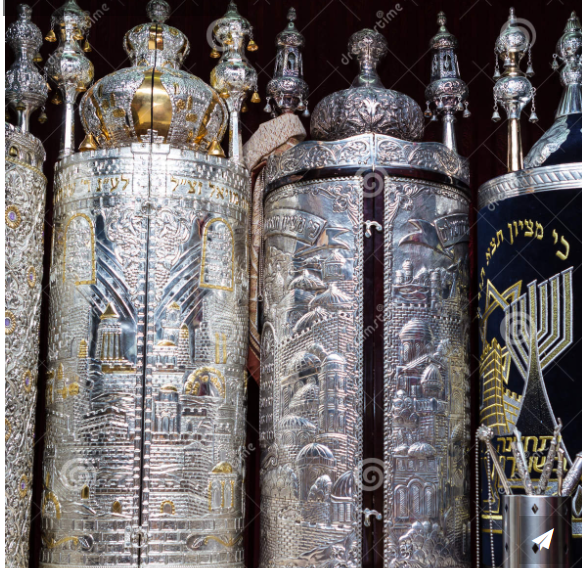

Why Do We Blow Many More than Nine Shofar Blasts?
Based on the above, one should only be required to hear three sets of Teki’ah, Teru’ah, Teki’ah on Rosh Hashanah. However, this is not what is practiced, as we shall now explain:
The Teki’ah described by the Torah refers to a flat, straight, continuous Shofar blast. Nevertheless, a doubt exists regarding what the Torah describes as a “Teru’ah” because many years have passed and the Jewish nation has been scattered in the diaspora as a result of several long exiles. Thus, we are unsure whether Teru’ah refers to a wailing sound that women make when crying, i.e. very short, continuous sounds blown one after another (what we refer to as “Teru’ah” nowadays) or a longer sighing sound one would make again and again when worried about something important (three times, what we would call “Shevarim” nowadays). It is likewise possible that the Torah-prescribed “Teru’ah” actually refers to a combination of both sounds, sighing and wailing.
Because of this is vested in doubt, we blow all of these. Thus, the proper order of blowing the Shofar is, as follows: After reciting the blessing, the Shofar-blower blows a Teki’ah, followed by a Shevarim, immediately followed by a Teru’ah, followed by a Teki’ah. This order is repeated three times. After a brief pause, the blower then blows a Teki’ah, followed by a Shevarim, followed by a Teki’ah. This order is likewise repeated three times. After another short pause, the blower resumes by blowing a Teki’ah, followed by a Teru’ah, followed by a Teki’ah. This order is likewise repeated three times. The final order of Shofar blasts necessary in order to remove all doubt is therefore thirty. (See Rosh Hashanah 34a, Rambam Hilchot Shofar, Chapter 3, Halachot 1-3, and Shulchan Aruch, Chapter 590, Sections 1-2.)
These Shofar blasts are obligatory according to the letter of the law. Besides for these, thirty more blasts are blown during the silent Mussaf Amida prayer, another thirty during the Chazzan’s repetition of Mussaf, and a final ten within the Kaddish following Mussaf.


*****

*****
![]()
*****
****

Sheyizke Laberit Bizmana Latorah Lachupa Ulemaasim Tovim
Pledge Reminder
There is a big segula to pay any outstanding debts before Rosh Hashana,
so we'd like to send a reminder that if you have made
a donation to the Bet Hakeneset
after receiving an Aliya in the last few weeks,
the donation can be fulfilled in any of the following ways:
· By post addressed to
'The Treasurer, Manchester Congregation of Spanish and Portuguese Jews,
18 Moor Lane, Salford, Manchester M7 3WX'.
· By hand to the treasurer or any member of the Mahamad.
·Anonymously in the donations box in the Synagogue.
·Direct Debit to the shul's account
for account details please speak to the treasurer
·Cheque
Cheques should be made payable to
'Manchester Congregation of Spanish & Portuguese Jews'.
Thank you & Tizke Lemitzvot
**********
ברוך דיין האמת

that we inform the Kahal
of the Petira – the passing of
Mr. Harvey Goldstein ע״ה
father of
Mrs. Dalia Warwick (jnr) שתח״י
מן השמים תנחמו
אריכות ימים
Moorlanenews
would like to use this opportunity
to send their heartfelt condolences
to
Mrs. Dalia Warwick שתח״י
and
wish her, her mother & brother
and Family Goldstein
מן השמים תנחמו
אריכות ימים

*****
ברוך דיין האמת

that we inform the Kahal
of the Petira – the passing of
Mr. Leon Newmark ע״ה
father of
Mrs. Louise Lewis שתח״י
מן השמים תנחמו
אריכות ימים
Moorlanenews
would like to use this opportunity
to send their heartfelt condolences
to
Mrs. Louise Lewis שתח״י
and all her family
מן השמים תנחמו
אריכות ימים

******
Machazorim


Do you have any Machazorim that belong to Moor Lane?
We are missing several Machazorim
and need them returned in time for the Yamim Noraim.
if you have any Machazorim
please return them as soon as possible
Thanking you in advance
The Gabbaim
*****
לוח זמני תפלה לקיץ תשפ״ד
Summer Timetable 5784 – 2024
מוצאי שבת | ערבית )מוצ”ש( | שקיעה | סוף זמן קראת שמע | זמן שבת | פלג מנחה (תה״ד) | פלג מנחה (לבוש) | מנחה וקבלת שבת | תאריך | שבת פרשת |
Shabbat Ends | Arbit | Sunset | Shema to be read before | Candles to be |
| Earliest Candle lighting | Minha & Kabbalat Shabbat* | Date | Parasha |
PM | PM | PM | AM | PM | PM | PM | PM |
|
|
7:41 | 7:37 | 6:50 | 10:02 | 6:39 | 6:11 | 5:41 | 6:40 | 27/28 Sep | נצבים־וילך |
For those not in the Bet Hakeneset, but wishing to bring in Shabbat with the Kahal, candles should be lit about 30 minutes after the time listed for Minha and Kabbalat Shabbat, unless the time listed in the ‘latest candle lighting’ column is earlier, when candles MUST be lit by that time, in all cases
שבת
קרבנות
9:00 am
הודו
9:15 am
מנחה
NEW TIME
6:00 pm

********
On the last day of his life, Moshe gathers together all the people, young and old, lowly and exalted, men and women in a final initiation. The covenant includes not only those who are present, but even those generations not yet born. Moshe admonishes the people again to be extremely vigilant against idol worship, because in spite of having witnessed the abominations of Egypt, there will always be the temptation to experiment with foreign philosophies as a pretext for immorality.
Moshe describes the desolation of the Land of Israel which will be a result of the failure to heed Hashem’s mitzvahs. Both their descendants and foreigners alike will remark on the singular desolation of the Land and its apparent inability to be sown or to produce crops. The conclusion will be apparent to all — the Jewish People have forsaken the One who protects them, in favor of idols which can do nothing. Moshe promises, however, that the people will eventually repent after both the blessings and the curses have been fulfilled. However assimilated they will have become among the nations, eventually G-d will bring them back to Eretz Yisrael.
Moshe tells the people to remember that the Torah is not a remote impossibility. Rather, its fulfillment is within the grasp of every Jew. The Torah portion dramatically concludes with Moshe's comparing the Jewish People's choice to follow the Torah to a choice between life and death. Moshe exhorts the people to choose life.
On this, the last day of his life, Moshe goes from tent to tent throughout the camp, bidding farewell to his beloved people, encouraging them to keep the faith. Moshe tells them that whether he is among them or not, Hashem is with them, and will vanquish their enemies. Then he summons Yehoshua, and in front of all the people, exhorts him to be strong and courageous as the leader of the Jewish People. In this manner, he strengthens Yehoshua's status as the new leader.
Moshe teaches them the mitzvah of Hakhel. E very seven years, on the first day of the intermediate days of Succot, the entire nation, including small children, is to gather together at the Temple to hear the King read from the Book of Devarim. The sections that he reads deal with faithfulness to G-d, the Covenant, and reward and punishment. G-d tells Moshe that his end is near, and he should therefore summon Yehoshua to stand with him in the Mishkan, where G-d will teach Yehoshua. G-d then tells Moshe and Yehoshua that after entering the Land, the people will be unfaithful to Him, and begin to worship other gods. G-d will then completely hide his face, so that it will seem that the Jewish People are at the mercy of fate, and that they will be hunted by all. G-d instructs Moshe and Yehoshua to write down a song — Ha'azinu — which will serve as a witness against the Jewish People when they sin. Moshe records the song in writing and teaches it to Bnei Yisrael. Moshe completes his transcription of the Torah, and instructs the Levi'im to place it to the side of the Aron (Holy Ark), so that no one will ever write a new Torah scroll that is different from the original — for there will always be a reference copy.
Ohr Somayach Institutions www.ohr.edu

עירוב תבשילין שיש לעשות בשנה זו (ראש השנה התשפ”ה), ודין מקלחת ביום
ראש השנה
בהלכה הקודמת ביארנו את דין הדלקת הנרות בימי ראש השנה, והזכרנו שביום טוב שחל בערב שבת, יש להניח “עירוב
תבשילין”, וכמו שנבאר.
עירוב תבשילין, מהו?
בשנה זו (התשפ”ה) יחול יום
טוב שני של ראש השנה ביום שישי הקרוב. ואסרו חכמים לבשל ביום טוב לצורך השבת אלא
על ידי “עירוב תבשילין”. וכיצד עושים עירוב תבשילין? יש להניח
“פת ותבשיל” מערב יום טוב, (כלומר, מיום רביעי), לצורך השבת
(כלומר, לצורך אכילתו בשבת), כדי שיהיה ניכר, שאינו מתחיל בבישול ובאפיה ביום טוב
לצורך השבת, אלא רק מסיים מלאכתו.
ביאור הדברים
וביאור הדברים, כי מפני כבוד יום
טוב, אסרו חכמים לבשל ביום טוב לצורך השבת, (שלא יראה כאילו היום טוב, הוא כיום
חול בפני השבת). אבל אם התחילו לבשל לכבוד שבת כבר מערב יום טוב (כלומר, לפני
שנכנס החג), וביום טוב עצמו רק מסיימים את המלאכה, אין בכך פגיעה בכבוד יום טוב.
ולכן מניחים תבשיל ופת מערב יום טוב לצורך השבת, כדי להראות שכבר התחילו עוד קודם
יום טוב בהכנת המאכלים לצורך השבת, וביום טוב עצמו אינם אלא כמסיימים את המלאכה).
ואם לא עשה עירוב תבשילין, אינו יכול לבשל ביום טוב לצורך השבת.
אופן הכנת העירוב
הפת והתבשיל שצריך להשאיר, יש בהם
כמה פרטי דינים. והנהוג הוא להניח פת,
דהיינו לחם, (במשקל של כ-30 גרם)
וביצה קשה. וכשלוקח את הפת והתבשיל בערב יום טוב (לפני כניסת החג) מברך: ברוך אתה ה' אלוקינו מלך העולם אשר קדשנו
במצוותיו וצונו על מצות עירוב.( ויברך בשם ומלכות, ואחר
כך יאמר: בדין עירובא, יהא שרי לנא לאפויי ולבישולי ולאדלוקי שרגא ולמעבד כל צרכנא
מיום טוב לשבת. (פירוש הדברים: בעירוב זה, יהיה מותר לנו לאפות ולבשל ולהדליק הנר
ולעשות כל צרכינו מיום טוב לשבת). ואחר כך שומר את הפת והתבשיל , ואוכלם (לכתחילה)
בליל שבת.
עירוב כללי
ברוב המקומות נוהגים רבני העיר
לעשות עירוב תבשילין, באופן מיוחד שמועיל לאותם ששכחו לעשות עירוב תבשילין, ולכן
אם שכח לעשות עירוב תבשילין והרב הנמצא במקומו עשה עירוב באופן כזה, יכול לסמוך על
עירובו של הרב, ומותר לבשל ביום טוב לצורך השבת, ומכל מקום לכתחילה חייב כל אדם
לעשות עירוב תבשילין בביתו.
לסיים את המלאכות מוקדם
אף על פי שעשה עירוב תבשילין,
לכתחילה יש לסיים את כל המלאכות שעושים ביום טוב לצורך השבת, בעוד היום גדול,
כלומר בשעה מוקדמת, ולא להמשיך במלאכות עד סמוך לכניסת השבת. ומכל מקום אם נתעכב
מחמת איזו סיבה, רשאי להמשיך לבשל ביום טוב עד סמוך לשקיעת החמה.
הדלקת הנרות בשנה זו
הדלקת נרות שבת ביום טוב השני של
ראש השנה, צריכה להיות כעשרים דקות קודם שקיעת החמה, מפני שלאחר מכן כבר מתקדש
היום בקדושת השבת, ואסורה הדלקת הנר.
ומותר להכין את נרות השבת ביום טוב
עצמו.
דין מקלחת ביום ראש השנה
לשאלת רבים, בענין מקלחת בימי ראש השנה הבאים עלינו לטובה, (שהם
יומיים הסמוכים ליום שבת קודש), כבר ביארנו את פרטי הדין בזה בהלכה מיוחדת. ובדבר השאלה המתעוררת מידי שנה בארצות הברית, לגבי דודי
מים הגדולים המצויים שם, שהם מלאים מים רותחים תמיד, ותחת הדוד דולקת אש קטנה,
שלפעמים (כשמתרבים המים הקרים, ואז על ידי הפעלת טרמוסטט)
האש מתגברת ומרתיחה שוב את המים. הנה דנו בזה כמה מגדולי דורינו. והרה”ג רבי
גבריאל אלבז שליט”א (עורך ההלכה יומית בשפה האנגלית), האריך בדין זה
בתשובה, והציגה בפני מורינו הראשון לציון הגאון רבי יצחק יוסף שליט”א, והלה
השיבו בתשובה מיום כ”א אלול התשע”ג, שהוא מצטרף להקל בזה, שמותר להתקלח
ממים היוצאים מדוד זה,
כאשר היו כבר מים רותחים בדוד עוד
לפני יום טוב, והביא כמה טעמים להקל בדבר, מפי סופרים וספרים.
In the previous Halacha, we have explained the laws of
candle-lighting on both days of Rosh Hashanah. We have mentioned that when Yom
Tov coincides with Erev Shabbat (Friday), one should place an Eruv
Tavshilin, as we shall now explain.
Ladies’ Seating Plan for the Yamim Noraim – High Holy Days
FOR PAYING MEMBERS ONLY
Dear Lady Members of our kehila,
Baruch Hashem, like in other years, we are willing to reserve a seat for lady members of our community.
We will attempt, to the best of our ability, to allocate the seats according to where ladies sit throughout the year, but we cannot guarantee how the seats will be allocated. We will also consider accommodating places for unmarried girls over Bat Mitzva to sit next to or close to their mothers.
Please tick for which day(s):
1) Only Rosh Hashana 1st Day _______
2) Only Rosh Hashana 2nd day _______
3) ONLY Yom Kippur _______
4) BOTH (Boths days of Rosh Hashana and Yom Kippur) _______
Please let us know below who the seat is for:
1) Name _______________________________
2) Name _______________________________
3) Name _______________________________
4) Name _______________________________
Please note, we will gladly reserve and allocate you a seat, however, if for example, you are allocated a seat for Yom Kippur but can only come for Ne’ilah please understand that your seat cannot be kept vacant all day, when others could use the seat until you arrive.
Therefore, we endeavour to do the following:
· A clear sign will be posted asking ladies to respect the allocated seating plan by not sitting in someone’s allocated place and to vacate the seat as soon as the lady comes.
· If someone is sitting in your allocated seat when you arrive, you have the right to politely ask that person to move.
· We request that you ask the lady to move in the most polite, discreet and nicest way possible so as not to cause embarrassment, offence or any discomfort whatsoever.
All requests should be sent by email to
THIS EMAIL
no later than
Sunday 29th September 9 pm
If your wife or any other lady you know
does not receive the
moorlenenews email
please forward this email to her.
Please fill in
Name:
Please tick for which day(s):
1) Only Rosh Hashana 1st Day _______
2) Only Rosh Hashana 2nd day _______
3) ONLY Yom Kippur _______
4) BOTH (Rosh Hashana and Yom Kippur) _______
Please let us know below who the seat is for:
1) Name _______________________________
2) Name _______________________________
3) Name _______________________________
4) Name________________________________
Thanking you in advance.
Tizku leshanim rabot
The Gabbaim
PS – Whilst there is no charge for allocating you a seat, any donations made will be gratefully appreciated.
FOR NON-MEMBERS
If you would like us to reserve you a place or Rosh Hashana & Yom Kippur, then there will be a charge of £25 per seat per day for non-members or alternatively, become a country member as a family – this is £220 (Full membership is £360 pa) for the year and this gets you seats for Rosh Hashana & Yom Kippur, and discounted hall fees throughout the year.
We will NEVER turn anyone away if you have any financial issues, so please speak to a member of the mahamad and arrangements can be made.
Tizku leshanim rabot
The Gabbaim


******

*****
Machazorim


Do you have any Machazorim that belong to Moor Lane?
We are missing several Machazorim
and need them returned in time for the Yamim Noraim.
if you have any Machazorim
please return them as soon as possible
Thanking you in advance
The Gabbaim
********
Pledge Reminder
There is a big segula to pay any outstanding debts before Rosh Hashana,
so we'd like to send a reminder that if you have made
a donation to the Bet Hakeneset
after receiving an Aliya in the last few weeks,
the donation can be fulfilled in any of the following ways:
· By post addressed to
'The Treasurer, Manchester Congregation of Spanish and Portuguese Jews,
18 Moor Lane, Salford, Manchester M7 3WX'.
· By hand to the treasurer or any member of the Mahamad.
·Anonymously in the donations box in the Synagogue.
·Direct Debit to the shul's account
for account details please speak to the treasurer
·Cheque
Cheques should be made payable to
'Manchester Congregation of Spanish & Portuguese Jews'.
Thank you & Tizke Lemitzvot
*******
לוח זמני תפלה לקיץ תשפ״ד
Summer Timetable 5784 – 2024
מוצאי שבת | ערבית )מוצ”ש( | שקיעה | סוף זמן קראת שמע | זמן שבת | פלג מנחה (תה״ד) | פלג מנחה (לבוש) | מנחה וקבלת שבת | תאריך | שבת פרשת |
Shabbat Ends | Arbit | Sunset | Shema to be read before | Candles to be |
| Earliest Candle lighting | Minha & Kabbalat Shabbat* | Date | Parasha |
PM | PM | PM | AM | PM | PM | PM | PM |
|
|
7:58 | 7:54 | 7:08 | 9:57 | 6:56 | 6:25 | 5:55 | 6:40 | 20/21 Sep | כי תבא |
For those not in the Bet Hakeneset, but wishing to bring in Shabbat with the Kahal, candles should be lit about 30 minutes after the time listed for Minha and Kabbalat Shabbat, unless the time listed in the ‘latest candle lighting’ column is earlier, when candles MUST be lit by that time, in all cases
שבת
קרבנות
9:00 am
הודו
9:15 am
מנחה
NEW TIME
6:00 pm
*************
When the Jewish People dwell in the Land of Israel, its first fruits are to be taken to the Temple and given to the kohen. This is done in a ceremony that expresses recognition that it is G-d who guides the history of the Jewish People throughout all ages. This passage forms one of the central parts of the Pesach Haggadah that we read at the Seder.
On the last day of Pesach of the fourth and seventh years of the seven-year shemitta cycle, a person must recite a disclosure stating that he has indeed distributed the tithes to the appropriate people in the prescribed manner. With this mitzvah Moshe concludes the commandments that Hashem has told him to give to the Jewish People. Moshe exhorts them to walk in Hashem’s ways because they are set aside as a treasured people to Him.
When the Jewish People cross the Jordan River they are to make a new commitment to the Torah. Huge stones are to be erected and the Torah is to be written on them in the world's seventy primary languages, after which they are to be covered over with a thin layer of plaster. Half the tribes are to stand on Mount Gerizim, and half on Mount Eval, and the levi'im will stand in a valley between the two mountains. The levi'im will recite twelve commandments, and all the people will answer “amen” to the blessings and the curses. Moshe then details the blessings that will be bestowed upon the Jewish People, blessings that are both physical and spiritual. However, if the Jewish People do not keep the Torah, Moshe details a chilling picture of destruction, resulting in exile and wandering among the nations.
Ohr Somayach Institutions www.ohr.edu

שאלה: לפני כמה ימים מסרתי את התפילין שלי לבדיקה, ולחרדתי גילה הבודק שבתפילין של ראש היתה חסרה מילה אחת, שהוא פסול ברור, וכמובן החליף מיד את הפרשיות כהלכה, אך לבי מר לי על העבר, מהו התיקון שעלי לעשות לכפר על עווני?
תשובה: בשאלה זו נשאל מרן רבינו עובדיה יוסף זצ”ל (בספרו עמוד כו), והשיב, שעלינו לדון כאן בשני ענינים נפרדים.
האחד, מצד מה שהשואל לא הניח תפילין של ראש במשך כמה שנים, והענין השני, מצד מה, שהיה מברך בכל יום ברכה לבטלה על התפילין. כי האדם ששאל על כך את מרן זצ”ל, היה אשכנזי, והאשכנזים נוהגים לברך על תפילין של ראש ברכה נפרדת, נמצא, שאם התפילין פסולות, בודאי שאין לברך על הנחתן, ואם בירך, הרי היא ברכה לבטלה, שהוא איסור מן התורה לדעת הרמב”ם כמו שביארנו כבר.
והנה ראשית כל נבאר, שזה החוטא העומד לפנינו, דינו הוא כדין “שוגג”, כלומר, ישנם שלש מדרגות בכל מעשה, ישנו “מזיד”, שהוא העושה איזה מעשה בכוונה תחילה, כגון מי שנוסע בשבת, ויודע שאסור ליסוע בשבת. וישנו “שוגג”, שהוא העושה מעשה בלא כוונה, כגון מי שנסע בשבת ולא ידע שאותו היום הוא שבת וכיוצא בזה. ויש “אנוס”, והוא מי שעושה מעשה מחמת אונס, כגון מי שלקחו אותו אנשים אחרים והכריחו אותו ליסוע בשבת בעל כורחו. והנה ה”אנוס”, הוא פטור לגמרי, שאינו אחראי למעשיו. וה”מזיד”, הוא אחראי במלוא כובד האחריות על מעשיו. אולם השוגג, אין דינו חמור כדין המזיד, שהרי לא התכון למה שעשה, ומאידך גיסא, אינו יכול לפטור עצמו לחלוטין מן הדין כמו מי שהיה אנוס, שהרי אילו היה נזהר, לא היה נופל באותו מכשול שנפל בו.
ועתה לגבי השאלה, הנה מצד מה שלא הניח תפילין, נראה שאינו צריך לעשות תיקון מיוחד, הואיל ועל ביטול מצות עשה (הנחת תפילין היא מצות עשה, ואם אינו מניחן, נחשב למבטל מצות עשה) אמרו במסכת יומא (דף פו.) “עבר על מצות עשה ושב בתשובה, לא זז משם עד שנמחל לו”. וכן פסק הרמב”ם. והואיל והשואל שלפנינו מצטער על חטאו, ומודה בו, ומקבל על עצמו להזהר להבא שלא להכשל, הרי שנתכפר חטאו.
ולא נותר לדון אלא מצד העון של הברכות לבטלה שהיה מברך בכל יום על תפילין פסולות. והנה אם נאמר שדינו הוא ממש כדין מי שעבר על מצות לא תעשה, שהרי נשא שם שמים לשוא ועבר על “לא תשא את שם ה' אלהיך לשוא”, הרי דינו הוא כמבואר במסכת יומא (פו.) שהתשובה אינה מכפרת לגמרי, ורק על ידי יום הכפורים יתכפר חטאו. ולכן עליו להתאמץ יותר בתפלותיו שיקבל ה' את תשובתו בזכות היום הקדוש.
אולם מרן רבינו עובדיה יוסף זצ”ל, כתב בזה, שבהיות ולדעת הרבה ראשונים, איסור ברכה לבטלה אינו מן התורה, אלא מדרבנן, בלאו הכי יש לומר שאינו זקוק לתיקון מיוחד על חטאו, ודי לו בתשובה רגילה בלבד. (אף שלמעשה אנו נזהרים בדין ברכה לבטלה כדעת הרמב”ם, שהוא איסור מן התורה). ועוד הוסיף, שמכיון שעבר על הזכרת שם השם בשוגג, יש אומרים שאפילו במצות לא תעשה, אם עבר עליה בשוגג אינו זקוק לכפרה מיוחדת, ורק במזיד צריך רחמים מרובים שביום הכפורים יכופר חטאו.
ולכן פסק שדי לאותו אברך שבא לפניו בשאלה, שיחזור בתשובה, וה' הטוב יכפר בעדו.
ומכאן נלמד כמה יש להזהר באיסורי ברכות לבטלה באופן הבא ברשלנות, שהרי זה כמו מי שמזכיר שם השם במזיד, ותשובתו קשה. ויש להתחזק בענין זה, לשים לב על כל ברכה וברכה לפני הוצאתה מן הפה, וה' הטוב יראה בענינו ויקבל ברחמים וברצון את תפלתינו.
Question: If one has one’s Tefillin checked and the inspection reveals that unfortunately, a word was missing from the head Tefillin (which constitutes an absolute invalidation of the Tefillin) and after obviously switching Tefillin immediately, the individual’s heart is still bitter about the past and he would like to know: What rectification process can he perform to atone for this sin?
Answer: Maran Rabbeinu Ovadia Yosef zt”l was asked this question in his work (Chazon Ovadia-Yamim Nora’im, page 26) and writes that there are two issues which must be addressed: Firstly, is the fact that this person did not don the head Tefillin for several years. Secondly is the fact that he would recite a daily blessing in vain on the Tefillin (for the inquiring individual was Ashkenazi and Ashkenazim customarily recite a separate blessing before donning the head Tefillin), for one may not recite a blessing on invalid Tefillin and one who does so recites a blessing in vain, which is a Torah prohibition according to the Rambam.
We must first establish that the person asking this question is halachically classified as “unintentional,” i.e. there are three categories regarding any action: “Intentional,” one who performs a premeditated action, for instance, one who drives a car on Shabbat and knows that it is forbidden to do so, “unintentional,” one who performs an action unintentionally, for instance, one who drives a car on Shabbat and does not know that that day is Shabbat and the like, and “forced,” one who performs an action by force, for instance, one who drives a car on Shabbat while being forced to do so by others. Regarding one who is forced, such an individual is completely exempt, for he is not held responsible for his actions. One who performs an action intentionally bears complete responsibility for his actions. However, one who performs an action unintentionally cannot be considered as severe as one who did so intentionally, for he did not intend to do what he did. On the other hand, he cannot exempt himself completely as if he was forced, for if he would have been more careful, he would not have transgressed what he did.
Returning to our question, regarding the fact that the inquirer has not donned Tefillin, he seemingly would not have to undergo any special rectification process, for regarding transgressing a positive commandment (donning Tefillin is a positive Torah commandment and failing to don them constitutes a negation of a positive commandment), the Gemara (Yoma 86a) tells us, “If one transgresses a positive commandment and repents, he is immediately forgiven.” The Rambam rules likewise. Since this inquirer feels remorse for his sin, admits it, and accepts upon himself to take care not to transgress it again in the future, his sin is atoned for.
The only thing left to address is all the blessings in vain he would recite every day upon donning these invalid Tefillin. If we were to consider it as though he has transgressed an actual negative Torah prohibition, for he has uttered the name of Hashem in vain and transgressed the verse, “Do not bear the name of Hashem, your G-d, in vain,” the Gemara (Yoma 86a) tells us that repentance does not atone for such things completely; rather, only through Yom Kippur can his sin be completely forgiven. Thus, he must pray fervently that Hashem accept his repentance in the merit of the holiest of days.
Nevertheless, Maran zt”l writes that since according to many Rishonim the prohibition of reciting a blessing in vain is not a Torah prohibition, rather, it is only Rabbinic in nature, in any case there is no special requirement for his rectification process and a regular repentance will suffice (although in practice we are careful regarding blessings in vain in accordance with the view of the Rambam who writes that it is indeed a Torah prohibition). Maran zt”l adds that since he has transgressed uttering Hashem’s name in vain unintentionally, there are those that say that even if one transgresses a negative Torah commandment unintentionally that he needs no special atonement and only when performing such a sin intentionally will one need great mercy to be forgiven through Yom Kippur.
Thus, Maran zt”l ruled that a regular repentance was sufficient for this young Torah scholar and Hashem would forgive him for his iniquity.
We see clearly how much one should be careful not to recite blessings in vain in a negligent manner, for this is considered uttering Hashem’s name in vain intentionally and repentance for this is difficult. One should strengthen his observance of this matter by paying close attention before reciting any blessing out of one’s mouth. May Hashem see our suffering and accept our prayers mercifully and willingly.


******

*****
Machazorim


Do you have any Machazorim that belong to Moor Lane?
We are missing several Machazorim
and need them returned in time for the Yamim Noraim.
if you have any Machazorim
please return them as soon as possible
Thanking you in advance
The Gabaim
****

𝐑𝐞𝐠𝐢𝐬𝐭𝐞𝐫 𝐍𝐎𝐖 (𝐥𝐢𝐧𝐤 ⬇️) & 𝐒𝐀𝐕𝐄 𝐓𝐇𝐄 𝐃𝐀𝐓𝐄 – 𝐎𝐂𝐓 𝟔 (if you have already done so pls share with family/friends)
As Hamas continues to refuse to release the hostages & Israel remains under constant attack by Hezbollah 𝐌𝐚𝐧𝐜𝐡𝐞𝐬𝐭𝐞𝐫 𝐌𝐔𝐒𝐓 𝐬𝐭𝐚𝐧𝐝 𝐭𝐨𝐠𝐞𝐭𝐡𝐞𝐫 𝐚𝐬 𝐚 𝐜𝐨𝐦𝐦𝐮𝐧𝐢𝐭𝐲 𝐩𝐮𝐛𝐥𝐢𝐜𝐥𝐲 & 𝐩𝐫𝐨𝐮𝐝𝐥𝐲!
🇮🇱 On Sunday, October 6, 2024, we are calling on the Jewish community of Manchester and the North West, together with our dear non-Jewish friends and supporters, to gather together to march through – and rally in – Manchester city centre to show our loud and proud support for the State of Israel and the IDF, to call for the release of all the hostages immediately, to remember and mourn the thousands of people brutally murdered on October 7 and to say loudly – NEVER AGAIN IS NOW.
🇮🇱 Zionists are being blamed for everything in the UK & Israel is under attack from all sides
⬇️REGISTER NOW & SHARE WITH FAMILY/FRIENDS!⬇️
Please register for more information on location, speakers and other event details here – https://www.eventbrite.co.uk/e/manchester-stands-with-israel-march-and-rally-tickets-972071611357
******
Parasha Questions attached

*****
לוח זמני תפלה לקיץ תשפ״ד
Summer Timetable 5784 – 2024
מוצאי שבת | ערבית )מוצ”ש( | שקיעה | סוף זמן קראת שמע | זמן שבת | פלג מנחה (תה״ד) | פלג מנחה (לבוש) | מנחה וקבלת שבת | תאריך | שבת פרשת |
Shabbat Ends | Arbit | Sunset | Shema to be read before | Candles to be |
| Earliest Candle lighting | Minha & Kabbalat Shabbat* | Date | Parasha |
PM | PM | PM | AM | PM | PM | PM | PM |
|
|
8:16 | 8:12 | 7:25 | 9:52 | 7:13 | 6:39 | 6:09 | 6:40 | 13/14 Sep | כי תצא |
For those not in the Bet Hakeneset, but wishing to bring in Shabbat with the Kahal, candles should be lit about 30 minutes after the time listed for Minha and Kabbalat Shabbat, unless the time listed in the ‘latest candle lighting’ column is earlier, when candles MUST be lit by that time, in all cases
שבת
קרבנות
9:00 am
הודו
9:15 am
מנחה
6:30 pm
6:40 pm

*************
The Torah describes the only permissible way a woman captured in battle may be married. If a man marries two wives, and the less-favored wife bears a firstborn son, this son's right to inherit a double portion is protected against the father's desire to favor the child of the favored wife. The penalty for a rebellious son, who will inevitably degenerate into a monstrous criminal, is stoning. A body must not be left on the gallows overnight, because it had housed a holy soul. Lost property must be returned. Men are forbidden from wearing women's clothing and vice versa. A mother bird may not be taken together with her eggs. A fence must be built around the roof of a house. It is forbidden to plant a mixture of seeds, to plow with an ox and a donkey together, or to combine wool and linen in a garment. A four-cornered garment must have twisted threads tzitzit on its corners. Laws regarding illicit relationships are detailed. When Israel goes to war, the camp must be governed by rules of spiritual purity. An escaped slave must not be returned to his master.
Taking interest for lending to a Jew is forbidden. The Jewish People are not to make vows. A worker may eat of the fruit he is harvesting. Divorce and marriage are legislated. For the first year of marriage, a husband is exempt from the army and stays home to rejoice with his wife. Tools of labor may not be impounded, as this prevents the debtor from earning a living. The penalty for kidnapping for profit is death. Removal of the signs of the disease tzara'at is forbidden. Even for an overdue loan, the creditor must return the collateral daily if the debtor needs it. Workers' pay must not be delayed. The guilty may not be subjugated by punishing an innocent relative. Because of their vulnerability, converts and orphans have special rights of protection. The poor are to have a portion of the harvest. A court may impose lashes. An ox must not be muzzled while threshing. It is a mitzvah for a man to marry his brother's widow if the deceased left no offspring. Weights and measures must be accurate and used honestly. The Torah portion concludes with the mitzvah to erase the name of Amalek, for, in spite of knowing about the Exodus, they ambushed the Jewish People.
Ohr Somayach Institutions www.ohr.edu

חודש אלול הוא חודש הרחמים והסליחות, ועל כן חובה קדושה על כל אדם מישראל, איש ואשה, לפשפש במעשיו כפי כוחו בימים אלו, ולשוב בתשובה לפני ה'. וכאשר נבוא לדין לפני ה' יתברך ביום ראש השנה, יתמלא עלינו ברחמיו, ויחדש עלינו שנה טובה. ולא ראוי לאדם בן דעת, לאחר את התשובה ולדחותה, וכמו שכתב בספר מסילת ישרים, כי לא ימצא איחור התשובה אלא בעמי הארץ. וכתב מרן רבינו עובדיה יוסף זצ”ל בשם רבינו האר”י ז”ל, שראוי לכוין היטב בימים אלו בברכת השיבינו שבתפילת שמונה עשרה, ולהתפלל על אלה שנטו מתורת ה', וביחוד אם הם קרוביו, כי ימים אלו הם עת רצון ומסוגלים לכך, כי ימינו של ה' יתברך פשוטה לקבל שבים.
וכן היו נוהגים בזמן שבית המקדש היה קיים, והיו החוטאים מביאים קרבן חטאת או אשם לכפר על חטאתם, היו מתודין על חטאתם. שכל מי שאינו עושה תשובה, לא מתכפרין לו עוונותיו אפילו יקריב אלף קרבנות לשם ה'. והוידוי הוא מעיקרי (מתנאי) התשובה, נמצא מי שלא התודה על עוונו, לא קיים מצוות התשובה.
ובזמנינו שחרב בית המקדש, ואין לנו מזבח להקריב עליו קרבנות, אין לנו אלא תשובה בלבד, וכל מי שעשה תשובה שלימה, אין מזכירין לו (ביום שיתן דין וחשבון על מעשיו) שום דבר מעוונותיו.
נמצינו למדים שיש שלשה עיקרים במצות התשובה, שיתודה השב על חטאו בפיו. ושיקבל על עצמו שלא לחזור על חטאיו עוד. ושיתחרט על חטאו בלבו. וכל העושה כן, קיים מצות התשובה, והרי הוא אהוב לפני בוראו, ועליו אמר רבי עקיבא (ביומא פה:), אשריכם ישראל, לפני מי אתם מטהרין ומי מטהר אתכם?, אביכם שבשמים, שנאמר “מקוה ישראל ה'”, מה מקוה מטהר את הטמאים, אף הקדוש ברוך הוא מטהר את ישראל.
The Mitzvah of Confession
The Rambam writes (in the beginning of his Hilchot Teshuva) that if one transgresses any of the Torah’s commandments either knowingly or unknowingly, when one repents, one must confess one’s sin before Hashem, as the verse states, “If a man or woman shall perform any sin etc., they shall confess the sin which they have committed” which refers to actually confessing one’s sin verbally. This confession is actually a positive Torah commandment. How should one confess? One must say, “Please Hashem, I have sinned, transgressed, and have committed iniquities before you and I now regret and am ashamed of my actions and I shall never again do this (meaning that one must accept upon himself never to commit this sin again).” This is the primary aspect of the confession. The more one confesses and speaks lengthily in this manner, the more praiseworthy one is.
This was indeed the practice when the Bet Hamikdash stood when a sinner would bring a “Chatat” or “Asham” offering to atone for his sin, he would confess his sin upon the offering, for if one does not repent for one’s sin, one will not achieve atonement even if one brings one-thousand offerings to Hashem. Confession is an integral part of the Teshuva process and one who has not confessed his sin has not fulfilled the Mitzvah of Teshuva.
Nowadays when the Bet Hamikdash unfortunately lies in ruins and we have no Mizbe’ach (altar) to offer our sacrifices on, all we have left is Teshuva. Indeed, one who repents fully shall not be reminded at all of one’s sins on the Day of Reckoning.
Commitment for the Future
Another provision of the Mitzvah of Teshuva is that the repentant individual must accept upon himself never to return to his sin again, for instance, if one transgresses a negative Torah commandment, such as Shabbat desecration or if one ate foods requiring checking for worms without checking or if a woman was lax about the modesty of her clothing and the like, one must whole-heartedly accept upon one’s self never to repeat the sin. Similarly, if one has transgressed a positive Torah commandment, such as one who has not recited Kiddush on Shabbat or if one did not adequately honor one’s parents and the like, one must accept upon one’s to perform these Mitzvot properly from now on. However, if one says, “I shall sin and I shall repent, I shall sin again and repent again,” he will never be afforded the opportunity to repent.
Remorse
One must likewise feel remorse for the sins one has committed by realizing the wickedness of one’s actions and how much one has angered his Creator Who bestows so much good upon him. However, if one does not regret one’s deeds, even if one forsakes the sin completely and never performs it again and even if one has confessed one’s sin, one has not fulfilled the Mitzvah of Teshuva and one will remain unforgiven for his sin.
Based on the above, there are three primary aspects of Teshuva: Verbally confessing one’s sin, accepting upon oneself never again to commit these sins, and truly feeling remorse for the sin in one’s heart. If one does all of these things, one has fulfilled the Mitzvah of Teshuva and is beloved by his Creator. About such a person did Rabbi Akiva exclaim: “Fortunate are you, Israel! Before Whom are you becoming purified and Who is purifying you? Your Father in Heaven! As the verse states, ‘The Mikveh (hope) of Israel is Hashem’- just as a Mikveh purifies the impure, so does Hashem purify the Jewish nation.”


******

*****


*****
6:40 pm

******
לוח זמני תפלה לקיץ תשפ״ד
Summer Timetable 5784 – 2024
מוצאי שבת | ערבית )מוצ”ש( | שקיעה | סוף זמן קראת שמע | זמן שבת | פלג מנחה (תה״ד) | פלג מנחה (לבוש) | מנחה וקבלת שבת | תאריך | שבת פרשת |
Shabbat Ends | Arbit | Sunset | Shema to be read before | Candles to be |
| Earliest Candle lighting | Minha & Kabbalat Shabbat* | Date | Parasha |
PM | PM | PM | AM | PM | PM | PM | PM |
|
|
8:34 | 8:30 | 7:42 | 9:47 | 7:30 | 6:54 | 6:23 | 6:40 | 6/7 Sep | שופטים |
For those not in the Bet Hakeneset, but wishing to bring in Shabbat with the Kahal, candles should be lit about 30 minutes after the time listed for Minha and Kabbalat Shabbat, unless the time listed in the ‘latest candle lighting’ column is earlier, when candles MUST be lit by that time, in all cases
שבת
קרבנות
9:00 am
הודו
9:15 am
מנחה
6:30 pm
*************
Moshe tells Bnei Yisrael to appoint judges and officers in their cities. A bribe of even an insignificant sum is forbidden. Trees are not to be planted near Hashem's altar, as was the way of idolaters. Blemishes in animals designated for offerings and other points of disqualification are listed. The Great Sanhedrin is to make binding decisions on new situations, according to Torah criteria, to prevent the fragmentation of the Torah. A very learned scholar who refuses to accept the halachic decisions of the Sanhedrin incurs the death penalty. A Jewish king may have possessions and symbols of power only as commensurate with the honor of his office, but not for self-aggrandizement. He is to write for himself two Sifrei Torah — one to be kept with him wherever he goes, so that he doesn't become haughty. Neither the Kohanim nor the Levi'im are to inherit land in the Land of Israel. Rather, they are to be supported by the community, by a system of tithes.
All divination is prohibited. Hashem promises the Jewish People that He will send them prophets to guide them, and Moshe explains how a true prophet may be distinguished from a false one. Cities of refuge are to be provided an accidental killer to escape the blood-avenger from the deceased's family. However, someone who kills with malice is to be handed over to the blood-avenger. Moshe cautions Bnei Yisrael not to move boundary markers to increase their property. Two witnesses who conspire to frame a third party are to be punished with the very same punishment that they conspired to bring upon the innocent party.
A kohen is to be anointed specifically for when Israel goes to war, to instill the nation’s trust in Hashem. Among those disqualified from going to war is anyone who has built a new house but not lived in it yet, or anyone who is fearful or fainthearted. An enemy must be given the chance to make peace, but if they refuse, all the males are to be killed. Fruit trees are to be preserved and not cut down during the siege. If a corpse is found between cities, the elders of the nearest city must take a heifer, slaughter it, and wash their hands over it, saying that they are not guilty of the death.
Ohr Somayach Institutions www.ohr.edu

חודש הרחמים והסליחות
וידוע שבימים אלה אנו קרובים יותר לה' יתברך,
והוא ממהר לשמוע תפילות. כמו שדרשו “אני לדודי ודודי לי”, ראשי תיבות
אלול. וכן בפסוק “ובא לציון גואל ולשבי פשע ביעקב”,
רמוז חודש “אלול”. וכתב רבינו יונה בספר היראה בזו הלשון,
“משנכנס אלול עד מוצאי יום הכפורים יהיה ירא וחרד מאימת יום הדין”.
ובזכות התשובה בימים אלה, אנו עתידים להגאל, כמו שנרמז בפסוקים שאמר דוד המלך,
“לדוד ה' אורי וישעי”, אורי, בראש השנה, וישעי, ביום
הכפורים. ומסיים דוד המלך,
“לולא האמנתי לראות בטוב
ה'”, ופירשו רבותינו (בברכות ד.), שהיה דוד המלך מתיירא (מפחד) שמא יגרום
החטא ולא תבא הישועה, ולכן יש ניקוד (נקודות) מעל המילה “לולא” האמנתי
לראות בטוב ה', שרצונו לרמוז בזה על חודש “אלול”
(אותיות לולא), שבזכות תשובתינו בימים אלה נוושע ביום הדין.
וכתב הגאון רבי דוד עמר ז”ל, בספר תפלה
לדוד (סי' ריב), שבחודש אלול ובעשרת ימי תשובה, נכון מאד לכוין
בברכת “השיבנו אבינו לתורתך” שבתפלת שמונה עשרה, ולהזכיר כמה משמותיהם
של אלה שנטו מדרכי ה' ותורתו, ויצאו לתרבות רעה, וביחוד אם הם קרוביו. והביא כל זה
מרן רבינו הגדול זצ”ל הכ”מ בספרו חזון עובדיה (עמוד כה). וכמו כן
בודאי שראוי לאדם להתפלל גם על עצמו, שיזכה לשוב בתשובה, ולעלות מעלה מעלה
בתורה וביראת ה'. וגם כל בקשותיו האחרות, יהיו לשם שמים, שאם תהיה לו
פרנסה טובה ובריאות טובה, יוכל להתחזק עוד ועוד בעבודת ה'.
ובאמת שאם נתבונן, הלא נראה כל איש ואשה, כמה
אנו מאריכים בתפלה על קרובינו שחלילה אינם בקו הבריאות, או מעוכבי זיווג וכדומה.
והלא הדברים קל וחומר, כי הכאב על מי שאינו הולך בדרך ה' הוא גדול פי כמה וכמה,
שמאבד עצמו מחיי העולם הבא, ואינו מזכה את עצמו בזכויות רבות לחיי עולם הנצח, אשר
כל קורות האדם בזה העולם הם כאין וכאפס לעומת חיי העולם הבא.
וזכור לנו, שאחר פטירת
רעייתו של מרן רבינו זצ”ל, היה מרבה בתפלות ובלימוד תורה לעלוי נשמתה, והיה
מזכיר מה שכתבו המקובלים, שיראה אדם את קרובו הנפטר כאילו הוא עומד ומתחנן לפניו
שיצילו מאש אוכלה. כי צורך האדם בעולם הבא לזכויות ומעשים טובים בכדי לזכות בחיי
העולם הבא, הוא גדול לאין שיעור מכל צרכיו בזה העולם השפל והחולף.
והגאון רבי דוד עמר הנזכר, הביא בספרו את הנוסח
הנכון למי שרוצה להוסיף שמות קרובים בברכת “השיבינו”, שיאמר בתוך הברכה,
אחרי אמירת “השיבנו אבינו לתורתך וקרבנו מלכינו לעבודתך והחזירינו בתשובה
שלימה לפניך”: יהי רצון מלפניך ה'
אלהינו ואלהי אבותינו, שתחתור
חתירה מתחת כסא כבודך להחזיר בתשובה שלימה כל פושעי ישראל, ובכללם תחזיר בתשובה
שלימה את (יאמר את שם הקרוב ואת שם אמו,
כגון דוד בן אסתר), כי ימינך פשוטה
לקבל שבים, ברוך אתה ה' הרוצה בתשובה.
(ונכון שבסיום הברכה כשמזכיר את שם ה', יכוין שניקוד שם
ה' בכתיבתו בברכה זו, הוא בסגול, כפי שמודפס בסידורים המדויקים).
ויהי רצון שהשם יתברך יחזיר את כל פושעי ישראל
בתשובה שלימה וידעו תועי רוח בינה, ומלאה הארץ דעה את ה' כמים לים מכסים
It is well-known that during these
days we are closer to Hashem and he hears our prayers more quickly than usual,
as our Sages have expounded the verse, “Ani Le’Dodi
Ve’Dodi Li” (“I am to
my beloved and my beloved is to me”) which is an acronym for the word “Elul.”
Similarly, the month of Elul is also hinted in the verse, “Uva Le’Zion Go’El
Ul’shaveh Fesha Be’Yaakov.” Furthermore,
Rabbeinu Yonah writes in his Sefer Ha’Yir’ah: “From the beginning of Elul until
the conclusion of Yom Kippur, one should be filled with fear and trepidation
over the Day of Judgment.” In the merit of the repentance during these days, we
shall one day be redeemed, as is hinted in the verses composed by King David,
“A Psalm by David, Hashem is my light and salvation”: “My light” on Rosh
Hashanah “and salvation” on Yom Kippur. King David ends this Psalm by saying,
“Were it not that I believe that I should see the goodness of Hashem,” and our
Sages explain (Berachot 4b) that King David feared that sins might impede the
salvation and thus, the word “Luleh” (“Were it not,” also the
same Hebrew letters as “Elul”) is dotted in the scripture in order to allude to
the fact that in the merit of our repentance during the month of Elul, we shall
be saved on the Day of Judgment.
Hagaon Harav David Amar zt”l
writes in his Sefer Tefillah Le’David (Chapter 212) that during the month of
Elul and the Ten Days of Repentance (the ten days between Rosh Hashanah and Yom
Kippur), it is especially worthy to recite the blessing of “Hashivenu Avinu
Le’Toratecha” (fifth blessing of the Amidah prayer which deals with
repentance) with proper concentration and to mention the names of some
individuals who have strayed from the proper path of Hashem and His Torah,
especially if they are one’s relatives. Maran Rabbeinu Ovadia Yosef zt”l
quotes this in his Chazon Ovadia-Yamim Nora’im (page 25). One should certainly
pray that one merit repenting fully on his own and continue to ascend higher
and higher in spirituality.
Indeed, if we stop and think for a
moment, do we not all pray lengthily for our relatives who, G-d-forbid, are not
in the best of health or have yet to find their marriage partners and the like?
Certainly the pain one feels for an individual who does not follow the path of
Hashem is much greater, for such an individual loses his share in the World to
Come and misses out on countless merits in the Eternal World; anything a person
can experience in this world pales greatly in comparison to life in the World to
Come.
We remember that when Maran zt”l’s
wife passed away, he would learn and pray a substantial amount in order to
elevate her soul. He would mention what the Mekubalim say that one should
imagine his deceased relative as though he is standing before him and begging
him to save him from a raging inferno. One’s need for merits and good deeds in
order to merit entry in the World to Come is infinitely greater than any
physical need one may have in this lowly, fleeting world.
The aforementioned Hagaon Harav
David Amar quotes in his work the correct text for one who wishes to insert
names of relatives in the blessing of “Hashivenu.” After reciting “Hashivenu
Avinu Le’Toratecha Ve’Karevenu Malkeinu La’Avodatecha Ve’Hachazirenu Bitshuva
Shelema Lefanecha,” one inserts: “May it be Your will, Hashem our G-d and
the G-d of our fathers, that You dig a tunnel under Your Holy Throne to accept
the repentance of all of the sinners of Israel, and similarly may You cause
so-and-so (insert name) son/daughter of so-and-so (insert mother’s name) to
repent fully, for Your right hand is outstretched to accept those who are
repentant,” then conclude the blessing, “Baruch Ata Hashem Ha’Rotzeh
Bitshuva.” Here is the actual Hebrew text one should recite in the Amida:
יהי רצון מלפניך ה' אלקינו ואלקי אבותינו שתחתור
חתירה מתחת כסא כבודך להחזיר בתשובה שלימה לכל פושעי ישראל, וכן תחזיר בתשובה
שלימה את פלוני בן פלונית, כי ימינך פשוטה לקבל שבים.
It is correct that when one
concludes this blessing upon reciting the name of Hashem one should have in
mind that this name of Hashem is punctuated with the “Segol” mark, as
is printed in precise Siddurim; one should concentrate on this but not utter
it.
May Hashem return all sinners of
Israel to Him through complete repentance and may the land be filled with the
knowledge of the Hashem like the waters that fill the sea.
******
See below Times for Tisha BeAv

*****
לוח זמני תפלה לקיץ תשפ״ד
Summer Timetable 5784 – 2024
מוצאי שבת | ערבית )מוצ”ש( | שקיעה | סוף זמן קראת שמע | זמן שבת | פלג מנחה (תה״ד) | פלג מנחה (לבוש) | מנחה וקבלת שבת | תאריך | שבת פרשת |
Shabbat Ends | Arbit | Sunset | Shema to be read before | Candles to be |
| Earliest Candle lighting | Minha & Kabbalat Shabbat* | Date | Parasha |
PM | PM | PM | AM | PM | PM | PM | PM |
|
|
9:45 | 9:41 | 8:45 | 9:27 | 8:34 | 7:50 | 7:15 | 7:00 | 9/10 Aug | דברים (שבת חזון) |
For those not in the Bet Hakeneset, but wishing to bring in Shabbat with the Kahal, candles should be lit about 30 minutes after the time listed for Minha and Kabbalat Shabbat, unless the time listed in the ‘latest candle lighting’ column is earlier, when candles MUST be lit by that time, in all cases
שבת
קרבנות
9:00 am
הודו
9:15 am
מנחה
6:30 pm
*******
6:40 pm
*********
This Torah portion begins the last of the Five Books of The Torah, Sefer Devarim. This Book is also called Mishneh Torah, “Repetition of the Torah” (hence the Greek/English title “Deuteronomy”). Sefer Devarim relates what Moshe told the Jewish People during the last five weeks of his life, as they prepared to cross the Jordan River into the Land of Israel. Moshe reviews the mitzvahs with the people, stressing the change of lifestyle they are about to undergo — from the supernatural existence of the desert under Moshe’s guidance, to the apparently natural life they will experience under Yehoshua’s leadership in the Land.
The central theme this week is the sin of the spies, the meraglim. This Torah portion opens with Moshe alluding to the sins of the previous generation who died in the desert. He describes what would have happened if they had not sinned by sending spies into Eretz Yisrael. Hashem would have given them, without a fight, all the land from the Mediterranean to the Euphrates, including the lands of Ammon, Moav and Edom.
Moshe details the subtle sins that culminate in the sin of the spies, and reviews at length this incident and its results. The entire generation would die in the desert and Moshe would not enter Eretz Yisrael. He reminds them that their immediate reaction to Hashem’s decree was to want to “go up and fight” to redress the sin. He recounts how they would not listen when he told them not to go, and that they no longer merited vanquishing their enemies miraculously. They had ignored him and suffered a massive defeat. They were not allowed to fight with the kingdoms of Esav, Moav or Ammon. These lands were not to be part of the map of Eretz Yisrael in the meantime. When the conquest of Canaan will begin with Sichon and Og, it will be via natural warfare.
Ohr Somayach Institutions www.ohr.edu
תשעה באב אסור
בחמישה דברים. אכילה ושתיה, רחיצה, וסיכה (סיכה פירושה לסוך את הגוף בשמן, או
למרוח קרם גוף וכדומה), נעילת מנעלי עור, ותשמיש המיטה. וכן אסרו חכמים ללמוד תורה
ביום תשעה באב, לפי שדברי תורה משמחים את הלב. ואין לעסוק אלא בספר איוב, ובנבואות
החורבן שבספר ירמיה, וכן במדרשים השייכים לחורבן, ובהלכות אבילות וכיוצא בזה. וכן
מותר ללמוד בספרי מוסר המעוררים את האדם לשוב בתשובה ולהטיב את מעשיו.
ואין
אוכלים בערב תשעה באב, אלא עד סמוך לשקיעת החמה. ומשקיעת החמה חלה חובת חמישה
עינוים אלו שהזכרנו.
אסור
לרחוץ במים בתשעה באב, בין במים חמים בין במים צוננים, בין כל גופו בין מקצת גופו,
ואפילו להושיט אצבעו במים אסור. לפיכך, ביום תשעה באב בבוקר, יטול ידיו עד
קשרי אצבעותיו בלבד (דהיינו שישים מים רק עד מקום חיבור האצבעות לכף היד), ונוטל
שלוש פעמים לסירוגין כדרך שנוטלים כל השנה, ויברך על נטילת ידים. וכן ינהג כשיוצא
מבית הכסא, שיטול ידיו רק עד קשרי אצבעותיו.
לא
ירחץ פניו בתשעה באב בבוקר, אלא לאחר שינגב ידיו, כשהן עוד לחות, יעבירם על גבי
עיניו, ואם יש לו לפלוף ליד עיניו, או לכלוך אחר, מותר לרחוץ
המקום המלוכלך. ומי שהוא מקפיד על נקיותו, ואין דעתו מיושבת עליו כשאינו רוחץ את
פניו בבוקר, מותר לו לרחוץ את פניו בבוקר תשעה באב.
כלה,
כל שלושים יום מיום חתונתה, מותרת לרחוץ את פניה במים, כדי שלא תתגנה על בעלה.
בהלכות
שבעה עשר בתמוז הזכרנו,
שמי
שהדבר קשה לו מאד להמנע מצחצוח שיניים ביום התענית בבוקר, רשאי להקל לצחצח את
שיניו, באופן שיזהר לבל יבלע שום טיפת מים, וכן יזהר שלא יכניס לפיו שיעור רביעית
מים (שמונים ואחת מ”ל מים) בבת אחת. אולם בתשעה באב אין להקל בזה, אלא אם כן
יש לו צער גדול בלי זה, או שסובל מריח רע מפיו, שאז יכול להקל בזה בתנאי נוסף,
שיזהר מאד להוריד את פיו למטה, כדי שלא יבואו המים לגרונו. (וביום הכפורים אין
להקל בדבר)
Laws Pertaining to Tisha Be'av (The Ninth of Av)
מוצאי שבת | ערבית )מוצ”ש( | שקיעה | סוף זמן קראת שמע | זמן שבת | פלג מנחה (תה״ד) | פלג מנחה (לבוש) | מנחה וקבלת שבת | תאריך | שבת פרשת |
Shabbat Ends | Arbit | Sunset | Shema to be read before | Candles to be |
| Earliest Candle lighting | Minha & Kabbalat Shabbat* | Date | Parasha |
PM | PM | PM | AM | PM | PM | PM | PM |
|
|
9:28 | 9:24 | 8:31 | 9:32 | 8:19 | 7:36 | 7:03 | 6:45 | 16/17 Aug | ואתחנן (שבת נחמו) |
מוצאי שבת | ערבית )מוצ”ש( | שקיעה | סוף זמן קראת שמע | זמן שבת | פלג מנחה (תה״ד) | פלג מנחה (לבוש) | מנחה וקבלת שבת | תאריך | שבת פרשת |
Shabbat Ends | Arbit | Sunset | Shema to be read before | Candles to be |
| Earliest Candle lighting | Minha & Kabbalat Shabbat* | Date | Parasha |
PM | PM | PM | AM | PM | PM | PM | PM |
|
|
9:10 | 9:06 | 8:15 | 9:37 | 8:03 | 7:22 | 6:50 | 6:40 | 23/24 Aug | עקב |
מוצאי שבת | ערבית )מוצ”ש( | שקיעה | סוף זמן קראת שמע | זמן שבת | פלג מנחה (תה״ד) | פלג מנחה (לבוש) | מנחה וקבלת שבת | תאריך | שבת פרשת |
Shabbat Ends | Arbit | Sunset | Shema to be read before | Candles to be |
| Earliest Candle lighting | Minha & Kabbalat Shabbat* | Date | Parasha |
PM | PM | PM | AM | PM | PM | PM | PM |
|
|
8:52 | 8:48 | 7:59 | 9:42 | 7:47 | 7:08 | 6:37 | 6:40 | 30/31 Aug | ראה (ש''מ) |
מוצאי שבת | ערבית )מוצ”ש( | שקיעה | סוף זמן קראת שמע | זמן שבת | פלג מנחה (תה״ד) | פלג מנחה (לבוש) | מנחה וקבלת שבת | תאריך | שבת פרשת |
Shabbat Ends | Arbit | Sunset | Shema to be read before | Candles to be |
| Earliest Candle lighting | Minha & Kabbalat Shabbat* | Date | Parasha |
PM | PM | PM | AM | PM | PM | PM | PM |
|
|
8:34 | 8:30 | 7:42 | 9:47 | 7:30 | 6:54 | 6:23 | 6:40 | 6/7 Sep | שופטים |
******
See below Times for Tisha BeAv

*****
לוח זמני תפלה לקיץ תשפ״ד
Summer Timetable 5784 – 2024
מוצאי שבת | ערבית )מוצ”ש( | שקיעה | סוף זמן קראת שמע | זמן שבת | פלג מנחה (תה״ד) | פלג מנחה (לבוש) | מנחה וקבלת שבת | תאריך | שבת פרשת |
Shabbat Ends | Arbit | Sunset | Shema to be read before | Candles to be |
| Earliest Candle lighting | Minha & Kabbalat Shabbat* | Date | Parasha |
PM | PM | PM | AM | PM | PM | PM | PM |
|
|
9:45 | 9:41 | 8:45 | 9:27 | 8:34 | 7:50 | 7:15 | 7:00 | 9/10 Aug | דברים (שבת חזון) |
For those not in the Bet Hakeneset, but wishing to bring in Shabbat with the Kahal, candles should be lit about 30 minutes after the time listed for Minha and Kabbalat Shabbat, unless the time listed in the ‘latest candle lighting’ column is earlier, when candles MUST be lit by that time, in all cases
שבת
קרבנות
9:00 am
הודו
9:15 am
מנחה
6:30 pm
*******
6:40 pm
*********
This Torah portion begins the last of the Five Books of The Torah, Sefer Devarim. This Book is also called Mishneh Torah, “Repetition of the Torah” (hence the Greek/English title “Deuteronomy”). Sefer Devarim relates what Moshe told the Jewish People during the last five weeks of his life, as they prepared to cross the Jordan River into the Land of Israel. Moshe reviews the mitzvahs with the people, stressing the change of lifestyle they are about to undergo — from the supernatural existence of the desert under Moshe’s guidance, to the apparently natural life they will experience under Yehoshua’s leadership in the Land.
The central theme this week is the sin of the spies, the meraglim. This Torah portion opens with Moshe alluding to the sins of the previous generation who died in the desert. He describes what would have happened if they had not sinned by sending spies into Eretz Yisrael. Hashem would have given them, without a fight, all the land from the Mediterranean to the Euphrates, including the lands of Ammon, Moav and Edom.
Moshe details the subtle sins that culminate in the sin of the spies, and reviews at length this incident and its results. The entire generation would die in the desert and Moshe would not enter Eretz Yisrael. He reminds them that their immediate reaction to Hashem’s decree was to want to “go up and fight” to redress the sin. He recounts how they would not listen when he told them not to go, and that they no longer merited vanquishing their enemies miraculously. They had ignored him and suffered a massive defeat. They were not allowed to fight with the kingdoms of Esav, Moav or Ammon. These lands were not to be part of the map of Eretz Yisrael in the meantime. When the conquest of Canaan will begin with Sichon and Og, it will be via natural warfare.
Ohr Somayach Institutions www.ohr.edu
תשעה באב אסור
בחמישה דברים. אכילה ושתיה, רחיצה, וסיכה (סיכה פירושה לסוך את הגוף בשמן, או
למרוח קרם גוף וכדומה), נעילת מנעלי עור, ותשמיש המיטה. וכן אסרו חכמים ללמוד תורה
ביום תשעה באב, לפי שדברי תורה משמחים את הלב. ואין לעסוק אלא בספר איוב, ובנבואות
החורבן שבספר ירמיה, וכן במדרשים השייכים לחורבן, ובהלכות אבילות וכיוצא בזה. וכן
מותר ללמוד בספרי מוסר המעוררים את האדם לשוב בתשובה ולהטיב את מעשיו.
ואין
אוכלים בערב תשעה באב, אלא עד סמוך לשקיעת החמה. ומשקיעת החמה חלה חובת חמישה
עינוים אלו שהזכרנו.
אסור
לרחוץ במים בתשעה באב, בין במים חמים בין במים צוננים, בין כל גופו בין מקצת גופו,
ואפילו להושיט אצבעו במים אסור. לפיכך, ביום תשעה באב בבוקר, יטול ידיו עד
קשרי אצבעותיו בלבד (דהיינו שישים מים רק עד מקום חיבור האצבעות לכף היד), ונוטל
שלוש פעמים לסירוגין כדרך שנוטלים כל השנה, ויברך על נטילת ידים. וכן ינהג כשיוצא
מבית הכסא, שיטול ידיו רק עד קשרי אצבעותיו.
לא
ירחץ פניו בתשעה באב בבוקר, אלא לאחר שינגב ידיו, כשהן עוד לחות, יעבירם על גבי
עיניו, ואם יש לו לפלוף ליד עיניו, או לכלוך אחר, מותר לרחוץ
המקום המלוכלך. ומי שהוא מקפיד על נקיותו, ואין דעתו מיושבת עליו כשאינו רוחץ את
פניו בבוקר, מותר לו לרחוץ את פניו בבוקר תשעה באב.
כלה,
כל שלושים יום מיום חתונתה, מותרת לרחוץ את פניה במים, כדי שלא תתגנה על בעלה.
בהלכות
שבעה עשר בתמוז הזכרנו,
שמי
שהדבר קשה לו מאד להמנע מצחצוח שיניים ביום התענית בבוקר, רשאי להקל לצחצח את
שיניו, באופן שיזהר לבל יבלע שום טיפת מים, וכן יזהר שלא יכניס לפיו שיעור רביעית
מים (שמונים ואחת מ”ל מים) בבת אחת. אולם בתשעה באב אין להקל בזה, אלא אם כן
יש לו צער גדול בלי זה, או שסובל מריח רע מפיו, שאז יכול להקל בזה בתנאי נוסף,
שיזהר מאד להוריד את פיו למטה, כדי שלא יבואו המים לגרונו. (וביום הכפורים אין
להקל בדבר)
Laws Pertaining to Tisha Be'av (The Ninth of Av)
מוצאי שבת | ערבית )מוצ”ש( | שקיעה | סוף זמן קראת שמע | זמן שבת | פלג מנחה (תה״ד) | פלג מנחה (לבוש) | מנחה וקבלת שבת | תאריך | שבת פרשת |
Shabbat Ends | Arbit | Sunset | Shema to be read before | Candles to be |
| Earliest Candle lighting | Minha & Kabbalat Shabbat* | Date | Parasha |
PM | PM | PM | AM | PM | PM | PM | PM |
|
|
9:28 | 9:24 | 8:31 | 9:32 | 8:19 | 7:36 | 7:03 | 6:45 | 16/17 Aug | ואתחנן (שבת נחמו) |
מוצאי שבת | ערבית )מוצ”ש( | שקיעה | סוף זמן קראת שמע | זמן שבת | פלג מנחה (תה״ד) | פלג מנחה (לבוש) | מנחה וקבלת שבת | תאריך | שבת פרשת |
Shabbat Ends | Arbit | Sunset | Shema to be read before | Candles to be |
| Earliest Candle lighting | Minha & Kabbalat Shabbat* | Date | Parasha |
PM | PM | PM | AM | PM | PM | PM | PM |
|
|
9:10 | 9:06 | 8:15 | 9:37 | 8:03 | 7:22 | 6:50 | 6:40 | 23/24 Aug | עקב |
מוצאי שבת | ערבית )מוצ”ש( | שקיעה | סוף זמן קראת שמע | זמן שבת | פלג מנחה (תה״ד) | פלג מנחה (לבוש) | מנחה וקבלת שבת | תאריך | שבת פרשת |
Shabbat Ends | Arbit | Sunset | Shema to be read before | Candles to be |
| Earliest Candle lighting | Minha & Kabbalat Shabbat* | Date | Parasha |
PM | PM | PM | AM | PM | PM | PM | PM |
|
|
8:52 | 8:48 | 7:59 | 9:42 | 7:47 | 7:08 | 6:37 | 6:40 | 30/31 Aug | ראה (ש''מ) |
מוצאי שבת | ערבית )מוצ”ש( | שקיעה | סוף זמן קראת שמע | זמן שבת | פלג מנחה (תה״ד) | פלג מנחה (לבוש) | מנחה וקבלת שבת | תאריך | שבת פרשת |
Shabbat Ends | Arbit | Sunset | Shema to be read before | Candles to be |
| Earliest Candle lighting | Minha & Kabbalat Shabbat* | Date | Parasha |
PM | PM | PM | AM | PM | PM | PM | PM |
|
|
8:34 | 8:30 | 7:42 | 9:47 | 7:30 | 6:54 | 6:23 | 6:40 | 6/7 Sep | שופטים |


******

Rosh Chodesh Av Racham
****
Times for Tisha BeAv
attached to this email
*****
לוח זמני תפלה לקיץ תשפ״ד
Summer Timetable 5784 – 2024
מוצאי שבת | ערבית )מוצ”ש( | שקיעה | סוף זמן קראת שמע | זמן שבת | פלג מנחה (תה״ד) | פלג מנחה (לבוש) | מנחה וקבלת שבת | תאריך | שבת פרשת |
Shabbat Ends | Arbit | Sunset | Shema to be read before | Candles to be |
| Earliest Candle lighting | Minha & Kabbalat Shabbat* | Date | Parasha |
PM | PM | PM | AM | PM | PM | PM | PM |
|
|
10:02 | 9:58 | 8:59 | 9:21 | 8:47 | 8:02 | 7:26 | 7:10 | 2/3 Aug | מטות־מסעי (ש''מ) |
For those not in the Bet Hakeneset, but wishing to bring in Shabbat with the Kahal, candles should be lit about 30 minutes after the time listed for Minha and Kabbalat Shabbat, unless the time listed in the ‘latest candle lighting’ column is earlier, when candles MUST be lit by that time, in all cases
שבת
קרבנות
9:00 am
הודו
9:15 am

מנחה
6:30 pm
*******
6:40 pm

*********
Matot
Moshe teaches the rules and restrictions governing oaths and vows, especially the role of a husband or father in either upholding or annulling a vow. The Bnei Yisrael wage war against Midian. They kill the five Midianite kings, all the males and Bilaam. Moshe is upset that women were taken captive. They were catalysts for the immoral behavior of the Jewish People. He rebukes the officers. The spoils of war are counted and apportioned. The commanding officers report to Moshe that there was not even one casualty among the Bnei Yisrael. They bring an offering that is taken by Moshe and Elazar and placed in the Ohel Mo'ed (Tent of Meeting). The Tribes of Gad and Reuven, who own large quantities of livestock, petition Moshe to allow them to remain on the eastern side of the Jordan River and not enter the western Land of Israel. They explain that the land east of the Jordan is quite suitable grazing land for their livestock. Moshe's initial response is that this request will discourage the rest of the Bnei Yisrael, and that it is akin to the sin of the spies. They assure Moshe that they will first help conquer the Land of Israel, and only then will they go back to their homes on the eastern side of the Jordan River. Moshe grants their request on condition that they uphold their part of the deal.
Masei
The Torah names all 42 encampments of the Bnei Yisrael on their 40-year journey from the Exodus to the crossing of the Jordan River into Eretz Yisrael. Hashem commands the Bnei Yisrael to drive out the Canaanites from the Land of Israel and to demolish every vestige of their idolatry. The Bnei Yisrael are warned that if they fail to completely rid the Land of the Canaanites, those who remain will be “pins in their eyes and thorns in their sides.” The boundaries of the Land of Israel are defined, and the tribes are commanded to set aside 48 cities for the Levites, who do not receive a regular portion in the division of the Land. Cities of refuge are to be established so that someone who unintentionally kills another person may flee there. The daughters of Tzlofchad marry members of their own tribe so that their inheritance will stay in their own tribe. Thus ends the Book of Bamidbar/Numbers, the fourth of the Books of the Torah.
Ohr Somayach Institutions www.ohr.edu

אכילת בשר
מראש חודש אב
מבואר במשנה במסכת תענית (דף כו:) שגזרו חכמים,
שבערב תשעה באב, דהיינו בסעודה המפסקת, שהיא הסעודה האחרונה שאוכל לפני התענית,
אין לאכול בשר, וכן אין לשתות יין, ולא יאכל אדם שני תבשילין, כגון אורז וביצה
וכדומה, אלא תבשיל אחד בלבד.
ומבואר מן הדברים כי אין איסור מן הדין באכילת
בשר אלא בסעודה המפסקת בלבד ומכל מקום נהגו ישראל שלא לאכול בשר כלל, מיום ראש
חודש אב ועד יום עשירי באב.
ומנהגים אלו נזכרו כבר בדברי
הגאונים ורבותינו הראשונים, ופשטו בכל ישראל. ואין חילוק בין
בשר בהמה לבשר עוף, שבכל אופן אסור לאכלו, ואפילו תבשיל שנתבשל עם בשר, כגון מרק,
אף על פי שהוציאו ממנו את הבשר, אין לשתות ממנו, מפני טעם הבשר
שיש בו. אבל דגים אינם בכלל האיסור ומותר לאכלם.
אכילת בשר ביום ראש חודש וביום עשירי באב
מנהג הספרדים להקל באכילת בשר ביום
ראש חודש אב עצמו, כפי שביארנו בהלכה הקודמת, אבל האשכנזים נוהגים להחמיר אף ביום
ראש חודש אב. ובזה הספרדים מיקלים יותר מהאשכנזים. ולעומת זאת לגבי אכילת בשר ביום
עשירי באב, מנהג הספרדים להחמיר שלא לאכול בשר ביום עשירי באב כולו, ולמנהג
האשכנזים יש להקל באכילת בשר ושתיית יין מיום עשירי באב אחר חצות היום.
מנהג התימנים בענין אכילת בשר
מנהג אחינו בני תימן, בכל ארצות
תימן, שלא היו נמנעים מאכילת בשר ושתיית יין, אלא בסעודה מפסקת של ערב תשעה באב,
שכן הוא עיקר דין התלמוד. אולם עתה שזכו לעלות לארץ ישראל, וכאן המנהג פשוט להחמיר
בזה בכל תשעת הימים, כתב מרן רבינו עובדיה יוסף זצוק”ל, שעליהם לנהוג בזה
כמנהג ארץ ישראל, ואסור לפרוץ גדר בזה, ובפרט שכאן ניכר יותר ענין החורבן, שרואים
עין בעין מקום חורבן הבית, ואז בודאי שייך יותר לנהוג איסור בדבר. (חזון עובדיה
עמוד קע).
אכילת בשר בערב שבת
בשבתות שבתוך תשעת הימים, אוכלים
בשר, ומותר לטעום בערב שבת מהתבשילים שיש בהם בשר כדי לתקן את המאכל (כגון להוסיף
מלח וכדומה) ויש מיקלים לטעום מן המאכלים של שבת אף שלא לצורך, לפי שעל פי דברי
המקובלים יש ענין גדול לטעום ממאכלי השבת, ומרן רבינו עובדיה יוסף זצוק”ל כתב
שיש להקל בזה, ומכל מקום המחמיר תבוא עליו ברכה.
אכילת בשר שנותר משבת
כתב מרן רבינו זצוק”ל, שאם
נשאר בשר מן המאכלים שבשלו לכבוד שבת, מותר לאכול מהם במוצאי שבת ב”סעודה
רביעית” שהיא הסעודה שאוכלים במוצאי שבת. והמיקל לאכול מבשר זה שנשאר מסעודת
שבת אף בשאר ימות השבוע, יש לו על מה שיסמוך, ולקטנים שלא הגיעו לגיל מצוות יש
להקל באכילת בשר שנשאר משבת אף בימות החול. (אך בתנאי שלא יבשל לכתחילה כמות גדולה
לשבת בכדי שישאר לו בשר לימות החול). ולילדים קטנים מאוד שאינם מבינים כלל את
משמעות חורבן הבית, מותר לתת אף לכתחילה בשר בימים אלו, ומותר לבשל עבורם
בשר בשבוע זה שחל בו תשעה באב.
אדם חלש הזקוק לאכילת בשר
חולה, אף על פי שאין בו סכנה, מותר
לו לאכול בשר בימים אלו. וכן יולדת תוך שלושים יום ללידתה מותרת באכילת בשר. וכן
מינקת שהתינוק שלה חלש, ואם תמנע מאכילת בשר יוכל הדבר להשפיע לרעה על בריאות
הילד, מותרת באכילת בשר. וכן מעוברת שסובלת הרבה בהריונה יש להקל לה לאכול בשר
בימים אלו. אבל אדם בריא שאוכל בשר בזמן שנוהגים בו איסור, גדול עוונו מנשוא, והרי
הוא פורץ גדר, ועונשו גדול
Eating Meat Following Rosh Chodesh Av
The Mishnah in Masechet Ta’anit (26b) tells us that on
Erev Tisha Be’av during the last meal one eats before the fast, one may not eat
meat, drink wine, or eat two cooked foods, such as rice and an egg. Although
the letter of the law dictates that the prohibition to eat meat only applies
during the last meal one eats before the fast of Tisha Be’av, nevertheless, the
custom of the Jewish nation is to abstain from eating meat from Rosh Chodesh Av
until the Tenth of Av. These customs have already been mentioned by the Geonim
and early Poskim and have been accepted by the Jewish people. There is no
distinction between meat and chicken, as it is prohibited to consume any of
them. Even a food cooked with meat, for instance a soup cooked with meat,
should not be eaten even after the meat has been removed, due to its meat
flavor. Fish is not included in this prohibition and is permitted to be eaten.

מוצאי שבת | ערבית )מוצ”ש( | שקיעה | סוף זמן קראת שמע | זמן שבת | פלג מנחה (תה״ד) | פלג מנחה (לבוש) | מנחה וקבלת שבת | תאריך | שבת פרשת |
Shabbat Ends | Arbit | Sunset | Shema to be read before | Candles to be |
| Earliest Candle lighting | Minha & Kabbalat Shabbat* | Date | Parasha |
PM | PM | PM | AM | PM | PM | PM | PM |
|
|
9:45 | 9:41 | 8:45 | 9:27 | 8:34 | 7:50 | 7:15 | 7:00 | 9/10 Aug | דברים (שבת חזון) |
מוצאי שבת | ערבית )מוצ”ש( | שקיעה | סוף זמן קראת שמע | זמן שבת | פלג מנחה (תה״ד) | פלג מנחה (לבוש) | מנחה וקבלת שבת | תאריך | שבת פרשת |
Shabbat Ends | Arbit | Sunset | Shema to be read before | Candles to be |
| Earliest Candle lighting | Minha & Kabbalat Shabbat* | Date | Parasha |
PM | PM | PM | AM | PM | PM | PM | PM |
|
|
9:28 | 9:24 | 8:31 | 9:32 | 8:19 | 7:36 | 7:03 | 6:45 | 16/17 Aug | ואתחנן (שבת נחמו) |
מוצאי שבת | ערבית )מוצ”ש( | שקיעה | סוף זמן קראת שמע | זמן שבת | פלג מנחה (תה״ד) | פלג מנחה (לבוש) | מנחה וקבלת שבת | תאריך | שבת פרשת |
Shabbat Ends | Arbit | Sunset | Shema to be read before | Candles to be |
| Earliest Candle lighting | Minha & Kabbalat Shabbat* | Date | Parasha |
PM | PM | PM | AM | PM | PM | PM | PM |
|
|
9:10 | 9:06 | 8:15 | 9:37 | 8:03 | 7:22 | 6:50 | 6:40 | 23/24 Aug | עקב |
מוצאי שבת | ערבית )מוצ”ש( | שקיעה | סוף זמן קראת שמע | זמן שבת | פלג מנחה (תה״ד) | פלג מנחה (לבוש) | מנחה וקבלת שבת | תאריך | שבת פרשת |
Shabbat Ends | Arbit | Sunset | Shema to be read before | Candles to be |
| Earliest Candle lighting | Minha & Kabbalat Shabbat* | Date | Parasha |
PM | PM | PM | AM | PM | PM | PM | PM |
|
|
8:52 | 8:48 | 7:59 | 9:42 | 7:47 | 7:08 | 6:37 | 6:40 | 30/31 Aug | ראה (ש''מ) |
מוצאי שבת | ערבית )מוצ”ש( | שקיעה | סוף זמן קראת שמע | זמן שבת | פלג מנחה (תה״ד) | פלג מנחה (לבוש) | מנחה וקבלת שבת | תאריך | שבת פרשת |
Shabbat Ends | Arbit | Sunset | Shema to be read before | Candles to be |
| Earliest Candle lighting | Minha & Kabbalat Shabbat* | Date | Parasha |
PM | PM | PM | AM | PM | PM | PM | PM |
|
|
8:34 | 8:30 | 7:42 | 9:47 | 7:30 | 6:54 | 6:23 | 6:40 | 6/7 Sep | שופטים |