



לוח זמני תפילה לקיץ תשפ״ו
Summer Timetable 5786 – 2026
מוצאי שבת | ערבית )מוצ”ש( | סוף זמן קריאת שמע | זמן שבת | מנחה וקבלת שבת | תאריך | שבת פרשת |
Shabbat Ends | Arbit | Shema to be read before | Candles to be | Minha & Kabbalat Shabbat | Date | Parasha |
PM | PM | AM | PM | PM |
|
|
9:16 | 9:12 | 9:35 | 8:09 | 7:30 | 21/22 | כי תצא |
For those not in the Bet Hakeneset, but
wishing to bring in Shabbat with the Kahal, candles should be lit about 30
minutes after the time listed for Minha and Kabbalat Shabbat. Unless the time
listed in the ‘latest candle lighting’ column is earlier, when candles should
be lit by that time, in all cases.
🕯️SUMMER TIMES FOR SHABBAT 🕯️
שבת
מנחה וקבלת שבת
7:30 pm
קרבנות
9:00 am
הודו
9:15 am
מנחה של שבת
6:30 pm
********

******
The Torah describes the only permissible way a woman captured in battle may be married. If a man marries two wives, and the less-favored wife bears a firstborn son, this son's right to inherit a double portion is protected against the father's desire to favor the child of the favored wife. The penalty for a rebellious son, who will inevitably degenerate into a monstrous criminal, is stoning. A body must not be left on the gallows overnight, because it had housed a holy soul. Lost property must be returned. Men are forbidden from wearing women's clothing and vice versa. A mother bird may not be taken together with her eggs. A fence must be built around the roof of a house. It is forbidden to plant a mixture of seeds, to plow with an ox and a donkey together, or to combine wool and linen in a garment. A four-cornered garment must have twisted threads tzitzit on its corners. Laws regarding illicit relationships are detailed. When Israel goes to war, the camp must be governed by rules of spiritual purity. An escaped slave must not be returned to his master. Taking interest for lending to a Jew is forbidden. Bnei Yisrael are not to make vows. A worker may eat of the fruit he is harvesting. Divorce and marriage are legislated. For the first year of marriage, a husband is exempt from the army and stays home to rejoice with his wife. Tools of labor may not be impounded, as this prevents the debtor from earning a living. The penalty for kidnapping for profit is death. Removal of the signs of the disease tzara'at is forbidden. Even for an overdue loan, the creditor must return the collateral daily if the debtor needs it. Workers' pay must not be delayed. The guilty may not be subjugated by punishing an innocent relative. Because of their vulnerability, converts and orphans have special rights of protection. The poor are to have a portion of the harvest. A court may impose lashes. An ox must not be muzzled while threshing. It is a mitzvah for a man to marry his brother's widow if the deceased left no offspring. Weights and measures must be accurate and used honestly. This Torah portion concludes with the mitzvah to erase the name of Amalek, for, in spite of knowing about the Exodus, they ambushed the Jewish People.
ההכנות לימי הדין
בימים הסמוכים לימי לראש השנה, על כל אחד ואחד מעם ישראל, להתבונן על מעשיו, לעשות “חשבון נפש”, כדי לבחון במה יוכל לתקן את מעשיו ולשפרם, על מנת שלאחר מכן, יעמדו לו סניגורים טובים ליום הדין.
משמעות השם “אלול” כתב מרן הרב עובדיה יוסף זצוק”ל, ש”אלול”, כלומר, משמעות השם של החודש “אלול”, היא מלשון “יאללון” שהוא התרגום הארמי למה שנאמר אודות המרגלים “ויתורו” את ארץ כנען, “ויאללון” ית ארעא דכנען, כלומר, לשון ריגול וחיפוש אחר מעשיו. כי בחודש אלול, מנהג ישראל קדושים לתור אחר מעשיהם, ולבקר את עצמם, כי הם הימים המיוחדים והמסוגלים לתיקון העונות, לחזרה בתשובה שלימה, ולעלות מעלה מעלה בדרך העולה בית אל.
ויש לאדם לעורר את עצמו ולהתנער מתרדמת השגרה הנופלת עליו במסע החיים האפלוליים, כי כמה השתדלויות כל אחד עושה כדי לשפר את מצבו החומרי, בקניית בית או רכב, ובהשקעת כוחותיו עבור מאכלות ערבים, טיולים ובילויים וכיוצא בזה, וכל מה שפועל ועושה, הכל כאין וכאפס לעומת מה שישפר את מצבו החומרי והרוחני כאחד, בעזרת התפלות לאל נורא עלילה בימים הנוראים הללו. וכמו שכתב הגאון החזון איש, שעל ידי התפלה, האדם פועל להטיב את מצבו יותר ממה שיוכל לפעול על ידי השתדלות טבעית שנראה לעין כל שהשתדלות זו מועילה.
וכבר כתבנו כמה פעמים שיש להזהר להעביר את כספי הצדקה לאנשים אחראים, בכדי שיעבירו את המעות לעניים אמתיים, ואין לסמוך בזה על כל אדם, אפילו אם הוא מתהדר כביכול בהמלצות גדולי הדור.
Preparing for the Day of Judgment
During the days preceding Rosh Hashanah, every single member of the Jewish nation must contemplate his/her actions and perform some sort of self-introspection in order to ascertain how one can improve one’s actions and Mitzvah observance so as to guarantee one’s self powerful defenders on the Day of Judgment.
The Meaning of the Word “Elul”
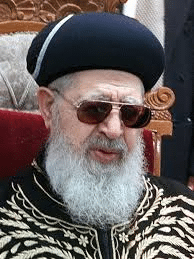
Maran Rabbeinu Ovadia Yosef zt”l writes that the word “Elul” is similar to the Aramaic word “Ve’Alilu,” which is the Aramaic translation of the verse which is said regarding the spies sent to the Land of Israel, “And they spied the land.” This means that “Elul” connotes searching through and probing one’s actions. During the month of Elul, it is the custom of the holy Jewish nation to probe their deeds, for these days are auspicious for atonement of sin, attaining full repentance, and reaching loftier levels of spirituality and service of Hashem.
Prayer During the Month of Elul
Certainly, praying copiously and repenting for one’s sins are extremely beneficial for every individual and these things will defend an individual during the upcoming Days of Judgment of Rosh Hashanah and Yom Kippur. These will be one’s guarantors that one will be inscribed in the books of life, wealth, satisfaction, and the fulfillment of all of one’s requests.
One must awaken himself from the slumber which comes along with one’s daily routine throughout life; one should stop and think how much we invest on increasing the quality of our physical lives by purchasing new cars or homes, focusing on obtaining only the finest culinary delights, and going on all sorts of trips and vacations. All of this is nonsense compared to the Heavenly key to advancing one’s physical and spiritual status as one through deep and heartfelt prayer to Hashem during these Days of Awe. Similarly, Hagaon Chazon Ish writes that a person can improve his situation much more through prayer than through any other natural means that he believes may assist him.
Repentance, Prayer, and Charity
Our Sages teach us in the Talmud Yerushalmi (Ta’anit, Chapter 2), “Rabbi Elazar says, three things nullify harsh decrees: Prayer, charity, and repentance.” He continues to bring proofs to this idea from the scriptures. Thus, one should practice these three things, i.e. prayer, charity, and repentance, profusely during these days, as the hymnist writes, “Repentance, prayer, and charity shall annul the harshness of the decree.” The source for this is the aforementioned Talmud Yerushalmi. Maran zt”l writes that although in previous generations, people would fast many times during these days in the spirit of “repentance,” nevertheless, in our times when it is difficult for people to fast, one should increase one’s donation of charity instead. Indeed, it is better to give more charity in our times than to fast, for by fasting, one decreases his service of Heaven (for fasting weakens the body).
We have already mentioned several times that one should take care to pass along charity funds to responsible individuals so that they will in turn dispense these funds to truly needy people and one should not rely on every individual regarding such matters, even if one seemingly comes with the recommendation of the generation’s leading Torah leaders.