

✡️Bar Mitzvah Invitation✡️

🎉🎉🎉🎉🎉🎉🎉🎉🎉🎉

******
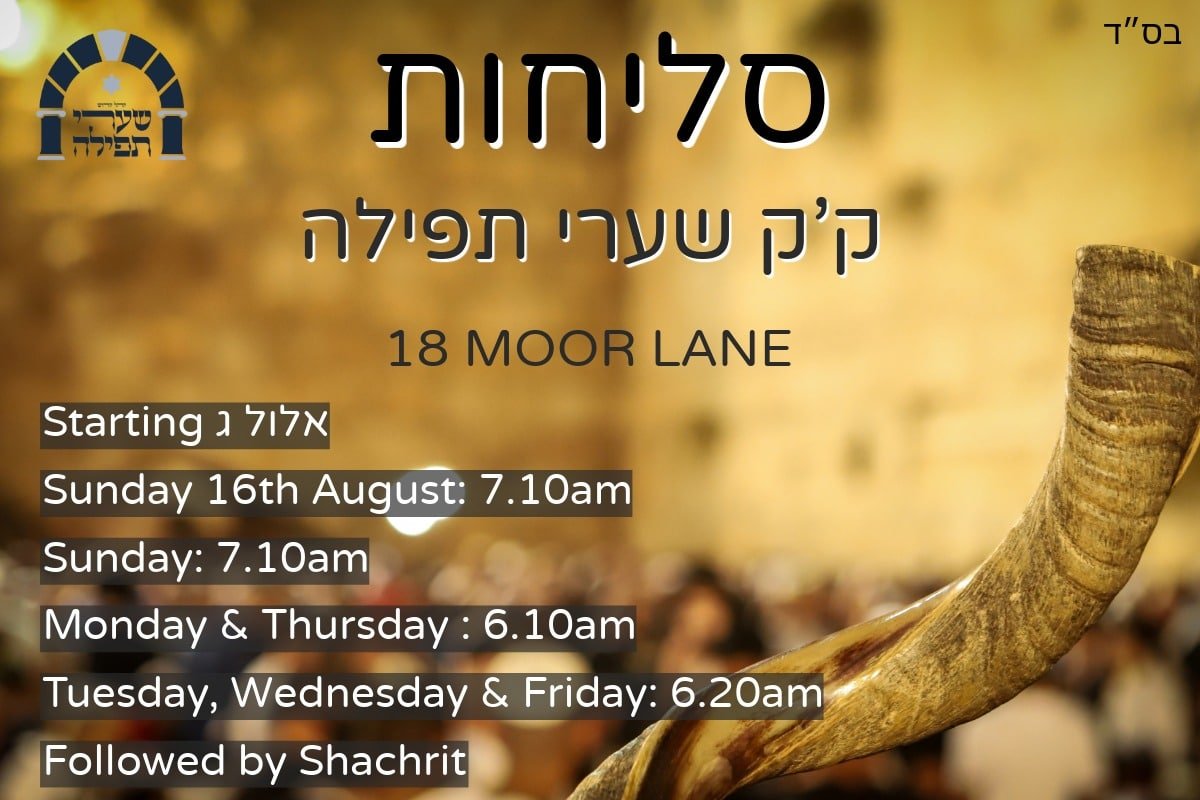
לוח זמני תפילה לקיץ תשפ״ו
Summer Timetable 5786 – 2026
מוצאי שבת | ערבית )מוצ”ש( | סוף זמן קריאת שמע | זמן שבת | מנחה וקבלת שבת | תאריך | שבת פרשת |
Shabbat Ends | Arbit | Shema to be read before | Candles to be | Minha & Kabbalat Shabbat | Date | Parasha |
PM | PM | AM | PM | PM |
|
|
8:58 | 8:54 | 9:41 | 7:53 | 7:00 | 28/29 | כי תבא |
Please note the change for Minha & Kabbalat Shabbat THIS WEEK ONLY at 7:00 pm
For those not in the Bet Hakeneset, but wishing to bring in Shabbat with the Kahal, candles should be lit about 30 minutes after the time listed for Minha and Kabbalat Shabbat. Unless the time listed in the ‘latest candle lighting’ column is earlier, when candles should be lit by that time, in all cases.
🕯️SUMMER TIMES FOR SHABBAT 🕯️
שבת
מנחה וקבלת שבת
7:00 pm
קרבנות
9:00 am
הודו
9:15 am
מנחה של שבת
6:30 pm
********

******
When the Jewish People dwell in the Land of Israel, the first fruits are to be taken to the Temple and given to the kohen. This is done in a ceremony that expresses recognition that it is Hashem who guides the history of the Jewish People throughout the ages. This passage forms one of the central parts of the Pesach Haggadah that we read at the Seder.
On the last day of Pesach of the fourth and seventh years of the seven-year shemitta cycle, a person must recite a disclosure stating that he has indeed distributed the tithes to the appropriate people and in the prescribed manner. With this mitzvah, Moshe concludes the commandments that Hashem has told him to give to the Jewish People. Moshe exhorts them to walk in Hashem’s ways, because they are set aside as a treasured people to Him.
When the Jewish People cross the Jordan River, they are to make a new commitment to the Torah. Huge stones are to be erected, and the Torah is to be written on them in the world’s seventy primary languages. Afterwards, the stones are to be covered over with a thin layer of plaster. Half of the tribes are to stand on Mount Gerizim, and half on Mount Eval, and the Levi'im will stand in a valley between the two mountains. The Levi'im will recite twelve commandments, and all the people will answer “amen” to both the blessings and the curses. Moshe then details the blessings that will be bestowed upon the Jewish People, blessings that are both physical and spiritual. If, however, the Jewish People do not keep the Torah, Moshe details a chilling picture of destruction, exile and wandering among the nations.
דמעות בתפילה
לקראת סיום סדר הסליחות, נהגו הספרדים לומר פיוט “אליך ה' נשאתי עיני”, ובפיוט זה אנו אומרים “הַעֲבֵר חַטָּאתִי אֱלֹקֵי יְשׁוּעָתִי, וְגַם אֶת דִּמְעָתִי שִׂימָה בְּנֹאדֶךָ”. כלומר, מבקשים אנו מה' יתברך, שישמור את דמעותינו ושיהיו נראות לפניו, כדי לקבל את תשובתינו ואת תפילותינו.
ואצל האשכנזים נוהגים בדומה לזה, לומר פיוט “אזכרה אלוקים”, ושם אומרים: “יְהִי רָצוֹן מִלְּפָנֶיךָ שׁוֹמֵעַ קוֹל בְּכִיוֹת, שֶׁתָּשִׂים דִּמְעוֹתֵינוּ בְּנֹאדְךָ לִהְיוֹת, וְתַצִּילֵנוּ מִכָּל גְּזֵרוֹת אַכְזָרִיּוֹת, כִּי לְךָ לְבַד עֵינֵינוּ תְלוּיוֹת”.
ומקור הבקשה מאת ה', שישמור דמעותינו בתוך “נאד”, הוא בספר תהלים, שנאמר: “שִׂימָה דִמְעָתִי בְנֹאדֶךָ”, אשר על פסוק זה דרשו רבותינו במסכת שבת (דף קה:), שכל המוריד דמעות על אדם כשר, הקדוש ברוך הוא סופרן ומניחן בבית גנזיו. ורש”י בתהלים (פרק נו) פירש, שאנו מבקשים מהקדוש ברוך הוא, שיראה את דמעותינו, ויהיו נחשבות בעיניו כמו צרותינו. ובודאי, על ידי זה נזכה לקבלת התפילות.
ורבינו חיים ויטאל כתב בשם רבינו האר”י, שכל מי שלא מתעורר לבכיה בתפלות הימים הנוראים, ראש השנה ויום הכיפורים, זהו סימן שאין נשמתו הגונה ושלימה.
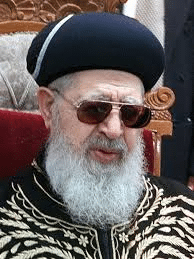
ומרן זצ”ל היה דורש, שאף בשעה שאדם לא מתעורר בבכיה, מכל מקום יתפלל בקול בכי, בתחנונים, כמו שנאמר: “כִּי שָׁמַע ה' קוֹל בִּכְיִי”.
אולם העירו בזה כמה אחרונים, ובכללם הרב בעל “אהלי יעקב” (בדיני הסליחות אות יא), שאם אדם מסויים יודע בעצמו שאינו בוכה, איך יוכל לומר כן? והלא נמצא שהוא דובר שקרים. ובספר טהרת המים הוסיף עוד, שאם לא בוכה באותו מעמד של הסליחות, לא יכול לומר נוסח כזה, שנמצא שהוא מדבר דבר שקר.
אולם מרן רבינו עובדיה יוסף זצוק”ל כתב (בחזון עובדיה עמוד יט), שאם אותו אדם, בוכה ביום הכיפורים, למשל בשעת הוידוי, ובפרט בוידוי של רבינו נסים ראש ישיבת בבל, יכול לכוין באומרו “וגם את דמעתי” על הדמעות שהוא מוריד בשעה שהוא באמת מוריד דמעות. ואין הכרח שתהיה בכייתו דוקא באותה שעה של הסליחות.
וכיוצא בזה בפיוט “לך אלי תשוקתי”, שאנו אומרים “אנסך את דמעי לך”, אם מכוין על דמעתו שבשעת הוידוי, די בזה. אף על פי שנכון מאד שכל אדם בעל לב יתעורר לבכיה דוקא בשעת אמירת הפיוט הזה, שהוא מלא רשפי אש שלהבת יה, ברגש טהור.
ויתירה מזו כתב הגאון רבי שלמה זלמן אוירבך (שלמי מועד עמוד כג), שמי שלא בוכה, יכול לכוין על הדמעות של כלל ישראל ששופכים דמעותיהם כמים בימים הללו, אף על פי שלא בכה בעצמו. והביא דבריו מרן זצ”ל.
ולסיכום: גם מי שלא בוכה בשעת אמירת הסליחות, רשאי להזכיר פיוטי סליחות שמוזכר בהם ענין הבכי והדמעות. ויכוין על הדמעות שמוריד בשעה שבאמת מוריד דמעות. וכמובן שתפילה בדמעה לא שבה ריקם, וחשוב מאד בפרט בתפילות הימים הנוראים, שיתפלל אדם מתוך בכיה, באהבת ה' וצער על שנתרחקנו מאתו בעוונותינו.
Tears During Prayer
Towards the end of the Selichot, the Sephardic custom is to recite the poem entitled “Elecha Hashem Nasati Enai.” In the fifth stanza of this stirring poem, we recite, “Remove my sin, G-d of my salvation; and also, my tear, place in your flask.” This means that we are requesting that Hashem collect our tears and save them so that they appear before Him so that He may accept our repentance and prayers.
Among Ashkenazi communities, it is customary to recite the “Ezkera Elokim” poem, which states: “May it be Your will, the One who hears crying voices, that you place our tears in your flask and that you save us from all cruel decrees, for our eyes are fixated only upon You.”
The source for this request to have our tears saved in Hashem’s flask is based on a verse in Tehillim, which states, “Place my tear in your flask,” about which the Gemara (Shabbat 105b) expounds that when one sheds tears for a worthy person, these tears are collected by Hashem and placed in His inner sanctum. Rashi (Tehillim 56) comments that we are praying that Hashem see our tears and that He treat them as our suffering. As a result, we shall surely merit having our prayers answered.
Rabbeinu Chaim Vital quotes the Ari z”l as having said that if one is not aroused to tears during the prayers of the Days of Awe, namely Rosh Hashanah and Yom Kippur, this is an indication that one’s soul is unworthy and incomplete.
Maran zt”l would often say that even if one is not moved to tears, one should still pray in a crying voice, based on the verse, “For Hashem has heard the sound of my cries.”
Nevertheless, several Acharonim, among them the Aholei Yaakov (Laws of Selichot, 11) raise a concern that if one knows that one does not cry, how can one recite these words? Is this not a lie?! Indeed, the Taharat Ha’Mayim writes that if one does not cry while reciting Selichot, one may not recite this text, for it is tantamount to telling a lie.
On the other hand, Maran Rabbeinu Ovadia Yosef zt”l writes (in his Chazon Ovadia- Yamim Nora’im, page 19) that if this individual cries at least on Yom Kippur, such as during the confessional prayer authored by Rabbeinu Nissim Gaon, Rosh Yeshiva of Babylon, one may have this in mind while reciting the words “And also my tear etc.” in the Selichot. One need not cry specifically during Selichot services.
Similarly, within the “Lecha Eli” poem recited on the eve of Yom Kippur, when we recite “I shall pour my tears to you,” if one has in mind the tears one sheds during the confessional prayer, this is sufficient. Nonetheless, it is especially poignant to try and move oneself to tears during this powerful prayer of “Lecha Eli.”
Furthermore, Hagaon Harav Shlomo Zalman Auerbach zt”l writes (in his Shalmei Mo’ed, page 23) that even one who does not cry himself may have in mind the copious tears spilled collectively by the Jewish nation during these days. His opinion is quoted by Maran zt”l.
Summary: Even one who does not necessarily cry while reciting the Selichot may, in fact, recite the portions of Selichot which reference crying and tears. One should have in mind the tears one sheds when one really does cry. Needless to say, prayers recited amid tears do not return unanswered and it is especially important to pray with tears during the Days of Awe amid love of Hashem and pain that we have drifted apart from Him as a result of our sins.