



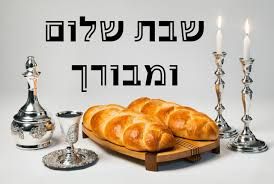
שבת מברכים
is
שבת מברכים

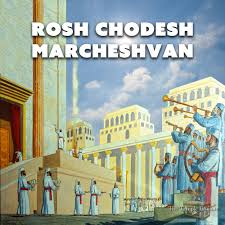
Rosh Chodesh Mar-Cheshvan
will be next
Motzae Shabbat – Sunday (11/10)
& Monday (12/10)



Mazal Tov
to
Gabriella Delmonte
on the occasion of her Bat Mitzvah
🎉🎉🎉
Moorlanenews


Grandfather of our dear member and friend Gadi Shalom נ״י
We wish him, his father, and all his family אריכות ימים
מן השמים תנוכמו
He came from Kurdistan to Israel.
From nothing, he built a business and an amazing family of 10 children.
He knew much of the Torah Baal Peh – Oral Torah.
Moorlanenews
*******
💷 Pledge Reminder 💷
If you received an Aliya ✡️ during the Yamim Noraim 📖 or over Succot 🌿
and pledged any money 💰 or would like to make a donation 💷
your the donation can be fulfilled in any of the following ways:
· ✉️ By post addressed to
'The Treasurer, Manchester Congregation of Spanish and Portuguese Jews,
18 Moor Lane, Salford, Manchester M7 3WX'.
· 🤝 By hand to the treasurer or any member of the Mahamad.
·🫶 Anonymously – in the donations box in the Synagogue.
·🪙 Direct Debit to the shul's account – for account details, please speak to the treasurer
· 🏦Using this link charityextra.com/charity/moorlane
·💳Cheque made payable to 'Manchester Congregation of Spanish & Portuguese Jews'.
Thank you all for your very generous donations
& Tizke Lemitzvot
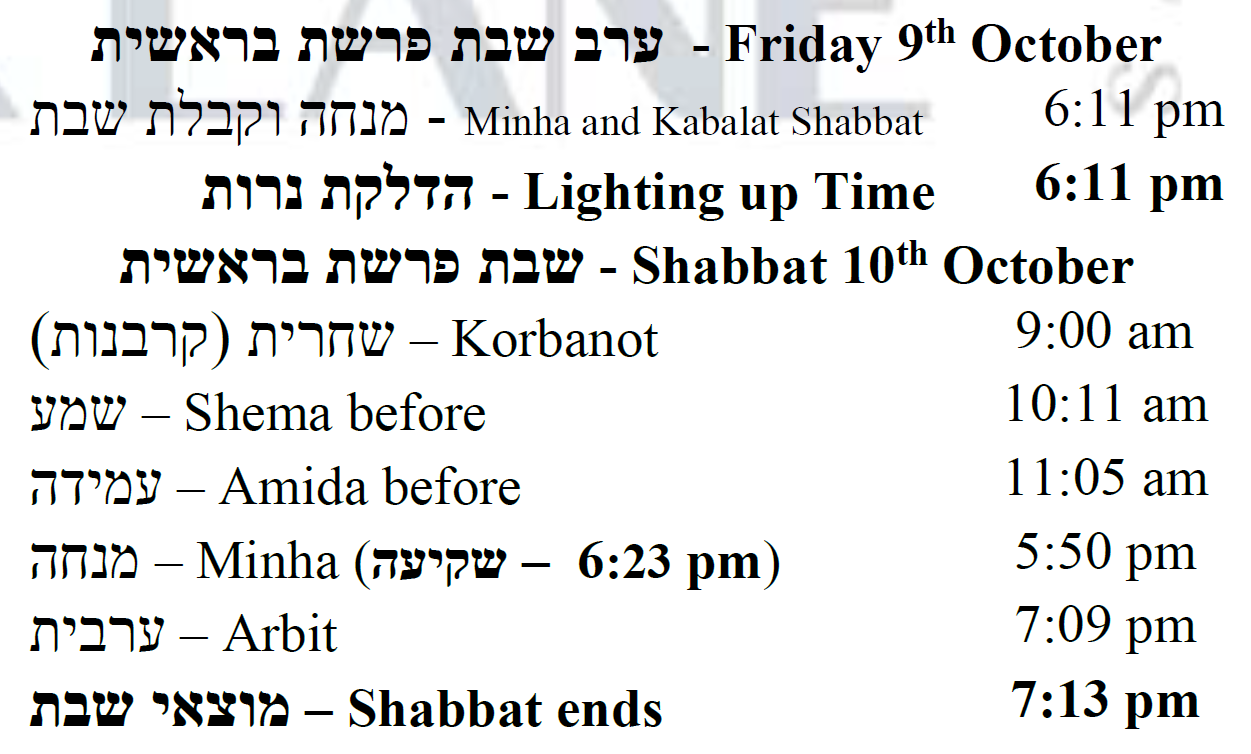
🕯️שבת🕯️
********
In the beginning, Hashem creates the entire universe, including time itself, out of nothingness. This process of creation continues for six days. On the seventh day, Hashem rests, bringing into existence the spiritual universe of Shabbat, which returns to us every seven days. Adam and Chava — the human pair — are placed in the Garden of Eden. Chava is enticed by the serpent to eat from the forbidden fruit of the “Tree of Knowledge of Good and Evil,” and in turn gives the fruit to Adam. By absorbing “sin” into themselves, Adam and Chava render themselves incapable of remaining in the spiritual paradise of Eden and are banished. Death and hard work (both physical and spiritual) now enter the world, together with pain in childbirth. Now begins the struggle to correct the sin of Adam and Chava, which will be the subject of the history of the world.
Cain and Hevel, the first two children of Adam and Chava, bring offerings to Hashem. Hevel gives the finest of his flock, and his offering is accepted, but Cain gives inferior produce and his offering is rejected. In the ensuing quarrel, Cain kills Hevel, and is condemned to wander the earth. The Torah traces the genealogy of the other children of Adam and Chava, and the descendants of Cain until the birth of Noach. After the death of Sheit, mankind descends into evil, and Hashem decides that He will blot out man in a flood which will deluge the world. However, one person, Noach, finds favor with Hashem.
Ohr Somayach Institutions www.ohr.edu

ספק אם אמר משיב הרוח
מתחילין לומר “משיב הרוח ומוריד הגשם” החל מתפילת מוסף של חג שמחת תורה, והזכרה זו, אינה שאלה ובקשה על הגשם, אלא היא שבח להשם יתברך, ולכן הזכרה זו נקראת “גבורות גשמים”, שמדברת מענין גבורותיו של השם יתברך בעולמו.
אבל שאלת “טל ומטר” שבברכת השנים, (כלומר, בברכת ברך עלינו, או ברכנו, שאומרים “ותן טל ומטר לברכה”), היא בקשה מהשם יתברך על הגשם. וישנם כמה הבדלים בהלכה, בין הזכרת גבורות גשמים שבברכת “אתה גבור”, לבין שאלת טל ומטר שבברכת השנים, והשינוי הראשון הוא, שמזכירין גבורות גשמים, כבר מתפילת מוסף של שמחת תורה, ואילו שאלת גשמים, אינה אלא מליל שבעה במרחשון.
אבל אם לא הזכיר כלל, לא “מוריד הטל”, ולא “משיב הרוח”, (כפי מנהג חלק מעדות האשכנזים בימות הקיץ), ונזכר בטעותו מיד לאחר שסיים את ברכת “מחיה המתים”, עליו לומר מיד “משיב הרוח ומוריד הגשם”, ואחר כך ימשיך בברכת “אתה קדוש”. ואם התחילה כבר בברכת “אתה קדוש”, ונזכר שלא אמר “משיב הרוח”, הרי אין לו תקנה, ועליו לחזור שוב לראש התפלה.
We Begin Reciting “Mashiv Ha’Ruach”
“Mashiv Ha’Ruach U’Morid Ha’Geshem” is a praise we recite to Hashem during the winter months within the “Mechayeh Ha’Metim” blessing of the Amidah as is printed in all Siddurim.
We begin reciting “Mashiv Ha’Ruach U’Morid Ha’Geshem” in the Mussaf prayer of Simchat Torah (outside of Israel from Shemini Atzeret). This recitation does not constitute a request or plea for rain; rather, it is merely meant as praise to Hashem and is therefore dubbed, “Powers of Rain.” The actual request for dew and rain can be found in the ninth blessing of the Amidah prayer referred to as the “Blessing of the Years” (Barech Aleinu). There are several halachic differences between mentioning the “Powers of Rain” in the second blessing of the Amidah prayer entitled, “Ata Gibor,” and the actual request for dew and rain in the ninth blessing. Firstly, whereas we begin mentioning the “Powers of Rain” from Mussaf of Shemini Atzeret, we do not actually request dew and rain until the night of the Seventh of Marcheshvan (outside of Israel from the night of the Fifth of December), as we shall discuss in following Halachot.
Why is “Mashiv Ha’Ruach” Mentioned in the “Mechayeh Ha’Metim” Blessing?
The Gemara (Berachot 33a) states that we mention the “Powers of Rain” in the “Ata Gibor” blessing for this blessing deals with the Resurrection of the Dead and since rainfall is tantamount to The Resurrection, our Sages thus established this sentence to be mentioned in the blessing dealing with The Resurrection. Our Sages established the actual request for rain in the “Blessing of the Years,” for this is a blessing regarding one’s livelihood and rainfall is a matter of sustenance for the entire world.
One Who Forgets to Mention “Mashiv Ha’Ruach”
If one forgets to recite “Mashiv Ha’Ruach” and becomes aware of his mistake only after concluding the “Mechayeh Ha’Metim” blessing, we must analyze whether one must return to the beginning of the Amidah prayer and begin it again or may one continue his prayer as usual. This law indeed depends on one important factor: If one inserted “Morid Ha’Tal” instead of “Mashiv Ha’Ruach” (as is the Sephardic custom during the summer months), one would not return to the beginning of the Amidah prayer since one has said “Morid Ha’Tal.”
However, if one mentioned neither “Mashiv Ha’Ruach” nor “Morid Ha’Tal” (which is indeed customary among several Ashkenazi communities during the summer months), if one has not yet begun the “Ata Kadosh” blessing, one should recite “Mashiv Ha’Ruach U’Morid Ha’Geshem” between the “Mechayeh Ha’Metim” and “Ata Kadosh” blessings and then just continue his prayer as usual. If, however, one has already begun the “Ata Kadosh” blessing and only then realizes his mistake, one must begin his Amida prayer anew.
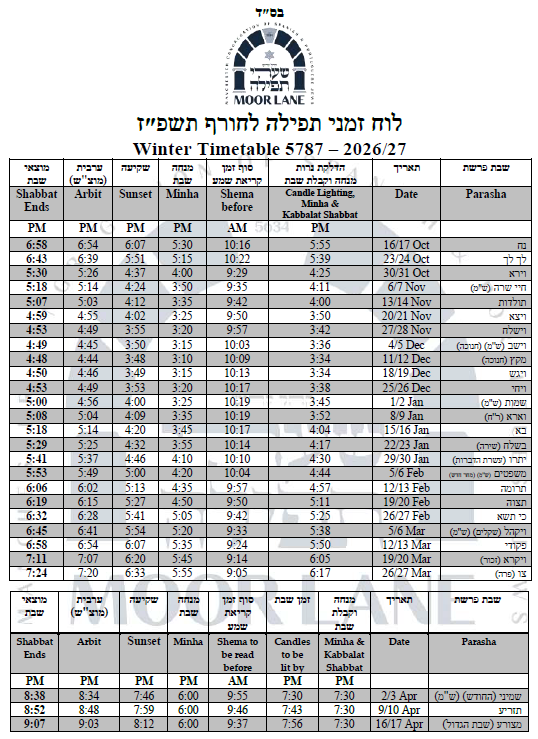
 2-Winter-Timetable-5787-2026-27.pdf