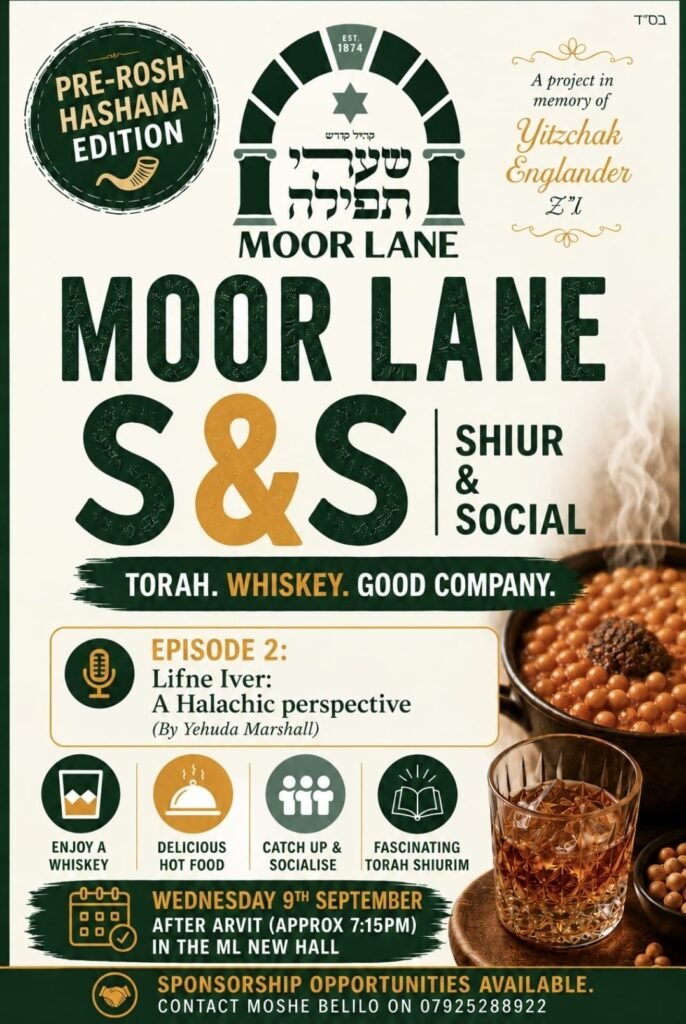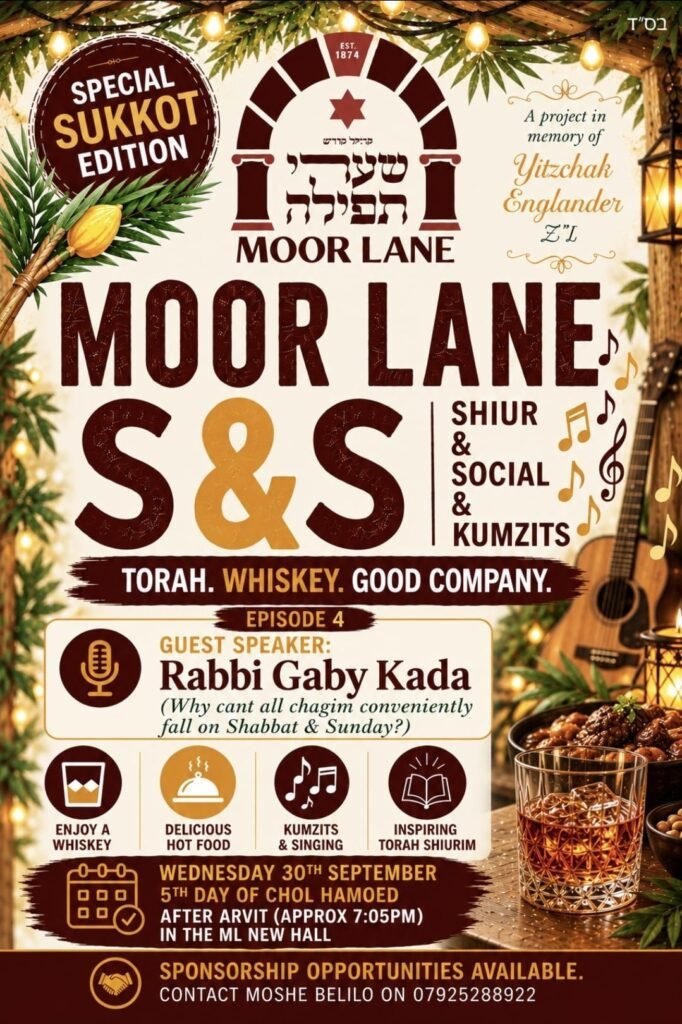
Shiur & Social 4


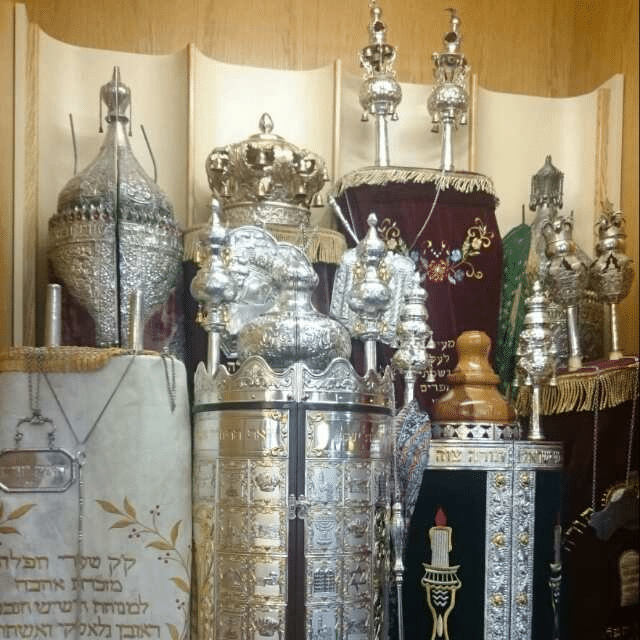
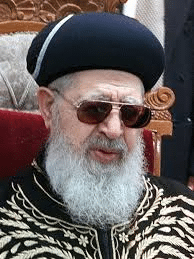
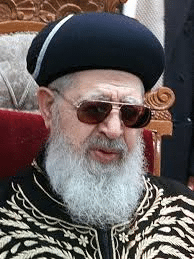
The way he touched the lives of so many members of our kehillah will remain in our memories for many years to come.
His smile, his kindness, and his words of encouragement touched us all in the deepest of ways.
We will always remember how he would drive across town to give people a lift so that they could come and help with the minyan on Moor Lane.
He always encouraged our youth to take an active role in the running of the Bet Hakeneset, inspiring them to become an important part of our community.
When you met him, even after leaving Manchester after so many years, his concern was always for Moor Lane,
How are things going in Moor Lane? How is the minyan?
He was the heart and soul of our Bet Hakeneset
May those of us who fondly remember him continue his legacy and make
K' K' Shaare Tefila – Moor Lane Bet Hakeneset
the makon Tefila & Torah that we know he would want it to be.
Our deepest and most heartfelt condolences to
Mrs Salem שתח״י עמו״ש
& all her family
******
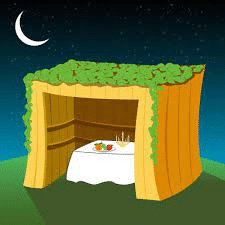
🍋🌿 Succot 🌿🍋
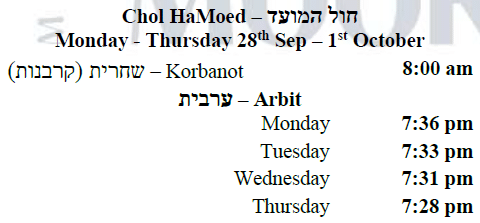
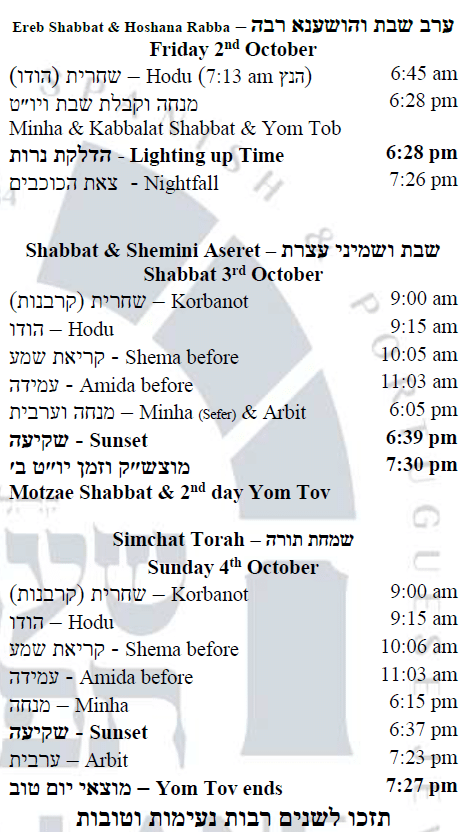
Chol HaMoed
גשמים בסוכה
ישנם מקומות, כמו במדינת ניו יורק וסביבותיה, שרגילים לרדת שם גשמים בימי חג הסוכות. וגם בארץ ישראל אירע כמה פעמים שירדו גשמים בחג הסוכות.
ובארץ ישראל, הגשמים בחג הסוכות אינם סימן ברכה, כמו שאמרו רבותינו, למה זה דומה? לעבד שמוזג כוס לרבו, ושפך לו רבו את הכוס על פניו. כלומר, שאינו חפץ במעשיו של העבד. אף כאן, כשיורדים גשמים בחג, כולם יוצאים מן הסוכה ונראה שאין הקדוש ברוך הוא חפץ שישבו בסוכה.
ומכל מקום עלינו לדון, כיצד יש לנהוג כאשר יורדים גשמים בסוכה?
אדם שהיה אוכל בסוכה, ולפתע התחילו לרדת גשמים רבים (באופן, שאילו היה תבשיל עדין מונח על השולחן בסוכה, היה התבשיל מתקלקל מחמת הגשמים. רש”י סוכה כט.), עליו לצאת מן הסוכה ולהכנס לביתו. ושם ימשיך את סעודתו. ואף על פי שאין בפועל תבשיל שמתקלקל על השולחן, ולמשל, אדם האוכל עוגות בסוכה, ואין שם דבר שיתקלקל מחמת הגשמים שאינם חזקים כל כך, גם כן אינו צריך להשאר בסוכה במצב כזה, ועליו להכנס לביתו. (שלחן ערוך סימן תרלט סעיף ה).
ואם תוך כדי הסעודה, בשעה שיושב בביתו, פסקו הגשמים, אין חובה לחזור ולאכול את המשך הסעודה בסוכה, ורק בתורת חומרא, אם ירצה לחזור ולהשלים את הסעודה בסוכה, תבוא עליו ברכה. (יביע אומר ח”ט סימן סג). וכל זה בשאר ימי החג, אבל בליל יום טוב הראשון של החג, יש חובה לחזור ברגע שיפסקו הגשמים, ולאכול בסוכה כזית פת.
וכן הדין לגבי אדם שראה שיורדים גשמים, ולכן התחיל לאכול בביתו, ופסקו הגשמים. שאין עליו חובה לעבור לסוכה ולהשלים שם את הסעודה, אלא גומר את כל הסעודה בביתו. ודין זה אינו שייך דוקא לגבי ירידת גשמים, אלא גם אם היה יושב בסוכה, ולפתע החלה לנשוב רוח עזה שמחמתה החלו נושרים קסמים מהסכך לתוך הסוכה, וקשה לו לסבול את הדבר, הרי הוא רשאי להכנס ולאכול בביתו. (סוכה דף כט.).
מקום שיורדים שם גשמים, אבל בסוכה יש סכך עבה, עד כדי כך שלא יורדים בתוכה גשמים, צריך לאכול בסוכה, ורשאים גם כן לברך “לישב בסוכה” בשעה שאוכלים שם. (חזון עובדיה סוכות עמוד קפה, בשם בכורי יעקב).
הפטור מן הסוכה מחמת ירידת הגשמים, ובכל זאת מחמיר על עצמו ואוכל בסוכה, אינו אלא הדיוט, ואינו מקבל שכר על כך, (הרמ”א סימן תרלט). ואם בירך על האכילה “לישב בסוכה”, ברכתו היא ברכה לבטלה.
היוצא מן הסוכה מפני הגשמים, לא יבעט ויצא, כלומר, לא ינוס בכעס ויצא, אלא יצא בהכנעה, כמו עבד שבא למזוג כוס לרבו, ורבו שפך את המים על פניו, שעל העבד להתנהג בהכנעה ולא בכעס וכדומה.
Rain in the Sukkah
There are certain places, such as New York, where it commonly rains during the holiday of Sukkot. Even in Israel it has happened in the past that rain has fallen during Sukkot.
In the Land of Israel, rain during the Sukkot holiday is an ominous sign, as our Sages taught that this is comparable to a servant who pours a beverage for his master and the master throws the cup in the servant’s face. So too, when it rains on Sukkot and everyone leaves the Sukkah, it is a sign that Hashem does not want us to be sitting in the Sukkah.
Nevertheless, we must discuss how one should behave when it rains in the Sukkah. If one was sitting and eating in the Sukkah and it suddenly begins to rain strongly (to the extent that if a plate of food was before him, the food would get ruined, see Rashi’s commentary on Sukkah 29a), one should exit the Sukkah and return home and continue one’s meal there. Although there might not be an actual plate of food on the table getting ruined, for instance, if one is eating cake and they do not get ruined from such rain, nevertheless, one still need not remain in the Sukkah in this case and one should return home (See Shulchan Aruch Chapter 639, Section 5).
If during one’s meal at home, the rain stops, there is no obligation to continue one’s meal in the Sukkah and doing so is merely a stringency (see Yabia Omer Volume 9, Chapter 63). The above applies on any other day of the Sukkot holiday. However, on the first night of Sukkot, one is obligated to return to the Sukkah and eat a Kezayit of bread there as soon as the rain stops.
Similarly, if one begins to eat at home because he sees that it is raining and then he realizes that the rain has stopped, he need not go out to the Sukkah in order to finish his meal; rather, one may conclude one’s meal at home. This law does not only apply to rain, rather, if one was sitting in the Sukkah and strong winds start gusting suddenly and pieces of the Sechach start falling into the Sukkah and it makes it difficult to remain in the Sukkah, one may finish one’s meal at home (see Sukkah 29a).
If it is raining outside but the Sechach on one’s Sukkah is so thick that the rain does not penetrate the Sukkah, one must eat in the Sukkah and even recite the blessing of “Leeshev Ba’Sukkah.” (Chazon Ovadia- Sukkot, page 185 quoting the Bikurei Yaakov)
If one is exempt from the Mitzvah of Sukkah because of rain and the like and nevertheless acts stringently and eats in the Sukkah anyway is considered a fool and does not receive reward for this (see Rama in Chapter 639). If one recites the “Leeshev Ba’Sukkah” blessing in such a case, this blessing will have been in vain.
If one must leave the Sukkah as a result of rain and the like, one should not kick it on one’s way out; rather, one should leave in a subjugated manner similar to a servant that had a beverage thrown in his face by his master in that he must act in a subjugated manner and not with anger and the like.
בין כיפור לסוכות – דפנות הסוכה
הימים הללו, שבין יום הכפורים לסוכות, הם ימים מקודשים, ואנו עוסקים בהם במצות הסוכה, ללכת מחיל אל חיל. ואמרו רבותינו, כי ארבע הימים שבין יום הכפורים לחג הסוכות, נזכרים ונעשים כימים המקודשים, והם כימי חול המועד, ובהם עוסקים כל ישראל במצוות, סוכה ולולב, ומעשים הללו מעוררים בלב ישראל לאהוב את ה' יתברך, ולשמוח במצותיו, לשמוח שמחה רוחנית אמיתית, לעבוד את ה' בטוב לבב. ובכל הימים הללו אין אומרים “נפילת אפיים” בתפלה, כי הם כמו יום טוב.
אמרו רבותינו, שהסוכה צריכה להיעשות משלוש דפנות וסכך. הדפנות שהם הכתלים (המחיצות, הקירות) של הסוכה, מותר לעשותם מכל דבר שירצה, ובתנאי שתהיינה הדפנות חזקות ויציבות דיין בכדי שתעמודנה היטב בפני הרוח המצויה, לפי שכל שאין הדפנות יציבות בפני הרוח, הרי אינן כשירות למצות סוכה.
ולפיכך פסק מרן רבינו עובדיה יוסף זצוק”ל, שאין לעשות דפנות לסוכה מסדינים ויריעות וכדומה, לפי שהם הולכים ובאים עם הרוח, ואפילו בנדנוד קל, ולכן אינם נחשבים כדפנות שעומדות ברוח מצויה. ואפילו אם מותח את הסדינים היטב, וקשרם בחזקה לעמודי הסוכה כדי שלא ינועו עם הרוח, אין להתיר, מפני שלפעמים מתרופפים הקשרים על ידי הרוח ומתנודדים הסדינים ונמצאת הסוכה פסולה, והיושב בתוכה אינו יושב בסוכה, ואם בירך “לישב בסוכה” הרי ברכתו ברכה לבטלה.
ואף שיש מהאחרונים שכתבו, שכל שהסדינים אינם מתנודדים הרבה עם הרוח (כשלושה טפחים מצד לצד) עדיין הדפנות כשירות, מכל מקום מדברי הראשונים נראה שאפילו בנדנוד מועט כבר נפסלת הסוכה. וכן היא הסכמת רוב פוסקי זמנינו, ומהם הגאון רבי שלמה זלמן אוירבך זצ”ל והגאון רבי יוסף חיים זוננפלד זצ”ל. גם הגאון רבי משה פיינשטיין זצ”ל כתב, שאין להקל לבנות סוכות כאלו עם יריעות בד או פלסטיק, והוסיף שמה שאנו רואים בארצות הברית (מקום מושבו של הגר”מ פיינשטיין) שמוכרים סוכות שדפנותיהן עשויות מיריעות, פשוט שלא היה זה על פי הוראת חכם, כי אין להשתמש בסוכות אלו.
דבר המקבל טומאה
מה שכתבנו, שדפנות הסוכה מותר לעשותם מכל דבר שירצה, הכוונה היא, אפילו לעשות דפנות מכלים, כגון ארון, ארגז וכיוצא בזה. ואף על פי שארגז הוא “כלי”, ומכיון שהוא כלי, הרי הוא ראוי לקבל טומאה, (כלומר, אם נגע בכלי אדם טמא, גם הכלי יכול לקבל טומאה). וכל דבר שראוי לקבל טומאה אסור לסכך בו את הסוכה. מכל מקום, את דפנות הסוכה מותר לעשות גם מדבר המקבל טומאה.
כלומר, את הסכך של הסוכה, יש לעשות רק מדבר שאינו מקבל טומאה. אבל את דפנות הסוכה, מותר לעשות גם מכלי, או דבר אחר, שמקבלים טומאה.
מעמיד – אזיקונים
ומכל מקום אותו חלק בדפנות הסוכה שהסכך מונח עליו, (כלומר, החלק העליון של הדופן), הרי הוא נקרא, “מעמיד הסכך”. שהסכך עומד עליו. ואת “מעמיד הסכך” יש לעשות לכתחילה מדבר שאינו מקבל טומאה. (מפני שחששו רבותינו שמא יבוא לסכך בדבר שמעמיד את הסכך). ולכן אם עשה דופן לסוכה מדבר המקבל טומאה, כגון ארגז עץ או צינורות של ברזל (שגם הם מקבלים טומאה), טוב לתת נסר של עץ על גבי הדופן או הצינורות, מארבע צידי הסוכה, באופן שהסכך ינתן על גבי נסר העץ, ולא על גבי דבר המקבל טומאה.
ומטעם זה, נכון להזהר לכתחילה, שכל דבר שמעמיד או מחזיק את הסכך, לא יהיה מדבר שמקבל טומאה. ולכן נכון להזהר שלא לקשור את הסכך לסוכה באמצעות “אזיקונים”, כדי שהסכך לא יעוף מהסוכה ברוח מצויה. אולם אם שם את האזיקונים רק כדי שאם תגיע רוח סערה שאינה מצויה הסכך לא יעוף, יש להקל.
The Walls of the Sukkah
The days between Yom Kippur and the Sukkot holiday are indeed holy ones during which we are involved with the building of the Sukkah in order to go from strength to strength. Our Sages teach us that the four days between Yom Kippur and Sukkot are treated as sanctified days and are similar to the days of Chol Ha’Moed. During these days the entire Jewish nation is involved in the Mitzvot of Sukkah and Lulav and these actions arouse the Jewish nation’s love for their Father in Heaven and to rejoice in His commandments thus bringing about service of Hashem with a gladdened heart. During these days, Tachanun (supplication) prayers are omitted from all prayer services, for these days are tantamount to Yom Tov.
A Sukkah must consist of three walls and Sechach (roof of the Sukkah made from objects which grow from the ground). The walls of the Sukkah may be made from any material one wishes as long as they are strong and sturdy enough to withstand an ordinary wind (breeze); if the walls are not sturdy enough to withstand such a wind, they are not valid for the Mitzvah of Sukkah.
Therefore, Maran Rabbeinu Ovadia Yosef zt”l rules that one should not use sheets, fabrics, and the like for the walls of the Sukkah, for they flap back and forth in the wind; even a small movement renders them unfit to withstand an ordinary wind. Even if one stretches these sheets until they are taut and then ties them very well to the poles of the Sukkah so that they do not move in the wind, this is still unacceptable, for sometimes, the knots come loose as a result of the wind and the sheets begin to sway and this renders the Sukkah invalid, in which case anyone who sits in it is in essence not sitting in a Sukkah and any “Leeshev Ba’Sukkah” blessings recited upon it are blessings in vain. Although there are those who maintain that as long as the sheets do not sway very much in the wind (approximately three Tefachim or twenty-four centimeters from side to side) these walls are still valid, nevertheless, it appears from the words of the Rishonim that even a slight movement invalidates the Sukkah. This is indeed the consensus among most modern-day Poskim including Hagaon Harav Yosef Chaim Zonnenfeld zt”l and Hagaon Harav Shlomo Zalman Auerbach zt”l. Similarly, Hagaon Harav Moshe Feinstein zt”l writes that one may not be lenient and build his Sukkah out of sheets of fabric or tarp and he adds that the fact that such Sukkot are sold in the United States (place of Harav Feinstein’s residence) must not have been done in accordance with the ruling of a Halachic authority, for such Sukkot may not be used.
This means that the Sechach of the Sukkah must be made only from material incapable of becoming impure but the walls of the Sukkah may be made from vessels of any other item which is capable of becoming impure.
For the above reason, it is preferable that anything that supports or holds the Sechach in place not be made of materials capable of becoming impure. Thus, one should preferably not tie down the Sechach with plastic zip ties so that it does not fly away. However, if the Sechach is sturdy enough as is and one is merely tying it down in order to prevent it from flying away in extremely strong winds, there is room for leniency in this regard.
דין הסכך בסוכה והקישוטים הנתלים בסכך
מצוה ליַפּוֹת את הסוכה
מצוה גדולה ליַפּוֹת את הסוכה ולנאותה כמה שאפשר, להכניס לתוכה כלים נאים, ולהאירה באור יקרות. וכתבו המקובלים, שעל ידי כיבוד הסוכה באור יקרות, יזכה האדם שנפשו תשב במנוחה בגן עדן, וכפי ערך מה שיקיים את המצוה בכוונה טובה באופן הנאות, כך יעשה לו שָם סוכה לנשמתו. ׁכמו שמבואר בזהר הקדוש פרשת פנחסׂ. ובהציע הכלים הנאים שיש לו' והמצעות הנאות בסוכה, יקשור לו האל יתברך כמה חופות בגן עדן העליון. ובכל זאת, יש לדעת, שלעתים מתוך הכוונה הטובה לקשט את הסוכה, הסוכה נפסלת. לכן יש להיות בקי בדינים המובאים כאן, לנהוג על פי ההלכה.
התנאים שיהיה הסכך כשר
נאמר בתורה (דברים טז.) “חג הסוכות תעשה לך באספך מגרנך ומיקבך”. ולמדו מכאן רבותינו (במסכת סוכה דף יב.), שיש לסכך את הסוכה, בדברים הנאספים מן הגורן ומן היקב, כלומר פסולת הגורן והיקב, שהם קש ותבן וזמורות ואשכולות ריקים מן הענבים, וכיוצא בהן.
וכן נאמר בספר נחמיה (פרק ח), שאמרו ראשי העם אל בני ישראל, “צאו ההר, והביאו עלי זית ועלי עץ שמן ועלי הדס ועלי תמרים ועלי עץ עבות, לעשות סוכות ככתוב”. ומכאן למדו רבותינו שצריך שיהיו לסכך שמסככים בו שלשה תנאים.
א. צריך שיהיה גידולו מן הארץ. ב. צריך שיהיה תלוש ולא מחובר לקרקע. ג. צריך שיהיה דבר שאינו ראוי לקבל טומאה. כמו פסולת הגורן והיקב, שבאה מן הארץ, והיא תלושה ואינה מחוברת לקרקע, וכן אינה ראויה לקבל טומאה, שכל דבר שאינו “אוכל” או “כלי”, אינו ראוי לקבל טומאה. ולמשל, אם גופו של מת, נגע בענף של דקל, אין הענף מקבל טומאה, אבל אם נגע גופו בכלי עץ, הרי הכלי מקבל טומאה. ולכן אין לסכך בכלי. (ואפילו אם נשבר הכלי, אין לסכך בשבריו).
ולפיכך אסור לסכך את הסוכה בכל מיני מתכות, שהרי אין גידולם מן הארץ. וכן אין מסככים בענפי אילן המחובר לקרקע, שאין לסכך אלא בדבר התלוש מן הקרקע. וכן אין מסככים בכל מיני אוכלים, כגון פירות, מפני שהם ראויים לקבל טומאה, וכן אין מסככים בכלים, אף על פי שהם עשויים עץ, מפני שהם ראויים לקבל טומאה, ואפילו אם סיכך בסכך כשר, אלא ששם עליו סכך פסול, הסוכה פסולה. ולכן אם בנה סוכה כשירה, אבל היא נמצאת תחת מרפסת של שכן וכדומה, ודאי שסוכה זו היא פסולה.
דין קשוטי נייר
הנייר אין מסככים בו, ואפילו הוא עשוי מעץ, מפני שנשתנתה צורתו לגמרי, ואינו נחשב לדבר שגידולו מן הארץ. ולכן, הקישוטים שנוהגים לתלות תחת סכך הסוכה, בכדי ליפות את הסוכה, הרי הם עלולים לפסול את הסוכה מפני שהם אינם סכך כשר.
לכן כתב מרן רבינו עובדיה יוסף זצ”ל, שצריך להקפיד לתלות את קישוטי הסוכה שתחת הסכך, באופן שיהיו צמודים לסכך, ותלויים בתוך ארבעה טפחים לסכך, (שהם כשלושים ושניים סנטימטר), שאם הם יורדים למטה, ליותר ממרחק של שלושים ושנים סנטימטר מהסכך, יש חשש פן יפסלו את הסוכה כאמור, אבל כשהם בתוך ארבעה טפחים, בטלים הם לגבי הסכך, ואין כל חשש שיפסלו את הסוכה, אפילו אם הם גדולים מאד.
ולסיכום: יש לסכך את הסוכה, בדבר שגידולו מן הארץ, ושהוא תלוש, ושאינו מקבל טומאה. ואם רוצים לקשט את הסוכה בקישוטי נייר, רשאים לעשות כן, אך יש לתלות את הקישוטים באופן שיהיו צמודים לסכך, ולא יהיו גדולים ויורדים מן הסכך יותר משלושים ושניים סנטימטר, שאז, הם עלולים לפסול את הסוכה
Laws of the Sechach (Roof) of the Sukkah and Decorations Hung from the Sechach
Similarly, the book of Nechemia (Chapter 8) states that the leaders of the nation told the Jewish people: “Go out to the mountain and bring olive branches, branches of an oily tree, myrtle branches, palm branches, and branches of a thick tree in order to make Sukkot as it is written.” Our Sages learned from here that in order to be valid, the Sechach must meet three requirements:
It must grow from the ground, it must be detached from the ground, and it must be something that is incapable of becoming impure (as we have already discussed), similar to the waste of granaries and wineries which grows from the ground, is detached from the ground, and is not capable of becoming impure, for anything which is neither a vessel or a food is incapable of becoming impure. If, for instance, a corpse would come in contact with a palm branch, the palm branch would not become impure. However, if it would come in contact with a wooden vessel, it would become impure, and it is thus invalid for use as Sechach (even if the vessel has broken, one may still not use the broken pieces as Sechach).
Thus, one may not use any type of metal as Sechach, as metal does not grow from the ground. Similarly, one may not use tree branches that are attached to the ground, for only things that are detached from the ground may be used as Sechach. Additionally, one may not use foods or vessels (even if they are made from wood) as Sechach, for these things are capable of becoming impure. Even if one covers his Sukkah with valid Sechach and only places invalid Sechach on top of that, the Sukkah is invalid. Therefore, if one builds a valid Sukkah but it is under a neighbor’s balcony, the Sukkah is most certainly invalid.
Therefore, Maran Rabbeinu Ovadia Yosef zt”l writes that one should take care to hang such decoration within four Tefachim (approximately thirty-two centimeters) of the Sechach, for in this way, they are considered part of the Sechach and they in no way invalidate the Sukkah, even if they are quite large. However, if the decorations droop below four Tefachim of the Sechach, there is concern for the invalidation of the Sukkah, as we have explained.
Summary: For the Sechach (roof) of the Sukkah, one must use a material which grows from the ground, is no longer attached to the ground, and which is incapable of becoming impure. If one wishes to adorn one’s Sukkah with paper decorations (or any other material for that matter), one may do so but one must make sure that they are hung in close proximity to the Sechach and do not droop down more than thirty-two centimeters (12.6 inches) from the Sechach, for this invalidates the Sukkah.
 | Virus-free.www.avg.com |

גמר כתיבה וחתימה טובה
תזכו לשנים רבות נעימות וטובות
שנה טובה ומתוקה
******
*******
A few weeks ago we sent each member a private email with the list of the names of deceased loved ones for the Hashkavot on Yom Kippur. We also asked you to reply to that email to either (1) inform us of any changes to the list or (2) to let us know that the list is correct.
To date, we have not received a reply to many of the emails, and failure to do so will mean that we may not say the השכבה/hashkava individually for your relative(s) and instead just add the name(s) together with a list of other names, so please, if you have not yet replied to the email, recheck your emails and avoid a disappointment.
*****
תזכו לשנים רבות נעימות וטובות
🕯️🕯️
Most of the portion of Ha'azinu is a song, written in the Torah in two parallel columns. Moshe summons heaven and earth to stand as eternal witnesses to what will happen if the Jewish People sin. He reminds the people to examine world history and note how the Jewish People are rescued from obliteration in each generation — that Hashem “pulls the strings” of world events so that Bnei Yisrael can fulfill their destiny as Hashem's messengers.
Hashem's kindness is such that Israel should be eternally grateful, not just for sustaining them in the wilderness, but for bringing them to a land of amazing abundance, and for defeating their enemies. But, this physical bounty leads the people to become self-satisfied and over-indulged. Physical pleasures corrupt their morals. They will worship empty idols and indulge in depravity. Hashem will then let nations with no moral worth subjugate Israel and scatter them across the world. However, the purpose of these nations is as a rod to chastise the Jewish People. When these nations think that it is through their own power that they have dominated Israel, Hashem will remind them that they are no more than a tool to do His will.
The purpose of the Jewish People is to make mankind aware of the Creator. Neither exile nor suffering can sever the bond between Hashem and His people, and in the final redemption this closeness will be restored. Hashem will then turn His anger against the enemies of Israel. Hashem then gives His last commandment to Moshe: That he ascend Mount Nevo and be gathered there to his people.

שבת שובה
שנינו במסכת יומא (פה:), אמר רבי עקיבא, אשריכם ישראל! לפני מי אתם מטהרים ומי מטהר אתכם? אביכם שבשמים! שנאמר “וְזָרַקְתִּי עֲלֵיכֶם מַיִם טְהוֹרִים וּטְהַרְתֶּם”, וכן נאמר, “מִקְוֵה יִשְׂרָאֵל ה'”, מה מקוה מטהר את הטמאים אף הקדוש ברוך הוא מטהר את ישראל!
ולכאורה, מהפסוק הראשון שהביא רבי עקיבא, שנאמר “וזרקתי עליכם מים טהורים”, באמת רואים אנו שה' יתברך הוא המטהר את ישראל, אך על מה שהמשיך רבי עקיבא ואמר, מה מקוה מטהר את הטמאים אף הקדוש ברוך הוא מטהר את ישראל, הקשה מרן רבינו עובדיה יוסף זצ”ל (מאור ישראל דרוש א לשבת שובה), שלכאורה הדברים אינם מובנים בכלל. שהרי מצד הסברא, כלומר, מצד השכל הפשוט, לא היינו יודעים בכלל שהמקוה מטהר את הטמאים. ורק הקדוש ברוך הוא שגזר בתורתו שהמקוה מטהר את הטמאים. ואם כן מהי ההקבלה בין מקוה לבין הטהרה שמטהר ה' את ישראל? כיצד אנו יכולים בכלל ללמוד מדיני המקוה שהקדוש ברוך הוא מטהר את ישראל? אמנם ה' יתברך הוא המטהר את ישראל, אך לשם מה צריכים אנו את ההקבלה הזו למקוה של מים? די לנו אם נאמר שה' גזר שהוא מטהר את ישראל!
אלא, הסביר מרן זצ”ל, שבאמת מן הפסוק “מקוה ישראל ה'” אין אנו למדים שה' הוא המטהר את עם ישראל, אלא כוונת רבי עקיבא היתה, ללמדינו נקודה אחרת. שמהלכות הטבילה במקוה, נוכל ללמוד הלכה הנוגעת להלכות תשובה.
שכשם שבמקוה נאמר “וְרָחַץ בַּמַּיִם אֶת כָּל בְּשָׂרוֹ”, ומכאן למדנו שאפילו אם היתה אצבע אחת מחוץ למקוה, ואפילו חזר אחר כך והטביל את אותה האצבע לבדה, לא עלתה לו טבילה כלל. וכמן כן החוזר בתשובה שחושב לעצמו, כעת אשוב בתשובה ואקבל עלי עול של כל המצוות שנאמרו בתורה, חוץ ממצוה אחת שאיני יכול לקיימה, כמו למשל שקר, שאומרים ההמון דלת העם, כי בלי השקר והרמאות אי אפשר לחיות חס ושלום. ולכן אותו אדם אומר, את ענין השקרים, אניח לעת זקנה, כשאפסיק לעסוק בסחורה, אז אפסיק גם כן לשקר. או למשל אדם שהוא מתגלח בתער, וקשה לו לוותר על כך, על זה אינו רוצה לשוב כעת בתשובה, ואינו דורש עליהם סליחה וכפרה. אדם כזה, עליו אמר רבי עקיבא, כשם שהמקוה מטהר את הטמאים, רק כאשר כל גופו של האדם נכנס למקוה, אף הקדוש ברוך הוא כמו כן, אינו מטהר את החוטאים, אלא כאשר הם שבים בתשובה שלימה, ולא מניחים עבירה אחת שאינם חוזרים עליה בתשובה.
והוסיף על כך מרן זצ”ל, שהרי ידוע, שרמ”ח מצוות עשה ושס”ה מצוות לא תעשה, הם כנגד רמ”ח אברים ושס”ה גידים שיש בגופו של האדם. וכל מצוה ומצוה שייכת לאבר מסוים בגופו של האדם. נמצא, שכאשר אדם מחליט להמשיך לחטוא באיזה ענין, גם אחד מאבריו נמצא מחוץ לתחום של מצות התשובה, ואותו אדם חיסר את אחד מאבריו במצות הטהרה השייכת לתשובה, ולא מוחלים לו כלל עד שיקבל על עצמו את מצות התשובה במלואה, את כל המצוות כולם.
השיבנו ה' אליך ונשובה – חדש ימינו כקדם.
Parashat Ha’azinu Shabbat Shuva
We are taught in the Talmud (Yoma 85b), Rabbi Akiva said, happy are you Yisrael! Before whom are you purifying yourselves and who purifies you? Your Father in Heaven! As the pasuk states: “And I shall sprinkle upon you pure waters and you shall be purified” (Yechezkel 36:25), and so it states: “Hashem is the mikveh of the Jewish People” (Yirmiyahu 17:13), just as a mikveh purifies the impure, so Hashem purifies the Jewish People!
Maran Rabbenu Rav Ovadia Yosef zt”l (Me’or Yisrael Drush 1 Shabbat Shuva) asks that from the first pasuk that Rabbi Akiva quoted “And I shall sprinkle upon you pure waters”, we see that it is Hashem purifies the Jewish People, but then what is added by his statement “just as a mikveh purifies the impure, so Hashem purifies the Jewish People”. Let’s clarify the question more clearly. We would not know logically that a mikveh purifies the impure, it is only because Hashem decreed so in His Torah that a mikveh purifies the impure. If so what is the connection between the mikveh on the one hand and the fact that Hashem purifies the Jewish People? How may we deduce from the halachot of mikveh that Hashem purifies the Jewish People? In truth it is Hashem that purifies the Jewish People, so why do we need the connection between the mikveh of water? It should simply suffice to say that Hashem decreed that He purifies the Jewish People!
Maran zt”l explained that in truth from the pasuk “Hashem is the mikveh of the Jewish People” we do not deduce that Hashem purifies the Jewish People, rather Rabbi Akiva’s intention was to teach a different point altogether. Namely, that from the halachot of immersion we may learn the halachot of teshuva (repentance).
Just as with regards to a mikveh is states, “and he shall wash his whole body in the water” (Vayikra 15:16), and from here we learn that even if one finger is outside of the mikveh [when he immersed his body] and even if he immersed that finger alone afterwards [whilst the rest of his body was outside of the mikveh] the immersion has not been effective. Likewise, with one who repents and thinks to himself, now when I repent and I accept upon myself the yoke of mitzvot as stated in the Torah, except for one mitzvah that I cannot observe, for example like talking lies, like many weak people do, for without lies and trickery they think they cannot live chas veshalom! And so such a person says, lies I’ll leave to remedy in my old age, when I no longer engage in commerce, that’s when I’ll stop lying.
Or for example, a man who shaves with a razor blade and he finds it difficult to give up, and for this he does not want to repent just now and does not seek forgiveness and atonement. About such a person Rabbi Akiva said just as a mikveh purifies the impure, only when his whole body is immersed in the mikveh, so Hashem acts likewise, He doesn’t purify the sinners unless when they repent it is with complete repentance and they don’t leave out one sin that they do not repent for.
Maran zt”l added that it is well known that there are 248 mitzvot that we do and 265 mitzvot that we mustn’t do, these correspond to the 248 bones and 365 sinews in a man’s body. Each mitzvah corresponds to a particular bone or sinew. So it transpires that when a person decides to continue to sin in a particular matter then that bone remains outside the boundary of teshuva, and that person is missing one bone from becoming purified with the mitzvah that is linked to the teshuva process. And so he is not forgiven at all until he accepts upon himself the mitzvah of teshuva in a complete way, all of the mitzvot without exception.
“May Hashem enable us to return to Him and may we return, renew our days as before” (Eicha 5:21).
אכילה ורחיצה ביום הכפורים
מדיני יום הכפורים
הכל חייבים להתענות ביום הכפורים, ובכלל החיוב גם נשים מעוברות ומניקות שחייבות להתענות בו. וכל אשה שיש חשש לבריאותה מחמת התענית, תעשה שאלת חכם הבקיא בדינים אלו, שיורה לה אם תתענה. ואסור לשום אדם להחמיר על עצמו, ולהתענות כאשר מצב בריאותו אינו מאפשר זאת. שהרי התורה הקדושה אמרה, “וחי בהם”, ולא שימות בהם. ואסור לאדם להמית עצמו או אפילו להכניס עצמו לספק סכנה בשביל תענית יום הכפורים. וכאשר מרן רבינו הגדול זצוק”ל היה רבה הראשי של תל אביב, וכן בשנים שאחר כך, היה מטריח עצמו ונוסע בכל ערב יום כפור, בשעות יקרות אלו, לבית החולים, בכדי לדבר על לבם של החולים שהתענית מסוכנת להם, לבל יתענו, והיה מזכיר את דברי הרדב”ז, שמי שאינו שומע לרופאים מפני שאומר שהוא בוטח בה', הרי זה חסיד שוטה, שהרי התורה אמרה שניתנה רשות לרופא לרפאות, וממילא אדם חייב להתנהג בכל דבר על פי כללי הרפואה, לאחר התייעצות עם מורה הוראה.
חולה שעצם החולי אינו מביאו לסכנה
ויש לציין, שגם חולה שעצם החולי שלו אינו סכנה ממש, מכל מקום לפעמים מחמת תרופות שהוא נוטל, הרי הוא חייב לשתות. ואם לא ישתה עלול הוא להכנס בחשש סכנה. וגם באופן כזה יש להתייעץ עם רופא ומורה הוראה בכדי לדעת כיצד לנהוג. ומצוי מצב זה בחולים הנוטלים תרופות פסיכיאטריות, ואצלם לעתים גם עצם החולי מוגדר חולי שיש בו סכנה.
מי שהוצרך לאכול ביום הכפורים
ומי שהוצרך לאכול ביום הכפורים מחמת מחלה, אם הוא מוכרח לאכול ולשתות כדרכו ממש, הרי שהוא רשאי לעשות כן. שאין לך דבר העומד בפני פיקוח נפש. אולם בדרך כלל, אין הדבר כן, אלא הוא יכול להסתפק באכילה ושתיה באופן שאינו אוכל או שותה בבת אחת כמות גדולה, אלא יעשה הפסקות בין אכילה לאכילה, ובכל פעם לא יאכל יותר משיעור של כשלשים גרם מאכל, או ארבעים גרם משקה. ולאחר כעשר דקות יאכל או ישתה שוב כמות זהה. ולפני יום הכפורים יכין לעצמו מאכלים מסודרים ושקולים בשיעור של כשלשים גרם. ויכין לעצמו כלי המכיל כארבעים גרם משקה, ובכל פעם ימלא אותו וישתה ממנו (כמו בקבוק של תינוקות וכדומה).
רחיצה וטבילה ביום הכפורים
אסור לרחוץ במים ביום הכפורים, ואפילו להושיט אצבעו במים אסור, ולא אסרו אלא רחיצה של תענוג, אבל אם היו ידיו או שאר גופו מלוכלכים בטיט וכדומה, מותר לרחצם, כיון שאינה רחיצה של תענוג . וטבילה במקוה טהרה, אסורה גם היא ביום הכפורים.
ביום הכפורים שחרית יטול ידיו עד סוף קשרי אצבעותיו בלבד, ויטול שלוש פעמים לסירוגין כדרכו בכל ימות השנה, ומברך על נטילת ידיים.
לא ירחוץ פניו במים ביום הכפורים בבוקר, ואם היו פניו מלוכלכות, כגון שיש לו לכלוך ליד עיניו, מותר לרחוץ המקום המלוכלך. ומי שהוא מפונק, ואין דעתו מיושבת עליו כשאינו רוחץ פניו בשחרית, מותר לו לרחוץ פניו בשחרית. והאשכנזים מחמירים בזה שלא לרחוץ הפנים ביום הכפורים אפילו מי שהוא איסטניס, אלא אם כן להעביר הלכלוך סביב עיניו וכיוצא בזה.
אסור לצחצח שיניים ביום הכפורים. ואפילו מי שמיקל בדבר בזהירות ביום תשעה באב, לא יעשה כן ביום הכפורים.
Eating and Washing One’s Self Yom Kippur
On the morning of Yom Kippur, one should wash his hands only until his knuckles. One should wash each hand three times while switching off hands and recite the “Al Netilat Yadayim” blessing, as he would any other day of the year.
One should not wash his face on the morning of Yom Kippur; if one’s face is dirty due to eye residue and the like, one may wash the dirty place. If one is finicky and cannot relax until he has washed his face in the morning, he may do so on the morning of Yom Kippur. Ashkenazim are stringent regarding this matter and rule that even one who is finicky cannot wash his face; rather, one may only wash off the dirt around one’s eyes and the like.
One may not brush one’s teeth on Yom Kippur. Even one who acts leniently and bushes one’s teeth carefully on Tisha Be’av may not do so on Yom Kippur at all.


Wishing Members & Friends
of
ק׳ ק׳ שערי תפילה
Moor Lane Bet Hakeneset
a
כתיבה וחתימה טובה
תזכו לשנים רבות נעימות וטובות
שנה טובה ומתוקה
שנה עם בריאות ברכה מזל הצלחה פרנסה טובה
רפואה שלמה והצלה לכל עם ישראל


מצות עשה מן התורה לשמוע תרועת השופר ביום ראש השנה, שנאמר “יום תרועה יהיה לכם”. ואסור לדבר בין התקיעות, וכל שכן בזמן התקיעות עצמם, ומשעה שבירך “לשמוע קול שופר” (או שיצא ידי חובת הברכה מפי השליח ציבור), לא יוציא הגה מפיו עד שישמע את התקיעות.
נאמר בתורה שלוש פעמים “יום תרועה יהיה לכם”, “זכרון תרועה מקרא קודש”, “והעברת שופר תרועה”. וקיבלו רבותינו “הלכה למשה מסיני”, שכל התקיעות הללו אמורות לגבי ראש השנה, שיש לתקוע בו שלוש פעמים.
וכל תרועה שצריך לתקוע, מורכבת משלוש תקיעות. תקיעה, תרועה ותקיעה. כי כל תרועה, צריך שיהיו לפניה ולאחריה קולות של תקיעה פשוטה. שכך למדו רבותינו מן הפסוקים. נמצאנו למדים, שעלינו לתקוע שלוש תרועות, ולפני ולאחרי כל אחת מהן, יש לתקוע תקיעה פשוטה. ובסך הכל: תקיעה תרועה תקיעה, תקיעה תרועה תקיעה, תקיעה תרועה תקיעה. שהן תשעה קולות של שופר.
התקיעה שנאמרה בתורה, היא קול תקיעה חלקה, ישרה ורצופה. אולם לגבי התרועה שנאמרה בתורה, יש בידינו ספק מה היא. מפני שחלפו הרבה שנים, ונתפזרו עם ישראל בגלות, ותקיעת שופר היא דבר שמתרחש רק פעם אחת בשנה, ולכן אין אנו יודעים איך התרועה נשמעת, האם היא היללה שמיללות הנשים בשעה שמייבבות, והן קולות קצרים ביותר ורצופים (מה שאנו קוראים בזמן הזה “תרועה”), או שהתרועה היא האנחה כדרך שנאנח אדם פעם אחר פעם כאשר דואג לבו מדבר גדול (כלומר, שלוש פעמים תו תו תו, מה שאנו קוראים “שברים”). או אולי, התרועה שנאמרה בתורה היא שניהם יחד, גם קול היללה וגם קול השברים.
ומחמת הספק, אנו עושים הכל. נמצא שסדר התקיעות כך הוא: התוקע מברך, ומיד תוקע “תקיעה” ולאחריה שלושה “שברים” ואחריהם “תרועה” ואחריה “תקיעה”. וחוזר על סדר זה שלוש פעמים. ותוקע “תקיעה”, ואחריה שלושה “שברים” ואחריהם “תקיעה”, וחוזר על סדר זה שלוש פעמים. ותוקע “תקיעה” ואחריה “תרועה” ואחריה “תקיעה”, וחוזר על סדר זה שלוש פעמים. נמצא מנין התקיעות שלושים, כדי להסתלק מן הספק. (ראש השנה לד. והרמב”ם פ”ג ה”א ומרן בש”ע סימן תקצ).
והוא מה שאנו רואים במחזורים: תשר”ת תשר”ת תשר”ת, כלומר תקיעה שברים תרועה תקיעה – שלוש פעמים. ואחר כך, תש”ת תש”ת תש”ת, כלומר תקיעה שברים תקיעה – שלוש פעמים. ואחר כך תר”ת תר”ת תר”ת, והוא תקיעה תרועה תקיעה – שלוש פעמים.
ורמז לדבר “יום תרועה יהיה לכם”, “יהיה” בגימטריא שלושים.
ואלו התקיעות הן חובה מעיקר הדין. ומלבד זה תוקעים עוד שלושים תקיעות בתפילת הלחש של מוסף ועוד שלושים תקיעות בחזרת השליח ציבור של מוסף. ולאחר מכן בסיום התפלה.
There is a positive Torah commandment to hear the Shofar blasts on Rosh Hashanah, as the Torah states, “A day of blasts shall it be for you.” It is forbidden to speak between the various sets of Shofar blasts and this is certainly the case during the time the Shofar is actually being sounded. As soon as one recites the blessing of “Lishmo’a Kol Shofar” (or has fulfilled one’s obligation by hearing the Shofar blower recite it), one should not utter anything until one hears the Shofar blasts.
How Many Blasts Must One Hear?
According to the Torah, it is sufficient to hear nine Shofar blasts on Rosh Hashanah. Let us now discuss this further:
The Torah states “blasts” in three different contexts: “A days of blasts shall it be for you”, “A memorial of blasts, a convocation of holiness”, and “And you shall make a proclamation with the Shofar blasts”. Our Sages had an oral tradition from Moshe Rabbeinu that all of these blasts apply to Rosh Hashanah and one must sound three blasts on that day.
Every sounding of Shofar blasts on Rosh Hashanah must be comprised of three separate blasts: Teki’ah, Teru’ah, Teki’ah. This is because or Sages derived from various verses in the Torah that every Teru’ah sound must be preceded and followed by a Teki’ah sound. Thus, we must blow three Teru’ah blasts, each of them preceded and followed by a Teki’ah blast, amounting to three sets of Teki’ah, Teru’ah, Teki’ah, i.e. nine blasts.
Why Do We Blow Many More than Nine Shofar Blasts?
Based on the above, one should only be required to hear three sets of Teki’ah, Teru’ah, Teki’ah on Rosh Hashanah. However, this is not what is practiced, as we shall now explain:
The Teki’ah described by the Torah refers to a flat, straight, continuous Shofar blast. Nevertheless, a doubt exists regarding what the Torah describes as a “Teru’ah” because many years have passed and the Jewish nation has been scattered in the diaspora as a result of several long exiles. Thus, we are unsure whether Teru’ah refers to a wailing sound that women make when crying, i.e. very short, continuous sounds blown one after another (what we refer to as “Teru’ah” nowadays) or a longer sighing sound one would make again and again when worried about something important (three times, what we would call “Shevarim” nowadays). It is likewise possible that the Torah-prescribed “Teru’ah” actually refers to a combination of both sounds, sighing and wailing.
Because of this is vested in doubt, we blow all of these. Thus, the proper order of blowing the Shofar is, as follows: After reciting the blessing, the Shofar-blower blows a Teki’ah, followed by a Shevarim, immediately followed by a Teru’ah, followed by a Teki’ah. This order is repeated three times. After a brief pause, the blower then blows a Teki’ah, followed by a Shevarim, followed by a Teki’ah. This order is likewise repeated three times. After another short pause, the blower resumes by blowing a Teki’ah, followed by a Teru’ah, followed by a Teki’ah. This order is likewise repeated three times. The final order of Shofar blasts necessary in order to remove all doubt is therefore thirty. (See Rosh Hashanah 34a, Rambam Hilchot Shofar, Chapter 3, Halachot 1-3, and Shulchan Aruch, Chapter 590, Sections 1-2.)
These Shofar blasts are obligatory according to the letter of the law. Besides for these, thirty more blasts are blown during the silent Mussaf Amida prayer, another thirty during the Chazzan’s repetition of Mussaf, and a final ten within the Kaddish following Mussaf.
ימי ראש השנה הבאים עלינו לטובה (שנת התשפ”ז), יחולו בימים שבת וראשון. לכן יש לנו כמה פרטים מיוחדים הנוגעים לשנה כזו.
ואמרו חז”ל (הגאון מהר”ם אלשיך דרוש ליום י”ז אלול), שעמדו רבותינו בתקנה זו, כי ידעו שאם יתקנו כן לתועלת עם ישראל, יבוא יום הכיפורים ויגמור את כפרתם של ישראל, באופן שלא יארע להם נזק מחמת אי תקיעת השופר. ואדרבה, ה' יתברך רואה שאנו מקיימים את מצוות רבותינו, ובזכות זה נזכה לשנה טובה ומבורכות.
ובשנה שחל ראש השנה בשבת, נחלקו הפוסקים האם גם כן רשאים להקל בזה, שהרי בסתם יום שבת אסור לבקש בקשות פרטיות בתפילה. ולכן לדעת הגאון רבי יוסף שלום אלישיב זצ”ל (אשרי האיש ח”ג פט”ו) אין להקל בזה. אבל לדעת הגאון רבי שלמה זלמן אוירבך ועוד, יש להקל בזה אפילו בשנה שיחול ראש השנה בשבת. וכן מורים ברוב הישיבות כיום, להקל בזה למי שמרגיש צורך גדול בדבר.
ראש השנה שחל להיות בשבת, אומרים “צדקתך” אחרי תפלת מנחה (ש”ע סימן תקצח, חזון עובדיה עמוד קפה).
וה' יתברך ישמע תפלתינו, וימלא כל משאלות לבנו לטובה לעבודתו. אמן כן יהי רצון.
This coming year (5787), Rosh Hashanah will fall out this coming Shabbat and Sunday, G-d-willing. Let us discuss several unique laws relevant to this year.
“Bameh Madlikin”
When Rosh Hashanah coincides with Shabbat, Kabbalat Shabbat is recited before Arvit; however, the “Bameh Madlikin” chapter is omitted (Rama Chapter 270, Chazon Ovadia- Yamim Nora’im, page 77, and Chazon Ovadia- Shabbat Part 1, page 332). Although this is subject to a dispute among the Poskim, the prevalent custom is Israel is not to recite “Bameh Madlikin” when Yom Tov coincides with Shabbat. Indeed, Hagaon Harav Amram Aburbia zt”l rules likewise in his Sefer Netivei Am. Nevertheless, those whose custom is to recite “Bameh Madlikin” may continue with their custom as this is the opinion of the Kenesset Ha’Gedolah quoted by the Kaf Ha’Chaim.
“Me’en Sheva”
After the Amida prayer in Arvit, the “Me’en Sheva” blessing is recited as is the case every Shabbat night. One should substitute the words “Ha’el Ha’Kadosh She’en Kamohu” with “Ha’Melech Ha’Kadosh She’en Kamohu.” If one erred, and becomes aware of this in the middle of the blessing, one must return to the words “Magen Avot.” If one has already completed the blessing, one does not repeat it. (ibid. page 83)
“Vatodi’enu”
On the second night of Rosh Hashanah which coincides with Motza’ei Shabbat, one must insert the “Va’Todi’enu” text in the Arvit prayer, as printed in all Machzorim. If one forgets to inset this text, one should not repeat the Amida since one will be reciting Kiddush and Havdala on a cup of wine at home.
Shofar Blowing
There is a positive Torah commandment to hear the Shofar blasts on Rosh Hashanah. Our Sages taught that any year that Shofar blasts are not sounded at its beginning has the potential of something ominous happening at its end. According to the Kabbalah, there are many deep reasons behind this Mitzvah. Nevertheless, on a year when Rosh Hashanah coincides with Shabbat, our Sages were concerned that one may come to carry the Shofar through a public domain. Since our Sages understood the severity of even one sin committed by the Jewish nation, they decreed that the positive Torah commandment of Shofar blowing should be nullified when Rosh Hashanah coincides with Shabbat (as there is a distinction between passively nullifying a Mitzvah versus actively transgressing a prohibition).
The commentaries taught (see discourse of Rabbeinu Moshe Alshich for 17 Elul) that our Sages understood that if they made this enactment for the benefit of the Jewish nation, Yom Kippur would serve to complete the Jewish nation’s atonement and they would not be harmed as a result of not having blown the Shofar. On the contrary, when Hashem sees how we fulfill the words of our Sages, He will grant us a good and prosperous new year.
“Zichron Teru’ah”
Since we will not actually be blowing the Shofar on the first day of Rosh Hashanah, any reference of “Yom Teru’ah” (a day of Shofar blasts) in the prayer should be substituted with “Zichron Teru’ah” (a commemoration of Shofar blasts). Our Sages (Rosh Hashanah 29b) supported this idea based on several verses. One verse states “Yom Teru’ah” while another states “Zichron Teru’ah.” They explain that one verse refers to Rosh Hashanah which falls out on a weekday and the other refers to Rosh Hashanah which coincides with Shabbat. Even this rabbinic injunction is hinted to in the Torah.
Personal Requests
We have discussed in the past that a disagreement exists regarding whether or not one may insert personal requests in one’s Rosh Hashanah prayers (after the second “Yihyu Le’Ratzon” verse at the end of the Amida). Those who act leniently certainly have on whom to rely, for Hagaon Harav Yisrael Salanter writes that nowadays, since material needs are of extreme importance to people and they are also an important factor in being able to serve Hashem properly, there is room to allow praying for such things on Rosh Hashanah. (See Kochvei Ohr page 262; also alluded to in Bet Yosef, Chapter 584.) Although many great luminaries abstained from doing so and recommended the same to their students, one who wishes to do so because one feels a great need to do so may. Hagaon Harav Shlomo Zalman Auerbach zt”l rules likewise (Halichot Shlomo, Chapter 1, Section 15). We have heard reliable sources quote that Maran zt”l had ruled likewise as well.
This issue becomes compounded this year when Rosh Hashanah coincides with Shabbat, for even on a regular Shabbat, one may not pray for one’s individual needs. Indeed, Hagaon Harav Yosef Shalom Elyashiv zt”l (quoted in Ashrei Ha’ish, Volume 3, Chapter 15) rules stringently in this regard. Nevertheless, according to Hagaon Harav Shlomo Zalman Auerbach zt”l and others, there is room for leniency even when Rosh Hashanah coincides with Shabbat. This seems to be what is instructed in many Yeshivot today for those who feel it necessary.
When Rosh Hashanah coincides with Shabbat, “Tzidkatecha” is recited during Mincha. (Shulchan Aruch, Chapter 598 and Chazon Ovadia page 185)
May Hashem accept all our prayers and fulfill all of our hearts’ wishes for the good, Amen.

If your wife does not receive the moorlanenews emails, please forward this email to your wife, Thank you
Dear Ladies, שתחי׳
We hope this letter finds you well and in good health.
Baruch Hashem, as we approach another Rosh Hashana & Yom Kippur, we are willing to reserve a seat for LADY MEMEBERS OF OUR COMMUNITY.
We will attempt, to the best of our ability, to allocate the seats according to where the ladies sit throughout the year, but we cannot guarantee how the seats will be assigned. We will also consider accommodating places for unmarried girls over Bat Mitzva to sit next to or close to their mothers.
Please tick for which day(s):
1) Rosh Hashana DAY 1 _______
2) Rosh Hashana DAY 2 _______
3) BOTH DAYS OF ROSH HASHANA _______
4) ONLY Yom Kippur _______
5) BOTH (Rosh Hashana and Yom Kippur) _______
Please let us know below who the seat is for:
1) Name _______________________________
2) Name _______________________________
3) Name _______________________________
4) Name _______________________________
5) Name _______________________________
Please reply to THIS EMAIL with the above information
Please note, we will gladly reserve and allocate you a seat; however, if, for example, you are allocated a seat for Yom Kippur but can only come for Ne’ilah please understand that your seat cannot be kept vacant all day, when others could use the seat until you arrive.
Therefore, we endeavour to do the following:
· A clear sign will be posted asking ladies to respect the allocated seating plan by not sitting in someone’s allocated place and to vacate the seat as soon as the lady comes.
· If someone is sitting in your allocated seat when you arrive, you have the right to politely ask that person to move.
· We request that you ask the lady to move in the most polite, discreet and nicest way possible so as not to cause embarrassment, offence or any discomfort whatsoever.
NON-MEMBERS
For non-members, there will be a charge of £25 per seat per day to have an allocated place in the ladies’ gallery.
Alternatively, become a country member for £180 per annum as a family (Full membership is £360 per annum), and this entitles you to free seats for Rosh Hashanah & Yom Kippur.
If you want to pray with us but have financial issues, then please speak to the treasurer privately, and arrangements can be made. We will NEVER turn you down.
Payments can be made
1) Directly to a member of the executive or Mahamad
2) Bank Details:
Manchester Congregation of Spanish and Portuguese Jews
Account: 49286544
Sort: 01-07-20
3) Using this link: charityextra.com/charity/moorlane
Thanking you in advance.
Tizku leshanim rabot
The Gabbaim
PS – Whilst there is no charge for allocating you a seat, any donations made will be gratefully appreciated.
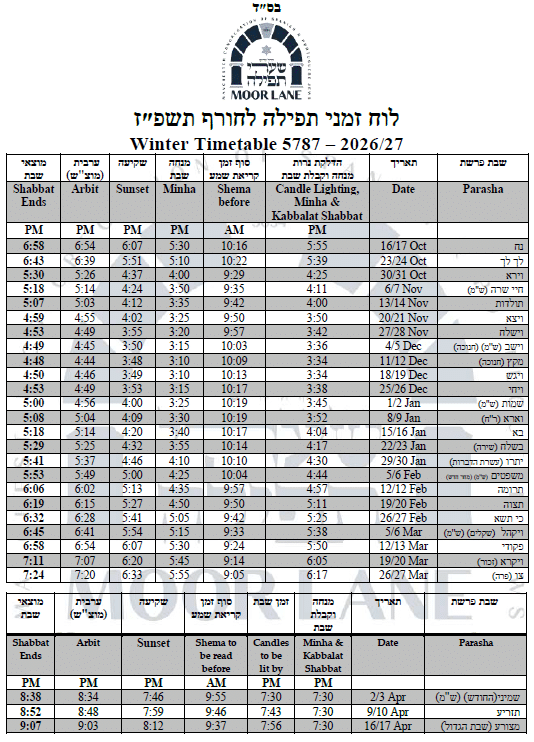
לוח זמני תפילה לקיץ תשפ״ו
Summer Timetable 5786 – 2026
מוצאי שבת | ערבית )מוצ”ש( | סוף זמן קריאת שמע | זמן שבת | מנחה וקבלת שבת | תאריך | שבת פרשת |
Shabbat Ends | Arbit | Shema to be read before | Candles to be | Minha & Kabbalat Shabbat | Date | Parasha |
PM | PM | AM | PM | PM |
|
|
8:40 | 8:36 | 9:46 | 7:36 | 7:30 | 4/5 | נצבים־וילך |
🕯️SUMMER TIMES FOR SHABBAT 🕯️
שבת
מנחה וקבלת שבת
7:30 pm
קרבנות
9:00 am
הודו
9:15 am
מנחה של שבת
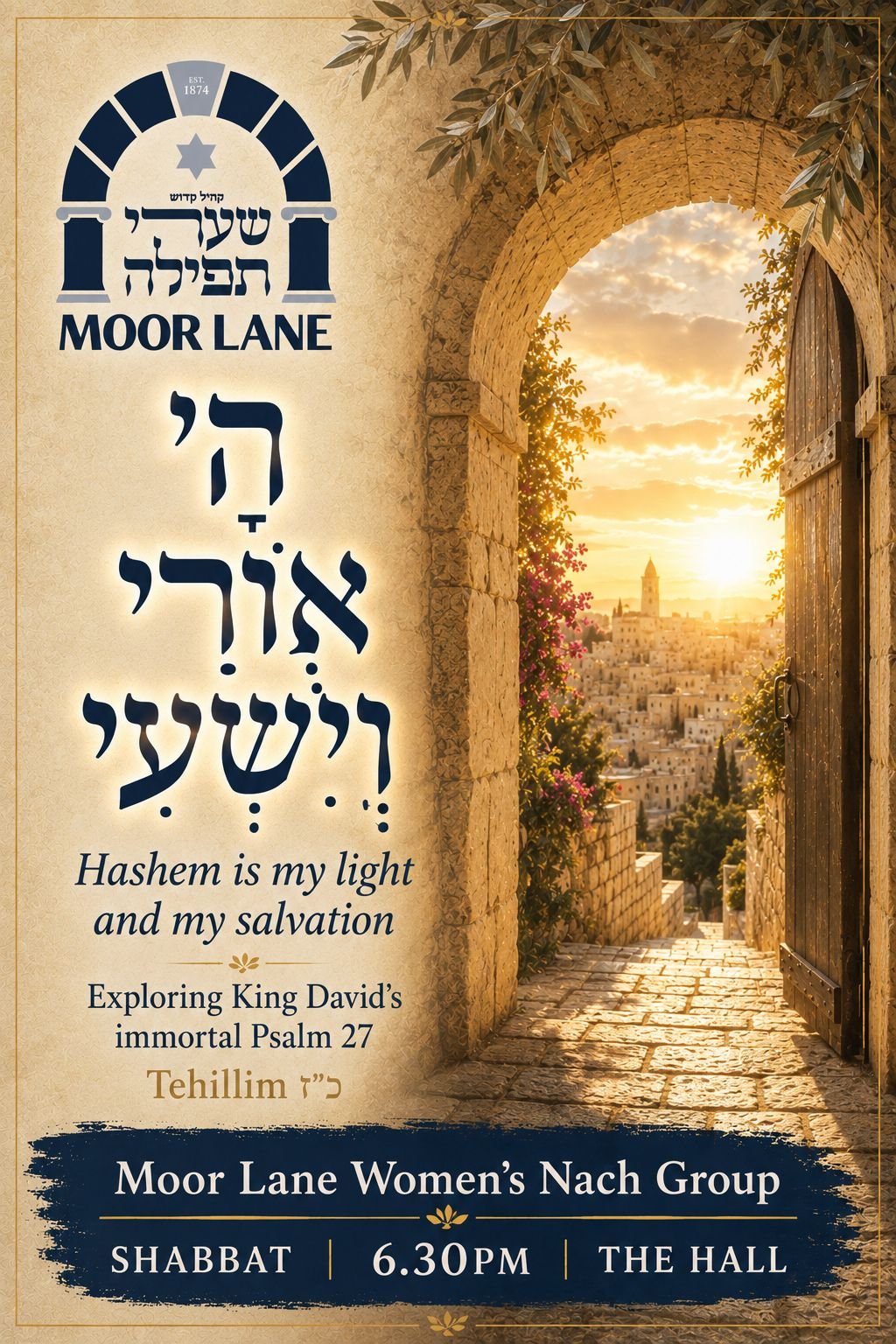
6:30 pm
*****
On the last day of his life, Moshe gathers together all the people, young and old, lowly and exalted, men and women in a final initiation. The covenant includes not only those who are present, but even those generations not yet born. Moshe admonishes the people again to be extremely vigilant against idol worship, because in spite of having witnessed the abominations of Egypt, there will always be the temptation to experiment with foreign philosophies as a pretext for immorality.
Moshe describes the desolation of the Land of Israel which will be a result of the failure to heed Hashem’s mitzvahs. Both their descendants and foreigners alike will remark on the singular desolation of the Land and its apparent inability to be sown or to produce crops. The conclusion will be apparent to all — the Jewish People have forsaken the One who protects them, in favor of idols which can do nothing. Moshe promises, however, that the people will eventually repent after both the blessings and the curses have been fulfilled. However assimilated they will have become among the nations, eventually G-d will bring them back to Eretz Yisrael.
Moshe tells the people to remember that the Torah is not a remote impossibility. Rather, its fulfillment is within the grasp of every Jew. The Torah portion dramatically concludes with Moshe's comparing the Jewish People's choice to follow the Torah to a choice between life and death. Moshe exhorts the people to choose life.
On this, the last day of his life, Moshe goes from tent to tent throughout the camp, bidding farewell to his beloved people, encouraging them to keep the faith. Moshe tells them that whether he is among them or not, Hashem is with them, and will vanquish their enemies. Then he summons Yehoshua, and in front of all the people, exhorts him to be strong and courageous as the leader of the Jewish People. In this manner, he strengthens Yehoshua's status as the new leader.
Moshe teaches them the mitzvah of Hakhel. E very seven years, on the first day of the intermediate days of Succot, the entire nation, including small children, is to gather together at the Temple to hear the King read from the Book of Devarim. The sections that he reads deal with faithfulness to G-d, the Covenant, and reward and punishment. G-d tells Moshe that his end is near, and he should therefore summon Yehoshua to stand with him in the Mishkan, where G-d will teach Yehoshua. G-d then tells Moshe and Yehoshua that after entering the Land, the people will be unfaithful to Him, and begin to worship other gods. G-d will then completely hide his face, so that it will seem that the Jewish People are at the mercy of fate, and that they will be hunted by all. G-d instructs Moshe and Yehoshua to write down a song — Ha'azinu — which will serve as a witness against the Jewish People when they sin. Moshe records the song in writing and teaches it to Bnei Yisrael. Moshe completes his transcription of the Torah, and instructs the Levi'im to place it to the side of the Aron (Holy Ark), so that no one will ever write a new Torah scroll that is different from the original — for there will always be a reference copy.
נהגו
לאכול בשני הלילות של ראש השנה, מיני מאכלים לסימן טוב לכל ימות השנה,
ולכן
נוהגים לאכול בלילי ראש השנה, רוביא (שנקראת גם לוביא בערבית), קרא (דלעת), כרתי,
סילקא (תרד), תמרים, רימונים, תפוח בדבש וראש כבש. ומקור המנהג, ממה שאמרו בגמרא
במסכת הוריות (יב.), לעולם יהא אדם רגיל לראות בראש השנה לסימן טוב, קרא, כרתי,
סילקא ותמרים. ופירש רש”י, מפני שהם ממהרים לגדול, וסימן טוב הוא לראותם בראש
השנה.
כבר
כתבנו באחת
ההלכות בעבר, שאדם שאוכל פירות וירקות קודם הסעודה,
מכניס עצמו בספק אם צריך לברך ברכה אחרונה, או שיצא ידי חובה בברכת המזון שאחר
הסעודה. ולפי שאין לאדם להכניס עצמו בספק ברכות לכתחילה, הנכון הוא לאכול את מיני
הפירות והירקות הנזכרים, בתוך הסעודה, אחרי אכילת כזית פת של ברכת
המוציא.
כשאוכלים
ממיני הירקות בתוך הסעודה, לוביא, קרא, כרתי, סילקא, וכן כשאוכלים מראש הכבש בתוך
הסעודה, אין לברך עליהם ברכת הנהנין, דהיינו ברכת בורא פרי האדמה וברכת שהכל, משום
שברכת המוציא פוטרתם אפילו אם אוכלם בלא פת, שהרי דרך ללפת את הפת בתבשילי ירקות.
וכשאוכלים
ממיני הפירות קודם הסעודה, התמר, הרימון, והתפוח בדבש, יש לברך עליהם ברכת הנהנין
, שהיא ברכת בורא פרי העץ, משום שאין דרך לאכלם עם הפת, ואינם נפטרים בברכת המוציא
לחם מן הארץ.
וכך
הוא סדר אכילת הסימנים בלילי ראש השנה: תחילה יקח בידו תמרה (תמר) אחת ויברך עליה
בורא פרי העץ, ואם התמרים הם פרי חדש, יברך עליהם גם כן ברכת שהחיינו, (ויזהר שלא
יניחם על השולחן בשעת הקידוש כשמברך שהחיינו, שלא יפטרם בברכת שהחיינו שבקידוש
ויפסיד ברכתו עליהם, אלא יסירם מן השולחן בשעת הקידוש, או יכסם במפה.) ואחר כך
יטעם מעט מהתמרה ואז יאמר: “יהי רצון מלפניך ה' אלוקינו ואלוקי אבותינו
שייתמו אויבנו ושונאינו וכל מבקשי רעתנו”, ויטעם עוד ממנה.
ואחר
כך יקח מהרימונים, ויאמר: “יהי רצון מלפניך ה' אלוקינו ואלוקי אבותינו שנהיה
מלאים מצוות כרימון”, ויטעם מהם. ואחר כך יקח מהתפוח בדבש ויאמר:
“יהי
רצון מלפניך ה' אלוקינו ואלוקי אבותינו שתתחדש עלינו שנה טובה ומתוקה“.
וכשאומר
נוסח ה”יהי רצון” יאמרנו בשם ומלכות. ואחר שטעם מהתפוח בדבש, יקח
מהרוביא ויאמר: “יהי רצון וכו' שירבו זכיותינו ותלבבנו”. ואחר כך יקח
מהקרא (דלעת) ויאמר:
“יהי רצון וכו' שיקרע רוע גזר דיננו ויקראו לפניך זכיותינו”. (ויש
נוהגים לאכול גזר עם הדלעת, שהרי אומר “גזר” דיננו.) ואחר כך יקח הכרתי
בידו ויאמר: “יהי רצון מלפניך וכו' שיכרתו אויבינו ושונאינו וכל מבקשי
רעתנו”. ואחר כך יקח הסילקא (תרד) בידו, ויאמר: “יהי רצון וכו' שיסתלקו
אויבינו ושונאינו וכל מבקשי רעתינו”. ואחר כך יקח ראש כבש או איל בידו,
ויאמר:
“יהי רצון וכו' שנהיה לראש ולא לזנב, וזה זכר לאילו של יצחק אבינו בנו של
אברהם אבינו עליהם השלום.”
יש
להיזהר מאד בכשרות בשר או ראש כבש, שלא יקחנו אלא אם נודע לו בפירוש שהוא כשר,
שנשחט על ידי שוחט מומחה ירא שמים, ושבבדיקתו הוברר שהוא “חלק”, ואם
אינו מוצא ראש כבש כזה, עדיף שייקח ראש עוף או דג או כל בהמה אחרת.
יש
נוהגים לאכול דגים בראש השנה. לפרות ולרבות כדגים, וכן הובא מנהג זה בשם רבי דוד
אבודרהם, ומרן החיד”א הביא שאין לאכול דגים בראש השנה, משום ששמו “דג” נופל
על לשון דאג, והביא סמך לזה מתיקוני הזוהר הקדוש. ומכל מקום כשחל ראש השנה ביום
שבת, לא יבטל מנהגו בכל שבת לאכול דגים.
מערכת
הלכה יומית מברכת את כל המנויים והלומדים היקרים, בברכת שנה טובה ומבורכת,
שיתמלאו
כל משאלות לבכם לטובה ולברכה, ותעלו מעלה מעלה בתורה וביראת ה'.
The Order of Rosh Hashanah
בס״ד

If your wife does not receive the moorlanenews emails, please forward this email to your wife, Thank you
Dear Ladies, שתחי׳
We hope this letter finds you well and in good health.
Baruch Hashem, as we approach another Rosh Hashana & Yom Kippur, we are willing to reserve a seat for LADY MEMEBERS OF OUR COMMUNITY.
We will attempt, to the best of our ability, to allocate the seats according to where the ladies sit throughout the year, but we cannot guarantee how the seats will be assigned. We will also consider accommodating places for unmarried girls over Bat Mitzva to sit next to or close to their mothers.
Please tick for which day(s):
1) Rosh Hashana DAY 1 _______
2) Rosh Hashana DAY 2 _______
3) BOTH DAYS OF ROSH HASHANA _______
4) ONLY Yom Kippur _______
5) BOTH (Rosh Hashana and Yom Kippur) _______
Please let us know below who the seat is for:
1) Name _______________________________
2) Name _______________________________
3) Name _______________________________
4) Name _______________________________
5) Name _______________________________
Please reply to THIS EMAIL with the above information
Please note, we will gladly reserve and allocate you a seat; however, if, for example, you are allocated a seat for Yom Kippur but can only come for Ne’ilah please understand that your seat cannot be kept vacant all day, when others could use the seat until you arrive.
Therefore, we endeavour to do the following:
· A clear sign will be posted asking ladies to respect the allocated seating plan by not sitting in someone’s allocated place and to vacate the seat as soon as the lady comes.
· If someone is sitting in your allocated seat when you arrive, you have the right to politely ask that person to move.
· We request that you ask the lady to move in the most polite, discreet and nicest way possible so as not to cause embarrassment, offence or any discomfort whatsoever.
NON-MEMBERS
For non-members, there will be a charge of £25 per seat per day to have an allocated place in the ladies’ gallery.
Alternatively, become a country member for £180 per annum as a family (Full membership is £360 per annum), and this entitles you to free seats for Rosh Hashanah & Yom Kippur.
If you want to pray with us but have financial issues, then please speak to the treasurer privately, and arrangements can be made. We will NEVER turn you down.
Payments can be made
1) Directly to a member of the executive or Mahamad
2) Bank Details:
Manchester Congregation of Spanish and Portuguese Jews
Account: 49286544
Sort: 01-07-20
3) Using this link: charityextra.com/charity/moorlane
Thanking you in advance.
Tizku leshanim rabot
The Gabbaim
PS – Whilst there is no charge for allocating you a seat, any donations made will be gratefully appreciated.
 1-Rosh-Hashana-Yom-Kippur-Succot-5787-2026.pdf