
Shiur & Social 1



THE KOLLEL
Established seventeen years ago, the Kollel provides:
We are developing our Kollel members’ talents in giving shiurim, public speaking, writing, communication skills, youth work. The avreichim become well-rounded Bnei Torah with a solid knowledge of Halachah and an outward-looking view. Embedded within a Sefardi Kehillah we have behind us over a decade of learning, teaching and communal activity in North and South Manchester.
We are grateful for the past support of the Montefiore Endowment, whose vision for the Sefardi Community helped us for many years.
THE CAMPAIGN
You can help our courageous swimmers smash their target of £70,000 and help fund this amazing organisation. Every donation is matched!

לוח זמני תפילה לקיץ תשפ״ו
Summer Timetable 5786 – 2026
מוצאי שבת | ערבית )מוצ”ש( | סוף זמן קריאת שמע | זמן שבת | מנחה וקבלת שבת | תאריך | שבת פרשת |
Shabbat Ends | Arbit | Shema to be read before | Candles to be | Minha & Kabbalat Shabbat | Date | Parasha |
PM | PM | AM | PM | PM |
|
|
11:00 | 10:56 | 8:56 | 9:27 | 7:30 | 26/27 | חקת־בלק |
For those not in the Bet Hakeneset, but wishing to bring in Shabbat with the Kahal, candles should be lit about 30 minutes after the time listed for Minha and Kabbalat Shabbat. Unless the time listed in the ‘latest candle lighting’ column is earlier, when candles should be lit by that time, in all cases.
*****
🕯️SUMMER TIMES FOR SHABBAT 🕯️
שבת
מנחה וקבלת שבת
7:30 pm
קרבנות
9:00 am
הודו
9:15 am
מנחה של שבת
6:30 pm
********

******
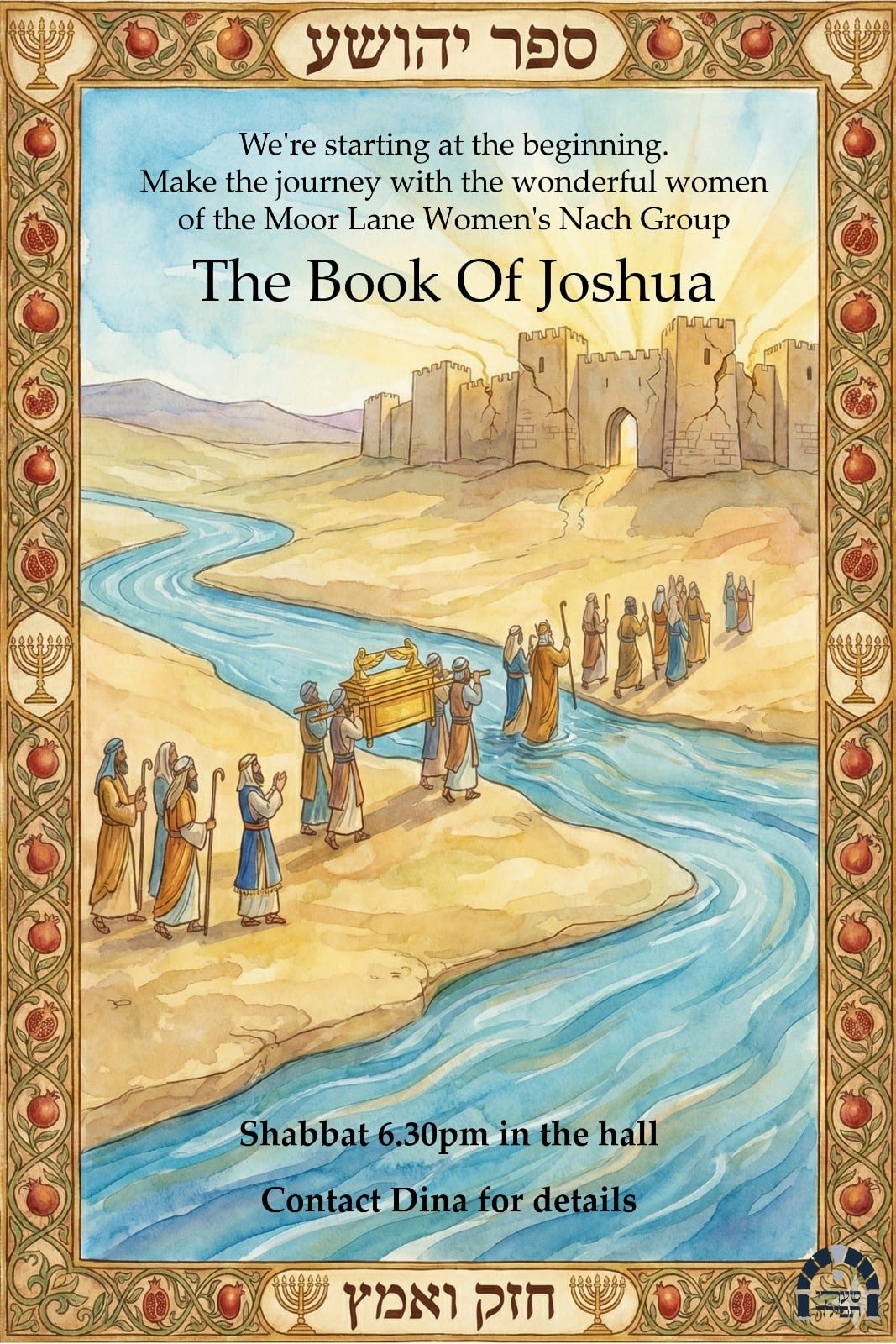
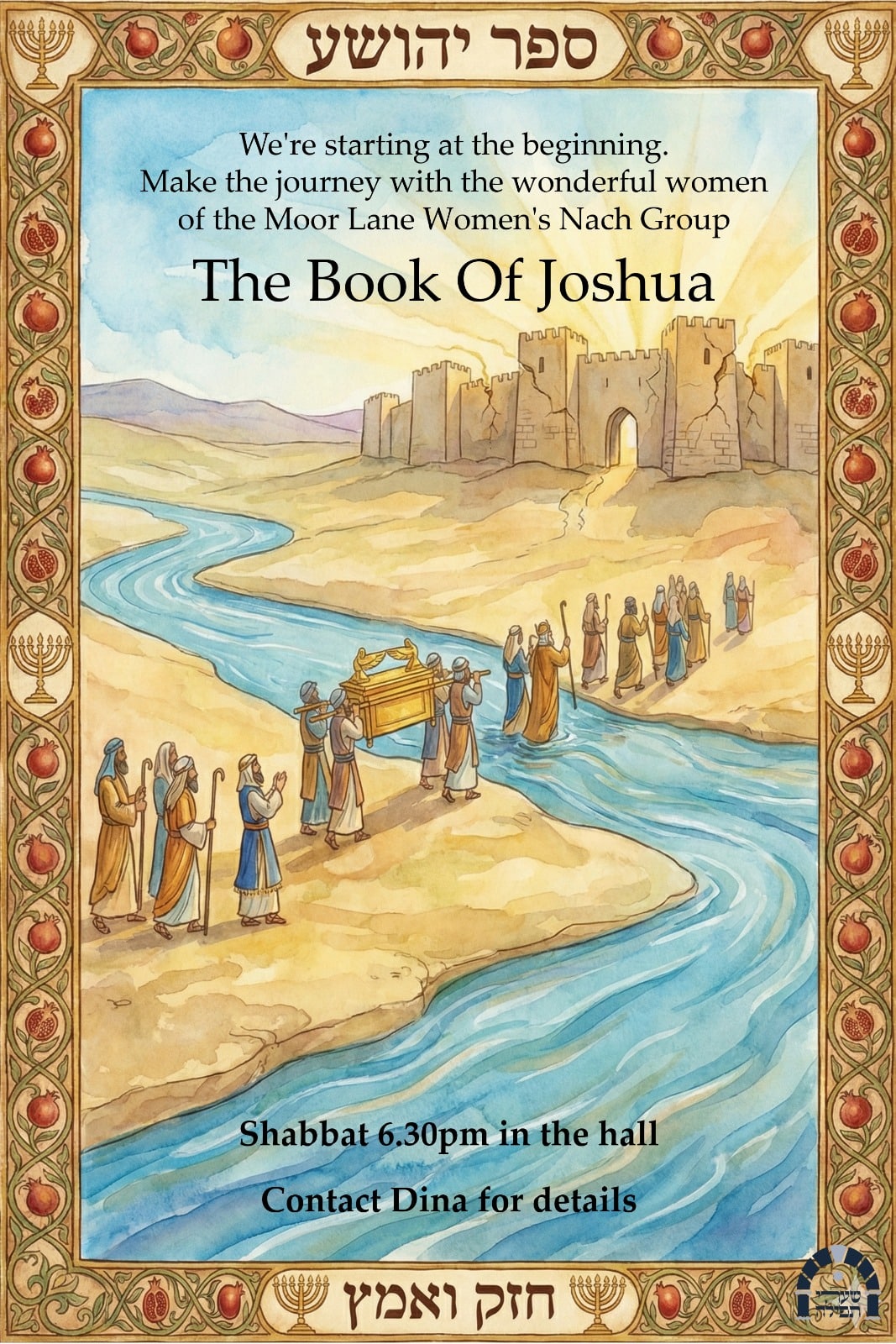
Moor Lane Women’s Nach Group
BACK THIS WEEK
*******
Chukat
The laws of the Red Heifer – Parah Adumah – are detailed, regarding purification from the defilement of death, i.e., of contact with a corpse.
After nearly 40 years in the desert, Miriam dies and is buried at Kadesh. The people complain about the lack of water which, until now, had been provided miraculously in the merit of Miriam’s righteousness, Hashem commands Moshe and Aharon to gather the nation at Merivah and speak to a designated rock, which will give forth water. Distressed by the people's lack of faith, Moshe hits the rock instead. He thus fails to produce the intended public demonstration of Hashem's mastery, had the rock produced water merely at Moshe's word. Hashem tells Moshe and Aharon that they will therefore not bring the people into the Land.
The Jewish People travel toward Eretz Yisrael, but the King of Edom, a descendant of Esav, denies them passage, so they take a circuitous route. When they reach Mount Hor, Aharon dies and his son Elazar is invested with his priestly garments and responsibilities. Beloved by all, Aharon is mourned by the entire nation. With the loss of Aharon’s protective merit, the “Canaanite” king of Arad attacks and takes a captive, but Hashem hears the Jewish People’s prayers and saves them.
The people become discouraged at their seemingly incessant travels and criticize the mann, whereupon Hashem sends venomous serpents that kill many. When the people repent Moses prays for them, makes a copper serpent at Hashem’s command, and hoists it upon a pole. Those bitten look at it and live.
They finally encamp at the passageway to Eretz Yisrael, where they sing a song praising Hashem, praising Moshe, and praising Hashem’s many miracles, especially the miracle of the well.
The Amorite King, Sichon, attacks Bnei Yisrael when they ask to pass through his land; Bnei Yisrael thereby conquer the lands that Sichon had previously seized from the Amonites on the east bank of the Jordan River.
Balak
Balak, King of Moav, is in morbid fear of the Bnei Yisrael. He summons a renowned sorcerer named Bilaam to curse them. First, G-d speaks to Bilaam and forbids him to go. But, because Bilaam is so insistent, G-d appears to him a second time and permits him to go. While en route, a malach (emissary from G-d) blocks Bilaam's donkey's path. Unable to contain his frustration, Bilaam strikes the donkey each time it stops or tries to detour. Miraculously, the donkey speaks, asking Bilaam why he is hitting her. The malach instructs Bilaam
regarding what he is permitted to say and what he is forbidden to say about the Jewish People. When Bilaam arrives, King Balak makes elaborate preparations, hoping that Bilaam will succeed in the curse. Three times Bilaam attempts to curse, and three times blessings are issued instead. Balak, seeing that Bilaam has failed, sends him home in disgrace. The Bnei Yisrael begin sinning with the Moabite women and worshipping the Moabite idols, and they are punished with a plague. One of the Jewish leaders brazenly brings a Midianite princess into his tent, in full view of Moshe and the people. Pinchas, a grandson of Aharon, grabs a spear and kills both evildoers. This act brings an end to the plague — but not before 24,000 people died.

אמרו בגמרא במסכת מועד קטן (דף יז.), ששפחתו של בית רבי (כלומר, שפחה שהייתה עובדת בביתו של רבינו יהודה הנשיא), ראתה אדם אחד שהיה מכה את בנו גדול, כלומר, הוא הכה את בנו, שלא היה ילד קטן כל כך, אמרה, יהיה אותו איש מנודה, משום שעובר על “ולפני עור לא תיתן מכשול”. ופירש רש”י, שכיון שאותו בן לא היה קטן, ואביו מכהו, עלול הוא לבוז ולזלזל באביו, נמצא שאביו מכשילו באיסור. ואמרו שם בגמרא שחכמים לא נהגו קלות ראש בנידוי זה במשך שלוש שנים. כלומר, הסכימו למעשיה של השפחה, שנדתה את אותו אדם.
וכבר הזכרנו פעם בקצרה את דברי הרמב”ם, שאסור לו לאדם להכביד עולו על בניו יותר מדאי, בכדי שלא יכשילם באי קיום מצות כבוד אב ואם. וכל שכן שלא יכה את בניו יותר מדאי, שבכך הוא עלול להכשילם יותר באיסורי תורה. ומרן השלחן ערוך פסק כן להלכה, שאסור לאב להכות את בנו גדול, פן יתריס כנגדו, ויחזיר לו, ונמצא עובר על לפני עור לא תיתן מכשול. ופשוט הדבר, שאין חילוק בזה בין בנו לבתו.
וכתב הרמ”א, שמה שנאמר מכה בנו “גדול”, אין הכוונה בן שלוש עשרה, אלא מגיל עשרים ושתים שנה, שאז עשוי להתריס כנגד אביו. אולם דברי הרמ”א אינם נכונים אלא לפי דורו, שאז היו הילדים מתנהגים בהכנעה רבה בפני הוריהם, אבל בזמנינו שגדלה החוצפה, בלי ספק יש איסור להכות את בנו אף בגיל צעיר יותר, וכמו שכתב הריטב”א, וזו לשונו:
“ונראים הדברים דלא גדול, גדול ממש, אלא הכל לפי טבעו, שיש לחוש שיתריס כנגדו בדיבור או במעשה, ואפילו אינו בר מצוה עדיין, אין ראוי להביאו לידי מכה אביו או מקלל אביו, אלא ישדלנו בדברים”. עד כאן. וכן פסק מרן רבינו הגדול זצוק”ל.
וכתב הרמב”ם, שמלמד תינוקות (כלומר, מלמד ילדים קטנים, שבזמן חז”ל נהגו שהיה מכה את הילדים כדי לחנכם), מכה את התלמידים ברצועה קטנה כדי להטיל עליהם אימה, ואינו רשאי להכותם מכת אויב מכת אכזרי, לכן לא יכה אותם בשוטים או במקלות. וכתב מרן הרב עובדיה יוסף זצ”ל, שבודאי שכן הדין לגבי אביו גם כן, שעליו להתנהג עם בניו בנחת, כרחם אב על בנים.
ובספר פלא יועץ (להגאון רבי אליעזר פאפו שהיה רב בסיליסטא מחוז דוברוג'ה לפני כמאתיים שנה בקירוב) כתב, שאפילו הבן קטן, כל שיודע בו שאינו מקבל מרות, כמו בדורות הללו שגדלה החוצפה, ובן בועט באביו, צריך דעת מיושבת לאב ולאם שלא ידברו אל בניהם אלא בלשון רכה.
וכתב עוד מרן רבינו זצ”ל, שגם כשראוי להכות הקטן לחנכו, כמו שהיה בדורות הקודמים, היה צורך להזהר שלא יכהו בשעת כעסו, שאם יכשל ויכה אותו יותר ממה נכון, מחמת כעסו עליו, והמכה את בנו שלא לצורך גודל עוונו מנשוא, שהרי המרים יד על חבירו נקרא רשע, וגם צריך לנהוג בחכמה שלא לבוא חלילה למצבים קשים, כמו שנמצא בכמה מקרים שהלכו בנים והלשינו למשטרה על הוריהם שמכים אותם וכדי בזיון וקצף.
ומן הראוי לציין, שבדורותינו דעת רוב הרבנים, שאין להכות את הבנים כלל, משום שעל ידי זה נוצר קשר לא בריא ולא חם בין הילדים להוריהם, ויש לכך השלכות כבדות משקל לכל חיי הילדים. והנסיון הוכיח, שהורים שחינכו את בניהם במשטר נוקשה ובלי פשרות, הגיעו בדרך כלל לראות בנים ובנות הסרים מן הדרך ובועטים בכל הקדוש והיקר להוריהם. וזאת מלבד הריחוק הנפשי שיש בין הילדים להוריהם, וחוסר המעורבות של ההורים בחיי הילדים, וכל זאת משום שילד בן דורינו לא יוכל להרגיש הזדהות עם אדם שמחנך אותו בנוקשות. ולעומת זאת, ההולך עם בניו לאט לאט, במתינות ונחת, מתוך סבלנות והבנה, זוכה לקשר חיובי יותר עם הילדים, כך שגם עם התבגרותם יוכל למצוא נתיבות ללבבם להשפיע עליהם בדרך נכונה לעלות במעלות טובות.
על כן כל אחד יזהר לנהוג בחכמה ובתבונה בחינוך בניו ובנותיו, ויתפלל להשם יתברך שינחהו בדרך נכונה לזכות לרוות נחת מבניו ובנותיו, וגם על האם מוטלת החובה להתחנן לפני הקדוש ברוך, שיזכו לגדל בניהם לתורה וליראת ה', וכל רואיהם יכירון כי הם זרע ברך ה'.
The Gemara in Masechet Mo’ed Katan (17a) recounts how the maidservant of the household of Rabbi Yehuda Ha’Nassi once saw a man striking his older son and exclaimed that this man should be excommunicated because he had transgressed the prohibition of “Do not place a stumbling-block in front of a blind man.” Rashi explains that since this child being hit by his father was not a youngster, this action would probably cause him to denigrate and humiliate his father, thus, his father was causing him to sin. The Gemara there relates that the Sages did not treat this excommunication lightly for a three year period.
We have already mentioned the words of the Rambam who writes that one should not over-burden his children in order not to cause them to act with a lack of respect towards him. Certainly, one must not hit his children excessively, for by doing so he is creating a bigger chance for them to transgress several Torah prohibitions. Maran Ha’Shulchan Aruch indeed rules likewise that a father may not strike his adult son, lest the son be tempted to hit him back, causing the father to transgress the prohibition of “placing a stumbling-block in front of a blind man.”
The Rama writes regarding hitting one’s “adult” son that this does not refer to the age of thirteen; rather, “adult” refers to the age of twenty-two and over, for this is when a son is tempted to strike back at his father. However, the words of the Rama seem correct only with regards to his generation where children would treat their parents with the utmost respect, but in our generation where audacity is rampant, one must, without a doubt, abstain from hitting his son even from a younger age. Similarly, the Ritba writes: “It seems that ‘adult’ does not necessarily mean an actual adult, rather, it all depends on the nature of the child, for we must be concerned that he will strike back, either with words or with actions. Even if he is not of Bar Mitzvah age yet, it is incorrect to cause him strike or curse his father. Rather, one should placate him with words.” Maran zt”l rules accordingly.
The Rambam writes that a schoolteacher (who, in the times of our Sages, would hit his young pupils in order to educate them) may only hit his students with a small belt in order to instill fear in them, however, he may not beat them cruelly and mercilessly; thus, he may not strike them with whips or rods. Maran Harav Ovadia Yosef Shlit”a writes that the same certainly applies to a father as well, that he must seek to act pleasantly and mercifully with his children.
The Sefer Peleh Yo’etz (authored by Hagaon Harav Eliezer Papo, Rav in the city of Silista, province of Dobruja, Bulgaria, approximately two-hundred years ago) writes that even if the child is young, if the parents know that he does not accept authority, as is common in these times where audacity is rampant and children disobey their parents, the parents need clear thinking in order to only speak to their child in soft, pleasant tones.
Maran Rabbeinu Ovadia Yosef zt”l adds that even when one must hit his son in order to teach him a lesson, it is better for one not to do so when he is angry so as not to hit him more than is necessary as a result of his anger, for if one strikes his child needlessly, his sin is too great to bear, as one who raises his hand to strike his fellow is considered wicked. One must also use wisdom to prevent terrible situations from arising as a result of this, G-d forbid, such as children reporting their parents who hit them to the police, which has happened before.
We must point out though that according to some Torah scholars in our generation (such as Hagaon Harav Shlomo Wolbe zt”l), in our times, one should not hit his children at all, for this can cause an unhealthy and cold relationship to be formed between parents and their children which can lead to very serious ramifications for the duration of the children’s lives. Experience shows that parents who educate their children sternly and in an unyielding way generally tend to see their sons and daughters straying from the proper path and rejecting all that is good and holy to their parents. This is besides the emotional distance between the children and their parents and the lack of involvement of the parents in their children’s lives. All this is because a child in our generation cannot identify with a person who raises him harshly. On the other hand, when a parent educates his children slowly and pleasantly with patience and understanding, he merits having a much more positive kind of connection with his children such that even when they grow older, he will still be able to find the way to their hearts in order to influence them to follow the proper path of growth in spirituality.
Thus, all parents must act wisely when it comes to raising one’s sons and daughters, and one must constantly pray to Hashem that He guide him on the proper path so that he may attain spiritual fulfillment from his children. Mothers must also beseech Hashem that they merit raising their children on the path of the Torah and fear of Heaven, and that it be plain for all to see that their children are the blessed children of Hashem.

The annual Parklife music festival returns to
Heaton Park THIS coming weekend
(Shabbat & Sunday).
As usual, Parklife attracts around 80,000 attendees per day,
who come from all over the country.
Obviously, this many visitors to the area raises the potential for incidents to occur
and this is one of the reasons the organisers arrange for so many security personnel
in the area over the two days of the festival.
Therefore, we kindly ask the kahal to be vigilant and ensure the usual security steps are taken
whilst tefillot, avot ubanim or learning sessions are taking place
i.e. ensure all doors to the building are properly closed.
Please remember to report any antisemitic incidents,
or incidents of suspicious behaviour immediately,
to the police on 999 and to CST on 0800 032 3263.

לוח זמני תפילה לקיץ תשפ״ו
Summer Timetable 5786 – 2026
מוצאי שבת | ערבית )מוצ”ש( | סוף זמן קריאת שמע | זמן שבת | מנחה וקבלת שבת | תאריך | שבת פרשת |
Shabbat Ends | Arbit | Shema to be read before | Candles to be | Minha & Kabbalat Shabbat | Date | Parasha |
PM | PM | AM | PM | PM |
|
|
11:00 | 10:56 | 8:55 | 9:26 | 7:30 | 19/20 | קרח |
For those not in the Bet Hakeneset, but wishing to bring in Shabbat with the Kahal, candles should be lit about 30 minutes after the time listed for Minha and Kabbalat Shabbat. Unless the time listed in the ‘latest candle lighting’ column is earlier, when candles should be lit by that time, in all cases.
*****
🕯️SUMMER TIMES FOR SHABBAT 🕯️
שבת
מנחה וקבלת שבת
7:30 pm
קרבנות
9:00 am
הודו
9:15 am
מנחה של שבת
6:30 pm
********

******
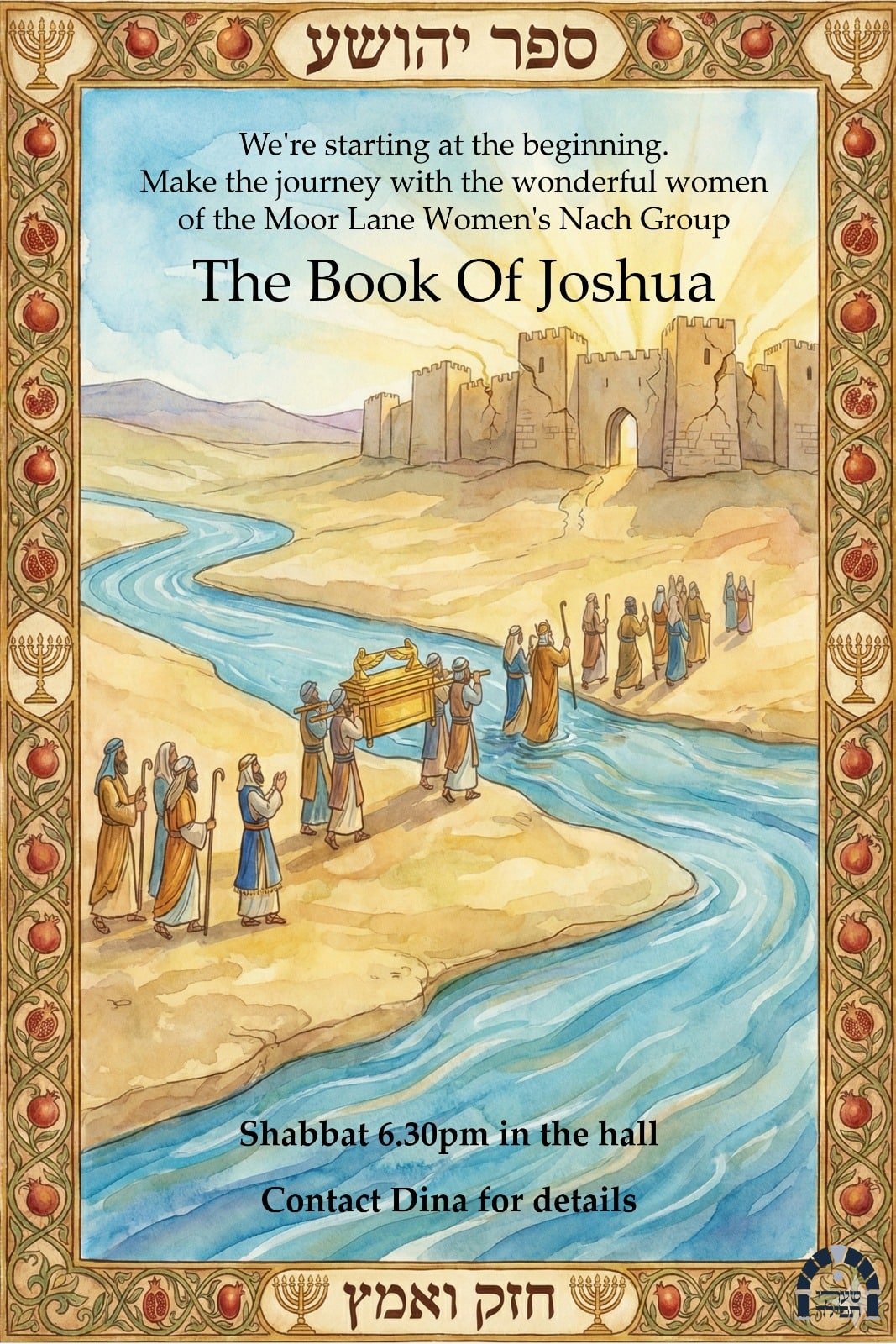
Moor Lane Women’s Nach Group
BACK THIS WEEK
*******
Korach, Datan and Aviram, and 250 leaders of Israel rebel against the authority of Moshe and Aharon. The rebellion results in their being swallowed by the earth. Many resent their death and blame Moshe. G-d's “anger” is manifest by a plague that besets the nation, and thousands perish. Moshe intercedes once again for the people. He instructs Aharon to atone for them using the incense, and the plague stops.
Then, G-d commands that staffs, each inscribed with the name of one of the tribes, be placed in the Mishkan. In the morning, the staff of Levi, bearing Aharon's name, sprouts, buds, blossoms and yields ripe almonds. This provides Divine confirmation that Levi's tribe is chosen for priesthood and verifies Aharon's position as Kohen Gadol, High Priest. The specific duties of the levi'im and kohanim are stated. The kohanim were not to be landowners, but were to receive their sustenance from the tithes and other of the mandated gifts brought by the people. Also in this week's Torah portion are laws of the first fruits, redemption of the firstborn and various laws of offerings.

תשובה: בגמרא במסכת שבת (צה.) אמרו, מגבן (פירוש, עושה גבינה) חייב משום בונה, דהיינו המקבץ פתיתי חלב ביחד לעשות מהם גבינה בשבת חייב, משום שיש בזה איסור משום מלאכת “בונה”. ומכאן יש שכתבו ללמוד שיש איסור להכין קרח בשבת, משום שעושה מהמים גוש, והרי זה אסור משום בונה.
אולם מרן הרב עובדיה יוסף זצ”ל כתב, שאין להוכיח כן מהסוגיא במסכת שבת, משום שהמגבן הוא מקבץ במו ידיו חלקים רבים והופכם לגוף אחד על ידי נתינתם בכלי עגול או מרובע כפי רצונו, והרי זה דומה לבונה שמקבץ עפר ואבנים ועושה מהם בנין אחד, וכמו שהסביר הרמב”ם (בפ”ז מהלכות שבת הלכה ו) “שכל המקבץ חלק אל חלק ודיבק (והדביק) הכל עד שיעשו לגוף אחד, הרי זה דומה לבנין”. אבל הנותן מים או מיץ במקום קר מאוד ועל ידי כך הם קופאים מעצמם אינו דומה כלל לבונה, שהרי הוא אינו עושה דבר במו ידיו.
ועוד הוסיף מרן הרב עובדיה יוסף זצ”ל טעם להקל בהכנת קרח בשבת, שהרי בנין הקרח אינו דבר המתקיים, שהרי בהוצאתו מהמקפיא מייד הוא נמס, מה שאין כן הגבינה שעומדת בפני עצמה לימים רבים, ואדרבא, כל זמן שהיא עומדת היא מתקשה יותר (כפי שאכן אנו רואים בבירור בגבינות קשות וחצי קשות) והולכת ומתקשה כאבן והרי זה דומה באמת לבנין שעומד על תילו לימים רבים.
ולכן לענין הלכה, מותר להכניס ביום שבת מים או כל משקה אחר למקפיא כדי להפוך אותו לקרח, ובפרט בימי הקיץ החמים שיש בזה משום עונג שבת. וכן העלה להקל הגאון רבי אליעזר יהודה ולדנברג זצ”ל בשו”ת ציץ אליעזר (חלק ו' סימן לד) והגאון רבי שמואל הלוי ואזנר זצ”ל בשו”ת שבט הלוי (ח”א סימן קיט).
Question: May one fill up an ice tray with water and place it in the freezer in order to make ice cubes on Shabbat?
Answer: The Gemara (Shabbat 95a) states that one who makes cheese on Shabbat by clumping together milk flakes has transgressed the Torah prohibition of building on Shabbat. Some deduce from this Gemara that it is forbidden to make ice on Shabbat, for one is turning water into a solid form and this constitutes the forbidden work of building on Shabbat.
Nevertheless, Maran Rabbeinu Ovadia Yosef zt”l writes that the aforementioned Gemara does not apply here, for one who makes cheese must collect many pieces of milk with his hands and then turns them into one block by placing them into a single round or square vessel which is indeed similar to building whereby one collects dirt, sand, and wood and creates a single building out of them. Indeed, the Rambam (Chapter 7 of Hilchot Shabbat, Halacha 6) states: “One who collects many different articles and sticks them together until they are one form, this is similar to building.” However, if one places water or juice in a cold place such that they freeze on their own, this is in no way similar to building, for one is not doing any action with his hands.
Another reason Maran zt”l adds for leniency regarding making ice cubes on Shabbat is that the “building” of ice is not something that is long-lasting, for as soon as it is removed from the freezer, it will immediately begin melting as opposed to cheese which can last on its own for a long time. Indeed, the longer it stands, the harder it becomes (as we can see with regards to hard and semi-hard cheeses) until it actually becomes as hard as a rock; this occurrence is certainly comparable to a building which is made to last for a long time.
Thus, halachically speaking, one may place water or any other beverage in the freezer in order to turn it into ice on Shabbat. This is especially true during the summer during which this constitutes enjoyment of Shabbat as well. Hagaon Harav Eliezer Yehuda Waldenberg zt”l (Responsa Tzitz Eliezer, Volume 6, Chapter 34) and Hagaon Harav Shmuel Ha’Levi Wosner zt”l (Responsa Shevet Ha’Levi, Volume 1, Chapter 119) rule likewise.

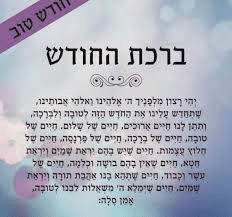
שבת מברכים
is
שבת מברכים

לוח זמני תפילה לקיץ תשפ״ו
Summer Timetable 5786 – 2026
מוצאי שבת | ערבית )מוצ”ש( | סוף זמן קריאת שמע | זמן שבת | מנחה וקבלת שבת | תאריך | שבת פרשת |
Shabbat Ends | Arbit | Shema to be read before | Candles to be | Minha & Kabbalat Shabbat | Date | Parasha |
PM | PM | AM | PM | PM |
|
|
10:56 | 10:52 | 8:54 | 9:23 | 7:30 | 12/13 | שלח (ש''מ) |
For those not in the Bet Hakeneset, but wishing to bring in Shabbat with the Kahal, candles should be lit about 30 minutes after the time listed for Minha and Kabbalat Shabbat. Unless the time listed in the ‘latest candle lighting’ column is earlier, when candles should be lit by that time, in all cases.
*****
🕯️SUMMER TIMES FOR SHABBAT 🕯️
שבת
מנחה וקבלת שבת
7:30 pm
קרבנות
9:00 am
הודו
9:15 am
מנחה של שבת
6:30 pm
********

******
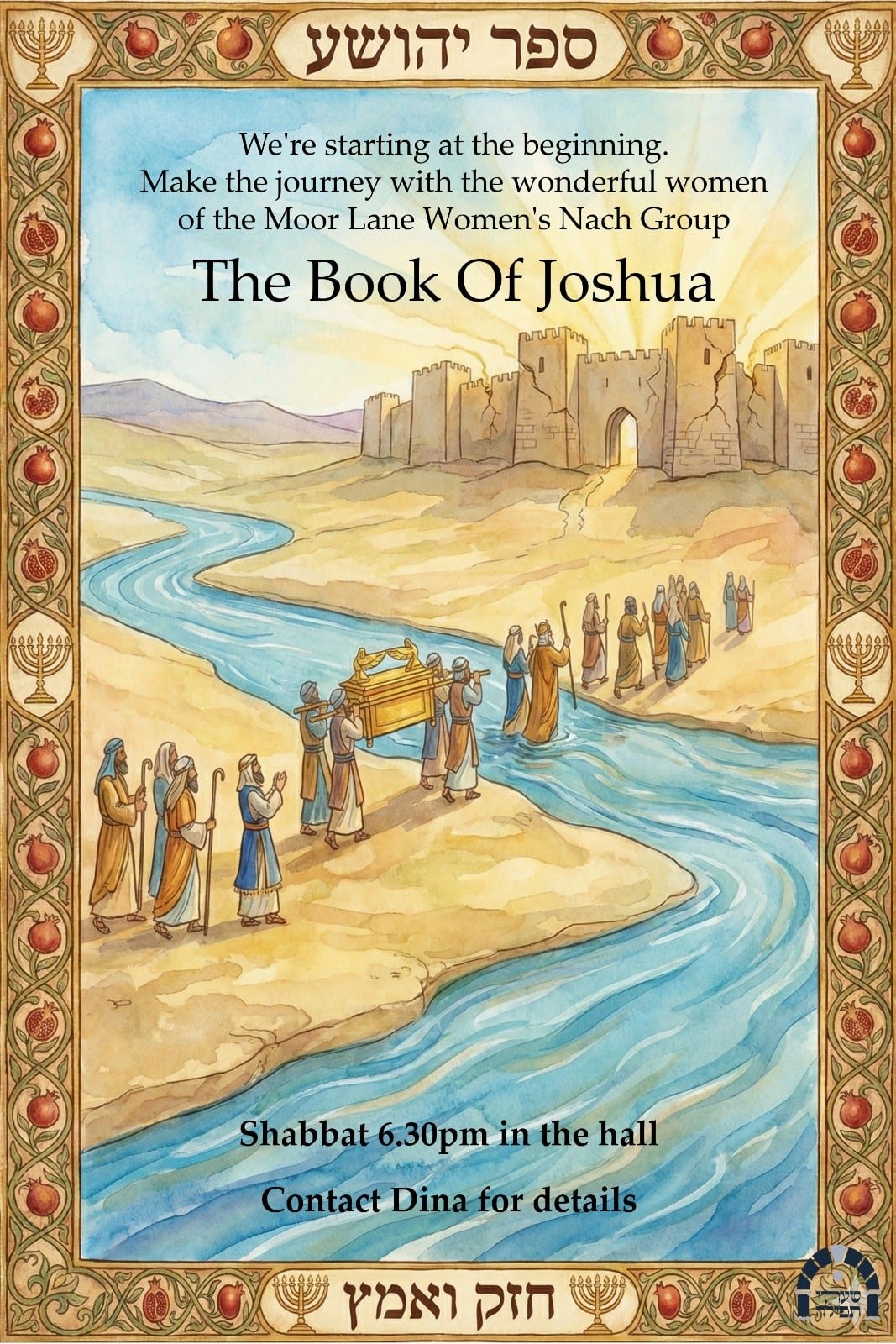
Moor Lane Women’s Nach Group
BACK THIS WEEK
*******
At the insistence of the Bnei Yisrael, and with G-d's permission, Moshe sends 12 scouts, one from each tribe, to investigate Canaan. Anticipating trouble, Moshe changes Hoshea's name to Yehoshua, expressing a prayer that G-d not let him fail in his mission. They return 40 days later, carrying unusually large fruit. When 10 of the 12 state that the people in Canaan are as formidable as the fruit, the people are discouraged. Calev and Yehoshua, the only two scouts still in favor of the invasion, try to bolster the people's spirit. The nation, however, decides that the Land is not worth the potentially fatal risks, and instead demands a return to Egypt. Moshe's fervent prayers save the nation from Heavenly annihilation; however, G-d declares that they must remain in the desert for 40 years until the men who wept at the scouts' false report pass away. A remorseful group rashly begins an invasion of the Land, basing themselves upon G-d's original command. Moshe warns them, but they ignore this and are massacred by the Amalekites and Canaanites.
G-d instructs Moshe concerning the flour and wine offerings to be made when BneiYisrael will finally enter the Land. The people are commanded to remove challah, a gift for the kohanim, from their dough. The laws for an offering after an inadvertent sin, for an individual or a group, are explained. However, should someone blaspheme against G-d and be unrepentant, he will be cut off spiritually from his people. One man is found gathering wood on public property in violation of the laws of Shabbat and is executed. The laws of tzitzit are taught. We recite the section about the tzitzit twice a day to remind ourselves of the Exodus.

ביארנו בימים האחרונים, שמותר לחמם בשבת על גבי פלאטה חשמלית, מאכל שהתבשל כבר לפני השבת. ובתנאי שהמאכל הוא יבש, כמו בורקס, פשטידה וכדומה. אבל מאכל לח, כמו מרק ירקות, אין לחממו בשבת. והטעם לכל זה, משום שיש בידינו כלל, ש”אין בישול אחר בישול”, כלומר, דבר שכבר התבשל לפני שבת, אין איסור לחזור ולחממו בשבת, מפני שאין זה “בישול”, אלא “חימום”. אבל דבר לח, אף על פי שהתבשל כבר לפני השבת, שייך בו איסור בישול פעם נוספת. ובקצרה: “יש בישול אחר בישול בלח, ואין בישול אחר בישול ביבש”.
לפיכך למדנו גם, שמותר לקחת דבר שהתבשל לפני שבת, ולהניח אותו בתוך תבשיל אחר כשהוא רותח בשבת. ולדוגמא, מותר לקחת ביצה מבושלת, ולהניח אותה בתוך כלי עם מים רותחים בשבת. וכן מותר לקחת חתיכת בשר מבושל, ולהניחה בתוך כלי רותח על גבי הפלאטה, שהרי “אין בישול אחר בישול”.
ומעתה עלינו לבאר פרט נוסף. האם דבר שנאפה לפני השבת, שייך בו איסור בישול כאשר חוזרים לבשל אותו בשבת? כלומר, האם יש בישול אחר אפיה, או שגם אחרי אפיה לא שייך שוב דין בישול בשבת? ולדוגמא, פשטידה שאפו אותה בתנור ביום שישי, האם מותר לחמם אותה בתוך תבשיל רותח בשבת, או שאסור לעשות כן?
ושאלה זו נוגעת לא רק למאכל שנאפה, אלא גם למאכל שנצלה לפני שבת, כמו בשר צלוי, (וכן דבר שקלו אותו לפני השבת, כמו גרעינים שקלו אותם לפני השבת), האם אומרים לגביהם ש”אין בישול אחר בישול”, או שלגבי דברים כאלה שייך איסור בישול כאשר חוזרים ומבשלים אותם?
ובדבר זה נחלקו רבותינו הראשונים. שרבינו אליעזר ממיץ בספר יראים (סימן קב) כתב, שאף על פי שאין בישול אחרי בישול, מכל מקום יש בישול אחרי צלי, וכן יש בישול אחרי אפיה. והביא ראיה לדבריו. והוסיף, שלכן יזהר אדם שלא לשים פת אפויה בתוך התבשיל, ואם עשה כן, חילל שבת.
אולם לעומת זאת, הראבי”ה דחה את דברי רבי אליעזר ממיץ בענין זה, והביא גם הוא ראיה חזקה להקשות על דברי רבי אליעזר ממיץ. ומרן הבית יוסף (בסימן שיח) כתב, שהקושיא שהקשה ראבי”ה על דברי רבינו אליעזר ממיץ, היא קושיא חזקה.
ובשלחן ערוך (סימן שיח סעיף ה) פסק מרן בזו הלשון: יש מי שאומר שדבר שנאפה או נצלה, אם בישלו אותו אחר כך, יש בו איסור משום בישול. ויש מתירין. עד כאן. והרמ”א הוסיף על זה: ונהגו להזהר לכתחילה שלא לשים פת שנאפתה בתוך תבשיל חם.
ולמעשה מרן רבינו עובדיה יוסף זצ”ל (יביע אומר ח”ח סימן לה, חזו”ע שבת ח”ד עמוד שו) פסק בזו הלשון: דבר שנאפה או נצלה, מותר מן הדין לשים אותו אפילו בתבשיל רותח ממש. שאין בישול אחרי אפיה או צלייה. והמחמיר בזה תבוא עליו ברכה. ואחינו האשכנזים נוהגים להחמיר בכל זה כדעת הרמ”א.
והגאון רבי שלמה זלמן אוירבך זצ”ל הוסיף (שלחן שלמה ח”ב עמוד שכ), ש”קוגל” של אטריות, שמבשלים את האטריות לפני שאופים את הקוגל, דינו כדבר שהתבשל. ולכן גם למנהג האשכנזים מותר להניח אותו בתוך דבר רותח בשבת. וכן שקדי מרק, שמטגנים אותם בשמן לפני שבת, דינם כדבר מבושל ולא כדבר אפוי, ומותר להניחם בתוך המרק בשבת.
לכן למסקנה: למנהג הספרדים, מותר מעיקר הדין להכניס מאכל שנאפה לפני שבת לתוך תבשיל רותח. אבל האשכנזים נוהגים להחמיר בזה.
Throughout the past few days, we have explained that it is permissible to warm up a food that was fully-cooked before Shabbat on an electric hotplate on Shabbat as long as the food is dry, such as bourekas, kugels, and the like. Nevertheless, a liquid dish, such as soup and the like, may not be reheated on Shabbat. The reason for this is because of the law that “there is no cooking after cooking,” i.e. once something has been cooked before Shabbat, there is no prohibition to recook it on Shabbat, for this is considered warming, not cooking. However, the prohibition of recooking on Shabbat does apply to liquid dishes even if they were fully-cooked before Shabbat.
Based on the above, we have also discussed that it is permissible to take a food that was fully-cooked before Shabbat and immerse it into another boiling food on Shabbat. It is therefore permissible to place a hard-boiled egg into a pot of boiling water on Shabbat. It is likewise permissible to take a piece of fully-cooked meat and place it into a pot of boiling food on the electric hotplate on Shabbat since “there is no cooking after cooking.”
We must now discuss another aspect of this law. Does the prohibition of cooking on Shabbat apply to something which was already baked? For instance, if a kugel was baked in the oven before Shabbat, may if be reheated in a boiling pot of food on Shabbat?
The above question does not only apply to baked goods and would apply to grilled and roasted items as well. For instance, does the prohibition of “cooking after cooking” to such items, like a grilled steak or roasted nuts,” when reheated on Shabbat on an electric hotplate or not?
Indeed, the great Rishonim disagree regarding this issue. Rabbeinu Eliezer of Metz writes in his Sefer Yere’im (Chapter 102) that although there is no cooking after cooking, there is nevertheless cooking after grilling and baking. He proceeds to bring proofs to his opinion. He adds that for this reason, one must be careful not to immerse baked bread into a hot dish and if one has done so, this constitutes Shabbat desecration.
On the other hand, Ra’avaya (Rabbeinu Eliezer bar Yoel Ha’Levi) rebuffs the Sefer Yere’im’s opinion with a strong proof of his own. Maran Ha’Bet Yosef (Chapter 318) writes that the Ra’avaya’s question on Rabbeinu Eliezer of Metz is a strong one.
In Shulchan Aruch (Chapter 318, Section 5), Maran rules, as follows: “There is someone who says that something which was baked or grilled and later cooked on Shabbat, this constitutes the prohibition of cooking on Shabbat. Others permit this.” The Rama adds: “It is customary to be careful whenever possible not to place bread into a hot dish of food.”
Halachically speaking, Maran Rabbeinu Ovadia Yosef zt”l (in his Responsa Yabia Omer, Volume 8, Chapter 35 and Chazon Ovadia- Shabbat, Volume 4, page 306) rules, as follows: “According to the letter of the law, it is permissible to immerse something which has been baked or grilled into even a boiling dish of food. One who acts stringently and abstains from doing so is especially praiseworthy. Nevertheless, our Ashkenazi brethren customarily rule stringently on this matter, in accordance with the ruling of the Rama.”
Hagaon Harav Shlomo Zalman Auerbach zt”l (in his Shulchan Shlomo, Volume 2, page 320) adds that “Lukshen” or “Yerushalmi” kugel made from noodles that were cooked before the kugel as a whole was baked is considered a cooked food. Thus, even according to the Ashkenazi custom, it will be permissible to place such a kugel into a boiling dish of food on Shabbat. Similarly, croutons which were fried before Shabbat are considered a cooked food, not a baked good, and may be added to a hot soup on Shabbat.
Summary: According to the Sephardic custom, it is permissible to place a food baked before Shabbat into a boiling dish of food on Shabbat according to the letter of the law. However, the Ashkenazi custom is to act stringently in this regard.


Mazal Tov
to
Elisheva Lopez Dias
on the occasion of her Bat Mitzvah
🎉🎉🎉
Moorlanenews


ע״ה ,
לוח זמני תפילה לקיץ תשפ״ו
Summer Timetable 5786 – 2026
מוצאי שבת | ערבית )מוצ”ש( | סוף זמן קריאת שמע | זמן שבת | מנחה וקבלת שבת | תאריך | שבת פרשת |
Shabbat Ends | Arbit | Shema to be read before | Candles to be | Minha & Kabbalat Shabbat | Date | Parasha |
PM | PM | AM | PM | PM |
|
|
10:49 | 10:45 | 8:55 | 9:17 | 7:30 | 5/6 | בהעלתך |
For those not in the Bet Hakeneset, but wishing to bring in Shabbat with the Kahal, candles should be lit about 30 minutes after the time listed for Minha and Kabbalat Shabbat. Unless the time listed in the ‘latest candle lighting’ column is earlier, when candles should be lit by that time, in all cases.
*****
🕯️SUMMER TIMES FOR SHABBAT 🕯️
שבת
מנחה וקבלת שבת
7:30 pm
קרבנות
9:00 am
הודו
9:15 am
מנחה של שבת
6:30 pm
********

******
Moor Lane Women’s Nach Group
BACK THIS WEEK
*******
Aharon is taught the method for kindling the Menorah. Moshe sanctifies the levi'im to serve in the Mishkan. They replace the firstborn, who were disqualified after sinning through the golden calf. The levi'im are commanded that after five years of training they are to serve in the Mishkan from ages 30 to 50. Afterwards, they are to engage in less strenuous work.
One year after the Exodus from Egypt, Hashem commands Moshe concerning the korban Pesach. Those ineligible for this offering request a remedy, and the mitzvah of Pesach Sheini — allowing a “second chance” to offer the korban Pesach, one month later — is detailed. Miraculous clouds that hover near the Mishkan signal when to travel and when to camp. Two silver trumpets summon the princes or the entire nation for announcements. The trumpets also signal travel plans, war or festivals. The order in which the tribes march is specified.
Moshe invites his father-in-law, Yitro, to join the Jewish People, but Yitro returns to Midian. At the instigation of the eruv rav — the mixed Egyptian multitude who joined the Jewish People in the Exodus — some people complain about the manna. Moshe protests that he is unable to govern the nation alone. Hashem tells him to select 70 elders, the first Sanhedrin, to assist him, and informs him that the people will be given meat until they will be sickened by it. Two candidates for the group of elders prophesy beyond their mandate, foretelling that Yehoshua instead of Moshe would bring the people to Canaan. Some protest, including Yehoshua, but Moshe is pleased that others have become prophets. Hashem sends an incessant supply of quail for those who complained that they lacked meat, and a plague punishes those who complained.
Miriam tries to make a constructive remark to Aharon, which also implies that Moshe is only like other prophets. Hashem explains that Moshe's prophecy is superior to that of any other prophet and punishes Miriam with tzara'at, as if she had gossiped about her brother. (Because Miriam is so righteous, she is held to an incredibly high standard.) Moshe prays for Miriam to be healed, and the nation waits until she is cured before traveling.

שאלה: האם מותר לכסות במגבת בשבת סיר המונח על גבי פלאטה חשמלית?
תשובה: בדורות הקודמים, היו נוהגים להטמין את הקדירה (הסיר) של התבשיל בתוך עפר וכיוצא בזה, כדי לשמור על חמימותו של התבשיל.
וכל הטמנה שהיא בדבר שבא לשמור על חמימותו של המאכל, ולא להוסיף על חום הקדירה, כגון הטמנה בתוך בגדים, נקראת הטמנה בדבר “שאינו מוסיף הבל”. וכל הטמנה שהיא בדבר הבא להוסיף על חמימות המאכל, כגון הטמנה בפסולת של זיתים, נקראת הטמנה “בדבר המוסיף הבל”.
וכל זה בשבת עצמה, אבל מערב שבת, קודם כניסת השבת, מותר להטמין מאכל בדבר שאינו מוסיף הבל, כגון בגדים. ולכן מותר לכסות במגבת את קדירת החמין המונחת על גבי הפלאטה מערב שבת, שהרי המגבת אינה מוסיפה הבל. ובהמשך נחזור בעזרת ה' ונסכם ונסביר את הדברים.
Question: Is it permissible to cover a pot of food on an electric hotplate with a towel on Shabbat?
Answer: Long ago, it was customary to cover a pot of food with (or immerse it in) dirt or sand in order to retain the food’s heat.
Heat Increasers vs. Heat Retainers
Some would immerse the pot of food into a substance that would add to the heat of the food, such as the sediment of olives or sesame seeds. Others would cover the pot of food with clothing which is considered a covering which merely retains the food’s heat but does not add heat. Covering it with olive or sesame sediment, however, not only retains heat but adds heat as well.
The Prohibition to Insulate Using Heat Increasers
Our Sages enacted that one may not cover a pot of food with something which adds heat even before the onset of Shabbat lest one see that the food is not hot enough and this will cause him to cover the pot with embers containing live coals which would constitute transgressing a Torah prohibition. It is therefore forbidden to insulate a pot with olive sediment, salt, and any other substance which adds heat even before Shabbat. However, insulating a pot with clothing, pillows, blankets, or anything else which does not add heat is permissible before the onset of Shabbat.
Insulation Using Heat Retainers
Nevertheless, on Shabbat itself, one may not insulate the pot even with things that do not add any heat lest one find the food to be cold and this will cause one to heat it up in a forbidden manner. It is therefore forbidden to cover a pot containing hot food on Shabbat in order to retain its heat. It is certainly forbidden to cover a pot of food on the hotplate with clothing or towels on Shabbat in order to hasten its cooking and heating time.
All of the applies on Shabbat. Before the onset of Shabbat, however, it is permissible to insulate a pot of food with a substance that merely retains heat, such as clothing. It is therefore permissible to cover a pot of food on the hotplate with a towel before the onset of Shabbat since the towel does not add any heat. In the following Halachot, we shall, G-d-willing, summarize and explain these laws further.