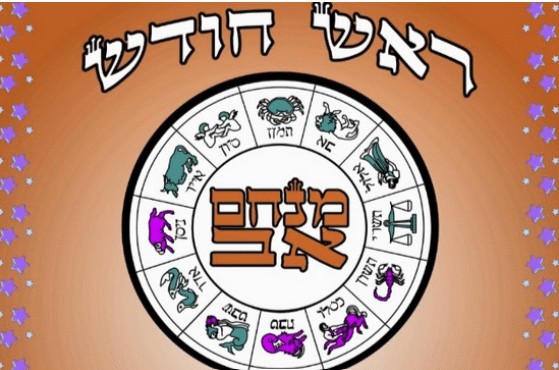
Newsletter Parashat Shofetim – Chodesh Elul

בס״ד
Moor Lane - Logo.JPG
ק׳ ק׳ שׁערי תפילה
Have a look at our website www.moorlane.info 
*****
image.png

******

PHOTO-2024-08-29-21-34-12.jpg

*****

image.png

image.png
Mazal Tov
to 
Rafi Marshall
&
Chalee Aron
on celebrating their wedding
שיזכו לבנות בית נאמן בישראל
Mazal Tov 
to 
Dr & Mrs Marshall
on celebrating the 
wedding of their son Rafi
with good health, beracha & מזל

Mazal Tov to families Marshall & Aron

Moorlanenews
would like to use this opportunity
to wish our dear
Rafi
a massive Besiman Tov
on his wedding to 
Chalee
שיזכו לבנות בית נאמן בישראל 
& also
Thank Rafi
for everything he does in the Bet Hakeneset
May Hashem repay him with
בריאות, ברכה, מזל, הצלחה, שמחה, פרנסה ושלום בית 
שיזכו לבנות בית נאמן בישראל  

*****

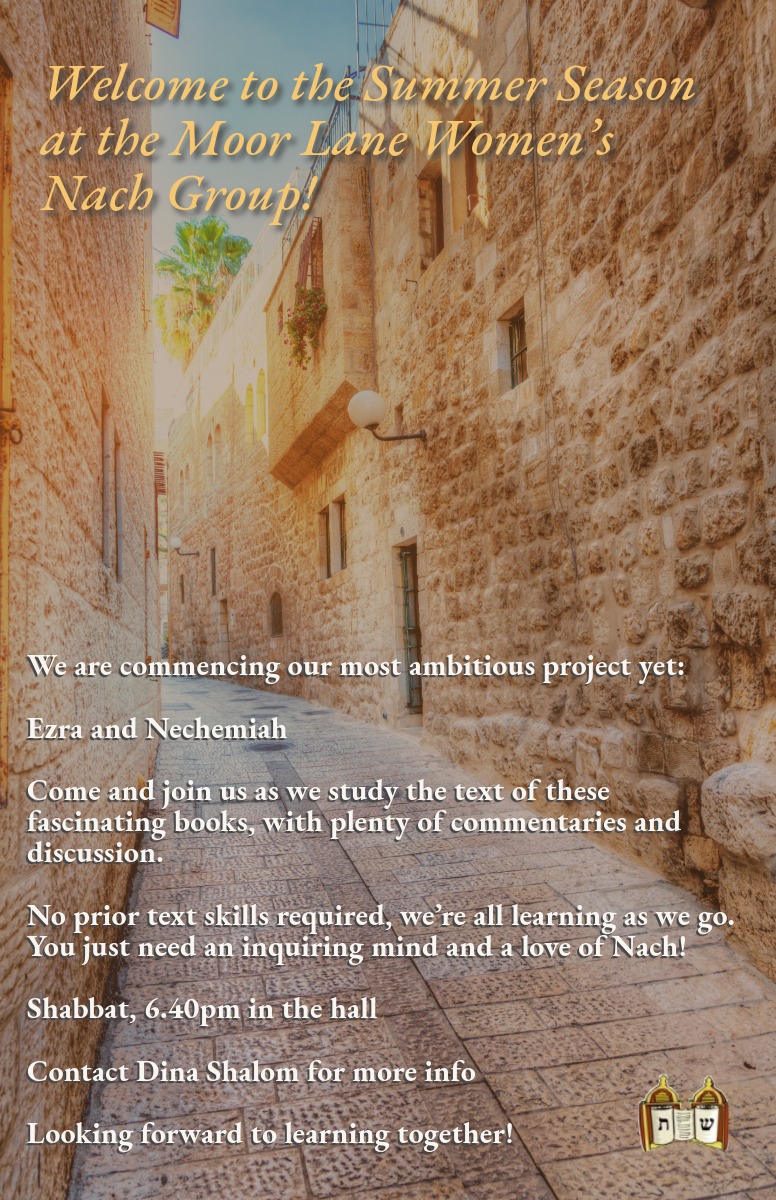
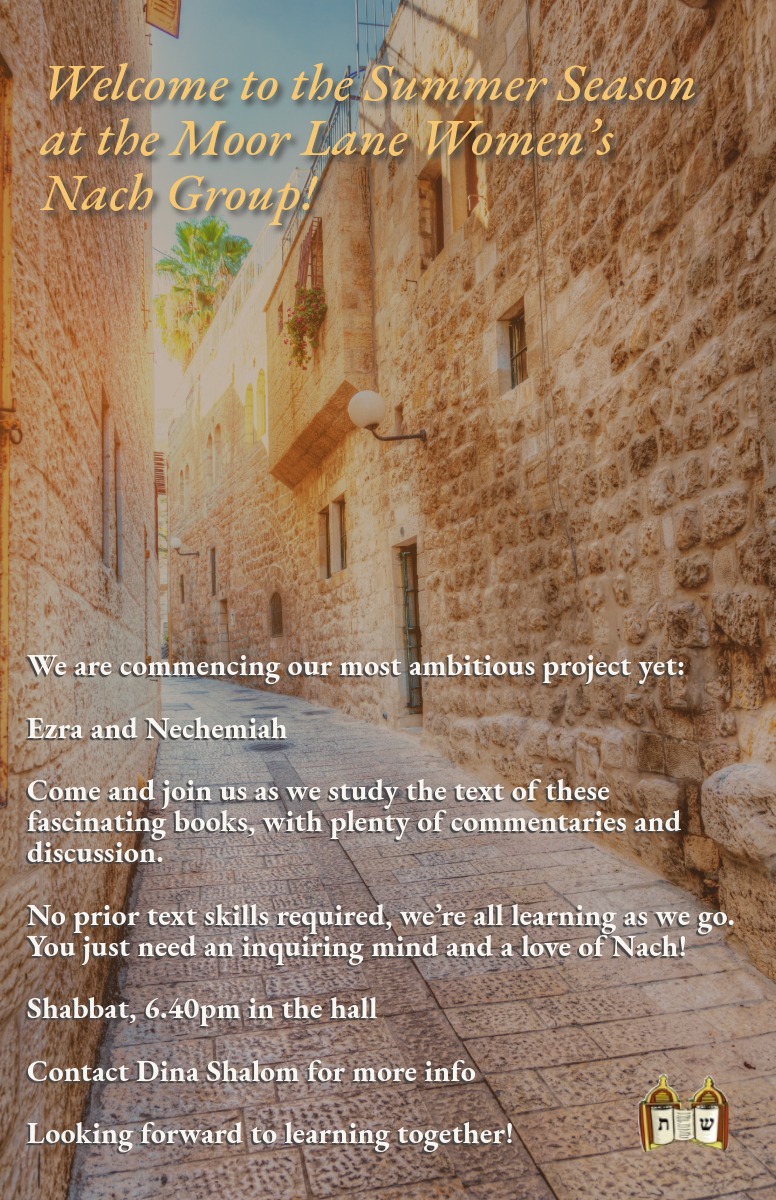
6:40 pm

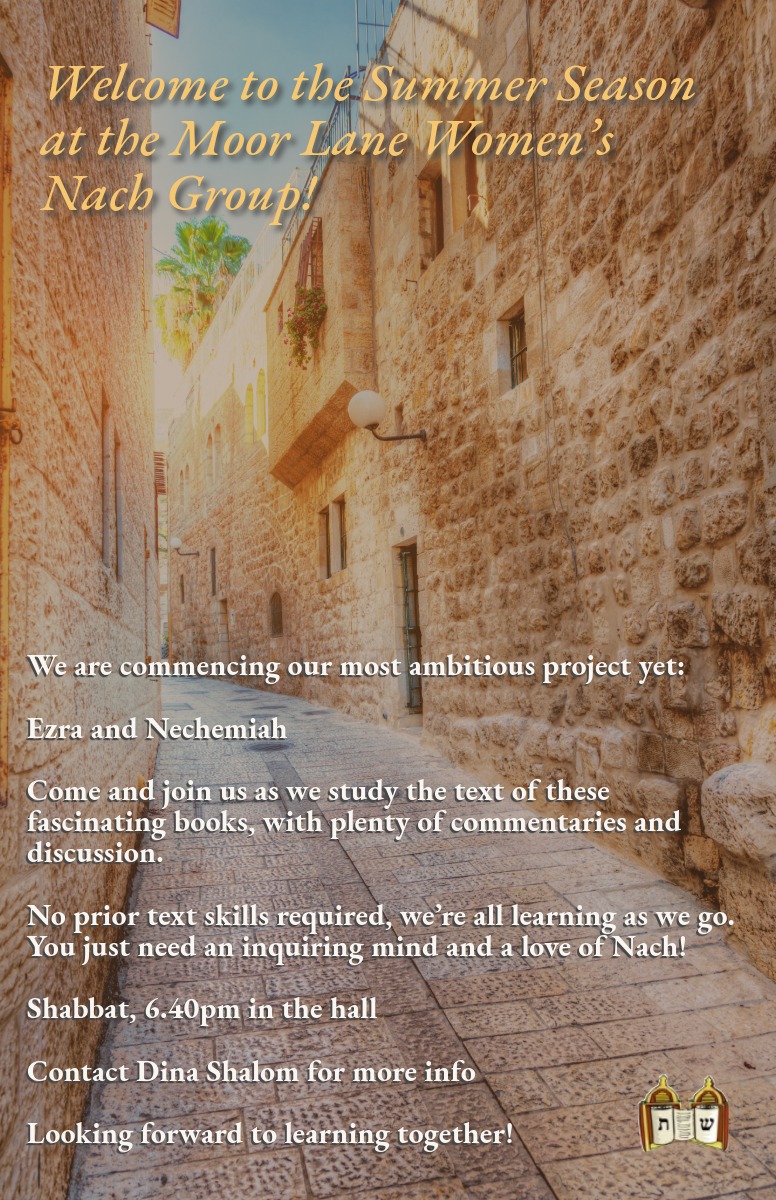
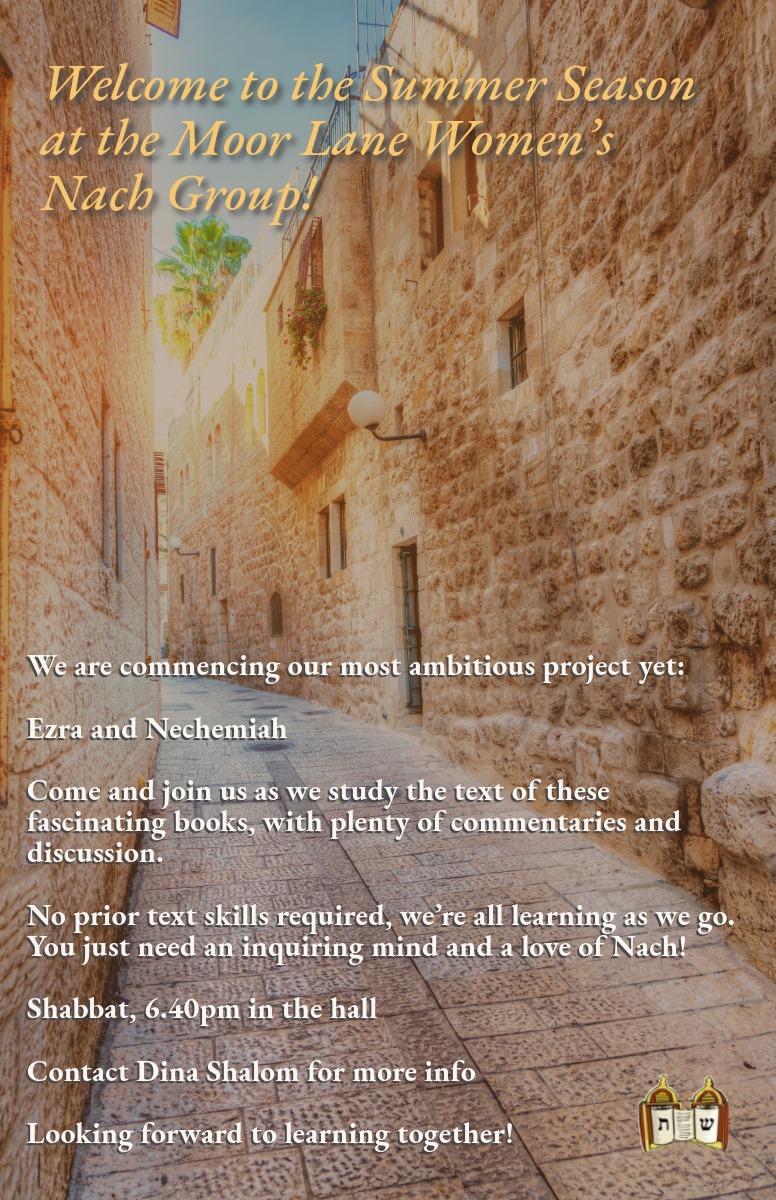
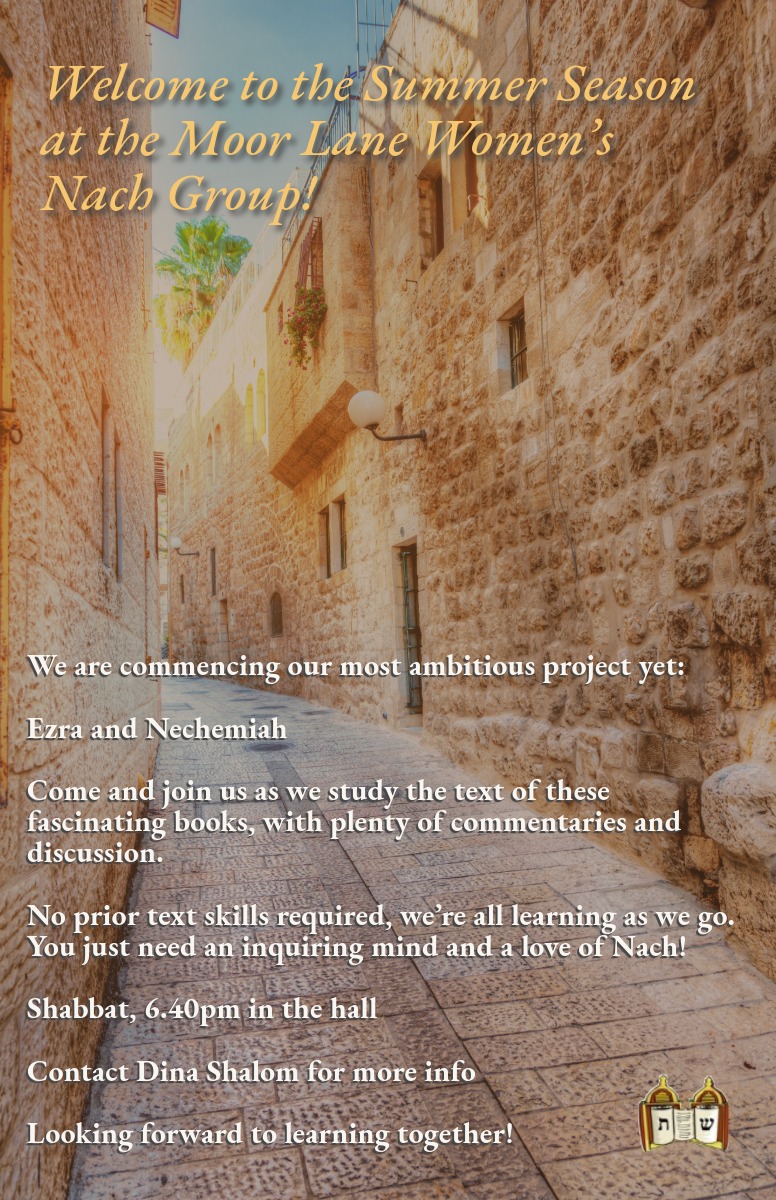
Moor Lane Women’s Nach Group

PHOTO-2024-06-18-08-44-27.jpg


******

לוח זמני תפלה לקיץ תשפ״ד

Summer Timetable 5784 – 2024

מוצאי שבת

ערבית

)מוצ”ש(

שקיעה

סוף זמן קראת שמע

זמן שבת

פלג מנחה (תה״ד)

פלג מנחה (לבוש)

מנחה וקבלת שבת

תאריך

שבת פרשת

Shabbat

Ends

Arbit

Sunset

Shema to be read before

Candles to be
lit by


Earliest Candle lighting

Minha & Kabbalat Shabbat*

Date

Parasha

PM

PM

PM

AM

PM

PM

PM

PM


8:34

8:30

7:42

9:47

7:30

6:54

6:23

6:40

6/7 Sep

שופטים

For those not in the Bet Hakeneset, but wishing to bring in Shabbat with the Kahal, candles should be lit about 30 minutes after the time listed for Minha and Kabbalat Shabbat, unless the time listed in the ‘latest candle lighting’ column is earlier, when candles MUST be lit by that time, in all cases


שבת

קרבנות

9:00 am
הודו

9:15 am

מנחה

6:30 pm

*************

Parasha Overview

Moshe tells Bnei Yisrael to appoint judges and officers in their cities. A bribe of even an insignificant sum is forbidden. Trees are not to be planted near Hashem's altar, as was the way of idolaters. Blemishes in animals designated for offerings and other points of disqualification are listed. The Great Sanhedrin is to make binding decisions on new situations, according to Torah criteria, to prevent the fragmentation of the Torah. A very learned scholar who refuses to accept the halachic decisions of the Sanhedrin incurs the death penalty. A Jewish king may have possessions and symbols of power only as commensurate with the honor of his office, but not for self-aggrandizement. He is to write for himself two Sifrei Torah — one to be kept with him wherever he goes, so that he doesn't become haughty. Neither the Kohanim nor the Levi'im are to inherit land in the Land of Israel. Rather, they are to be supported by the community, by a system of tithes.

All divination is prohibited. Hashem promises the Jewish People that He will send them prophets to guide them, and Moshe explains how a true prophet may be distinguished from a false one. Cities of refuge are to be provided an accidental killer to escape the blood-avenger from the deceased's family. However, someone who kills with malice is to be handed over to the blood-avenger. Moshe cautions Bnei Yisrael not to move boundary markers to increase their property. Two witnesses who conspire to frame a third party are to be punished with the very same punishment that they conspired to bring upon the innocent party.

kohen is to be anointed specifically for when Israel goes to war, to instill the nation’s trust in Hashem. Among those disqualified from going to war is anyone who has built a new house but not lived in it yet, or anyone who is fearful or fainthearted. An enemy must be given the chance to make peace, but if they refuse, all the males are to be killed. Fruit trees are to be preserved and not cut down during the siege. If a corpse is found between cities, the elders of the nearest city must take a heifer, slaughter it, and wash their hands over it, saying that they are not guilty of the death.

Ohr Somayach Institutions www.ohr.edu
*******
image.png

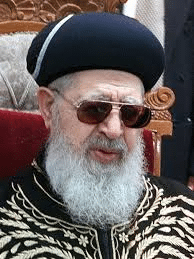
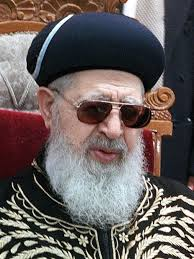
Halachot from Maran Rabbi Ovadia Yosef Ztz'l

חודש הרחמים והסליחות

וידוע שבימים אלה אנו קרובים יותר לה' יתברך,
והוא ממהר לשמוע תפילות. כמו שדרשו “אני לדודי ודודי לי”, ראשי תיבות
אלול. וכן בפסוק “ובא לציון גואל ולשבי פשע ביעקב”,
רמוז חודש “אלול”. וכתב רבינו יונה בספר היראה בזו הלשון,
“משנכנס אלול עד מוצאי יום הכפורים יהיה ירא וחרד מאימת יום הדין”.
ובזכות התשובה בימים אלה, אנו עתידים להגאל, כמו שנרמז בפסוקים שאמר דוד המלך,
“לדוד ה
' אורי וישעי”, אורי, בראש השנה, וישעי, ביום
הכפורים. ומסיים דוד המלך
,
לולא האמנתי לראות בטוב
ה'”, ופירשו רבותינו (בברכות ד.), שהיה דוד המלך מתיירא (מפחד) שמא יגרום
החטא ולא תבא הישועה, ולכן יש ניקוד (נקודות) מעל המילה “לולא” האמנתי
לראות בטוב ה', שרצונו לרמוז בזה על חודש
 “אלול”
(אותיות לולא), שבזכות תשובתינו בימים אלה נוושע ביום הדין
.

וכתב הגאון רבי דוד עמר ז”ל, בספר תפלה
לדוד (סי' ריב), שבחודש אלול ובעשרת ימי תשובה
, נכון מאד לכוין
בברכת “השיבנו אבינו לתורתך” שבתפלת שמונה עשרה, ולהזכיר כמה משמותיהם
של אלה שנטו מדרכי ה' ותורתו, ויצאו לתרבות רעה, וביחוד אם הם קרוביו. והביא כל זה
מרן רבינו הגדול זצ”ל הכ”מ בספרו חזון עובדיה (עמוד כה).  וכמו כן
בודאי שראוי לאדם להתפלל גם על עצמו, שיזכה לשוב בתשובה
, ולעלות מעלה מעלה
בתורה וביראת ה'. וגם כל בקשותיו האחרות, יהיו לשם שמים
, שאם תהיה לו
פרנסה טובה ובריאות טובה, יוכל להתחזק עוד ועוד בעבודת ה
'.

ובאמת שאם נתבונן, הלא נראה כל איש ואשה, כמה
אנו מאריכים בתפלה על קרובינו שחלילה אינם בקו הבריאות, או מעוכבי זיווג וכדומה.
והלא הדברים קל וחומר, כי הכאב על מי שאינו הולך בדרך ה' הוא גדול פי כמה וכמה,
שמאבד עצמו מחיי העולם הבא, ואינו מזכה את עצמו בזכויות רבות לחיי עולם הנצח, אשר
כל קורות האדם בזה העולם הם כאין וכאפס לעומת חיי העולם הבא
.

וזכור לנו, שאחר פטירת
רעייתו של מרן רבינו זצ”ל, היה מרבה בתפלות ובלימוד תורה לעלוי נשמתה, והיה
מזכיר מה שכתבו המקובלים, שיראה אדם את קרובו הנפטר כאילו הוא עומד ומתחנן לפניו
שיצילו מאש אוכלה. כי צורך האדם בעולם הבא לזכויות ומעשים טובים בכדי לזכות בחיי
העולם הבא, הוא גדול לאין שיעור מכל צרכיו בזה העולם השפל והחולף
.

והגאון רבי דוד עמר הנזכר, הביא בספרו את הנוסח
הנכון למי שרוצה להוסיף שמות קרובים בברכת “השיבינו”, שיאמר בתוך הברכה,
אחרי אמירת “השיבנו אבינו לתורתך וקרבנו מלכינו לעבודתך והחזירינו בתשובה
שלימה לפניך”: יהי רצון מלפניך ה
'
אלהינו ואלהי אבותינו, שתחתור
חתירה מתחת כסא כבודך להחזיר בתשובה שלימה כל פושעי ישראל, ובכללם תחזיר בתשובה
שלימה את (יאמר את שם הקרוב ואת שם אמו
,
כגון דוד בן אסתר), כי ימינך פשוטה
לקבל שבים, ברוך אתה ה' הרוצה בתשובה

(ונכון שבסיום הברכה כשמזכיר את שם ה', יכוין שניקוד שם
ה' בכתיבתו בברכה זו, הוא בסגול, כפי שמודפס בסידורים המדויקים
).

ויהי רצון שהשם יתברך יחזיר את כל פושעי ישראל
בתשובה שלימה וידעו תועי רוח בינה, ומלאה הארץ דעה את ה' כמים לים מכסים

The Month of Mercy
and Forgiveness

It is well-known that during these
days we are closer to Hashem and he hears our prayers more quickly than usual,
as our Sages have expounded the verse, “Ani Le’Dodi
Ve’Dodi Li” (“I am to
my beloved and my beloved is to me”) which is an acronym for the word “Elul.”
Similarly, the month of Elul is also hinted in the verse, “Uva Le’Zion Go’El
Ul’shaveh Fesha Be’Yaakov.” Furthermore,
Rabbeinu Yonah writes in his Sefer Ha’Yir’ah: “From the beginning of Elul until
the conclusion of Yom Kippur, one should be filled with fear and trepidation
over the Day of Judgment.” In the merit of the repentance during these days, we
shall one day be redeemed, as is hinted in the verses composed by King David,
“A Psalm by David, Hashem is my light and salvation”: “My light” on Rosh
Hashanah “and salvation” on Yom Kippur. King David ends this Psalm by saying,
“Were it not that I believe that I should see the goodness of Hashem,” and our
Sages explain (Berachot 4b) that King David feared that sins might impede the
salvation and thus, the word “Luleh” (“Were it not,” also the
same Hebrew letters as “Elul”) is dotted in the scripture in order to allude to
the fact that in the merit of our repentance during the month of Elul, we shall
be saved on the Day of Judgment.

Hagaon Harav David Amar zt”l
writes in his Sefer Tefillah Le’David (Chapter 212) that during the month of
Elul and the Ten Days of Repentance (the ten days between Rosh Hashanah and Yom
Kippur), it is especially worthy to recite the blessing of “Hashivenu Avinu
Le’Toratecha
” (fifth blessing of the Amidah prayer which deals with
repentance) with proper concentration and to mention the names of some
individuals who have strayed from the proper path of Hashem and His Torah,
especially if they are one’s relatives. Maran Rabbeinu Ovadia Yosef zt”l
quotes this in his Chazon Ovadia-Yamim Nora’im (page 25). One should certainly
pray that one merit repenting fully on his own and continue to ascend higher
and higher in spirituality.

Indeed, if we stop and think for a
moment, do we not all pray lengthily for our relatives who, G-d-forbid, are not
in the best of health or have yet to find their marriage partners and the like?
Certainly the pain one feels for an individual who does not follow the path of
Hashem is much greater, for such an individual loses his share in the World to
Come and misses out on countless merits in the Eternal World; anything a person
can experience in this world pales greatly in comparison to life in the World to
Come.

We remember that when Maran zt”l’s
wife passed away, he would learn and pray a substantial amount in order to
elevate her soul. He would mention what the Mekubalim say that one should
imagine his deceased relative as though he is standing before him and begging
him to save him from a raging inferno. One’s need for merits and good deeds in
order to merit entry in the World to Come is infinitely greater than any
physical need one may have in this lowly, fleeting world.

The aforementioned Hagaon Harav
David Amar quotes in his work the correct text for one who wishes to insert
names of relatives in the blessing of “Hashivenu.” After reciting “Hashivenu
Avinu Le’Toratecha Ve’Karevenu Malkeinu La’Avodatecha Ve’Hachazirenu Bitshuva
Shelema Lefanecha
,” one inserts: “May it be Your will, Hashem our G-d and
the G-d of our fathers, that You dig a tunnel under Your Holy Throne to accept
the repentance of all of the sinners of Israel, and similarly may You cause
so-and-so (insert name) son/daughter of so-and-so (insert mother’s name) to
repent fully, for Your right hand is outstretched to accept those who are
repentant,”  then conclude the blessing, “Baruch Ata Hashem Ha’Rotzeh
Bitshuva
.” Here is the actual Hebrew text one should recite in the Amida:

יהי רצון מלפניך ה' אלקינו ואלקי אבותינו שתחתור
חתירה מתחת כסא כבודך להחזיר בתשובה שלימה לכל פושעי ישראל, וכן תחזיר בתשובה
שלימה את פלוני בן פלונית, כי ימינך פשוטה לקבל שבים
.

It is correct that when one
concludes this blessing upon reciting the name of Hashem one should have in
mind that this name of Hashem is punctuated with the “Segol” mark, as
is printed in precise Siddurim; one should concentrate on this but not utter
it.

May Hashem return all sinners of
Israel to Him through complete repentance and may the land be filled with the
knowledge of the Hashem like the waters that fill the sea.
 

Newsletter Parashat Devarim – Shabbat Chazon

בס״ד
ק׳ ק׳ שׁערי תפילה
Have a look at our website www.moorlane.info 
*****

******

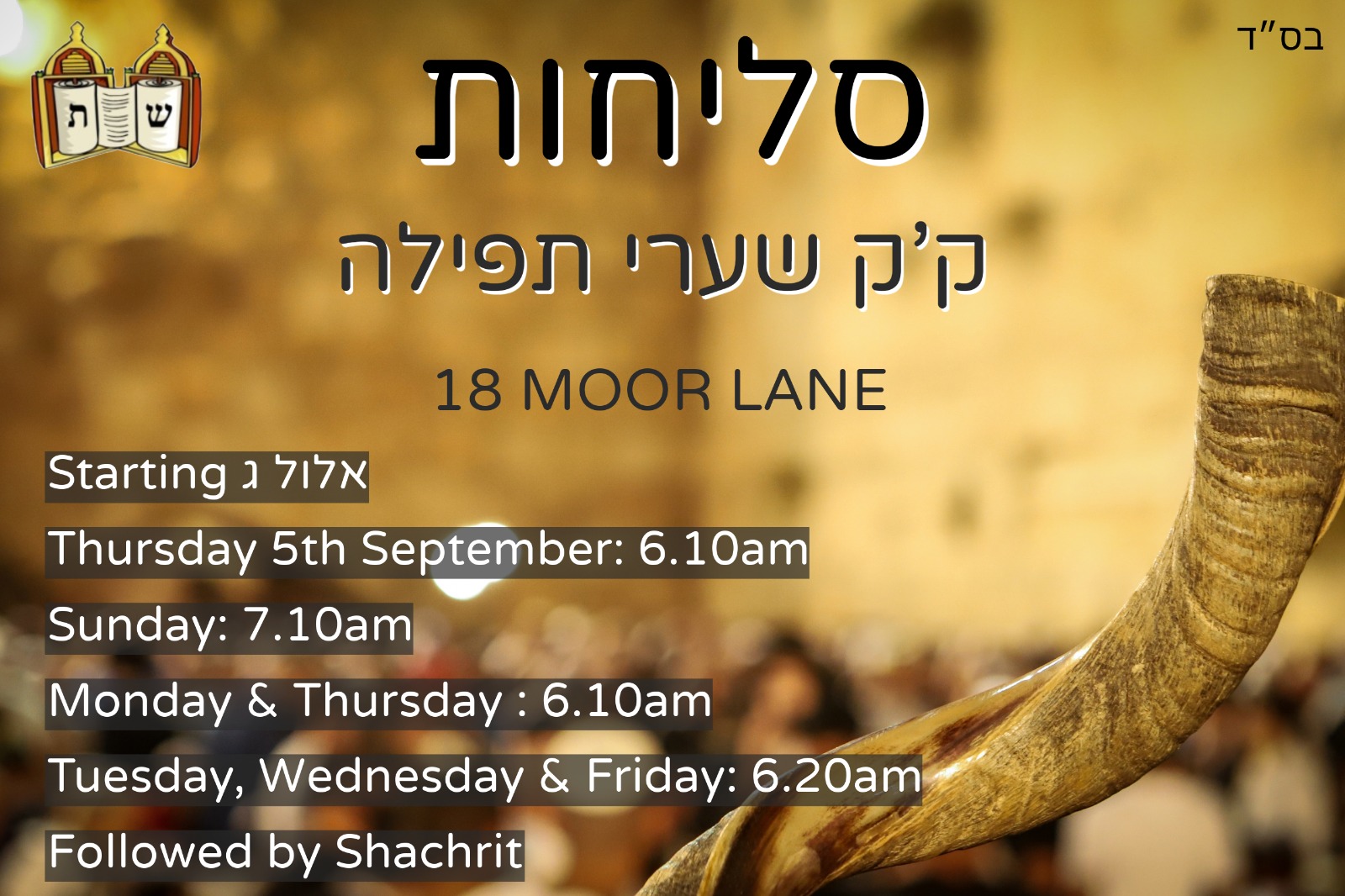
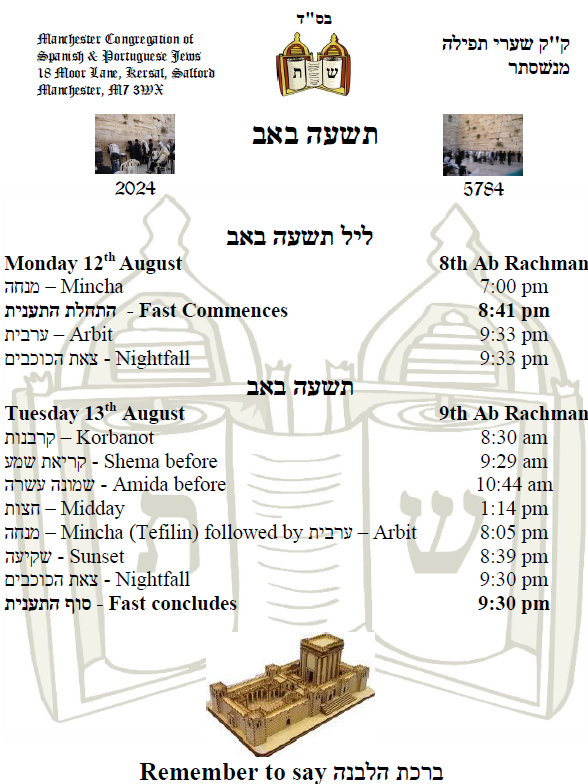
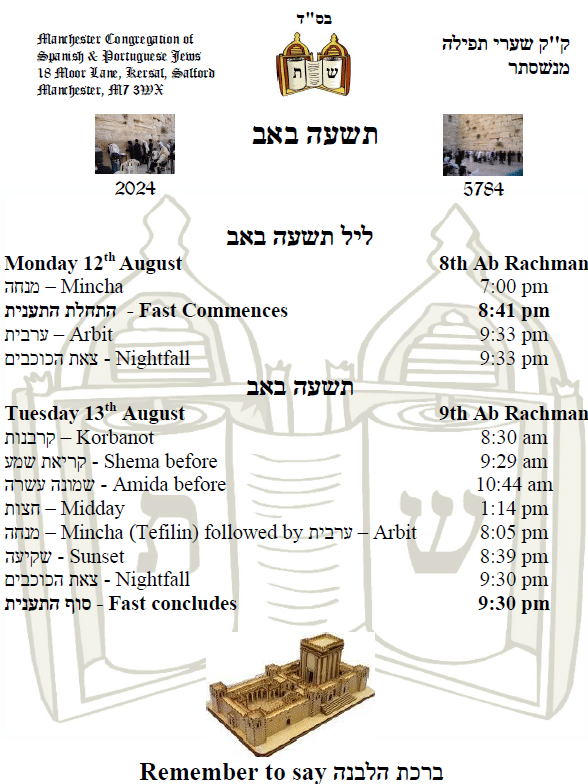
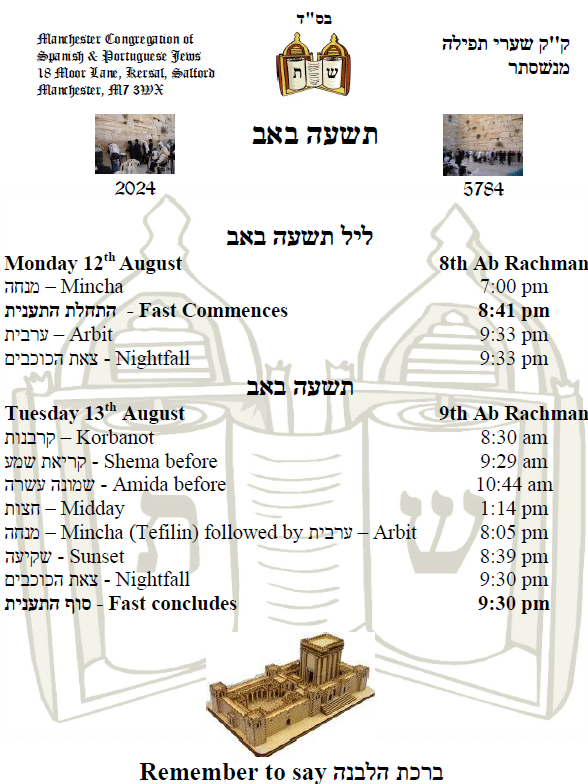
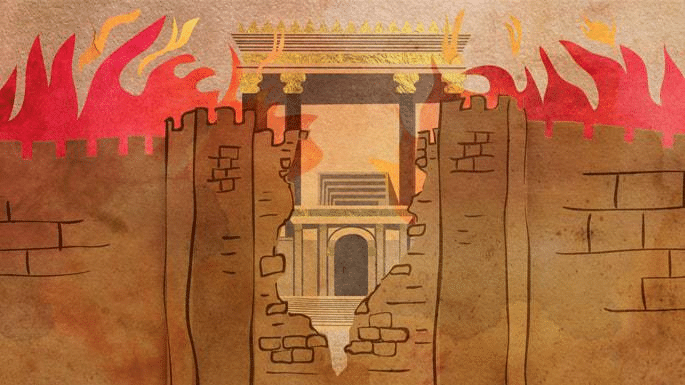
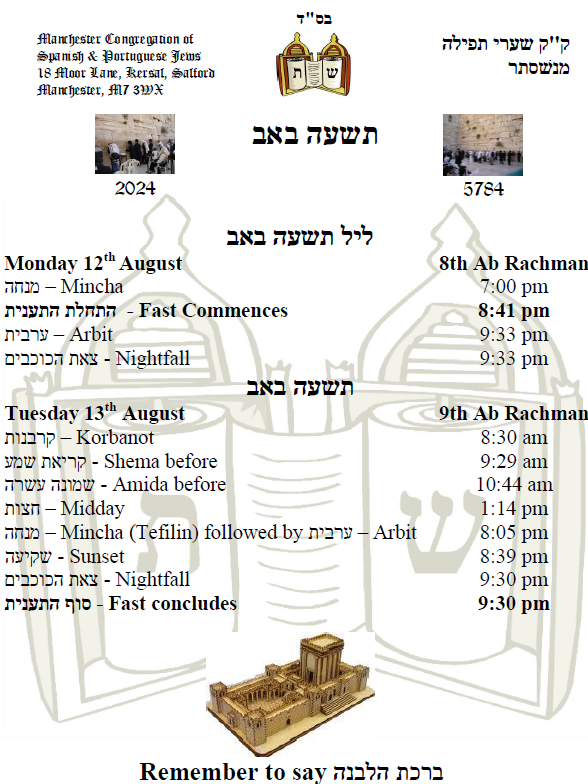
See below Times for Tisha BeAv

image.png

*****

לוח זמני תפלה לקיץ תשפ״ד

Summer Timetable 5784 – 2024

מוצאי שבת

ערבית

)מוצ”ש(

שקיעה

סוף זמן קראת שמע

זמן שבת

פלג מנחה (תה״ד)

פלג מנחה (לבוש)

מנחה וקבלת שבת

תאריך

שבת פרשת

Shabbat

Ends

Arbit

Sunset

Shema to be read before

Candles to be
lit by


Earliest Candle lighting

Minha & Kabbalat Shabbat*

Date

Parasha

PM

PM

PM

AM

PM

PM

PM

PM


9:45

9:41

8:45

9:27

8:34

7:50

7:15

7:00

9/10 Aug

דברים (שבת חזון)

For those not in the Bet Hakeneset, but wishing to bring in Shabbat with the Kahal, candles should be lit about 30 minutes after the time listed for Minha and Kabbalat Shabbat, unless the time listed in the ‘latest candle lighting’ column is earlier, when candles MUST be lit by that time, in all cases


שבת

קרבנות

9:00 am
הודו

9:15 am

Avot Ubanim 5:30 pm

מנחה

6:30 pm

*******

6:40 pm

Moor Lane Women’s Nach Group

*********

Parasha Overview

This Torah portion begins the last of the Five Books of The Torah, Sefer Devarim. This Book is also called Mishneh Torah, “Repetition of the Torah” (hence the Greek/English title “Deuteronomy”). Sefer Devarim relates what Moshe told the Jewish People during the last five weeks of his life, as they prepared to cross the Jordan River into the Land of Israel. Moshe reviews the mitzvahs with the people, stressing the change of lifestyle they are about to undergo — from the supernatural existence of the desert under Moshe’s guidance, to the apparently natural life they will experience under Yehoshua’s leadership in the Land.

The central theme this week is the sin of the spies, the meraglim. This Torah portion opens with Moshe alluding to the sins of the previous generation who died in the desert. He describes what would have happened if they had not sinned by sending spies into Eretz Yisrael. Hashem would have given them, without a fight, all the land from the Mediterranean to the Euphrates, including the lands of Ammon, Moav and Edom.

Moshe details the subtle sins that culminate in the sin of the spies, and reviews at length this incident and its results. The entire generation would die in the desert and Moshe would not enter Eretz Yisrael. He reminds them that their immediate reaction to Hashem’s decree was to want to “go up and fight” to redress the sin. He recounts how they would not listen when he told them not to go, and that they no longer merited vanquishing their enemies miraculously. They had ignored him and suffered a massive defeat. They were not allowed to fight with the kingdoms of Esav, Moav or Ammon. These lands were not to be part of the map of Eretz Yisrael in the meantime. When the conquest of Canaan will begin with Sichon and Og, it will be via natural warfare.

Ohr Somayach Institutions www.ohr.edu

*******

Halachot from Maran Rabbi Ovadia Yosef Ztz'l

דינים השייכים ליום תשעה באב

תשעה באב אסור
בחמישה דברים. אכילה ושתיה, רחיצה, וסיכה (סיכה פירושה לסוך את הגוף בשמן, או
למרוח קרם גוף וכדומה), נעילת מנעלי עור, ותשמיש המיטה. וכן אסרו חכמים ללמוד תורה
ביום תשעה באב, לפי שדברי תורה משמחים את הלב. ואין לעסוק אלא בספר איוב, ובנבואות
החורבן שבספר ירמיה, וכן במדרשים השייכים לחורבן, ובהלכות אבילות וכיוצא בזה. וכן
מותר ללמוד בספרי מוסר המעוררים את האדם לשוב בתשובה ולהטיב את מעשיו
.

ואין
אוכלים בערב תשעה באב, אלא עד סמוך לשקיעת החמה. ומשקיעת החמה חלה חובת חמישה
עינוים אלו שהזכרנו
.

אסור
לרחוץ במים בתשעה באב, בין במים חמים בין במים צוננים, בין כל גופו בין מקצת גופו,
ואפילו להושיט אצבעו במים אסור. לפיכך, ביום תשעה באב בבוקר
, יטול ידיו עד
קשרי אצבעותיו בלבד (דהיינו שישים מים רק עד מקום חיבור האצבעות לכף היד), ונוטל
שלוש פעמים לסירוגין כדרך שנוטלים כל השנה, ויברך על נטילת ידים. וכן ינהג כשיוצא
מבית הכסא, שיטול ידיו רק עד קשרי אצבעותיו
.

לא
ירחץ פניו בתשעה באב בבוקר, אלא לאחר שינגב ידיו, כשהן עוד לחות, יעבירם על גבי
עיניו, ואם יש לו לפלוף ליד עיניו, או לכלוך אחר
, מותר לרחוץ
המקום המלוכלך. ומי שהוא מקפיד על נקיותו, ואין דעתו מיושבת עליו כשאינו רוחץ את
פניו בבוקר, מותר לו לרחוץ את פניו בבוקר תשעה באב
.

כלה,
כל שלושים יום מיום חתונתה, מותרת לרחוץ את פניה במים, כדי שלא תתגנה על בעלה
.

בהלכות
שבעה עשר בתמוז
הזכרנו,
שמי
שהדבר קשה לו מאד להמנע מצחצוח שיניים ביום התענית בבוקר, רשאי להקל לצחצח את
שיניו, באופן שיזהר לבל יבלע שום טיפת מים, וכן יזהר שלא יכניס לפיו שיעור רביעית
מים (שמונים ואחת מ”ל מים) בבת אחת. אולם בתשעה באב אין להקל בזה, אלא אם כן
יש לו צער גדול בלי זה, או שסובל מריח רע מפיו, שאז יכול להקל בזה בתנאי נוסף,
שיזהר מאד להוריד את פיו למטה, כדי שלא יבואו המים לגרונו. (וביום הכפורים אין
להקל בדבר
)

Laws Pertaining to Tisha Be'av (The Ninth of Av)

There are five things that are
prohibited on Tisha Be'av: Eating and drinking, washing (one's self), rubbing
one's body with oils or body lotions, wearing leather shoes, and marital
relations. Our Sages also prohibited learning Torah on Tisha Be'av, for the
words of Torah gladden the heart. The only portions of Torah that one may delve
into are the book of Iyov (Job), the prophecies regarding the destruction of
the Temple in the book of Yirmiya (Jeremiah), the Midrashim regarding the
destruction of the Temple, the laws of mourning, and the like. One may likewise
learn Mussar works which arouse one to repent and better his deeds.

On Erev Tisha Be'av, one may only eat until close to sunset. The five
categories of abstinence we have mentioned above take
affect beginning from
sunset.


One may not wash his body on Tisha Be'av, either with hot water or cold, or his
entire body or just partially. One may not even stick his finger into water.
Thus, on the morning of Tisha Be'av, one should wash his hands only until his
knuckles the way he washes the rest of the year, i.e. three times on each hand
while switching off hands, and recite the blessing of “
Al
Netilat Yadayim
.”
After one uses the restroom, he should wash his hands the same way, only until
his knuckles.

One should not wash his face on the morning of Tisha Be'av; rather, after one
washes his hands, before he dries them while they are still wet; he may brush
them over his eyes. If one has eye residue or any other filth in or around his
eyes, one may wash the dirty area. If one is extremely concerned about his
personal hygiene and does not feel at ease with himself if he does not wash his
face in the morning, he may indeed wash his face on the morning of Tisha Be'av.


A new bride who is still within thirty days of her wedding may wash her face on
the morning of Tisha Be'av so that she does not become repulsive to her
husband.

Regarding the fast of the Seventeenth of Tamuz (and other such public fasts),
if it is extremely difficult for one to abstain from brushing his teeth on the
morning of the fast, he may be lenient and brush his teeth while taking care
not to swallow even a drop of water. Additionally, one must take care not to
put a “Revi'it” (81 ml, approximately 2.7 oz.) of water into his
mouth at once. Nevertheless, on Tisha Be'av one should not be lenient to do
this unless one suffers immensely without doing so or if one suffers from bad
breath, in which case one may be lenient on condition that one tilt his mouth
downwards, in order that the water not reach his throat (in addition to the
aforementioned conditions). One should not rely on this leniency on Yom Kippur
though


*********
TIMES FOR THE UPCOMING WEEKS

מוצאי שבת

ערבית

)מוצ”ש(

שקיעה

סוף זמן קראת שמע

זמן שבת

פלג מנחה (תה״ד)

פלג מנחה (לבוש)

מנחה וקבלת שבת

תאריך

שבת פרשת

Shabbat

Ends

Arbit

Sunset

Shema to be read before

Candles to be
lit by


Earliest Candle lighting

Minha & Kabbalat Shabbat*

Date

Parasha

PM

PM

PM

AM

PM

PM

PM

PM


9:28

9:24

8:31

9:32

8:19

7:36

7:03

6:45

16/17 Aug

ואתחנן (שבת נחמו)

מוצאי שבת

ערבית

)מוצ”ש(

שקיעה

סוף זמן קראת שמע

זמן שבת

פלג מנחה (תה״ד)

פלג מנחה (לבוש)

מנחה וקבלת שבת

תאריך

שבת פרשת

Shabbat

Ends

Arbit

Sunset

Shema to be read before

Candles to be
lit by


Earliest Candle lighting

Minha & Kabbalat Shabbat*

Date

Parasha

PM

PM

PM

AM

PM

PM

PM

PM


9:10

9:06

8:15

9:37

8:03

7:22

6:50

6:40

23/24 Aug

עקב

מוצאי שבת

ערבית

)מוצ”ש(

שקיעה

סוף זמן קראת שמע

זמן שבת

פלג מנחה (תה״ד)

פלג מנחה (לבוש)

מנחה וקבלת שבת

תאריך

שבת פרשת

Shabbat

Ends

Arbit

Sunset

Shema to be read before

Candles to be
lit by


Earliest Candle lighting

Minha & Kabbalat Shabbat*

Date

Parasha

PM

PM

PM

AM

PM

PM

PM

PM


8:52

8:48

7:59

9:42

7:47

7:08

6:37

6:40

30/31 Aug

ראה (ש''מ)

מוצאי שבת

ערבית

)מוצ”ש(

שקיעה

סוף זמן קראת שמע

זמן שבת

פלג מנחה (תה״ד)

פלג מנחה (לבוש)

מנחה וקבלת שבת

תאריך

שבת פרשת

Shabbat

Ends

Arbit

Sunset

Shema to be read before

Candles to be
lit by


Earliest Candle lighting

Minha & Kabbalat Shabbat*

Date

Parasha

PM

PM

PM

AM

PM

PM

PM

PM


8:34

8:30

7:42

9:47

7:30

6:54

6:23

6:40

6/7 Sep

שופטים

Newsletter Parashat Devarim – Shabbat Chazon

בס״ד
ק׳ ק׳ שׁערי תפילה
Have a look at our website www.moorlane.info 
*****

******

See below Times for Tisha BeAv

image.png

*****

לוח זמני תפלה לקיץ תשפ״ד

Summer Timetable 5784 – 2024

מוצאי שבת

ערבית

)מוצ”ש(

שקיעה

סוף זמן קראת שמע

זמן שבת

פלג מנחה (תה״ד)

פלג מנחה (לבוש)

מנחה וקבלת שבת

תאריך

שבת פרשת

Shabbat

Ends

Arbit

Sunset

Shema to be read before

Candles to be
lit by


Earliest Candle lighting

Minha & Kabbalat Shabbat*

Date

Parasha

PM

PM

PM

AM

PM

PM

PM

PM


9:45

9:41

8:45

9:27

8:34

7:50

7:15

7:00

9/10 Aug

דברים (שבת חזון)

For those not in the Bet Hakeneset, but wishing to bring in Shabbat with the Kahal, candles should be lit about 30 minutes after the time listed for Minha and Kabbalat Shabbat, unless the time listed in the ‘latest candle lighting’ column is earlier, when candles MUST be lit by that time, in all cases


שבת

קרבנות

9:00 am
הודו

9:15 am

Avot Ubanim 5:30 pm

מנחה

6:30 pm

*******

6:40 pm

Moor Lane Women’s Nach Group

*********

Parasha Overview

This Torah portion begins the last of the Five Books of The Torah, Sefer Devarim. This Book is also called Mishneh Torah, “Repetition of the Torah” (hence the Greek/English title “Deuteronomy”). Sefer Devarim relates what Moshe told the Jewish People during the last five weeks of his life, as they prepared to cross the Jordan River into the Land of Israel. Moshe reviews the mitzvahs with the people, stressing the change of lifestyle they are about to undergo — from the supernatural existence of the desert under Moshe’s guidance, to the apparently natural life they will experience under Yehoshua’s leadership in the Land.

The central theme this week is the sin of the spies, the meraglim. This Torah portion opens with Moshe alluding to the sins of the previous generation who died in the desert. He describes what would have happened if they had not sinned by sending spies into Eretz Yisrael. Hashem would have given them, without a fight, all the land from the Mediterranean to the Euphrates, including the lands of Ammon, Moav and Edom.

Moshe details the subtle sins that culminate in the sin of the spies, and reviews at length this incident and its results. The entire generation would die in the desert and Moshe would not enter Eretz Yisrael. He reminds them that their immediate reaction to Hashem’s decree was to want to “go up and fight” to redress the sin. He recounts how they would not listen when he told them not to go, and that they no longer merited vanquishing their enemies miraculously. They had ignored him and suffered a massive defeat. They were not allowed to fight with the kingdoms of Esav, Moav or Ammon. These lands were not to be part of the map of Eretz Yisrael in the meantime. When the conquest of Canaan will begin with Sichon and Og, it will be via natural warfare.

Ohr Somayach Institutions www.ohr.edu

*******

Halachot from Maran Rabbi Ovadia Yosef Ztz'l

דינים השייכים ליום תשעה באב

תשעה באב אסור
בחמישה דברים. אכילה ושתיה, רחיצה, וסיכה (סיכה פירושה לסוך את הגוף בשמן, או
למרוח קרם גוף וכדומה), נעילת מנעלי עור, ותשמיש המיטה. וכן אסרו חכמים ללמוד תורה
ביום תשעה באב, לפי שדברי תורה משמחים את הלב. ואין לעסוק אלא בספר איוב, ובנבואות
החורבן שבספר ירמיה, וכן במדרשים השייכים לחורבן, ובהלכות אבילות וכיוצא בזה. וכן
מותר ללמוד בספרי מוסר המעוררים את האדם לשוב בתשובה ולהטיב את מעשיו
.

ואין
אוכלים בערב תשעה באב, אלא עד סמוך לשקיעת החמה. ומשקיעת החמה חלה חובת חמישה
עינוים אלו שהזכרנו
.

אסור
לרחוץ במים בתשעה באב, בין במים חמים בין במים צוננים, בין כל גופו בין מקצת גופו,
ואפילו להושיט אצבעו במים אסור. לפיכך, ביום תשעה באב בבוקר
, יטול ידיו עד
קשרי אצבעותיו בלבד (דהיינו שישים מים רק עד מקום חיבור האצבעות לכף היד), ונוטל
שלוש פעמים לסירוגין כדרך שנוטלים כל השנה, ויברך על נטילת ידים. וכן ינהג כשיוצא
מבית הכסא, שיטול ידיו רק עד קשרי אצבעותיו
.

לא
ירחץ פניו בתשעה באב בבוקר, אלא לאחר שינגב ידיו, כשהן עוד לחות, יעבירם על גבי
עיניו, ואם יש לו לפלוף ליד עיניו, או לכלוך אחר
, מותר לרחוץ
המקום המלוכלך. ומי שהוא מקפיד על נקיותו, ואין דעתו מיושבת עליו כשאינו רוחץ את
פניו בבוקר, מותר לו לרחוץ את פניו בבוקר תשעה באב
.

כלה,
כל שלושים יום מיום חתונתה, מותרת לרחוץ את פניה במים, כדי שלא תתגנה על בעלה
.

בהלכות
שבעה עשר בתמוז
הזכרנו,
שמי
שהדבר קשה לו מאד להמנע מצחצוח שיניים ביום התענית בבוקר, רשאי להקל לצחצח את
שיניו, באופן שיזהר לבל יבלע שום טיפת מים, וכן יזהר שלא יכניס לפיו שיעור רביעית
מים (שמונים ואחת מ”ל מים) בבת אחת. אולם בתשעה באב אין להקל בזה, אלא אם כן
יש לו צער גדול בלי זה, או שסובל מריח רע מפיו, שאז יכול להקל בזה בתנאי נוסף,
שיזהר מאד להוריד את פיו למטה, כדי שלא יבואו המים לגרונו. (וביום הכפורים אין
להקל בדבר
)

Laws Pertaining to Tisha Be'av (The Ninth of Av)

There are five things that are
prohibited on Tisha Be'av: Eating and drinking, washing (one's self), rubbing
one's body with oils or body lotions, wearing leather shoes, and marital
relations. Our Sages also prohibited learning Torah on Tisha Be'av, for the
words of Torah gladden the heart. The only portions of Torah that one may delve
into are the book of Iyov (Job), the prophecies regarding the destruction of
the Temple in the book of Yirmiya (Jeremiah), the Midrashim regarding the
destruction of the Temple, the laws of mourning, and the like. One may likewise
learn Mussar works which arouse one to repent and better his deeds.

On Erev Tisha Be'av, one may only eat until close to sunset. The five
categories of abstinence we have mentioned above take
affect beginning from
sunset.


One may not wash his body on Tisha Be'av, either with hot water or cold, or his
entire body or just partially. One may not even stick his finger into water.
Thus, on the morning of Tisha Be'av, one should wash his hands only until his
knuckles the way he washes the rest of the year, i.e. three times on each hand
while switching off hands, and recite the blessing of “
Al
Netilat Yadayim
.”
After one uses the restroom, he should wash his hands the same way, only until
his knuckles.

One should not wash his face on the morning of Tisha Be'av; rather, after one
washes his hands, before he dries them while they are still wet; he may brush
them over his eyes. If one has eye residue or any other filth in or around his
eyes, one may wash the dirty area. If one is extremely concerned about his
personal hygiene and does not feel at ease with himself if he does not wash his
face in the morning, he may indeed wash his face on the morning of Tisha Be'av.


A new bride who is still within thirty days of her wedding may wash her face on
the morning of Tisha Be'av so that she does not become repulsive to her
husband.

Regarding the fast of the Seventeenth of Tamuz (and other such public fasts),
if it is extremely difficult for one to abstain from brushing his teeth on the
morning of the fast, he may be lenient and brush his teeth while taking care
not to swallow even a drop of water. Additionally, one must take care not to
put a “Revi'it” (81 ml, approximately 2.7 oz.) of water into his
mouth at once. Nevertheless, on Tisha Be'av one should not be lenient to do
this unless one suffers immensely without doing so or if one suffers from bad
breath, in which case one may be lenient on condition that one tilt his mouth
downwards, in order that the water not reach his throat (in addition to the
aforementioned conditions). One should not rely on this leniency on Yom Kippur
though


*********
TIMES FOR THE UPCOMING WEEKS

מוצאי שבת

ערבית

)מוצ”ש(

שקיעה

סוף זמן קראת שמע

זמן שבת

פלג מנחה (תה״ד)

פלג מנחה (לבוש)

מנחה וקבלת שבת

תאריך

שבת פרשת

Shabbat

Ends

Arbit

Sunset

Shema to be read before

Candles to be
lit by


Earliest Candle lighting

Minha & Kabbalat Shabbat*

Date

Parasha

PM

PM

PM

AM

PM

PM

PM

PM


9:28

9:24

8:31

9:32

8:19

7:36

7:03

6:45

16/17 Aug

ואתחנן (שבת נחמו)

מוצאי שבת

ערבית

)מוצ”ש(

שקיעה

סוף זמן קראת שמע

זמן שבת

פלג מנחה (תה״ד)

פלג מנחה (לבוש)

מנחה וקבלת שבת

תאריך

שבת פרשת

Shabbat

Ends

Arbit

Sunset

Shema to be read before

Candles to be
lit by


Earliest Candle lighting

Minha & Kabbalat Shabbat*

Date

Parasha

PM

PM

PM

AM

PM

PM

PM

PM


9:10

9:06

8:15

9:37

8:03

7:22

6:50

6:40

23/24 Aug

עקב

מוצאי שבת

ערבית

)מוצ”ש(

שקיעה

סוף זמן קראת שמע

זמן שבת

פלג מנחה (תה״ד)

פלג מנחה (לבוש)

מנחה וקבלת שבת

תאריך

שבת פרשת

Shabbat

Ends

Arbit

Sunset

Shema to be read before

Candles to be
lit by


Earliest Candle lighting

Minha & Kabbalat Shabbat*

Date

Parasha

PM

PM

PM

AM

PM

PM

PM

PM


8:52

8:48

7:59

9:42

7:47

7:08

6:37

6:40

30/31 Aug

ראה (ש''מ)

מוצאי שבת

ערבית

)מוצ”ש(

שקיעה

סוף זמן קראת שמע

זמן שבת

פלג מנחה (תה״ד)

פלג מנחה (לבוש)

מנחה וקבלת שבת

תאריך

שבת פרשת

Shabbat

Ends

Arbit

Sunset

Shema to be read before

Candles to be
lit by


Earliest Candle lighting

Minha & Kabbalat Shabbat*

Date

Parasha

PM

PM

PM

AM

PM

PM

PM

PM


8:34

8:30

7:42

9:47

7:30

6:54

6:23

6:40

6/7 Sep

שופטים

Newsletter Parashat Matot – Mase – Shabbat Mevarechim

בס״ד
Moor Lane - Logo.JPG
ק׳ ק׳ שׁערי תפילה
Have a look at our website www.moorlane.info 
*****
image.png

******

image.png

Rosh Chodesh Av Racham

is 
THIS 
SUNDAY night 4th August
/ MONDAY 5th August
and marks the beginning of the 9 DAYS

****

Times for Tisha BeAv

attached to this email

*****

לוח זמני תפלה לקיץ תשפ״ד

Summer Timetable 5784 – 2024

מוצאי שבת

ערבית

)מוצ”ש(

שקיעה

סוף זמן קראת שמע

זמן שבת

פלג מנחה (תה״ד)

פלג מנחה (לבוש)

מנחה וקבלת שבת

תאריך

שבת פרשת

Shabbat

Ends

Arbit

Sunset

Shema to be read before

Candles to be
lit by


Earliest Candle lighting

Minha & Kabbalat Shabbat*

Date

Parasha

PM

PM

PM

AM

PM

PM

PM

PM


10:02

9:58

8:59

9:21

8:47

8:02

7:26

7:10

2/3 Aug

מטות־מסעי (ש''מ)

For those not in the Bet Hakeneset, but wishing to bring in Shabbat with the Kahal, candles should be lit about 30 minutes after the time listed for Minha and Kabbalat Shabbat, unless the time listed in the ‘latest candle lighting’ column is earlier, when candles MUST be lit by that time, in all cases


שבת

קרבנות

9:00 am
הודו

9:15 am

image.png
Avot Ubanim 5:30 pm

מנחה

6:30 pm

*******

6:40 pm

Moor Lane Women’s Nach Group

PHOTO-2024-06-18-08-44-27.jpg

*********

Parasha Overview

Matot

Moshe teaches the rules and restrictions governing oaths and vows, especially the role of a husband or father in either upholding or annulling a vow. The Bnei Yisrael wage war against Midian. They kill the five Midianite kings, all the males and Bilaam. Moshe is upset that women were taken captive. They were catalysts for the immoral behavior of the Jewish People. He rebukes the officers. The spoils of war are counted and apportioned. The commanding officers report to Moshe that there was not even one casualty among the Bnei Yisrael. They bring an offering that is taken by Moshe and Elazar and placed in the Ohel Mo'ed (Tent of Meeting). The Tribes of Gad and Reuven, who own large quantities of livestock, petition Moshe to allow them to remain on the eastern side of the Jordan River and not enter the western Land of Israel. They explain that the land east of the Jordan is quite suitable grazing land for their livestock. Moshe's initial response is that this request will discourage the rest of the Bnei Yisrael, and that it is akin to the sin of the spies. They assure Moshe that they will first help conquer the Land of Israel, and only then will they go back to their homes on the eastern side of the Jordan River. Moshe grants their request on condition that they uphold their part of the deal.

Masei

The Torah names all 42 encampments of the Bnei Yisrael on their 40-year journey from the Exodus to the crossing of the Jordan River into Eretz Yisrael. Hashem commands the Bnei Yisrael to drive out the Canaanites from the Land of Israel and to demolish every vestige of their idolatry. The Bnei Yisrael are warned that if they fail to completely rid the Land of the Canaanites, those who remain will be “pins in their eyes and thorns in their sides.” The boundaries of the Land of Israel are defined, and the tribes are commanded to set aside 48 cities for the Levites, who do not receive a regular portion in the division of the Land. Cities of refuge are to be established so that someone who unintentionally kills another person may flee there. The daughters of Tzlofchad marry members of their own tribe so that their inheritance will stay in their own tribe. Thus ends the Book of Bamidbar/Numbers, the fourth of the Books of the Torah.

Ohr Somayach Institutions www.ohr.edu

*******
image.png

Halachot from Maran Rabbi Ovadia Yosef Ztz'l

אכילת בשר
מראש חודש אב

מבואר במשנה במסכת תענית (דף כו:) שגזרו חכמים,
שבערב תשעה באב, דהיינו בסעודה המפסקת, שהיא הסעודה האחרונה שאוכל לפני התענית,
אין לאכול בשר, וכן אין לשתות יין, ולא יאכל אדם שני תבשילין, כגון אורז וביצה
וכדומה, אלא תבשיל אחד בלבד
.

ומבואר מן הדברים כי אין איסור מן הדין באכילת
בשר אלא בסעודה המפסקת בלבד ומכל מקום נהגו ישראל שלא לאכול בשר כלל, מיום ראש
חודש אב ועד יום עשירי באב
.
ומנהגים אלו נזכרו כבר בדברי
הגאונים ורבותינו הראשונים, ופשטו בכל ישראל
. ואין חילוק בין
בשר בהמה לבשר עוף, שבכל אופן אסור לאכלו, ואפילו תבשיל שנתבשל עם בשר, כגון מרק,
אף על פי שהוציאו ממנו את הבשר, אין לשתות ממנו
, מפני טעם הבשר
שיש בו. אבל דגים אינם בכלל האיסור ומותר לאכלם
.  

אכילת בשר ביום ראש חודש וביום עשירי באב
מנהג הספרדים להקל באכילת בשר ביום
ראש חודש אב עצמו, כפי שביארנו בהלכה הקודמת, אבל האשכנזים נוהגים להחמיר אף ביום
ראש חודש אב. ובזה הספרדים מיקלים יותר מהאשכנזים. ולעומת זאת לגבי אכילת בשר ביום
עשירי באב, מנהג הספרדים להחמיר שלא לאכול בשר ביום עשירי באב כולו, ולמנהג
האשכנזים יש להקל באכילת בשר ושתיית יין מיום עשירי באב אחר חצות היום
.

מנהג התימנים בענין אכילת בשר
מנהג אחינו בני תימן, בכל ארצות
תימן, שלא היו נמנעים מאכילת בשר ושתיית יין, אלא בסעודה מפסקת של ערב תשעה באב,
שכן הוא עיקר דין התלמוד. אולם עתה שזכו לעלות לארץ ישראל, וכאן המנהג פשוט להחמיר
בזה בכל תשעת הימים, כתב מרן רבינו עובדיה יוסף זצוק”ל, שעליהם לנהוג בזה
כמנהג ארץ ישראל, ואסור לפרוץ גדר בזה, ובפרט שכאן ניכר יותר ענין החורבן, שרואים
עין בעין מקום חורבן הבית, ואז בודאי שייך יותר לנהוג איסור בדבר. (חזון עובדיה
עמוד קע
).

אכילת בשר בערב שבת
בשבתות שבתוך תשעת הימים, אוכלים
בשר, ומותר לטעום בערב שבת מהתבשילים שיש בהם בשר כדי לתקן את המאכל (כגון להוסיף
מלח וכדומה) ויש מיקלים לטעום מן המאכלים של שבת אף שלא לצורך, לפי שעל פי דברי
המקובלים יש ענין גדול לטעום ממאכלי השבת, ומרן רבינו עובדיה יוסף זצוק”ל כתב
שיש להקל בזה, ומכל מקום המחמיר תבוא עליו ברכה
.

אכילת בשר שנותר משבת
כתב מרן רבינו זצוק”ל, שאם
נשאר בשר מן המאכלים שבשלו לכבוד שבת, מותר לאכול מהם במוצאי שבת ב”סעודה
רביעית” שהיא הסעודה שאוכלים במוצאי שבת. והמיקל לאכול מבשר זה שנשאר מסעודת
שבת אף בשאר ימות השבוע, יש לו על מה שיסמוך, ולקטנים שלא הגיעו לגיל מצוות יש
להקל באכילת בשר שנשאר משבת אף בימות החול. (אך בתנאי שלא יבשל לכתחילה כמות גדולה
לשבת בכדי שישאר לו בשר לימות החול). ולילדים קטנים מאוד שאינם מבינים כלל את
משמעות חורבן הבית, מותר לתת אף לכתחילה בשר בימים אלו
, ומותר לבשל עבורם
בשר בשבוע זה שחל בו תשעה באב
.

אדם חלש הזקוק לאכילת בשר
חולה, אף על פי שאין בו סכנה, מותר
לו לאכול בשר בימים אלו. וכן יולדת תוך שלושים יום ללידתה מותרת באכילת בשר. וכן
מינקת שהתינוק שלה חלש, ואם תמנע מאכילת בשר יוכל הדבר להשפיע לרעה על בריאות
הילד, מותרת באכילת בשר. וכן מעוברת שסובלת הרבה בהריונה יש להקל לה לאכול בשר
בימים אלו. אבל אדם בריא שאוכל בשר בזמן שנוהגים בו איסור, גדול עוונו מנשוא, והרי
הוא פורץ גדר, ועונשו גדול

Eating Meat Following Rosh Chodesh Av

The Mishnah in Masechet Ta’anit (26b) tells us that on
Erev Tisha Be’av during the last meal one eats before the fast, one may not eat
meat, drink wine, or eat two cooked foods, such as rice and an egg. Although
the letter of the law dictates that the prohibition to eat meat only applies
during the last meal one eats before the fast of Tisha Be’av, nevertheless, the
custom of the Jewish nation is to abstain from eating meat from Rosh Chodesh Av
until the Tenth of Av. These customs have already been mentioned by the Geonim
and early Poskim and have been accepted by the Jewish people. There is no
distinction between meat and chicken, as it is prohibited to consume any of
them. Even a food cooked with meat, for instance a soup cooked with meat,
should not be eaten even after the meat has been removed, due to its meat
flavor. Fish is not included in this prohibition and is permitted to be eaten.

Eating Meat on Rosh Chodesh and on the Tenth of Av

The Sephardic custom is to permit eating meat on the day of Rosh Chodesh
itself, as we have explained in the previous Halacha; Ashkenazim customarily
forbid this even on the day of Rosh Chodesh. Regarding this aspect, Sephardim
are more lenient than Ashkenazim. On the other hand, regarding eating meat on
the Tenth of Av, the Sephardic custom is to prohibit eating meat during the
entire day of the Tenth of Av (i.e. until sunset of the Tenth of Av), whereas
the Ashkenazi custom is to permit consumption of meat and wine following
halachic
mid-day of the Tenth of Av.

The Yemenite Custom Regarding Eating Meat

The custom of Yemenite Jews was to only abstain from eating meat and drinking
wine during the meal immediately preceding the fast of Tisha Be’av; however,
they would not abstain from doing so during the other days of the month of Av,
in accordance with the letter of the law of the Talmud. Nevertheless, now that
they have merited settling to Israel where the prevalent custom is to abstain
from this during the “Nine Days,” Maran Rabbeinu
zt”l writes that they
should accept upon themselves the local custom and they may not act
differently. This is especially true since the destruction of the holy Temple
is felt in Israel more than in other places, for the location of the
destruction is clearly visible for all to see and it is thus certainly
befitting to act stringently in this matter.

Eating Meat on Erev Shabbat

On Shabbatot within the “Nine Days”, one should certainly eat meat. On may also
act leniently and taste meat dishes on Erev Shabbat to see if the dish requires
any improvement (such as more salt and the like). Some say that one may be
lenient to taste from such Shabbat dishes even when it is not necessary to do
so, for according to the Mekubalim, it is important to taste Shabbat dishes on
Erev Shabbat. Maran Rabbeinu Ovadia Yosef
zt”l writes that one may be
lenient regarding this matter; however, one who acts stringently is truly
praiseworthy.

Meat Left Over from Shabbat

Maran Rabbeinu zt”l writes that if some meat is left over from dishes
that were cooked in honor of Shabbat, one may partake of this meat on
Motza’ei
Shabbat during “
Seuda Revi’it” (the fourth meal of Shabbat which is
eaten upon the conclusion of Shabbat). This is especially true if one regularly
eats meat during “
Seuda Revi’it.” One who is lenient and partakes of
meat left over from dishes cooked in honor of Shabbat even during the other
days of the week indeed has on whom to rely. Regarding minors who have not yet
reached Bar/Bat Mitzvah age, they may be lenient and partake of such leftover
meat on other weekdays as well. (All this applies only when one did not
intentionally cook a large amount for Shabbat in order for there to be
leftovers for during the week.) Regarding young children who do not comprehend
the matter of the destruction of the
Bet Hamikdash at all, one may feed them
meat during these days and one may even cook meat for them during the week
during which Tisha Be’av falls out.

An Individual who is Weak and Needs to Eat Meat
One who is ill, even with a non-life-threatening illness, may eat meat during
these days. Similarly, a woman who is within thirty days of giving birth may
eat meat during these days. Furthermore, if a woman is nursing a weak child and
abstaining from eating meat could possibly impact the health of the baby, she
may eat meat during this time. Similarly, a pregnant woman who suffers very
much during her pregnancy may act leniently and eat meat during these days.
However, if a healthy individual eats meat during this period when everyone
else customarily abstains from doing so, his sin is too great to bear, he is
considered a “fence-breacher,” and he shall be severely punished.
*****
image.png
*****
TIMES FOR THE UPCOMING WEEKS

מוצאי שבת

ערבית

)מוצ”ש(

שקיעה

סוף זמן קראת שמע

זמן שבת

פלג מנחה (תה״ד)

פלג מנחה (לבוש)

מנחה וקבלת שבת

תאריך

שבת פרשת

Shabbat

Ends

Arbit

Sunset

Shema to be read before

Candles to be
lit by


Earliest Candle lighting

Minha & Kabbalat Shabbat*

Date

Parasha

PM

PM

PM

AM

PM

PM

PM

PM


9:45

9:41

8:45

9:27

8:34

7:50

7:15

7:00

9/10 Aug

דברים (שבת חזון)


מוצאי שבת

ערבית

)מוצ”ש(

שקיעה

סוף זמן קראת שמע

זמן שבת

פלג מנחה (תה״ד)

פלג מנחה (לבוש)

מנחה וקבלת שבת

תאריך

שבת פרשת

Shabbat

Ends

Arbit

Sunset

Shema to be read before

Candles to be
lit by


Earliest Candle lighting

Minha & Kabbalat Shabbat*

Date

Parasha

PM

PM

PM

AM

PM

PM

PM

PM


9:28

9:24

8:31

9:32

8:19

7:36

7:03

6:45

16/17 Aug

ואתחנן (שבת נחמו)

מוצאי שבת

ערבית

)מוצ”ש(

שקיעה

סוף זמן קראת שמע

זמן שבת

פלג מנחה (תה״ד)

פלג מנחה (לבוש)

מנחה וקבלת שבת

תאריך

שבת פרשת

Shabbat

Ends

Arbit

Sunset

Shema to be read before

Candles to be
lit by


Earliest Candle lighting

Minha & Kabbalat Shabbat*

Date

Parasha

PM

PM

PM

AM

PM

PM

PM

PM


9:10

9:06

8:15

9:37

8:03

7:22

6:50

6:40

23/24 Aug

עקב

מוצאי שבת

ערבית

)מוצ”ש(

שקיעה

סוף זמן קראת שמע

זמן שבת

פלג מנחה (תה״ד)

פלג מנחה (לבוש)

מנחה וקבלת שבת

תאריך

שבת פרשת

Shabbat

Ends

Arbit

Sunset

Shema to be read before

Candles to be
lit by


Earliest Candle lighting

Minha & Kabbalat Shabbat*

Date

Parasha

PM

PM

PM

AM

PM

PM

PM

PM


8:52

8:48

7:59

9:42

7:47

7:08

6:37

6:40

30/31 Aug

ראה (ש''מ)

מוצאי שבת

ערבית

)מוצ”ש(

שקיעה

סוף זמן קראת שמע

זמן שבת

פלג מנחה (תה״ד)

פלג מנחה (לבוש)

מנחה וקבלת שבת

תאריך

שבת פרשת

Shabbat

Ends

Arbit

Sunset

Shema to be read before

Candles to be
lit by


Earliest Candle lighting

Minha & Kabbalat Shabbat*

Date

Parasha

PM

PM

PM

AM

PM

PM

PM

PM


8:34

8:30

7:42

9:47

7:30

6:54

6:23

6:40

6/7 Sep

שופטים

Newsletter Parashat Matot – Mase – Shabbat Mevarechim

בס״ד
Moor Lane - Logo.JPG
ק׳ ק׳ שׁערי תפילה
Have a look at our website www.moorlane.info 
*****
image.png

******

image.png

Rosh Chodesh Av Racham

is 
THIS 
SUNDAY night 4th August
/ MONDAY 5th August
and marks the beginning of the 9 DAYS

****

Times for Tisha BeAv

attached to this email

*****

לוח זמני תפלה לקיץ תשפ״ד

Summer Timetable 5784 – 2024

מוצאי שבת

ערבית

)מוצ”ש(

שקיעה

סוף זמן קראת שמע

זמן שבת

פלג מנחה (תה״ד)

פלג מנחה (לבוש)

מנחה וקבלת שבת

תאריך

שבת פרשת

Shabbat

Ends

Arbit

Sunset

Shema to be read before

Candles to be
lit by


Earliest Candle lighting

Minha & Kabbalat Shabbat*

Date

Parasha

PM

PM

PM

AM

PM

PM

PM

PM


10:02

9:58

8:59

9:21

8:47

8:02

7:26

7:10

2/3 Aug

מטות־מסעי (ש''מ)

For those not in the Bet Hakeneset, but wishing to bring in Shabbat with the Kahal, candles should be lit about 30 minutes after the time listed for Minha and Kabbalat Shabbat, unless the time listed in the ‘latest candle lighting’ column is earlier, when candles MUST be lit by that time, in all cases


שבת

קרבנות

9:00 am
הודו

9:15 am

image.png
Avot Ubanim 5:30 pm

מנחה

6:30 pm

*******

6:40 pm

Moor Lane Women’s Nach Group

PHOTO-2024-06-18-08-44-27.jpg

*********

Parasha Overview

Matot

Moshe teaches the rules and restrictions governing oaths and vows, especially the role of a husband or father in either upholding or annulling a vow. The Bnei Yisrael wage war against Midian. They kill the five Midianite kings, all the males and Bilaam. Moshe is upset that women were taken captive. They were catalysts for the immoral behavior of the Jewish People. He rebukes the officers. The spoils of war are counted and apportioned. The commanding officers report to Moshe that there was not even one casualty among the Bnei Yisrael. They bring an offering that is taken by Moshe and Elazar and placed in the Ohel Mo'ed (Tent of Meeting). The Tribes of Gad and Reuven, who own large quantities of livestock, petition Moshe to allow them to remain on the eastern side of the Jordan River and not enter the western Land of Israel. They explain that the land east of the Jordan is quite suitable grazing land for their livestock. Moshe's initial response is that this request will discourage the rest of the Bnei Yisrael, and that it is akin to the sin of the spies. They assure Moshe that they will first help conquer the Land of Israel, and only then will they go back to their homes on the eastern side of the Jordan River. Moshe grants their request on condition that they uphold their part of the deal.

Masei

The Torah names all 42 encampments of the Bnei Yisrael on their 40-year journey from the Exodus to the crossing of the Jordan River into Eretz Yisrael. Hashem commands the Bnei Yisrael to drive out the Canaanites from the Land of Israel and to demolish every vestige of their idolatry. The Bnei Yisrael are warned that if they fail to completely rid the Land of the Canaanites, those who remain will be “pins in their eyes and thorns in their sides.” The boundaries of the Land of Israel are defined, and the tribes are commanded to set aside 48 cities for the Levites, who do not receive a regular portion in the division of the Land. Cities of refuge are to be established so that someone who unintentionally kills another person may flee there. The daughters of Tzlofchad marry members of their own tribe so that their inheritance will stay in their own tribe. Thus ends the Book of Bamidbar/Numbers, the fourth of the Books of the Torah.

Ohr Somayach Institutions www.ohr.edu

*******
image.png

Halachot from Maran Rabbi Ovadia Yosef Ztz'l

אכילת בשר
מראש חודש אב

מבואר במשנה במסכת תענית (דף כו:) שגזרו חכמים,
שבערב תשעה באב, דהיינו בסעודה המפסקת, שהיא הסעודה האחרונה שאוכל לפני התענית,
אין לאכול בשר, וכן אין לשתות יין, ולא יאכל אדם שני תבשילין, כגון אורז וביצה
וכדומה, אלא תבשיל אחד בלבד
.

ומבואר מן הדברים כי אין איסור מן הדין באכילת
בשר אלא בסעודה המפסקת בלבד ומכל מקום נהגו ישראל שלא לאכול בשר כלל, מיום ראש
חודש אב ועד יום עשירי באב
.
ומנהגים אלו נזכרו כבר בדברי
הגאונים ורבותינו הראשונים, ופשטו בכל ישראל
. ואין חילוק בין
בשר בהמה לבשר עוף, שבכל אופן אסור לאכלו, ואפילו תבשיל שנתבשל עם בשר, כגון מרק,
אף על פי שהוציאו ממנו את הבשר, אין לשתות ממנו
, מפני טעם הבשר
שיש בו. אבל דגים אינם בכלל האיסור ומותר לאכלם
.  

אכילת בשר ביום ראש חודש וביום עשירי באב
מנהג הספרדים להקל באכילת בשר ביום
ראש חודש אב עצמו, כפי שביארנו בהלכה הקודמת, אבל האשכנזים נוהגים להחמיר אף ביום
ראש חודש אב. ובזה הספרדים מיקלים יותר מהאשכנזים. ולעומת זאת לגבי אכילת בשר ביום
עשירי באב, מנהג הספרדים להחמיר שלא לאכול בשר ביום עשירי באב כולו, ולמנהג
האשכנזים יש להקל באכילת בשר ושתיית יין מיום עשירי באב אחר חצות היום
.

מנהג התימנים בענין אכילת בשר
מנהג אחינו בני תימן, בכל ארצות
תימן, שלא היו נמנעים מאכילת בשר ושתיית יין, אלא בסעודה מפסקת של ערב תשעה באב,
שכן הוא עיקר דין התלמוד. אולם עתה שזכו לעלות לארץ ישראל, וכאן המנהג פשוט להחמיר
בזה בכל תשעת הימים, כתב מרן רבינו עובדיה יוסף זצוק”ל, שעליהם לנהוג בזה
כמנהג ארץ ישראל, ואסור לפרוץ גדר בזה, ובפרט שכאן ניכר יותר ענין החורבן, שרואים
עין בעין מקום חורבן הבית, ואז בודאי שייך יותר לנהוג איסור בדבר. (חזון עובדיה
עמוד קע
).

אכילת בשר בערב שבת
בשבתות שבתוך תשעת הימים, אוכלים
בשר, ומותר לטעום בערב שבת מהתבשילים שיש בהם בשר כדי לתקן את המאכל (כגון להוסיף
מלח וכדומה) ויש מיקלים לטעום מן המאכלים של שבת אף שלא לצורך, לפי שעל פי דברי
המקובלים יש ענין גדול לטעום ממאכלי השבת, ומרן רבינו עובדיה יוסף זצוק”ל כתב
שיש להקל בזה, ומכל מקום המחמיר תבוא עליו ברכה
.

אכילת בשר שנותר משבת
כתב מרן רבינו זצוק”ל, שאם
נשאר בשר מן המאכלים שבשלו לכבוד שבת, מותר לאכול מהם במוצאי שבת ב”סעודה
רביעית” שהיא הסעודה שאוכלים במוצאי שבת. והמיקל לאכול מבשר זה שנשאר מסעודת
שבת אף בשאר ימות השבוע, יש לו על מה שיסמוך, ולקטנים שלא הגיעו לגיל מצוות יש
להקל באכילת בשר שנשאר משבת אף בימות החול. (אך בתנאי שלא יבשל לכתחילה כמות גדולה
לשבת בכדי שישאר לו בשר לימות החול). ולילדים קטנים מאוד שאינם מבינים כלל את
משמעות חורבן הבית, מותר לתת אף לכתחילה בשר בימים אלו
, ומותר לבשל עבורם
בשר בשבוע זה שחל בו תשעה באב
.

אדם חלש הזקוק לאכילת בשר
חולה, אף על פי שאין בו סכנה, מותר
לו לאכול בשר בימים אלו. וכן יולדת תוך שלושים יום ללידתה מותרת באכילת בשר. וכן
מינקת שהתינוק שלה חלש, ואם תמנע מאכילת בשר יוכל הדבר להשפיע לרעה על בריאות
הילד, מותרת באכילת בשר. וכן מעוברת שסובלת הרבה בהריונה יש להקל לה לאכול בשר
בימים אלו. אבל אדם בריא שאוכל בשר בזמן שנוהגים בו איסור, גדול עוונו מנשוא, והרי
הוא פורץ גדר, ועונשו גדול

Eating Meat Following Rosh Chodesh Av

The Mishnah in Masechet Ta’anit (26b) tells us that on
Erev Tisha Be’av during the last meal one eats before the fast, one may not eat
meat, drink wine, or eat two cooked foods, such as rice and an egg. Although
the letter of the law dictates that the prohibition to eat meat only applies
during the last meal one eats before the fast of Tisha Be’av, nevertheless, the
custom of the Jewish nation is to abstain from eating meat from Rosh Chodesh Av
until the Tenth of Av. These customs have already been mentioned by the Geonim
and early Poskim and have been accepted by the Jewish people. There is no
distinction between meat and chicken, as it is prohibited to consume any of
them. Even a food cooked with meat, for instance a soup cooked with meat,
should not be eaten even after the meat has been removed, due to its meat
flavor. Fish is not included in this prohibition and is permitted to be eaten.

Eating Meat on Rosh Chodesh and on the Tenth of Av

The Sephardic custom is to permit eating meat on the day of Rosh Chodesh
itself, as we have explained in the previous Halacha; Ashkenazim customarily
forbid this even on the day of Rosh Chodesh. Regarding this aspect, Sephardim
are more lenient than Ashkenazim. On the other hand, regarding eating meat on
the Tenth of Av, the Sephardic custom is to prohibit eating meat during the
entire day of the Tenth of Av (i.e. until sunset of the Tenth of Av), whereas
the Ashkenazi custom is to permit consumption of meat and wine following
halachic
mid-day of the Tenth of Av.

The Yemenite Custom Regarding Eating Meat

The custom of Yemenite Jews was to only abstain from eating meat and drinking
wine during the meal immediately preceding the fast of Tisha Be’av; however,
they would not abstain from doing so during the other days of the month of Av,
in accordance with the letter of the law of the Talmud. Nevertheless, now that
they have merited settling to Israel where the prevalent custom is to abstain
from this during the “Nine Days,” Maran Rabbeinu
zt”l writes that they
should accept upon themselves the local custom and they may not act
differently. This is especially true since the destruction of the holy Temple
is felt in Israel more than in other places, for the location of the
destruction is clearly visible for all to see and it is thus certainly
befitting to act stringently in this matter.

Eating Meat on Erev Shabbat

On Shabbatot within the “Nine Days”, one should certainly eat meat. On may also
act leniently and taste meat dishes on Erev Shabbat to see if the dish requires
any improvement (such as more salt and the like). Some say that one may be
lenient to taste from such Shabbat dishes even when it is not necessary to do
so, for according to the Mekubalim, it is important to taste Shabbat dishes on
Erev Shabbat. Maran Rabbeinu Ovadia Yosef
zt”l writes that one may be
lenient regarding this matter; however, one who acts stringently is truly
praiseworthy.

Meat Left Over from Shabbat

Maran Rabbeinu zt”l writes that if some meat is left over from dishes
that were cooked in honor of Shabbat, one may partake of this meat on
Motza’ei
Shabbat during “
Seuda Revi’it” (the fourth meal of Shabbat which is
eaten upon the conclusion of Shabbat). This is especially true if one regularly
eats meat during “
Seuda Revi’it.” One who is lenient and partakes of
meat left over from dishes cooked in honor of Shabbat even during the other
days of the week indeed has on whom to rely. Regarding minors who have not yet
reached Bar/Bat Mitzvah age, they may be lenient and partake of such leftover
meat on other weekdays as well. (All this applies only when one did not
intentionally cook a large amount for Shabbat in order for there to be
leftovers for during the week.) Regarding young children who do not comprehend
the matter of the destruction of the
Bet Hamikdash at all, one may feed them
meat during these days and one may even cook meat for them during the week
during which Tisha Be’av falls out.

An Individual who is Weak and Needs to Eat Meat
One who is ill, even with a non-life-threatening illness, may eat meat during
these days. Similarly, a woman who is within thirty days of giving birth may
eat meat during these days. Furthermore, if a woman is nursing a weak child and
abstaining from eating meat could possibly impact the health of the baby, she
may eat meat during this time. Similarly, a pregnant woman who suffers very
much during her pregnancy may act leniently and eat meat during these days.
However, if a healthy individual eats meat during this period when everyone
else customarily abstains from doing so, his sin is too great to bear, he is
considered a “fence-breacher,” and he shall be severely punished.
*****
image.png
*****
TIMES FOR THE UPCOMING WEEKS

מוצאי שבת

ערבית

)מוצ”ש(

שקיעה

סוף זמן קראת שמע

זמן שבת

פלג מנחה (תה״ד)

פלג מנחה (לבוש)

מנחה וקבלת שבת

תאריך

שבת פרשת

Shabbat

Ends

Arbit

Sunset

Shema to be read before

Candles to be
lit by


Earliest Candle lighting

Minha & Kabbalat Shabbat*

Date

Parasha

PM

PM

PM

AM

PM

PM

PM

PM


9:45

9:41

8:45

9:27

8:34

7:50

7:15

7:00

9/10 Aug

דברים (שבת חזון)


מוצאי שבת

ערבית

)מוצ”ש(

שקיעה

סוף זמן קראת שמע

זמן שבת

פלג מנחה (תה״ד)

פלג מנחה (לבוש)

מנחה וקבלת שבת

תאריך

שבת פרשת

Shabbat

Ends

Arbit

Sunset

Shema to be read before

Candles to be
lit by


Earliest Candle lighting

Minha & Kabbalat Shabbat*

Date

Parasha

PM

PM

PM

AM

PM

PM

PM

PM


9:28

9:24

8:31

9:32

8:19

7:36

7:03

6:45

16/17 Aug

ואתחנן (שבת נחמו)

מוצאי שבת

ערבית

)מוצ”ש(

שקיעה

סוף זמן קראת שמע

זמן שבת

פלג מנחה (תה״ד)

פלג מנחה (לבוש)

מנחה וקבלת שבת

תאריך

שבת פרשת

Shabbat

Ends

Arbit

Sunset

Shema to be read before

Candles to be
lit by


Earliest Candle lighting

Minha & Kabbalat Shabbat*

Date

Parasha

PM

PM

PM

AM

PM

PM

PM

PM


9:10

9:06

8:15

9:37

8:03

7:22

6:50

6:40

23/24 Aug

עקב

מוצאי שבת

ערבית

)מוצ”ש(

שקיעה

סוף זמן קראת שמע

זמן שבת

פלג מנחה (תה״ד)

פלג מנחה (לבוש)

מנחה וקבלת שבת

תאריך

שבת פרשת

Shabbat

Ends

Arbit

Sunset

Shema to be read before

Candles to be
lit by


Earliest Candle lighting

Minha & Kabbalat Shabbat*

Date

Parasha

PM

PM

PM

AM

PM

PM

PM

PM


8:52

8:48

7:59

9:42

7:47

7:08

6:37

6:40

30/31 Aug

ראה (ש''מ)

מוצאי שבת

ערבית

)מוצ”ש(

שקיעה

סוף זמן קראת שמע

זמן שבת

פלג מנחה (תה״ד)

פלג מנחה (לבוש)

מנחה וקבלת שבת

תאריך

שבת פרשת

Shabbat

Ends

Arbit

Sunset

Shema to be read before

Candles to be
lit by


Earliest Candle lighting

Minha & Kabbalat Shabbat*

Date

Parasha

PM

PM

PM

AM

PM

PM

PM

PM


8:34

8:30

7:42

9:47

7:30

6:54

6:23

6:40

6/7 Sep

שופטים

Newsletter Parashat Pinchas

בס״ד
Moor Lane - Logo.JPG
ק׳ ק׳ שׁערי תפילה
Have a look at our website www.moorlane.info 
*****
image.png

***********

לוח זמני תפלה לקיץ תשפ״ד

Summer Timetable 5784 – 2024

מוצאי שבת

ערבית

)מוצ”ש(

שקיעה

סוף זמן קראת שמע

זמן שבת

פלג מנחה (תה״ד)

פלג מנחה (לבוש)

מנחה וקבלת שבת

תאריך

שבת פרשת

Shabbat

Ends

Arbit

Sunset

Shema to be read before

Candles to be
lit by


Earliest Candle lighting

Minha & Kabbalat Shabbat*

Date

Parasha

PM

PM

PM

AM

PM

PM

PM

PM


10:18

10:14

9:11

9:16

8:59

8:13

7:35

7:10

26/27 July

פינחס

For those not in the Bet Hakeneset, but wishing to bring in Shabbat with the Kahal, candles should be lit about 30 minutes after the time listed for Minha and Kabbalat Shabbat, unless the time listed in the ‘latest candle lighting’ column is earlier, when candles MUST be lit by that time, in all cases


שבת

קרבנות

9:00 am
הודו

9:15 am

image.png
Avot Ubanim 5:30 pm

מנחה

6:30 pm

*******

6:40 pm

Moor Lane Women’s Nach Group

PHOTO-2024-06-18-08-44-27.jpg

*********

Parasha Overview

Hashem tells Moshe to inform Pinchas that he will receive Hashem’s “covenant of peace” in reward for his bold action — executing Zimri and the Midianite princess Kozbi. Hashem commands Moshe to maintain a state of enmity with the Midianites, who lured the Jewish People into sin. Moshe and Elazar are told to count the Jewish People. The Torah lists the names of the families in each tribe. The total number of males eligible to serve in the army is 601,730. Hashem instructs Moshe how to allot the Land of Israel to the Bnei Yisrael. The number of the Levites' families is recorded.

Tzlofchad's daughters file a claim with Moshe. In the absence of a brother, they request their late father's portion in the Land. Moshe asks Hashem for the ruling, and Hashem tells Moshe that their claim is just. The Torah teaches the laws and priorities which determine the order of inheritance.

Hashem tells Moshe that he will ascend a mountain and view the Land that the Jewish People will soon enter, although Moshe himself will not enter it. Moshe asks Hashem to designate the subsequent leader, and Hashem selects Yehoshua bin Nun. Moshe ordains Yehoshua as his successor in the presence of the entire nation.

This Torah portion concludes with special teachings of the service in the Beit Hamikdash.

Ohr Somayach Institutions www.ohr.edu

*******
image.png

Halachot from Maran Rabbi Ovadia Yosef Ztz'l

בין המצרים – גזירות חז”ל

.

כל הימים שבין שבעה עשר בתמוז לבין תשעה באב, נקראים ימי “בין המצרים”, על שם הפסוק (במגילת איכה פרק א פסוק ג) “כָּל רוֹדְפֶיהָ הִשִּׂיגוּהָ בֵּין הַמְּצָרִים”, ואמרו רבותינו זכרונם לברכה, שְאֵלוּ הימים, הם הימים שבין שבעה עשר בתמוז לתשעה באב, שבהם נכנסו האויבים לירושלים עיר קדשנו ותפארתנו, ופרעו פרעות בישראל, עד יום תשעה באב, שבו החריבו את בית המקדש בעוונות הרבים, ומאז ועד היום עם ישראל אינו יושב בטח, ותמיד קמים עליו אויבים מבית ומחוץ.

הפרושים ורבי יהושע

בגמרא במסכת בבא בתרא (דף ס.) אמרו רבותינו, שלאחר חורבן בית המקדש, באו הפרושים (אנשים יראי שמים), והנהיגו שלא לאכול בשר ושלא לשתות יין, מפני שהיו אומרים, הרי בית המקדש חרב, ואין קרבנות של בשר על גבי המזבח, ולא מנסכים יין על גבי המזבח, אם כן איך יתכן שיהיה שלחנינו מלא, ושלחנו של הקדוש ברוך הוא חסר? לכן נמנעו מלשתות יין ולאכול בשר.

אולם אילו היו אלה הפרושים רוצים רק להחמיר על עצמם, אין בכך כלום, אלא שאותם הפרושים רצו שינהגו כן כל ישראל, ולא ראו בעין יפה את מי שאוכל בשר ושותה יין.

חכמי ישראל, לא רצו לגזור על ישראל גזירות קשות כמנהג הפרושים, מפני שידעו רבותינו, שאין גוזרים גזירה על הציבור אלא אם כן רוב הציבור יכול לעמוד בה. לכן נטפל רבי יהושע בן חנניה לאותם הפרושים. אמר להם, מפני מה אינכם אוכלים בשר ואינכם שותים יין? אמרו לו, וכי אפשר שבית אלוקינו שמם ואין קרבנות ואין ניסוך היין ואנו נאכל בשר ונשתה יין? אמר להם רבי יהושע, אם כן, מדוע אתם אוכלים פירות? הרי אין לנו כעת מצוות ביכורים שהיו מביאים לבית המקדש, נכון וראוי לכם לפרוש גם כן מאכילת פירות! השיבוהו הפרושים, נכונים דבריך! נדיר את עצמינו מפירות שבעת המינים שמהם מביאים ביכורים, ונאכל רק מיני פירות אחרים!

אמר להם רבי יהושע, אם כן, מדוע נאכל לחם? הרי אין לנו מנחות על גבי המזבח! מדוע נשתה מים? הרי אין ניסוך המים על גבי המזבח! שמעו הפרושים את דבריו ושתקו. אמר להם רבי יהושע, בודאי חייבים אנו להתאבל ולהשתתף בצער השכינה, אך להתאבל יותר מדאי גם כן לא ראוי, כי הציבור לא יוכלו לעמוד בגזירות כאלה. גם אדם שלא יאכל בשר, ילך ויחלש, ויתרשל לאחר מכן בלימוד התורה. לכן אין לנהוג אבלות בכל השנה בתוקף גדול כל כך, אלא בקצת דברים שתיקנו רבותינו זכר לחורבן, וכפי שביארו בגמרא שם.

מזה למדנו, שאף על פי שאנו אוכלים בכל השנה בשר, ושותים יין, מכל מקום בימים הללו נהגו ישראל מעצמם בכמה וכמה מנהגי אבלות על החורבן, וכפי שנבאר. ואף על פי שרוב המנהגים הללו לא באו מכח תקנת חכמינו, אלא ישראל נהגו בהם מעצמם, מכל מקום חובה קדושה לשמור על המנהגים הללו, שהוקבעו כדין ממש בכל תפוצות ישראל.

דרגות האבלות בימים אלה, ושבוע שחל בו תשעה באב

בימים הללו, נהגו ישראל בכמה מנהגי אבלות שביארנו אותם באריכות בשנים הקודמות, והשנה נבאר אותם בקצרה. ותחילה יש להסביר, שישנן שלוש דרגות למנהגי האבלות בימים הללו. הדרגה הראשונה, מיום שבעה עשר בתמוז ועד ראש חודש אב, שבימים הללו נוהגים מעט מנהגי אבלות. והדרגה השנייה, מיום ראש חודש אב, שאז מוסיפים על מנהגים אלה עוד מנהגים אחרים. ולאחר מכן בשבוע שחל בו תשעה באב, נוהגים מנהגי אבלות נוספים.

ברכת “שהחיינו”

מאחר והימים הללו מועדים לפורענות, וכמה וכמה אסונות גדולים אירעו בהם לעם ישראל, לכן נהגו שלא לברך ברכת “שהחיינו” על פרי חדש או בגד חדש שלוקחים בימים הללו. כי איך נוכל לברך בשמחה “שהחיינו וקיימנו והגיענו לזמן הזה”, והוא זמן של צער ופורענות?

לפיכך, אין לברך ברכת שהחיינו על בגד חדש או פרי חדש בימי בין המצרים. ובשבתות שבימי בין המצרים, אפשר להקל בדבר. ובשבת שחלה אחר ראש חודש אב, יש להחמיר בזה לגבי בגד חדש, אבל לגבי פרי חדש, אפשר מן הדין להקל.

ופסק מרן רבינו עובדיה יוסף זצוק”ל, שמותר לקנות בגדים חדשים בימי בין המצרים, עד ראש חודש אב. אך אין ללובשם עד לאחר תשעה באב.

The 3 Weeks

The three-week period between the Seventeenth of Tammuz and the Ninth of Av is dubbed by our Sages “Between the Straits,” based on the verse (Eicha 1, 3), “All of her enemies overtook her between the straits.” Our Sages tell us that these three weeks between the Seventeenth of Tammuz and the Ninth of Av are when our enemies entered the holy city of Jerusalem and massacred countless Jewish people until the Ninth of Av when they finally succeeded in destroying the Bet Hamikdash. From that day on, the Jewish people no longer dwell securely, and we must endure enemies attacking us from the outside as well as from within.

The Perushim and Rabbi Yehoshua
The Gemara (Baba Batra 60a) states that after the destruction of the Bet Hamikdash, the Perushim (a group of G-d-fearing Jews) enacted that meat and wine should no longer be consumed claiming that since sacrificial meat was no longer offered on the altar and wine was no longer be libated on it, how can our table be full while Hashem’s remains lacking?

Would these Perushim want to institute this stringency only among themselves, that would have been just fine. The problem was that they wanted to impose this on the entirety of the Jewish nation, and they frowned upon those who continued to eat meat and drink wine.

The Sages did not wish to impose such difficult decrees upon the Jewish nation as they understood that decrees that cannot be undertaken by a majority of the population should not be enacted. Rabbi Yehoshua therefore decided to engage these Perushim. He asked them, “Why do you not eat meat and drink wine?” The replied, “Is it proper for the house of Hashem to lay desolate without the sacrifices or libation offerings while we eat meat and drink wine?” Rabbi Yehoshua retorted, “If so, why do you eat fruit? Since the Bikkurim (first fruits) are no longer brought to the Bet Hamikdash any longer, it is inappropriate for you to be eating fruits either!” They replied, “How correct you are! We shall abstain from the fruits of the Seven Species (from which Bikkurim were brought) and consume only other types of fruits.”

Rabbi Yehoshua told them, “Why do you eat bread when there are no longer any meal-offerings being brought upon the altar?! Similarly, why do you drink water when the water libation is no longer performed on the altar during the Sukkot holiday?!” The Perushim were unable to reply to his claim. Rabbi Yehoshua meant to teach them that although we are obligated to mourn and participate in the suffering of the Shechina, nevertheless, mourning too much is also not recommended because these are decrees that the Jewish nation simply cannot withstand. Furthermore, if one does not eat meat, one will become weak and unable to engage in Torah study with ample strength. Thus, one should not engage in such intense mourning throughout the year; rather, one should observe the few mourning customs instituted by our Sages in commemoration of the destruction of the Bet Hamikdash (see Gemara ibid).

Based on the above, although we customarily eat meat and drink wine throughout the year, nevertheless, during these days, the Jewish nation has accepted several mourning customs upon themselves, as we shall explain. Although most of these mourning customs are not rooted in the words of our Sages and were merely adopted by the Jewish nation themselves, one must nonetheless observe these customs carefully as they have been accepted as actual laws.

The Levels of Mourning during this Period and the Laws of the Week during which Tisha Be’av Falls Out This Year
In the following Halachot we shall, G-d-willing, discuss the laws of the “Three Weeks” (based on what we have written in previous years along with some new additions). There are various degrees of mourning observed during this period: From the Seventeenth of Tammuz until Rosh Chodesh Av, few mourning customs are observed. From the day of Rosh Chodesh Av, some more mourning customs are added. During the week during which Tisha Be’av falls out, even more mourning customs are observed.

Reciting the “Shehecheyanu” Blessing During the “Three Weeks”
It is proper to abstain from reciting the “Shehecheyanu” blessing during the three weeks between the Seventeenth of Tammuz and the Ninth of Av on a new fruit or a new garment. One should leave the new fruit or garment for after Tisha Be’av rather than to eat the fruit or wear the garment without reciting “Shehecheyanu.”

The source for this custom can be found in the Sefer Chassidim who writes that they would not eat a new fruit during the “Three Weeks,” for how can one recite the blessing of “Who has given us life, sustained us, and allowed us to reach this time,” during such a tragic period? Maran Ha’Shulchan Aruch likewise writes that it is preferable to abstain from reciting the “Shehecheyanu” blessing on a new fruit or garment during the “Three Weeks.” Rabbeinu Ha’Ari z”l rules likewise, as do the consensus of the Acharonim. (Chazon Ovadia-Arba Ta’aniyot, page 129)

On Shabbatot that fall out during the “Three Weeks,” one may recite “Shehecheyanu” on a new fruit or garment. Nevertheless, following Rosh Chodesh Av, it is preferable to abstain from reciting “Shehecheyanu” on a new garment even on Shabbat. However, regarding reciting the “Shehecheyanu” blessing on a new fruit on the Shabbat following Rosh Chodesh Av, one may act leniently and do so. (Responsa Yechave Da’at, Volume 1, Chapter 37)

Maran Rabbeinu Ovadia Yosef zt”l  writes that it is permissible to purchase new clothing during this period until Rosh Chodesh Av; however, the clothing should not be worn until after Tisha Be’av.

מנהגי ימי בין המצרים בקצרה

פרי חדש בימי בין המצרים

אף על פי שביארנו שבימי בין המצרים אין לברך שהחיינו על פרי חדש, מכל מקום, אשה שהיא בהריון, והיא מתאווה לאיזה פרי חדש שנמצא עתה בשוק, כמו פרי הדובדבן ומנגו וכיוצא באלו, יש להביא לה מיד מאותו הפרי שתאכל ממנו.

שמיעת כלי זמר בימי בין המצרים

אסור לעשות ריקודים ומחולות בימים שבין שבעה עשר בתמוז לתשעה באב, ואפילו בלא כלי נגינה.

כתב מרן רבינו עובדיה יוסף זצ”ל, שבימי בין המצרים יש להמנע משמיעת מוזיקה מוקלטת. ומכל מקום, בשמחת מצוה, כגון שמחת חתן וכלה, או בשמחת ברית מילה, או בסעודת פדיון הבן, או בר מצוה, או סיום מסכת, מותר לשמוע שירי קודש המלווים בכלי נגינה, שכל שהיא שמחה של מצוה, יש להקל בדבר.

שירה בפה בימי בין המצרים

ושירה שהיא בפה, בלא כלי זמר, מותר לשורר בימים אלה. וכל שכן שיש להקל בזה בשבתות של ימי בין המצרים, ואפילו בתשעה באב שחל להיות בשבת, מותר לשורר שירי קודש לכבוד שבת.

מי שפרנסתו מנגינה על כלי זמר

מי שפרנסתו לנגן בכלי זמר אצל גויים, מותר לו להמשיך לנגן בכלי זמר עד שבוע שחל בו תשעה באב. וכמו כן מורה לנגינה, שמלמד תלמידים לנגן על כינור וכדומה, ויש לו הפסד ממון, אם לא ילמד בימים אלה, מותר לו להמשיך ללמד נגינה עד שבוע שחל בו תשעה באב. ונכון להחמיר בזה מיום ראש חודש אב. וכמו שיש להקל בזה למורה שמלמד נגינה, כמו כן מותר הדבר לתלמיד הלומד נגינה בימים אלו.

קייטנות שמשמיעים בהם מוזיקה

קייטנות של ילדים, או גני ילדים הפועלים בימי בין המצרים, ובמסגרת פעולתם משמיעים בהם שירים המלויים בכלי נגינה, יש להקל להם להשמיע שירים אלה בימי בין המצרים. כן פסק מרן רבינו זצ”ל, וכן פסק הגאון רבי יעקב קמינצקי זצ”ל.

כיבוס ולבישת בגדים מכובסים

דיני כיבוס ולבישת בגדים מכובסים, יבואר אם ירצה ה' בסמוך לראש חודש אב.

The three-week period between the Seventeenth of Tammuz and the Ninth of Av is referred to by our Sages as “Between the Straits,” based on the verse (Eicha 1, 3), “All of her enemies overtook her between the straits.”

Reciting the “Shehecheyanu” Blessing During the “Three Weeks”
It is proper to abstain from reciting the “Shehecheyanu” blessing during the three weeks between the Seventeenth of Tammuz and the Ninth of Av on a new fruit or a new garment. One should leave the new fruit or garment for after Tisha Be’av rather than to eat the fruit or wear the garment without reciting “Shehecheyanu.”

The source for this custom can be found in the Sefer Chassidim who writes that they would not eat a new fruit during the “Three Weeks,” for how can one recite the blessing of “Who has given us life, sustained us, and allowed us to reach this time,” during such a tragic period? Maran Ha’Shulchan Aruch likewise writes that it is preferable to abstain from reciting the “Shehecheyanu” blessing on a new fruit or garment during the “Three Weeks.” Rabbeinu Ha’Ari z”l rules, likewise, as do the consensus of the Acharonim. (Chazon Ovadia-Arba Ta’aniyot, page 129)

If a pregnant woman sees a new fruit during the “Three Weeks” and craves it, she may indeed eat this fruit during this time and she should recite the “Shehecheyanu” blessing before eating it.

On Shabbatot that fall out during the “Three Weeks,” one may recite “Shehecheyanu” on a new fruit or garment. Nevertheless, following Rosh Chodesh Av, it is preferable to abstain from reciting “Shehecheyanu” on a new garment even on Shabbat. However, regarding reciting the “Shehecheyanu” blessing on a new fruit on the Shabbat preceding Rosh Chodesh Av, one may act leniently and do so. (Responsa Yechave Da’at, Volume 1, Chapter 37)

Listening to Music During the “Three Weeks”
All forms of dancing are forbidden during the three weeks between the Seventeenth of Tammuz and the Ninth of Av, even when there is no musical accompaniment.

Although during the rest of the year one may listen to music from a tape recorder, cassette, CD, and the like (recorded music), especially songs with holy words that are accompanied by musical instruments, Maran Rabbeinu Ovadia Yosef zt”l writes that during the “Three Weeks”, one should refrain from doing so. Nevertheless, when it comes to a celebration of a Mitzvah, such as a wedding, Berit Milah, the festive meal of a Pidyon Haben (redemption of the firstborn), Bar Mitzvah, or conclusion of a tractate of the Talmud, one may listen to songs composed of holy words and musical accompaniment, for as long as it is in celebration of a Mitzvah, one may act leniently regarding this matter.

Singing During the “Three Weeks”
Singing, without musical accompaniment, is permissible during this time. One may certainly act leniently regarding this matter on the Shabbatot that fall out during the “Three Weeks;” indeed, even on Tisha Be’av that falls out on Shabbat, one may sing songs in honor of Shabbat.

One Whose Livelihood Depends on Playing a Musical Instrument
If one’s job requires him to play a musical instrument for non-Jews, one may continue to play music until the week during which Tisha Be’av falls out. Similarly, regarding a music teacher who teaches students to play musical instruments, such as the violin and the like, if one will incur a monetary loss by not teaching during this period, one may indeed continue to teach playing music until the Sunday before Tisha Be’av. It is preferable, nonetheless, to act stringently regarding this matter beginning from Rosh Chodesh Av. Just as music teachers may act leniently regarding this matter, so too, a student learning to play a musical instrument may continue doing so during this period.

Playing Music in Camps
Camps or Daycare programs which operate during the “Three Weeks” and play songs with musical accompaniment as part of their daily routines may act leniently and continue to do so during the “Three Weeks.” Maran Rabbeinu Ovadia Yosef zt”l and Hagaon Harav Yaakov Kamenetzky zt”l rule likewise

Laundering Clothing
We will, G-d-willing, discuss the laws of laundering clothing and wearing freshly-laundered clothing closer to Rosh Chodesh Av.

Newsletter Parashat Balak

בס״ד
Moor Lane - Logo.JPG
ק׳ ק׳ שׁערי תפילה
Have a look at our website www.moorlane.info 
*****
image.png

******

Times for Taanit 

Shiva Asar BeTamuz

see below

*****

לוח זמני תפלה לקיץ תשפ״ד

Summer Timetable 5784 – 2024

מוצאי שבת

ערבית

)מוצ”ש(

שקיעה

סוף זמן קראת שמע

זמן שבת

פלג מנחה (תה״ד)

פלג מנחה (לבוש)

מנחה וקבלת שבת

תאריך

שבת פרשת

Shabbat

Ends

Arbit

Sunset

Shema to be read before

Candles to be
lit by


Earliest Candle lighting

Minha & Kabbalat Shabbat*

Date

Parasha

PM

PM

PM

AM

PM

PM

PM

PM


10:32

10:28

9:22

9:10

9:09

8:23

7:43

7:30

19/20 July

בלק

For those not in the Bet Hakeneset, but wishing to bring in Shabbat with the Kahal, candles should be lit about 30 minutes after the time listed for Minha and Kabbalat Shabbat, unless the time listed in the ‘latest candle lighting’ column is earlier, when candles MUST be lit by that time, in all cases


שבת

קרבנות

9:00 am
הודו

9:15 am

image.png
Avot Ubanim 5:30 pm

מנחה

6:30 pm

*******

6:40 pm

Moor Lane Women’s Nach Group

PHOTO-2024-06-18-08-44-27.jpg

*****

image.png

Taanit – Fast

Shiva Asar BeTammuz

Tuesday 23rd July

Fast begins 1:50 am

Shacharit 6:50 am

Mincha 8:50 pm

Shekia 9:18 pm

End of the fast 10:16 pm

****

Parasha Overview

Balak, King of Moav, is in morbid fear of the Bnei Yisrael. He summons a renowned sorcerer named Bilaam to curse them. First, G-d speaks to Bilaam and forbids him to go. But, because Bilaam is so insistent, G-d appears to him a second time and permits him to go. While en route, a malach (emissary from G-d) blocks Bilaam's donkey's path. Unable to contain his frustration, Bilaam strikes the donkey each time it stops or tries to detour. Miraculously, the donkey speaks, asking Bilaam why he is hitting her. The malach instructs Bilaam regarding what he is permitted to say and what he is forbidden to say about the Jewish People. When Bilaam arrives, King Balak makes elaborate preparations, hoping that Bilaam will succeed in the curse. Three times Bilaam attempts to curse, and three times blessings are issued instead. Balak, seeing that Bilaam has failed, sends him home in disgrace. The Bnei Yisrael begin sinning with the Moabite women and worshipping the Moabite idols, and they are punished with a plague. One of the Jewish leaders brazenly brings a Midianite princess into his tent, in full view of Moshe and the people. Pinchas, a grandson of Aharon, grabs a spear and kills both evildoers. This act brings an end to the plague — but not before 24,000 people diedThe laws of the Parah Adumah, the Red Heifer, are detailed. These laws are for the ritual purification of one who comes into contact with death. After nearly 40 years in the desert, Miriam dies and is buried at Kadesh. The people complain about the loss of their water supply that until now has been provided miraculously in the merit of Miriam's righteousness. Aharon and Moshe pray for the people's welfare. Hashem commands them to gather the nation at Merivah and speak to a designated rock so that water will flow forth. Distressed by the people's lack of faith, Moshe hits the rock instead of speaking to it. He thus fails to produce the intended public demonstration of Hashem's mastery over the world, which would have resulted had the rock produced water merely at Moshe's word. Therefore, Hashem tells Moshe and Aharon that they will not bring the people into the Land. The Jewish People resume their travels, but because the King of Edom, a descendant of Esav, denies them passage through his country, they do not travel the most direct route to Eretz Yisrael. When they reach Mount Hor, Aharon dies and his son Elazar is invested with his priestly garments and responsibilities. Aharon was beloved by all, and the entire nation mourns him for 30 days. Sichon, the Amorite, attacks Bnei Yisrael when they ask to pass through his land. As a result, Bnei Yisrael conquer the lands that Sichon had previously seized from the Amonites on the east bank of the Jordan River.

Ohr Somayach Institutions www.ohr.edu

*******
image.png

Halachot from Maran Rabbi Ovadia Yosef Ztz'l

טורטייה

שאלה: מה מברכים על טורטייה?

תשובה: “טורטייה”, היא כמו פת לחם דקה מאד, ויש שעושים אותה מקמח חיטה, עם שמן או מיץ פירות, וטעם השמן או המיץ מורגש היטב כשאוכלים אותה, ובמקרה כזה אין לנו ספק, שברכתה הנכונה היא “בורא מיני מזונות”, כפי שאנו מברכים על כל העוגות.

אולם רוב סוגי הטורטייה המצויים בזמנינו, עשויים מקמח חיטה, כמעט ללא שמן או טעם מיץ פירות.

והנה לגבי מיני מאפה, שעשויים מבלילה (בצק) רכה, כמו שעושים בזמנינו “בלינצ'ס”, או “פנקייק”, מבואר בשלחן ערוך (סימן קסח), שברכתם בורא מיני מזונות. מפני שמעולם לא היתה עליהם תורת לחם. ודוגמא לזה מובאת בגמרא במסכת ברכות (לח.): אמר אביי, “טריתא”, פטורה מן החלה. ואם היא פטורה מן החלה (ממצוות הפרשת חלה), גם ברכתה תהיה “בורא מיני מזונות”, וכמו שפסק מרן השלחן ערוך בזו הלשון: “טריתא, דהיינו שלוקחים קמח ומים ומערבים אותם ושופכים על הכירה, והוא מתפשט ונאפה, אין עליו תורת לחם כלל, ואין מברכים עליו אלא “בורא מיני מזונות” וברכה אחת מעין שלוש”. כלומר, ברכה אחרונה “על המחיה”. 

אבל הטורטייה שבזמנינו, נעשית מבלילה עבה, כפי שבירר את הענין הזה בספר ילקוט יוסף (סימן קסח סעיף יג), שאמרו לו אנשים שעוסקים בייצור טורטייה, שהיא עשויה מבלילה עבה, כלומר, בצק ממש, ומרדדים אותו דק דק, עד שנעשה “טורטייה”. ולפיכך, ברכתה של הטורטייה הזו, היא כברכת כל לחם דק שאנו אוכלים, כמו “לאפה – אשתנור” וכדומה, שברכתו המוציא לחם מן הארץ.

ואף על פי שיש שדנים לומר, שעצם הדבר שהיא דקה מאד, מוציא אותה מתורת לחם, מכל מקום להלכה איו חילוק בעובי הפת, שכל שהיא פת ממש, שנעשתה מבצק עבה ונאפתה, ברכתה המוציא לחם מן הארץ.

וטורטייה שהיא עשויה מקמח תירס, או מקמח עדשים או מקמח חומוס, ברכתה “שהכל נהיה בדברו”.

לכן יש לשים לב, כאשר ב”בופה – בר” שיש בקבלת פנים באולמות שמחה, מוגשים שם מיני מאכלים עם “טורטייה”, יש ליטול ידיים לפני אכילתם, ולברך “המוציא לחם מן הארץ”.


Tortillas and Wraps

Question: What is the proper blessing on a tortilla or wrap?

Answer: Tortillas and warps are form of very thin bread. Some are made from wheat with copious amounts of oil or fruit juice mixed in and are whose taste is easily discernable. In such a case, there is no question that the blessing would be “Boreh Minei Mezonot,” as is the case regarding any cakes or cookies.

Nevertheless, most tortillas and wraps manufactured nowadays are made of wheat using little or no oil or fruit juice.

Regarding baked goods made from a soft (viscous) batter, such as blintzes and pancakes, the Shulchan Aruch (Chapter 168) rules that they require a Mezonot blessing, for they do not retain the form of bread. An example of this can be found in the Gemara (Berachot 38b): “Abaye said, Tarita is exempt from taking Challah.” Anything that does not need Challah to be taken likewise requires the Mezonot blessing, as Maran rules: “Tarita, i.e., flour and water mixed together into a batter and poured onto a stove where it spreads and bakes, does not retain the form of bread and therefore requires the Mezonot and ‘Al Ha’Michya’ blessings.”

However, tortillas and wraps are made from thick doughs which are later flattened on a press and baked on a hot plate (as described by the Yalkut Yosef, Chapter 168, Section 13 quoting professional tortilla makers) and the appropriate blessing on them would be Hamotzi, similar to any other thin bread one would eat, such as a laffa and the like.

Although there are those who claim that the fact it is so thin removes it from having a bread form, halachically speaking, there is no distinction between different thicknesses of bread and as long as it is made from thick dough and then baked into bread, the correct blessing is “Hamotzi Lechem Min Ha’aretz.”

Tortillas and wraps made from corn, almond, lentil, or chickpea flour require the Shehakol blessing. Those made from rice flour require the Mezonot and “Boreh Nefashot” blessings.

Thus, when attending the buffet prior to the Chuppah at a wedding and wraps are served, in general, one will have to wash “Netilat Yadayim” and recite the Hamotzi blessing.


Newsletter Parashat Behar – Lag BaOmer

בס״ד
Moor Lane - Logo.JPG
ק׳ ק׳ שׁערי תפילה
Have a look at our website www.moorlane.info 
*****
image.png

*****

🔥THIS SUNDAY🔥

PHOTO-2024-05-22-10-46-11.jpg

🍹🎵 🎶 🕯️🕯️🕯️🕯️🎶🍹
****

לוח זמני תפלה לקיץ תשפ״ד

Summer Timetable 5784 – 2024

מוצאי שבת

ערבית

)מוצ”ש(

שקיעה

סוף זמן קראת שמע

זמן שבת

פלג מנחה (תה״ד)

פלג מנחה (לבוש)

מנחה וקבלת שבת

תאריך

שבת פרשת

Shabbat

Ends

Arbit

Sunset

Shema to be read before

Candles to be
lit by


Earliest Candle lighting

Minha & Kabbalat Shabbat*

Date

Parasha

PM

PM

PM

AM

PM

PM

PM

PM


10:30

10:26

9:18

9:00

9:03

8:16

7:36

7:20

24/25 May

בהר


For
those not in the Bet Hakeneset, but wishing to bring in Shabbat with the Kahal,
candles should be lit about 30 minutes after the time listed for Minha and
Kabbalat Shabbat, 

unless the time listed in the ‘latest candle lighting’
column is earlier,
 when candles MUST be lit by that time, in all cases


שבת

קרבנות

9:00 am
הודו

9:15 am

image.png
Avot Ubanim 5:30 pm

פרקי אבות

6:20 pm

מנחה

6:30 pm

*****

6:40 pm

PHOTO-2024-05-21-17-31-05.jpg

*****

Parasha Overview

The Torah prohibits normal farming of the Land of Israel every seven years. This “Shabbat for the land” is called “Shemitah.” After every seventh Shemitah, the fiftieth year, Yovel (“Jubilee”) is announced with the sound of the shofar on Yom Kippur. This was also a year for the land to lie fallow. G-d promises to provide a bumper crop prior to the Shemitah and Yovel years. During Yovel, all land is returned to its original division from the time of Joshua, and all Jewish indentured servants are freed, even if they have not completed their six years of work. A Jewish indentured servant may not be given any demeaning, unnecessary or excessively difficult work, and may not be sold in the public market. The price of his labor must be calculated according to the amount of time remaining until he will automatically become free. The price of land is similarly calculated. Should anyone sell his ancestral land, he has the right to redeem it after two years. If a house in a walled city is sold, the right of redemption is limited to the first year after the sale. The Levites' cities belong to them forever. The Jewish People are forbidden to take advantage of one another by lending or borrowing with interest. Family members should redeem any relative who was sold as an indentured servant as a result of impoverishment.

Ohr Somayach Institutions www.ohr.edu

*******
image.png

Halachot from Maran Rabbi Ovadia Yosef Ztz'l

ל”ג ול”ד לעומר

מה אירע ביום ל”ג לעומר?

,  יום ל”ג לעומר, עושים בו שמחה יתירה, ולא אומרים בו תחנון (וידוי ונפילת אפיים), משום שהוא יום שנתגלו בו סתרי תורה, ובו ניצול רבי שמעון בר יוחאי מעונש מיתה, ובו התחיל רבי עקיבא ללמד את חמשת תלמידיו שהפיצו את התורה בכל העולם, וכמו שהארכנו כבר בשנים עברו, בביאור הדברים, מדברי הפוסקים, רבינו האר”י ומרן החיד”א.

מנהגי אבלות בל”ג לעומר

כל מנהגי האבלות שנוהגים בהם בימי העומר (מחמת פטירתם של תלמידי רבי עקיבא), וכגון מה שנהגו שלא לשאת אשה, ושלא להסתפר ולהתגלח וכיוצא בזה, נחלקו הפוסקים אם יש להזהר בדברים אלה עד יום ליל ל”ג לעומר, או שיש להזהר בכל אלו עד ליום ל”ד לעומר (כלומר, ביום ל”ד לעומר בבוקר).

ומנהג האשכנזים, שהם נושאים נשים החל מליל ל”ג לעומר, מפני שהם סוברים שתלמידי רבי עקיבא פסקו למות ביום ל”ג לעומר, וכך פסק הרמ”א (סימן תצ”ג), שכך כתבו כמה ראשונים (ומהם בעל ספר המנהיג), שקבלה בידם שביום ל”ג פסקו מלמות, ואף בליל ל”ג לעומר יש מהאשכנזים שנוהגים להקל לשאת אשה.

אבל מנהג הספרדים ובני עדות המזרח, שאין נושאין נשים, ולא מסתפרים, עד ליום ל”ד לעומר בבוקר, .

טעם הדבר שאנו נזהרים במנהגי האבלות עד ליום ל”ד לעומר, מבואר על פי מה שכתב בספר המנהיג (דף עב עמוד ב, חיברו רבי אברהם ברבי נתן הירחי הראב”ן, שחי בלוניל ונפטר בשנת תתקע”ה 1215) בשם רבינו זרחיה הלוי (הרז”ה בעל המאור) שמצא כתוב בספר קדמון הבא מספרד, שכל תלמידי רבי עקיבא מתו “מפסח ועד פרוס עצרת”, ומאי פרוס, (כלומר, מה הכוונה “בפרוס”?), פורסא, פלגא (דהיינו “פרוס” פירושו חצי מהתקופה שקודמת לשבועות) כדתנן, (כמו ששנינו), שואלין בהלכות הפסח קודם הפסח שלושים יום, ופלגא דידהו, (וחצי משלושים יום), דהיינו ט”ו יום קודם עצרת (קודם חג השבועות). וכן כתבו עוד מרבותינו הראשונים, וביארו שאם נסיר חמשה עשר מארבעים ותשעה יום שבין פסח לעצרת נשארו שלושים וארבעה ימים, ומכל מקום ביום ל”ד לעומר בבוקר, כבר מותר לשאת אשה משום שמקצת היום ככולו לענין אבילות, וכיון שכבר עבר קצת מיום ל”ד אין צריך יותר לנהוג אבילות.

ויהי רצון שזכותם של רבי שמעון בר יוחאי ורבי אלעזר בנו תעמוד לנו ולכל ישראל, ונזכה לתשובה שלימה וגאולה קרובה, אמן.


The 33rd and 34th Days of the Omer

What Occurred on the 33rd Day of the Omer?
On the 33rd day of the Omer – commonly known as Lag Ba’Omer, is a day celebrated amid great joy and when Tachanun (confessional prayer found after the Amida prayer) is omitted for it marks the day when the secrets of the Torah were revealed, Rabbi Shimon bar Yochai was saved from his death sentence and Rabbi Akiva started teaching his five students that would eventually spread the Torah to the rest of the world, as we have already discussed. This is based on the words of the Poskim, the saintly Ari z”l, and Maran Ha’Chida.

Mourning Customs on the 33rd Day of the Omer
Regarding all of the customs of mourning that have been customarily observed during the Omer period (due to the passing of the students of Rabbi Akiva), for instance, abstaining from getting married, taking haircuts, and shaving, there is a dispute among the Poskim whether these customs must be observed until the 33rd day of the Omer or until the 34th day of the Omer (i.e. the morning of the 34th).

The custom of the Ashkenazim is to permit weddings beginning from the night of the 33rd of the Omer, for they are of the opinion that Rabbi Akiva’s disciples ceased dying on the 33rd of the Omer. This is indeed the ruling of the Rama (Chapter 493) in the name of several Rishonim (including the author of the Sefer Ha’Manhig) who have accepted by way of oral tradition that the students of Rabbi Akiva stopped dying on the 33rd day of the Omer. Some Ashkenazim have the custom to permit weddings even from the night of the 33rd of the Omer.

Nevertheless, the Sephardic custom is to abstain from holding weddings or taking haircuts until the morning of the 34th day of the Omer.

The reason why we customarily abstain from these things until the 34th of the Omer is based on the words of the Sefer Ha’Manhig (page 72b, authored by Rabbeinu Avraham bar Natan Ha’Yarchi, the Ra’avan, who lived in Lonil and passed away in the year 4975 [1215]) in the name of Rabbeinu Zerachya Ha’Levi (the Razah, Ba’al Ha’Maor) who found in an early manuscript found in Spain, that all of Rabbi Akiva’s students passed away from Pesach until “Half of Shavuot,” and this refers to half of the period prior to Shavuot, which is thirty days, as the Mishnah tells us, “One must begin to inquire about the laws of Pesach thirty days before the holiday”; thus, half of thirty is fifteen days before the holiday of Shavuot. Several other Rishonim write accordingly. Thus, if we subtract fifteen from the forty-nine days between Pesach and Shavuot, the difference is thirty-four. Nevertheless, beginning from the morning of the 34th day of the Omer, it is already permissible to hold weddings, for regarding mourning, the rule is “A portion of the day is considered like the entire day” and since some of the 34th day has already passed, one need not continue to observe the mourning customs.

May the merits of Rabbi Shimon bar Yochai and his son, Rabbi Elazar, protect us all and may we all merit repenting fully and taking part in the Final Redemption, speedily and in our days, Amen.


Newsletter Parashat Emor

בס״ד
Moor Lane - Logo.JPG
ק׳ ק׳ שׁערי תפילה
Have a look at our website www.moorlane.info 
*****
image.png

******

image.png
Mazal Tov
to
Jacob & Angelina Edelstein
on the safe arrival of a baby boy
Sheyizke Laberit Bizmana Latorah Lachupa Ulemaasim Tovim
Mazal Tov to all the family
**********

לוח זמני תפלה לקיץ תשפ״ד

Summer Timetable 5784 – 2024

מוצאי שבת

ערבית

)מוצ”ש(

שקיעה

סוף זמן קראת שמע

זמן שבת

פלג מנחה (תה״ד)

פלג מנחה (לבוש)

מנחה וקבלת שבת

תאריך

שבת פרשת

Shabbat

Ends

Arbit

Sunset

Shema to be read before

Candles to be
lit by


Earliest Candle lighting

Minha & Kabbalat Shabbat*

Date

Parasha

PM

PM

PM

AM

PM

PM

PM

PM


10:16

10:12

9:07

9:04

8:52

8:06

7:27

7:10

17/18 May

אמור

שבת

קרבנות

9:00 am
הודו

9:15 am

image.png
Avot Ubanim 5:30 pm

פרקי אבות

6:20 pm

מנחה

6:30 pm

******

Parasha Overview

The kohanim are commanded to avoid contact with corpses in order to maintain a high standard of ritual purity. They may attend the funeral of only their seven closest relatives: father, mother, wife, son, daughter, brother, and unmarried sister. The Kohen Gadol may not attend the funeral even of his closest relatives. Certain marital restrictions are placed on the kohanim.

The nation is required to honor the kohanim. Physical irregularities that invalidate a kohen from serving in the Temple are listed. Terumah, a portion of the crop that is given to the kohanim, may be eaten only by kohanim and their household. An animal may be sacrificed in the Temple after it is eight days old and is free from any physical defects.

The nation is commanded to sanctify the Name of Hashem by insuring that their behavior is always exemplary and by being prepared to surrender their lives rather than murder, engage in licentious relations or worship idols.

The special characteristics of the holidays are described, and the nation is reminded not to do certain types of creative work during these holidays. New grain may not be eaten until the omer of barley is offered in the Temple. This Torah portion explains the laws of preparing the oil for the Menorah and baking the lechem hapanim in the Temple. A man blasphemes Hashem, and is executed as prescribed in the Torah.

Ohr Somayach Institutions www.ohr.edu

*******
image.png

Halachot from Maran Rabbi Ovadia Yosef Ztz'l

ברכת המצה

שאלה: מהי ברכת המצה בימות הפסח ובשאר ימות השנה? ומה יש לברך על קרקרים שדרך לאוכלם כסעודה?

תשובה: ביארנו כמה פעמים בעבר, שכל פת (דבר העשוי מבצק) שהיא נכססת, כלומר שהיא יבשה לגמרי, כמו בייגלה או קרקרים וכדומה, ברכתה בורא מיני מזונות ולא המוציא לחם מן הארץ.

הברכה על מצות קשות

ומכאן יש להעיר לכאורה אודות המצות המצויות בזמנינו, שהן יבשות לגמרי ונכססות, מדוע אנו מברכים עליהן בימי הפסח המוציא לחם מן הארץ, והרי ברכתן בורא מיני מזונות?

וכן אמנם כתב בספר “בשמים ראש” (המיוחס ברובו לרבינו הרא”ש) בזו הלשון: ועל דבר הרקיקים הדקים מאד, דעתי נוטה שכל לחם שאין דרך בני אדם לאכול אותו בתורת לחם לשובע, אלא לפרקים (מידי פעם) בתורת מעדנים, אין זה הלחם שקבעו לו חכמים ברכת המוציא וברכת המזון. עד כאן. מפורש אם כן בדברי ה”בשמים ראש”, שעל המצות יש לברך “בורא מיני מזונות”.

גם הגאון רבי אברהם סבע, בספר “צרור המור” כתב בפשיטות, שהמצה שהיא כמו פת חרבה ויבשה בלי מלח, אין לברך עליה המוציא וברכת המזון. ורק על מצות רכות (כמו שעדיין נוהגים לעשות אצל עדות הספרדים לכבוד ליל הסדר) יש לברך המוציא וברכת המזון. (רבי אברהם סבע הספרדי, כתבו אודותיו שהיה נוסע בספינה, ופרצה סערה והאניה עמדה לטבוע בין הגלים, ורב החובל התחנן לרבי אברהם שיצילם. והרב השיבו שיצילם אך בתנאי שאם הוא ימות בספינה שלא ישליכוהו לים כפי שנהגו אז בספינות, אלא ידאגו להביאו לאחת מערי ישראל ולא יהיה להם שום נזק. ונשבע לו רב החובל על כך, והתפלל הרב לה' ונח הים, ואחר שני ימים נפטר הרב ז”ל והיה קרוב לעיר וירונא, והשתדל רב החובל והגיע לוירונא, וקברוהו בית ישראל שבעיר וירונא בכבוד גדול. זיע”א. שם הגדולים להחיד”א).

ברכת המצות תוך ימי הפסח

אולם פוסקים רבים כתבו שברכת המצה היא המוציא לחם מן הארץ, אף על פי שנעשית יבשה. וכתב בשו”ת גינת ורדים (למהר”א הלוי ממצרים לפני כשלוש מאות וחמישים שנה) שהמצה שעושים בפסח, מן הדין היה ראוי לדונה כדין פת הבאה בכסנין לברך עליה בורא מיני מזונות, כיון שהיא יבשה וכוססים אותה, אלא שבהיות ומצה זו לחמו של חג הפסח (כלומר שהיא נעשית עיקר הלחם בימי הפסח) מברכים עליה המוציא וברכת המזון. (לפי שאין לומר שאין דרך בני אדם לאכול אותה בתורת לחם, שהרי בימות הפסח המצות הללו, הן ה”לחם”). אלא שלפי זה יש לומר שבשאר ימות השנה, שאז מצוי לחם רגיל, אין דרך בני אדם לאכלה בתורת לחם, ואז ברכת המצה תהפוך לבורא מיני מזונות.

ויש שכתבו חילוקים אחרים להסביר מדוע דין המצה אינו דומה לדין פת נכססת, וכתבו שברכת המצה היא המוציא לחם מן הארץ, בין בימות הפסח ובין בשאר ימות השנה. וכך גם מנהג רוב האשכנזים, שמברכים על המצה גם בשאר ימות השנה המוציא וברכת המזון.

מנהג הספרדים

אולם מרן החיד”א כתב שמנהג הספרדים לברך על המצות בפסח המוציא לחם מן הארץ, מפני שאז דרך בני אדם לאכלם כלחם, אבל בשאר ימות השנה מברכים עליהם בורא מיני מזונות ועל המחיה, מפני שאז מצוי לחם רגיל ואין דרך בני אדם לאכול את המצה במקום לחם. ומרן רבינו עובדיה יוסף זצוק”ל כתב שיש לנוהגים כן על מה שיסמוכו. אלא שהחרדים לדבר ה' נוהגים לאכול את המצה רק בתוך סעודה עם פת רגילה, ונפטרים בברכת המוציא על הפת ובברכת המזון, ובזה יוצאים מכל חשש.

מנהג מרן רבינו עובדיה יוסף זצ”ל

אולם יש לציין, כי אף שמנהג הספרדים לברך על המצות בורא מיני מזונות בשאר ימות השנה, מכל מקום מכיון שעל פי שורת הדין נראה יותר שברכתן המוציא לחם מן הארץ, המחמיר לנהוג בהן כדין לחם, וליטול ידים ולברך עליהן המוציא, בודאי שיש לו על מה שיסמוך. וכן נהג למעשה מרן רבינו הגדול זצ”ל, שנהג במצות כדין פת ממש, ובירך עליהם המוציא לחם מן הארץ.

ברכת קרקר “לחמית”

ולפני כשלוש עשרה שנה, פורסם בשם הגאון רבי יוסף שלום אלישיב זצ”ל, כי בהיות ודרך אנשים רבים לאכול בכל בוקר קרקר “לחמית” לשם סעודה, יש לברך על קרקרים אלה ברכת המוציא לחם מן הארץ. ושאלנו על כך את מרן רבינו זצ”ל, והראנו לו את הלחמית, ואמר שלדעתו ברכת הלחמית שווה לברכת המצה, והוא היה מברך עליה המוציא לחם מן הארץ. ועל כן אף שמעיקר הדין המברך על הלחמית ועל המצה מזונות, בודאי שיש לו על מה שיסמוך, מכל מקום הנוהג לברך עליהם המוציא, או לאכלן דוקא בתוך הסעודה, תבא עליו ברכה.

ולסיכום: ברכת המצה (היבשה) בימות הפסח היא “המוציא לחם מן הארץ” ולאחר שאוכלים ממנה יש לברך ברכת המזון. ומנהג האשכנזים לנהוג כן גם בשאר ימות השנה. ומנהג הספרדים לברך על המצה בשאר ימות השנה “בורא מיני מזונות” ועל המחיה, ויש להם על מה שיסמוכו. והחרדים לדבר ה' נוהגים לאכלה רק בתוך סעודה עם פת ובזה יוצאים ידי חובת כל הדעות.

כתב עוד מרן רבינו עובדיה יוסף זצ”ל, שאף על פי שכאמור מנהג הספרדים לברך בשאר ימות השנה בורא מיני מזונות על המצה, מכל מקום במוצאי חג הפסח שעדיין לא נמצא בשוק לחם חמץ, יש לברך על המצה המוציא וברכת המזון לכל הדעות.

The Blessing on Matzah

Question: What blessing does one recite on Matzah during the Pesach holiday and during the rest of the year for that matter? Also, what blessing does one recite on crackers that are usually eaten as a meal?

Answer: We have discussed several times in the past that any bread (anything made out of dough) which is crunchy, meaning that it is completely dry, such as crackers and pretzels, requires the blessing of “Boreh Minei Mezonot” and not “Hamotzi Lechem Min Ha’aretz”.

The Blessing on Crunchy (Hard) Matzah
Based on the above, we must wonder: Why do we recite the “Hamotzi” blessing during the holiday of Pesach on the dry, crunchy Matzot common nowadays, if their blessing is really “Boreh Minei Mezonot”?

Indeed, the Sefer Besamim Rosh (mostly attributed to the Rosh, Rabbeinu Asher bar Yechiel) writes as follows: “Regarding very thin crackers, in my opinion any bread that people do not usually eat for satiation, rather it is eaten only as a snack, is not the kind of bread that the Sages established the blessing of ‘Hamotzi Lechem Min Ha’aretz’ for.” Clearly, according to the Besamim Rosh, Matzah would require the “Boreh Minei Mezonot” blessing.

 Hagaon Harav Avraham Saba in his Sefer Tzeror Ha’Mor writes regarding Matzah that is like dried out bread without salt, one would not recite “Hamotzi” or Birkat Hamazon on it. Only on soft Matzot (that are still made in Sephardic communities) would one recite “Hamotzi” and Birkat Hamazon. (Maran Ha’Chida records in his Sefer Shem Ha’Gedolim an incident that occurred with Harav Avraham Saba Ha’Sefaradi, as follows: Once, Harav Avraham was travelling on a ship when all of a sudden, a ferocious storm broke out and threatened to sink the ship. The captain begged Rav Avraham to save them. The Rav replied that he would save them on one condition: if he happened to die on the ship, the crew must not cast him overboard as was customary in those days; rather, they must bring his body to a Jewish city where he would receive a proper Jewish burial. He said that if they would agree to this condition, no harm would befall them. The captain swore to heed the Rav's request. The Rav then proceeded to pray to Hashem, after which the storm subsided. Two days later, the Rav passed away at sea. The ship was close to the city of Veron and the ship’s captain directed the ship there where the Jewish residents of Veron buried him with great honor. May his merit serve as a protection for us, Amen.)

The Blessing on Matzah during the Holiday of Pesach
Many Poskim, however, disagree and maintain that although the Matzah is completely dry, its blessing is indeed “Hamotzi Lechem Min Ha’aretz”. The Responsa Ginat Veradim (authored by Moreinu Harav Avraham Ha’Levi of Egypt approximately 350 years ago) writes that the Matzah made for Pesach should indeed have been considered “Kisnin” bread and require a “Mezonot” blessing since it is dry and crunchy; however, since this Matzah is the “bread” of the holiday of Pesach (meaning that it becomes the main “bread” during Pesach) one recites “Hamotzi” and Birkat Hamazon on it (since we cannot say that it is not usually eaten as bread, for during Pesach, this Matzah becomes the “bread”). However, based on this we can infer that during the rest of the year when regular bread is readily available, the blessing on this kind of Matzah will revert back to “Mezonot” since people do not usually eat it as bread.

Others have written different reasons for why Matzah should not be considered like other crunchy breads and they maintain that the blessing on Matzah is “Hamotzi”, whether it is eaten on Pesach or any other time of year. This is the custom of most Ashkenazim who recite “Hamotzi” and Birkat Hamazon on Matzah throughout the year.

The Sephardic Custom
Maran Ha’Chida writes that the Sephardic custom is that on Pesach one recites the “Hamotzi” blessing on Matzah since during that period, people usually eat it as bread; however, during the rest of the year, since regular bread is available and people do not usually eat it instead of bread, its blessing is “Mezonot” and “Al Ha’Michya”. Maran Rabbeinu Ovadia Yosef zt”l writes that those who follow this custom have on whom to rely. However, those who are especially particular in Mitzvah observance only eat Matzah during a bread meal so that the Matzah will be exempt with the “Hamotzi” blessing and Birkat Hamazon recited on the bread and in this way, one avoids all doubt.

The Custom of Maran zt”l
We should note though that although the Sephardic custom is to recite a “Mezonot” blessing on Matzah during the rest of the year (besides for Pesach), since the letter of the law seems to be that one should, in fact, recite “Hamotzi Lechem Min Ha’aretz”, one who acts stringently and washes one’s hands and recites the “Hamotzi” blessing on Matzah as though it were bread surely has on whom to rely. This was indeed the custom of Maran zt”l who would treat Matzah as actual bread and would recite the “Hamotzi Lechem Min Ha’aretz” on it throughout the year.

The Blessing on “Lachmit” Crackers
Approximately thirteen years ago, it was publicized in the name of Hagaon Harav Yosef Shalom Elyashiv zt”l that since many people eat “Lachmit” crackers (a popular cracker in manufactured in Israel by Osem and available in the United States as well) every morning as a meal, one must recite the “Hamotzi” blessing on these crackers. We asked Maran zt”l about this in addition to showing him this cracker and he said that in his opinion, these cream crackers have the same status as Matzah and he would recite the “Hamotzi” blessing on them. Thus, although one who recites a “Mezonot” blessing on cream crackers or Matzah surely has on whom to rely, one who recites the “Hamotzi” blessing on them or eats them only during a bread meal is especially admirable.

Summary: The blessing on (dry) Matzah during Pesach is “Hamotzi Lechem Min Ha’aretz” followed by Birkat Hamazon after eating. The Ashkenazi custom is to do so throughout the year as well. The Sephardic custom, however, is to recite “Mezonot” and “Al HaMichya” on Matzah throughout the year (besides for Pesach) and they have on whom to rely. Those who are especially scrupulous with Mitzvah observance eat Matzah only during a bread meal and by doing so they fulfill all opinions.

Maran Rabbeinu Ovadia Yosef zt”l added that although the Sephardic custom is to recite the “Mezonot” blessing on Matzah throughout the year, on Motza’ei Pesach (the night following the conclusion of Pesach) when regular Chametz bread is not yet readily available, one must recite “Hamotzi” and Birkat Hamazon on Matzah according to all opinions.

Virus-free.www.avg.com

Newsletter Parashat Kedoshim

בס״ד
Moor Lane - Logo.JPG
ק׳ ק׳ שׁערי תפילה
Have a look at our website www.moorlane.info 
*****
image.png

************

לוח זמני תפלה לקיץ תשפ״ד

Summer Timetable 5784 – 2024

מוצאי שבת

ערבית

)מוצ”ש(

שקיעה

סוף זמן קראת שמע

זמן שבת

פלג מנחה (תה״ד)

פלג מנחה (לבוש)

מנחה וקבלת שבת

תאריך

שבת פרשת

Shabbat

Ends

Arbit

Sunset

Shema to be read before

Candles to be
lit by


Earliest Candle lighting

Minha & Kabbalat Shabbat*

Date

Parasha

PM

PM

PM

AM

PM

PM

PM

PM


10:01

9:57

8:56

9:10

8:40

7:55

7:18

7:05

10/11 May

קדושים

שבת

קרבנות

9:00 am
הודו

9:15 am

פרקי אבות

6:20 pm

מנחה

6:30 pm

******

Parasha Overview

The nation is enjoined to be holy. Many prohibitions and positive commandments are taught:

Prohibitions: Idolatry; eating offerings after their time-limit; theft and robbery; denial of theft; false oaths; retention of someone's property; delaying payment to an employee; hating or cursing a fellow Jew (especially one's parents); gossip; placing physical and spiritual stumbling blocks; perversion of justice; inaction when others are in danger; embarrassing; revenge; bearing a grudge; cross-breeding; wearing a garment of wool and linen; harvesting a tree during its first three years; gluttony and intoxication; witchcraft; shaving the beard and sideburns; tattooing.

Positive: Awe for parents and respect for the elderly; leaving part of the harvest for the poor; loving others (especially a convert); eating in Jerusalem the fruits from a tree's fourth year; awe for the Temple; respect for Torah scholars, the blind and the deaf.

Ohr Somayach Institutions www.ohr.edu

*******
image.png

Halachot from Maran Rabbi Ovadia Yosef Ztz'l

תספורת, גילוח הזקן, בימי הספירה

שלא להסתפר בימי הספירה

פשט המנהג שלא להסתפר בימי ספירת העומר, למנהג האשכנזים עד יום ל”ג לעומר, ולמנהג הספרדים עד יום ל”ד לעומר בבוקר. (וכפי שנתבאר לעניין נישואין בימי הספירה). ויש מהספרדים שמיקלים לענין תספורת כמנהג האשכנזים, שבל”ג לעומר כבר מסתפרים, והמיקלים בזה (אף מבני עדות המזרח), יש להם על מה שיסמוכו. 

גילוח הזקן

החרדים לדבר ה' נזהרים בענין תספורת בימי הספירה אף לענין גילוח הזקן, אלא שיש מיקלים בזה למי שמצטער הרבה כשאינו מגלח זקנו, משום שכתב הרדב”ז  שבענין כזה שאינו בתורת חובה ממש מתקנת חכמים, אלא מנהג בלבד, כל שיש צער כזה יש להקל. אולם ראוי מאוד להחזיק במנהג זה שנהגו בו אבותינו משנים קדמוניות, שלא לגלח את הזקן בימי הספירה, (ובפרט יש להחמיר בזה עד ראש חודש אייר).

דין הנשים במנהג זה

נשים, אינן בכלל האיסור לענין תספורת בימי הספירה, שהרי אף לענין אבלות ממש על אחד מהקרובים שנפטר, (שלאיש אבל אסור להסתפר כל שלשים יום של אבלותו) פסק מרן השלחן ערוך שנשים אינן בכלל איסור זה ומותרות בתספורת תוך שלשים יום. ואם כן כל שכן לענין מנהג האבלות בימי ספירת העומר, שאשה אינה צריכה להזהר שלא להסתפר. והוא הדין גם כן לענין ימי בין המצרים מאחרי שבעה עשר בתמוז, שאיסור התספורת שייך באנשים בלבד, אבל נשים מותרות להסתפר.

Taking Haircuts and Shaving During the Omer Period

Abstaining from Taking Haircuts During the Omer
It has become customary among the Jewish nation to refrain from taking haircuts during the Omer counting period: According to the Ashkenazi custom, until the 33rd day of the Omer and according to the Sephardic custom, until the morning of the 34th day of the Omer (as we have already explained regarding getting married during the Omer). Some Sephardic individuals act leniently with regards to haircuts in accordance with the Ashkenazi custom, i.e. taking haircuts beginning from the 33rd day of the Omer. Those who act leniently in this regard (even Sephardic individuals) have on whom to rely.

Shaving
Those who are truly G-d-fearing customarily abstain from shaving their beard during the Omer period as well. However, there are those who rule leniently for individuals who are truly distressed as a result of not shaving their beard, for the Radbaz writes regarding such matters which are not actual obligations as a result of an edict of our Sages and is merely a custom, in a case of such distress, there is room for leniency. Nevertheless, it is indeed correct and proper to follow this custom which was observed by our ancestors for many generations with regards to refraining from shaving one’s beard during the Omer period (it is especially worthy to be stringent until Rosh Chodesh Iyar).

The Status of Women Regarding these Laws
Women are not included in the prohibition of taking haircuts during the days of the Omer, for even with regards to actual mourning for a relative who has passed away (for which a male mourner must abstain from taking a haircut for the entire thirty-day mourning period), Maran Ha’Shulchan Aruch rules that women are not included in this prohibition and are permitted to take haircuts during the thirty-day mourning period. If so, this would certainly apply to the mourning customs observed during the Omer period in that a woman need not abstain from taking a haircut. The same would apply to the three week period between the Seventeenth of Tammuz and the Ninth of Av that the prohibition to take haircuts applies to men alone, however, women are permitted to take haircuts.