
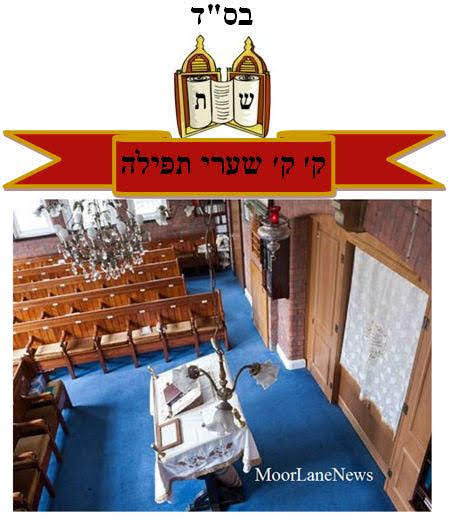
Petichat Hahechal for all the Tefilot on Yom Kippur


(1)
Ladies’ Seating Plan
for the Yamim Noraim High Holy Days
Elul 5782
August 2021
Ladies’ Seating Plan for the Yamim Noraim – High Holy Days
Dear Ladies,
We hope this letter finds you well and in good health.
As we know tefila, prayer, is our strongest tool in
connecting directly to Hashem and especially during the upcoming awe-inspiring
days of Rosh Hashanah and Yom Kippur, now only a few days away. It is vitally important
that we use our tefilot to ask Hashem to inscribe each and every one of
us in the Book of Life and that all may merit a year of health and happiness.
The Shulhan Aruch expresses the importance of makom kabua, makon
kodesh – that a person’s regular and fixed place where he or she prays has
a direct relationship to the power of the tefila, to the extent that the
place a person prays is called kodesh – holy.
Therefore, in order to avoid disappointment on such special days we are
willing to reserve a seat for lady members of our community and this can be done by contacting Mrs Emma Jacobs directly or by email to moorlanenews@gmail.com.
Ladies who are non-members are also invited to apply for a seat and we will try to accommodate you as best as possible and availability.
We will attempt, to the best of our ability, to allocate the seats
according to where the ladies sit throughout the year, but we cannot guarantee
how the seats will be allocated. We will also consider accommodating places for
unmarried girls over Bat Mitzva to sit next to or close to their mothers.
Please tick for which day(s):
1) ONLY Rosh Hashana (2 days) _______
2) ONLY Yom Kippur _______
3) BOTH (Rosh Hashana and Yom Kippur) _______
Please let us know below who the seat is for:
1) Name _______________________________
2) Name _______________________________
3) Name _______________________________
Please note, we will gladly reserve and allocate you a seat,
however, if for example, you are allocated a seat for Yom Kippur but can only
come for Ne’ilah please understand that your seat cannot be kept vacant
all day, when others could use the seat until you arrive.
Therefore, we endeavour to do the following:
·
A clear sign
will be posted asking ladies to respect the allocated seating plan by not
sitting in someone’s allocated place and to vacate the seat as soon as the lady
comes.
·
If someone is
sitting in your allocated seat when you arrive, you have the right to politely ask
that person to move.
·
We request
that you ask the lady to move in the most polite, discreet and nicest way
possible so as not to cause embarrassment, offence or any discomfort whatsoever.
Thanking you in advance.
Tizku leshanim rabot
The Gabbaim
PS – Whilst there is no charge for allocating you a seat, any
donations made will be gratefully appreciated.
(2)
Members who received the
Yom Kippur Hashkavot lists
are reminded to reply to the emails received
so that the individual family hashkavot will be said in Yom Kippur
otherwise all list will be amalgamated into one list
and said one after the other


לוח זמני תפלה לקיץ תשפ״א
Summer Timetable 5781 – 2021
מוצאי שבת | ערבית )מוצ”ש( | סוף זמן קראת שמע | זמן | פלג מנחה (תה״ד) | פלג מנחה (לבוש) | מנחה וקבלת שבת | תאריך | שבת פרשת |
Shabbat Ends | Arbit | Shema to be read before | Candles to be |
| Earliest Candle lighting | Minha & Kabbalat Shabbat* | Date | Parasha |
PM | PM | AM | PM | PM | PM | PM |
|
|
9:18 | 9:15 | 9:35 | 8:11 | 7:29 | 6:56 | 6:45 | 20/21 Aug | כי תצא |
For those not in the Bet Hakeneset, but wishing to bring in Shabbat with the Kahal, candles should be lit about 30 minutes after the time listed for Minha and Kabbalat Shabbat. (Unless the time listed in the ‘latest candle lighting’ column is earlier, when candles should be lit by that time, in all cases.

תשובה: בגמרא במסכת חולין (דף קז:) אמרו, התירו מפה )כלומר התירו אכילת פת על ידי שיעטוף ידיו במפה, בלא נטילת ידים) לאוכלי תרומה (שהכהנים שהיו באים לאכול תרומה בזמן שבית המקדש היה קיים, היו מחוייבים ליטול ידיהם קודם אכילתם, כדי שלא יטמאו את התרומה במגעם, והקילו עליהם חכמים, שאם רצו, אינם מוכרחים ליטול ידיהם, ורשאים לאכול את תרומתם באופן שלא יגעו בה בידיהם אלא בהפסק מפה או כפפות וכדומה) ולא התירו מפה לאוכלי טהרות (שבזמן שבית המקדש היו סתם בני אדם שאינם כהנים, שנוהגים בחסידות ואוכלים את כל מאכליהם בטהרה, כדי שלא יטמאו מאכליהם, וממילא אותם בני אדם הוצרכו גם כן ליטול ידיהם לפני שהיו אוכלים כל דבר, כדי שלא יטמא במגעם, ולאנשים אלו לא הקילו רבותינו לאכול באמצעות מפה בלא נטילת ידים) וטעם הדבר שלא הקילו בזה אלא לכהנים הבאים לאכול תרומה ולא לסתם בני אדם, פירש רש”י, שהוא מפני שהכהנים היו מורגלים מאד כל ימיהם לאכול את כל מאכליהם בטהרה (לפי שאצלם נוגע הדבר לאיסור ממש) ולפיכך אין לחוש שיטעו ויגעו בידיהם במאכליהם, על כן היקלו להם שיאכלו לאכול בלא נטילת ידים באמצעות מפה, מה שאין כן סתם בני אדם, שאינם רגילים וזהירים כל כך לאכול בטהרה (שהרי אצלם אין הדבר נוגע לאיסור ממש וממילא אינם זהירים וזריזים כל כך בזה) יש לחוש שיגעו בטעות בידיהם במאכל, לפיכך אין להקל להם לאכול באמצעות מפה בלא נטילת ידיים.
ולאור האמור, כתבו רבים מרבותינו הראשונים, לעניין נטילת ידיים שבזמנינו קודם אכילת פת לחם, שמכיון שבודאי אין אנו בכלל אותם כהנים שהיו זריזים וזהירים לשמור על מאכליהם בטהרה, ממילא תקנת רבותינו ליטול ידים קודם הסעודה שייכת בכל מקרה, ואין להקל בה על ידי אכילה באמצעות מפית. והעושה כן, לבטל נטילת ידים מכיון שאוכל על ידי מפית, מבטל תקנת חז”ל. וכן פסקו הטור ומרן השלחן ערוך (סימן קסג) ומובן שכל זה שייך גם לענין הבא לאכול דבר שטיבולו במשקה שביארנו בעבר שחייב בנטילת ידיים.
ולסיכום: אין להקל לאכול פת לחם בלא נטילת ידים, אפילו אם אינו נוגע בפת בידו, וכגון שאוכל באמצעות מפית וכדומה,
שבכל מקרה חייב בנטילת ידים. אלא שעדיין יש אופן שבו הקילו לאדם לאכול פת בלא נטילת ידים, וכמו שנבאר בהלכה הבאה.
Answer: The Gemara in Masechet Chullin (107b) states: “The Sages permitted a cloth (i.e. they permitted eating bread without first washing one’s hands by wrapping one’s hands in a cloth) for those eating Terumah (meaning that during the time when the Bet Hamikdash still stood, before eating Terumah, the Kohanim were required to wash their hands first so as not to impurify the Terumah by touching it. Our Sages ruled leniently for them that, if they wished, they would not need to wash their hands; rather, they would be permitted to eat their Terumah in a way where they would not touch it directly, i.e. by wrapping their hands in a cloth or by wearing gloves and the like). However, they did not permit a cloth for those eating their food amid purity (for in the times of the Bet Hamikdash, there were pious non-Kohanim who would eat all of their foods amid purity so as not to impurify their foods. These individuals would also need to wash their hands before eating any food so as not to impurify the food by touching it. Our Sages did not provide the leniency of eating without washing one’s hands by using a cloth for such people).” Rashi there explains that the reason why our Sages were lenient regarding this matter only with regards to Kohanim eating their Terumah and not for any other people is because the Kohanim were quite accustomed to eating all of their foods amid purity all their lives (for with regards to them, this matter could sometimes border on an actual prohibition) and there is therefore no need to be concerned that they will mistakenly touch their food with their hands. Thus, our Sages were lenient and allowed them to eat without first washing their hands through the use of a cloth. On the other hand, regarding other people who were not as accustomed and careful to eat their food amid purity (for this matter never borders on an actual prohibition for them and they were therefore less meticulous in this regard), we must be concerned that they will mistakenly touch the food with their hands. Therefore, there is no room for leniency for them to eat with the use of a cloth without first washing their hands.
Based on this, many Rishonim deduce from here regarding the hand-washing we perform before eating bread that since we can certainly not be included in the category of the Kohanim who were especially careful to keep their foods pure, the rabbinic edict to wash one’s hands before eating a bread meal is applicable in any case and one may not act leniently by eating with the use of a napkin. If one does eat with the use of a napkin in order to circumvent the requirement to wash one’s hands, one has nullified an edict of our Sages. The Tur and Maran Ha’Shulchan Aruch (Chapter 163) rule likewise. All this applies to one who would like to eat a food dipped in liquid (which requires a hand-washing before) as well.
Summary: One may not act leniently and eat bread without first washing one’s hands even if one is not directly touching the bread with one’s hands, for instance, if one is eating with a napkin and the like; in any case, one is obligated to wash one’s hands. However, there is one situation where the Sages were lenient and permitted one to eat bread without first washing one’s hands. We shall discuss this further, G-d-willing, in the following Halacha.


לוח זמני תפלה לקיץ תשפ״א
Summer Timetable 5781 – 2021
מוצאי שבת | ערבית )מוצ”ש( | סוף זמן קראת שמע | זמן | פלג מנחה (תה״ד) | פלג מנחה (לבוש) | מנחה וקבלת שבת | תאריך | שבת פרשת |
Shabbat Ends | Arbit | Shema to be read before | Candles to be |
| Earliest Candle lighting | Minha & Kabbalat Shabbat* | Date | Parasha |
PM | PM | AM | PM | PM | PM | PM |
|
|
10:37 | Fast begins: 9:26 ערבית: 10:50 | 9:08 | 9:13 | 8:27 | 7:46 | 7:30 | 16/17 July | דברים (שבת חזון) |
10:24 | 10:20 | 9:13 | 9:04 | 8:18 | 7:39 | 7:20 | 23/24 July | ואתחנן (שבת נחמו) |
10:09 | 10:05 | 9:19 | 8:53 | 8:07 | 7:30 | 7:10 | 30/31 Jul | עקב |
9:53 | 9:50 | 9:24 | 8:40 | 7:55 | 7:20 | 7:00 | 6/7 Aug | ראה (ש''מ) |
9:36 | 9:35 | 9:30 | 8:26 | 7:43 | 7:08 | 6:45 | 13/14 Aug | שופטים |


דין סעודה
מפסקת בשנה זו
ערב תשעה באב, אסרו חכמים לאכול בשר ולשתות יין
בסעודה המפסקת, (היא הסעודה שאוכל לפני תחילת הצום, אחר חצות היום). וכן אסרו
לאכול שני תבשילים בסעודה המפסקת, וישנם כמה פרטי דינים בזה. אולם בשנה זו שתענית תשעה באב תחול ביום ראשון, נמצא שערב תשעה באב חל ביום השבת,
ולפיכך, מפני כבוד שבת,
שאסור לנהוג בה דיני אבלות, אמרו
חכמים שבסעודה זו (שהיא סעודה שלישית של שבת קודם תחילת התענית), אוכל אדם ושותה
כל צרכו, “ומעלה על שולחנו אפילו כסעודת שלמה בשעתו“.
ובדברי הפוסקים מצאנו בביאור דברי רבותינו שני
פירושים, שיש אומרים שמה שאמרו רבותינו שאדם מעלה על שולחנו אפילו כסעודת שלמה
בשעתו, אין הכוונה בזה שאסור להמנע ממאכלי בשר ושתיית יין ביום השבת, אלא שאם רוצה
אדם לאכול בשר ויין בסעודה זו, רשאי לעשות כן, אבל בכל זאת ראוי להימנע מאכילת בשר
ושתית יין וכדומה בסעודה מפסקת אף על פי שהיא חלה ביום שבת, וזאת מפני אסונינו
הגדול בחורבן הבית.
אבל לדעת רוב רבותינו הראשונים, פירוש דברי
רבותינו הוא כפשוטם, שאין להמנע מאכילת בשר ושתיית יין ביום שבת אף בסעודה המפסקת,
מפני כבוד השבת. ובספר שבלי הלקט (לרבינו צדקיה בן רבי אברהם הרופא שחי לפני
כשמונה מאות שנה בעיר רומא שבאיטליה), הביא תשובת רבינו קלונימוס איש רומי שהשיב
לרבי יקר, שאם חל תשעה באב ביום ראשון התירו הגאונים לאכול בשר ולשתות יין בסעודה
המפסקת, מפני כבוד שבת, ואין צריך לשנות שולחנו בשבת,
ובלבד שיש לו לישב בדאבת נפש שלא לנהוג בשמחה.
וכן יש לנהוג להלכה ולמעשה, שבסעודה מפסקת שחלה
ביום שבת, כמו בשנה זו , אין להימנע מאכילת בשר וכדומה (וכן מותר לשיר
זמירות שבת בסעודה זו מפני כבוד השבת)
The Laws of the Last Meal Before the Fast of Tisha Be’av
This Year
On Erev Tisha Be’av, our Sages prohibited eating meat and
drinking wine during the last meal before the onset of the fast of Tisha Be’av
held after halachic midday. They likewise forbade eating two cooked foods
during this meal. Nevertheless, this year, since the fast of Tisha Be’av
is observed on Sunday, “Erev Tisha Be’av” will thus coincide with Shabbat.
Thus, in honor of Shabbat during which observance of mourning customs is
forbidden, our Sages said that during this meal (which is actually Seuda
Shelishit, the third Shabbat meal and the last meal before the fast) one
may eat and drink one’s fill and “one may serve on his table like a feast of
King Solomon during his reign.”
Among the Rishonim, we find two different ways to explain
this statement of our Sages: Some explain that when they said that “one may
serve on his table like a feast of King Solomon during his reign,” this does
not mean that one may not abstain from eating meat and drinking wine; rather,
if one wishes, one may eat meat and drink wine during this meal. It is
nevertheless preferable to abstain from eating meat and drinking wine during
the last meal before the fast of Tisha Be’av even when Erev Tisha Be’av falls
out on Shabbat in commemoration of the great tragedy of the destruction of the
Bet Hamikdash.
On the other hand, most Rishonim explain that one should
not abstain from eating meat and drinking wine on Shabbat, even during the last
meal before the fast of Tisha Be’av, in honor of Shabbat. The Sefer Shiboleh
Ha’Leket (authored by Rabbeinu Tzidkiyah ben Rabbi Avraham Ha’Rofeh who lived
in Rome approximately eight hundred years ago) quotes a responsa by Rabbeinu
Klonimus of Rome who wrote to Rabbeinu Yakar that if Tisha Be’av falls out on
Sunday, the Geonim permitted one to eat meat and drink wine during the last
meal before the fast in honor of Shabbat. One need not spare anything from
one’s table as long as one sits and eats solemnly and does not act joyfully.
The Halacha indeed follows this opinion that during the
last meal before the fast of Tisha Be’av which is held on Shabbat as is the
case this year, one should not abstain from eating meat and the like (one
may likewise sing Shabbat songs during this meal in honor of Shabbat).


pageלוח זמני תפלה לקיץ תשפ״א
Summer Timetable 5781 – 2021
מוצאי שבת | ערבית )מוצ”ש( | סוף זמן קראת שמע | זמן | פלג מנחה (תה״ד) | פלג מנחה (לבוש) | מנחה וקבלת שבת | תאריך | שבת פרשת |
Shabbat Ends | Arbit | Shema to be read before | Candles to be |
| Earliest Candle lighting | Minha & Kabbalat Shabbat* | Date | Parasha |
PM | PM | AM | PM | PM | PM | PM |
|
|
10:48 | 10:45 | 9:03 | 9:20 | 8:34 | 7:52 | 7:30 | 9/10 July | מטות־מסעי ) |
For those not in the Bet Hakeneset, but wishing to bring in Shabbat with the Kahal, candles should be lit about 30 minutes after the time listed for Minha and Kabbalat Shabbat. (Unless the time listed in the ‘latest candle lighting’ column is earlier, when candles should be lit by that time, in all cases.

אכילת בשר
מראש חודש אב
מבואר במשנה במסכת תענית (דף כו:) שגזרו חכמים,
שבערב תשעה באב, דהיינו בסעודה המפסקת, שהיא הסעודה האחרונה שאוכל לפני התענית,
אין לאכול בשר, וכן אין לשתות יין, ולא יאכל אדם שני תבשילין, כגון אורז וביצה
וכדומה, אלא תבשיל אחד בלבד.
ומבואר מן הדברים כי אין איסור מן הדין באכילת
בשר אלא בסעודה המפסקת בלבד ומכל מקום נהגו ישראל שלא לאכול בשר כלל, מיום ראש
חודש אב ועד יום עשירי באב.
ומנהגים אלו נזכרו כבר בדברי
הגאונים ורבותינו הראשונים, ופשטו בכל ישראל. ואין חילוק בין
בשר בהמה לבשר עוף, שבכל אופן אסור לאכלו, ואפילו תבשיל שנתבשל עם בשר, כגון מרק,
אף על פי שהוציאו ממנו את הבשר, אין לשתות ממנו, מפני טעם הבשר
שיש בו. אבל דגים אינם בכלל האיסור ומותר לאכלם.
אכילת בשר ביום ראש חודש וביום עשירי באב
מנהג הספרדים להקל באכילת בשר ביום
ראש חודש אב עצמו, כפי שביארנו בהלכה הקודמת, אבל האשכנזים נוהגים להחמיר אף ביום
ראש חודש אב. ובזה הספרדים מיקלים יותר מהאשכנזים. ולעומת זאת לגבי אכילת בשר ביום
עשירי באב, מנהג הספרדים להחמיר שלא לאכול בשר ביום עשירי באב כולו, ולמנהג
האשכנזים יש להקל באכילת בשר ושתיית יין מיום עשירי באב אחר חצות היום.
מנהג התימנים בענין אכילת בשר
מנהג אחינו בני תימן, בכל ארצות
תימן, שלא היו נמנעים מאכילת בשר ושתיית יין, אלא בסעודה מפסקת של ערב תשעה באב,
שכן הוא עיקר דין התלמוד. אולם עתה שזכו לעלות לארץ ישראל, וכאן המנהג פשוט להחמיר
בזה בכל תשעת הימים, כתב מרן רבינו עובדיה יוסף זצוק”ל, שעליהם לנהוג בזה
כמנהג ארץ ישראל, ואסור לפרוץ גדר בזה, ובפרט שכאן ניכר יותר ענין החורבן, שרואים
עין בעין מקום חורבן הבית, ואז בודאי שייך יותר לנהוג איסור בדבר. (חזון עובדיה
עמוד קע).
אכילת בשר בערב שבת
בשבתות שבתוך תשעת הימים, אוכלים
בשר, ומותר לטעום בערב שבת מהתבשילים שיש בהם בשר כדי לתקן את המאכל (כגון להוסיף
מלח וכדומה) ויש מיקלים לטעום מן המאכלים של שבת אף שלא לצורך, לפי שעל פי דברי
המקובלים יש ענין גדול לטעום ממאכלי השבת, ומרן רבינו עובדיה יוסף זצוק”ל כתב
שיש להקל בזה, ומכל מקום המחמיר תבוא עליו ברכה.
אכילת בשר שנותר משבת
כתב מרן רבינו זצוק”ל, שאם
נשאר בשר מן המאכלים שבשלו לכבוד שבת, מותר לאכול מהם במוצאי שבת ב”סעודה
רביעית” שהיא הסעודה שאוכלים במוצאי שבת. והמיקל לאכול מבשר זה שנשאר מסעודת
שבת אף בשאר ימות השבוע, יש לו על מה שיסמוך, ולקטנים שלא הגיעו לגיל מצוות יש
להקל באכילת בשר שנשאר משבת אף בימות החול. (אך בתנאי שלא יבשל לכתחילה כמות גדולה
לשבת בכדי שישאר לו בשר לימות החול). ולילדים קטנים מאוד שאינם מבינים כלל את משמעות
חורבן הבית, מותר לתת אף לכתחילה בשר בימים אלו, ומותר לבשל עבורם
בשר בשבוע זה שחל בו תשעה באב.
אדם חלש הזקוק לאכילת בשר
חולה, אף על פי שאין בו סכנה, מותר
לו לאכול בשר בימים אלו. וכן יולדת תוך שלושים יום ללידתה מותרת באכילת בשר. וכן
מינקת שהתינוק שלה חלש, ואם תמנע מאכילת בשר יוכל הדבר להשפיע לרעה על בריאות
הילד, מותרת באכילת בשר. וכן מעוברת שסובלת הרבה בהריונה יש להקל לה לאכול בשר
בימים אלו. אבל אדם בריא שאוכל בשר בזמן שנוהגים בו איסור, גדול עוונו מנשוא, והרי
הוא פורץ גדר, ועונשו גדול
Eating Meat Following Rosh Chodesh Av
The Mishnah in Masechet Ta’anit (26b) tells us that on
Erev Tisha Be’av during the last meal one eats before the fast, one may not eat
meat, drink wine, or eat two cooked foods, such as rice and an egg. Although
the letter of the law dictates that the prohibition to eat meat only applies
during the last meal one eats before the fast of Tisha Be’av, nevertheless, the
custom of the Jewish nation is to abstain from eating meat from Rosh Chodesh Av
until the Tenth of Av. These customs have already been mentioned by the Geonim
and early Poskim and have been accepted by the Jewish people. There is no
distinction between meat and chicken, as it is prohibited to consume any of
them. Even a food cooked with meat, for instance a soup cooked with meat,
should not be eaten even after the meat has been removed, due to its meat
flavor. Fish is not included in this prohibition and is permitted to be eaten.
Eating Meat on Rosh Chodesh and on the Tenth of Av
The Sephardic custom is to permit eating meat on the day of Rosh Chodesh
itself, as we have explained in the previous Halacha; Ashkenazim customarily
forbid this even on the day of Rosh Chodesh. Regarding this aspect, Sephardim
are more lenient than Ashkenazim. On the other hand, regarding eating meat on
the Tenth of Av, the Sephardic custom is to prohibit eating meat during the
entire day of the Tenth of Av (i.e. until sunset of the Tenth of Av), whereas
the Ashkenazi custom is to permit consumption of meat and wine following
halachic mid-day of the Tenth of Av.
The Yemenite Custom Regarding Eating Meat
The custom of Yemenite Jews was to only abstain from eating meat and drinking
wine during the meal immediately preceding the fast of Tisha Be’av; however,
they would not abstain from doing so during the other days of the month of Av,
in accordance with the letter of the law of the Talmud. Nevertheless, now that
they have merited settling to Israel where the prevalent custom is to abstain
from this during the “Nine Days,” Maran Rabbeinu zt”l writes that they
should accept upon themselves the local custom and they may not act
differently. This is especially true since the destruction of the holy Temple
is felt in Israel more than in other places, for the location of the
destruction is clearly visible for all to see and it is thus certainly
befitting to act stringently in this matter.
Eating Meat on Erev Shabbat
On Shabbatot within the “Nine Days”, one should certainly eat meat. On may also
act leniently and taste meat dishes on Erev Shabbat to see if the dish requires
any improvement (such as more salt and the like). Some say that one may be
lenient to taste from such Shabbat dishes even when it is not necessary to do
so, for according to the Mekubalim, it is important to taste Shabbat dishes on
Erev Shabbat. Maran Rabbeinu Ovadia Yosef zt”l writes that one may be
lenient regarding this matter; however, one who acts stringently is truly
praiseworthy.
Meat Left Over from Shabbat
Maran Rabbeinu zt”l writes that if some meat is left over from dishes
that were cooked in honor of Shabbat, one may partake of this meat on Motza’ei
Shabbat during “Seuda Revi’it” (the fourth meal of Shabbat which is
eaten upon the conclusion of Shabbat). This is especially true if one regularly
eats meat during “Seuda Revi’it.” One who is lenient and partakes of meat
left over from dishes cooked in honor of Shabbat even during the other days of
the week indeed has on whom to rely. Regarding minors who have not yet reached
Bar/Bat Mitzvah age, they may be lenient and partake of such leftover meat on
other weekdays as well. (All this applies only when one did not intentionally
cook a large amount for Shabbat in order for there to be leftovers for during
the week.) Regarding young children who do not comprehend the matter of the
destruction of the Bet Hamikdash at all, one may feed them meat during these
days and one may even cook meat for them during the week during which Tisha
Be’av falls out.
An Individual who is Weak and Needs to Eat Meat
One who is ill, even with a non-life-threatening illness, may eat meat during these
days. Similarly, a woman who is within thirty days of giving birth may eat meat
during these days. Furthermore, if a woman is nursing a weak child and
abstaining from eating meat could possibly impact the health of the baby, she
may eat meat during this time. Similarly, a pregnant woman who suffers very
much during her pregnancy may act leniently and eat meat during these days.
However, if a healthy individual eats meat during this period when everyone
else customarily abstains from doing so, his sin is too great to bear, he is
considered a “fence-breacher,” and he shall be severely punished.
| Virus-free. www.avg.com |


pageלוח זמני תפלה לקיץ תשפ״א
Summer Timetable 5781 – 2021
מוצאי שבת | ערבית )מוצ”ש( | סוף זמן קראת שמע | זמן | פלג מנחה (תה״ד) | פלג מנחה (לבוש) | מנחה וקבלת שבת | תאריך | שבת פרשת |
Shabbat Ends | Arbit | Shema to be read before | Candles to be |
| Earliest Candle lighting | Minha & Kabbalat Shabbat* | Date | Parasha |
PM | PM | AM | PM | PM | PM | PM |
|
|
10:56 | 10:50 | 8:59 | 9:25 | 8:38 | 7:55 | 7:40 | 2/3 July | פינחס (ש''מ) |
For those not in the Bet Hakeneset, but wishing to bring in Shabbat with the Kahal, candles should be lit about 30 minutes after the time listed for Minha and Kabbalat Shabbat. (Unless the time listed in the ‘latest candle lighting’ column is earlier, when candles should be lit by that time, in all cases.
All references are to the verses and Rashi's commentary, unless otherwise stated

דין תספורת בימי בין המצרים
מרוב תוקף האבלות בימי בין
המצרים, נהגו האשכנזים שלא להסתפר ולהתגלח, מיום שבעה עשר בתמוז ועד יום עשירי באב.
אולם הספרדים ובני עדות המזרח
לא נהגו להחמיר בזה, אלא מנהגינו כעיקר תקנת רבותינו התנאים, שגזרו אחר חורבן בית המקדש,
שבשבוע שחל בו תשעה באב אסור מלספר ולכבס, וכן פסקו הרמב”ם ומרן השולחן ערוך.
. ועד אז מותר לספרדים
להסתפר ולהתגלח.
ולענין תספורת לנשים בשבוע שחל
בו, או בכל ימי בין המצרים למנהג האשכזים, הדבר תלוי במחלוקת אחרת, וכפי שנבאר:
נחלקו הפוסקים, לענין אשה שאבלה
על אחד משבעת קרוביה (אב ואם, אח ואחות, בן ובת, ובעל), האם
היא אסורה להסתפר, כשם שלאנשים אסור להסתפר, או שאיסור זה אינו נוהג באשה.
ולהלכה, מרן השלחן
ערוך, אשר הספרדים וכל בני עדות המזרח הולכים לאורו, פסק שאין איסור תספורת נוהג
באשה. ועל כן תיכף אחר שבעת ימי האבל, מותר לאשה להסתפר. אבל
הרמ”א, שלפי הוראותיו הולכים האשכזים, פסק שאיסור תספורת נוהג גם בנשים.
ולפי זה נראה, שלדעת מרן השלחן
ערוך, ולמנהג הספרדים, אין איסור תספורת נוהג בנשים. אבל למנהג האשכנזים היוצאים
ביד רמ”א, אף הנשים בכלל איסור זה. וכן פסק הגאון רבי משה פיינשטיין
זצ”ל, ועוד מגדולי הפוסקים.
ומכל מקום יש מרבני האשכנזים
שכתבו, שאף על פי שבאבלות ממש, מנהגם הוא שגם הנשים אינן מסתפרות, מכל מקום
בבין המצרים רשאיות הנשים להקל בזה, כי אין תוקף מנהג האבלות חמור כל כך מצד הדין,
רק בתורת מנהג, כמו שביארנו. אבל בשבוע שחל בו תשעה באב, שאז איסור התספורת הוא
מתקנת חכמי המשנה ממש, ולא רק מחמת המנהג, אין לחלק בין אנשים לנשים.
ומכל מקום מנהג הספרדים להקל
בזה לגמרי כמו שכתבנו, אפילו בשבוע שחל בו תשעה באב.
The Laws of Taking Haircuts During the “Three Weeks”
As a result of the mourning
observed during the “Three Weeks,” the Ashkenazi custom is to abstain from
shaving and taking haircuts beginning from the Seventeenth of Tammuz until the
Tenth of Av.
Nevertheless, the Sephardic
custom is not as stringent and follows the letter of the law established by a
Tannaic enactment (following the destruction of the Bet Hamikdash) which is to
prohibit taking haircuts and laundering clothing during the week during which
Tisha Be’av falls out. The Rambam and Maran Ha’Shulchan Aruch rule likewise.
Regarding a woman taking a
haircut during the week during which Tisha Be’av falls out or during the “Three
Weeks” according to the Ashkenazi custom, this depends on a different
disagreement among the Poskim, as follows:
The Poskim disagree regarding
whether a woman who is in mourning for one of seven relatives (father, mother,
brother, sister, son, daughter, or husband) is forbidden to take a haircut just
as it is forbidden for a male mourner or does this prohibition not apply to
women.
Halachically speaking, Maran
Ha’Shulchan Aruch, whose rulings are followed by Sephardic and Middle Eastern
Jews, writes that the prohibition to take a haircut does not apply to women.
Thus, immediately following the initial seven days of mourning, a woman may
take a haircut. Nevertheless, the Rama, whose rulings are followed by Ashkenazi
Jews, writes that the prohibition to take a haircut applies to women as well.
It therefore seems that
according to Maran Ha’Shulchan Aruch and the Sephardic custom, the prohibition
to take haircuts observed in mourning of the destruction of the Bet Hamikdash
does not apply to women either. However, according to the Rama and the
Ashkenazi custom, women are also included in this prohibition. Hagaon Harav
Moshe Feinstein zt”l and other great Poskim rule likewise.
On the other hand, there are
Ashkenazi Poskim who write that although women are prohibited to take haircuts
while in actual mourning for a relative, nevertheless, woman may act leniently
and take haircut during the “Three Weeks,” for this is not as much a halachic
prohibition according to the letter of the law as it is a custom which has been
accepted. However, during the week during which Tisha Be’av falls out, when it
is an actual prohibition to take a haircut based on the edict of the Sages of
the Mishnah and not merely customary, there is no distinction between men and
women.
Nevertheless, as we have
stated above, the Sephardic custom is to permit women to take haircuts even
during the week during which Tisha Be’av falls out.


pageלוח זמני תפלה לקיץ תשפ״א
Summer Timetable 5781 – 2021
מוצאי שבת | ערבית )מוצ”ש( | סוף זמן קראת שמע | זמן | פלג מנחה (תה״ד) | פלג מנחה (לבוש) | מנחה וקבלת שבת | תאריך | שבת פרשת |
Shabbat Ends | Arbit | Shema to be read before | Candles to be |
| Earliest Candle lighting | Minha & Kabbalat Shabbat* | Date | Parasha |
PM | PM | AM | PM | PM | PM | PM |
|
|
11:00 | 10:55 | 8:56 | 9:27 | 8:40 | 7:56 | 7:40 | 25/26 June | בלק |
For those not in the Bet Hakeneset, but wishing to bring in Shabbat with the Kahal, candles should be lit about 30 minutes after the time listed for Minha and Kabbalat Shabbat. (Unless the time listed in the ‘latest candle lighting’ column is earlier, when candles should be lit by that time, in all cases.
All references are to the verses and Rashi's commentary, unless otherwise stated

הבהרה:
באחת
ההלכות האחרונות, פירסמנו שמותר להשתמש במדיח כלים, לכלי
חלב וכלי בשר יחד, ועיקר ההיתר היה, מאחר והסבון המעורב במי המדיח, פוגם את כל המאכלים
שבתוכו, עוד לפני שהמים רותחים. ועתה קיבלנו פניות רבות, שיש בזה בעיה מצד
המציאות, כי ישנם מדיחי כלים, שמזרימים מים רותחים עוד לפני כניסת הסבון למדיח.
לכן עלינו להבהיר, שבודאי במדיח כזה, אין להשתמש לכלי בשר וכלי חלב יחד. ולשמועים
ינעם.
ימי “בין המצרים“
הימים שבין שבעה
עשר בתמוז לבין תשעה באב, נקראים ימי “בין המצרים” על שם הפסוק (במגילת איכה פרק
א פסוק ג) “כל רודפיה השיגוה בין המצרים”, ואמרו רבותינו זכרונם לברכה,
שְאֵלוּ הימים, הם הימים שבין שבעה עשר בתמוז לתשעה באב, שבהם נכנסו
האויבים לירושלים עיר קדשנו ותפארתנו, ופרעו פרעות בישראל, עד יום תשעה באב, שבו
החריבו את בית המקדש בעוונות הרבים, ומאז ועד היום עם ישראל אינו יושב בטח, ותמיד
קמים עליו אויבים מבית ומחוץ.
ואף
על פי שזכינו תהלות לאל עליון, לחזור לארץ קדשינו בצורה יחסית חופשית, עדיין לא
זכינו לגאולה שלימה, כי בית חיינו חרב, ואומות העולם מציקות לעם ישראל יום יום,
והצרות תוכפות יותר ויותר. ועל הכל, מבחינה רוחנית, שאנו רחוקים מאד מהגאולה
האמיתית, עד שישוב ה' וירחם על נחלתו, וישוב לגאול אותנו גאולה שלימה, גאולת
עולמים.
דרגות
האבלות בימים אלה, ושבוע שחל בו תשעה באב
במשך
השבוע נבאר את דיני “בין המצרים” (ממה שכתבנו בשנים קודמות, ובתוספת
נופך). ודינים אלו מחולקים. שמיום י”ז בתמוז ועד ראש חודש אב, נוהגים מעט
מנהגי אבלות. ומיום ראש חודש אב, מוסיפים על מנהגים אלה עוד מנהגים אחרים.
ולאחר
מכן בשבוע שחל בו תשעה באב, נוהגים מנהגי אבלות נוספים.
תיקון
חצות
מכיון
שימי “בין המצרים” הם ימי אבל לעם ישראל, נוהגים בהם כמה מנהגי אבל,
וחסידים
ואנשי מעשה נוהגים לומר “תיקון חצות” אחר חצות היום בימי בין המצרים.
(חצות היום, היינו, שמחלקים את הלילה, מהשקיעה עד הזריחה לשתיים,
והנקודה
האמצעית, היא “חצות” הלילה, מלשון “מחצית”, ובאותה השעה ביום,
הוא זמן חצות היום. ובהרבה לוחות שנה מופיעה זמן חצות היום, או חצות הלילה,
שהוא
שווה לזמן חצות היום), ואומרים “תיקון רחל” שבו פסוקים של בכי וצער על
חורבן בית המקדש, ומנהג זה הוא מנהג ותיקין, והביאו מרן החיד”א בספרו מורה
באצבע, וכתב שכן נהגו בארץ ישראל על פי דברי רבינו האר”י ז”ל, וכן כתב
עוד בספרו שו”ת יוסף אומץ. וכתב שנוהגים לומר “תקון רחל”, משום
שתקון רחל מיוסד על בכיה ומספד על חורבן הבית. והביא עוד מדברי רבינו האר”י
שכתב שמנהג טוב וכשר לכל בעל נפש לישב באבילות אחר חצות היום בכל ימי בין המצרים,
ולבכות בכיה ממש על חורבן הבית. עד כאן. ובודאי שעל ידי אמירת תיקון חצות יתעורר
כל אחד להצטער על חורבן בית המקדש וכל הצרות שבאו עלינו ועל אבותינו מתוך הגלות
המרה הזו.
וכן
נוהג מרן הרב עובדיה יוסף ז”ל, לעורר את הצבור לומר תקון חצות בזמן חצות היום
בימי בין המצרים. (ותיקון רחל מודפס בסידורים). וכן היו
נוהגים לאמרו בישיבת “פורת יוסף” בירושלים. ויש נוהגים
לומר “תיקון חצות” בכל ימות השנה בחצות הלילה, ותבא עליהם ברכה.
The “Three Weeks”
The Period of the “Three
Weeks”
The three week period between the Seventeenth of Tammuz and the Ninth of Av is dubbed
by our Sages “Between the Straits,” based on the verse (Eicha 1, 3), “All of
her enemies overtook her between the straits.” Our Sages tell us that these
three weeks between the Seventeenth of Tammuz and the Ninth of Av are when our
enemies entered the holy city of Jerusalem and massacred countless Jewish
people until the Ninth of Av when they finally succeeded in destroying the Holy
Temple. From that day on, the Jewish people no longer dwell securely and we
must endure enemies attacking us from the outside as well as within.
Although, thank G-d, we have merited returning to the holy land relatively
freely, we have nevertheless not yet merited the ultimate redemption, for our
Bet Hamikdash still lies in ruins, the nations of the world are constantly on
the offensive against the Jewish nation, and our tragedies multiply
exponentially every day. We are indeed very spiritually distant from the final
redemption and we hope and pray that Hashem pities us and redeems us once and
for all, speedily in our days.
The Levels of Mourning during this Period and the Laws of the Week during
which Tisha Be’av Falls Out This Year
In the following Halachot we shall, G-d-willing, discuss the laws of the “Three
Weeks.” There are various degrees of mourning observed during this period: From
the Seventeenth of Tammuz until Rosh Chodesh Av, few mourning customs are
observed. From the day of Rosh Chodesh Av, some more mourning customs are
added. During the week during which Tisha Be’av falls out, even more mourning
customs are observed.
Reciting “Tikun Chatzot”
Since these days are a time of mourning for the Jewish nation, we customarily
observe some customs pertaining to mourning. Pious and upstanding people
customarily recite “Tikun Chatzot” (Psalms and prayers related to the destruction
of the Bet Hamikdash) after Halachic midday during the “Three Weeks” (Halachic midday is calculated by
splitting the night time hours between sunset and sunrise and the mid-point is Halachic midnight. The exact same time
during the day is Halachic midday. Many Jewish calendars state either only Halachic midnight or midday since they
are in essence the same time.) “Tikun Rachel,” which includes verses that
lament the destruction of the Bet Hamikdash, is recited. Maran HaChida in his
works “Moreh Ba’Etzba” and “Yosef Ometz” writes that this is an ancient custom
that was observed in Israel based on the words of the holy Arizal. He writes
that the custom is to recite “Tikun Rachel” because it is based on weeping and
lamentation for the destruction of holy Temple. He adds in the name of the Ari
who writes that it is a worthy custom to sit and mourn after the Halachic midday every day during the
“Three Weeks,” including shedding actual tears for the destruction of the Bet
Hamikdash. Through reciting “Tikun Chatzot,” one will surely be moved to tears
because of the sorrow of the destruction of the Bet Hamikdash and all of the
other suffering we and our forefathers have endured during this long and
arduous exile.
Maran Harav Ovadia Yosef z”l indeed encourages his congregation to recite
“Tikun Chatzot” after Halachic midday during the period of the “Three Weeks.”
(“Tikun Rachel” is printed in most Siddurim.) This was indeed the custom in
Yeshivat Porat Yosef in Jerusalem. Some actually have the custom to recite
“Tikun Chatzot” throughout the entire year after Halachic midnight, and they shall
indeed be blessed.


pageלוח זמני תפלה לקיץ תשפ״א
Summer Timetable 5781 – 2021
מוצאי שבת | ערבית )מוצ”ש( | סוף זמן קראת שמע | זמן | פלג מנחה (תה״ד) | פלג מנחה (לבוש) | מנחה וקבלת שבת | תאריך | שבת פרשת |
Shabbat Ends | Arbit | Shema to be read before | Candles to be |
| Earliest Candle lighting | Minha & Kabbalat Shabbat* | Date | Parasha |
PM | PM | AM | PM | PM | PM | PM |
|
|
11:00 | 10:55 | 8:54 | 9:26 | 8:39 | 7:55 | 7:40 | 18/19 June | חקת |
For those not in the Bet Hakeneset, but wishing to bring in Shabbat with the Kahal, candles should be lit about 30 minutes after the time listed for Minha and Kabbalat Shabbat. (Unless the time listed in the ‘latest candle lighting’ column is earlier, when candles should be lit by that time, in all cases.
All references are to the verses and Rashi's commentary, unless otherwise stated

שאלה: שעון
מעורר, האם מותר להכינו מערב שבת, על מנת שיצלצל בעצם יום השבת?
תשובה: הנה
לעצם עריכת והכנת השעון שיצלצל בשבת, לכאורה יש לדון בזה לאיסור, שהרי הזכרנו כבר
בעבר את דברי הברייתא במסכת שבת (דף יח.), “אין נותנים חטים
לתוך ריחים של מים כדי שיטחנו ביום השבת”. כלומר, אסור להכניס חטים
לפני כניסת השבת, לריחים (כעין מכונה לטחינת חטים, המופעלת על ידי תנועת גלגל מים
בשבת). ואף על פי שלא נעשית כאן כל מלאכה בשבת עצמה, שהרי מניחים את החטים מערב
שבת, והם הולכות ונטחנות מאליהן על ידי תנועת המים בשבת, מכל מקום, הואיל
והריחים משמיעות קול רעש בשבת, יש בזה משום זלזול בכבוד השבת. ונחלקו רבותינו בגמרא אם להלכה אנו תופסים כדברי
הברייתא. כי יש מי שמפרש שדברי הברייתא הם לכל הדעות, ולפיכך אסור להתחיל
מלאכה מערב שבת בדבר המשמיע קול בשבת עצמה, ויש אומרים שדברי הברייתא תלויים
במחלוקת אחרת בין בית שמאי לבית הלל, ולדעת בית הלל אין לחוש להשמעת קול שכזו
בשבת, ומותר להכניס חטים לריחים מערב שבת על מנת שיטחנו בשבת עצמה.
ולהלכה פסק מרן השלחן ערוך (סימן רנב), שמותר
לתת חטים לתוך ריחים של מים סמוך לחשיכה (לפני כניסת השבת),
ואין חוששים להשמעת קול שיאמרו ריחים של פלוני טוחנות בשבת. וכתב על זה
הרמ”א (שלאורו הולכים יוצאי אשכנז), ויש אוסרים בריחים, וכן בכל דבר שיש
לחוש להשמעת קול, וכן נוהגים לכתחילה, אבל במקום הפסד יש להקל.
ומעתה נבא לנדון שלנו, שלכאורה לפי דברי
הרמ”א שאסור לגרום שיצא קול רעש בשבת, כמו כן אסור לגרום להפעלת קול רעש
שגורם השעון מעורר, שהרי יש בזה זלזול בכבוד השבת, שנראה כאילו יהודי מפעיל את
השעון בשבת וגורם לרעש בשבת. ולפי זה למנהג האשכנזים יהיה אסור להפעיל שעון מעורר
שיצלצל בשבת.
וכן פסק להלכה הגאון רבי משה פיינשטיין בשו”ת
אגרות משה (חאו”ח ח”ד סימן ע), שלמנהג האשכנזים ההולכים לאורו של
הרמ”א, יש לאסור הפעלת שעון מעורר בשבת, אם הוא קול שנשמע גם מחוץ לחדר
שהוא נמצא בו. (אבל אם אין הקול חזק כל כך, ואינו נשמע אלא באותו חדר שהשעון נמצא
בו, אף הוא כתב להתיר). ומבואר מזה שדעתו של הגאון היתה להשוות הפעלת שעון מעורר
לכל כלי המחולל רעש בשבת.
אולם מרן הרב עובדיה יוסף זצ”ל בתשובה
שהובאה בספר ילקוט יוסף (שבת א' עמ' פט) הביא דברי כמה אחרונים הסוברים שיש להקל
בזה אף לשיטת הרמ”א. שהרי לכל הדעות, אם אין הקול נשמע ממש מחמת פעולה שנעשית
שמיד לאחריה הוא בא, כמו בהפעלת ריחים,
אלא רק לאחר זמן, אין לאסור בזה
מחמת השמעת קול. ועוד יש להוסיף על כך,
שהרי רוב בני אדם אינם מכוונים בכל
יום את השעון שיצלצל, אלא הוא מוכן אצלם בכל יום ויום להקיצם משנתם. ובאופן כזה
בודאי שאין לאסור את הפעלת השעון בשבת, שהרי כתבו הפוסקים, (הובאו דבריו בבית יוסף
סימן שלח) שמותר להפעיל מערב שבת שעון שבכל שעה הוא מצלצל בקול רעש, הואיל והכל
יודעים ששעון זה הוא מוכן מאז ומתמיד, ואין מי שמפעילו בכל יום ויום, ובאופן כזה
לא שייך איסור כלל. וכן פסק הרמ”א להלכה.
ועל כן העיקר להלכה, שבין לאשכנזים ובין לספרדים, מותר בהחלט להכין מערב שבת
שעון שיצלצל בשבת לעוררם משנתם. וכן העלה הגאון רבי אליעזר יהודה ולדנברג
ז”ל. ועוד רבים מגדולי הפוסקים.
ובהלכה הבאה נדון בעזרת ה' עוד בענינים אלו.
Question: May one set an alarm clock to go off on Shabbat?
Answer: It
would seem to be prohibited to set an alarm clock to go off on Shabbat based on
the Baraita (Shabbat 18a) which states, “One may not place wheat into a
water-operated mill (before Shabbat) in order for the wheat to be ground on
Shabbat.” Although no forbidden work is being performed on Shabbat as the wheat
is being placed in the mill before the onset of Shabbat and it will only be
ground on Shabbat as a result of the water’s movement, nevertheless, since the
mill produces noise on Shabbat, this constitutes a disrespect for the Shabbat.
The Sages of the Talmud disagree whether or not the Halacha follows the opinion
of this Baraita. Some conform this Baraita to all opinions and it will
therefore be forbidden to begin any forbidden work before the onset of Shabbat
if it will continue on Shabbat and produce noise. Others explain that this
Baraita is contingent upon another related disagreement between Bet Shammai and
Bet Hillel such that according to Bet Hillel, there is no concern with such
noise being produced on Shabbat and it will be permissible to place wheat into
a mill before Shabbat in order for it to be ground on Shabbat itself.
Halachically speaking, Maran Ha’Shulchan Aruch (Chapter
252) rules that “It is permissible to place wheat into a water mill shortly
before the onset of Shabbat and we are not concerned that as a result of the
noise, people will say that so-and-so’s mill operates on Shabbat.” The Rama, on
the other hand, rules: “Some rule stringently regarding a mill and anything
else which produces noise. We are indeed preferably concerned with this view;
however, in situations of financial loss, there is room for leniency.”
Based on the above, regarding our situation, it seems
that according to the Rama that one may not cause noise to be produced on
Shabbat, it will likewise be forbidden to set an alarm clock to go off on
Shabbat, for this constitutes a disrespect for the Shabbat as it seems that one
is operating the alarm clock on Shabbat and causing noise to emanate. According
to this, it will be forbidden for Ashkenazim to set an alarm clock to go off on
Shabbat.
Indeed, Hagaon Harav Moshe Feinstein zt”l rules
likewise in his Responsa Igrot Moshe (Orach Chaim, Volume 4, Chapter 70) and
writes that Ashkenazim, who follow the rulings of the Rama, may not set an
alarm clock to go off on Shabbat if it can be heard outside of the room it is located
in. (However, if the volume of the alarm clock is not so strong and can only be
heard within the room it is located in, even Harav Feinstein rules leniently.)
We see that Hagaon Feinstein equates the law of an alarm clock to a vessel
which produces noise on Shabbat.
Nevertheless, Maran Rabbeinu Ovadia Yosef zt”l (in
a response printed in Yalkut Yosef, Shabbat, Part 1, page 89) quotes several
Acharonim who rule that there is room for leniency in this regard, even
according to the Rama’s opinion, for according to all opinions, if the noise is
not heard immediately after the action the individual performs, such as
regarding a mill, and is only heard later, there is no prohibition of producing
noise here. Additionally, most people do not set their alarm clocks to go off
every day; rather, it is already set to wake them up at the same time every
day. If this is the case, there is certainly no room to prohibit setting an
alarm clock for Shabbat, for the Poskim (quoted by the Bet Yosef in Chapter
338) that it is permissible before Shabbat to set a clock to go off and make
noise every hour of Shabbat since everyone knows that such a clock is set once
and no one sets it every day. The Rama himself quotes this as Halacha.
Thus, halachically speaking, it is permissible for
both Sephardic and Ashkenazi Jews to set alarm clock before the onset of
Shabbat to go off on Shabbat. Hagaon Harav Eliezer Yehuda Waldenberg zt”l
and other great Poskim rule likewise.
In the next Halacha, we shall, G-d-willing, discuss some
more details of this law.


pageלוח זמני תפלה לקיץ תשפ״א
Summer Timetable 5781 – 2021
מוצאי שבת | ערבית )מוצ”ש( | סוף זמן קראת שמע | זמן | פלג מנחה (תה״ד) | פלג מנחה (לבוש) | מנחה וקבלת שבת | תאריך | שבת פרשת |
Shabbat Ends | Arbit | Shema to be read before | Candles to be |
| Earliest Candle lighting | Minha & Kabbalat Shabbat* | Date | Parasha |
PM | PM | AM | PM | PM | PM | PM |
|
|
10:56 | 10:55 | 8:54 | 9:22 | 8:35 | 7:52 | 7:40 | 11/12 June | קרח |
For those not in the Bet Hakeneset, but wishing to bring in Shabbat with the Kahal, candles should be lit about 30 minutes after the time listed for Minha and Kabbalat Shabbat. (Unless the time listed in the ‘latest candle lighting’ column is earlier, when candles should be lit by that time, in all cases.
All references are to the verses and Rashi's commentary, unless otherwise stated

שאלה: האם מותר לפרק בשבת דלת או חלון מהצירים עליהם הם
מונחים?
תשובה:בהלכה
הקודמת, ביארנו שאחת המלאכות שאסור לעשותן בשבת,
היא מלאכת “בונה”. וכשם שאסור לבנות בשבת, או להוסיף דבר במבנה, כמו כן
אסור בשבת לסתור דבר בנוי. וזו היא מלאכת “סותר“.
ועתה
נבוא לדון בשאלה שלפנינו. כי דלתות הבית והחלונות, הרי הם קבועים בקירות הבית,
ומצד שני, הם בנויים בנפרד, ומונחים וקבועים באמצעות צירים או מסילות. ולכן יש
לדון, האם חיבור הדלת, או פירוקה בשבת, יש בהם חשש איסור משום בונה וסותר בשבת?
והנה
רבינו הרמב”ם (בפ”י מהלכות שבת) כתב בזו הלשון: המחזיר בשבת דלת של בור
ושל דות ושל יציע, הרי זה תולדת בונה. כלומר, דלת שהיתה מפורקת לפני שבת, ובא אדם
וקבעה בחזרה בשבת, הרי זה חייב משום “בונה” בשבת. וכן המפרק את הדלת
בשבת, חייב
משום “סותר“.
וכן
פסק מרן השלחן ערוך (סימן שח), והסביר את הדבר, שמאחר והדלתות מחוברות לבנין
המחובר לקרקע, יש בזה איסור משום בנין וסתירה בשבת.
ורבינו
הר”ן (שבת מז בהלכות) כתב, שבפירוק והחזרת דלתות בשבת, יש איסור משום בנין
ממש בשבת.
ולפיכך
כתב הט”ז, שאותם שמסירים בשבת דלתות או חלונות, עוברים איסור מן התורה בשבת,
וחייבים קרבן חטאת. וכן פסק הגאון רבי חיים פלאג'י בספרו כף החיים.
ואמנם
הגאון החזון איש (סימן נ אות י) כתב, שבדלתות וחלונות שלנו, שהם מונחים ברפיון,
וסובבים על צירים, ובקלות ניתן להסירם, אין איסור בנין וסתירה מן התורה, אלא
מדרבנן, וכן דעת עוד מגדולי הפוסקים בעיקר דין פירוק דלתות, שאין בדבר איסור
ממש מן התורה. מכל מקום למעשה, בודאי שאסור לפרק בשבת דלתות או חלונות, וכן אסור
להחזירם בהחלט. (ועיין עוד בחזון עובדיה חלק חמישי עמוד רפג).
ולסיכום: אסור לפרק או להחזיר דלתות וחלונות בשבת.
Question:
May
one remove a door from its hinges or a window from its frame on Shabbat?
Answer: In the previous
Halacha we have
explained that one of the works forbidden on Shabbat is building. However, just
as it is forbidden to build something or add anything to a standing edifice on
Shabbat, it is likewise forbidden to demolish something already built. This is
called the forbidden work of demolishing on Shabbat.
Regarding our question, on one hand, the doors and windows of the house are
affixed to the walls of the house but on the other hand, they are built
separately and then mounted onto hinges or in frames. We must therefore discuss
whether or not mounting or removing a door on Shabbat constitutes the
prohibition of building or demolishing on Shabbat.
The Rambam (Chapter 10 of Hilchot Shabbat) writes as follows: “If one
reinstalls the door of a ditch, pit, or balcony, this is a subcategory of
building.” This means that if a door was taken apart before Shabbat and then
one comes and reinstalls it on Shabbat, he has transgressed the prohibition of
building on Shabbat. Similarly, disassembling a door on Shabbat constitutes the
prohibition of demolishing.
Maran Ha’Shulchan Aruch (Chapter 308) rules likewise and explains that the
reason for this is because the doors are attached to an edifice which is
attached to the ground, the prohibitions of building and demolishing indeed
apply.
Rabbeinu Nissim (Shabbat, page 47 of the Rif) rules that disassembling and
remounting a door on Shabbat constitutes an actual prohibition of building and
demolishing on Shabbat.
Based on this, the Turei Zahav writes that those who remove doors or windows on
Shabbat transgress a Torah prohibition and they are obligated to bring a Chatat offering. Hagaon
Rabbeinu Chaim Palagi rules likewise in his Sefer Kaf Ha’Chaim.
On the other hand, Hagaon Chazon Ish (Chapter 50, Section 10) writes that
regarding our doors and windows which are installed loosely and swing on hinges
such that they are easily removed, the Torah prohibitions of building and
demolishing do not apply; there is only a rabbinic prohibition to do so. Other
great Poskim concur regarding the letter of the law of doors and windows (even
with regards to doors in those days) that this does not constitute an actual
Torah prohibition. Regardless, halachically speaking, it is absolutely
forbidden to disassemble or reinstall doors or windows on Shabbat (see Chazon
Ovadia-Shabbat, Part 5, page 283).
Summary: It is forbidden to disassemble or reinstall doors and windows
in Shabbat.