
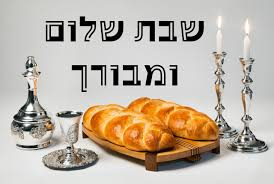
שבת מברכים
is
שבת מברכים
THIS SHABBAT
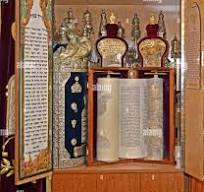
we take out 2 Sefarim
(1) Parashat Vayakhel – Pekude
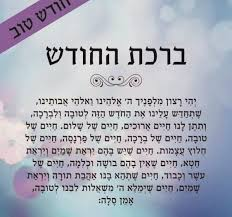
(2) Parashat HACHODESH
The haftara THIS week will be the
Haftara of HACHODESH
********
Moor Lane Women’s Nach Group

*******
לוח זמני תפלה לחורף תשפ״ו
Winter Timetable 5786 – 2025/26
מוצאי שבת | ערבית (מוצ״ש) | שקיעה | מנחה שבת | סוף זמן קריאת שמע | הדלקת נרות | מנחה וקבלת שבת | תאריך | שבת פרשת |
Shabbat Ends | Arbit | Sunset | Minha | Shema before | Candle Lighting | Minha & Kabbalat Shabbat | Date | Parasha |
PM | PM | PM | PM | AM | PM | PM |
|
|
7:00 | 6:56 | 6:10 | 5:35 | 9:22 | 5:54 | 5:54 | 13/14 Mar | ויקהל־פקודי (ש״מ) (החודש) |
*****
🕯️WINTER TIMES FOR SHABBAT MORNING🕯️
שבת
קרבנות
8:45 am
הודו
9:00 am
********
Vayakhel
Moshe Rabbeinu exhorts the Bnei Yisrael to keep Shabbat, and requests donations for the materials for making the Mishkan. He collects gold, silver, precious stones, skins and yarn, as well as incense and olive oil for the Menorah and for anointing. The princes of each tribe bring the precious stones for the Kohen Gadol's breastplate and ephod. G-d appoints Betzalel and Oholiav as the master craftsmen. Bnei Yisrael contribute so many resources, such that Moshe begins to refuse donations. Special curtains with two different covers were designed for the Mishkan's roof and door. Gold-covered boards in silver bases were connected, forming the Mishkan's walls. Betzalel made the Holy Ark (which contained the Tablets) from wood covered with gold. On the Ark's cover there were two figures facing each other. The Menorah and the table with the showbreads were also of gold. Two Altars were made: a small incense Altar of wood, overlaid with gold, and a larger Altar for sacrifices, made of wood covered with copper.
Pekude
The Book of Shemot concludes with this Torah portion. After finishing all the different parts, vessels and garments used in the Mishkan, Moshe gives a complete accounting and enumeration of all the contributions and of the various clothing and vessels that had been fashioned. Bnei Yisrael bring everything to Moshe. He inspects the handiwork and notes that everything was made according to G-d’s specifications. Moshe blesses the people. G-d speaks to Moshe and tells him that the Mishkan should be set up on the first day of the first month, i.e., Nissan. He also tells Moshe the order of assembly for the Mishkan and its vessels. Moshe does everything in the prescribed manner. When the Mishkan is finally complete with every vessel in its place, a cloud descends upon it, indicating that G-d's glory was resting there. Whenever the cloud moved away from the Mishkan, Bnei Yisrael would follow it. At night the cloud was replaced by a pillar of fire.

חג הפסח התשפ”ו
ובפרט זכו במצוה זו נשים צדקניות, שמקפידות הקפדה יתירה בנקיון הבית לכבוד הפסח. ומסופר, שפעם ראה הגאון מבריסק, רבי יצחק זאב הלוי סולובייצ'יק, שאשתו מברישה את אחד הכסאות בבית במאמץ רב, אמר לה, לא צריך כל כך! השיבה לו, אילו הייתי שומעת בקולך, הלא הייתי עלולה להכשל בחמץ בפסח!
אך יש לדעת שיש עיקר ויש טפל, והמקומות שחשוב במיוחד לנקותם בהקפדה רבה, הם המקומות שבאמת יש חשש שיגיע לשם חמץ, ובפרט במטבח ובכלים שעתידים להשתמש בהם לכבוד הפסח, וכן במוצרי המיוחדים לפסח. אבל שאר עניני הנקיון, כמו צביעת הבית וניקוי חלונות בצורה יסודית וכדומה, אינם חשובים כל כך כמו הנקיונות ההכרחיים באמת על פי ההלכה.
ובגמרא במסכת פסחים (דף כא: ועוד), למדו רבותינו ממדרש הפסוקים, שהחמץ בפסח אסור באכילה, וכמו כן הוא אסור בהנאה, שאפילו אם הוא אינו אוכל מן החמץ בפסח, אסור לו למכור את החמץ לגוי, מפני שהוא נהנה במכירה זו, וכן הדין שאסור ליהנות בשום צורה מהחמץ. וכל האוכל חמץ בפסח עונשו כרת, שהוא עונש חמור מאד.
ולדוגמא, באיסור אכילת דם, שאם נפל גרם אחד של דם לקדירה עם תבשיל, אם יש בתבשיל ששים גרם של היתר כנגד הדם, הרי הדם בטל בתוכו (“בטל בששים”), והתבשיל מותר. ואילו חמץ בפסח אם יש אלף כנגדו, כגון פירור לחם בתוך סיר גדול עם התבשיל, הכל אסור באכילה מפני אותו פירור של חמץ שנתערב שם.
לכן יש להזהר מאד בעניני חמץ בפסח, לקנות אך ורק מצרכי מזון שאין בהם כל חשש תערובת חמץ, ושנמצאו תחת השגחה אחראית. וכן אין לסמוך על אדם שאינו יהודי שומר תורה ומצוות, כשאומר על מאכל מסוים שאין בו חשש חמץ, וכגון שמעיד על תבלין מסוים שאין בו שום תערובת וכדומה, וכפי שכבר הוכח בעבר, שאנשים נכשלו באיסור חמץ משום שסמכו על החנווני בשעה שאין לו כל נאמנות.
וכתב מרן רבינו עובדיה יוסף זצ”ל, שנכון שלא לקנות שום תוצרת המיועדת לפסח בלי הכשר על כל מוצר לחג הפסח, וכן הדין אף בדברים שנראה שאין בהם חשש, כגון ליקר, אראק, וכדומה. ובזמנינו אפילו במוצרים הנראים הכי “תמימים”, יש חששות רציניים מבחינת כשרות במשך כל ימות השנה, ובפרט בימות הפסח, כי בכל מוצר מעורבים הרבה מאד חומרים מחומרים שונים, והדברים ידועים.
The Holiday of Pesach-5786
Preparations for Pesach Start Now
The entire Jewish nation customarily cleans their houses well for Pesach so as not to encounter the prohibition of Chametz on Pesach and in order to honor this festive holiday with a clean house, so that the family can sit around the Seder table like kings. All Pesach cleaning performed within thirty days of Pesach is included in the Mitzvah of eliminating Chametz. Indeed, Maran Ha’Chida writes in his Sefer Avodat Ha’Kodesh (Section 196) in the name of our Sages that one who is extremely meticulous with regards to not transgressing the prohibitions of Chametz on Pesach is guaranteed to have a good year, for the days of Pesach are the root for the rest of the days of the year.
This Mitzvah especially belongs to righteous Jewish women who take extra care in cleaning the house for Pesach. It is told over that once, the great Brisker Rav, Hagaon Harav Yitzchak Zev Ha’Levi Soloveichik zt”l, once saw his wife exerting herself greatly while brushing a dining room chair. He told her, “You do not need to do that so much!” She replied, “If I would listen to you, I could have transgressed the prohibition of retaining Chametz on Pesach!”
However, one must be able to distinguish between the primary and secondary. The most important places to clean are those where Chametz is actually brought in and used throughout the year, especially the kitchen and dishes meant for Pesach use. On the other hand, other forms of “Pesach cleaning,” such as painting the house or scrubbing the window shades etc., are not as essential as the other forms of cleaning, as we have established.
The Prohibition to Eat and Benefit from Chametz
The Torah (Shemot 13) states regarding the holiday of Pesach: “Matzot shall be eaten for seven days; neither leaven nor sourdough shall be seen in your borders.”
Our Sages taught in Masechet Pesachim (21b among other places) through expounding certain verses that not only is Chametz prohibited for consumption on Pesach, it is also forbidden to benefit from Chametz on Pesach, meaning that even if one does not actually eat Chametz on Pesach, he still may not sell it to a non-Jew and the like on Pesach for this would mean that he is benefitting from this sale. Consumption of Chametz on Pesach is punishable by Karet (severance of one’s soul from the Jewish nation).
Chametz on Pesach Cannot Even be Nullified by a Ratio of One to One Thousand
The prohibition of Chametz on Pesach is so severe that if Chametz gets mixed into other foods, it cannot be nullified even by a ratio of one to one thousand, which is not the case regarding other prohibitions.
For instance, regarding the prohibition of consuming blood, if one gram of blood falls into a pot of food, if there are sixty grams of food present against the one gram of blood that fell into it, the blood is considered nullified, and this food is permitted for consumption. Regarding Chametz on Pesach, however, even if the food present is one thousand times the amount of the Chametz that fell into it, for instance if a tiny crumb of Chametz falls into a large pot of food, the entire pot of food becomes prohibited for consumption because of the crumb of Chametz that became mixed into it.
Therefore, one must be extremely careful regarding Chametz on Pesach to buy only food products that one is completely certain do not contain Chametz mixtures and are certified by a reliable Kashrut organization. Similarly, one should not rely on a non-Torah-observant Jew when he tells him that a certain food does not contain any Chametz, for instance if he says that a certain spice does not have any Chametz mixed into it, for it has already occurred that some people have transgressed the prohibition of Chametz because they had relied on a grocer with no believability. Maran Harav Ovadia Yosef Shlit”a writes that it is proper for one not to purchase any food product designated for Pesach use without a reliable Kosher for Passover certification on every single item. The same applies even to things that do not seem problematic such as liquor, Arack, and the like. Nowadays, even products that look “innocent” pose major Kashrut problems during the rest of the year and especially during Pesach, as all products contain a multitude of ingredients, as we all know.
Dishes Which Have Absorbed Chametz
One may not use the same dishes that he uses during the rest of the year on Pesach, for these dishes have Chametz absorbed in them since when a hot food is inside these dishes, the walls of these dishes absorb its Chametz flavor, just as they absorb dairy or meat flavor. Thus, one must either use dishes that are specially designated for Pesach that have not been used for Chametz or kosher (make kosher for Pesach) his Chametz dishes. This will be better explained in following Halachot.