


*******
Moor Lane Women’s Nach Group

*******
לוח זמני תפלה לחורף תשפ״ו
Winter Timetable 5786 – 2025/26
מוצאי שבת | ערבית (מוצ״ש) | שקיעה | מנחה שבת | סוף זמן קריאת שמע | הדלקת נרות | מנחה וקבלת שבת | תאריך | שבת פרשת |
Shabbat Ends | Arbit | Sunset | Minha | Shema before | Candle Lighting | Minha & Kabbalat Shabbat | Date | Parasha |
PM | PM | PM | PM | AM | PM | PM |
|
|
7:13 | 7:09 | 6:23 | 5:50 | 9:13 | 6:07 | 6:07 | 20/21 Mar | ויקרא |
*****
🕯️WINTER TIMES FOR SHABBAT MORNING🕯️
שבת
קרבנות
8:45 am
הודו
9:00 am
********
The Book of Vayikra (Leviticus) also known as Torat Kohanim — the Laws of the Priests — deals largely with the korbanot (offerings) brought in the Mishkan (Tent of Meeting). The first type of offering is called a korban olah, a burnt-offering. The animal is brought to the Mishkan's entrance. For cattle, the person bringing the offering sets his hands on the animal. Afterwards, it is slaughtered, and the kohen sprinkles its blood on the Altar. The animal is skinned and cut into pieces. The pieces are arranged, washed and burned on the Altar.
A similar process is described involving burnt-offerings of other animals and birds. The various meal-offerings are described. Part of the meal-offering is burned on the Altar, and the remaining part is eaten by the kohanim. Offering any kind of leaven or honey on the Altar is prohibited. The peace-offering (Shelamim) — parts of which are burned on the Altar and parts of which are eaten by the kohanim and by the owner — can be from cattle, sheep or goats.
The Torah prohibits eating blood or “chelev”, certain fats of the animal. The offerings that atone for inadvertent sins committed by the Kohen Gadol, by the entire community, by the Nasi (“Prince”) and by the average citizen, are detailed. Laws of the guilt-offering, which atones for certain verbal transgressions and for transgressing laws of ritual purity, are listed. The flour-offering for those who cannot afford the normal guilt-offering, the offering to atone for misusing sanctified property, laws of the “questionable guilt” offering, and offerings for dishonesty — are detailed.

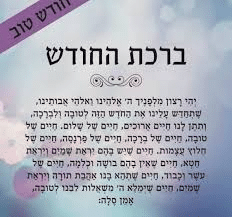
ברכת האילנות – תשפ”ו
היוצא בימי ניסן, ורואה אילנות פרי שמוציאים פרחים, מברך:
“בָּרוּךְ אַתָּה ה', אֱלֹקינוּ מֶלֶךְ הָעוֹלָם, שֶׁלֹּא חִסֵּר בְּעוֹלָמוֹ כְּלוּם, וּבָרָא בוֹ בְּרִיוֹת טוֹבוֹת וְאִילָנוֹת טוֹבוֹת, לֵהָנוֹת בָּהֶם בְּנֵי אָדָם”.
יום א' בניסן יחול השנה (תשפ”ו) השבוע, ביום חמישי, ראש חודש ניסן.
ותיקנו רבותינו ברכה זו, מכיון שהליבלוב באילנות הוא דבר שבא מזמן לזמן באופן מחודש, שאדם רואה עצים יבשים שהפריחם הקדוש ברוך הוא (הרא”ה בספר פקודת הלוים, ברכות מג:). ואין לברך ברכה זו אלא פעם בשנה ולא יותר.
והטעם שברכת האילנות אינה נחשבת למצות עשה שהזמן גרמא, מבואר בספר טורי אבן (מגילה כ:) לגבי מצות “הבאת ביכורים לבית המקדש”. שמצות הבאת ביכורים היתה נוהגת רק עד חג החנוכה, ובכל זאת הנשים היו מביאות ביכורים לבית המקדש. והטעם שמצות ביכורים אינה מצות שהזמן גרמא, הוא משום שדוקא מצוה שאינה נוהגת בכל זמן מצד עצם המצוה, כגון ציצית שאינה מתקיימת בלילה, הרי היא נחשבת “מצות עשה שהזמן גרמא”, אבל מצות ביכורים, מצד עצמה היתה ראוייה להתקיים כל השנה, אלא שמחנוכה ואילך לא היו מצויים פירות בפרדסים, ואילו היו מצויים עוד פירות, היו הימים ראויים להבאת ביכורים, ולכן מצוה זו אינה נחשבת למצות עשה שהזמן גרמא.
והוא הדין בנדון ברכת האילנות, שמעצם מצות ברכת האילנות, היה ראוי לברך בכל זמן, אלא שהטעם שמברכים דוקא בימי ניסן הוא משום שאז מלבלבים האילנות, נמצא אם כן שאין הזמן גורם את הברכה, רק הוא תנאי לברכה, ולכן גם נשים תברכנה ברכת האילנות.
The Blessing of the Trees- 5786
One who goes out during the month of Nissan and sees trees starting to blossom recites the blessing: “Baruch Ata Hashem Elokeinu Melech Ha’Olam Shelo Chiser Be’Olamo Kelum U’Vara Vo Beriyot Tovot Ve’Ilanot Tovot Le’hanot Bahem Beneh Adam.”
This year (5786), Rosh Chodesh Nissan will fall out this coming Thursday, G-d-willing.
Our Sages established this blessing because the budding of the trees is an occurrence of renewal that happens once a year when a person sees trees that have already dried up and Hashem revitalizes them and makes them blossom anew (Rabbeinu Aharon Ha’Levi in his Sefer Pekudat Halviyim, Berachot 43b). This blessing is recited once a year and no more.
The Longer Text
In many Siddurim and Pesach Machzorim, there is a longer prayer appendaged to the Blessing of the Trees (including a Leshem Yichud text). It is praiseworthy to recite it, and this was indeed the custom of Maran zt”l. He would walk to a group of trees after Shacharit prayers on the morning of Rosh Chodesh Nissan and recite this blessing with the congregation.
If the Blossoming has Concluded
If the blossoming has already concluded, i.e., buds (or flowers) no longer appear on the tree and the tree has already begun to produce fruits as is common among almond trees and the like, the Blessing of the Trees may not be recited on such trees. Even if fruits have not yet begun to emerge, as long as no buds are present on the tree, the blessing may not be recited, for this blessing was established to be recited on the blossoming of trees which is only when the buds emerge. Nevertheless, if a tree has begun producing some of its fruits but some of its flowers and buds are still present, the Blessing of the Trees may be recited on such a tree.
Women and the Blessing of the Trees
Women should also recite the Blessing of the Trees during the month of Nissan. Although they are exempt from other time-bound Mitzvot, such as the Four Species on the holiday of Sukkot, they should nevertheless recite the Blessing of the Trees.
The reason for this is based on what the Sefer Turei Even (Megillah 20b) has written regarding the Mitzvah of bringing Bikurim (first fruits) to the Bet Hamikdash that women too are commanded to bring Bikurim to the Bet Hamikdash, for although Bikurim are not brought after Chanukah, this Mitzvah is still not considered time-bound because only a Mitzvah that cannot be performed at all times because of the essence of the Mitzvah is considered halachically time-bound. However, the fact that Bikurim are not brought past Chanukah is only because the fields are usually barren of fruits at this time; nevertheless, were there fruits to be found in the field, this would also be an appropriate time to bring Bikurim as well. Thus, this is not considered a time-bound Mitzvah.
The same would apply regarding the Blessing of the Trees, for this blessing could be recited at any time; the reason it is only recited during the month of Nissan is because that is when trees usually begin to blossom. Thus, the time-frame here is not the cause of this blessing and is merely a prerequisite to recite the blessing. Women should therefore recite the Blessing of the Trees as well.
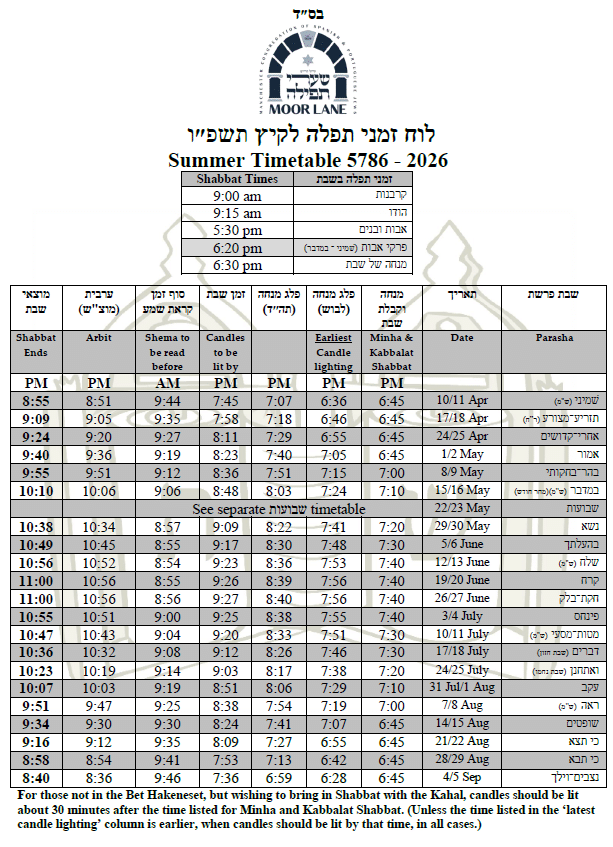
 5-Summer-Timetable-5786-2026.pdf