Newsletter Parashat Shemot

בס״ד
Moor Lane - Logo.JPG
ק׳ ק׳ שׁערי תפילה
Have a look at our website www.moorlane.info 
*****
image.png

*********

 📋

THIS

Motzae Shabbat

18th January 2025 at 8 pm

Annual General Meeting 2025

FOR MEMBERS OF THE BET HAKENESET
AGENDA

1.      Minutes of the 2024 Annual General Meeting

2.      Matters arising from the Minutes

3.      Parnas Presidente’s Report

4.      Adoption of the Report

5.      Treasurer’s Report and Presentation of Accounts

6.      Discussion and Adoption of Report

7.      *Election of Hon Officers and Members of the Mahamad

a)      Parnas Presidente

b)      Parnas Vice Presidente

c)      Treasurer

d)      Gabbai

e)      Hon. Secretary

f)       Ladies Committee Chair

g)      Mahamad (6 members – sub-group duties to be defined)

8.       Election of delegates to:

a)       Manchester Shechita Board      b)      Manchester Jewish Rep Council

9.       A.O.B.

CURRENT MEMBERS OF THE MAHAMAD

a)      Parnas PresidenteMordechai Maman

b)      Parnas Vice PresidenteBenjamin Hassan

c)      Treasurer: Yamin Ibgui (will NOT be standing for re-election)

d)      Gabbai: Eli Shoshana

e)      Hon. SecretaryS Lalouche (will NOT be standing for re-election)

f)       Ladies Committee ChairMrs. Elaine Marshall

g)      Mahamad: Mrs Loretta Hodari

                            Raphi Marshall

                            Jacob Edelstein, (will NOT be standing for re-election)

                            Alex Lopez Dias (will NOT be standing for re-election)


Thank you in advance for attending – your support for this meeting is important.

On behalf of the Mahamad

*Nominations should reach the Parnas Presidente or Vice Presidente before SHABBAT enters THIS FRIDAY, January 17th 2025.

YOU ARE RESPECTFULLY REMINDED THAT UNDER THE PROVISION OF ASCAMA 28 YEHIDIM BEING ARREARS IN THE PAYMENT OF THEIR ACCOUNT FOR A LONGER PERIOD THAN SIX MONTHS SHALL FORFEIT THE RIGHT OF VOTING AT ALL MEETINGS

PLEASE NOTE: VOTING IS BY ATTENDANCE ONLY –  PROXY VOTES ARE NOT VALID FOR AGM’s

Moorlanenews

would like to take this opportunity

to thank 

Y Ibgui

S Lalouche

J Edelstein

A Lopez Dias

for their time and dedication to the

Bet HaKeneset

May Hashem repay them with 

good health, beracha and hatzlacha

******
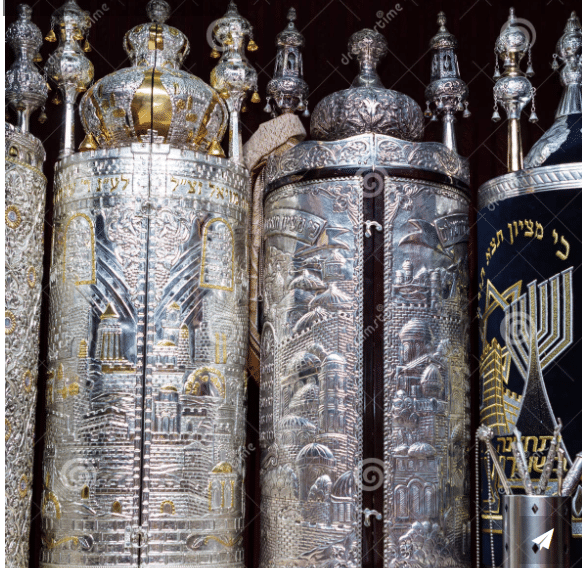
image.png
Would you like to do some Keriat Hatorah – Torah reading?
Committed to doing a reading and finding it hard?
Need to cancel or make a change?
Want to be added to the Keriat HaTorah roster?
Please contact Yehoshua Jacobs
******
Please support our minyanim whenever possible
Updates will appear on the WhatsApp group image.png
If anyone needs any help getting to or from the minyanim 
please contact one of the members of the Mahamad
*******

🗓️

לוח זמני תפילה לחורף תשפ״ה

Winter Timetable 5785 – 2024/25

מוצאי שבת

ערבית
)
מוצש(

שקיעה

מנחה שבת

סוף זמן קריאת שמע

הדלקת נרות

מנחה וקבלת שבת

תאריך

שבת פרשת

Shabbat

Ends

Arbit

Sunset

Minha

Shema before

Candle Lighting

Minha & Kabbalat Shabbat

Date

Parasha

PM

PM

PM

PM

AM

PM

PM


5:22

5:18

4:24

3:45

10:16

4:09

4:09

17/18 Jan

שמות

🕯️WINTER TIMES FOR SHABBAT MORNING🕯️

שבת

קרבנות

8:45 am
הודו

9:00 am

****

image.png

🌃

Winter Season 

1hr 15 mins after Motzae Shabbat

📚 THIS WEEK 6:37 pm 📚

*****
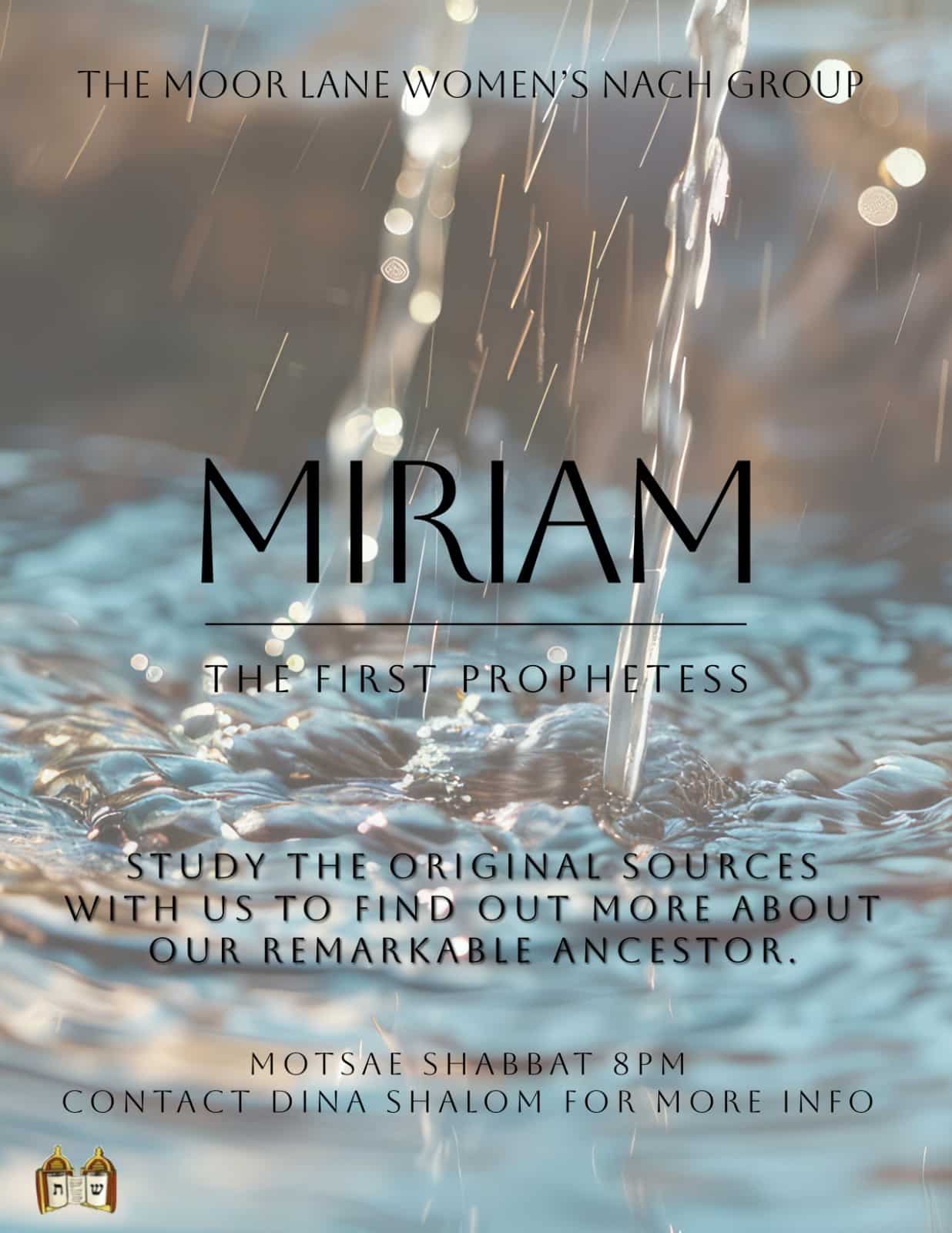
📚🪉
Moor Lane Women’s Nach Group
There will be NO shiur THIS week
 and will resume NEXT WEEK 
PHOTO-2025-01-06-21-19-44.jpg
*****
📜
Parasha Overview

With the death of Yosef, the Book of Bereishet (Genesis) comes to an end. The Book of Shemot (Exodus) chronicles the creation of the nation of Israel from the descendants of Yaakov. At the beginning of this week's Torah portion, Pharaoh, fearing the population explosion of Jews, enslaves them. However, when their birthrate increases, he orders the Jewish midwives to kill all newborn males.

Yocheved gives birth to Moshe and hides him in the reeds by the Nile. Pharaoh's daughter finds and adopts him, although she knows he is probably a Hebrew. Miriam, Moshe's sister, offers to find a nursemaid for Moshe and arranges for his mother Yocheved to be his nursemaid.

Years later, Moshe witnesses an Egyptian beating a Hebrew and Moshe kills the Egyptian. Realizing his life is in danger, Moshe flees to Midian where he rescues Tzipporah, whose father Yitro approves their subsequent marriage. On Chorev (Mount Sinai), Moshe witnesses the burning bush where G-d commands him to lead the Jewish People from Egypt to Eretz Yisrael, the Land promised to their ancestors.

Moshe protests that the Jewish People will doubt his being G-d's agent, so G-d enables Moshe to perform three miraculous transformations to validate himself in the people's eyes: transforming his staff into a snake, his healthy hand into a leprous one, and water into blood. When Moshe declares that he is not a good public speaker, G-d tells him that his brother Aharon will be his spokesman. Aharon greets Moshe on his return to Egypt and they petition Pharaoh to release the Jews. Pharaoh responds with even harsher decrees, declaring that the Jews must produce the same quota of bricks as before but without being given supplies. The people become dispirited, but G-d assures Moshe that He will force Pharaoh to let the Jews go.

Ohr Somayach Institutions www.ohr.edu
********
image.png  

Halachot from Maran Rabbi Ovadia Yosef Ztz'l

דין הכוונה בתפילת העמידה

(תפילת העמידה היא “תפילת שמונה עשרה” הנאמרת בלחש ואודותיה מתייחסת הלכה זו.)

כל אדם מישראל חייב להתפלל בכל יום שלש תפילות, וגם הנשים חייבות להתפלל בכל יום, אלא שעיקר חיובן הוא בתפילה אחת בכל יום, והרשות בידן להתפלל שלש תפילות ביום אם הן רוצות בכך. ולמנהג האשכנזים, יש אומרים שנשים חייבות להתפלל בכל יום תפילת שחרית ותפילת מנחה, אבל בתפילת ערבית אינן חייבות. וכמו שביארנו בהלכה שעסקה בנושא.

כוונה בתפילה

בבריתא במסכת ברכות (דף לד:) שנינו: “המתפלל צריך שיכוין את לבו בכולן”. כלומר, המתפלל תפילת העמידה, צריך לכוין בלבו את פירוש המילים שמוציא מפיו. “ואם אינו יכול לכוין בכל הברכות, יכוין לפחות בברכת אבות”. וברכת אבות, הכוונה היא לברכה הראשונה בתפילת העמידה, ויש לה חשיבות מיוחדת לפי שהיא סדור שבחו של השם יתברך.

לא כיון בתפילה

ונחלקו רבותינו הראשונים, אם כבר התפלל בחסרון כוונה בברכת אבות, האם יצא ידי חובתו בדיעבד, או שלא יצא ידי חובתו וחייב לחזור ולהתפלל. כי יש סוברים שבדיעבד אפילו אם לא כיון יצא ידי חובתו ואינו חוזר. אבל רבינו הרמב”ם, והרא”ש, ורבינו יונה ועוד רבים מהפוסקים כתבו, שאם התפלל ולא כיון בברכת אבות, (אף על פי שכיון בכל השאר) יחזור ויתפלל.

אלא שלמעשה כתב רבינו הטור, שבזמנינו אין נוהגים לחזור ולהתפלל בשביל חסרון כוונה, מפני שגם כשיחזור להתפלל שוב, קרוב לודאי שלא יכוין כראוי, ואם כן אין טעם לחזור ולהתפלל.

ומרן השלחן ערוך פסק כעיקר הדין, שאם לא כיון בברכת אבות, אף על פי שכיון בכל השאר יחזור ויתפלל, ולא הזכיר את דברי הטור, ואם כן משמע שסובר שגם בזמנינו צריך לחזור להתפלל. אבל הרמ”א הוסיף על דברי מרן את דברי הטור, שבזמנינו אין חוזרין בשביל חסרון הכוונה.

ומרן החיד”א כתב, שאף שמדברי מרן נראה שסובר שאם לא כיון באבות צריך לחזור ולהתפלל, מכל מקום אף הספרדים לא נהגו בזה כדעת מרן, אלא פוסקים כדברי הטור והרמ”א, וסומכים בדיעבד על דעת הפוסקים שיוצא ידי חובתו אף על פי שלא כיון בכלל.

ולסיכום: יש לכוין בתפילה, ובפרט בתפילת העמידה. והכוונה בברכה הראשונה של תפילת העמידה, היא החשובה ביותר. ולכן יש להקפיד לכוין. ואם לא כיון, בדיעבד אינו חוזר להתפלל שוב.

ובהמשך נבאר עוד פרטים בזה.

The Laws of Concentration During the Amida Prayer

Every Jewish man must pray three prayers daily. Women must also pray every day; however, their base obligation is one prayer per day. Nevertheless, if they wish, they may pray all three prayers. According to the Ashkenazi custom, some say that women are obligated to pray Shacharit and Mincha every day, however, they are not obligated to pray Arvit. We have discussed this in a different Halacha.

Concentration During Prayer
The Baraita (Berachot 34b) states that preferably, one should concentrate on the words one is reciting throughout all the blessings of the Amida. If one finds it too difficult to concentrate throughout the entire Amida, one must at least concentrate on the words one is reciting during the “Avot” blessing, i.e., the first blessing of the Amida, which bears special significance since it extolls the praises of Hashem.

One Who Did Not Concentrate
There is a disagreement among the Rishonim whether one who has prayed without concentration must repeat one’s Amida prayer, or perhaps one has nevertheless fulfilled one’s obligation post facto. Although some maintain the latter, the Rambam, Rosh, Rabbeinu Yonah, and many others rule that if one prayed without concentrating during the “Avot” blessing (although one may have concentrated on the rest of the blessings of the Amida), one must repeat the Amida.

The Tur rules that nowadays, we customarily do not repeat the Amida after not having concentrated during the first blessing, for it is almost certain that even when one repeats the Amida, one will not concentrate properly again and therefore, there is no use in repeating the Amida.

Maran Ha’Shulchan Aruch rules in accordance with the letter of the law that one who has not concentrated on the words of the first blessing of the Amida must repeat one’s prayer and he makes no mention of the Tur’s opinion. The Rama adds the Tur’s opinion that nowadays, one should not repeat the Amida for a lack of concentration.

Maran Ha’Chida writes that although according to Maran, one must repeat one’s Amida if one did not concentrate in the “Avot” blessing, even Sephardic and Middle Eastern Jews do not rule in accordance with Maran here. Rather, they rely on the Tur, Rama, and other Poskim who rule that one fulfills one’s obligation even without having concentrated at all.

Summary: One must concentrate on the words of the Amida, especially the first blessing of the Amida, which is the most significant. If one did not do so, one should not repeat the Amida prayer after the fact.

We shall discuss some more details regarding this law in a following Halacha.

Virus-free.www.avg.com

Newsletter Parashat Vayechi – Taanit Asara BeTevet

בס״ד
Moor Lane - Logo.JPG
ק׳ ק׳ שׁערי תפילה
Have a look at our website www.moorlane.info 
*****
image.png

*****

image.png

תענית עשרה בטבת

Fast 10th Tevet

THIS
 FRIDAY 10th December
Fast Begins 6:26 am
Shacharit 6:50 am
Shabbat Begins 3:57 pm
Fast Ends 5:03 pm 
Wishing everyone an easy fast
see below, at the end of this email for some halachot & minhagim 
when Taanit Asara Betevet falls on a FRIDAY according to Moroccan Jews

****

Reminder

Annual General Meeting 2025

FOR MEMBERS OF THE BET HAKENESET

 Motzae Shabbat 

18th January 2025 

at 8 pm

AGENDA

1.      Minutes of the 2024 Annual General Meeting

2.      Matters arising from the Minutes

3.      Parnas Presidente’s Report

4.      Adoption of the Report

5.      Treasurer’s Report and Presentation of Accounts

6.      Discussion and Adoption of Report

7.      *Election of Hon Officers and Members of the Mahamad

a)      Parnas Presidente

b)      Parnas Vice Presidente

c)      Treasurer

d)      Gabbai

e)      Hon. Secretary

f)       Ladies Committee Chair

g)      Mahamad (6 members – sub-group duties to be defined)

8.       Election of delegates to:

a)       Manchester Shechita Board      b)      Manchester Jewish Rep Council

9.       A.O.B.

CURRENT MEMBERS OF THE MAHAMAD

a)      Parnas PresidenteMordechai Maman

b)      Parnas Vice PresidenteBenjamin Hassan

c)      Treasurer: Yamin Ibgui (will NOT be standing for re-election)

d)      Gabbai: Eli Shoshana

e)      Hon. SecretaryS Lalouche (will NOT be standing for re-election)

f)       Ladies Committee ChairMrs. Elaine Marshall

g)      Mahamad: Mrs Loretta Hodari

                            Raphi Marshall

                            Jacob Edelstein, (will NOT be standing for re-election)

                            Alex Lopez Dias (will NOT be standing for re-election)


Thank you in advance for attending – your support for this meeting is important.

On behalf of the Mahamad

*Nominations should reach the Parnas Presidente or Vice Presidente before SHABBAT enters on FRIDAY, January 17 th 2025.

YOU ARE RESPECTFULLY REMINDED THAT UNDER THE PROVISION OF ASCAMA 28 YEHIDIM BEING ARREARS IN THE PAYMENT OF THEIR ACCOUNT FOR A LONGER PERIOD THAN SIX MONTHS SHALL FORFEIT THE RIGHT OF VOTING AT ALL MEETINGS

PLEASE NOTE: VOTING IS BY ATTENDANCE ONLY –  PROXY VOTES ARE NOT VALID FOR AGM’s

****

image.png

image.pngimage.png

image.png

***********

image.png
Would you like to do some Keriat Hatorah – Torah reading?
Committed to doing a reading and finding it hard?
Need to cancel or make a change?
Want to be added to the Keriat HaTorah roster?
Please contact Yehoshua Jacobs
******
Please support our minyanim whenever possible
Updates will appear on the WhatsApp group image.png
If anyone needs any help getting to or from the minyanim 
please contact one of the members of the Mahamad
*******

🗓️

לוח זמני תפילה לחורף תשפ״ה

Winter Timetable 5785 – 2024/25

מוצאי שבת

ערבית
)
מוצש(

שקיעה

מנחה שבת

סוף זמן קריאת שמע

הדלקת נרות

מנחה וקבלת שבת

תאריך

שבת פרשת

Shabbat

Ends

Arbit

Sunset

Minha

Shema before

Candle Lighting

Minha & Kabbalat Shabbat

Date

Parasha

PM

PM

PM

PM

AM

PM

PM


5:11

5:07

4:13

3:35

10:18

3:57

3:45*

10/11 Jan

ויחי (תענית עשרה בטבת)

🕯️WINTER TIMES FOR SHABBAT MORNING🕯️

שבת

קרבנות

8:45 am
הודו

9:00 am

****

image.png

🌃

Winter Season 

1hr 15 mins after Motzae Shabbat

📚 THIS WEEK 6:26 pm 📚

*****

📚🪉
Moor Lane Women’s Nach Group
resumes 
THIS week 
PHOTO-2025-01-06-21-19-44.jpg
*****
📜
Parasha Overview

After 17 years in Egypt, Yaakov senses his days drawing to a close and summons Yosef. He has Yosef swear to bury him in the Machpela Cave, the burial place of Adam and Chava, Avraham and Sarah, Yitzchak and Rivka.

Yaakov falls ill and Yosef brings to him his two sons, Ephraim and Menashe. Yaakov elevates Ephraim and Menashe to the status of his own sons, thus giving Yosef a double portion that removes the status of firstborn from Reuven. As Yaakov is blind from old age, Yosef leads his sons close to their grandfather. Yaakov kisses and hugs them. He had not thought to see his son Yosef again, let alone Yosef's children. Yaakov begins to bless them, giving precedence to Ephraim, the younger, but Yosef interrupts him and indicates that Menashe is the elder. Yaakov explains that he intends to bless Ephraim with his strong hand because Yehoshua will descend from him, and Yehoshua will be both the conqueror of Eretz Yisrael and the teacher of Torah to the Jewish People.

Yaakov summons the rest of his sons in order to bless them as well. Yaakov's blessing reflects the unique character and ability of each tribe, directing each one in its unique mission in serving G-d. Yaakov passes from this world at age 147. A tremendous procession accompanies his funeral cortege up from Egypt to his resting place in the Cave of Machpela in Chevron.

After Yaakov's passing, the brothers are concerned that Yosef will now take revenge on them. Yosef reassures them, even promising to support them and their families. Yosef lives out the rest of his years in Egypt, seeing Efraim's great-grandchildren. Before his death, Yosef foretells to his brothers that G-d will redeem them from Egypt. He makes them swear to bring his bones out of Egypt with them at that time. Yosef passes away at the age of 110 and is embalmed. Thus ends Sefer Bereishet, the first of the five Books of the Torah. Chazak

Ohr Somayach Institutions www.ohr.edu

****
Taanit Asara Betevet on FRIDAY
Minhagim for Moroccan Jews
Why is it so important to fast on ‘Asara BeTebet?

On the 10th of Tebet the holy city of Jerusalem was besieged. This was the beginning of a chain of calamities that would eventually lead to the destruction of the Bet HaMiqdash. Derush Hatam Sofer (Ribi Mosh Sofer, Derush Adar 7:4) explains that on the 10th of Tebet it was decided in Heaven that the Bet HaMiqdash was to be destroyed. Every subsequent year a judgment is held in the heavenly courts to determine whether or not the third Bet HaMiqdash is to be rebuilt. Due to this important reason, even if the fast fell on Shabat, [1] we would be required to fast (Abudraham, O”H Siman 550), as the pasuq states (Yehezqel 24:2) “be’esem hayom haz” indicating that the fast must be conducted on the exact day it falls on. Even on Tish’a BeAb we do not fast if it lands on Shabat. Therefore, when fasting on ‘Asara BeTebet one should realize that we are all being judged on whether or not the third Bet HaMiqdash will be rebuilt this year and we should make this fast very dear to us.

[1] Before our modern day set calendar, the holidays and fast days would be determined based upon when Rosh Hodesh was established. Rosh Hodesh would only be established once two witnesses came to the Bet Din and testified that they had seen the moon. Nowadays, with our fixed calendar, the 10th of Tebet can never fall on Shabat.  

This year there is the rare occurrence where the fast of ‘Asara BeTebet falls out on a Friday. There are some differences when this situation occurs compared to when the fast falls on a regular weekday, see below for those differences.

Tora Reading

When this fast occurs on ‘Ereb Shabat as opposed to a regular weekday, Moroccan Jews follow the Bet Yosef’s ruling (O”H Siman 550) [2] to not read the parasha of VaYehal Mosh that is read at Minha on normal fast days.[3] Some write that this is still the minhag of Meknes.[4]

[2] Opposing the opinion of the Agur who quotes the Shibol HaLeqet. HaMalakh Refael Berdugo (Torot Emet, O”H 550:3) writes that the custom of Moroccan Jewry is to follow the Agur. See also Shufr DeYosef Berdugo and Ribi David ‘Obadia (Nahagu Ha’Am) who quotes the Torot Emet.

[3] This is because the holiness of Shabat already starts from hasot of Friday. Therefore, we do not read such perashiot. See HaMalakh Refael Berdugo (ibid.) who writes this but clarifies that on fast days that fall during the week the Tora is read at Minha, Nahagu Ha’Am (Ta’aniot), and Ribi Yosef Berdugo (Shufr DeYosef, Hilkhot Ta’anit).

[4] See Maghen Abot (notes of e”H Ribi Abraham ‘Amar s”t (Luah Be-ito) in the name of Ribi Dabiliski) who holds that this custom should be upheld by those who have such a tradition. E”H Ribi Yishaq Rasabi s”t writes that certain Yemenite communities did not read this Tora portion either (see S”A HaMequsar).

Nevertheless, for reasons unknown it appears that the prevalent custom nowadays is to read the Tora at Minha even in Moroccan synagogues.[5]

[5] Although this custom is mentioned in the above sources, it appears that it was not prevalent in most communities. In the Kisur Shulhan ‘Arukh of Ribi Refael Barukh Toledano this minhag is not mentioned. Furthermore, when the Shufr DeYosef and Nahagu Ha’Am do mention it, they do not write that this is what was practiced, they simply quote what they found in the Torot Emet. After discussing the matter with e”H Ribi Shelomo Dayan s”t (author of ‘Ateret Shelomo), and others, it was unanimously agreed that the minhag to not read the parasha is not the prevalent one, and one should indeed read from the Sefer Tora at Minha when the fast of ‘Asara BeTebet falls on a Friday. E”H Ribi David Banon s”t mentions that he was in Morocco 14 years ago when the fast fell on ‘Ereb Shabat, and e”H Ribi Shim’on Suissa s”t was posek to read from the Tora and further mentioned that if the tefila would be at Minha Gedola, tefilin would also be worn. E”H Ribi David Peres s”t mentions that his community in Caracas, Venezuela also reads from the Sefer Tora at Minha as well as e”H Ribi ‘Amram Assayag s”t (Chief Sefaradi Rabbi of Toronto). See also Osar HaMikhtabim (Heleq 3, 829), VaYomer Yishaq (Ta’aniot Siman 2), Ma’as Bereshit (Ta’anit), and Shoshanim LeDavid Sabah (Heleq 2, Siman 4).  

During the Tora reading on fast days, the minhag is that when the reader reaches the Thirteen Attributes of Mercy (Shelosh ‘Esr Midot, beginning from “Ado-nai, Ado-nai”), he stops while the congregation says them aloud; he then reads them aloud himself and continues with the rest of the reading.[6] It should be mentioned that this is only done on fast days and not on Shabat Perashat Ki Tisa when the same portion is read. Qadish is not said after this reading, rather the Tora is returned to the hekhal followed by Qadish and the ‘Amida.[7]

[6] E”H Ribi Mordekhai Lebhar s”t explains that this is done in order to awaken the congregation during fast days to change their ways and start emulating the midot of their creator, Hashem, Yitbarakh Shemo La’ad. See Maran HaHida in LeDavid Emet (Siman 10:10) who says this is the minhag, Ribi Yishaq ibn Danan (LeYishaq Reah 100), Ribi Yosef Benaim (Noheg BeHokhma, Sefer Tora 4 p.141) who brings this minhag in the name of the Sefer HaHasidim (Siman 200), and Ribi David ‘Obadia (Nahagu Ha’Am, Ta’aniot, p.116).

[7] See the Moroccan mahzor Hamesh Ta’aniot.

Tefilin

The Bet Yosef (Siman 46) rules that tefilin must be worn during Minha on fast days since we are lacking in the 100 berakhot that one is required to say everyday due to the fact that we are not eating and miss out on those berakhot. Therefore, the minhag in Morocco developed to wear the talet and tefilin at Minha with a berakha, on all fast days, in order to arrive at these 100 berakhot.[8]

[8] See Ribi Yishaq Benoualid (VaYomer Yishaq, Liqutim: Ta’anit 2). So too is the custom in Fes (heard from e”H Ribi Aharon Monsonego s”t), Meknes, Marrakech, Tanger, Tetouan (e”H Ribi Ya’aqob Benaim s”t, Maghen Abot, O”H p.428 79), and most other cities.  

However, when a fast falls on ‘Ereb Shabat (Friday) tefilin are not worn after hasot, therefore they are not worn at Minha, even according to Moroccans.[9]

[9] Ribi Yishaq Benoualid (VaYomer Yishaq, Heleq 1, Liqutim O”H Ta’aniot), however, rules that when the fast falls on ‘Ereb Shabat, tefilin are NOT worn because the holiness of Shabat has already presided. He bases his ruling on reasons rooted in Qabala. The posqim who mention this minhag seem to imply that even if Minha Gedola is prayed, one still does not wear tefilin because it is after hasot; see Maran HaHida in Mahziq Berakha (Siman 267) and Kaf HaHayim (Siman 25:100).  

****
image.png  

Halachot from Maran Rabbi Ovadia Yosef Ztz'l

עשרה בטבת בערב שבת

ביום שישי הקרוב, יחול יום עשרה בטבת, שהוא היום שבו אנו מתענים (צמים) בכל שנה ושנה, עד שיבוא משיח צדקינו. מפני שביום זה, סמך מלך בבל על ירושלים, כדי להחריבה, כמו שנאמר בספר יחזקאל, (פרק כד), “וַיְהִי דְבַר ה' אֵלַי בַּשָּׁנָה הַתְּשִׁיעִית בַּחֹדֶשׁ הָעֲשִׂירִי (הוא חודש טבת), בֶּעָשׂוֹר לַחֹדֶשׁ לֵאמֹר, בֶּן אָדָם! כתוב לְךָ אֶת שֵׁם הַיּוֹם אֶת עֶצֶם הַיּוֹם הַזֶּה, סָמַךְ מֶלֶךְ בָּבֶל אֶל יְרוּשָׁלִַם בְּעֶצֶם הַיּוֹם הַזֶּה”.

תענית בערב שבת

נחלקו רבותינו במסכת עירובין (דף מ סוף עמוד ב), מה הדין כאשר חלה התענית בערב שבת, כלומר, ביום שישי. האם יש להתענות כפי שהדין נוהג בכל שנה ושנה ביום התענית, או שמא, בסוף היום, לקראת סיום התענית, יש לטעום משהו, כדי שלא להכנס לשבת מתוך התענית?

ובגמרא הובאה בזה ברייתא (מדברי התנאים), ובה מסופר שאמר רבי יהודה, “פעם אחת היינו יושבים לפני רבי עקיבא, ותשעה באב שחל להיות בערב שבת היה, הביאו לו ביצה מגולגלת וגמעה בלא מלח, לא שהיה תאב לה, אלא להראות הלכה לתלמידים. ורבי יוסי אומר, מתענה ומשלים”.

כלומר, מעשה היה, שחל תשעה באב בערב שבת, (דבר כזה לא יכול לקרות בזמנינו, כי כעת שאנו הולכים על פי לוחות השנה הקבועים, יום תשעה באב לעולם לא יחול ביום שישי, אבל בזמן רבי עקיבא, שהוא עצמו היה מסדר את השנים והחודשים, דבר כזה יכול היה להיות), ולקראת סיום התענית, כמה דקות לפני כניסת השבת, הביאו לרבי עקיבא ביצה, והוא אכל אותה בבת אחת ללא מלח, כדי ללמד את התלמידים, שעל פי הדין אין להכנס לשבת כשהוא רעב ומתענה. שאין זה כבוד השבת.

אולם רבי יוסי חלק על רבי יהודה, ואמר שיש להתענות ולהשלים את התענית בלי לאכול דבר.

ולהלכה אמרו בגמרא שאנו פוסקים כדעת רבי יוסי, שיש להתענות ולהשלים את התענית, ולא לאכול דבר עד סעודת ליל שבת.

דברי התוספות

ובאמת שהתוספות כתבו בשם רבינו חננאל, שקבלה בידינו, שרבי עקיבא היה חולה מסוכן באותה שנה, והרופאים הביאו לרבי עקיבא ביצה בסיום היום, ורבי יהודה לא שם לבו לכך שמדובר באדם חולה, לפיכך סמך על מה שראה, ולא ידע את הטעם שרבי עקיבא עשה כך. נמצא אם כן, שגם לדעת רבי עקיבא אין להקל בדבר.

הדין למעשה

ולמעשה, פסק מרן השלחן ערוך (סימן רמט), שכאשר חל יום התענית ביום שישי, יש להתענות ולהשלים את התענית, ואין לאכול לפני כניסת השבת.

ולכן, כתב מרן רבינו עובדיה יוסף זצ”ל (חזון עובדיה תעניות עמוד טו), שאם הציבור מתפללים ביום התענית מנחה וערבית בשעה מוקדמת, (מקבלים שבת מוקדם), אינם רשאים לקדש על היין, עד זמן צאת הכוכבים, שהוא כרבע שעה לאחר שקיעת החמה.


The Fast of the Tenth of Tevet When it Coincides with Erev Shabbat

This coming Friday will mark the Tenth of Tevet, a public fast day observed throughout the Jewish nation until the arrival of Mashiach which marks the day the king of Babylon besieged Jerusalem with the intent of destroying it. The verse (Yechezkel 24) states: “And the word of Hashem was to me in the ninth year during the tenth month (Tevet) on the tenth day, saying: ‘Son of man! Write for yourself the name of the day, the essence of this very day, for on this very day the king of Babylon laid siege to Jerusalem.’”

A Fast on Erev Shabbat
The Sages disagree in Masechet Eruvin (40b) what the proper protocol is for when the Tenth of Tevet coincides with Friday, Erev Shabbat. Should the Jewish nation be fasting as we would if the Tenth of Tevet fell out on any other day of the week or perhaps, one should break the fast slightly before the conclusion of Shabbat in honor of Shabbat so as not to enter Shabbat while fasting?

The Gemara (ibid.) quotes a Baraita: “Rabbi Yehuda said: Once, we were sitting before Rabbi Akiva and it was the Ninth of Av which coincided with Erev Shabbat (this cannot happen anymore based on the way our current calendar was set up; however, in the times of Rabbi Akiva, who established the years and months on his own, this was indeed possible). They brought him a slightly cooked egg and he swallowed it without salt. It was not that he desired it; rather, he wished to show the students the Halacha. However, Rabbi Yose said: One must fast and complete the fast.”

This means that Rabbi Akiva broke his fast several minutes before the onset of Shabbat in order to teach the students that one should not enter Shabbat suffering and fasting, for this is considered disrespectful to Shabbat. Nevertheless, Rabbi Yose disagreed with Rabbi Yehuda and ruled that one must complete the fast, as usual.

The Gemara concludes that the Halacha follows the opinion of Rabbi Yose, and one must complete the entire fast and eat nothing until Shabbat night Kiddush.

The Opinion of Tosafot
Indeed, the Tosafot quote Rabbeinu Chananel as saying that we have a tradition that Rabbi Akiva was dangerously ill that year and the doctors brought him some food toward the end of the fast. However, Rabbi Yehuda was not aware of this fact, and he relied solely on what he saw, and he did not know the reason why Rabbi Akiva ate. Thus, even according to Rabbi Akiva, there is no leniency in this regard.

The Bottom Line
Maran Ha’Shulchan Aruch (Chapter 249) rules that when a fast day coincides with Erev Shabbat, one must complete the entire fast and one may not eat before Shabbat begins.

Thus, Maran Rabbeinu Ovadia Yosef zt”l writes (in his Chazon Ovadia- Arba Ta’aniyot, page 15) that if the congregation prays Mincha and Arvit earlier on Friday afternoon in the synagogue, they may still not make Kiddush until nightfall, which is at approximately fifteen minutes past sunset.

Nevertheless, Hagaon Harav David Yosef Shlit”a writes in his Halacha Berura that according to all opinions, one may not purposely prolong fasting into Shabbat and therefore, Mincha, Kabbalat Shabbat, and Arvit prayers should begin slightly earlier than usual in the synagogue and the Chazzan should move through the prayers quicker than usual so that the congregation can make their way home and recite Kiddush as close to nightfall as possible.

Newsletter Parashat Vayigash

בס״ד
Moor Lane - Logo.JPG
ק׳ ק׳ שׁערי תפילה
Have a look at our website www.moorlane.info 
*****
image.png

********

💸💵💶💳💰💸

image.png

image.png

We are happy to inform you that we have successfully set up a permanent page on Charity Extra. 

This facilitates donations, but most importantly does so in conjunction with the various Charity Accounts. 

It is beneficial for those occasional donations, e.g. for Aliyot. 

The link is: charityextra.com/charity/moorlane

******

image.png
Would you like to do some Keriat Hatorah – Torah reading?
Committed to doing a reading and finding it hard?
Need to cancel or make a change?
Want to be added to the Keriat HaTorah roster?
Please contact Yehoshua Jacobs
******
Please support our minyanim whenever possible
Updates will appear on the WhatsApp group image.png
If anyone needs any help getting to or from the minyanim 
please contact one of the members of the Mahamad
*****
image.png
It is with great regret & sadness

that we inform the Kahal

of the Petira of 


Mr Mesod Belilo ע״ה

in Gibraltar 


father of our friends 

 Ariel & Gabriel Belilo ש״י

and grandfather of Moshe Belilo ש״י

מן השמים תנחמו

אריכות ימים


Moorlanenews 

would like to use this opportunity

to send their heartfelt condolences

to 

Ariel & Gabriel Belilo ש״י

and Moshe Belilo ש״י 

and wish them 

מן השמים תנחמו

  אריכות ימים

******

🗓️

לוח זמני תפילה לחורף תשפ״ה

Winter Timetable 5785 – 2024/25

מוצאי שבת

ערבית
)
מוצש(

שקיעה

מנחה שבת

סוף זמן קריאת שמע

הדלקת נרות

מנחה וקבלת שבת

תאריך

שבת פרשת

Shabbat

Ends

Arbit

Sunset

Minha

Shema before

Candle Lighting

Minha & Kabbalat Shabbat

Date

Parasha

5:02

4:58

4:03

3:25

10:19

3:47

3:47

3/4 Jan

ויגש

🕯️WINTER TIMES FOR SHABBAT MORNING🕯️

שבת

קרבנות

8:45 am
הודו

9:00 am

****

image.png

🌃

Winter Season 

1hr 15 mins after Motzae Shabbat

📚 THIS WEEK 6:17 pm 📚

**********

📜
Parasha Overview

With the discovery of the goblet in Binyamin's sack, the brothers are confused. Yehuda alone steps forward and eloquently but firmly petitions Yosef for Binyamin's release, offering himself instead. As a result of this act of total selflessness, Yosef finally has irrefutable proof that his brothers are different people from the ones who cast him into the pit, and so he now reveals to them that he is none other than their brother. The brothers shrink from him in shame, but Yosef consoles them, telling them that everything has been part of Hashem’s plan. He sends them back to their father Yaakov with a message to come and reside in the land of Goshen. At first, Yaakov cannot accept the news, but when he recognizes hidden signs in the message which positively identify the sender as his son Yosef, his spirit is revived.

Yaakov, together with all his family and possessions, sets out for Goshen. Hashem communicates with Yaakov in a vision at night. He tells him not to fear going down to Egypt and its negative spiritual consequences, because it is there that Hashem will establish the Children of Israel as a great nation although they will be dwelling in a land steeped in immorality and corruption.

The Torah lists Yaakov's offspring and hints to the birth of Yocheved, who will be the mother of Moshe Rabbeinu. Seventy souls in total descend into Egypt, where Yosef is reunited with his father after 22 years of separation. He embraces his father and weeps, overflowing with joy. Yosef secures the settlement of his family in Goshen. Yosef takes his father Yaakov and five of the least threatening of his brothers to be presented to Pharaoh, and Yaakov blesses Pharaoh. Yosef instructs that, in return for grain, all the people of Egypt must give everything to Pharaoh, including themselves as his slaves. Yosef then redistributes the population, except for the Egyptian priests, who are directly supported by a stipend from Pharaoh. The Children of Israel become settled, and their numbers multiply greatly.

Ohr Somayach Institutions www.ohr.edu

********
image.png  

Halachot from Maran Rabbi Ovadia Yosef Ztz'l

אמת תורתינו הקדושה

שאלה: יש נוהגים, בשעה שעולים לתורה, שבסיום הקריאה אומרים “אמת תורתינו הקדושה”, ורק לאחר מכן הם מברכים “אשר נתן לנו תורתו תורת אמת”, האם יש בזה חשש הפסק בין הקריאה לברכה?

תשובה: ביארנו כבר כמה פעמים, שאסור בהחלט להפסיק בדיבור בין הברכה למצוה, או בין הברכה לטעימה. וכגון מי שהוא מברך “המוציא לחם מן הארץ”, ולפני שבא אוכל לפיו דיבר באיזה ענין שאינו שייך לסעודה, הרי ברכתו ברכה לבטלה, וחייב הוא לברך שנית אם ברצונו לאכול. וכן הדין לגבי ברכת המצוות, וכגון מי שבירך “על נטילת לולב”, ודיבר מענינים אחרים, ואחר כך נטל בידו את ארבעת המינים, שלא יצא ידי חובת הברכה, וברכתו ברכה לבטלה.

ומעתה עלינו לדון לגבי ברכת התורה הנאמרת בסיום קריאת התורה, שהיא ברכת המצוות, שהרי העולה מברך על מה שהוא קורא בתורה. האם מותר לו לומר דבר שאינו חלק מקריאת התורה לפני שיברך “אשר נתן לנו”, או שאסור לו לעשות שום הפסק בין הקריאה לברכה.

ואמנם רבינו הגאון רבי חיים פלאג'י בספר זכרינו לחיים ובספר חיים כתב, שאין לומר בסיום הקריאה “אמת תורתינו הקדושה”, מפני שהרי זה הפסק בין הברכה לקריאה.

אלא שיש מקום להקל בזה, משום שכאן הדיבורים אינם בין הברכה הראשונה לקריאת התורה, אלא בין קריאת התורה לברכה אחרונה, שאז יש מקום לומר שאין איסור להפסיק, ובפרט שהוא מפסיק בדברים השייכים לקריאת התורה, באמרו “אמת תורתינו הקדושה”. ויש עוד כמה צדדים להקל בזה. ומרן רבינו הגדול זצ”ל האריך בנדון זה בתשובה (בשו”ת יביע אומר ח”א), והעלה שאף שלכתחילה נכון יותר שלא לומר “אמת תורתינו הקדושה”, מכל מקום הרוצה לאמרו יש לו על מה שיסמוך.

ולפיכך לסיכום, נכון שלא יאמר העולה לתורה “אמת תורתינו הקדושה” בסיום קריאת התורה לפני הברכה, שיש בזה חשש הפסק. ומכל מקום המיקל לאמרו, יש לו על מה שיסמוך.


Emet Toratenu Ha’Kedosha

Question: Some people have the custom that when they receive an Aliyah to the Torah, at the conclusion of the Aliyah, before reciting the concluding blessing, they recite the words “Emet Toratenu Ha’Kedosha.” Does this pose any issue of interruption between the Torah reading and the blessing?

Answer: We have explained several times that one may not interrupt with speech between recitation of a blessing and the performance of the Mitzvah or between the recitation of a blessing and the tasting of the food. For instance, if one recited the “Hamotzi” blessing and before putting any bread in one’s mouth, one speaks words unrelated to the meal, the blessing becomes a blessing in vain and one must recite the blessing once again if one wishes to eat. The same applies to blessings on Mitzvot, for instance, if one recited the blessing of “Al Netilat Lulav” and before taking all Four Species, one speaks about an unrelated manner, one has not fulfilled his obligation of reciting this blessing and the blessing is in vain.

We must now discuss our situation regarding the blessing recited at the conclusion of reading a Torah portion, which is a blessing on a Mitzvah, for one is reciting a blessing on the portion one has read from within the Torah. May one speak out words that are unrelated to the Torah portion one has read before reciting the “Asher Natan Lanu” blessing or is this an interruption between the reading of the Torah portion and the blessing?

Indeed, Hagaon Rabbeinu Chaim Palagi writes in his Zochrenu Le’Chaim and Sefer Ha’Chaim that one may not recite “Emet Toratenu Ha’Kedosha” at the conclusion of one’s Aliyah, for this serves as an interruption between the reading of the Torah and the blessing.

Nevertheless, there is room for leniency in this regard, for this interruption is not taking place between the initial blessing and the reading of the Torah portion; rather, this is being done after the Torah has already been read but before the concluding blessings in which case there is room to say that causing an interruption is not forbidden. This is especially true since one is reciting words somewhat related to the reading of the Torah portion, for one is saying “Emet Toratenu Ha’Kedosha” (“Our holy Torah is true”). There are several additional reasons for leniency in this situation. Maran Rabbeinu Ovadia Yosef zt”l discusses this matter at length (in his Responsa Yabia Omer, Volume 1, Chapter 9) and rules that although it is preferable not to recite “Emet Toratenu Ha’Kedosha,” if one nevertheless wishes to say it, one has on what to rely.

Summary: It is preferable for one who has received an Aliyah not to recite the words “Emet Toratenu Ha’Kedosha” at the conclusion of the reading before having recited the concluding blessing, for this creates a concern of an interruption. Nevertheless, if one acts leniently and says it, one has on what to rely.