
Newsletter Parashat Vaychi

בס״ד
Moor Lane - Logo.JPG

image.png
ק׳ ק׳ שׁערי תפילה
Have a look at our website 
*********************
image.png

🗓️ Save the date 📝

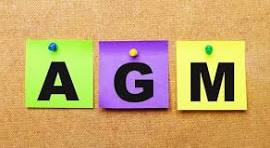
Annual General Meeting 2026

 Motzae Shabbat 10th January 2026 at 7:45 pm

Thank you in advance for attending – your support for this meeting is important.

On behalf of the Mahamad

*Nominations should reach the Hon. Secretary before Thursday, 8th January 2026.

YOU ARE RESPECTFULLY REMINDED THAT UNDER THE PROVISION OF ASCAMA 28 YEHIDIM BEING ARREARS IN THE PAYMENT OF THEIR ACCOUNT FOR A LONGER PERIOD THAN SIX MONTHS SHALL FORFEIT THE RIGHT OF VOTING AT ALL MEETINGS

PLEASE NOTE: VOTING IS BY ATTENDANCE ONLY –  PROXY VOTES ARE NOT VALID FOR AGM’s


📝AGM Nominations form attached to this email

*****
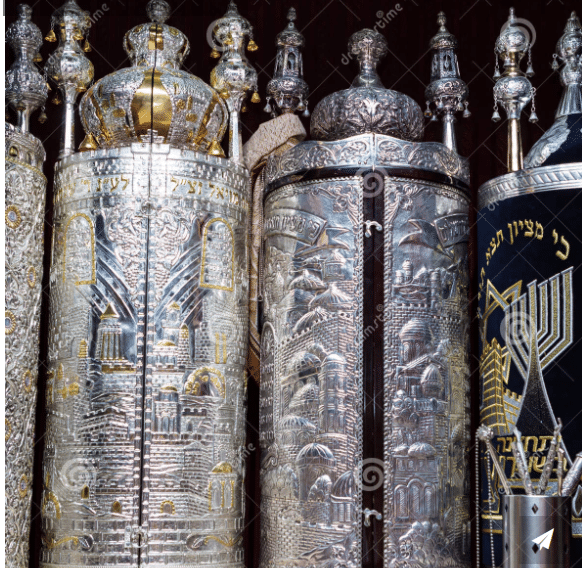
image.png
Would you like to do some Keriat Hatorah – Torah reading?
Committed to doing a reading and finding it hard?
Need to cancel or make a change?
Want to be added to the Keriat HaTorah roster?
Please contact Yehoshua Jacobs
******
image.png
Please support our minyanim whenever possible
Updates will appear on the WhatsApp group image.png
If anyone needs any help getting to or from the minyanim 
please contact one of the members of the Mahamad
****
🕯️שבת🕯️

לוח זמני תפלה לחורף  תשפ״ו

Winter Timetable 5786 – 2025/26

מוצאי שבת

ערבית

(מוצ״ש)

שקיעה

מנחה שבת

סוף זמן קריאת שמע

הדלקת נרות

מנחה וקבלת שבת

תאריך

שבת פרשת

Shabbat

Ends

Arbit

Sunset

Minha

Shema before

Candle Lighting

Minha & Kabbalat Shabbat

Date

Parasha

PM

PM

PM

PM

AM

PM

PM


5:01

4:57

4:01

3:25

10:19

3:46

3:46

2/3 Jan

ויחי

*****

🕯️WINTER TIMES FOR SHABBAT MORNING🕯️

שבת

קרבנות

8:45 am
הודו

9:00 am

*****
image.png
Avot Ubanim 
Winter Season 
1hr 15 min after 
Motzae Shabbat
THIS week 
@ 6:16 pm

********

📜
Parasha Overview

After 17 years in Egypt, Yaakov senses his days drawing to a close and summons Yosef. He has Yosef swear to bury him in the Machpela Cave, the burial place of Adam and Chava, Avraham and Sarah, Yitzchak and Rivka.

Yaakov falls ill and Yosef brings to him his two sons, Ephraim and Menashe. Yaakov elevates Ephraim and Menashe to the status of his own sons, thus giving Yosef a double portion that removes the status of firstborn from Reuven. As Yaakov is blind from old age, Yosef leads his sons close to their grandfather. Yaakov kisses and hugs them. He had not thought to see his son Yosef again, let alone Yosef's children. Yaakov begins to bless them, giving precedence to Ephraim, the younger, but Yosef interrupts him and indicates that Menashe is the elder. Yaakov explains that he intends to bless Ephraim with his strong hand because Yehoshua will descend from him, and Yehoshua will be both the conqueror of Eretz Yisrael and the teacher of Torah to the Jewish People.

Yaakov summons the rest of his sons in order to bless them as well. Yaakov's blessing reflects the unique character and ability of each tribe, directing each one in its unique mission in serving G-d. Yaakov passes from this world at age 147. A tremendous procession accompanies his funeral cortege up from Egypt to his resting place in the Cave of Machpela in Chevron.

After Yaakov's passing, the brothers are concerned that Yosef will now take revenge on them. Yosef reassures them, even promising to support them and their families. Yosef lives out the rest of his years in Egypt, seeing Efraim's great-grandchildren. Before his death, Yosef foretells to his brothers that G-d will redeem them from Egypt. He makes them swear to bring his bones out of Egypt with them at that time. Yosef passes away at the age of 110 and is embalmed. Thus ends Sefer Bereishet, the first of the five Books of the Torah. Chazak

Ohr Somayach Institutions www.ohr.edu
*******
image.png  

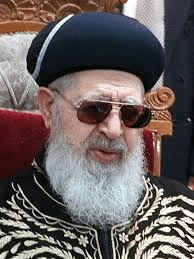
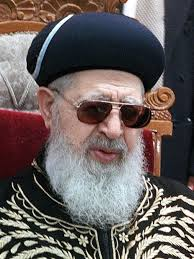
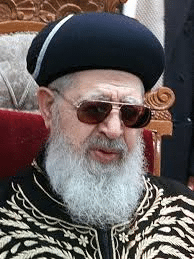
Halachot from Maran Rabbi Ovadia Yosef Ztz'l

תפילת התשלומין

שאלה: מי ששכח ולא התפלל תפילה אחת, וכבר עבר זמנה של אותה התפילה, מה דינו?

תשובה: אמרו רבותינו (מסכת ברכות דף כו.), טעה ולא התפלל שחרית, מתפלל במנחה שתים. כלומר, אדם שטעה ולא התפלל תפילה אחת, או שלא יכול היה להתפלל תפילה אחת מחמת אונס (כלומר, לא בכוונה או בפשיעה, אלא מחמת שכחה וכדומה), צריך להשלים תפילתו אחרי התפילה הבאה שמתפלל, שכך תקנו חכמים, שאדם זה חייב להשלים תפילתו. ולכן אם שכח להתפלל שחרית, מתפלל תפילת מנחה ומיד כשמסיים תפילת מנחה, לאחר שממתין כמה שניות (כדי שהתפילה השנייה תהיה בישוב הדעת), מתפלל שוב תפילת שמונה עשרה, כתשלומין על תפילת שחרית.

ותפילת התשלומין, היא דוקא תפילת שמונה עשרה, אבל שאר התפילה, כגון קריאת שמע וברכותיה ופסוקי דזמרה וכדומה, אין להם תשלומין כלל, וכל שעבר זמנם הפסיד המצוה.

לכן מי ששכח להתפלל שחרית, עליו לחזור ולהתפלל תפילת שמונה עשרה מיד כשיסיים את תפילת המנחה, שאז יעמוד ויתפלל שוב תפילת העמידה לשם תשלומין על שחרית שלא התפלל.

דין הנשים

כתב מרן רבינו עובדיה יוסף זצ”ל, שכשם שאיש ששכח תפילה אחת, צריך להשלים אותה בתפילה שבאה לאחר מכן, כמו כן אשה שרגילה תמיד להתפלל תפילה קבועה, כמו תפילת שחרית, ואירע לה פעם אחת ששכחה להתפלל שחרית, הרי שהיא יכולה להשלים זאת בכך שתתפלל פעמיים תפילת מנחה.

ולסיכום: מי ששכח להתפלל תפילה אחת, לדוגמא, תפילת שחרית, עליו להשלים את תפילתו לאחר מכן, שלאחר שיתפלל תפילת מנחה, ימתין כמה שניות, ואז יתפלל שוב תפילת העמידה כתשלומין לתפילת שחרית.


The Laws of a Compensatory Prayer

Question: If one forgets to pray a certain prayer and the time for reciting that prayer has already passed, what is the proper procedure?

Answer: Our Sages taught (Berachot 26b): “One who has erred and has not prayed Shacharit should pray Mincha twice.” This means that if one mistakenly has not prayed one prayer or if one has not prayed a certain prayer because of circumstances beyond one’s control, one must compensate this prayer after having recited the next prayer one prays, for our Sages have established that one must compensate one’s prayer. Thus, if one forgets to pray Shacharit, one should pray Mincha prayers and immediately after doing so, one must recite the Amida prayer again as compensation for the Shacharit prayer which one has missed.

The compensatory prayer applies only to the Amida prayer; however, the rest of the prayer, such as Keri’at Shema and its blessings, Pesukei De’Zimra, and the like, cannot be compensated for and once their time has passed, one has missed out on this Mitzvah.

Thus, one who forgets to pray Shacharit should repeat the Amida immediately after concluding the Mincha prayer and this will compensate for the Shacharit prayer one missed.

The Law Regarding Women
Maran zt”l writes that just as a man who missed a given prayer must compensate for it during the next prayer, so too, a woman who customarily prays a set prayer, such as Shacharit, and it happened that she had forgotten to pray, may likewise compensate for this prayer by reciting the Mincha prayer twice.

Summary: If one forgets to pray any given prayer, such as Shacharit, one must compensate for this prayer after praying Mincha, i.e. after concluding the Mincha Amida prayer, one should wait several seconds and then recite the Amida prayer again in compensation for Shacharit.


Newsletter Parashat Vayigash – Taanit Asara BeTevet

בס״ד
Moor Lane - Logo.JPG

image.png
ק׳ ק׳ שׁערי תפילה
Have a look at our website 
********
🕯️שבת🕯️

לוח זמני תפלה לחורף  תשפ״ו

Winter Timetable 5786 – 2025/26

מוצאי שבת

ערבית

(מוצ״ש)

שקיעה

מנחה שבת

סוף זמן קריאת שמע

הדלקת נרות

מנחה וקבלת שבת

תאריך

שבת פרשת

Shabbat

Ends

Arbit

Sunset

Minha

Shema before

Candle Lighting

Minha & Kabbalat Shabbat

Date

Parasha

PM

PM

PM

PM

AM

PM

PM


4:54

4:50

3:54

3:15

10:17

3:39

3:39

26/27 Dec

ויגש

*****

🕯️WINTER TIMES FOR SHABBAT MORNING🕯️

שבת

קרבנות

8:45 am
הודו

9:00 am

*****

image.png
Avot Ubanim 
Winter Season 
1hr 15 min after 
Motzae Shabbat
THIS week
6:10 pm 

*********

image.png

תענית עשרה בטבת

Fast 10th Tevet

Next
 TUESDAY 30th December
Fast Begins 6:28 am
Shacharit 6:50 am
Fast Ends 4:50 pm 
Wishing everyone an easy fast

***********

image.png

🗓️ Save the date 📝

Annual General Meeting 2026

 Motzae Shabbat 10th January 2026 at 7:45 pm

Thank you in advance for attending – your support for this meeting is important.

On behalf of the Mahamad

*Nominations should reach the Hon. Secretary before Thursday, 8th January 2026.

YOU ARE RESPECTFULLY REMINDED THAT UNDER THE PROVISION OF ASCAMA 28 YEHIDIM BEING ARREARS IN THE PAYMENT OF THEIR ACCOUNT FOR A LONGER PERIOD THAN SIX MONTHS SHALL FORFEIT THE RIGHT OF VOTING AT ALL MEETINGS

PLEASE NOTE: VOTING IS BY ATTENDANCE ONLY –  PROXY VOTES ARE NOT VALID FOR AGM’s

*********

📜
Parasha Overview

With the discovery of the goblet in Binyamin's sack, the brothers are confused. Yehuda alone steps forward and eloquently but firmly petitions Yosef for Binyamin's release, offering himself instead. As a result of this act of total selflessness, Yosef finally has irrefutable proof that his brothers are different people from the ones who cast him into the pit, and so he now reveals to them that he is none other than their brother. The brothers shrink from him in shame, but Yosef consoles them, telling them that everything has been part of Hashem’s plan. He sends them back to their father Yaakov with a message to come and reside in the land of Goshen. At first, Yaakov cannot accept the news, but when he recognizes hidden signs in the message which positively identify the sender as his son Yosef, his spirit is revived.

Yaakov, together with all his family and possessions, sets out for Goshen. Hashem communicates with Yaakov in a vision at night. He tells him not to fear going down to Egypt and its negative spiritual consequences, because it is there that Hashem will establish the Children of Israel as a great nation although they will be dwelling in a land steeped in immorality and corruption.

The Torah lists Yaakov's offspring and hints to the birth of Yocheved, who will be the mother of Moshe Rabbeinu. Seventy souls in total descend into Egypt, where Yosef is reunited with his father after 22 years of separation. He embraces his father and weeps, overflowing with joy. Yosef secures the settlement of his family in Goshen. Yosef takes his father Yaakov and five of the least threatening of his brothers to be presented to Pharaoh, and Yaakov blesses Pharaoh. Yosef instructs that, in return for grain, all the people of Egypt must give everything to Pharaoh, including themselves as his slaves. Yosef then redistributes the population, except for the Egyptian priests, who are directly supported by a stipend from Pharaoh. The Children of Israel become settled, and their numbers multiply greatly.

Ohr Somayach Institutions www.ohr.edu

*******
image.png  

Halachot from Maran Rabbi Ovadia Yosef Ztz'l

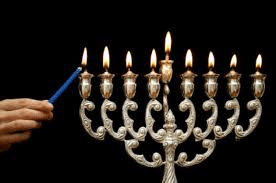
השמן והפתילות הנותרים


שאלה: האם מותר לזרוק את השמן הנותר מהדלקת נרות חנוכה?

תשובה: השמן או נרות השעווה, המיועדים להדלקת נרות חנוכה, אין להשתמש בהם בשימוש אחר, כגון לצורך אכילה, או להדלקת נרות שבת. והוא מפני שהשמן הוקצה למצוותו, כלומר, מיוחד הוא אותו השמן למצות הדלקת נרות חנוכה, ולכן אין להשתמש בו שימוש אחר, אלא עושה לו מדורה ושורפו. (כלומר שורף את השמן שלא לשום צורך).

והכוונה במה שאמרנו שאין להשתמש בשמן הנותר לשימוש של חול, אינה לשמן הנשאר בבקבוק, אלא אך ורק לשמן הנשאר בבזיכים של מנורת החנוכה, שאין להשתמש בו אחר כך לשימוש של חול, או להשליכו לאשפה. וכן נרות הנותרים בקופסת הנרות, לא הוקצו כולם למצות הדלקת נרות חנוכה, ורק שארית הנר שנותרה מן ההדלקה, אין להשתמש בה לשימוש אחר. 

יש אומרים שאין לאסור להשתמש בשמן הנותר, אלא כאשר כבו הנרות בתוך חצי שעה מזמן הדלקתן, שלמשך חצי שעה הוקצו למצותן. אבל אם דלקו הנרות כבר יותר מחצי שעה ואחר כך כבו, אין עוד קדושה בשמן הנותר, ומותר להשתמש בו לכל שימוש. וכן דעת מרן הבית יוסף.

אולם יש חולקים ואומרים שגם אם עברה חצי שעה, עדיין יש קדושה בשמן ובפתילות הנותרים. ולכן כדי שלא להכנס למחלוקת הפוסקים בזה, נכון לעשות “תנאי” לפני ימי החנוכה (או באמצע ימי החנוכה, שהתנאי שיועיל מכאן ולהבא, לימים הנותרים), ולומר בפיו, שאינו מקצה את השמן והפתילות למצותן. (כלומר, יאמר: אני מתנה בזה, שאיני מקצה את השמן והפתילות והנרות הנותרים מהדלקת נרות חנוכה למצותן). ואז לכל הדעות יוכל להשתמש בהם לכל דבר. (חזון עובדיה חנוכה עמוד קס. תורת המועדים חנוכה עמוד קכו. 

ולסיכום: נכון להתנות לפני חנוכה, או אפילו בתוך ימי החנוכה, שאין בכוונתו להקצות את השמן והפתילות לשם מצוה. ואז לא תחול קדושה על שאריות השמן והפתילות, ויוכל לעשות בהן מה שירצה.

The Laws of the Remaining Oil and Wicks used for Lighting Chanukah Candles


Question: May one dispose of the remaining oil used for lighting Chanukah candles?

Answer: One should not use oil (or wax candles) designated for lighting Chanukah candles for any other purpose, such as for eating or lighting Shabbat candles, since this oil has already been designated for the Mitzvah of lighting Chanukah candles; thus, one must not use it for any other purpose. Rather, one must burn the remaining oil on its own, with this burning serving no alternate purpose.

When we say that one may not use the leftover oil for a mundane purpose, this does not refer to the oil remaining in the bottle; rather, this refers to the oil that remains in the glass cups of the Chanukah Menorah. Only this oil should not be used for a mundane purpose or disposed of. Similarly, those candles remaining in the box have not become designated for the Mitzvah of lighting Chanukah candles; only those candles which were actually lit as Chanukah candles should not be used for any other purpose.

Some say that it is only prohibited to make use of the remaining oil when the candles were extinguished within a half-hour of being lit, for they were designated for their Mitzvah for a timespan of a half-hour. However, if the candles stayed lit for more than a half-hour and then went out, no sanctity rests on the remaining oil and one may use it for whatever he pleases. This is indeed the opinion of Maran Ha’Bet Yosef.

Nevertheless, some disagree and write that even if the candles stayed lit for more than half-an-hour, sanctity still rests on the remaining oil and wicks. Thus, one should make a “condition” before the onset of Chanukah and delineate clearly by mouth that he is not designating the oil and wicks for their Mitzvah. In this way, one may use the remaining oil and wicks for whatever he pleases according to all opinions (See Chazon Ovadia-Chanukah, page 160 and Torat Ha’Moadim- Chanukah, page 126).

Summary: It is proper to make a condition before Chanukah or even during the days of Chanukah that one does not intend to designate the oil and wicks for the sake of the Mitzvah. In this way, no sanctity will rest on the remaining oil and wicks and one will be able to use them for whatever one wishes.

Newsletter Parashat Miketz – Shabbat Rosh Chodesh – Shabbat Bar Mitzvah

בס״ד
Moor Lane - Logo.JPG

image.png
ק׳ ק׳ שׁערי תפילה
Have a look at our website 
********

חנוכה שמח

image.png

*****

🕯️🕯️🕯️🕯️שבת חנוכה וראש חודש🕯️🕯️🕯️🕯️

This Shabbat is 
🕎 Shabbat Chanukah & 🌙 Rosh Chodesh 
This Shabbat we
🕎 1) add Al HaNissim in the Amida
✡️ 2) say FULL Halel
3) Take out 3 sefarim
📜i) Parashat Miketz (6 Aliyot)
📜ii) Parashat Rosh Chodesh 
(7th Aliyah followed by kaddish)
📜iii) Parashat Chanukah
(Maftir)
4) Haftara of 
📖 i) Chanukah
📖 ii) 1st & last פסוק of ראש חודש
📖 iii) 1st & last 

פסוק of מחר חודש

****

✡️Bar Mitzvah Invitation✡️

PHOTO-2025-12-14-21-51-53.jpg

🎉🎉🎉🎉🎉🎉🎉🎉🎉🎉
Moorlanenews 
would like to wish
David נ״י 
a massive mazal tov on celebrating his 
Bar Mitzvah 
שיזכה לגדל בתורה ומצות ומעשים טובים
image.png
Mazal Tov 
to our dear members
 Eli & Sima
on celebrating the 
bar mitzvah of their son.
May Hashem bless them with good long and healthy life 
and may they always have much nachat 
from all their children

*****

Moorlanenews
would like to use this opportunity to thank 
Eli Shoshana
 for all his time and efforts as Gabbai of the Bet Hakeneset
& to
Sima Shoshana
for always being available to help out in shul events. 
May Hashem repay them with good health, berachot 
& nachat from all their children.

******

🎉מזל טוב🎉
image.png

מזל טוב

to 

Mr &Mrs Naftaly Zvi Stamler

on the safe arrival 

of their new baby boy

שיזכה לברית בזמנה לתורה לחופה ולמעשים


Special מזל טוב

to honoured grandparents

Rabbi & Mrs Stamler

on their new grandson

*****

image.png

🗓️ Save the date 📝

Annual General Meeting 2026

 Motzae Shabbat 10th January 2026 at 7:45 pm

Thank you in advance for attending – your support for this meeting is important.

On behalf of the Mahamad

*Nominations should reach the Hon. Secretary before Thursday, 8th January 2026.

YOU ARE RESPECTFULLY REMINDED THAT UNDER THE PROVISION OF ASCAMA 28 YEHIDIM BEING ARREARS IN THE PAYMENT OF THEIR ACCOUNT FOR A LONGER PERIOD THAN SIX MONTHS SHALL FORFEIT THE RIGHT OF VOTING AT ALL MEETINGS

PLEASE NOTE: VOTING IS BY ATTENDANCE ONLY –  PROXY VOTES ARE NOT VALID FOR AGM’s

*****

image.png
Would you like to do some Keriat Hatorah – Torah reading?
Committed to doing a reading and finding it hard?
Need to cancel or make a change?
Want to be added to the Keriat HaTorah roster?
Please contact Yehoshua Jacobs
******
image.png
Please support our minyanim whenever possible
Updates will appear on the WhatsApp group image.png
If anyone needs any help getting to or from the minyanim 
please contact one of the members of the Mahamad
****
🕯️שבת🕯️

לוח זמני תפלה לחורף  תשפ״ו

Winter Timetable 5786 – 2025/26

מוצאי שבת

ערבית

(מוצ״ש)

שקיעה

מנחה שבת

סוף זמן קריאת שמע

הדלקת נרות

מנחה וקבלת שבת

תאריך

שבת פרשת

Shabbat

Ends

Arbit

Sunset

Minha

Shema before

Candle Lighting

Minha & Kabbalat Shabbat

Date

Parasha

PM

PM

PM

PM

AM

PM

PM


4:50

4:46

3:49

3:15

10:14

3:35

3:35

19/20 Dec

מקץ (ר״ח) (מחר חודש) (חנוכה) 

*****

🕯️WINTER TIMES FOR SHABBAT MORNING🕯️

שבת

קרבנות

8:45 am
הודו

9:00 am

*****

image.png
Avot Ubanim 
Winter Season 
1hr 15 min after 
Motzae Shabbat
THIS week's time 
will be announced on the WhatsApp group

********

📜
Parasha Overview

It is two years later. Pharaoh has a dream. He is unsatisfied with all attempts to interpret it. Pharaoh's wine chamberlain remembers that Yosef accurately interpreted his dream while in prison. Yosef is released from prison and brought before Pharaoh. He interprets that soon will begin seven years of abundance, followed by seven years of severe famine. He tells Pharaoh to appoint a wise person to store grain in preparation for the famine. Pharaoh appoints him as viceroy to oversee the project. Pharaoh gives Yosef an Egyptian name, Tsafnat Panayach, and selects Osnat, Yosef's ex-master's daughter, as Yosef's wife. Egypt becomes the granary of the world. Yosef has two sons, Menashe and Ephraim.

Yaakov sends his sons to Egypt to buy food. The brothers come before Yosef and bow to him. Yosef recognizes them but they do not recognize him. Mindful of his dreams, Yosef plays the part of an Egyptian overlord and acts harshly, accusing them of being spies. Yosef sells them food, but keeps Shimon hostage until they bring their brother Binyamin to him as proof of their honesty. Yosef commands his servants to replace the purchase-money in their sacks. On the return journey they discover the money, and their hearts sink. They return to Yaakov and retell everything. Yaakov refuses to let Binyamin go to Egypt, but when the famine grows unbearable he accedes. Yehuda guarantees Binyamin's safety and the brothers go to Egypt. Yosef welcomes the brothers lavishly as honored guests. When he sees Binyamin, he rushes from the room and weeps. Yosef instructs his servants to replace the money in the sacks and to put his goblet inside Binyamin's sack. When the goblet is discovered, Yosef demands Binyamin to be his slave as punishment. Yehuda interposes and offers himself instead, but Yosef refuses.

Ohr Somayach Institutions www.ohr.edu

*******
image.png  

Halachot from Maran Rabbi Ovadia Yosef Ztz'l

אמירת ההלל בחנוכה ובראש חודש

חיוב אמירת הלל בברכה בימי החנוכה

בכל יום משמונת ימי החנוכה בתפלת שחרית גומרים את ההלל, ומברכים על ההלל לפניו ולאחריו כפי שמודפס בסידורים. ואף למנהג הספרדים, שאין אנו מברכים על ההלל בראש חודש, מכל מקום בימי החנוכה שאמירת ההלל היא מן הדין ממש, ולא בתורת מנהג בלבד, יש לברך עליו כדין שאר המצוות. ומובן שגם בימי ראש חודש טבת החלים בתוך ימי החנוכה, (שיחול השנה תשפ”ו ביום שבת ויום ראשון), יש לברך על קריאת ההלל כדין שאר ימי החנוכה. (שלחן ערוך סימן תרפג).

דין הנשים באמירת ההלל

הטעם לפטור את הנשים מאמירת ההלל

ולענין חיוב נשים באמירת ההלל. הנה לכאורה נראה שהנשים פטורות לגמרי מאמירת ההלל בימי החנוכה, שהרי נשים פטורות מכל מצות עשה שהזמן גרמא, (מצות עשה שהזמן גרמא, היא כל מצוה שהיא ב”קום ועשה”, ולא ב”שב ואל תעשה”, וכן שהזמן גורם לחיובה, כלומר שאינה שייכת אלא בזמן מסויים. כגון מצות לולב, שהיא בקום עשה, והיא תלויה בזמן, שרק בימי הסוכות חייבים בנטילת לולב). ואם כן נראה שגם ממצות אמירת ההלל בימי החנוכה הנשים פטורות.

הטעם לחייב את הנשים באמירת ההלל

אולם יש מקום לחייב את הנשים באמירת ההלל, כשם שהן מחוייבות באמירת ההלל בליל פסח. והטעם שנשים מחוייבות באמירת ההלל בליל פסח, הוא משום ש”אף הן היו באותו הנס”, כלומר, מכיון שההלל נתקן כדי להודות לאל על הנסים שעשה לאבותינו, ואף לנשים נעשו אותם הנסים, לכן אין שום טעם לפוטרן מאמירת ההלל. וכשם שהן מחוייבות בשתיית ארבע כוסות. ואף לגבי מצות הדלקת נרות חנוכה, אמרו בגמרא (במסכת שבת דף כג.) שנשים חייבות בהדלקת נרות חנוכה הואיל ואף הן היו באותו הנס של חנוכה. ולפי זה נראה שגם באמירת ההלל בימי החנוכה הן מחוייבות.

החילוק בין הלל בליל פסח להלל בחנוכה

אלא שמדברי הרמב”ם ועוד מרבותינו הראשונים מבואר שנשים פטורות מאמירת ההלל בימי החנוכה. וביאר מרן הרב עובדיה יוסף זצ”ל (בספר חזון עובדיה על חנוכה עמו ריד), שיש חילוק בין חיוב אמירת ההלל בליל פסח, לבין חיוב אמירת ההלל בימי החנוכה. משום שבאופן עקרוני, רצו רבותינו לפטור את הנשים ממצות אמירת ההלל, הואיל וכל תקנות חז”ל הן בדומה למצות שנצטוינו מן התורה. והואיל והתורה פטרה את הנשים מאמירת הלל, גם רבותינו רצו לפטרן ממצוה זו. אלא שבליל פסח, מחמת חיוב שתית ארבע כוסות, הוכרחו רבותינו לחייב את הנשים גם באמירת הלל, היות וכוס רביעי של ליל הסדר יש לשתותה יחד עם אמירת ההלל. (כי מצות ארבע כוסות נתקנה כנגד ארבע מצוות של ליל הסדר, כוס ראשון על מצות הקידוש, כוס שני על מצות ההגדה, כוס שלישי על מצות ברכת המזון, וכוס רביעי על מצות ההלל). והאריך עוד בהסבר הדברים.

ברכה על ההלל לנשים

ולכן אף שחייבו את הנשים בהדלקת נרות חנוכה, משום שאף הן היו באותו הנס, מכל מקום באמירת ההלל נשים פטורות. ולכן גם אשה שלבה נשא אותה בחכמה לומר את ההלל בימי החנוכה, אל לה לברך על אמירתו, היות והיא אינה מצווה באמירתו. וכדין אשה הנוטלת לולב, שאינה מברכת על מצוה זו, אף על פי שיש לה שכר טוב על מעשיה כדין מי שאינו מצווה ועושה.

ולסיכום: חובה לומר הלל בכל יום מימי החנוכה, ויש לגמור את ההלל בברכה. ונשים פטורות מאמירת ההלל, ולכן גם אשה שרוצה לומר הלל, לא תברך על קריאתו.

Reciting Hallel on Chanukah and Rosh Chodesh


The Obligation to Recite the Hallel with a Blessing during the Holiday of Chanukah
In the Shacharit prayer during all eight days of Chanukah, the complete Hallel is recited; a blessing is recited before and after the recitation of the Hallel, as is printed in all Siddurim. Although the Sephardic custom is not to recite a blessing on the recitation of the Hallel on Rosh Chodesh, nevertheless, during the holiday of Chanukah when the recitation of Hallel is an actual obligation and not merely a custom, one must recite a blessing upon doing so like one would before performing other Mitzvot. Clearly, this also applies to both days of Rosh Chodesh Tevet which fall out during Chanukah (this year, 5786, Rosh Chodesh Tevet will fall out on Shabbat and Sunday, G-d-willing), in that one must recite a blessing on the recitation of Hallel as one would during the rest of the days of Chanukah. (See Shulchan Aruch, Chapter 683)

The Laws of Women Regarding the Recitation of the Hallel
Regarding the obligation of women to recite Hallel, it would seem that women are completely exempt from reciting the Hallel on Chanukah, for women are exempt from all positive, time-bound Mitzvot (a “positive, time-bound Mitzvah” refers to any Mitzvah which is performed actively, not passively, and is bound by a certain time limit, i.e. that it can only be performed at a certain time; an example of this would be the Mitzvah of Lulav, for this is a Mitzvah that is performed actively and is contingent on a specific time, for the Lulav is taken only during the holiday of Sukkot). It would therefore seem that women should be exempt from reciting Hallel on the holiday of Chanukah as well.

The Reason to Obligate Women to Recite the Hallel
Nevertheless, there is a reason to obligate women to recite Hallel, just as they are obligated to recite Hallel on the night of the Pesach Seder. The reason why they are obligated to recite Hallel on the first night of Pesach is because “they were also included in this miracle,” meaning that since Hallel was instituted to give thanks to Hashem for the miracles He performed for our forefathers and these miracles were performed for women as well, there is therefore no reason to exempt them from reciting the Hallel just as they are obligated to drink the four cups of wine. Regarding the Mitzvah of lighting Chanukah candles as well, the Gemara (Shabbat 23a) states that women are obligated in the Mitzvah of lighting Chanukah candles, for they were also included in the miracle of Chanukah. Based on this, it would seem that women should also be obligated in the recitation of Hallel during the holiday of Chanukah.

The Distinction between the Hallel on the Night of the Pesach Seder and the Hallel During Chanukah
Nevertheless, it seems from the words of the Rambam and other great Rishonim that women are indeed exempt from reciting Hallel during Chanukah. Maran Rabbeinu Ovadia Yosef zt”l explains (in his Chazon Ovadia-Chanukah, page 214) that there is an innate difference between the Hallel recited on the night of Pesach and the Hallel recited during Chanukah, for in principle, our Sages wished to exempt women from the Mitzvah of reciting Hallel since all rabbinic edicts were enacted in a similar fashion to the commandments prescribed to us by Torah law. Thus, since the Torah exempts women from the recitation of the Hallel, our Sages wanted to do the same and exempt them from this Mitzvah. However, on the first night of Pesach, our Sages were compelled to obligate women to recite the Hallel due to the Mitzvah of drinking the four cups of wine since the fourth cup of wine of the Seder night must be drunk alongside the recitation of the Hallel. (The four cups of wine were established to be drunk alongside the four Mitzvot of the Seder night: The first cup with the Mitzvah of Kiddush, the second cup alongside the Mitzvah of reading the Hagaddah, the third cup alongside the Mitzvah of Birkat Hamazon, and the fourth cup alongside the Mitzvah of reciting the Hallel.) He continues discussing this matter at length.

Women Reciting the Blessing on the Hallel
Thus, although women are obligated to light Chanukah candles because they were included in the miracle of Chanukah, they are nevertheless exempt from reciting the Hallel. Therefore, even if a woman would like to act beyond the letter of the law and recite Hallel on Chanukah, she may not recite a blessing before (or after) reciting it since she is not commanded to recite it. The same applies to a woman who takes a Lulav in that she may not recite a blessing before doing so although she receives great reward for doing so as one who is not commanded to perform a given Mitzvah but has done so anyway.

Summary: It is obligatory to recite the entire Hallel, including reciting a blessing on it before and after, every day during the holiday of Chanukah. Women are exempt from reciting the Hallel. Thus, even if they wish to recite it, they may not recite a blessing on its recitation.

Newsletter Parashat Vayeshev – Shabbat Mevarechim

בס״ד
Moor Lane - Logo.JPG

image.png
ק׳ ק׳ שׁערי תפילה
Have a look at our website 
******

image.png
שבת מברכים

THIS SHABBAT 

is  

שבת מברכים

Reminder
there will be NO derasha this week
instead we will have the 
kahal recitation of Sefer Tehilim

*****

חנוכה

image.png

begins 

THIS SUNDAY NIGHT

*****

image.png

🗓️ Save the date 📝

Annual General Meeting 2026

FOR MEMBERS OF THE BET HAKENESET

TO ALL MEMBERS OF THE CONGREGATION

You are requested to attend the

ANNUAL GENERAL MEETING OF THE CONGREGATION  

 Motzae Shabbat 

10th January 2026 

at 7:45 pm

AGENDA

1.      Minutes of the 2025 Annual General Meeting

2.      Matters arising from the Minutes

3.      Parnas Presidente’s Report

4.      Adoption of the Report

5.      Treasurer’s Report and Presentation of Accounts

6.      Discussion and Adoption of Report

7.      *Election of Hon Officers and Members of the Mahamad

a)      Parnas Presidente

b)      Parnas Vice Presidente

c)      Treasurer

d)      Gabbai

e)      Hon. Secretary

f)       Ladies Committee Chair

g)      Mahamad (6 members – sub-group duties to be defined)

8.       Election of delegates to:

a)       Manchester Shechita Board      b)      Manchester Jewish Rep Council

9.       A.O.B.

 CURRENT MEMBERS OF THE MAHAMAD 5785

a)      Parnas PresidenteMordechai Maman

b)      Parnas Vice PresidenteBenjamin Hassan

c)      Treasurer: Yehoshua Jacobs

d)      Gabbai: Eli Shoshana

e)      Hon. SecretaryYehoshua Lewis

f)       Ladies Committee ChairMrs. Elaine Marshall

g)      Mahamad: Mrs Loretta Hodari 

                            Raphi Marshall

                            Paul Delmonte


Thank you in advance for attending – your support for this meeting is important.

On behalf of the Mahamad

*Nominations should reach the Parnas Presidente or Vice Presidente before Thursday, 8th January 2026.

YOU ARE RESPECTFULLY REMINDED THAT UNDER THE PROVISION OF ASCAMA 28 YEHIDIM BEING ARREARS IN THE PAYMENT OF THEIR ACCOUNT FOR A LONGER PERIOD THAN SIX MONTHS SHALL FORFEIT THE RIGHT OF VOTING AT ALL MEETINGS

PLEASE NOTE: VOTING IS BY ATTENDANCE ONLY –  PROXY VOTES ARE NOT VALID FOR AGM’s

*****

image.png
Would you like to do some Keriat Hatorah – Torah reading?
Committed to doing a reading and finding it hard?
Need to cancel or make a change?
Want to be added to the Keriat HaTorah roster?
Please contact Yehoshua Jacobs
******
image.png
Please support our minyanim whenever possible
Updates will appear on the WhatsApp group image.png
If anyone needs any help getting to or from the minyanim 
please contact one of the members of the Mahamad
****
🕯️שבת🕯️

לוח זמני תפלה לחורף  תשפ״ו

Winter Timetable 5786 – 2025/26

מוצאי שבת

ערבית

(מוצ״ש)

שקיעה

מנחה שבת

סוף זמן קריאת שמע

הדלקת נרות

מנחה וקבלת שבת

תאריך

שבת פרשת

Shabbat

Ends

Arbit

Sunset

Minha

Shema before

Candle Lighting

Minha & Kabbalat Shabbat

Date

Parasha

PM

PM

PM

PM

AM

PM

PM


4:48

4:44

3:48

3:15

10:10

3:34

3:34

12/13 Dec

וישב (ש״מ)

*********

🕯️WINTER TIMES FOR SHABBAT MORNING🕯️

שבת

קרבנות

8:45 am
הודו

9:00 am

*****

image.png
Avot Ubanim 
Winter Season 
1hr 15 min after 
Motzae Shabbat
THIS week 6:05 pm

********

📜
Parasha Overview

Yaakov settles in the land of Canaan. His favorite son, Yosef, brings him critical reports about his brothers. Yaakov makes Yosef a fine tunic of multi-colored woolen strips. Yosef exacerbates his brothers’ hatred by recounting prophetic dreams of sheaves of wheat bowing to his sheaf, and of the sun, moon and stars bowing to him, signifying that all his family will appoint him king. The brothers indict Yosef and resolve to execute him. When Yosef comes to Shechem, the brothers relent and decide, at Reuven’s instigation, to throw him into a pit instead. Reuven’s intent was to save Yosef. Yehuda persuades the brothers to take Yosef out of the pit and sell him to a caravan of passing Ishmaelites. Reuven returns to find the pit empty and rends his clothes. The brothers soak Yosef’s tunic in goat’s blood and show it to Yaakov, who assumes that Yosef has been devoured by a wild beast. Yaakov is inconsolable. Meanwhile, in Egypt, Yosef has been sold to Potiphar, Pharaoh’s Chamberlain of the Butchers.

In the Torah portion’s sub-plot, Yehuda’s son Er dies as punishment for preventing his wife Tamar from becoming pregnant. Onan, Yehuda’s second son, then weds Tamar by levirate marriage. He too is punished in similar circumstances. When Yehuda’s wife dies, Tamar resolves to have children through Yehuda, as this union will found the Davidic line culminating in the Mashiach.

Meanwhile, Yosef rises to power in the house of his Egyptian master. His extreme beauty attracts the unwanted advances of his master’s wife. Enraged by his rejection, she accuses Yosef of attempting to seduce her, and he is imprisoned. In prison, Yosef successfully predicts the outcome of the dream of Pharaoh’s wine steward, who is reinstated, and the dream of Pharaoh’s baker, who is hanged. In spite of his promise, the wine steward forgets to help Yosef, and Yosef languishes in prison.

Ohr Somayach Institutions www.ohr.edu

*******
image.png  

Halachot from Maran Rabbi Ovadia Yosef Ztz'l

הזמן הנכון להדלקת הנרות

שעת הסכנה

לפני שנסביר מהו זמן ההדלקה הנכון ביותר, עלינו להסביר ענין כללי בקשר לנרות החנוכה:

בתקופה שהתרחש נס חנוכה, וכן בדורות שלאחר מכן, היה מצב היהודים בארץ ישראל סביר, ולכן היו כולם מדליקים נרות חנוכה בפתחי בתיהם, מבחוץ, בצד שפונה לרשות הרבים. כדי לפרסם כמה שיותר את נס החנוכה לעיני העוברים ושבים.

אולם בדורות שלאחר מכן, חזרו הגויים לפגוע בעם ישראל בכל מקומות מושבותיהם, ולפעמים היתה סכנה של ממש בהדלקת נרות חנוכה באופן שיראו אותם מבחוץ. ועוד היו תקופות שהממשלה אסרה לגמרי על הדלקת נרות בימי החג של הגויים, שהיה חל בימי החנוכה. (רש”י בפ' במה מדליקין). ועוד, היו זמנים שהמצב לא היה גרוע כל כך, ובכל זאת, הגויים היו שוברים את הנרות ומפילים אותם ארצה. (כך מבואר במגילת תענית), כך שלמעשה לא היה ניתן להדליק נרות בפתחי הבתים. מאחר וכך היה המצב, חזרו חכמי ישראל ותיקנו, שידליקו ישראל את נרות החנוכה בבתיהם, ולא בפתחי הבתים, וכך יוכלו לקיים את המצוה, ולפרסם את הנס, על כל פנים, לעיניהם של בני הבית. וכמאמר רבותינו: “ובשעת הסכנה, מניחו על שולחנו, ודיו”.

זמן ההדלקה

כשתיקנו רבותינו את התקנה המקורית, של הדלקת נרות חנוכה, רצו שתהיה ההדלקה בזמן שיהיה פרסום הנס הרב ביותר. ולכן תיקנו, שידליקו את הנרות מיד עם צאת הכוכבים, שאז נעשה חשוך, ואור הנרות בולט. וכן תיקנו, שישימו די שמן בנרות החנוכה, כדי שהם ידלקו במשך חצי שעה. כי בזמנם, במשך חצי שעה מזמן צאת הכוכבים, עוד היו אנשים רבים מתהלכים ברחובות, ולעיניהם יהיה פירסום הנס כשיראו את נרות החנוכה. אבל לאחר מכן, “לאחר שכלתה רגל מן השוק”, כבר אין מי שיראה את הנרות, ולכן בכל מקרה, אין לְאַחֵר את ההדלקה יותר מחצי שעה מזמן צאת הכוכבים.

דעת הרמב”ם ושאר הפוסקים

ובדורות שלאחר מכן, כבר לא היה שייך כל כך הטעם להדליק דוקא בזמן צאת הכוכבים, שהרי לבני הבית אין זה משנה אם תהיה ההדלקה בשעה חמש או בשעה שמונה. אבל כאמור, עיקר התקנה מראש היתה, להדליק דוקא עם צאת הכוכבים במשך חצי שעה.

ולכן פסק רבינו הרמב”ם, שמי שאיחר ולא הדליק נרות חנוכה במשך חצי שעה מזמן צאת הכוכבים, הוא אינו יכול להדליק נרות חנוכה באותו לילה כלל. שכך היתה מצוות חכמים. (והדברים קשורים לדרכו של הרמב”ם בפירוש דברי הגמרא, אך לא נוכל להאריך כאן בהסבר הדברים יותר).

לעומת דברי הרמב”ם, הביאו התוספות (שבת כא:), את דברי רבינו יצחק, שסבר שבזמנינו אין כלל וכלל ענין להדליק בצאת הכוכבים, וניתן אפילו לכתחילה להדליק אפילו בשעה מאוחרת. ולעומת זאת, הביאו התוספות את דעתו של רבינו יוסף פורת, שסבר שגם בזמנינו יש להדליק דוקא בצאת הכוכבים. אולם אם התאחר מסיבה של שהיא ולא הדליק בצאת הכוכבים, ואפילו אם איחר עד סוף הלילה, עדיין יש להדליק נרות חנוכה, שהרי סוף כל סוף יש פירסום לנס חנוכה גם בשעה מאוחרת, ורק לכתחילה יש לנהוג כפי תקנת חכמים.

דעת הרשב”א מרן השלחן ערוך

ורבינו הרשב”א כתב בחידושיו, שגם בזמנינו, יש להקפיד להדליק נרות חנוכה בדיוק בזמן, עם צאת הכוכבים, ועל כל פנים לא לאחר יותר מחצי שעה מזמן צאת הכוכבים. אבל בדיעבד, מי שאיחר ועדיין לא הדליק, מדליק כל הלילה. כי כל מצוה שזמנה בלילה, זמנה כל הלילה, ורק שעיקר תקנת חכמים היתה, שידליק בזמן צאת הכוכבים. ולדעת הרשב”א, אין חילוק בדבר, בין זמנינו לזמן תקנת חכמים, שתמיד יש להקפיד לא להקדים ולא לאחר את ההדלקה, ולהשתדל להדליק דוקא בצאת הכוכבים. אבל בדיעבד, יש להדליק אפילו כל הלילה.

וכדברי הרשב”א פסק מרן השלחן ערוך (סימן תערב).

הדין למעשה

לכן הלכה למעשה, יש להשתדל מאד להדליק נרות חנוכה עם צאת הכוכבים (כרבע שעה לאחר השקיעה), ולכל הפחות בתוך חצי שעה מזמן צאת הכוכבים. ומכל מקום מי שמסיבה כל שהיא התאחר, רשאי להדליק אפילו כל הלילה.

ומרן זצ”ל, בצעירותו, היה אומר שיעור לפני כמאה בעלי בתים בכל יום, והשיעור היה נמשך כשלוש שעות. וידע מרן זצ”ל, שאם הוא ילך לביתו להדליק נרות, לאחר מכן כבר לא יתאספו קהל גדול כל כך לשמוע דברי תורה, לכן היה אומר את השיעור כסידרו, ולאחר מכן היו כולם הולכים לבתיהם ומדליקים נרות חנוכה בשמחה. אבל במקום שאין הכרח כזה בדבר, יש להקפיד על ההדלקה דוקא עם צאת הכוכבים כאמור.


The Proper Time to Light Chanukah Candles


Times of Danger
Before we explain the preferred time to light Chanukah candles, let us first discuss a general rule regarding Chanukah candles.

During the era during which the Chanukah miracle occurred and several generations thereafter, the situation in Israel was relatively safe for the Jewish people and therefore, people would light Chanukah candles on the outside of their front doors, facing the street, in order to maximally publicize the miracle of Chanukah to all passersby.

Several generations later, the Jewish nation began being attacked by their enemies in the various countries they resided in, such that lighting Chanukah candles outside would pose a real risk of danger to them. Furthermore, there were periods when the government banned lighting Chanukah candles altogether during their pagan holidays which coincided with Chanukah. There were other periods throughout history when, although non-Jews would not necessarily attack the Jews, they would nevertheless vandalize their Menorahs, such that it was almost impossible to light outside (see Megillat Ta’anit). The Sages then dictated that the Jewish people light Chanukah candles inside their homes, as opposed to outside their front doors, so that the Mitzvah may be performed and the miracle publicized at least to one’s immediate family. Indeed, our Sages taught, “And from the times of danger and on, one may light the candles on one’s table and this is sufficient.”

The Time to Light
When our Sages originally instituted lighting Chanukah candles, they wanted them to be lit during the time it would engender the maximum publicization of the miracle and thus, they ruled that the candles should be lit at nightfall, which is when it gets dark outside and the candles are clearly visible, and to fill the candles with enough oil that they last for at least a half-hour. This was because in those times, for the half-hour following nightfall, many pedestrians still roamed the streets, and the miracle would be publicized by being seen by passersby. However, after this time when most people were no longer walking in the streets, there would be no one to see the candles and therefore, one needed to make sure to light before this initial half-hour following nightfall had elapsed.

The Opinion of the Rambam and Other Poskim
In the following generations, it was less important to light specifically at nightfall, for in terms of the household, it does not make a difference whether one lights at 5:00 pm or 8:00 pm. However, as mentioned above, the original enactment was to light at nightfall or within the half-hour that followed.

It is for this reason that the Rambam rules that one was delayed and had not lit the Chanukah candles within the initial half-hour following nightfall may not do so anymore that night. (This ruling has much to do with how the Rambam deciphers the Gemara, but we cannot delve into that further at the moment.)

On the other hand, Tosafot (Shabbat 21b) quote Rabbeinu Yitzchak who rules that there is no longer a need to light at nightfall; one may even preferably light at a later hour. Nevertheless, Tosafot quote Rabbeinu Yosef Porat who disagrees and maintains that even nowadays, Chanukah candles should preferably be lit at nightfall, however, if one missed this time, one may light even at the end of the night, for there is ultimately publicization of the miracle even at a late hour.

The Opinion of the Rashba and Maran Ha’Shulchan Aruch
The Rashba (in his commentary on Shabbat ibid.) rules that even nowadays, one should strive to light Chanukah candles precisely at nightfall or at least within the half-hour that follows. However, if, for whatever reason, if this time has passed and one has not yet lit, one may do so all night long since the Mitzvah remains active until dawn, although the original enactment was to light at nightfall. According to the Rashba, there is no halachic distinction between our generation and the original enactment for in both cases, one must strive to light at nightfall or the half-hour that follows, however, if one has not done so, one may light all night long.

Maran Ha’Shulchan Aruch (Ch. 672) rules in accordance with the Rashba.

The Bottom Line
Therefore, one should strongly attempt to light Chanukah candles at nightfall (approximately fifteen minutes past sunset) or at least within the initial half-hour after nightfall. If, for whatever reason, one missed lighting at this time, one may light with a blessing all night long.

In his youth, Maran zt”l would deliver a nightly Torah class to over one hundred laymen for approximately three hours. He understood that if he went home to light the Chanukah candles at the proper time, there would not be as big of an audience as usual for the class. He would therefore give his class at the regular time and when he concluded, everyone went home to light Chanukah candles joyfully. However, if there is no such need, one should try one’s utmost to light specifically at nightfall, as we have discussed.

Newsletter Parashat Vayishlach

בס״ד
Moor Lane - Logo.JPG

image.png
ק׳ ק׳ שׁערי תפילה
Have a look at our website 
********
Special Spirits
PHOTO-2025-11-26-10-02-56.jpg
On behalf of 
Special Spirits
we would like to THANK everyone 
who so kindly donated either 
on our team page or on other team pages
to this amazing campaign 
May Hashem repay you with loads of Berachot
**********
image.png
Would you like to do some Keriat Hatorah – Torah reading?
Committed to doing a reading and finding it hard?
Need to cancel or make a change?
Want to be added to the Keriat HaTorah roster?
Please contact Yehoshua Jacobs
******
image.png
Please support our minyanim whenever possible
Updates will appear on the WhatsApp group image.png
If anyone needs any help getting to or from the minyanim 
please contact one of the members of the Mahamad
****
🕯️שבת🕯️

לוח זמני תפלה לחורף  תשפ״ו

Winter Timetable 5786 – 2025/26

מוצאי שבת

ערבית

(מוצ״ש)

שקיעה

מנחה שבת

סוף זמן קריאת שמע

הדלקת נרות

מנחה וקבלת שבת

תאריך

שבת פרשת

Shabbat

Ends

Arbit

Sunset

Minha

Shema before

Candle Lighting

Minha & Kabbalat Shabbat

Date

Parasha

PM

PM

PM

PM

AM

PM

PM


4:49

4:45

3:49

3:15

10:04

3:36

3:36

5/6 Dec

וישלח


*********

🕯️WINTER TIMES FOR SHABBAT MORNING🕯️

שבת

קרבנות

8:45 am
הודו

9:00 am

*****

image.png
Avot Ubanim 
Winter Season 
1hr 15 min after 
Motzae Shabbat
THIS week 6:05 pm

********

📜
Parasha Overview

Returning home, Yaakov sends angelic messengers to appease his brother Esav. The messengers return, telling Yaakov that Esav is approaching with an army of 400. Yaakov takes the strategic precautions of dividing the camps, praying for assistance, and sending tribute to mollify Esav.

That night, Yaakov is left alone and wrestles with the angel of Esav. Yaakov emerges victorious but is left with an injured sinew in his thigh (which is the reason that it is forbidden to eat the sciatic nerve of a kosher animal). The angel tells him that his name in the future will be Yisrael, signifying that he has prevailed against man (Lavan) and the supernatural (the angel). Yaakov and Esav meet and are reconciled, but Yaakov, still fearful of his brother, rejects Esav’s offer that they should dwell together.

Shechem, a Caananite prince, abducts and violates Dina, Yaakov’s daughter. In return for Dina’s hand in marriage, the prince and his father suggest that Yaakov and his family intermarry and enjoy the fruits of Caananite prosperity. Yaakov’s sons trick Shechem and his father by feigning agreement. However, they stipulate that all the males of the city must undergo brit milah. Shimon and Levi, two of Dina’s brothers, enter the town and execute all the males who were weakened by the circumcision. This action is justified by the city’s tacit complicity in the abduction of their sister.

G-d commands Yaakov to go to Beit-El and build an altar. His mother Rivka’s nurse, Devorah, dies and is buried below Beit-El. G-d appears again to Yaakov, blesses him and changes his name to Yisrael. While traveling, Rachel goes into labor and gives birth to Binyamin, the twelfth of the tribes of Israel. She dies in childbirth and is buried on the Beit Lechem Road. Yaakov builds a monument to her. Yitzchak passes away at the age of 180 and is buried by his sons. The Torah portion concludes by listing Esav’s descendants.

Yaakov decides to leave Lavan, but Lavan, aware of the wealth Yaakov has made for him, is reluctant to let him go, and concludes a contract of employment with him. Lavan tries to swindle Yaakov, but Yaakov becomes extremely wealthy. Six years later, Yaakov, aware that Lavan has become dangerously resentful of his wealth, flees with his family. Lavan pursues them but is warned by G-d not to harm them. Yaakov and Lavan agree to a covenant and Lavan returns home. Yaakov continues on his way to face his brother Esav.

Ohr Somayach Institutions www.ohr.edu

*******
image.png  

Halachot from Maran Rabbi Ovadia Yosef Ztz'l

מלאכה לפני הבדלה – אשה שעושה הבדלה

בהלכה הקודמת, ביארנו, שבמוצאי שבת אומרים בתפילת ערבית “אתה חוננתנו”. ואם אדם טעה ולא אמר אתה חוננתנו, אינו צריך לחזור ולהתפלל. אבל אם טעה שוב, וגם אכל לפני שעשה הבדלה, אז הדין הוא, שעליו לחזור ולהתפלל ערבית, ויאמר אתה חוננתנו, ויעשה הבדלה על הכוס.

טעה ועשה מלאכה

כעת נדון באדם, ששכח לומר אתה חוננתנו בתפילה, ואחר כך טעה שוב, וגם עשה מלאכה לפני ההבדלה, ולמשל, נסע במכונית לפני ההבדלה, בלי שאמר “ברוך המבדיל בין קודש לחול”. והשאלה היא, האם עליו לחזור ולהתפלל שוב תפילת ערבית, כדין מי שטעה ואכל לפני הבדלה, וגם שכח לומר “אתה חוננתנו”, או שאולי כאן הדין שונה?

ואמנם דין זה אינו מפורש בשלחן ערוך. אולם רבינו הרשב”א (במסכת ברכות לג.), כתב בפירוש, שדין זה, שעל האדם לחזור ולהתפלל אם שכח אתה חוננתנו, הוא כאשר “לא הזכיר אתה חוננתנו ואכל, או עשה מלאכה קודם שהבדיל על הכוס”. 

מצאנו אם כן, שהרשב”א משווה לגמרי את דינו של מי שטעה ואכל בלי הבדלה, ודינו של מי שעשה מלאכה בלי הבדלה. וכך אמנם פסק הגאון רבי עקיבא איגר, לאור דברי הרשב”א.

ולכן הדין הוא, שאדם ששכח לומר “אתה חוננתנו” בערבית של מוצאי שבת, וגם שכח ועשה מלאכה לפני הבדלה, עליו לחזור שוב ולהתפלל, ונכון שיאמר שהוא מתפלל על תנאי, “שאם עלי לחזור ולהתפלל, תהיה תפילה זו לשם חובה, ואם אני פטור מלהתפלל, תהיה זו תפילת נדבה”. וכן פסק בספר ילקוט יוסף סימן רסח.

אשה שעושה הבדלה

נשים, חייבות בהבדלה בדיוק כמו האנשים. ואשה שצריכה לעשות הבדלה בעצמה, עליה לעשות הבדלה, בלי שום חשש.

ולאחר ההבדלה, יש נוהגים שבני הבית שותים מן היין שנותר מן ההבדלה. אמנם, יש אומרים שטוב לנשים שלא לשתות מן היין של ההבדלה. ויש קצת מקור למנהג זה, שכן כתב השל”ה ועוד פוסקים, ומכל מקום אין זה מנהג ממש, ואדרבה, בספר מאורי אור כתב שהוא מנהג שאין לו כל כך טעם. ואיך שיהיה, לכל הדעות, אשה שעושה הבדלה בעצמה, צריכה לשתות מהיין כפי שהאיש חייב לשתות, ואין לה לחוש לשום חשש בזה. וכן פסק מרן זצ”ל בחזון עובדיה ח”ב (עמוד תח).


Work Before Havdala- A Woman Reciting Havdala

In the previous Halacha, we have discussed that one must recite “Ata Chonantanu”  during the Amida prayer of Arvit of Motza’ei Shabbat. If one omitted “Ata Chonantanu,” one need not repeat the Amida prayer. However, if one omitted “Ata Chonantanu”  and then eats before reciting Havdala on a cup of wine, one must then repeat the Amida while reciting “Ata Chonantanu”  and only then recite Havdala on a cup of wine.

Erring and then Performing Work
The next issue we must discuss is another kind of mistake. What is the Halacha regarding someone who omitted “Ata Chonantanu”  from the Arvit prayer and then did work, such as driving a car, before having recited the words “Baruch Hamavdil Ben Kodesh Le’Chol”? Must one repeat the Amida similar to the law of one who forgot “Ata Chonantanu”  and then ate before Havdala or is this case different?

Although this Halacha is not delineated in Shulchan Aruch, the Rashba (in his commentary on Berachot 33a) writes that the law regarding one who omits “Ata Chonantanu”  and then eats or works before reciting Havdala is the same and one must repeat the Amida prayer in both cases.

Hagaon Rabbi Akiva Eiger rules in accordance with this Rashba. This is indeed the Halacha, however, in order to avoid all doubt, if one forgets “Ata Chonantanu”  and then performs work before reciting Havdala, before repeating the Amida prayer, one should stipulated voluntary prayer, as follows: “If I am obligated to repeat the Amida, this should be considered an obligatory prayer and if not, this is a voluntary prayer.” Yalkut Yosef (Ch. 268) rules likewise.

A Woman Reciting Havdala
Women are just as obligated to recite Havdala as men are. If a woman needs to recite Havdala herself, she should do so without any concern.

After Havdala, some have the custom that the other members of the family drink from the Havdala wine. Some, however, have the custom that women do not drink from this wine and while there is some basis for this (see Shelah and others), it is not considered a firmly-based custom. On the contrary, the Sefer Me’orei Ohr writes that this is a nearly baseless custom. In any event, if a woman is reciting Havdala on her own, she must drink the wine as a man would and she should not be concerned in the least about this. Maran zt”l rules likewise (Chazon Ovadia- Shabbat, Vol. 2, p. 408)